Covid 19 had a devastating effect on all aspects of life including aviation. We had to put our flying on hold from February 2020 until things settled down a bit. I started doing a few CPL flying lessons in May and by 25th June I decided it was time to brush the cobwebs off MSF and take Tim, Peter Hastings and Harpur for a joy ride around the region. A round trip joy flight over the Bunya mountains, the Darling Downs, the Scenic Rim, the Gold Coast and the islands of Moreton Bay. What could be a better way to spend a winter’s day?
With Peter being a gliding instructor at Maccaffrey Field out near Dalby I felt we should first head out there to let him check on the condition of the airstrip from above.
It was a perfect Brisbane winter blue sky day as we took off over Moreton Bay and passed the mouth of the Caboolture River with a great view of the Glass House Mountains to the north. The Redcliffe area really is a spectacular place to learn to fly.
There was a superb view south as well as we flew downwind.
Our route took us out over the Bunya Mountains and the Tarong Power Station.
I’d rung Oakey air traffic control the day before and asked whether I could obtain a clearance to fly at 3000ft through their airspace. Oakey is used mainly for helicopter pilot training and they rarely fly much higher than about 2000ft so the operator said it wouldn’t be a problem – “Our guys get nose bleeds at 3000ft!” So as we approached the Bunya Mountains I requested a clearance to fly into Oakey controlled airspace and over Macaffrey Field at 3000ft. The air traffic controller was only too pleased to oblige. She must have been having a slow day.
After a couple of orbits at 3000ft we headed to Dalby, about 10 miles away.
All was quiet on arrival at Dalby. We secured the plane and called a taxi.
The taxi took us to Urban Paddock cafe in downtown Dalby where they had a great little beer garden and a great menu. And good coffee! Highly recommended if you’re passing that way.
Suitably fed, we caught the taxi back to the airport and departed south to Millmerran.
The idea was avoid the Wellcamp training area used by Qantas trainee pilots by flying south from Dalby and then turning east at its southern extremity. We didn’t hear any chatter on the radio in the vicinity but I thought it’d be good to avoid the “danger zone” just in case.
The Millmerran coal mine with its power station was a good waypoint to turn and head east.
As we flew towards the Scenic Rim at 5500ft we passed Warwick.
The country became hilly as we approached the Dividing Range.
We had an excellent view of “the Steamers” at Mt Barney as we flew over the western end of the Scenic Rim…
and of Mount Barney itself.
Mt Lindesay was another spectacular feature that we passed. This is an impressive volanic plug that stands out in the landscape.
We even had a view of Mt Warning on the eastern horizon. Being located not far from Cape Byron, the most easterly point on the Australian mainland, the peak of Mt Warning is the first point in Australia to be hit by sunlight each day.
The Scenic Rim area is one of my favourite places to fly. Rolling hills, volcanic plugs, lakes and scattered villages make it seem magical.
It seems a world away from the Gold Coast, 50km to the east. We passed there about 20 minutes later as we headed for the southern tip of Stradbroke Island.
We also flew directly over Sanctuary Cove with its golf course and marina.
The waterways at the southern end of Moreton Bay appeared like a maze.
Soon we were flying up the eastern coast of North Stradbroke Island with its sand mines…
and perched lakes.
Harpur even spotted some whales in the water but neglected to tell his pilot so as a result the rest of us missed out on that bit of excitement.
Main Beach, Deadmans Beach and Frenchmans Beach at Point Lookout all looked amazing as we flew around the headland…
and headed for Moreton Island.
Crossing Moreton island we passed over Tangalooma Resort with its ship wrecks…
and climbed out over the bay as we headed for Bribie Island.
Soon we were overhead Redcliffe again.
With another wonderful view of the Brisbane skyline.
It was four hours’ flying time in all. That would be approximately 15 hours by car – and you wouldn’t get the views! As we put MSF to bed all agreed it was a fantastic way to spend a winter’s day.
On 28th January 2020 I commenced my commercial pilot licence training with a cross country flight with instructor Nick. This was intended as an assessment flight to determine what areas I need to improve on in order to pass the CPL test. I’d decided to do the training in the Cessna 182 (VH-ROC) as it’s a bit cheaper to run and there is a greater selection of instructors at the club who are qualified to fly it than MSF. I hadn’t flown in ROC for many months so there was a feeling of déjà vu, especially flying it under the visual flight rules.
I had to plan the flight from a “charter brief” that I received at 8am. The exercise was to fly to Archerfield, pick up some “passengers” and fly out to an airstrip at Lyndley to the north west of Oakey. From there we’d fly to a remote homestead further to the northwest. The exercise included some complications like a request to carry scuba diving tanks (a dangerous goods item) and balancing the take off and landing weight with the fuel quantity allowable and required on each leg. It took me about 3 hours to prepare everything and discuss the outcome of my calculations and determinations with Nick.
After a quick lunch the flight started with the short hop from Redcliffe to Archerfield for a full stop landing. Of course there was no one to pick up but we taxied to the terminal building and shut down to simulate the scenario in the charter brief. After about 5 minutes we started up again, taxied out to RWY 10L and took off for Lyndley Homestead out near the Bunya Mountains. The task was to find it using “dead reckoning” that is without using GPS or any other gadgets, just a map, compass and watch. After I made my “ready” call at the holding point for RWY10L Nick said something to the Tower controller about a “code 1”. I soon discovered that it was code from Nick to the Tower that he was going to do a simulated engine failure at about 300ft. So he pulled the throttle and I had to react. No big deal – nose down and glide then smoothly add power and continue the climb.
We departed west and were cleared through Amberley and Oakey airspace and eventually found Lyndley homestead. It was easily recognisable thanks to a look on Google Earth beforehand and a mud map of its main features.
And we were right above it at the right time. After a precautionary overfly to check out the strip conditions we decided not to land and departed for our next waypoint. This time it was Hippong, a house with a small dam in the middle of the bush further west. Again no aids allowed, just compass, map, clock. Found that one too.
Approaching Hippong
Then followed an “unplanned” diversion to Mundaburra. This is a common practice in these cross country training flights. You think you’re flying to one place and then mid way through the flight details change. I did a few orbits overhead Hippong while I worked out the new heading and estimated time required, and gave ATC a heads up of our change of plans, then headed off.
Overhead Hippong
Arriving at Munduburra Nick asked for a flapless landing which worked out just fine.
After a quick break to submit a flight plan back to Redcliffe we were off, I donned “the hood” and soon was doing a “lost procedure”.
Taxiing at Munduburra
We flew about 10 minutes to the north east and then I had to take the hood off and work out from the direction we’d flown and the map where we were. I had to identify three objects on the ground that confirmed our location.
From there it was back to Redcliffe via Kilroy where we had to negotiate around some weather, utilising the Kilcoy Gap to our advantage. After 4.5 hours flying time we were back home again. Quite a day.
On 9th December 2019 I did another Angel Flight in MSF, this time with Mike. Mike flew Redcliffe to Tara, a small town of 2300 people on the Darling Downs west of Dalby.
We had to fly out there, pick up a sick boy and his grandmother and fly them to Brisbane where the boy was to have a checkup at the Royal Children’s Hospital. We flew IFR, which was very useful as we had cloud for the first 30 minutes and then it was hazy for the remainder. Tara is in a coal seam gas area so there are quite a few gas wells in the vicinity. Otherwise it’s flat grazing country.
We overflew the airstrip to check the windsock that was showing a slight northerly wind. From there we headed a few miles south for an orbit over the town.
We could then head due north for a straight in approach on RWY35 and after a smooth landing by Mike we taxied to the apron.
Our passengers turned up within 5 minutes, we climbed in, gave them a quick briefing and I took off direct to Archerfield, once again IFR. As we climbed out of Tara we flew over some gas fields.
We overflew Oakey air base at 7000ft.
The cloud built up again after Oakey and we descended in IMC, becoming visual at about 3500ft.
After Mike’s super smooth landing at Tara he just had to goad me as we approached Archerfield, wondering whether I could better it. Lo and behold, I greased it in a landing so smooth you couldn’t even feel it. The grandmother was very impressed and told us so. Suitably buoyed by her compliment, I taxied over to the terminal building. It was a great flight and we were both very happy to be able to assist the young boy with his treatment.
After handing our passengers over to the “earth angel” we left MSF out the front of the terminal building and headed to the nearby cafe for a drink and something to eat.
Then Mike flew the quick hop back to Redcliffe via the Walter Taylor Bridge.
Every two years Cirrus Australia hold a weekend “Cirrus Life Event” for Cirrus owners and pilots. Participants are encouraged to fly their (Cirrus) aircraft to the event to provide an adventure prior to and after the weekend’s activities. Previous events had been held at Hamilton Island and Uluru while in November 2019 it was at Hobart, capital of the Apple Isle. The additional challenge in this case was to cross over Bass Strait…..twice. We planned our 9 day trip some weeks out and there was plenty to prepare for. As always, weather would be a key focus in our planning but crossing over Bass Strait was our biggest concern. We don’t know why we thought like that because the plane didn’t know it was crossing over Bass Strait.
Knowing the temperamental nature of the weather in the southern states, we departed one day earlier than necessary, on Wednesday 30th October, to provide a one day buffer. Mike was PIC to Parkes, a 2.8 hour flight with no problems. It was a normal flight, a bit cloudy out of Redcliffe, but ATC gave us a clearance and we climbed over Amberley to our assigned altitude. Clearly the country is in the biggest drought of its history; the ground colours showed that.
As we flew south west we could see how bad things were. Very sad for the farmers.
On final into Parkes
On arrival at Parkes we refuelled and ventured to the “aircraft terminal” for lunch and a cuppa. After checking out the terminal and aero club we noticed that Parkes airport also hosts an impressive aircraft museum. We discovered that it is actually part of the HARS aircraft museum in Wollongong. We paid the $5 fee and had a look through.
From Parkes I was PIC and we flew to Warrnambool, which was our final destination for the day. Most impressive was the change of the land colour. The first green patches appeared as we crossed the Murray River into Victoria and by the time we passed over Bendigo it had changed from brown to a luscious green.
Castlemaine
Clearly the bottom end of Victoria had plenty of winter rain.
Passing Ballarat
I’d phoned ahead to an Irish Pub called Mickey Bourke’s at Koroit, a small town about 2 minutes’ drive from the Warrnambool airport and arranged a pickup. We refuelled the plane just in time for Bruce the publican to pick us up in his minibus and drive us to the pub. It was a typical country pub with a typical pub menu, you wouldn’t go hungry. Black Angus steaks are their specialty, along with the odd pint of Guinness!
On Thursday morning we completed our final checks on the flight plan for the day after carefully checking the forecast. To make sure we fully understood the weather we phoned the area forecasters for southern Victoria and Tasmania. Both gave us vital information for our flight over Bass Strait. After we’d submitted our flight notification Bruce dropped us back to the airport.
So with Mike back in the left seat we departed Warrnambool for Wynyard, a town located on the north coast of Tassie, starting with a coastal overwater VFR flight. As we took off we flew past the Tower Hill volcanic crater.
We then tracked past Warrnambool to the coast, passing Peterborough with its airstrip.
Not long after flew past the “London Bridge” which is no longer a bridge since it collapsed quite some years ago and the 12 Apostles at 3000ft, then headed for Cape Otway.
London Bridge
At Cape Otway we switched to IFR and started climbing to our assigned level of 9000ft to cross the strait. The in flight conditions were pretty perfect, and visibility was excellent. We had a magnificent view of King Island as we passed over the top.
King Island
Not long after we commenced our descent into Wynyard. With a 40 to 50 knot tailwind we managed to squeeze 225 knots ground speed out of MSF on the way down.
At that moment ATC became very helpful, advising us that a SPECI report had just been issued for Wynyard. The weather conditions over the coast had deteriorated and the cloud was overcast at 1500ft, which was well below our minimum safe altitude (MSA). I also received a text from Gary McArthur from the Wynyard Aero Club, who was expecting us. Gary is a regular flyer in the area and knows the weather conditions very well. His text suggested we fly coastal and aim to remain under the cloud cover into Wynyard. But first, as a Plan B, we briefed the RNAV instrument approach, in case we couldn’t remain visual. As forecast, the cloud cover was mainly over the land so we were able to avoid the cloud and remain over water for the last 10 miles into Wynyard. We descended to 1100ft and, after rounding Table Cape, spotted the airport.
Table Cape
It was then a simple matter of joining mid downwind. We met Gary at the aero club and he showed us the clubhouse and we had a cuppa with him. I flew the leg from Wynyard to Hobart Cambridge. Cambridge is only about 1.6 nautical miles from Hobart’s main airport, so you need to be on your game when arriving there. We’d spoken to Hobart Tower as part of the planning process and they suggested that, if weather permitted, we should downgrade from IFR to VFR before reaching their airspace. This approach would allow them more flexibility to separate us from the numerous jets that fly in and out of the main airport and speed our arrival process. I’d practised flying the last 30 miles on my home simulator so already had a good idea of the VFR route we had to fly and the topography of the area, including Mount Wellington that towers over Hobart. At 1271 metres, it’s one landmark that’s difficult to miss.
We departed Wynyard IFR about one hour after arrival, climbing out in blue skies between a few cumulus, as most of the cloud had dissipated by that time. Our track took us direct to Cradle Mountain and, believe it or not, there was snow on some of the peaks. It was spectacular scenery, with rugged mountain tops and multiple lakes as we flew over central Tasmania.
Cradle Mountain and Dove Lake
Leaving the wilderness behind, we started to descend into Cambridge, switched to VFR and tracked for the Derwent River Valley. Passing over New Norfolk, we followed the river to join the lane of entry called Victor West. This is a VFR route that takes you along the Derwent River past a number of bridges before requiring a clearance from ATC to enter controlled airspace. ATC directed us onto a wide base for Cambridge. We were fortunate to have great weather and being able to see the Tasman Bridge over the Derwent and the city was truly spectacular from the air.
On landing at Cambridge we were met by two old friends of Mike who were keen to go flying. Given the magnificent weather, and the fact that the Cirrus Life wasn’t due to start until the next day, how could we say “no”? We unloaded our gear and then took off again, to the east this time. Flying down the magnificent coastline we passed over Bruny Island, and the mouth of the Huon River on our way to South East Cape.
Huon River mouth
On the return flight we tracked via the Derwent River mouth and had another great view of Hobart as we descended into Cambridge.
Bruny IslandCambridge Airport
Mike’s friends drove us into town where we checked into our bed and breakfast for the weekend. I had made contact with Paul Raynor prior to arrival so he, together with Narelle and their three children, met me at the B&B and we drove out to Cambridge airport to check out the planes. Later we had dinner on the quayside in one of the fish restaurants.
We were glad we had planned our arrival one day early, as strong and gusty winds were blowing on Friday and some participants cancelled their flights while others had a bumpy flight in. We registered for the Cirrus event at about 10am and had to refrain from the free alcoholic beverages on offer as Brett and I were planning to take our wives on a scenic flight around south east Tasmania in MSF. Sigi and Sharon dutifully arrive on a Jetstar flight and we all mini bussed out to Cambridge airport we experienced SEV TURB BLW 5000FT & FU with low VIS on the TAF, due to the fact that it was blowing a gale and someone was attempting to burn half of Tasmania. Brett and I watched an aircraft approach Cambridge airstrip sideways and drop itself on the RWY as it passed under them. We then decided not to scare the hell out of their wives and called off the flight.
We all bussed back to town for those free beverages we had to pass up earlier and some pre-night planning. As evening approached we headed to the Glass House Restaurant, located at the Brooke Street Pier, for a “networking” evening. Discovering that there were loads of fresh wild sea oysters, harvested that afternoon, on offer, we networked the hell out of the oyster shucker. The oysters were superb!
After it was announced that the drinks were sponsored by Flight One in Archerfield Mike, realising that they were a competitor to the Club, seized the opportunity and attempted to send them broke by driving up their drinks bill, until well into the early hours of the next morning.
I can’t recall seeing Mike at Saturday breakfast where we were entertained by a presentation from Ross Harrison & Robyn Hills (from Caloundra) sharing highlights of their helicopter excursion from north west USA up to Alaska. It was an excellent story which came alive with Robyn’s photos. I particularly liked the grin on Ross’s face as he was about to fly under San Francisco’s Golden Gate Bridge. It’s the look that naughty boys and pilots get when they have wicked intent.
Saturday was a “working day” with presentations from 8 till 5. There was morning tea and lunch of course with plenty of networking time and, while we digested our lunch, aerobatics champion Matt Hall gave a spellbinding presentation on his life story. His Wikipedia bio reads: “Matt Hall, born 1971 in Newcastle, a former Royal Australian Air Force (RAAF) fighter combat instructor, international unlimited aerobatic competitor and the first Australian to be selected to compete in the Red Bull Air Race World Championship, starting in 2009 and 2019 Red Bull Air Race Champion”. An impressive aviator. If you ever get a chance to hear him speak, I would highly recommend it.
More talks, afternoon tea, more talks and then we were off to the networking dinner. We were bussed 20 minutes south west of Hobart to Willie Smith’s Apple Shed in the Huon Valley for a sit-down dinner. It turns out that old Willie has been using Tasmanian apples to make alcoholic cider. Mike’s partner Erica had flown in on Virgin that afternoon so she joined us all for the dinner. Brett asked the waiter to fill him up to the TABs and the rest was a bit of a blur for him but involved a bit of line dancing.
Next day, more presentations kept us entranced until it was time for the Gala Dinner. We jumped on the MONA museum’s private ferry for a bit more, you guessed it, “networking”, on the way to the museum.
MONA’s subterranean architecture has a space called the void which is where we had dinner and a bit more networking.
We then grooved the night away listening to Kate Ceberano bash out her hits.
After a packed weekend of Cirrus Life activities, Erica, Brett and Sharon headed home on a jetliner while Mike, Sigi and I had Monday off to recover, explore Hobart and complete the planning for our flight home. Sigi and I walked around Battery Point and a few other parts of old Hobart Town admiring the roses that were in full bloom.
That night we had dinner with Paul and Narelle and their children, this time at home.
The return trip started on Tuesday morning with a very casual and scenic flight up the east coast of Tassie. After topping up the tanks in a bracing westerly wind I took off VFR from Cambridge airport and departed to the south east.
Initially we skirted around the southern end of the Tasman Peninsula and Tasman Island, flying past Cape Raoul, Cape Pillar and Cape Hauy, with their magnificent organ pipe cliffs.
We also spotted a mother whale and its calf heading south near Cape Pillar. From there we remained under the Hobart control steps and completed an orbit over the ruins of the Port Arthur convict settlement. It looked resplendent with multiple convict era buildings and ruins located in between lush green lawns and the crystal clear blue waters of the bay.
From Port Arthur we tracked north over Eaglehawk Neck and on to Maria Island and Freycinet Peninsula where we had a magnificent view of Wine Glass Bay.
There were green paddocks, blue bays and white sandy beaches all the way. It was magnificent weather to fly, with great visibility and almost no clouds. Further on we passed over St Helens then flew over the water to Flinders Island. At about 60km long and 30km wide, Flinders Island is the largest island in the Furneaux Group, off the north east tip of Tasmania. It is quite picturesque with the Strzelecki Peaks dominating the south western corner. Whitemark, the largest town, has a good airport with two sealed runways.
The local hire car company had a car waiting for us on arrival so after refuelling the plane we headed into town for lunch. The afternoon and evening were spent exploring the island and enjoying the friendly hospitality of the locals.
We woke before 6am on Wednesday to a somewhat unsettling weather forecast. Although the sky was still clear, the freezing levels were down to 7000ft, 40 to 50 knot north westerlies would slow our progress across to the mainland, there was broken cloud cover and rain approaching along with a series of cold fronts. We rang the duty forecaster at the BOM and had a long chat about the weather over the next 48 hours. It was clear we should leave sooner rather than later so we had breakfast at 7:00 and were out at the airport by 7:30 to do our pre-flight. Everything was great until we checked the oil level. It had dropped by 1.5 quarts in the 120 minute trip from Hobart. This was after using virtually no oil on the flight from Brisbane to Hobart. We hadn’t packed any oil, given that an oil change had been completed just prior to our departure from Brisbane and we were due to pick up a box of oil in Moorabbin on our way back to Redcliffe. What were we to do?
Mike had a chat to the ARO who gave him the phone number of a local pilot who usually had some spare oil in his hangar. Sure enough the pilot did have some oil and he drove out specially from Whitemark to get it for us. That’s country hospitality. The oil was added (from a drum) just as the first cold front hit and it started to rain – at an angle of 45 degrees. For a while it didn’t look good for our flight back to the mainland. The local pilot offered the comment that he “wouldn’t be flying across Bass Strait on a day like today”. We thought we may have to spend a few days in windswept Whitemark but then again, he wasn’t instrument rated. After about an hour the cloud cover associated with the front receded overhead like a curtain and clear blue sky rolled eastward. The met officer had told us it was forecast to be clear after that initial front passed until early afternoon and then the weather would set in for two days at least. So we decided that we would use the window of opportunity to make the crossing, remaining below the freezing level.
I persuaded Sigi to fly commercial back to Melbourne as it looked like it could be a fairly turbulent flight and we may have to turn back if things didn’t go as planned. She booked a flight to Launceston and an afternoon flight from there to Melbourne.
Mike was PIC and we took off from Whitemark, climbeding to 6000ft as we tracked up the west coast of Flinders Island. It was slow going with the headwind, at only 105 knots ground speed. We kept a close eye on the oil temperature, which settled down after we levelled out. There was some cloud cover but we managed to remain above them all the way to Wilson’s Promontory, the most southerly point of the Australian mainland.
As we crossed the coast the cumulus clouds gathered and we flew in and out of them past Tidal River and on up the coast.
Tidal RiverGippsland coast
Melbourne Centre kept us on their frequency until we were only 7 miles from Moorabbin and finally handed us over to the Tower and it was a short and simple join on a right base into RWY 35R. After negotiating the network of taxiways without any mishaps MSF parked outside Blue Demon Aviation. We had lunch at a nearby motorcycle dealership that doubles as a café with Charles Gunter from Avia.
Charles subsequently gave us four hours of tuition in their Cirrus motion simulator, deploying the plane’s parachute under various scenarios including full and partial engine failures and a mid-air collision.
The simulator session concluded with a night time flight over the Las Vegas strip. It was very lifelike, including the fireworks we flew through.
At about 5pm we headed into the Melbourne CBD by taxi, feeling a bit exhausted from our real life experience of crossing Bass Strait and our simulated one trying to fly from Mangalore to Shepperton but never quite getting there.
After checking into our city hotel we had dinner with a couple of friends of Mike. Just after we arrived back at the hotel Sigi arrived, having spent most of her day in the Launceston airport terminal by herself. Not happy Jan! But it was all for the best we explained.
Thursday 7th November dawned with a strong wind blowing and a none-too-promising weather forecast. While Sigi planned her day in Melbourne and an afternoon departure with Qantas to Brisbane, Mike and I headed back down to Moorabbin for some more simulator time with one of the instructors from Blue Demon. This time it was a less sophisticated simulator and we focussed on practising instrument approaches into Moorabbin and trying to force the plane into a spin, with limited success. We had planned to depart for Wollongong around midday but as the day progressed and we checked the weather forecasts the freezing level had lowered to 4000-5000ft and there was cloud cover over most of north eastern Victoria and south eastern New South Wales. With lowest safe altitudes up to 7700ft enroute, and without any de-icing equipment on the aircraft, we were clearly not going to be flying to Wollongong that day. In addition, the satellite image showed heavy rain over Melbourne. Even our Plan B of flying the inland route to Temora wasn’t possible in those conditions. The weather forecast was for similar conditions right through until Sunday so, as we all had some things on that weekend in Brisbane, we made the executive decision to leave MSF in Moorabbin for a few days and fly by RPT back to Brisbane. We caught a taxi out to Tullamarine and met up with Sigi.
By Saturday it was clear that the only day suitable to fly out of Moorabbin that week would be Monday. The weather would clear on Sunday but after Monday it would close in again and would make flying impossible for the rest of the week. The route to Wollongong was still a no-go so we decided to catch an early Monday morning Virgin flight to Melbourne and fly MSF from Moorabbin to Temora that day. We arrived back in Moorabbin by 2pm and were refuelled and ready to depart at 3pm. There was a strong, gusty north wind blowing but the sky was clear. Departing Moorabbin we climbed to 7000ft, passing just to the east of the CBD.
We then tracked to the east of Essendon Airport.
From there we flew over Kilmore and Mangalore with some magnificent hilly scenery.
Next came the might Murray and we tracked for Wagga and Temora.
Temora
Arriving at Temora we tied the plane down and checked into our modern unit, which was adjacent to the aviation museum. A short trip into town in a local taxi and we were relaxing in one of the pubs with a steak and a beer.
Tuesday started well with a visit to the aviation museum while the wind increased in strength outside. We visited the engineering hangar where they restore and maintain the aircraft. All of them are kept in flying condition. The place is immaculate.
There are two airworthy Spitfires that are always crowd pleasers at the monthly air shows held at the museum.
We knew a trough was passing over and it was forecast to be calmer by late morning. The sky was starting to turn red in the west though as the wind whipped up precious topsoil and carried it in a massive dust cloud towards us.
After a couple of hours in the museum the westerly wind had eased slightly but was still 15 gusting to 25 knots. The dust cloud had largely passed to the north east, the direction we would be travelling. Based on the westerly wind forecast to be gusting up to 30 knots and the fact that Inverell has only a north south runway we decided to change our refuelling stop from Inverell to Gunnedah, that has a RWY 29. We took off and climbed out of dry, dry Temora and headed for even drier Parkes. We were flying IFR and after climbing to 9000ft we were in a red dust cloud and couldn’t see the ground or the horizon and were flying on instruments. It was just like being in cloud, but red. We obtained a clearance to climb to 10,000ft where we were skimming along the top of the dust cloud. Parkes appeared briefly through the dust below us as we overflew it.
Parkes from 10,000ft
The air gradually cleared as we approached Gunnedah and we briefed an RNAV instrument approach. Although it was good visibility by the time we reached Gunnedah I did the instrument approach for practice while Mike kept lookout. The wind was almost straight down the runway at 15 to 30 knots so it was definitely the right decision to avoid Inverell with its north-south runway.
Gunnedah with windsock
After refuelling the plane, and ourselves with muesli bars, Mike flew us out of Gunnedah and we headed for home.
Departing Gunnedah
The drought was so bad out there with dams almost empty. North of Inverell large bushfires were burning. A couple of them near the border had multiple firefighting aircraft populating our OzRunways map some 5000ft below us.
After passing over Amberley we were cleared into Brisbane airspace and tracked past The Gap across to the bay to join the circuit and land at Redcliffe with a 15 knot crosswind. Welcome home!
It was good to be back. The trip to Hobart and the Cirrus Life event had been a real adventure. We’d flown 4,500km in 15 hours of flying and that’s just the south east corner of Australia! It certainly is a big country. We’d covered some spectacular parts of the country, crossed Bass Strait twice, improved our planning and decision making skills, encountered and avoided all sorts of weather, safely negotiated controlled and congested airspace and airports, visited museums and a gallery, caught up lots of old friends, simulated the parachute deployment in the Cirrus and witnessed the drought and fires that are causing so much pain and anguish to so many people. It’s hard to imagine a better experience.
In October 2019 I took Sue and Raymond, who were living in Anglesea near Melbourne, from Redcliffe up to Agnes Water/Town of 1770 for a couple of nights so we could check out the real estate. Raymond had dreams of moving to sunny Queensland and buying a place near the beach where you could swim all year. I was also keen to see what was on offer and the costs.
We took off from Redcliffe on a clear blue sky morning and had a lovely VFR flight up with scattered cloud, passing the coloured sands between Double Island Point and Rainbow Beach.
We also saw River Heads clearly, just south of Hervey Bay.
The Burnett River mouth was also pretty impressive.
Shortly after we were approaching Agnes Water.
We flew over the top of the airstrip and then did an overfly to check the condition of the strip and see whether there were any roos around.
Then after completing another circuit, including a birds eye view of 1770 we landed on the grass strip and taxied to the parking area.
At the edge of the parking area were the remains of a 172 that “Woody” the manager of the airstrip had crashed on a beach not far north of Agnes 18 months before.
After tying down the aircraft and taking the obligatory “we landed safely” selfie to send to our loved ones we caught a taxi into town and checked into the Mango Tree Motel.
That afternoon we took part in a tour that ended up with sundown drinks on the cape at 1770.
The next day we had breakfast with some locals who had moved to Agnes from Anglesea a couple of years before and then spent the morning and afternoon visiting a number of potential properties with a couple of real estate agents. One was the typical hard seller while the other was more relaxed. Sue and Raymond said they’d have to discuss it with their architect son.
Lunch was at one of the cafes that is famous for its vanilla slices. Raymond and I made the most of it.
The next day we were due to fly home in the afternoon after having a morning at the beach but the NAIPS weather forecast indicated storms in Brisbane from midday so I decided we’d need to leave nice and early. It was disappointing as I’d hoped that Raymond and Sue would be able to have views of Fraser and the Sunshine Coast again but it was not to be. Although they were disappointed too I explained the details on the weather forecast and that I didn’t want to risk having to divert to Sunshine Coast or somewhere even further north to avoid storms in Brisbane. They quickly agreed it’d be best to leave soon.
After breakfast and a coffee at one of the cafes in the centre of Agnes we headed out to the airstrip and prepared the plane for departure. I put in a notification for an IFR flight, expecting some IMC on the way into Redcliffe.
By 9am, as we took off and turned around the cape at 1770, the clouds were starting to gather.
As we followed the coast at 7000ft the cloud cover grew thicker and thicker.
By about Double Island Point we were flying over 8/8 cloud. I reassured Sue and Raymond that it wouldn’t be a problem. I’m instrument rated and the stratocumulus cloud wouldn’t present any problems with turbulence. I didn’t mention to them but I knew my Plan B was the instrument approach at Sunshine Coast if the cloud was below lowest safe at Redcliffe. Overhead Noosa ATC directed us to start our descent. We descended into the cloud and in IMC surrounded by cloud I could feel the tension building in my passengers – suddenly all was quiet. By Roy’s Orchards we had descended to about 3000ft and were still in IMC. The lowest safe was 2000ft so after ATC had confirmed that we were happy to descend further I continued the descent. At about 2200ft we popped out of the clouds over Toorbul and I advised ATC that we were visual. We could then fly visually the rest of the way to Redcliffe. The passenger stress levels dropped immediately. I saw the gathering weather ahead with some rain showers however so was keen to get on the ground and put the plane away in the hangar. A lovely smooth landing completed the trip and we refuelled then put MSF to bed. As we drove home from Redcliffe a storm hit and we had some driving rain. Sue and Raymond understood why we’d left earlier and appreciated the weather forecast I’d received. So another lesson learned.
In July 2019 I met up with Mike Cahill and Brett Silvester at Oshkosh in Wisconsin USA at the Annual Fly-in Convention of the Experimental Aircraft Association (EAA) aka “AirVenture”. Held every July at Whitman Field Airport, on the shores of Lake Winnebago, 300km north of Chicago, it is the biggest gathering of light aircraft enthusiasts in the world. It is a huge event that lasts for a whole week, so we decided to make a week of it. The stats for the week looked like this: 642,000 people attended with more that 10,000 aircraft. There were 12,300 campers, 2772 international visitors, 2758 show planes with 127 takeoffs/landings per hour. That’s why it’s the World’s Largest Air Show.
Brett and I arrived about 12 hours after Mike. Mike picked us up in his hire car from Appleton International Airport, about 30 minutes north of Oshkosh, at 11pm on Saturday 20th July. Our flights had been delayed by thunderstorms around Chicago where we both had to transit. I’d seen some interesting towering Cumulus as we flew from Dallas to Chicago that stretched right up to 35,000ft and Mike had experienced a mini tornado on the ground at Appleton.
It was Mike’s third visit to Oshkosh and the 50th Anniversary of EAA AirVenture. The theme was “Year of the Fighter” and Mike was a bit disappointed. He thought that although there were F15 Eagles, F18 Super Hornets, F22 Raptors and F35 Lightnings, so all the modern day fighters on static display, only the F22 and the F35 flew in regular displays. We were treated to a flypast of both the Navy Blue Angles (F18) and the USAF Thunderbirds (F16). I thought it was pretty impressive.
The Sunday was opening day and the main event was an opening party at the Cirrus tent. As a Cirrus owner Mike had received a few passes for the party so we all went along. Cirrus founder Dale Klappenmeier addressed the crowd at the Cirrus party, Oshkosh, explaining how his wife Patty was responsible for a lot of the good ideas incorporated into the design.
We chatted with various Cirrus people and enjoyed the beer and canapés.
The next day was Monday and the first real show day. We drove down to Oshkosh on the interstate in about 30 minutes and had no problem parking. As Mike had been to Oshkosh a few times before he was able to explain where most things were but it is so large an area that it takes a while to get your head around it. We had a Bell helicopter ride that morning to get a bird’s eye view of the layout and understand where everything was. It then took me all week to cover most of the things on offer.
For me, the technical seminars were a major attraction. The EAA App lets you work out what’s on where each day and makes it easy to compile a program of interesting topics. Want to know how best to avoid icing? How to adjust your mixture to get best fuel economy or best power? How to read met forecasts better? What the latest is in unmanned aircraft?
With about 20 different presentations running simultaneously from 8am to 5pm each day there was almost always something interesting to go to. And when the jet lag got the better of me (it took me four days to get over the jet lag) I went out and watched the airshow which ran from 2-6pm each afternoon.
One highlight for me was a restored De Havilland Mosquito. My dad was a navigator in the Pathfinders in WWII and flew in Mossies (the so-called “wooden wonder”) so it has always been top of mind for me. To see (and hear) one actually flying was amazing. It’s the third one that Total Rebuild, a company based in New Zealand, has restored from scratch and was only delivered in February 2019.
It had been shipped in pieces from NZ to its new home in Texas and only flown 17 hours including the flight up to Wisconsin so was essentially a brand new aeroplane. The head of Total Rebuild was interviewed at a forum on the Friday afternoon and told the story of how the wreck was found, recovered and restored. The interview was filmed and can be accessed online by the link below. The interview is typical of the types of sessions that occurred the whole week. In this forum the first 40 minutes was an interview with retired USAF veteran Dick Rutan, followed by the Mosquito restoration discussion.
Seeing a real B17 Flying Fortress and B29 Superfortress up close and in the air was amazing too. There were so many other historic aircraft and of course the modern day fighters.
There were also all the light sport aircraft of all shapes and sizes and the GA aircraft suppliers, whether it be Cirrus, Diamond, Piper, Cessna, Beechcraft and the larger corporate types like Pilatus. Everyone who is anyone was represented as well as a huge variety of aircraft equipment suppliers. Some had their own large display area while others rented booths in one of four large halls. I didn’t even really investigate these, there were too many of them.
I’d recommend any light aircraft enthusiast to make at least one trip to Oshkosh. Accommodation in the area around Oshkosh is booked our early so we had an AirBnB at Appleton, about 30 minutes up the interstate motorway to the north. It was an easy drive down and back each day and the traffic management was so good that we never had to queue. Avalon management could learn a thing or two from the EAA.
We flew into Appleton from Chicago. If you want to fly yourself in, you can arrange to fly in with a US instructor. If you do fly in and camp you will probably have a really good experience, being fully immersed in the Oshkosh world of aviation for a full week. Camping is a reasonable option given the warm weather we encountered. However, there is still a risk of storms and rain so for me an AirBnB makes more sense. It’s good to retreat to a home like environment at the end of the day and enjoy a barbie. Having said that, the EAA do have events on site most evenings so they would have been interesting to attend. Flying into Appleton is easy and it’s easy to hire a car there. My only other recommendation is to fly into the US a few days before the start of the event so that you can recover from the jet lag and make the most of what is a really busy week.
In late May 2019 Sigi and I spent a week exploring North Queensland in MSF. We originally planned to spend longer and explore more, as shown on the map below, but we had to cut short the trip due to a family emergency. Nevertheless, it was an enjoyable introduction to North Queensland and inspired us to return the following year.
We took off from Redcliffe on a cool morning into clear blue skies, climbing IFR to 7000ft and passing over the Sunny Coast, Lake Weyba and Noosa.
The Air Traffic Controller was having a really busy day, dealing with numerous aircraft at once as we passed Maryborough and Hervey Bay.
Lake Monduran, near Gladstone
After 90 minutes we landed at Gladstone for a pit stop and coffee. No sooner was the cup drained and we were off again, this time to Mackay, another 90 minutes, passing over Rockhampton at 8000ft and skirting around the edge of the Shoalwater Bay military area, which was active with some sort of exercises. As we headed north the clouds built up so we descended to 6000ft but by the time we were approaching Mackay we were in and out of cloud. Luckily we were able to descend out of it above lowest safe and do a straight in visual approach on RWY 32.
There was no other traffic in Mackay (apart from the service van who was inspecting the runway) so the air traffic controller was very relaxed and chatty and keen to help us as much as he could. Great service from ATC. On the ground we refuelled the plane and had some lunch on the deck of an airside clubhouse, enjoying the increased temperatures and the humidity.
Soon we were rolling down RWY32 again and headed for Bowen via Prosperine, with the Whitsunday Islands on our right hand side. Once again a fair bit of cloud but we only climbed to 4000ft and didn’t have to fly through much of it. After 25 minutes and we were descending into Bowen, did a circuit to check the wind sock and landed.
Then of course we had to get into town from the airport didn’t we? Normally it’s a call to the local taxi company but not this time. We’d brought our own transport in the form of two Dahon folding bikes that had been stowed in their covers on the rear seat.
In about 5 minutes we had them out, unpacked, unfolded and ready to go.
It was about a 30 minute ride into town and along the foreshore, a good chance to stretch our legs after sitting in the plane for a few hours.
We checked into a motel near the beach in downtown Bowen and enjoyed a walk along the beach followed by dinner at the pub.
The next day brought us to Undara Lava Tubes via Charters Towers. We had planned to fly via Innisfail so we could pass over Dunk Island where dad’s cousin lived for many years, but we woke to a cloudy sky and the weather along the coast was forecast to be wet so we headed inland instead. There were a few spits of rain and a strong tail wind as we cycled out to the airport and loaded the bikes into MSF. A local skydiving group were going out for jumps over Queens Beach so we agreed to stay well clear of them, as they’d have difficulty knowing where they were going to land with a 20 knot wind blowing. The tail wind helped us fly to Charters Towers in record time, passing over the Burdekin River and Ravenswood Gold Mine on the way.
There weren’t really any spots to park on the apron but the local LAME let us park in front of his hangar and kindly offered us his car to drive into town. He was amazed when we thanked him and told him it wasn’t necessary as we have our bikes in the plane. So we unpacked the bikes and headed off for a look at downtown Charters Towers and some lunch.
The cafe at the Stock Exchange Arcade was a top spot. We chatted with a couple from Melbourne whose son is the Australian rep for Pilatus aircraft. Part of his job is to fly the aircraft out from Switzerland to Australia with their new owners. Not a bad lurk!
Then it was back to the airport for our flight to Undara. The clouds had rolled in by then and we climbed out into an overcast sky and at 6000ft we were in the clouds. An attempt to get under the cloud at 4000ft was aborted as moderate turbulence started to toss us around so we climbed back up into the soup and continued in IMC until we emerged into a drizzly hazy mist with about 20km visibility. So once again the investment in a private instrument rating has been well and truly demonstrated as invaluable for trips like this. We descended and the Undara strip was clearly visible ahead of us and we buzzed over it and the resort nearby, then landed, passing a couple of grazing kangaroos as we flared. They were far enough to one side to not pose a problem. As it started to drizzle Heather from Undara pulled up in her minibus to drive us the 4km to the resort.
They’d rung in the morning and we’d agreed if it was raining we’d buzz the resort and they’d come out for us. We had hoped to ride of course but with the rain increasing in intensity that wouldn’t have been too pleasant.
So the weather turned on us and a cold snap extended all the way from South Australia up to northern Queensland. Despite the plans for enjoying the tropical heat we discovered we were sitting rugged up in 18C temps in FNQ. Mind you we were at 2500ft about sea level.
The next day was spent exploring Undara, doing walks and visiting the lava tubes. We woke to a sunny morning and Heather cooked a bush brekkie for us.
We did a short walk to Atkinson’s Lookout and the Bluff to get some views over the surrounding countryside.
Then we joined a group visit with guide Alan who drove us to one of the lava tubes, climbed down inside and walked through.
With a diameter of up to 15-20 metres these are impressive natural structures. On the way back Alan stopped at the “Undara International Airport” and checked out the runway condition while we checked that MSF was enjoying its day off.
After lunch the clouds gathered again and we had another 90 minute walk spotting a variety of kangaroos and wallabies and taking in more views of the surroundings. Later it was off on trip to a ridge to watch a spectacular sunset and visit a bat cave (lava tube). Some 20,000 micro bats live in the one cave apparently and up to 34 pythons feed on them in the trees at the exit during the wet season. No snakes in sight today though.
Heading back to Undarra Central we had dinner and a couple of drinks to end off the day.
There are a number of old railway carriages that are used for “upmarket” accommodation. We’d decided however that we’d rough it by staying in a glamping tent. It was comfortable and we had extra blankets to keep us warm. Although it was not the best weather the lava tubes were interesting and the accommodation facilities were quite good. However I’d suggest that you wouldn’t need more than two nights there as there isn’t a lot to do once you’ve visited the lava tubes.
We retired to our glamping tent and pondered some news I’d received from my brother who was in Mt Gambier with mum and dad. Dad was not doing well and my brother suggested we break off our trip and head home.
We had intended to fly over to Mareeba the next day and then back to Karumba and home via Winton but after hearing the news about dad we cancelled all our bookings and headed south to Emerald via Charters Towers, where we refuelled. One overnight stop in Emerald where we used the bikes to ride into town and back out again and then it was a quick hop back to Redcliffe.
Dubbo – Mount Gambier – Port Pirie – Port Lincoln – Stawell – Bendigo – Griffith
I’d always wanted to fly from Brisbane to Mount Gambier in South Australia. It’s my birthplace and where I grew up and first went flying with dad as a teenager. Finally the time came. On Anzac Day 2019, after our annual aero club dawn service and flight up the coast, Sigi and I headed south. We were vectored around Amberley as the RAAF were sending out numerous F18s for ANZAC fly pasts, but once past there we flew via the Spicers Peak in the Scenic Rim and Inverell to Dubbo for an overnight stop.
As soon as we passed about Tenterfield the country became increasingly drier. You could see the effect of the ongoing drought.
It was an uneventful approach into Dubbo. We tied down the plane and caught a taxi into town.
We had booked the motel in Dubbo that we’d stayed in during our Central Australia trip in 2018 but this time we had more time to explore the city. We had a good walk along the river and past the war memorial, decorated for Anzac Day.
On Friday morning we had a short hop to Griffith to refuel and visit the aero club before heading further south. They had free tea and coffee so I just had to have two cups of tea, a decision I was later to regret.
Crossing the Murray the head winds increased to 30 knots. We cruised at 4000ft as the winds were stronger further aloft. It’s pretty flat over the Wimmera so not a lot to see apart from salt lakes and Horsham, with the Grampians in the distance.
The wind was stirring up a lot of dust so the visibility wasn’t the best either. I’d originally planned to land at Horsham and refuel but the winds weren’t favourable for a landing so we carried on. As we headed south from Horsham the cloud cover increased and we were in and out of clouds at 4000ft.
Those two cups of tea had ended up in my bladder so I was pretty keen to get to somewhere where I could relieve myself and hoping we wouldn’t be delayed on landing. As we approached “the Mount” the clouds cleared and the sun appeared. We heard an RFDS plane landing on RWY18 via the RNAV so thought we may have to do the same. There was a special weather alert for Mt Gambier for winds from 240 at 25kt gusting to 35kt though but I knew they have three runways and one of them happens to be RWY24. So we did a straight in approach on RWY24 and it was a smooth landing and an equally smooth rush to the public toilet for me while Sigi minded the plane. On the ground at 3pm we had 12C and those 25-35kt winds to deal with while tying down the plane. Dubbo had been 29C. This is a big country!
On Saturday morning we took mum and dad out to the airport to introduce them to MSF. They were suitably impressed with the plane but I think dad was secretly wishing he could be flying with us too.
We spent some time at St Mary’s and then took mum and dad down to Port McDonnell to their favourite cafe.
We also went for a couple of walks around the crater lakes while we were there.
After a great weekend with mum and dad, Sigi and I went our separate ways on Monday. We drove out to the airport and she flew with Rex to Melbourne to attend a course on lymphatic cancer. I preflighted MSF and took off up the coast in MSF. I’d wanted to fly to Port Pirie for a while so took the opportunity to meet up with Chris and Janet Fountain and take them for a flight over to Port Lincoln, somewhere I’d never been before.
It was overcast at Mt Gambier but well above lowest safe so I took off IFR and climbed through a thin layer of cumulostratus clouds into blue sky, settling in at a cruising level of 8000ft. The cloud lasted until near Kingston and after that I had a clear view of the Coorong .
The last time I flew into Pt Pirie was in early 1979 with Dad when I first was planning on studying metallurgy. I think we flew direct to Pirie back then and avoided Adelaide airspace but this time, flying IFR, it was easy to fly right over the top. I tracked via the Murray mouth and had a wonderful view of Lake Alexandrina and Lake Albert.
From there it was on over the mouth of the Murray River.
Next was the Fleurieu Peninsula and soon I was passing McLaren Vale as I headed direct for a waypoint overhead Adelaide International.
I wasn’t planning to stop there, passing overhead at 8000ft with a wonderful view of the city below.
Glenelg and West Beach were on the left as the autopilot turned the plane to head up the eastern side of the Gulf of St Vincent.
It didn’t seem long until I was overhead Port Wakefield at the top of the Gulf of St Vincent, and starting my descent into Port Pirie.
Chris and Janet were waiting for me and after tying down the plane we headed into town. They agreed it would be good to fly down to Port Lincoln the next day. I’d never been to Port Lincoln so was keen to visit while I had the chance. They’d been before but were happy to fly there for a change.
The weather for the trip to Port Lincoln the next day wasn’t as kind as for the trip to Pirie. There was a 25 knot north westerly wind blowing, gusting to 35 knots, and a cold front was approaching from the south west with showers forecast for the evening. There was also moderate turbulence forecast. Chris told me he has a history of being sea sick and air sick while Janet had sailed a lot from a young age with no problems so Chris was in the front with the vomit bag while Janet could enjoy the business class comfort in the back. The flight took us first up the east coast of Spencer Gulf to Port Germain, where a narrow point allowed us to cross the gulf and stay within gliding distance of the coast (no life jackets required). We flew over Whyalla and its steelworks and followed the coast south west.
Soon we were approaching Port Lincoln. It’s a very attractive bit of coast at the southern end of Eyre Peninsula around to Coffin Bay with lots of peninsulas and islands scattered around. Unfortunately the strong winds had blown up a lot of dust so the visibility was poor and we couldn’t really appreciate the view properly. The wind was 25 knots gusting to 35 as we landed on the north south runway, tied down the plane and took a taxi into town. With a population of only 16,000 Pt Lincoln is not exactly a metropolis but a pleasant enough coastal town with a fair bit of wealth from the tuna fishing industry. Amongst other things it’s famous for Dean Lucan, who won gold for weight lifting in the 1984 Olympics, and Makybe Diva, the first horse to win the Melbourne Cup on three occasions. There’s a statue of Maybe Diva on the foreshore.
After a lunch of locally caught Tuna steak, we headed back to the airport as the weather forecast indicted that we’d need to be back in Pirie by 4pm to avoid the rain from the approaching cold front. Taking off into a 30 knot headwind didn’t require much ground roll and we were soon tracking back up the coast, over the top of Whyalla and crossing the top of the gulf.
Arriving on the eastern coast we turned south and descended into Port Pirie.
Both Chris and Janet coped with the flight really well and seemed happy to have had the chance to see that part of the country from the air.
By Wednesday morning the cold front had passed over Pirie. There had been some showers overnight but the sky had cleared. I was planning to meet up with Sigi in Bendigo on Thursday so had one more day to kill, and decided to drop in on my friends David and Rita who have a sheep farm and olive grove (redrockolives.com.au) near Stawell in the Grampians region of western Victoria. I’d originally planned to fly over Adelaide again via the IFR routes but the weather over Adelaide was not looking good with quite a bit of cloud and some possible thunderstorms so I decided to skirt around that by heading south east to the South Australian Riverland and then direct to Horsham.
It was the right decision. As I climbed up to 7000 ft I saw the weather to the south of me including some towering cumulus but it was all pretty clear across to the Riverland.
Turning at waypoint “Trump” I headed to Loxton, passing Morgan, Waikerie and Lake Bonney, then on over Pinnaroo and the Big Desert to Nhill. The tailwind increased to about 35 knots on the way and the ground speed topped out at 200 knots as a result.
Scattered cumulus gathered as I headed south so I was in and out of them as I descended into Horsham. There was a 30 knot north wind blowing on the ground so it was good that Horsham has a north south runway.
After refuelling it was only a 15 minute VFR flight to Stawell which also has a north south runway in addition to an east west one. David and Rita met me there and we headed into Halls Gap for lunch at a brand new micro brewery and coffee at a local art gallery.
I checked the weather and it looked fine for a flight over the area north of the Grampians. I had been planning to take David and Rita for a flight over the Grampians themselves but with a 30 knot north wind it was perfect conditions for creating Mountain Waves to the south so I decided to stay north. That suited them as they wanted to see the farm and olive grove from the air as well as Stawell city. Back at the airport we started up and taxied out only to find the north south runway had been closed – work in progress! So there was only the east west runway open and a 25 knot northerly blowing. What to do? We taxied back to the apron to consider our options. I didn’t plan on attempting a landing with such a strong cross wind. Rita was very keen to go for a flight and was heading to Geelong early the next morning so this would be her only opportunity. A little voice in my head said “Don’t get pressured into something you don’t want to do. Look for a compromise.” After another check of the NAIPS weather it was clear the wind was abating and should be around 15 knots after an hour. So I told them that we could take off and should be able to land in an hour but if the wind was still more than 15 knots we’d have to fly over to Horsham and wait there until the wind dropped later in the evening. They were happy with that option so off we went. It was an interesting joy flight.
Climbing out to the west we did a couple of orbits over the olive grove and a couple over the farm then around the Black Range nearby, and over the top of Stawell then east to Ararat. By the time we arrived back at Stawell the wind had dropped to about 10 knots so it was a pretty straight forward cross wind landing (as we have at Redcliffe on many days). All in all a very interesting day with lots of useful experience in dealing with changing conditions, challenging weather and human factors.
On Wednesday evening a fairly severe storm passed over Stawell. There was a very impressive lightning display that lasted for over an hour and driving rain that totalled about 50mm in less than 2 hours. By morning though it was blue skies again and we had a magnificent view of the Grampians nearby.
I only had a 30 minute flight to Bendigo planned so we went out to check on the property after breakfast. That part of Victoria doesn’t get a lot of rain so this was a major windfall (or rather, rainfall) for all the farmers. It’s not usually that heavy though so there was minor flooding and quite a bit of fence damage but the main thing was that the dams had filled quite a bit and the drought had broken.
David said in one night they received enough rain to last them for two years! And it was just a week or two before olive harvest so perfect timing. He’d just finished building a new dam at the olive grove and it had received a nice amount of rain overnight.
After lunch in Stawell it was back to the airport and I was off to Bendigo, where some low cloud was still hanging around from the night before. What better excuse to practise an RNAV instrument approach?
I didn’t actually need an excuse because the cloud was at 1400ft so I really had to do one. It was a good one though as it was mostly clear heading for the first waypoint (Sierra Charlie) and I only entered cloud as I turned over Sierra India towards the runway, popping out again as I descended through about 2000ft.
They’d had a bit of rain so the runway was pretty wet but there was still a strong north wind blowing so the touch down was pretty smooth. After refuelling and tying down the plane on a soft patch of ground I unloaded just as Sonja and Sigi turned up. We drove into town to our AirBNB, which was a really well renovated heritage house. It was great to see them both and we drove into town to visit the local Art Gallery that had a special exhibition with original portraits of the British Royal Family from the Tudors to the Windsors. Afterwards we had a great meal at one of the fine eateries in Bendigo.
Friday was time to head north again but first we had to explore Bendigo with Sonja. We wandered around the central area and through the botanic gardens, climbing a hill to an old head frame from the gold mining days. It gave us a good view over the town.
Bendigo was founded in the gold rush and you can see the buildings from the 19th century dotted around. They also have a tram that still runs and a heritage tram that is an information centre.
Sonja was keen to get back to Melbourne so she dropped us off at the airport and we were soon on our way to Griffith. The flight took us over Echuca on the Murray River and into the Riverina irrigation region.
Echuca
Griffith was founded in 1916 and owes its existence to a sophisticated irrigation system that channels water from the Murrumbidgee River, which in turn is fed by the Snowy Mountains to the east. It has a strong Italian heritage and there are quite a few orchards and vineyards around along with other horticulture.
Griffith
We went for quite a long walk down the main street and central area. The city was designed by Walter Burley Griffin who also designed Canberra, and you can see some similarities in the layout with circular streets and wide avenues.
Griffith RSL Club
They celebrated the centenary in 2016 with a sculpture event. Seven sculptors from around the world gathered for two weeks and created seven sculptures that are intended to reflect the city’s water related heritage and they are displayed in one of the parks. There’s a few good Italian restaurants so the day finished with us having some perfect al dente pasta at one of those.
Saturday was time to head home. After breakfast at one of the famous Italian cafes we headed out to the airport and were soon tracking for Parkes through clear blue skies with an occasional friendly cumulus to fly through.
We spotted “the Dish” from the air as we turned over Parkes and headed for Gunnedah.
Parkes
While refuelling at Gunnedah we checked the weather and chatted with another pilot who was on his way from Toowoomba to Scone. He told us the weather had been a bit “iffy” in Toowoomba but was clearing to the east but to expect some cloud. That had shown up on the forecast so we were ready to experience some IMC as we reached Brisbane.
Departing Gunnedah
Sure enough, as we headed north at 9000ft the clouds gathered and by the time we were over Inverell we were in and out of puffy cumulus.
That dissipated crossing the border into Queensland and was replaced by a solid layer of stratus at lower levels. Soon we were at top of descent for Redcliffe and air traffic control vectored us as we descended into the clouds down to 5000ft. Then it was IMC basically all the way to Redcliffe but being stratus was smooth with very little turbulence. ATC were kept busy with various aircraft doing instrument approaches into, and departures out of, Brisbane international below us.
IMC over Brisbane
There was a bit of rain on the windscreen but apparently quite heavy rain falling below us. This was one of those times that I was really grateful for all the instrument training I’ve done over the past few years and the theory courses I did with Bob Tait. That, along with the GPS and autopilot in MSF, made it pretty straightforward. Finally ATC allowed us to descend out of the cloud and we became visual at about 3000 ft about 3 miles south of Redcliffe. It was then a simple orbit down to join a mid field crosswind for RWY 25 as there was quite a strong westerly blowing. Another smooth landing and the trip was over. As we put MSF away the clouds cleared and the sun reappeared. By evening it was glorious weather again. I think we were fortunate to have had the opportunity to arrive over Brisbane in such conditions and it was certainly another learning experience to add to the many other ones we’d had over the previous 9 days.
In April 2019 Sigi and I, along with Anne and Harpur, flew down to the Mudgee wine district west of Sydney for a few nights. Sigi and I had stayed overnight at Mudgee on a previous trip and had been amazed at the number and variety of wineries within a short drive of the airport. Also, we’d been impressed by the natural beauty of the area, with the city nestled in a ring of hills and surrounded by rolling green fields and vineyards. On our previous stay we’d overnighted in the “Hangar House” a modern bed and breakfast located on the airport grounds and connected to the apron by a hangar, where we could park our aircraft. Mudgee is a very popular weekend destination for Sydneysiders however. It’s usually booked out on weekends and I hadn’t found any suitable accommodation in the Mudgee area for the Saturday we headed out of Redcliffe. Therefore our first night’s stop was Gulgong.
We flew IFR, taking off from Redcliffe into clear blue skies, and were soon passing over Amberley.
Not longer after that we flew right over Spicer’s Peak Lodge in the Scenic Rim. This luxurious accommodation is owned by the Flight Centre group and for $2000/night you can go hiking in the hills by day and enjoy some top quality food and wine at night time.
We passed the peaks of the Scenic Rim as we left Queensland behind us.
Over the Granite Belt we could see the damage from bushfires around Bald Rock.
As we passed Glen Innes there were numerous wind turbines dotted around on the ridges.
It’s about 2.5 hours to Gulgong so we decided to stop to stretch our legs at Tamworth.
We had hoped to find a coffee there but, as so often happens, the terminal cafe had closed just before we arrived. We really need to time our arrivals with those of the RPT aircraft. Not wasting any more time we took off again and were soon descending into Mudgee, but swung a right 25 miles out and tracked direct to Gulgong. On the way we passed over one of the coal mines that are located in the area.
About 40km northwest of Mudgee, Gulgong is one of the towns where Australian poet Henry Lawson grew up. That’s one reason why its streetscape was featured on the original $10 note. The other reason is that it has one of the best-preserved colonial town centres in Australia. Narrow streets wind between a variety of quaint old buildings and a few good pubs. An added feature, since 2018, is a 1000m long sealed airstrip.
The airstrip was easy to spot to the north of and about 5km out of town. I’d rung the owner of the strip a few days before and he’d told me that he’d be out of town but just to leave the $10 landing fee in the honesty box at the “terminal building”.
The accommodation selection had been pretty limited in Gulgong, as it’s also the fall back option for Sydneysiders who don’t get a room in Mudgee, so we’d settled on the Commercial Hotel in the main street, despite mixed reviews on Trip Advisor.
Kim, who ran the hotel, was more than happy to pick us up from the airstrip and drop us back. It turned out she was putting the hotel on the market after spending the past 13 years attempting to tart it up a bit. Husband Andy worked in one of the local coal mines and they apparently didn’t have the time or resources to restore the hotel properly so they’d really just scratched the surface. Our ears pricked up when Kim suggested on the drive in that we should probably stay at one of the B&B’s we passed on our next trip to town! Maybe we should have looked at the Trip Advisor reviews a bit more closely! The hotel at $80/night definitely needed work and had great potential for someone wanting a tree change.
We had a good look around Gulgong that afternoon. The Pioneer Museum is very impressive with a huge range of articles and displays dating back to Cobb and Co coaches from the gold rush days. The town’s narrow, winding streets were originally bullock tracks, and apparently there are still cobblestones under the tarmac surface. We enjoyed the ambience of the old town centre and had a cold beer in the garden of the Prince of Wales Hotel, one of several watering holes that line the main street.
The most impressive building though was the Prince of Wales Opera House, graced by no less than Dame Nellie Melba on one occasion and by the Welsh National Men’s Choir in the week prior to our visit. Allegedly it’s the oldest music venue in Australia that is still used for its original purpose.
After an interesting night with lots of noisy traffic echoing through the narrow streets at all hours and loud and jolly inebriated patrons being loaded into the free community bus at closing time, Sigi and I rose before dawn for a walk up to “Flirtation Hill”, the town’s highest point, to watch the sun rise and work up an appetite for breakfast.
After breakfast at one of the cafes Kim drove us out to the airstrip. I pre-flighted the aircraft then went for a walk to the other end of the 1000m long runway. It was in very good condition and super smooth as you’d hope as it was less than one year old.
We took off and enjoyed the view of the green rolling hills on the six minute hop over to Mudgee. We passed one of several solar farms that are located near Mudgee and are a bit controversial because they use up valuable farmland. The coal lobby in town probably doesn’t approve either.
There had been just enough rain to turn everything green but not enough to fill the dams and soak into the soil so the locals called it a “green drought”.
On landing we were met by Gary and Denise Chapman from the Mudgee Aero Club who Sigi and I met when we were in Winton two years before. They proudly showed us around the club house and accommodation the club hires out to visiting aviators. There are four rooms, including one family room that you can stay in for less than $100 per night. There’s also a common area and kitchen you can use while staying there.
Philip Van Gent, another aero club member, landed in his Piper Pacer and joined us for a chat. His family own one of the wineries nearby so we promised to drop in while we were in the area. Gary offered us the loan of the club’s Camry but we’d already arranged a hire car so said we’d consider the club car on our next visit. The local Thrifty franchisee handed over our hire car and we headed off to Robert Stein’s winery and the Pipeclay Pumphouse restaurant, about 5 km up the road, for a long degustation lunch.
The Pumphouse is a local institution and well known by Sydney foodies for its epicurean delights. I’d heard about it from friends and taken their advice and booked a couple of weeks before and with good reason – it was full. We were impressed by the quality of the food and, although we had planned to visit another winery, by the time we’d finished the five course degustation with matching wines (Sigi was the designated driver so didn’t have the wines) and had a quick visit to Robert Stein’s vintage motorcycle collection next door, we decided it was time to head into Mudgee to check into our accommodation.
The Hangar House was changing owners at the time and hadn’t responded to my emails and calls so I’d booked us into a self contained cottage in town. The Tannery is a two bedroom colonial era cottage that was close to the main street and arguably a better base when spending a few days in the region than the Hangar House that is located out at the airport.
It was a great place to stay and very well restored.
We wandered into the town centre and had a good look at some of the magnificent old buildings. Chancing on the Mudgee Brewery, Harpur and I were forced to sample the local ales while Sigi and Anne enjoyed a local wine.
Mudgee used to be a bit of poor cousin to the Hunter Valley but in recent years has taken off. The biggest question facing us as Monday dawned bright and blue was “How should we choose which wineries to visit?” We decided to talk to some locals over breakfast at one of the cafes downtown and note down their recommendations. With a few suggestions under our belt we were ready to hit the road.
The first stop was the Lowe family winery, where they specialise in organic wines and follow Steiner rules like harvesting only by the full moon etc. They have a lovely wine tasting area with a view over the vineyards to the hills around Mudgee. It’s home of “Jodie”, Sigi’s favourite sparkling rosé.
After tasting a few of their wines (and making good use of the spittoons) we drove over to Rylstone, about 50km east where we dropped into the DeBeaurepaire Winery. The family has French heritage and they make Champagne style wines, including a Blanc de Blanc sparkling and a Botrytis Semillon that goes well with cheese. We had a good explanation of their wine making philosophy from one of the family members and stocked up on a few bottles that were shipped back to Brisbane by road. Then it was back to Mudgee to sample a few of the wines at Moojee Wines. This was a newer winery that has a very smart tasting room with a great view over the valley. Heading back into Mudgee we dropped the car at the Tannery and walked back into town to one of the many restaurants for dinner.
Tuesday dawned as another fine blue sky day so we decided we should get some exercise before launching into further wine tasting. We drove about 40km north to the Drip Gorge, a great little one hour walk through the bush alongside a creek.
Returning to the car we drove a couple of km up the road to the Hands on Rock cave painting site and viewed the many Aboriginal hand paintings that date back thousands of years.
Having worked up an appetite it was back towards Mudgee and a few miles north of the airport we dropped into Di Lusso Wines, choosing a crisp rosé to have with the light lunch they served in the gardens. Next we dropped by the Pieter Van Gent Winery (owned by the father of Philip the pilot) who specialise in ports including a couple of pleasant ones that we arranged to have shipped back home.
Next was Craigmoor (owned by Oatley) who make a very nice pinot grigio. Needless to say, we bought a couple of bottles to accompany the barbecue that we had on the back verandah at the Tannery that evening.
Wednesday it was time to head home. After breakfast we dropped the car at the airport and boarded the plane for our first leg to Armidale.
We flew IFR again, this time tracking overhead Tamworth and then straight to Armidale.
A departing QLink Dash 8 waited for us at the holding point as we landed. By the time we had refuelled and gone over to the airport café it had shut until the next RPT arrival so we had to make do with coffee from the neighbouring petrol station.
As we climbed out towards the north and headed for the dividing range the clouds gathered below us. There wasn’t a lot to see down below and soon we were in and out of cloud at 7000ft.
The forecast for Brisbane was for clear skies but we had a bit of cloud ahead of us so I obtained a clearance to climb to 9000ft and that put us above most of it. Still there was not much to see below with about 7/8 cloud. We did catch a glimpse of Mt Barney as we passed over it though. Descending into Brisbane we were back in IMC.
Emerging from the clouds
ATC vectored us to the west over the Brisbane Forest Park to avoid traffic from Brisbane International and we emerged from the clouds at 4000ft passing over Keperra. Arriving at Redcliffe we had the 12-15 knot crosswind on final all to ourselves. A fitting ending to a great trip.
Flying at night is not something I intend to do very much. It has quite a few additional hazards compared to flying during the day (like not being able to see the ground or unlit towers and antennas) and there’s much less to see so the obvious question is “why would you want to do it?” Well some think that it’s nice to see the city lights from above but my main reason to fly at night would be if I have to conclude a long flight at night every now and then so it’s good to stay current and practise flying at night. I have a night IFR rating so have to fly by instruments, which I think is much safer than flying night VFR. You can use the instrument approaches on many of the airports to make your landings safer but you need to practise these approaches at least once ever 6 months if you want to be good at them. So on 26th March 2019 I practised some night IFR skills with Adam Starr in “Edith” a Flight One SR22 G5 with call sign VH-EDH. Taking off from Archerfield after dark, we climbed to 1500ft and flew in the circuit overhead the field enjoying the lights of Brisbane until Brisbane Approach cleared us to climb to 8000 ft. Once above lowest safe of 2900 ft we tracked out via waypoint Huugo to Warwick.
Although we’d expected some cloud at that level it was clear all the way with just a bit of lightning down south of the border. High level cloud meant it was very dark though and I was having to rely completely on the instruments. Luckily the avionics and autopilot in the Cirrus reduced the immediate work load and allowed me time to focus on the tasks ahead. The first task was the RNAV for RWY 27 at Warwick via waypoint WCKEB and a missed approach.
Next was a short hop over to Stanthorpe and the RNAV for RWY 08 via waypoint SPEWG with a missed approach again.
Then it was back to Archerfield at 9000 ft, passing over Amberley on descent before joining the RNAV for RWY 10L via BAFWD. The autopilot was used to follow the approach and the glide path down to about 300 ft. Then it was a case of hand flying it onto the runway. The sophisticated avionics can make flying the instrument approaches a lot easier but you really need to spend time with someone like Adam to understand how to set up the system. Well worth the effort though.
Evans Head is one of my favourite spots to fly for lunch. It’s a spectacular 40 minute flight via the Moreton Bay islands and the Gold Coast and there is a great sealed runway and the aviation museum on site that always has interesting displays and tours by retired RAAF engineers and aviators. You can also have a lunch at the surf club overlooking the beach or the pub, RSL or one of the cafes. In March 2019 Debbie and Paul Price were visiting from Melbourne so we decided we’d treat them to a flight in MSF to Evans so they could check out the F1-11 in the aviation museum and then have lunch at the surf club.
With the four of us on board I made sure I did the weight and balance calculation properly to determine the maximum fuel we could load. The limit would have allowed us to fly there and back with a bit to spare but as I always like to err on the safe side I decided we’d top up with fuel at Lismore on the way down, just in case. As it turned out we had perfect conditions for both flights with no wind, blue sky and one lonely cloud we punched through on the way back.
We flew VFR on the way down, passing over Moreton Island, Straddie, and the Gold Coast, obtaining our clearance abeam Q1 and following the coast as far as Byron Bay, where we cut inland to Lismore to land and top up with fuel.
Byron Bay and Cape Byron
From there it was a 7 minute hop over to Evans. After we finished looking around the RAAF museum Jeff the local taxi guy picked us up and took us to the surf club for lunch with its wonderful view over the beach. Suitably fed, we headed back out to the airport and climbed back into MSF. We flew IFR on the home journey at 8000 ft, passing over the Gold Coast hinterland.
Surf clubView from the surf club
Suitably fed, we headed back out to the airport and climbed back into MSF. After take off we had a great view up the coast.
Departing Evans Head
We flew IFR on the home journey at 8000 ft, passing over the Gold Coast and its hinterland.
On the way into Redcliffe we descended to 5000ft over Brisbane International where we had a great view of the new runway construction.
The Brisbane CBD was on our left hand side.
Debbie couldn’t resist the urge of a happy snap on our safe arrival back at Redcliffe.
The 2019 Australian International Airshow, better known as Avalon, was held in late February. I joined Mike Cahill and Sam Keenan, staying in an apartment in Williamstown, a quaint waterfront suburb of Melbourne. It was an easy drive to the air show with minimal traffic to encounter.
We arrived at Avalon early Friday morning. It was hot, dry and dusty, with a northerly wind blowing for most of the time, making it almost unbearable unless you were in the shade. We started to make our way through the many exhibits. With the temperature sitting in the high 30’s we soon decided to check out everything inside the halls, taking advantage of the air conditioning. Eventually we had to brave the heat outside and inspect the many rows of GA, military and commercial aircraft both new and old that were on display.
The flying program kicked off at 1400 hours with various displays by a USAF C17 Globemaster, C47 Hercules and the very impressive F22 Raptor.
Not to be outdone, the combined airborne and ground based displays from the RAAF, Australian Navy and Australian Army showed off their arsenal of equipment. This was very impressive.
The finale however was the low level flyover of the C47 Herc with all nav lights out, which was the trigger for the “wall of fire” and the best fireworks display I had ever seen.
Joining the thousands on exit rows to the Princes Highway we slowly made our way out of the show and back to Williamstown.
Saturday dawned and we were in for another very hot and uncomfortable day. Sam and Mike made their way to the Qantas 747-400, VH-OEB “Queen of the Skies”, that flew in from Sydney, making a low level approach at Avalon.
Qantas arranged a special charter flight from Sydney to Avalon return at a cost of $747 per seat, to raise money for Rural Aid. The flight was booked out. Well done Qantas! The wing provided some much needed shade for the visitors.
The airshow was pretty much a repeat of the Friday show but we managed to see things we’d not noticed the day before and were able to see a repeat of some of the best parts.
Mike and Sam decided to take a helicopter flight and with a bit of gentle persuasion had front row seats beside the captain in a Eurocopter EC 130 for a 10 minute flight over Avalon.
They could see the size of the air show and its close proximity to Port Phillip Bay.
The Avalon Air Show was over for another two years for us. We drove back early to avoid the traffic chaos and had time for a quiet meal and a few beers as we discussed our favourite parts of the air show. Sunday morning we had brekky at a nice cafe just around the corner in Williamstown, after which I drove to Mt Gambier, while Sam and Mike drove out to Tullamarine and took their respective kero burners to Brisbane.
In February 2019 on a beautiful Sunday morning a group from the aero club flew from Redcliffe over to Archerfield where we met some fellow aviators from the Royal Queensland Aero Club for a flight to the RAAF base at Amberley. I went as a passenger in MSF with Mike, Bryan Galvin and Ashleigh Hodge, one of our recently graduated CPL pilots. On the way we passed by Lake Samsonvale.
It was a pleasant flight over The Gap and past the TV Towers and we were soon on final approach for landing on RWY10L at Archerfield.
We landed and taxied over to the art deco passenger terminal that was designed in the ‘30’s and built in 1941. The oak-panelled entry and ticket desk and carpeted observation lounge have been restored to much the same as they would have looked when hatted and gloved passengers passed through in flying’s glamour days.
We were 16 aircraft in all and after a group preflight briefing and allocation of departure sequence based on fastest first we climbed back into MSF and taxied out to the runway.
It’s only a 6 minute flight from Archerfield to Amberley in a Cirrus but a very rare one. Normally the RAAF don’t allow civilian aircraft to land there but the guys at the Royal Qld Aero Club knew someone who helped them obtain permission.
Being one of the faster planes we were number 3 in the queue. One after the other we took off from RWY10R, the shorter of the two sealed runways at Archerfield, and turned right, heading west and climbing to 1500ft for the short hop.
We flew over the top of Ipswich and over the middle of the base, turned downwind, base and final for RWY15. It is a 3km long, wide runway so we were asked to land about 1/3 of the way down instead of at the piano keys so we could reach the parking area at the other end quickly and vacate the runway for those following. The aim point for touchdown was where the colour of the runway changes from white to black. The aviation museum is in the far distance on the right. It is open to the general public.
The Amberley aerodrome chart is below. We landed from the north onto RWY 15, complete with Instrument Landing System, then taxied via Taxiway A and J to the southern end.
On arrival we parked near the aviation heritage museum that was open for the day and we were invited to wander around and inspect the aircraft and machinery on display. This is a Pratt and Whitney engine from an F1-11. Each plane had two of these.
There was a CA-12 Boomerang that was designed and manufactured during WW2 in Australia. It was an amazing achievement taking only 16.5 weeks from the drawing board to initial test flight.
There were a number of impressive engines on display. This one’s a Lycoming T55 jet engine.
A barista van and sausage sizzle were there for those who’d missed out on breakfast along with ice creams as the temperature rose to about 30 degrees.
By 1pm it was time to head home. Once again a preflight briefing was held, this time by an RAAF chap, and luckily the wind had backed allowing us to taxi to the nearby threshold of RWY04. We took off to the north east and headed back to Redcliffe over Lake Manchester and the Samford Valley.
As always we debriefed in the club house after landing.
In 2019 Sigi persuaded me to do my Commercial Pilot Licence. I had been wondering what the next step in my flying journey should be and she reasoned anything that would improve my skills and make me a safer pilot would be good for her so I decided to give it a go. My aim was not to become a paid commercial pilot, but to improve my skills and knowledge so that I could be a better pilot for private flights and Angel flights, keeping family, friends and patients safe. The first step was to complete the seven theory subjects and exams. The exams, run by a company on behalf of CASA, need to be passed within a 24 month period otherwise you have to start at the beginning again. They vary in length between 90 minutes and 3.5 hours. I decided to go back to Bob Tait again for the face to face courses so that I would learn more quickly and also so that I would learn more. It wasn’t just about passing exams for me, it was about learning as much as practically possible. As with PPL and PIFR, the courses with Bob were really good. The photos below are the covers of the books published by Bob’s flying theory school. Bob (high school teacher turned aviator and aerobatics champion) is a bit of a legend in Australian aviation circles and just happens to have his school at Redcliffe, only a few hundred metres from the aero club. He’s still teaching with passion in his 70s after teaching thousands of pilots over the decades including quite a few Qantas captains and is now building up an online presence for training the pilots of the future. You can hear all about his life on ABC Conversations: https://www.abc.net.au/…/conversations-bob-tait/8622762
The first subject was General Knowledge, completed in January.
The second subject was Meteorology. I completed that in early February.
The third subject was Performance, completed in late February. It was the most difficult of all of them. I doubt I’d have passed this exam first time or even second time without going to the Bob Tait course.
My fourth subject was Air Law. This course was held in July. Bob Tait let one of his legal mates take it and although it was valuable it was not the high standard we had in the other courses. Nevertheless, I passed the exam so it can’t have been too bad.
After a bit of a break and some travel I passed the fifth exam in October 2019. This one was Navigation.
In late October I passed exam number 6 – Human Performance and Limitations. This was one of the more challenging ones, with some theoretical concepts that seemed difficult to convert to real life experience.
Finally, on 7th January 2020, I passed my seventh and final CPL theory exam. This one was aerodynamics. I was done. Now it was time for the practical side of the CPL.


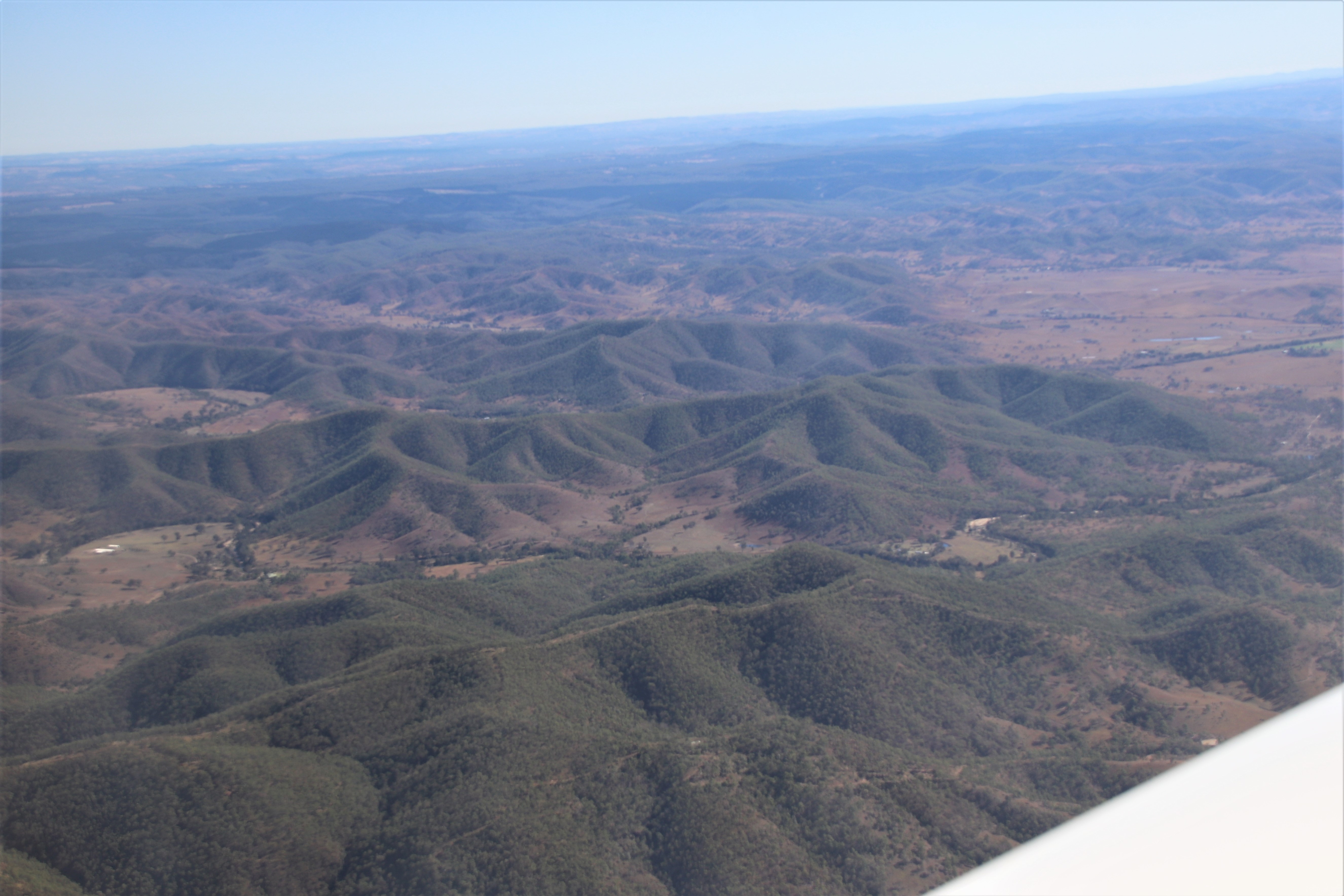
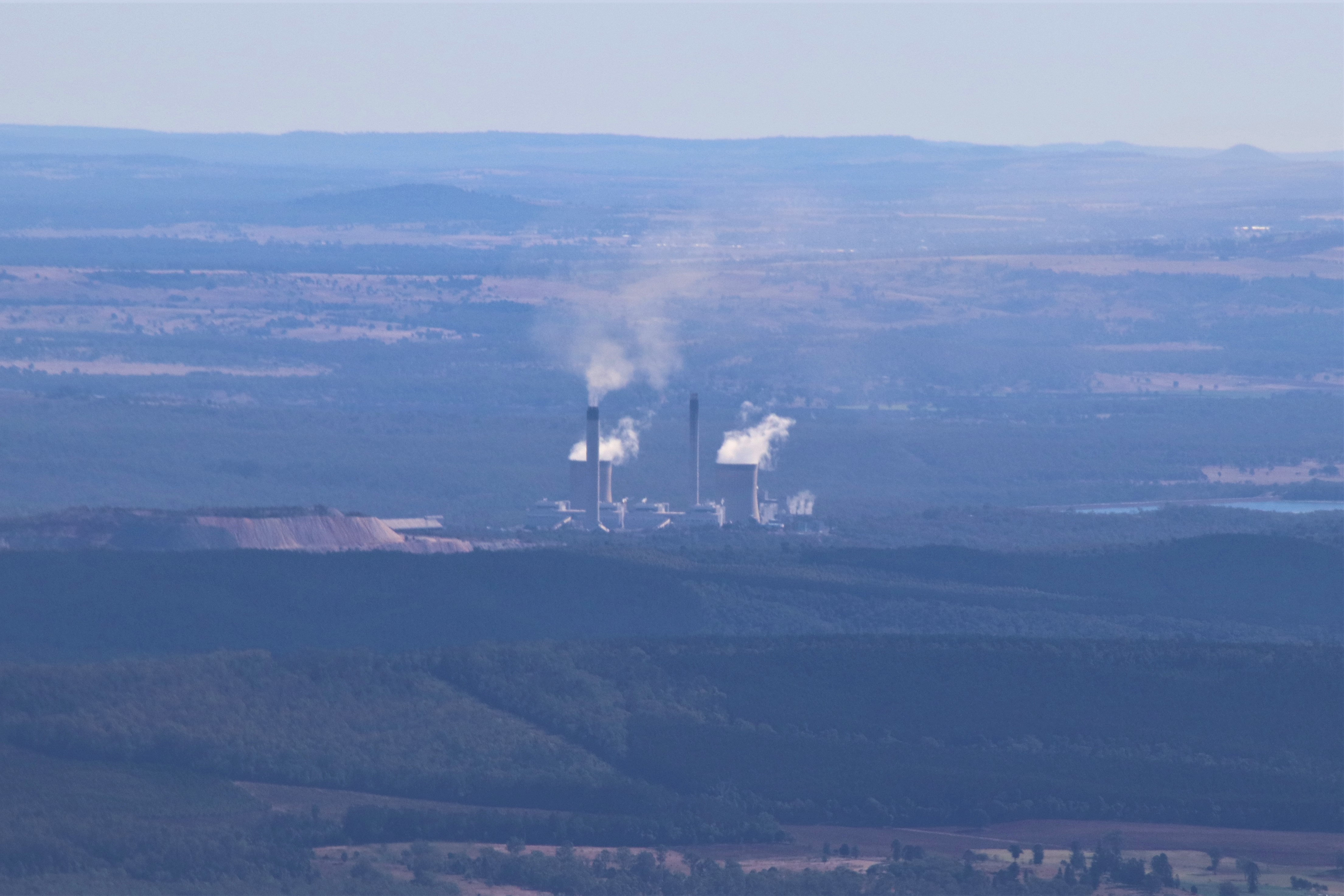
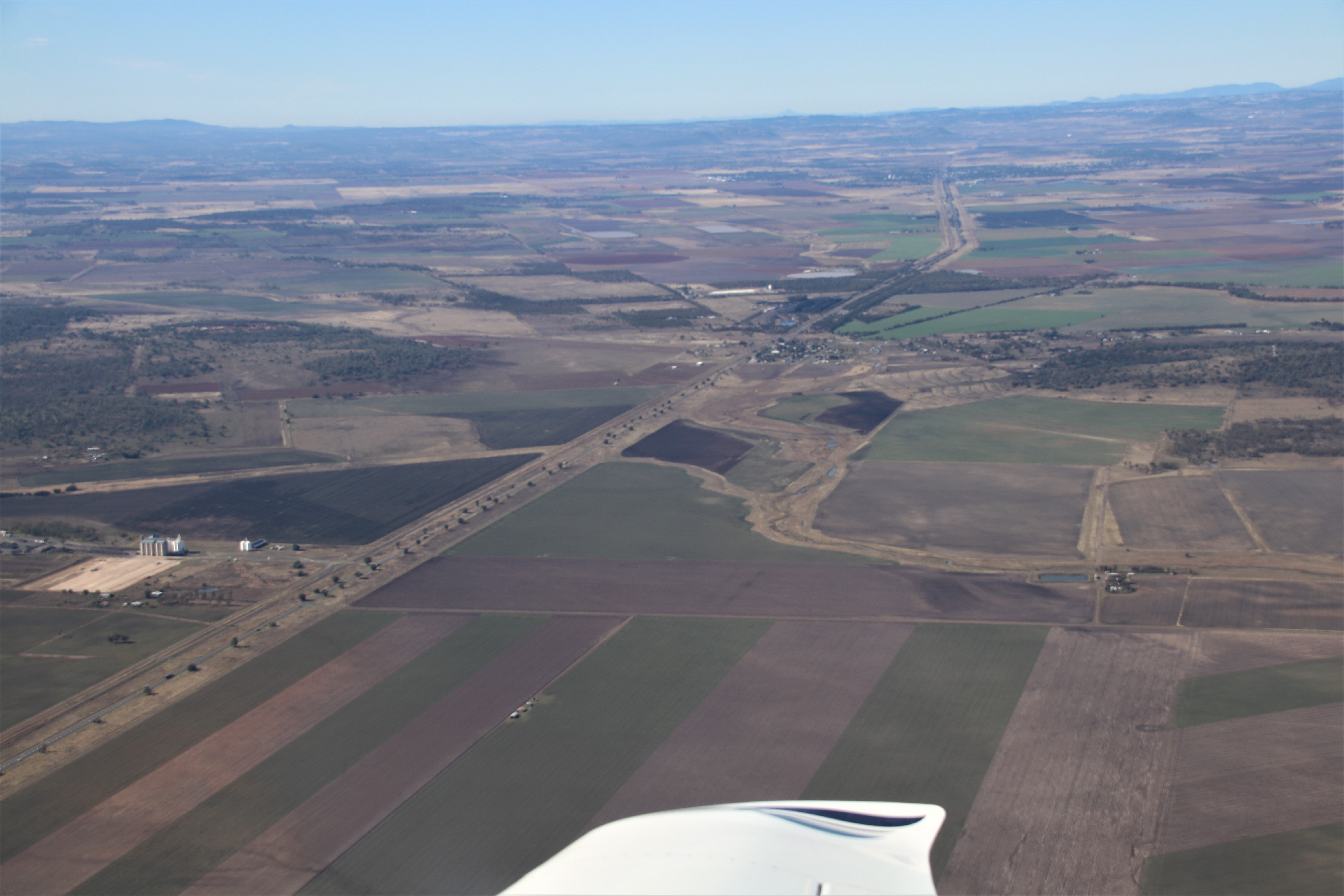
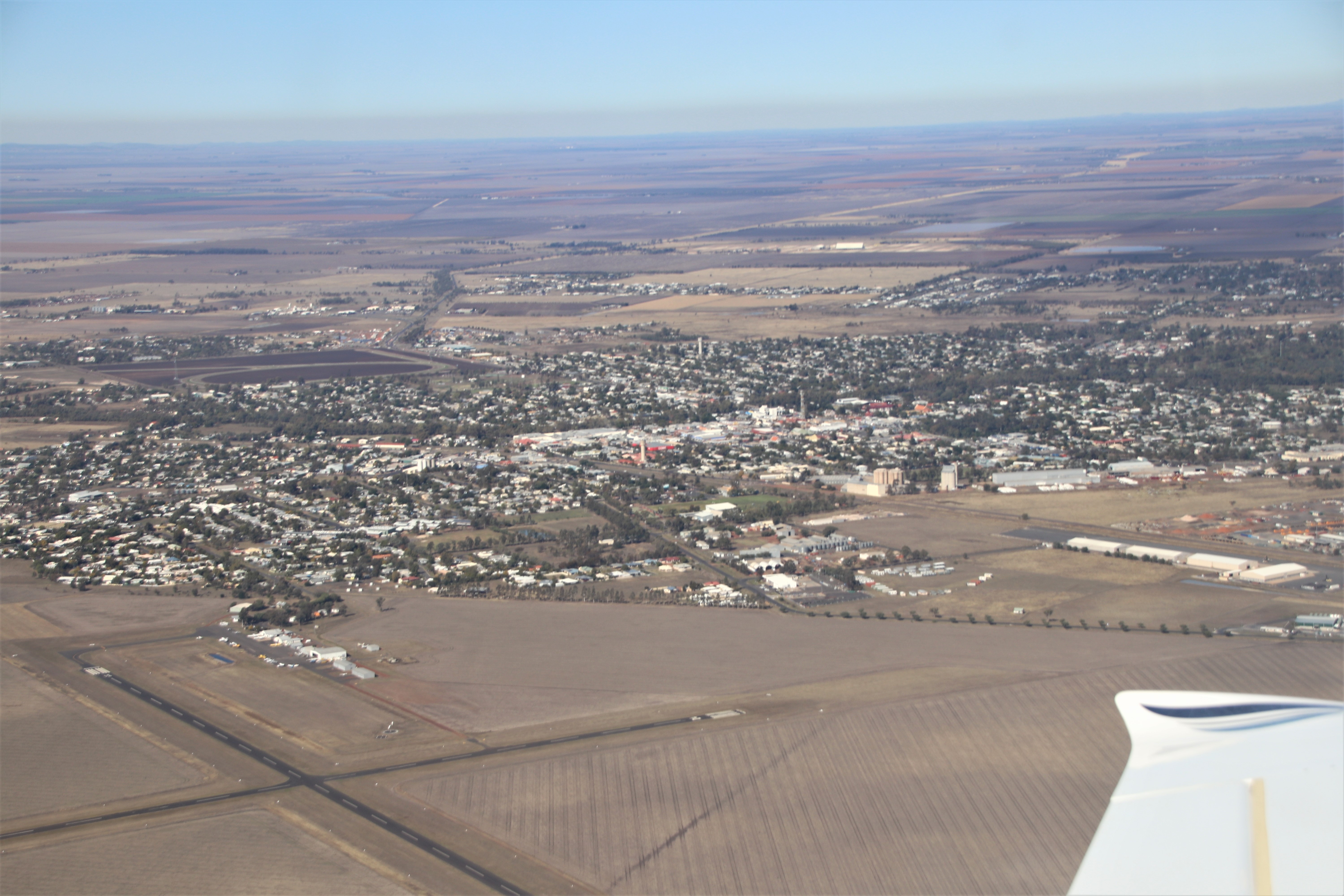
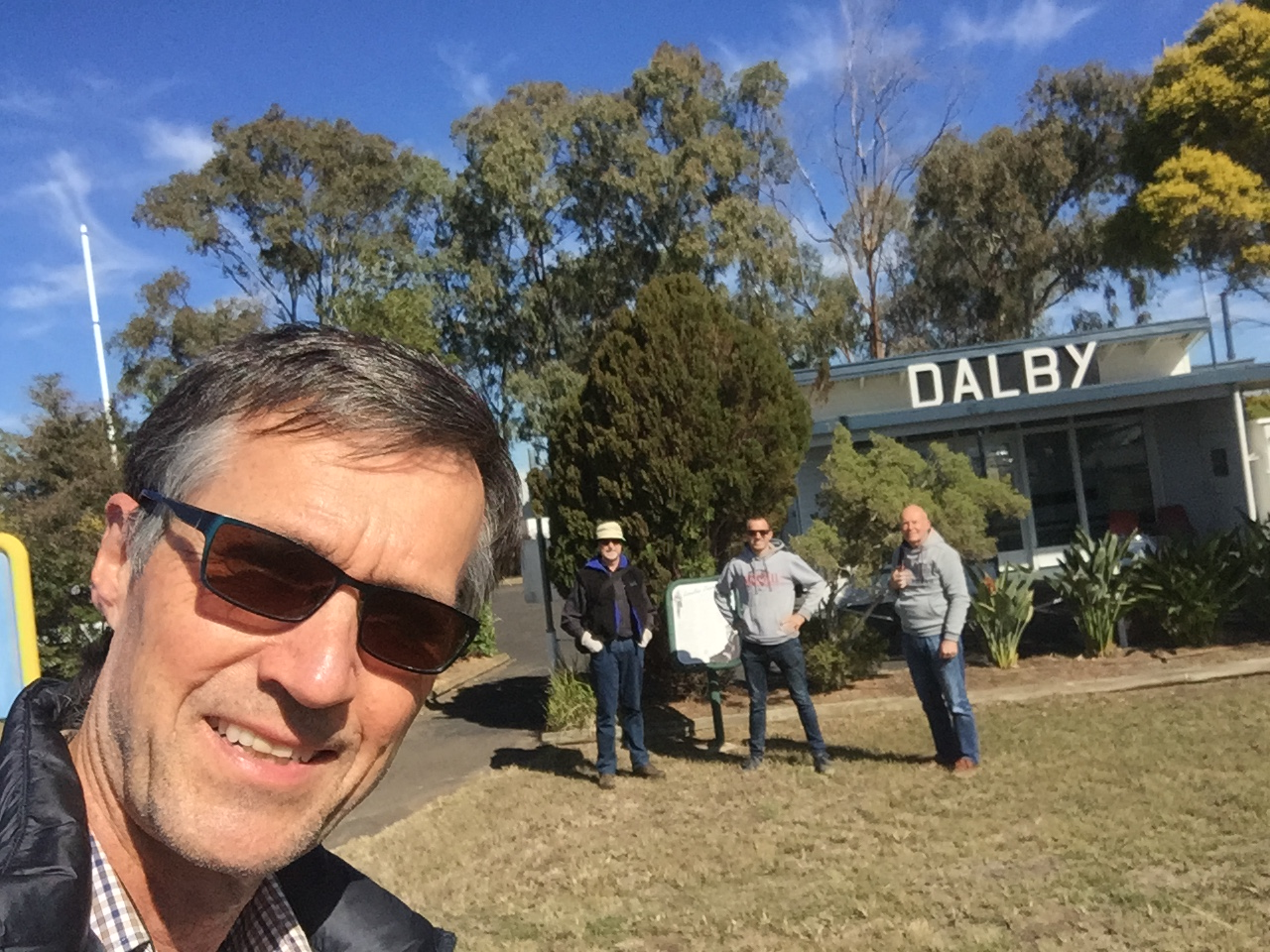
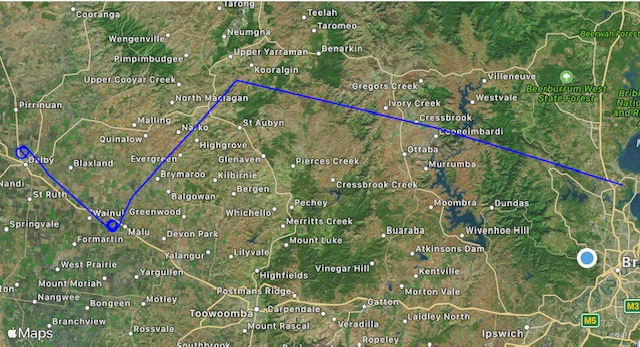
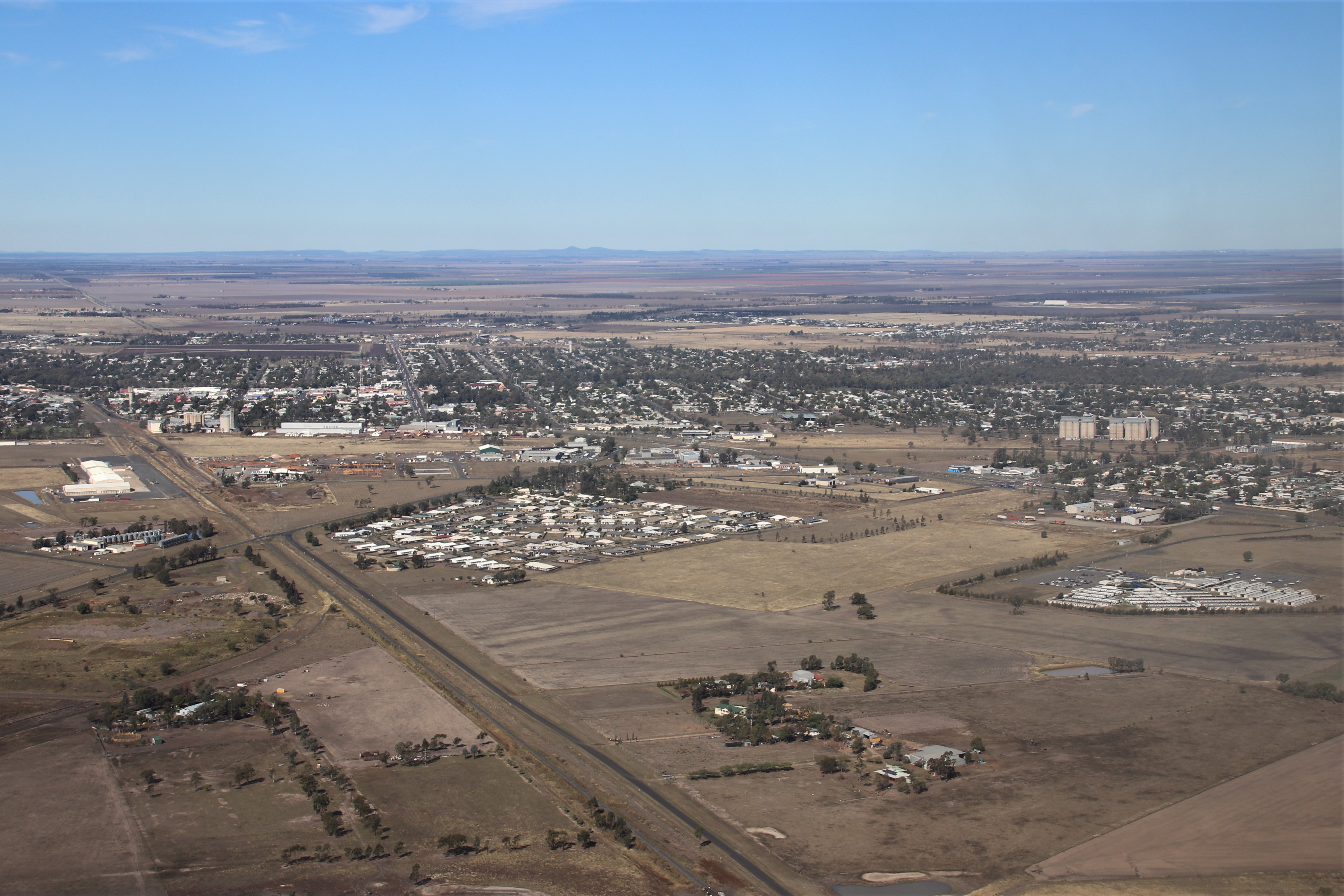
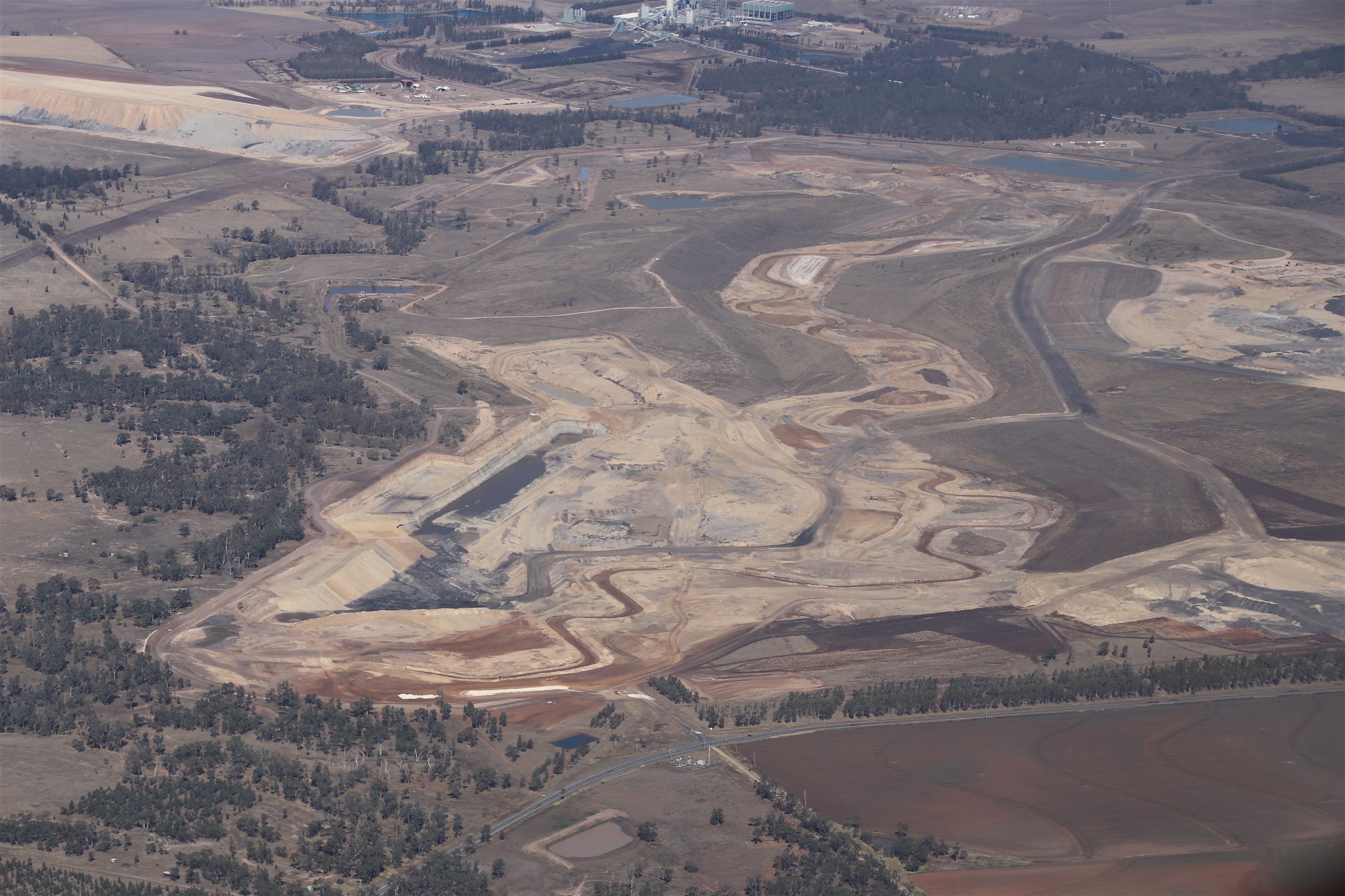
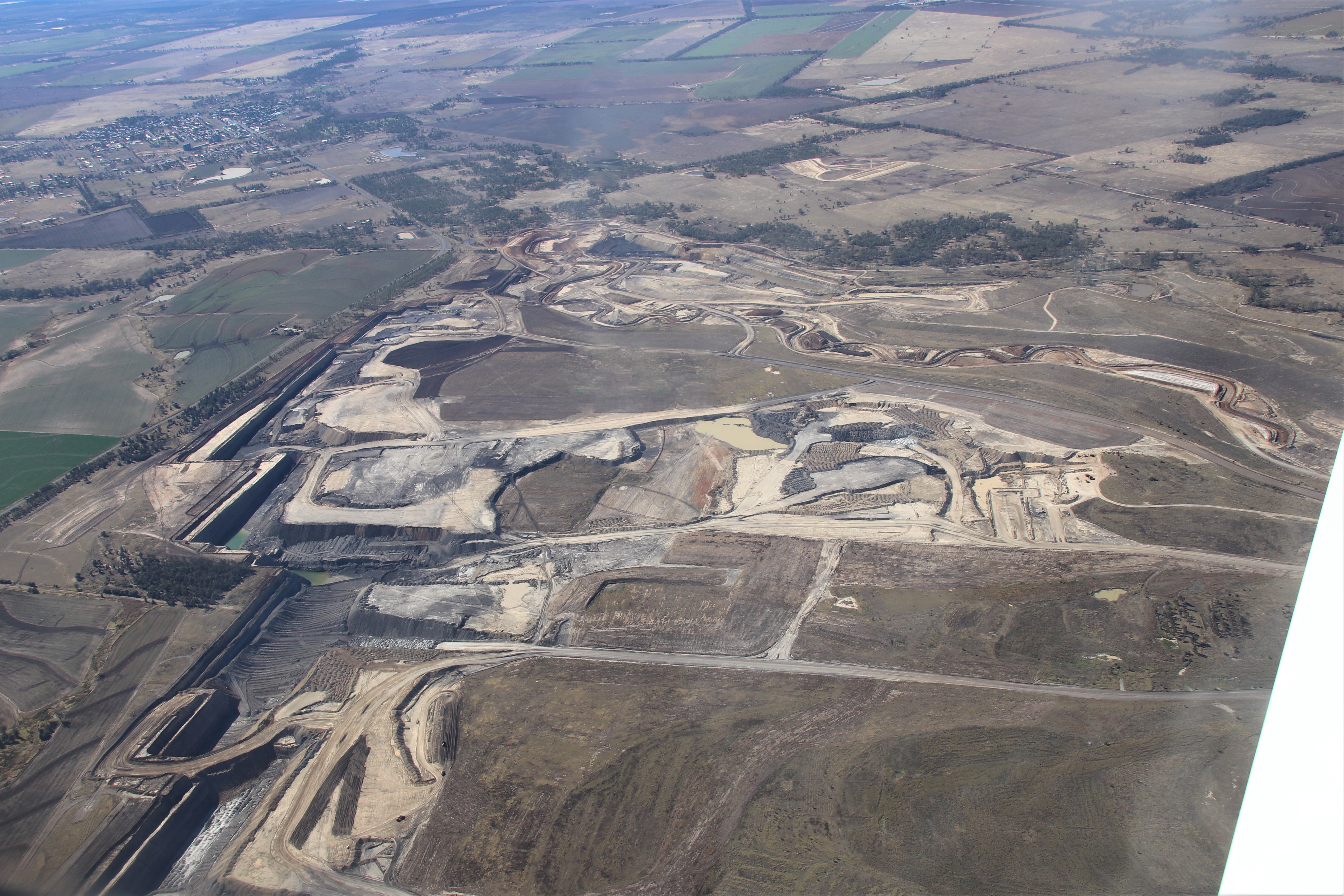


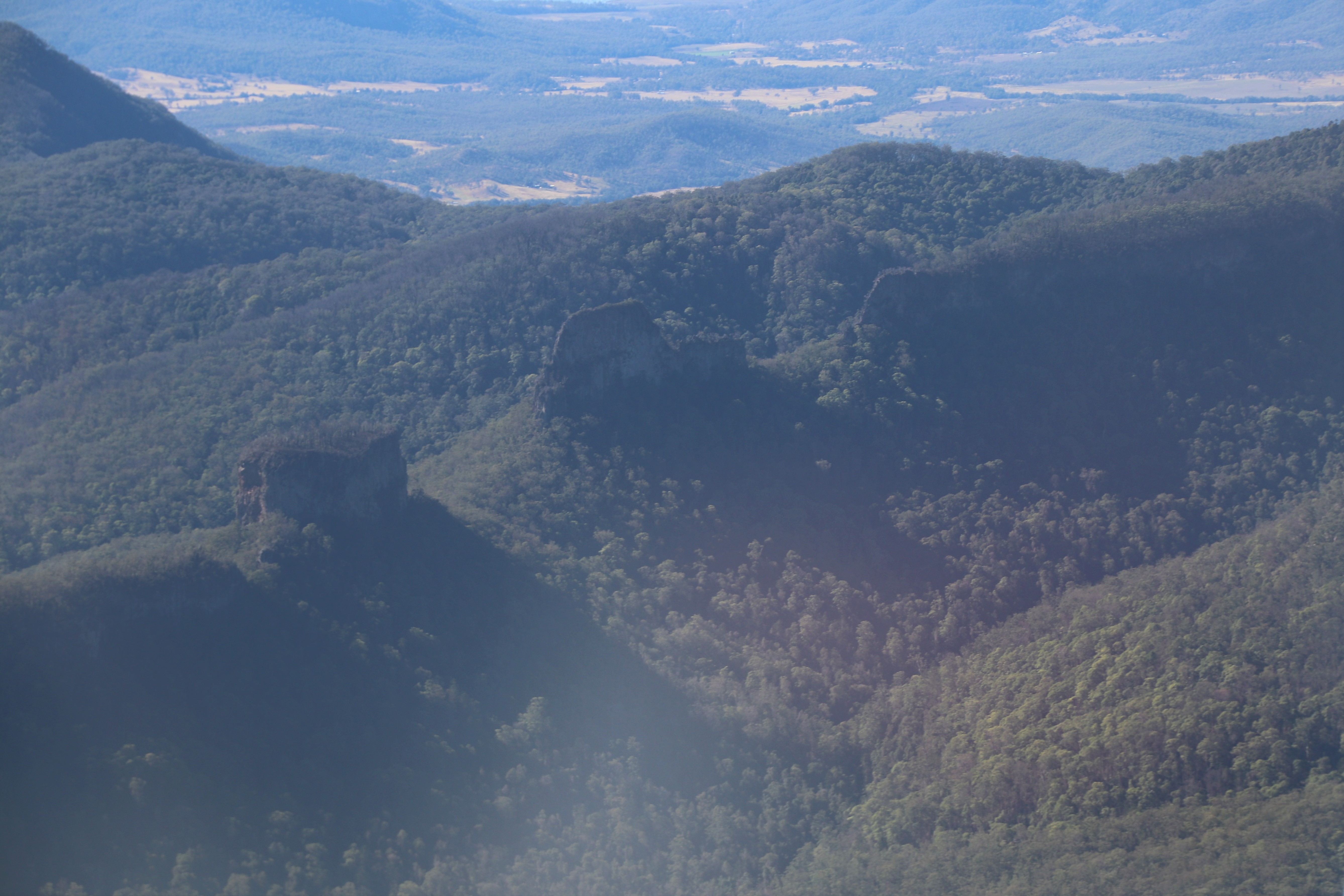

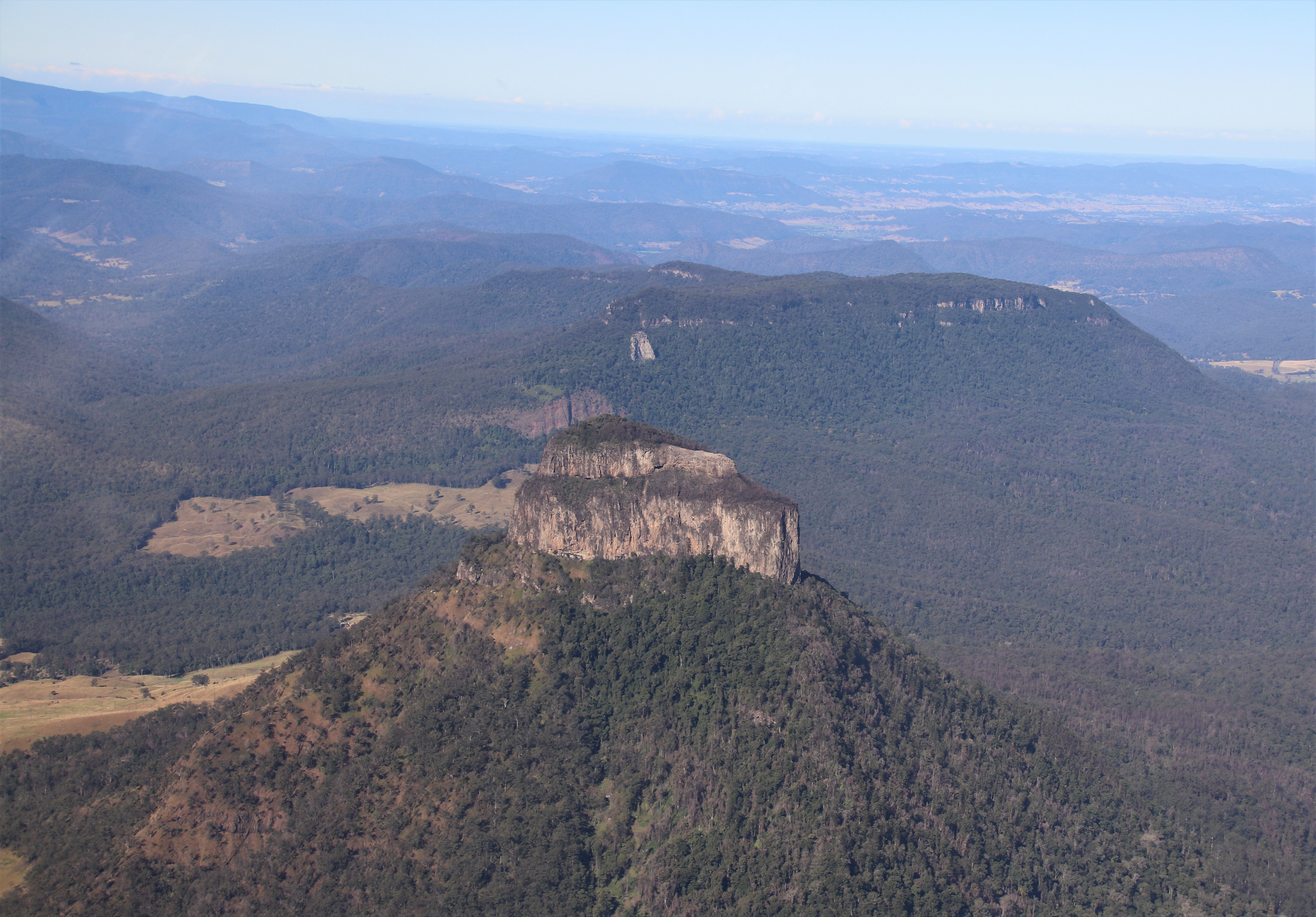


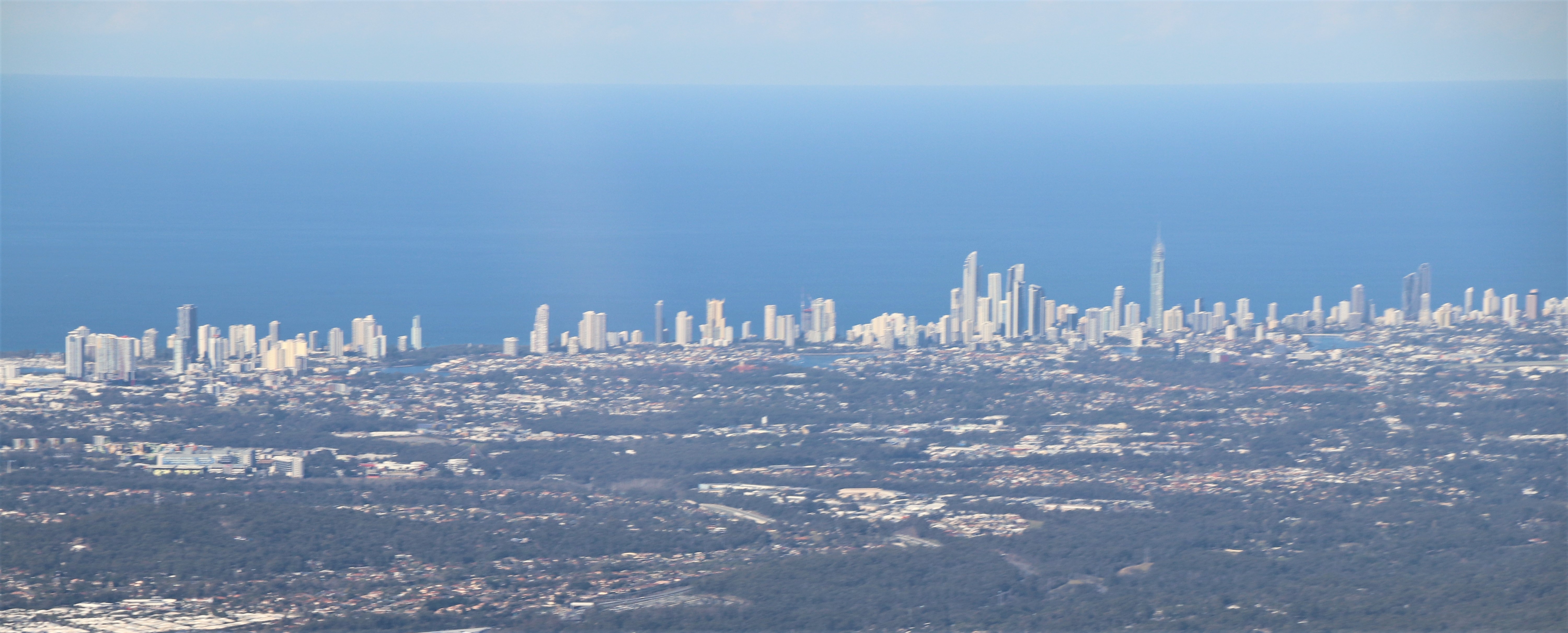

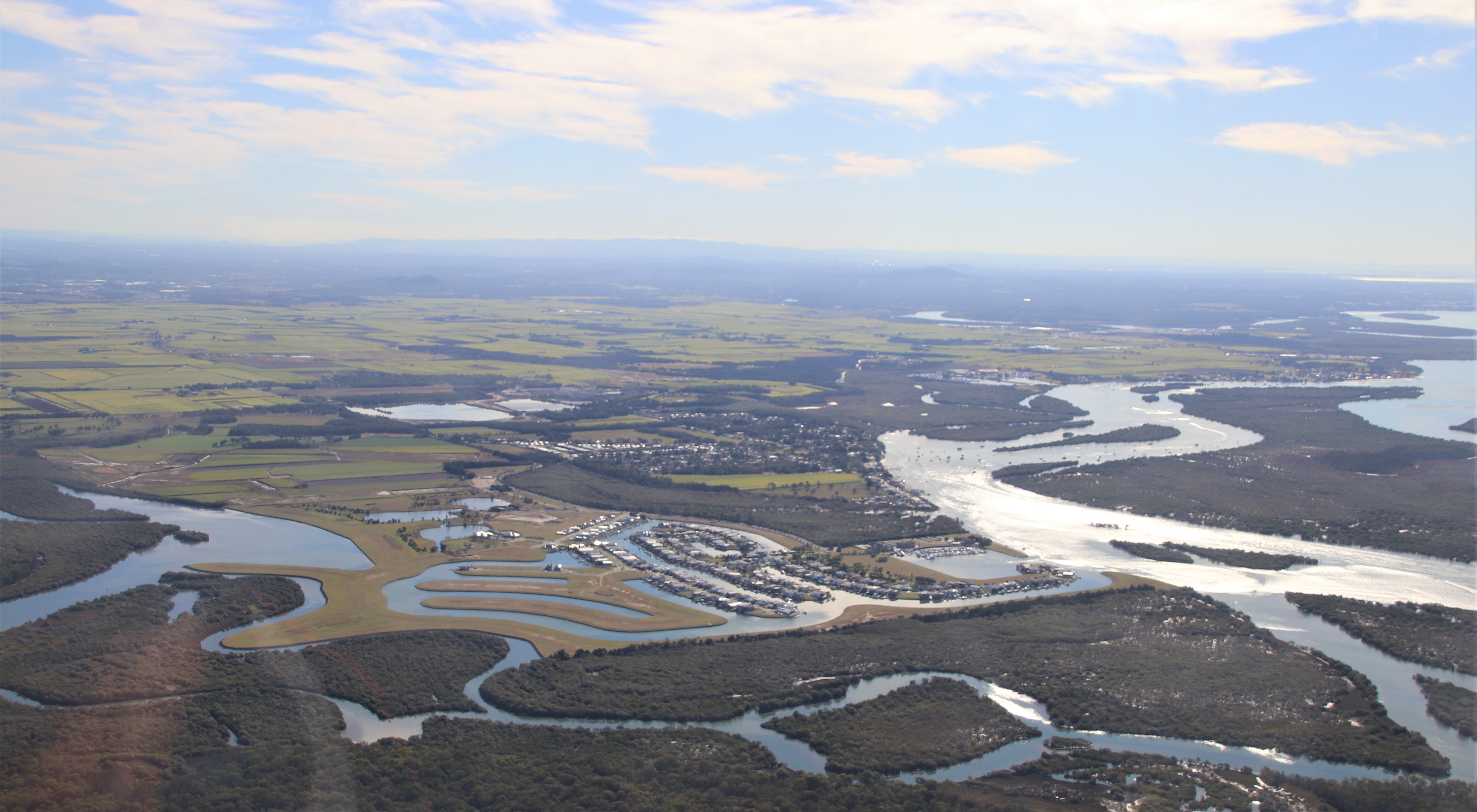

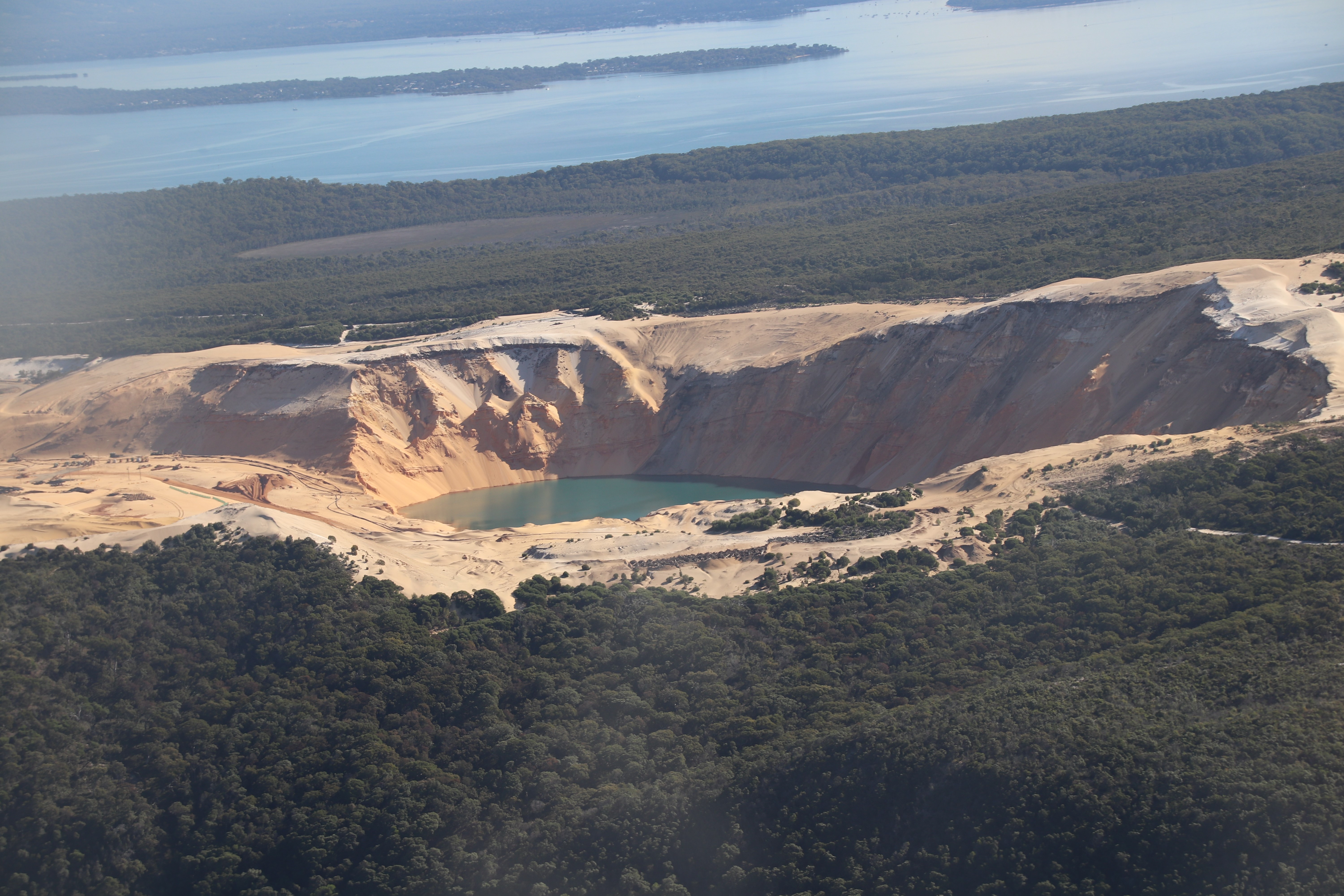
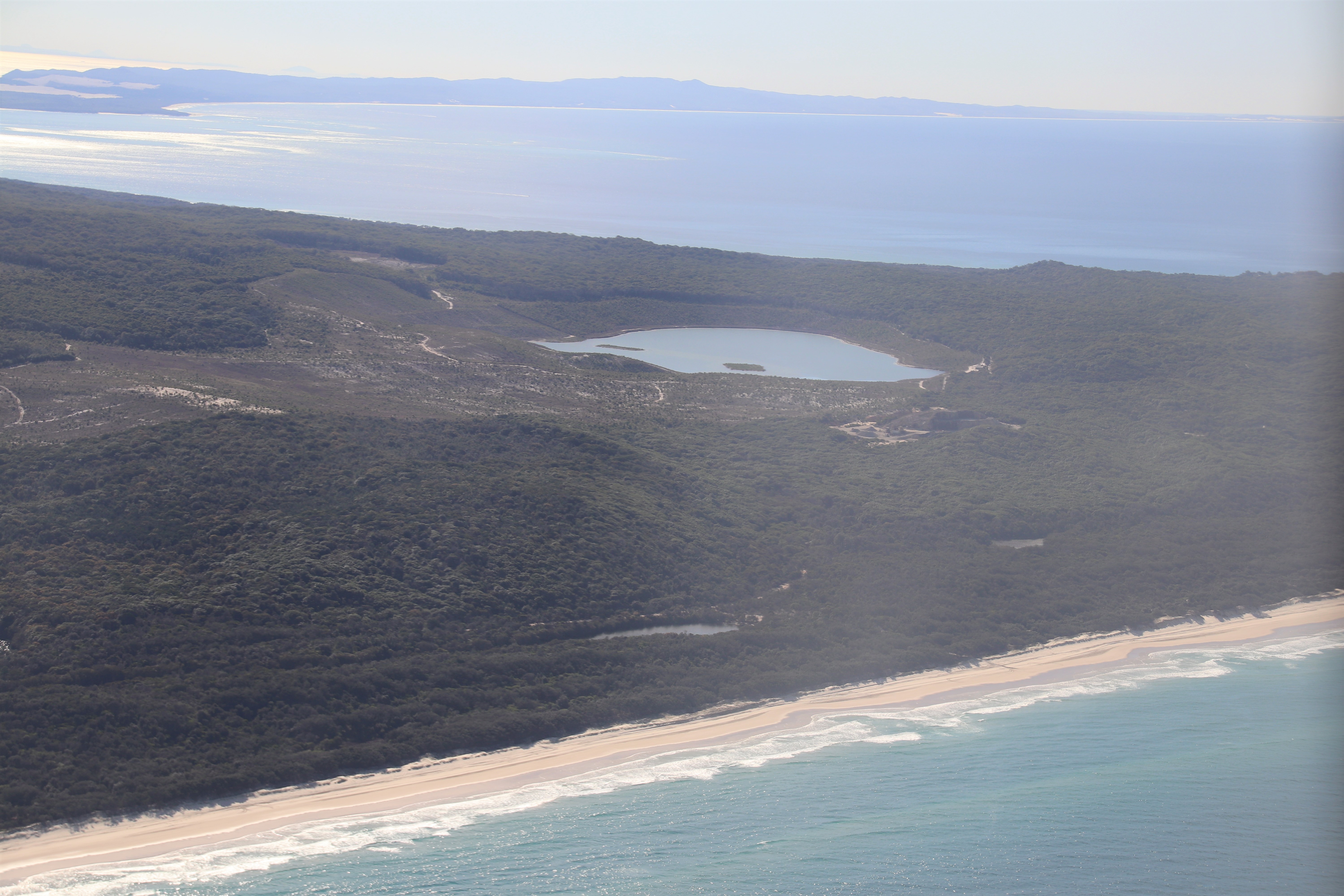
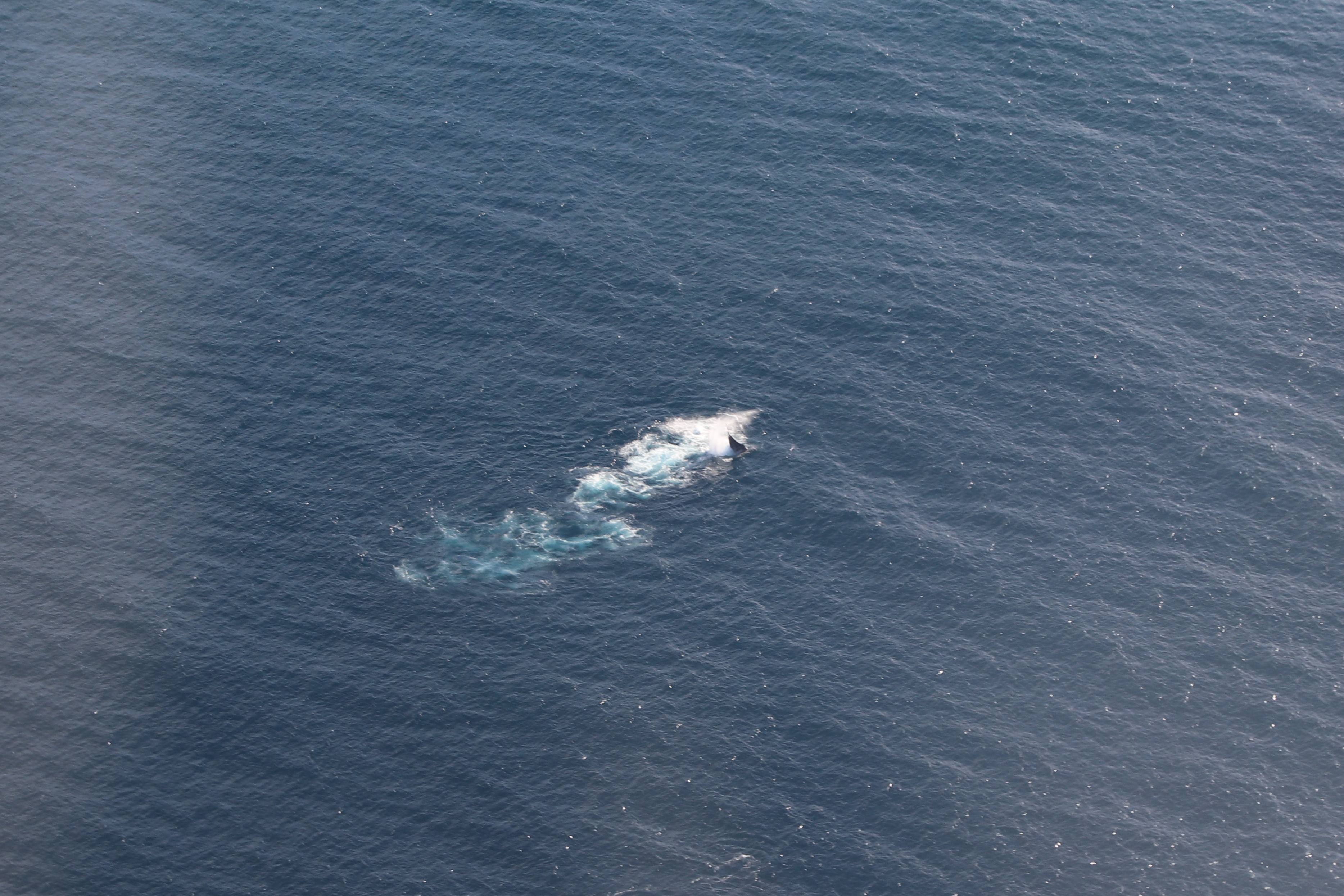
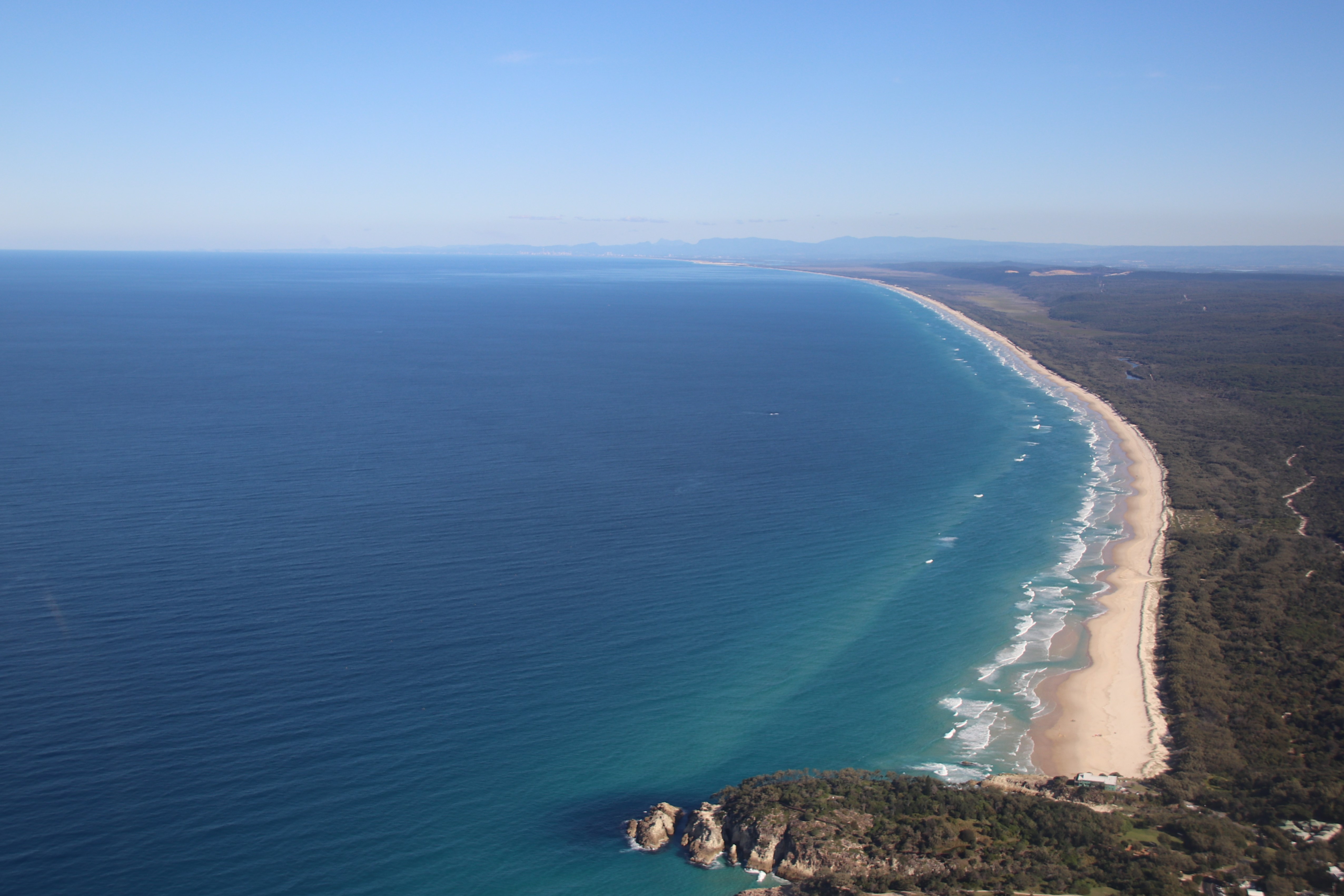
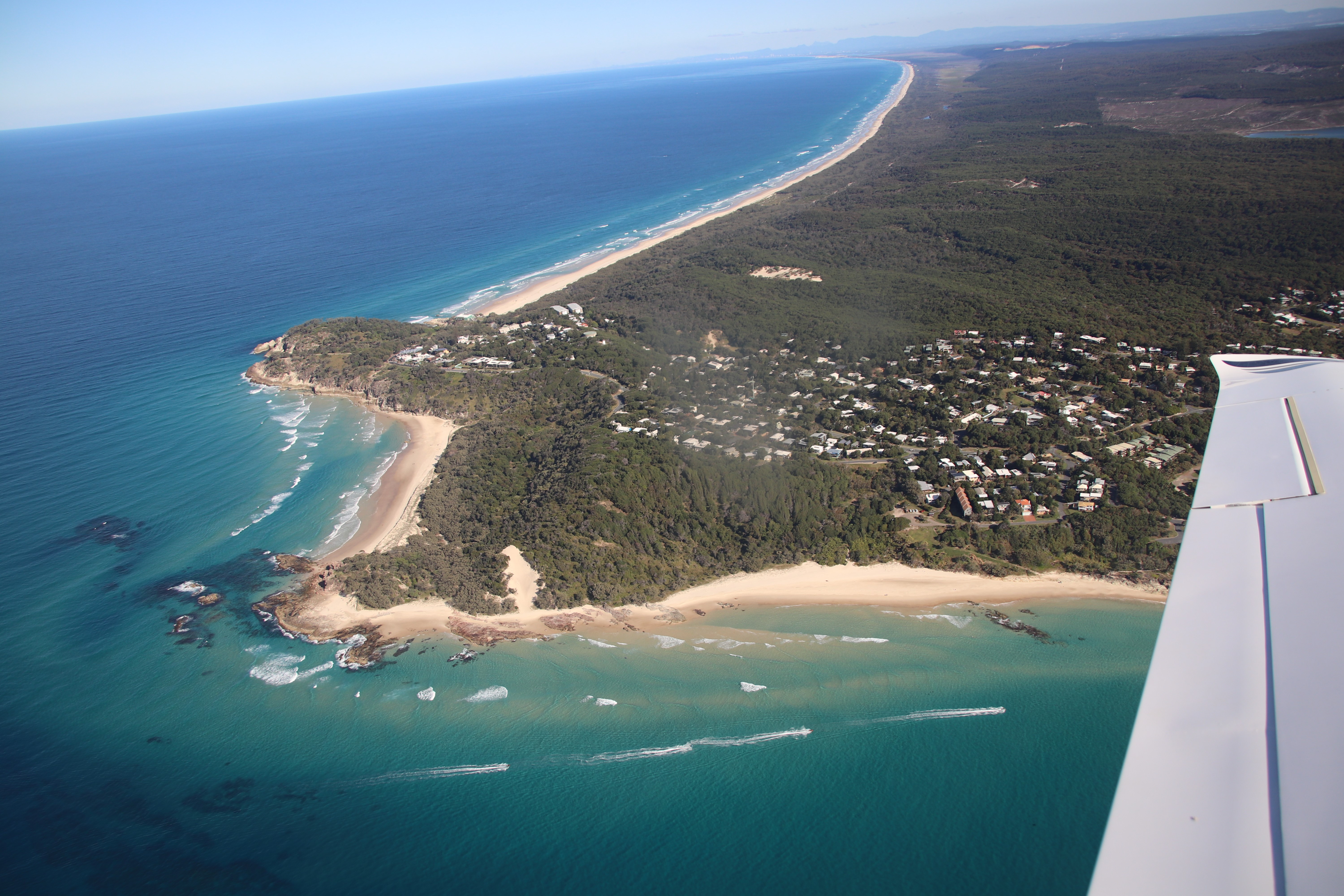

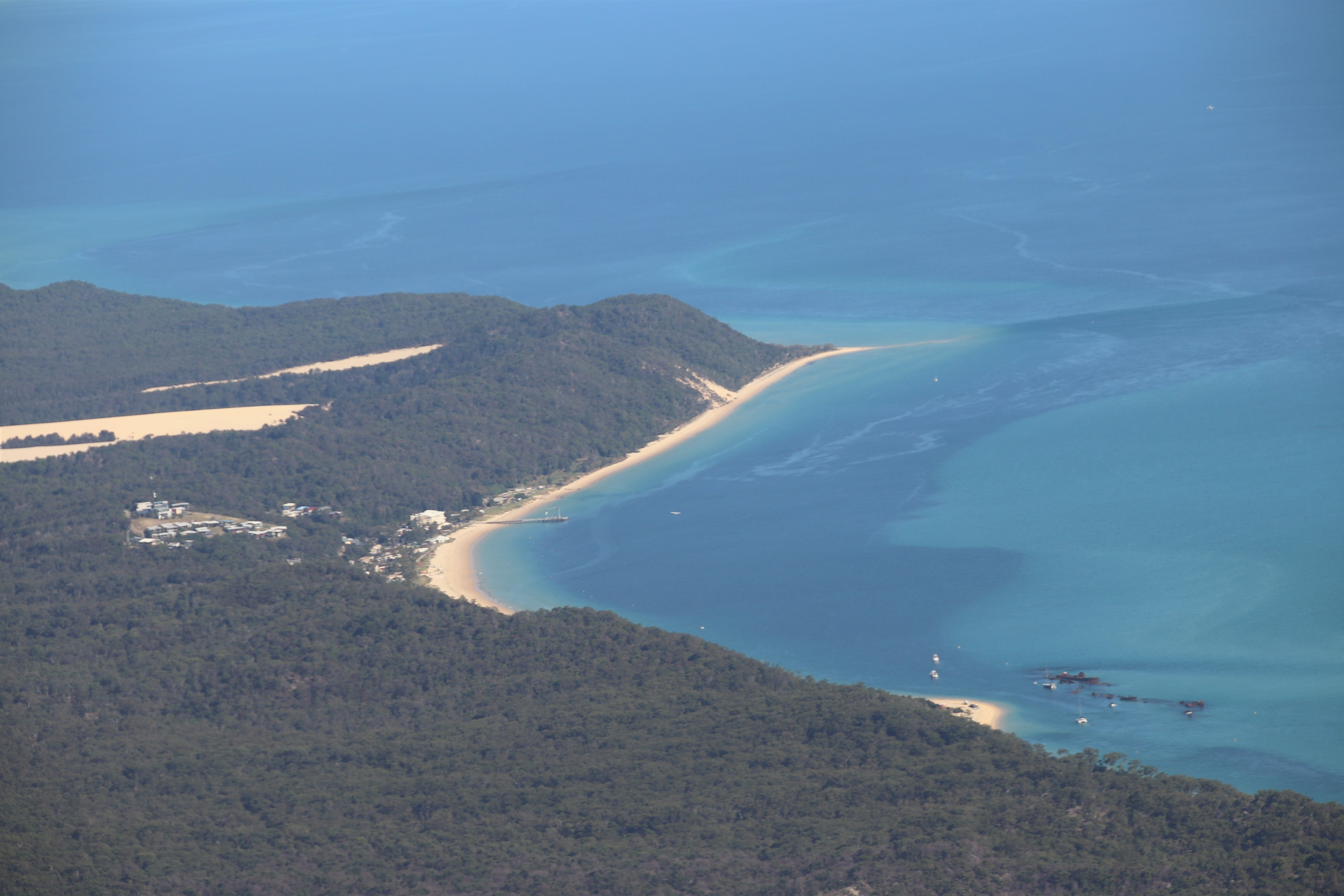
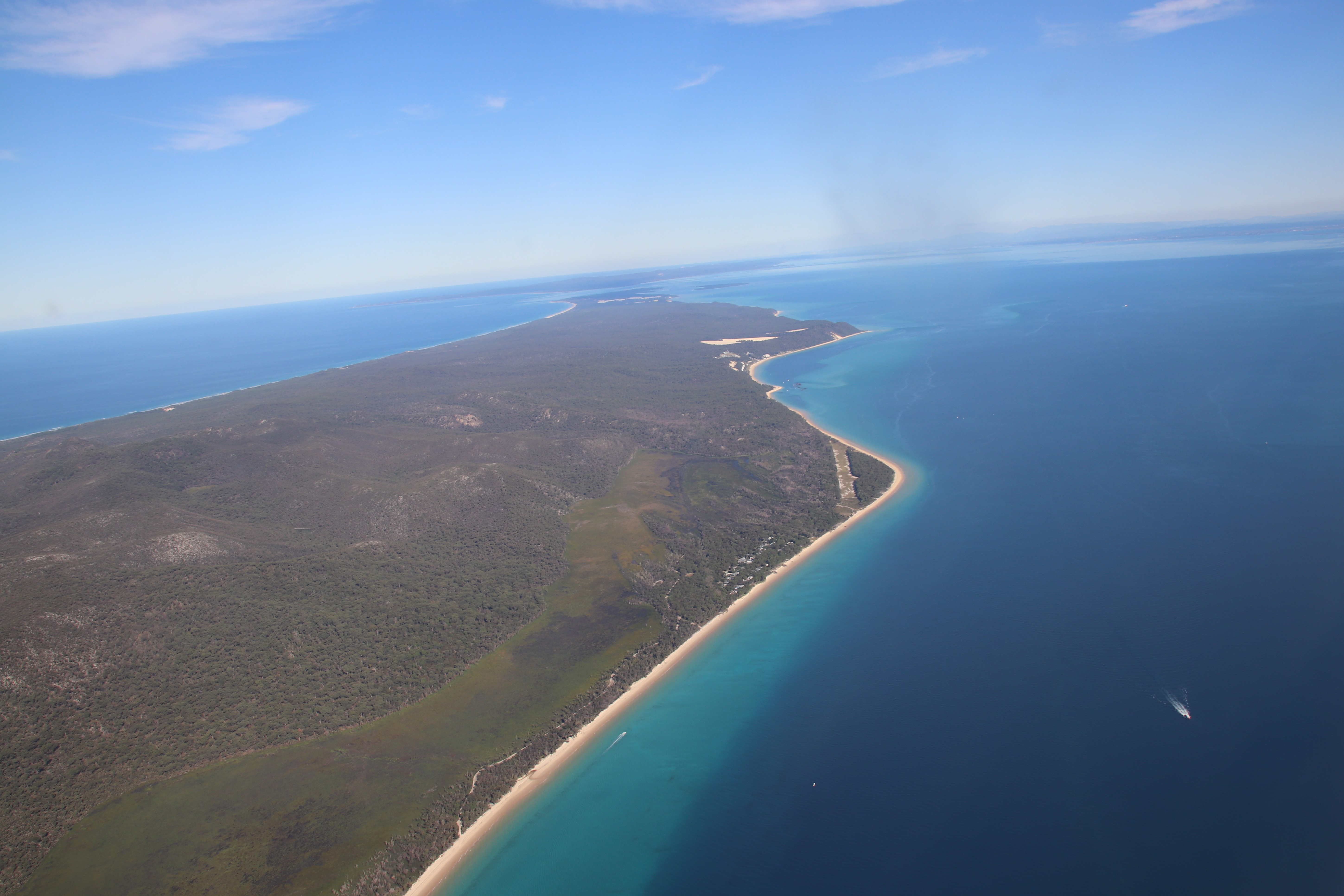
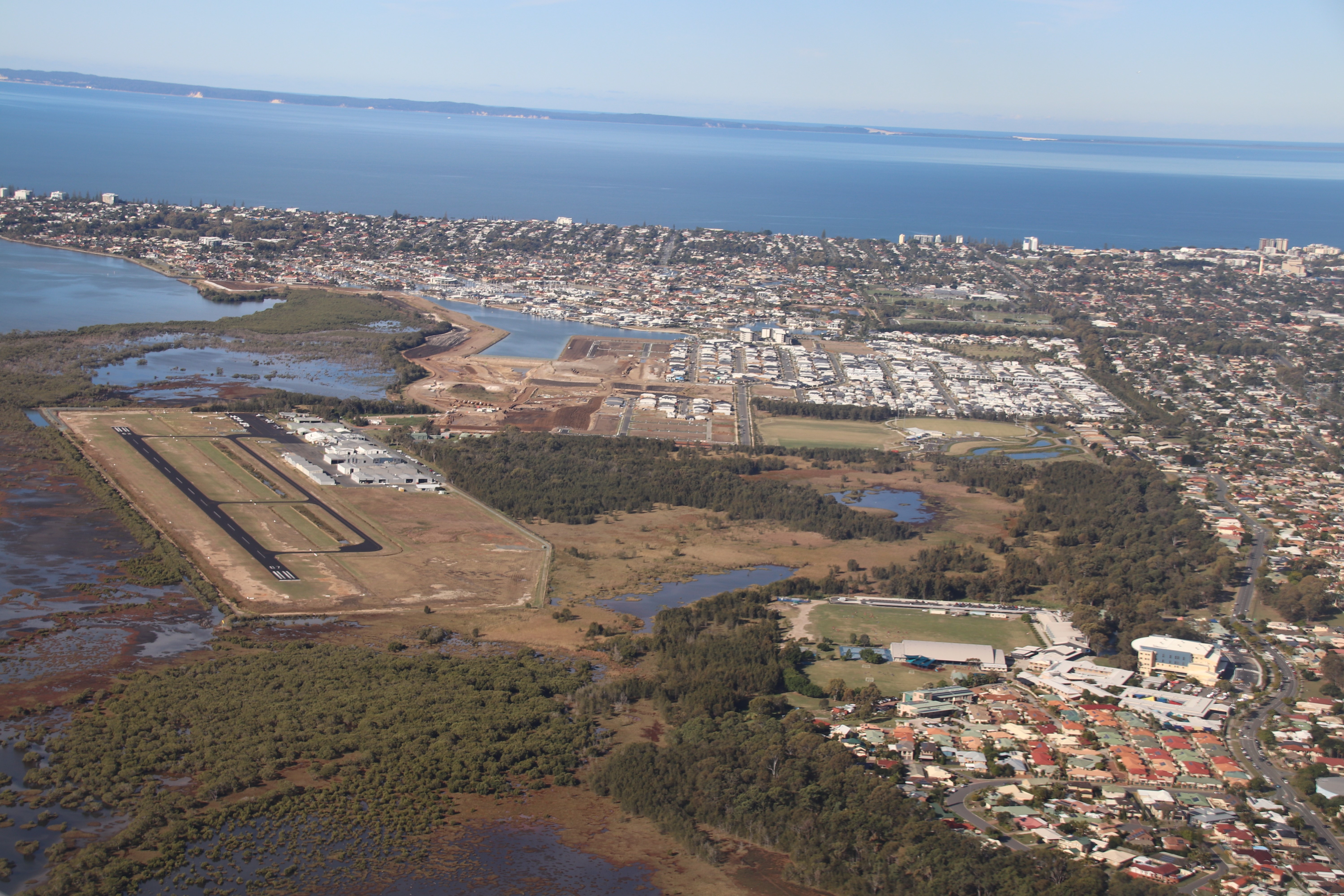

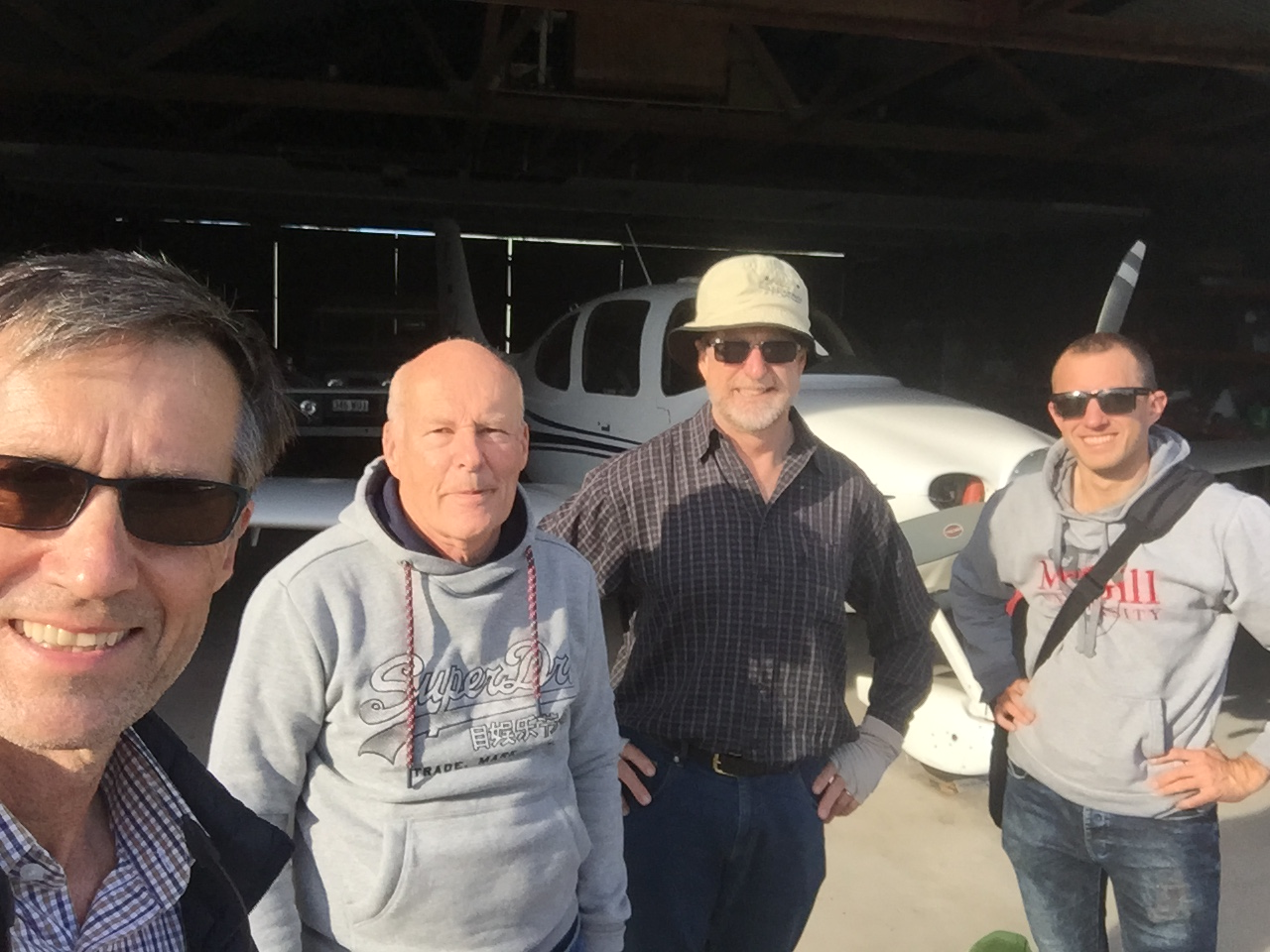
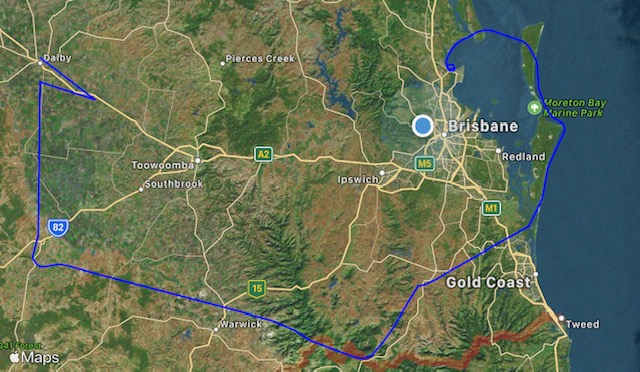
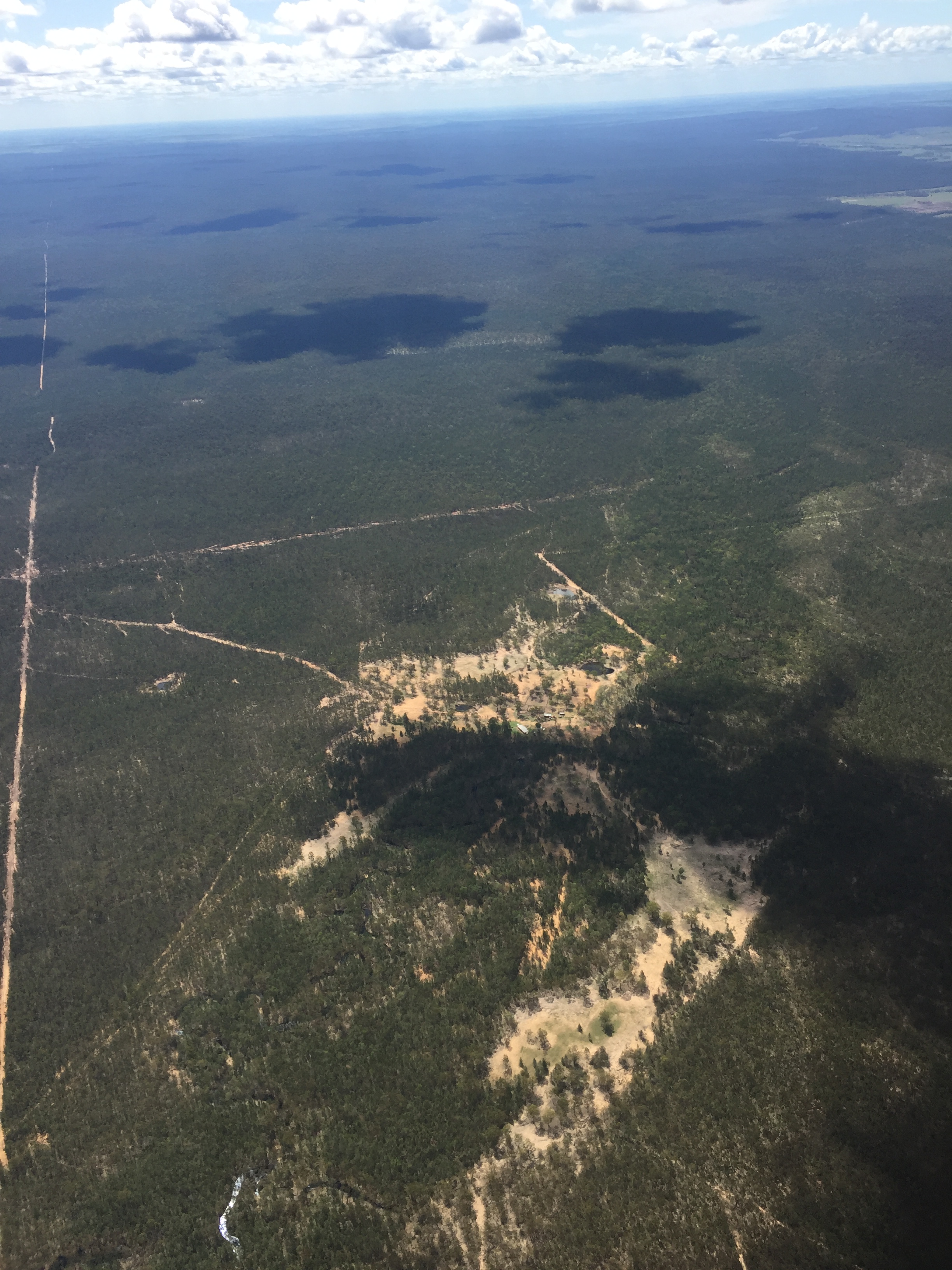
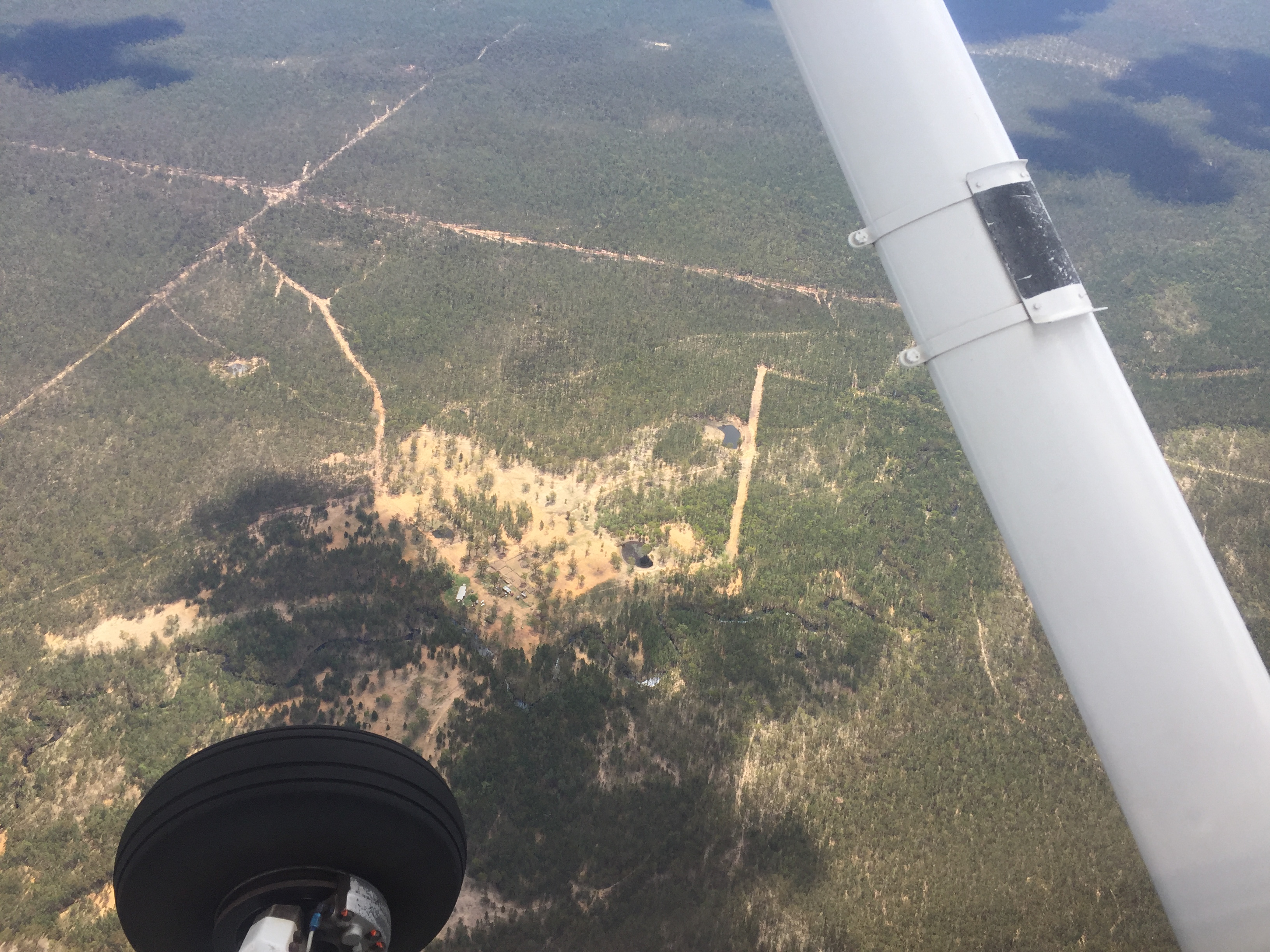
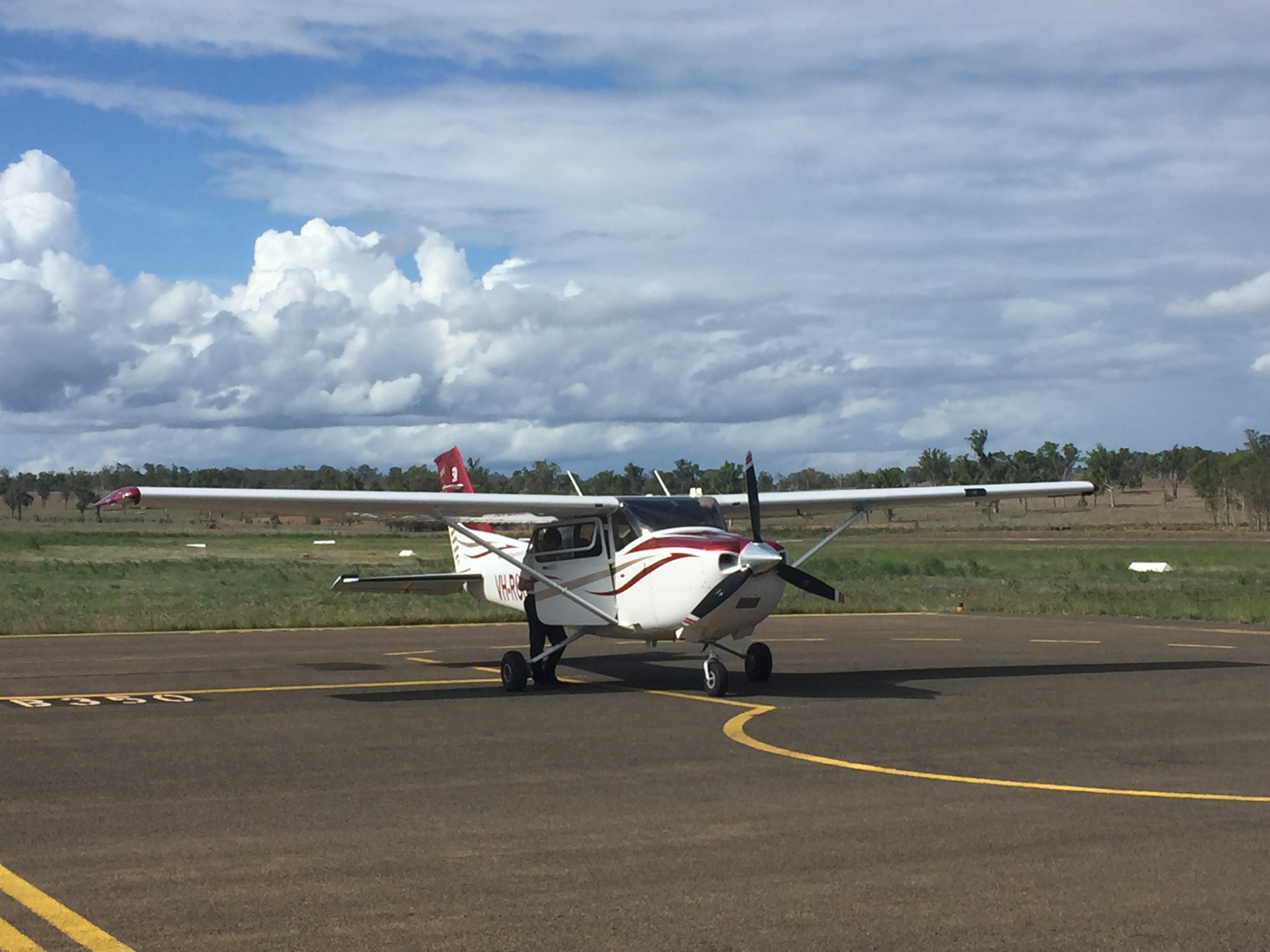
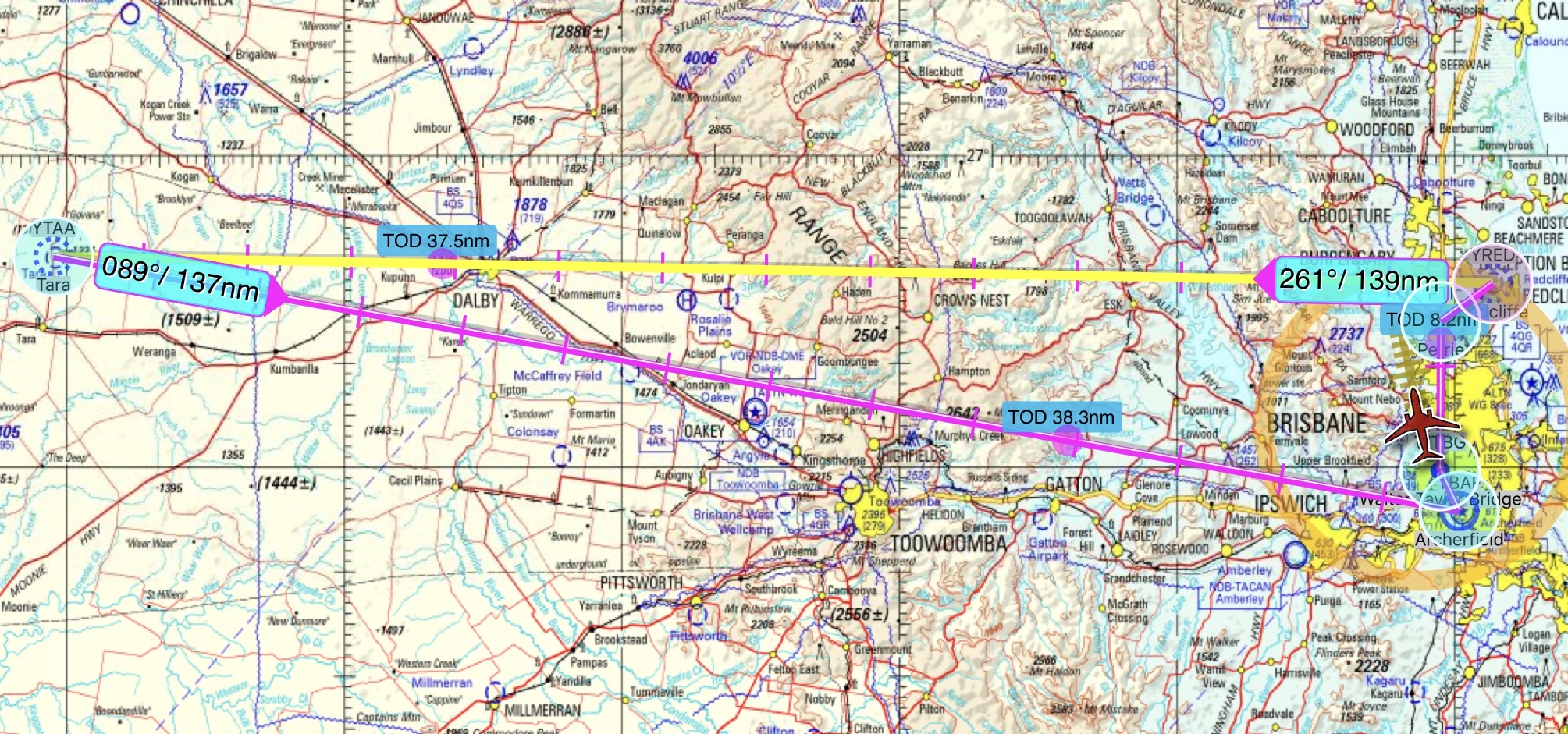
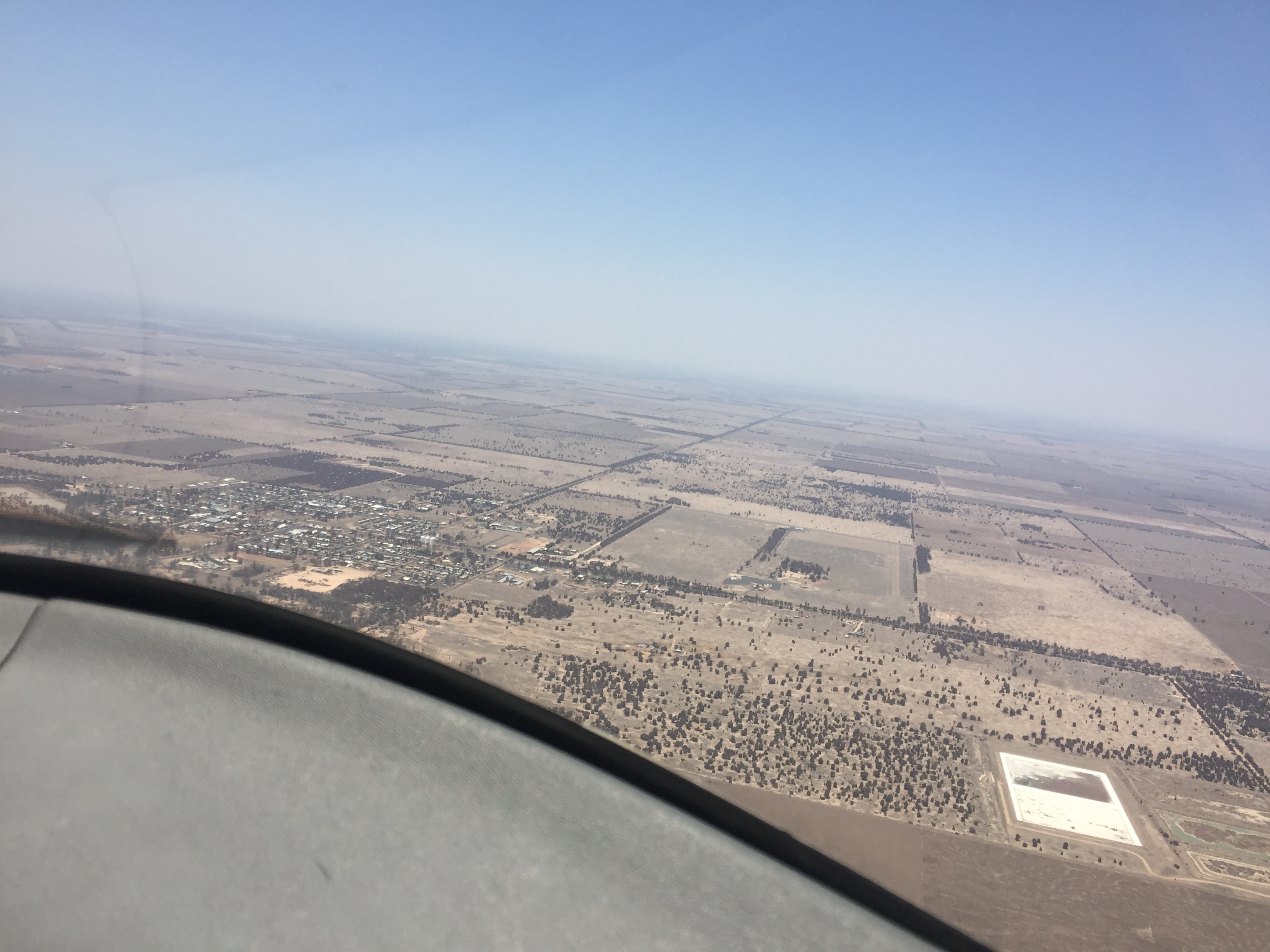

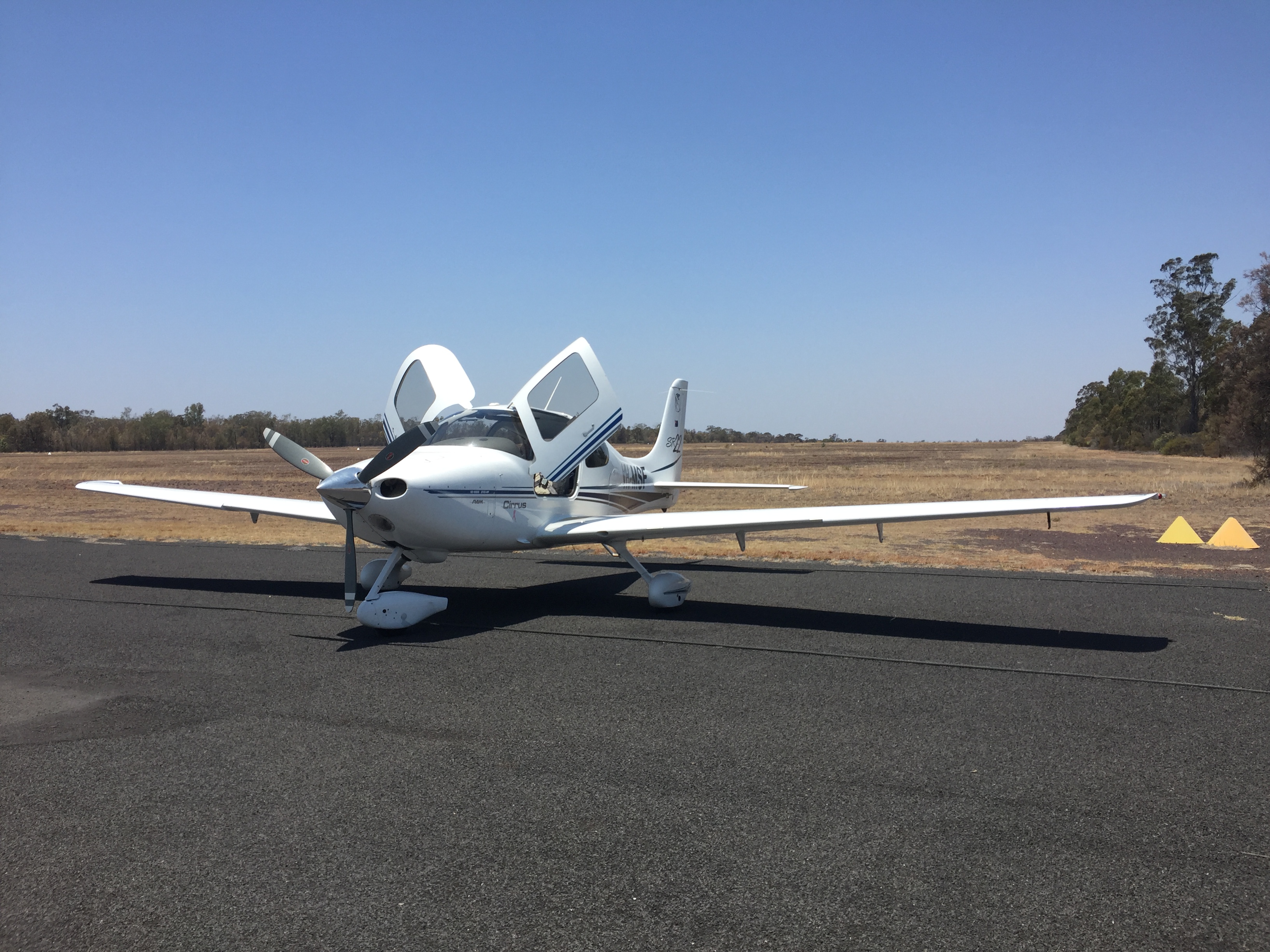
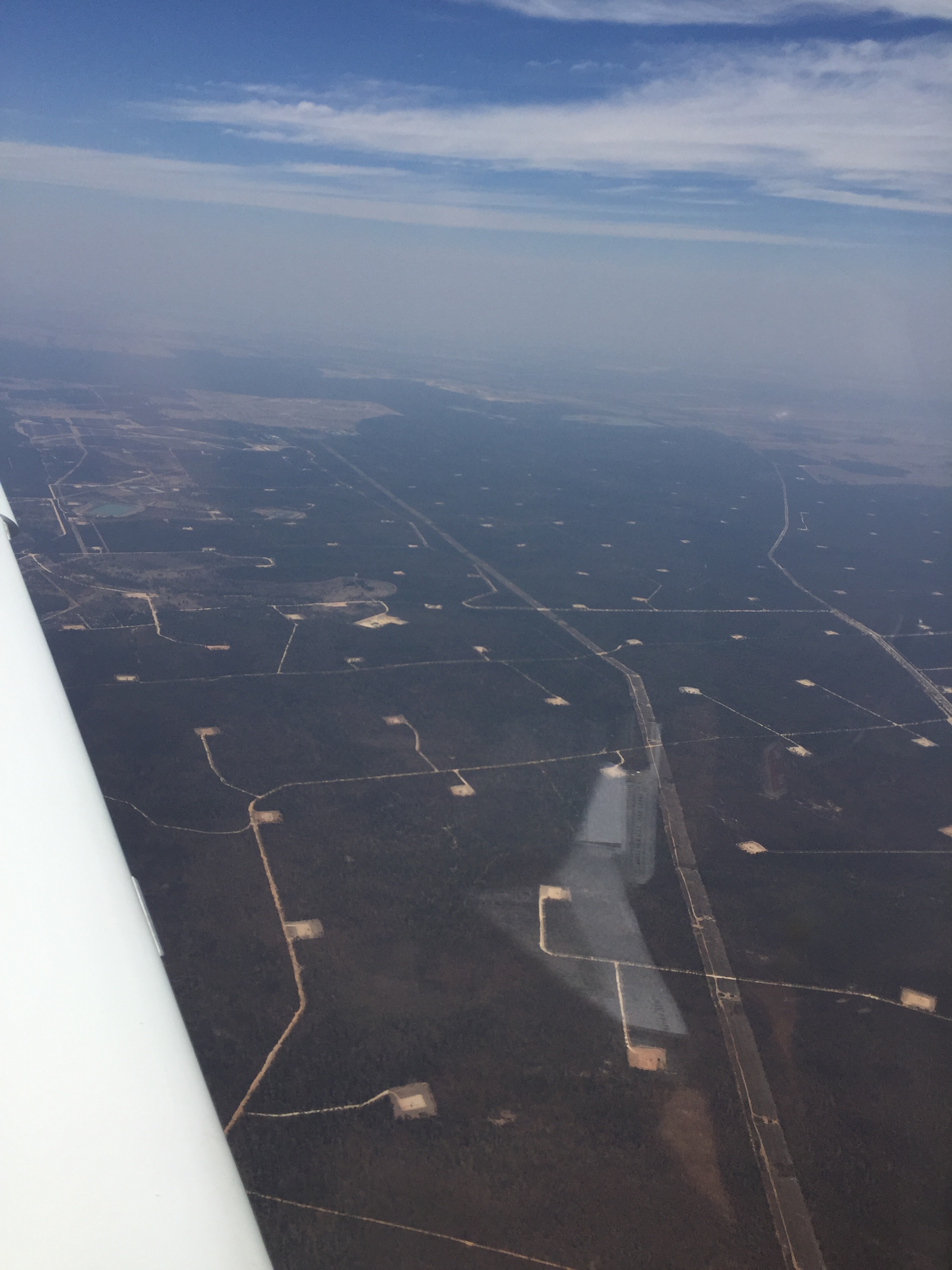


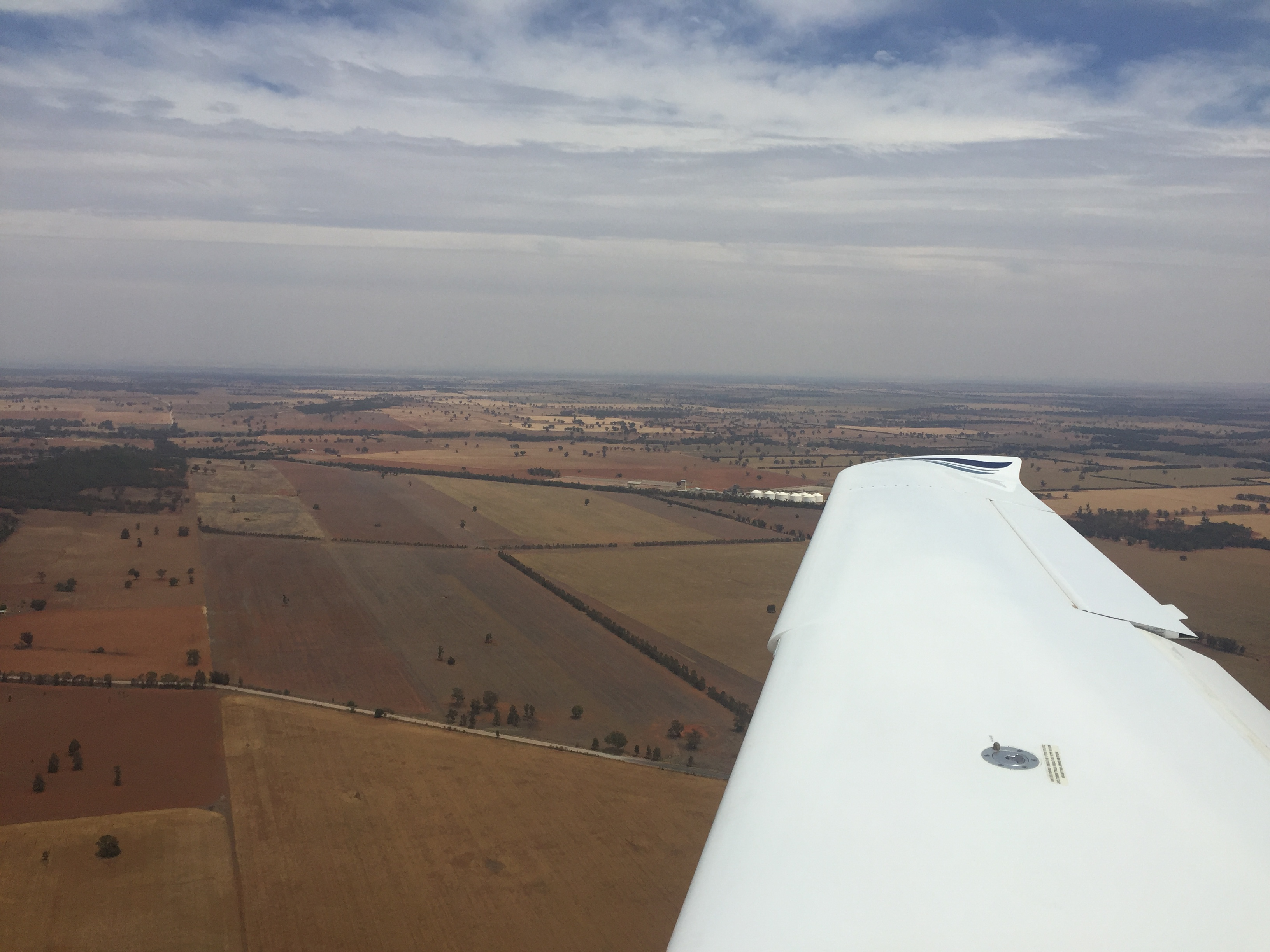
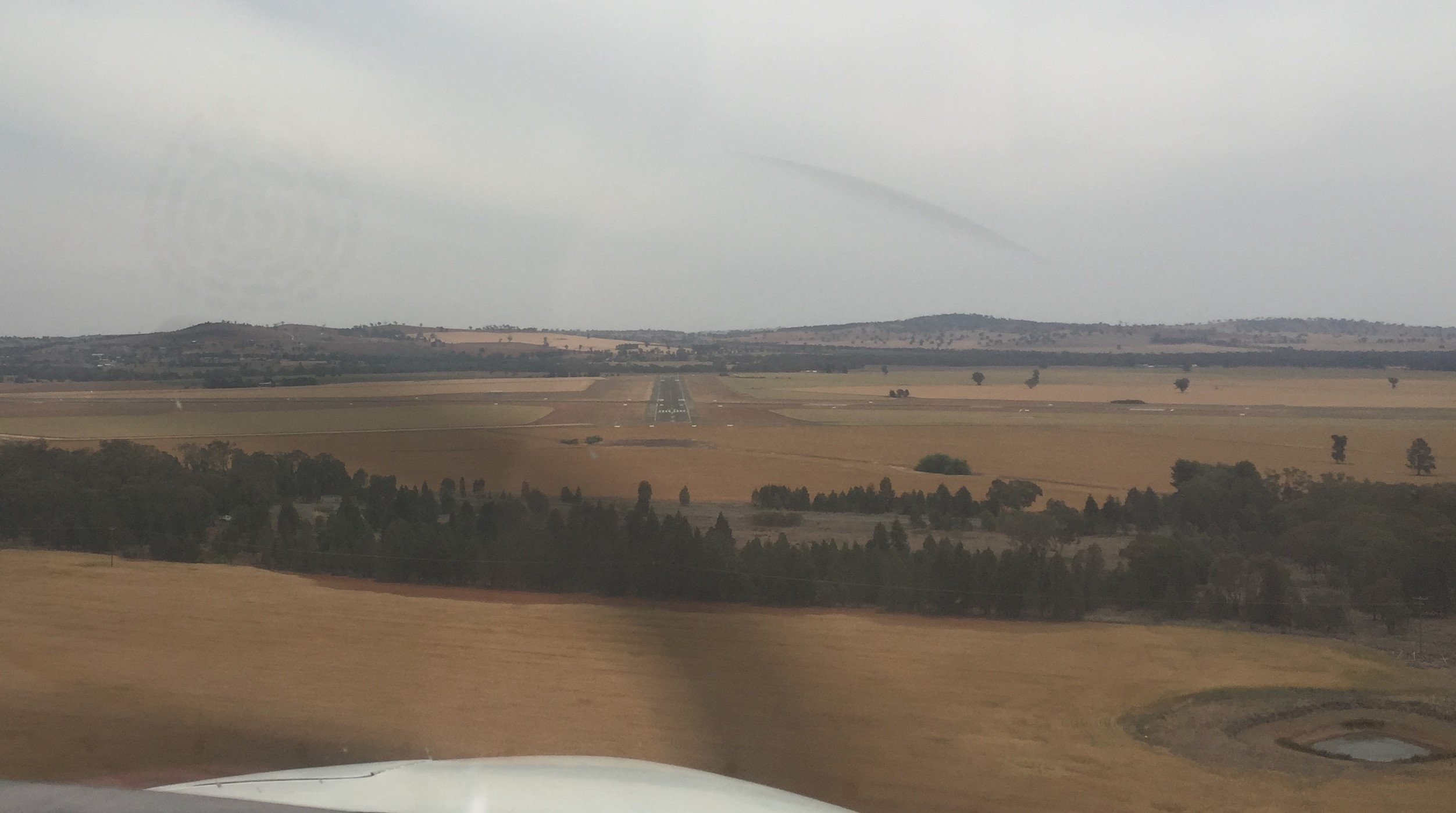
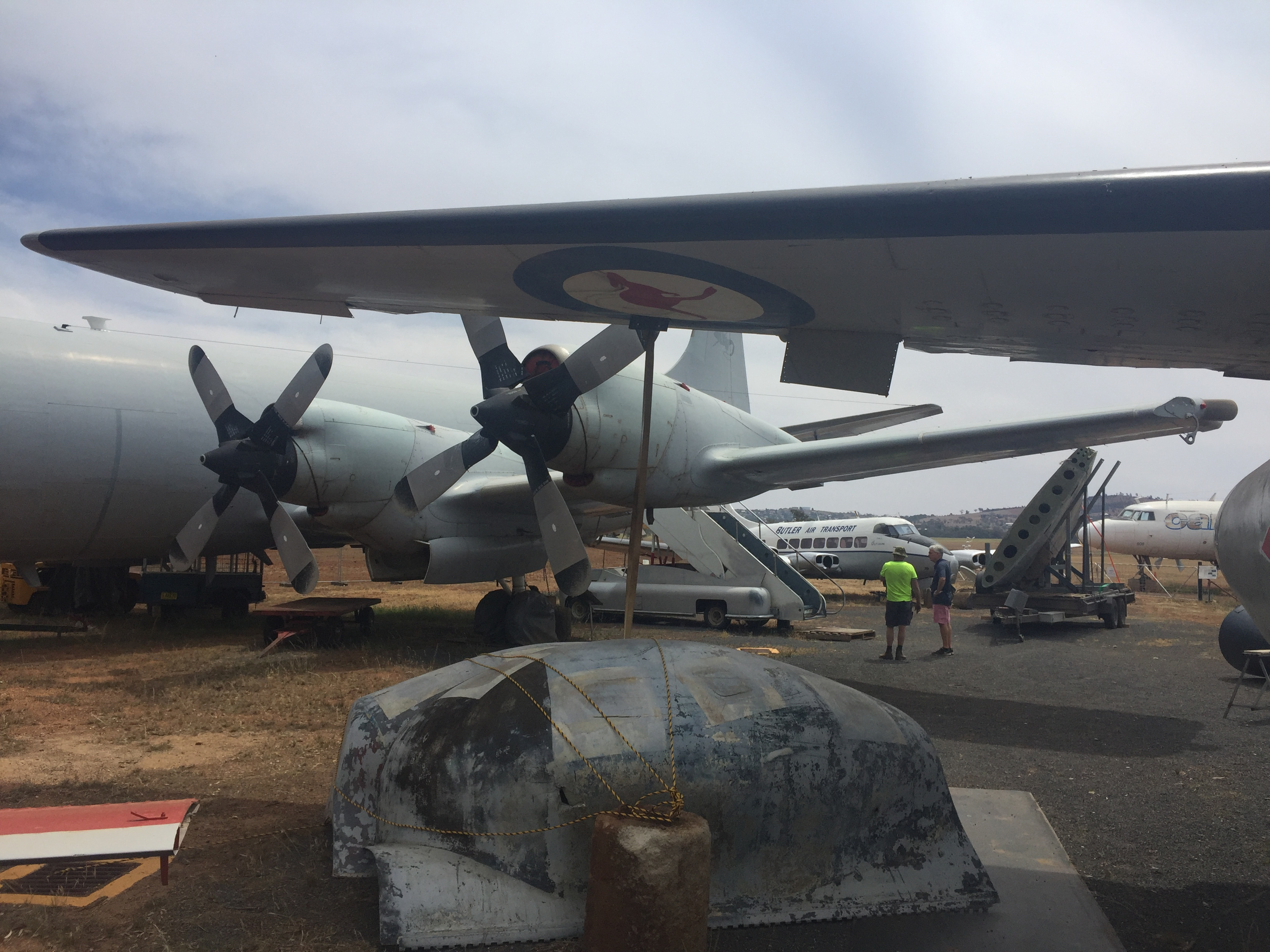
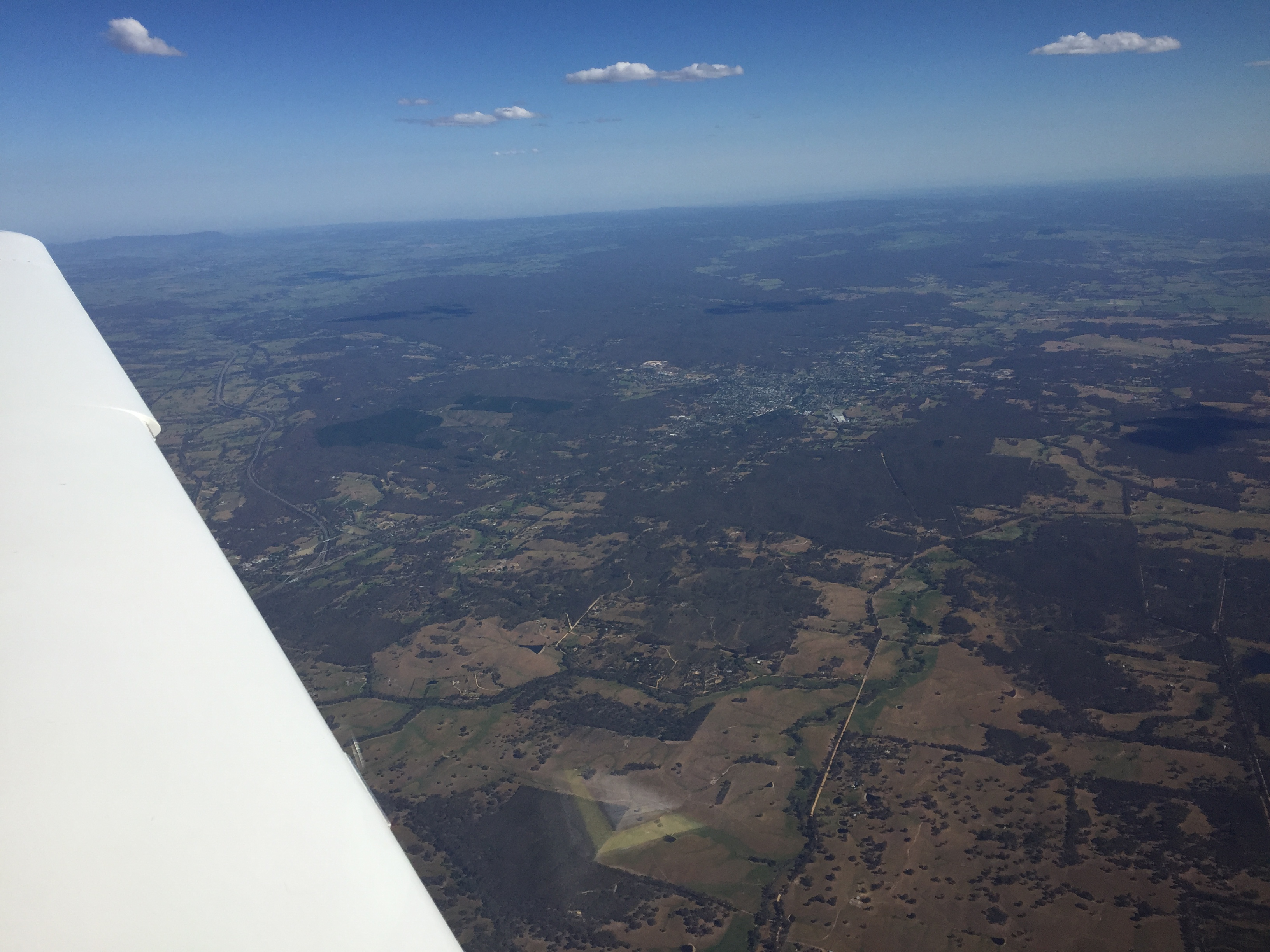
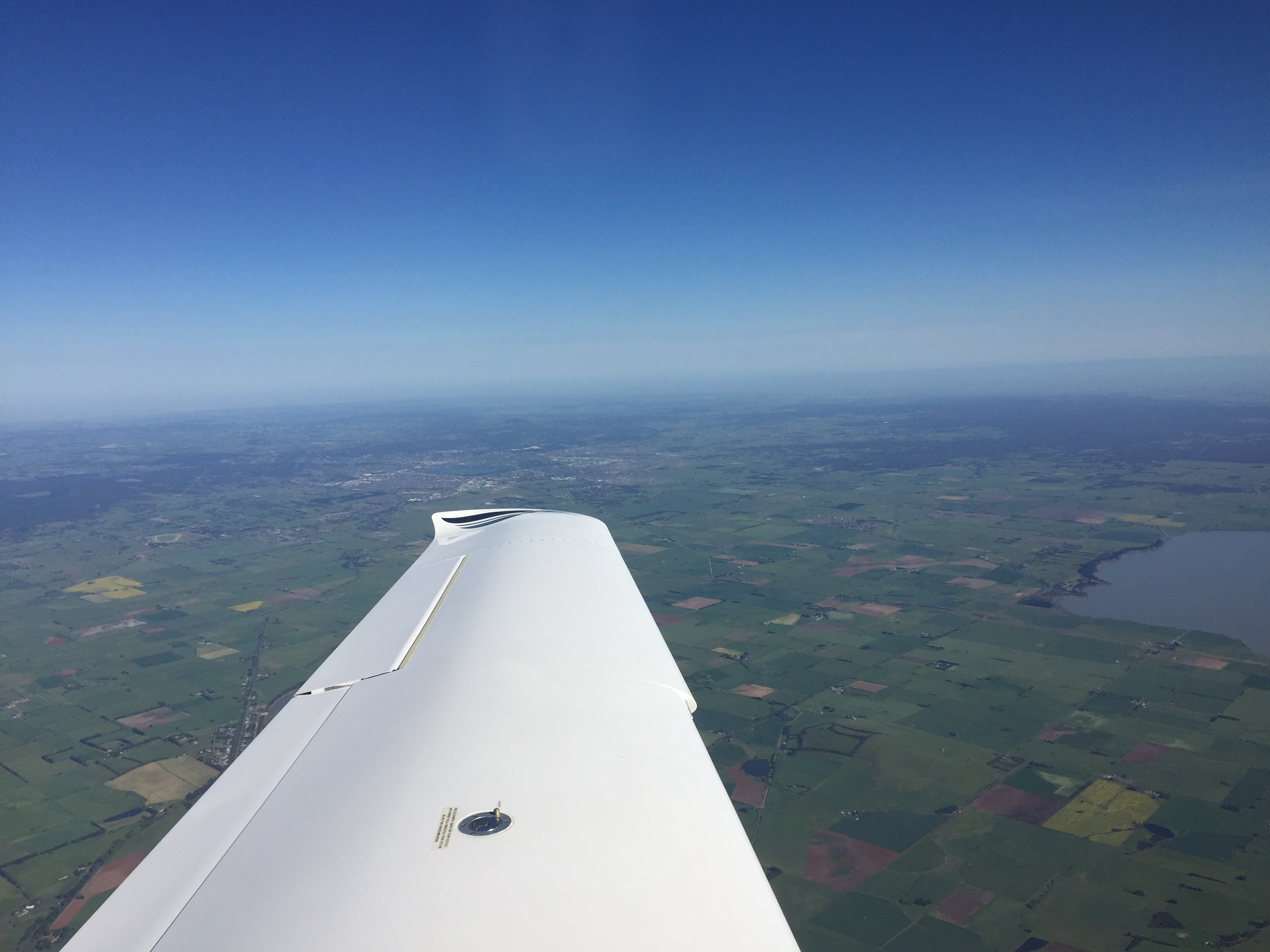


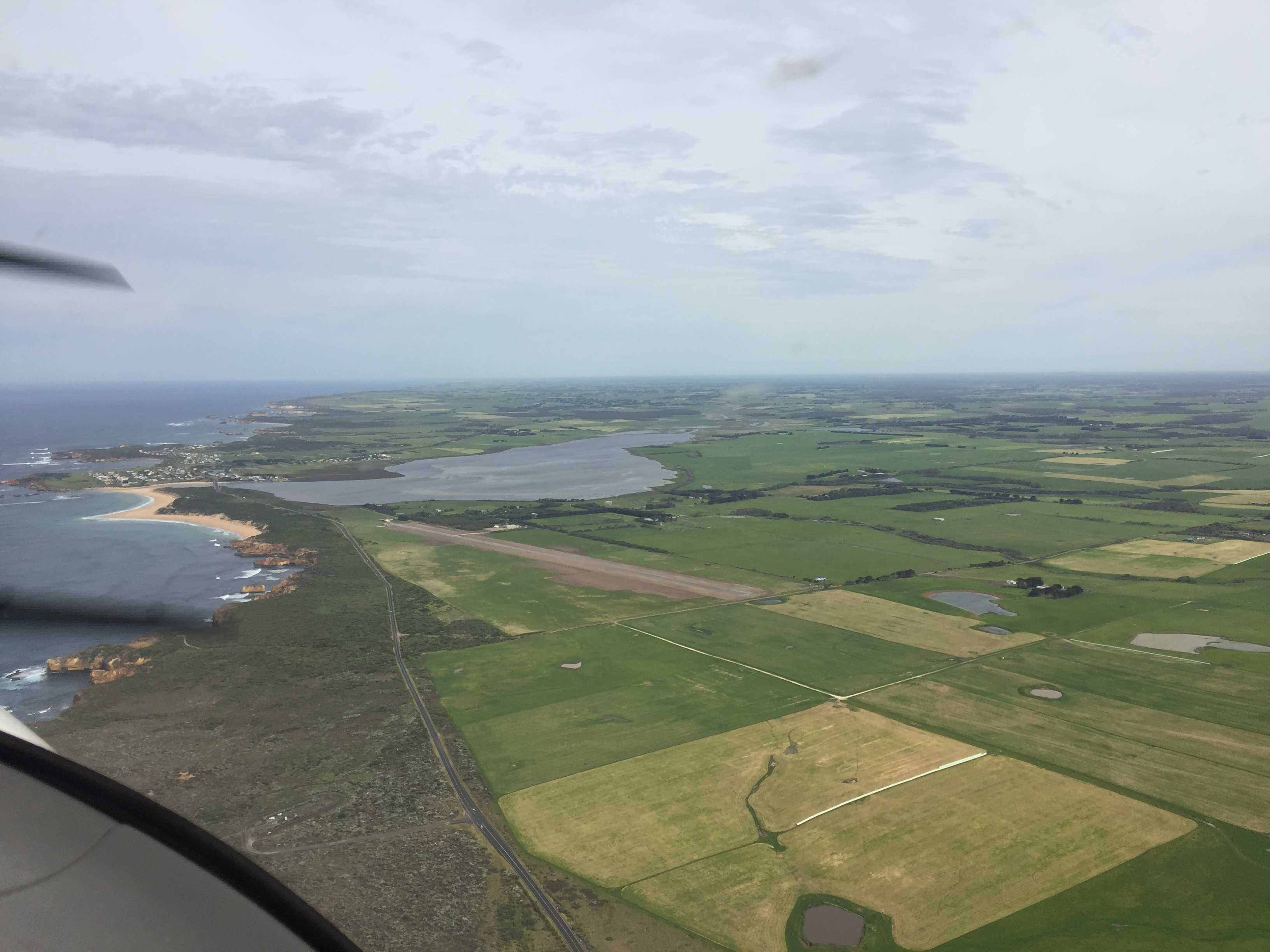


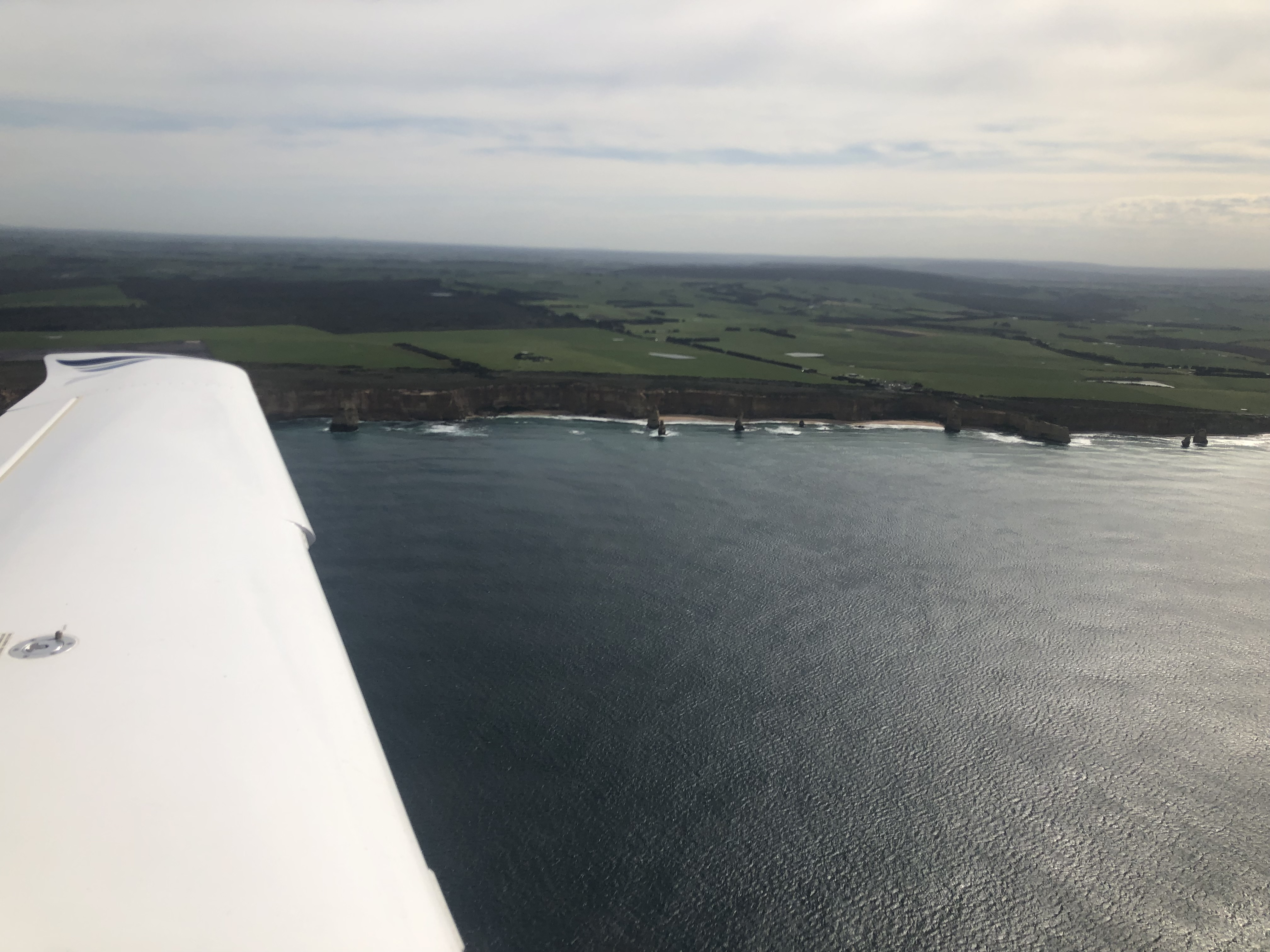
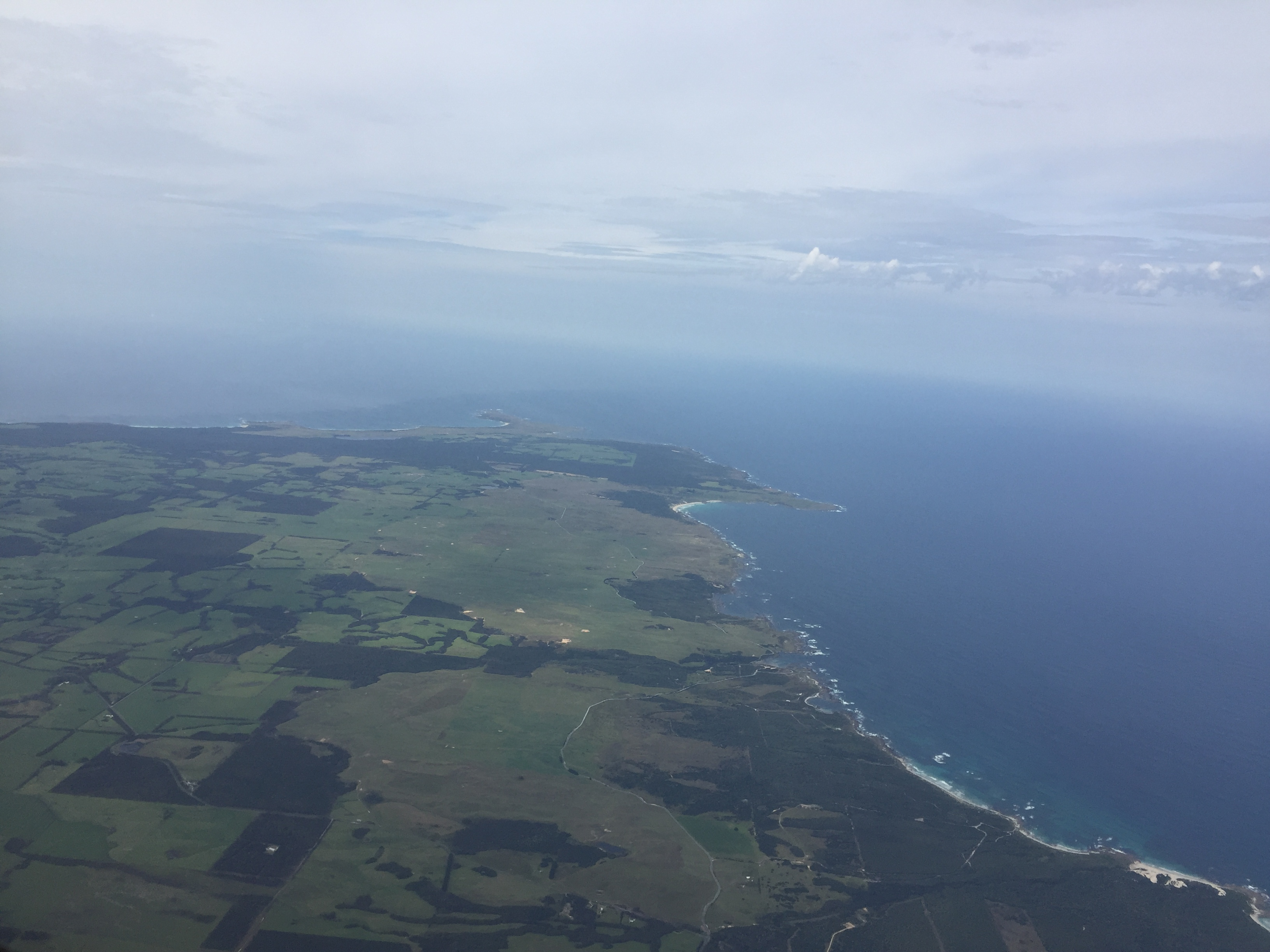


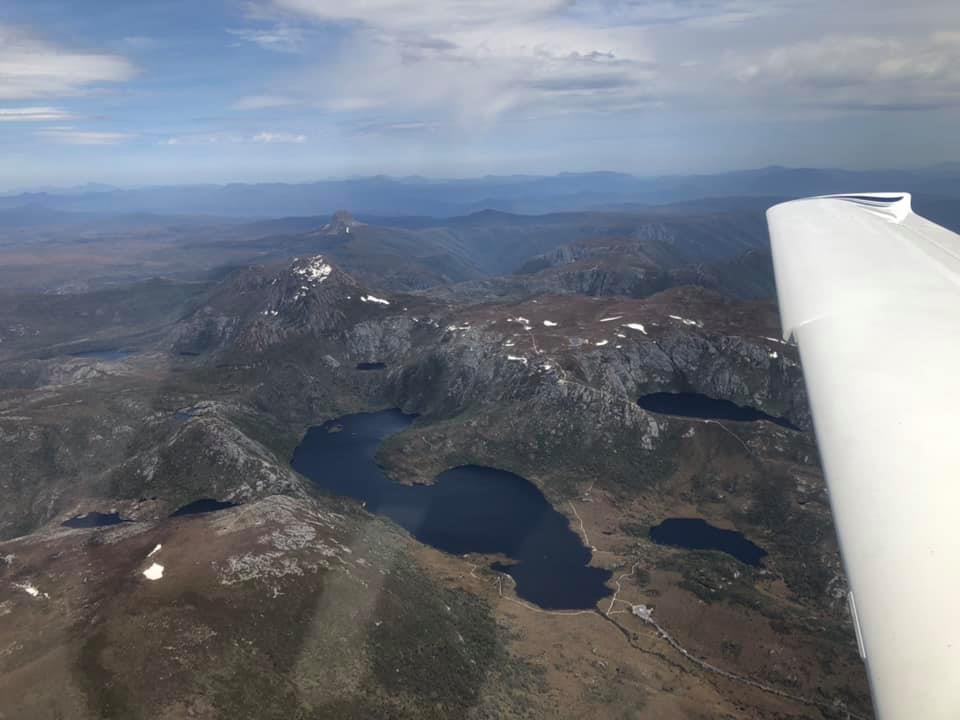


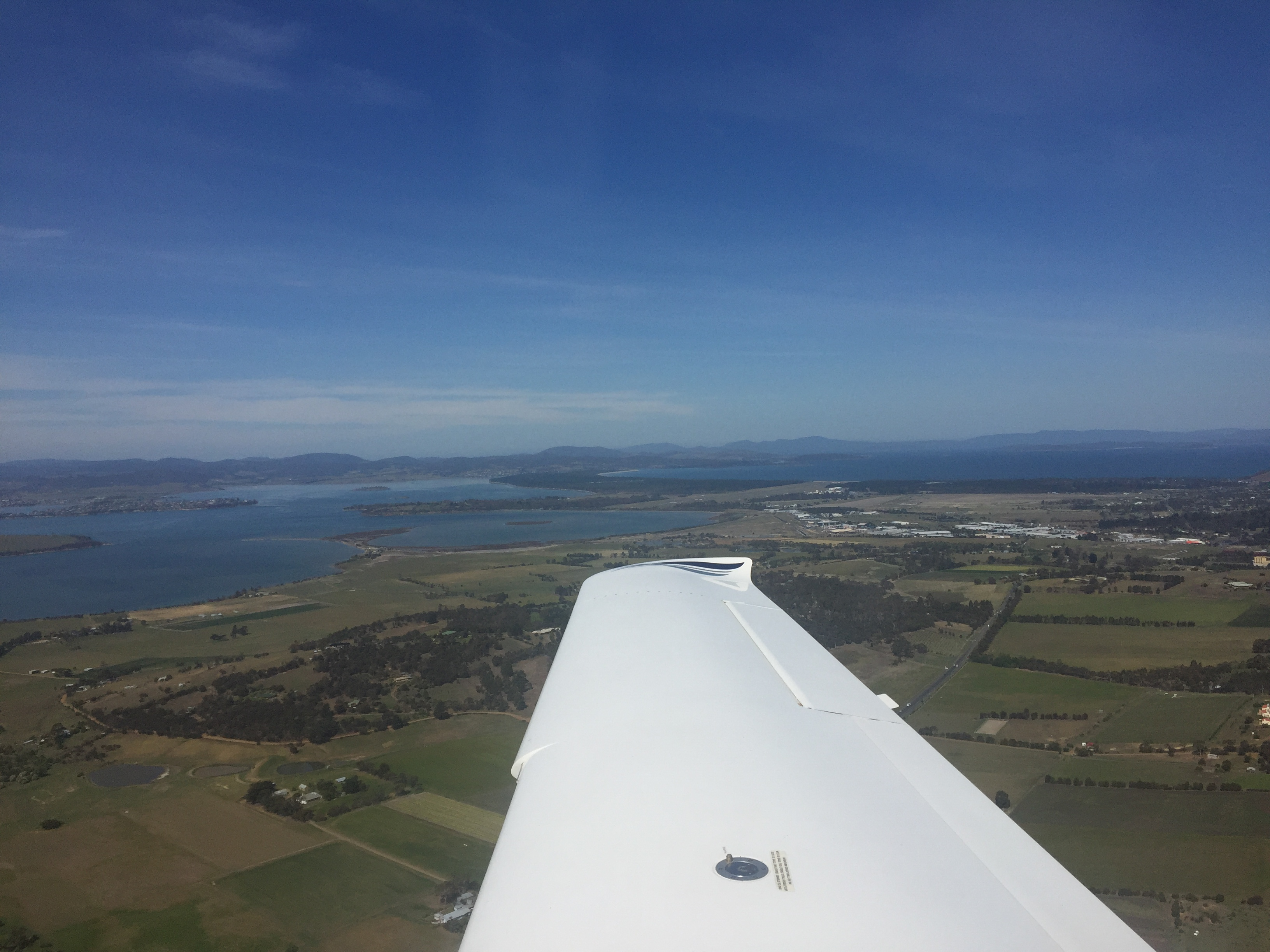
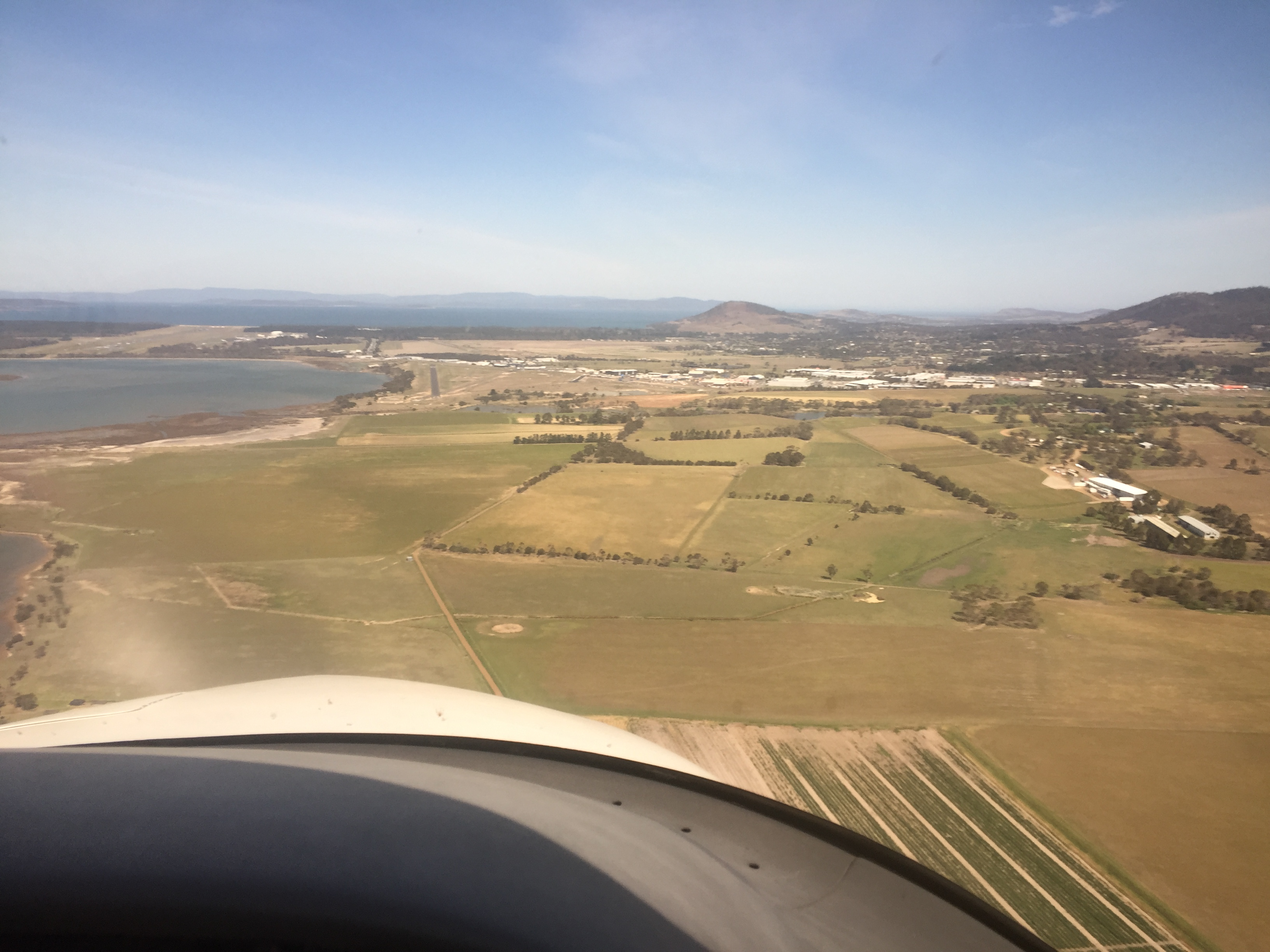

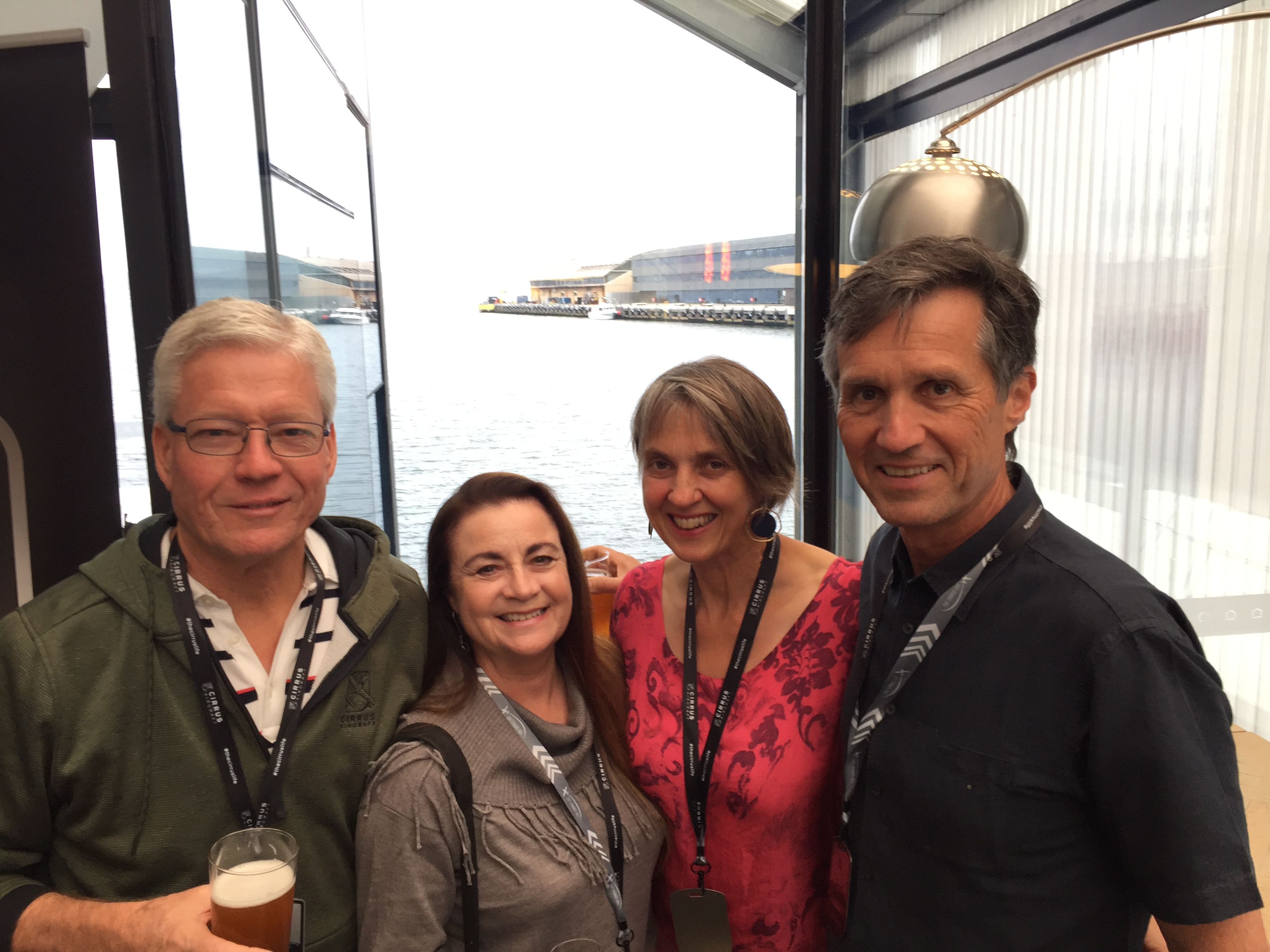

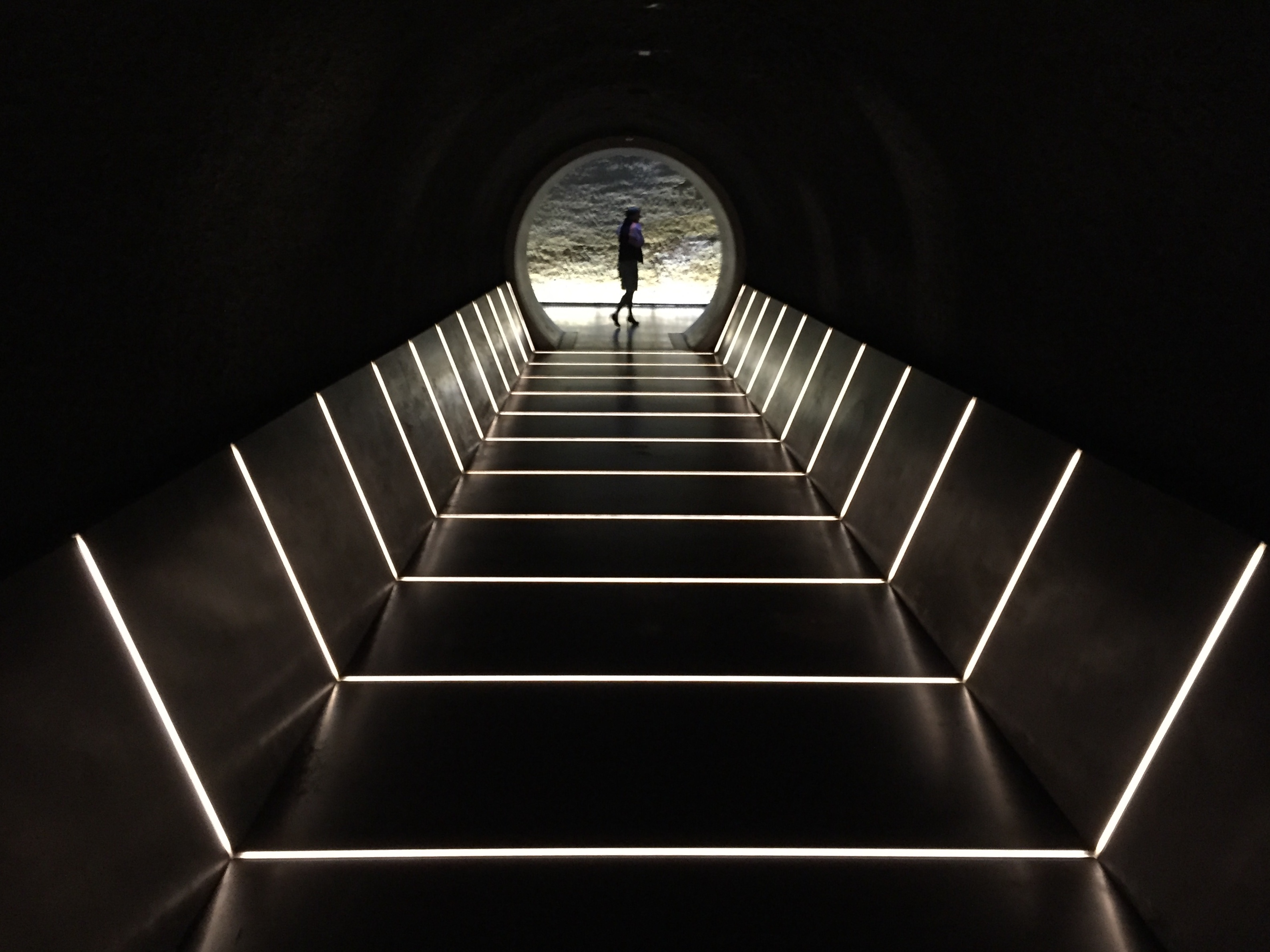

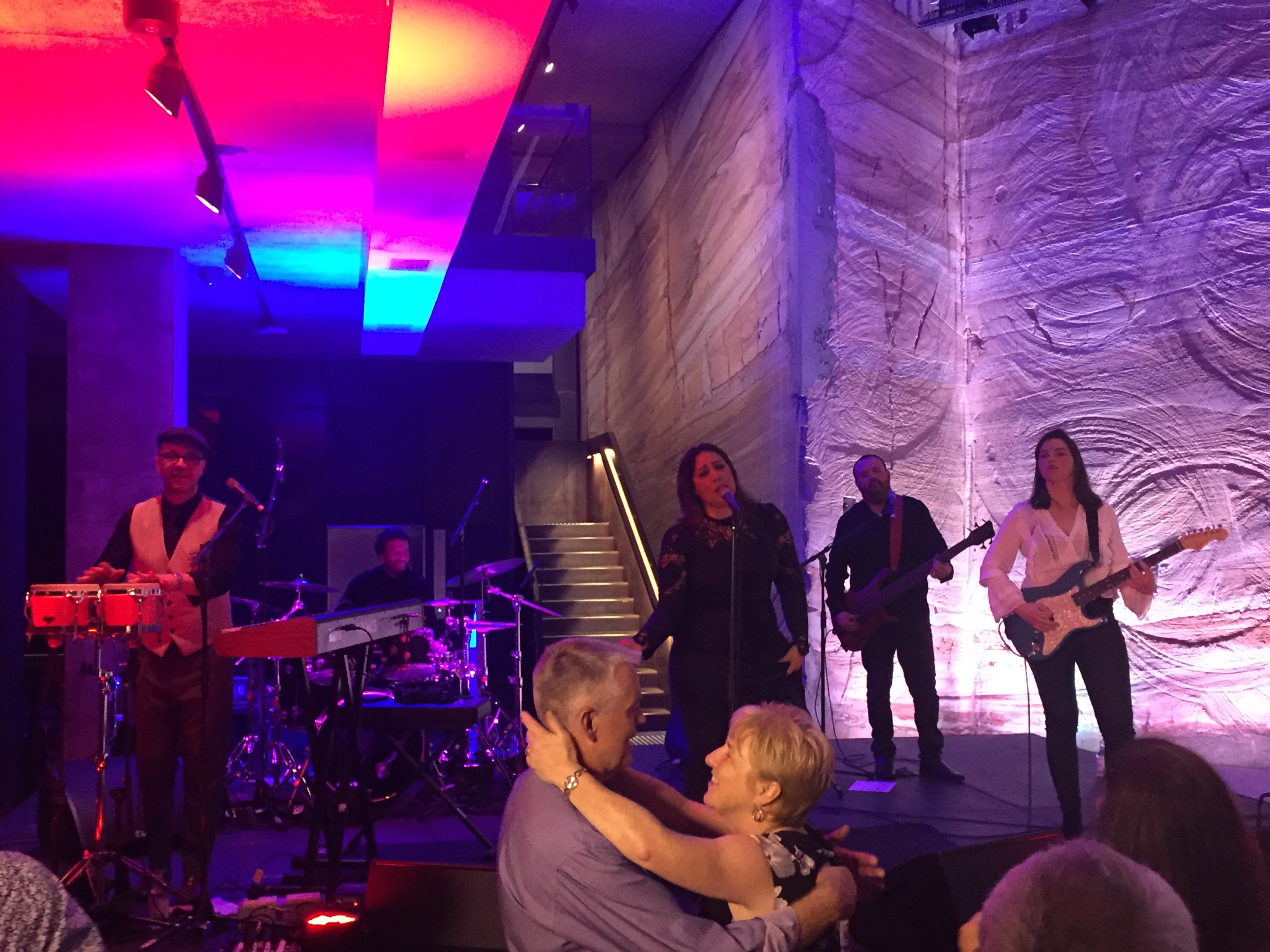
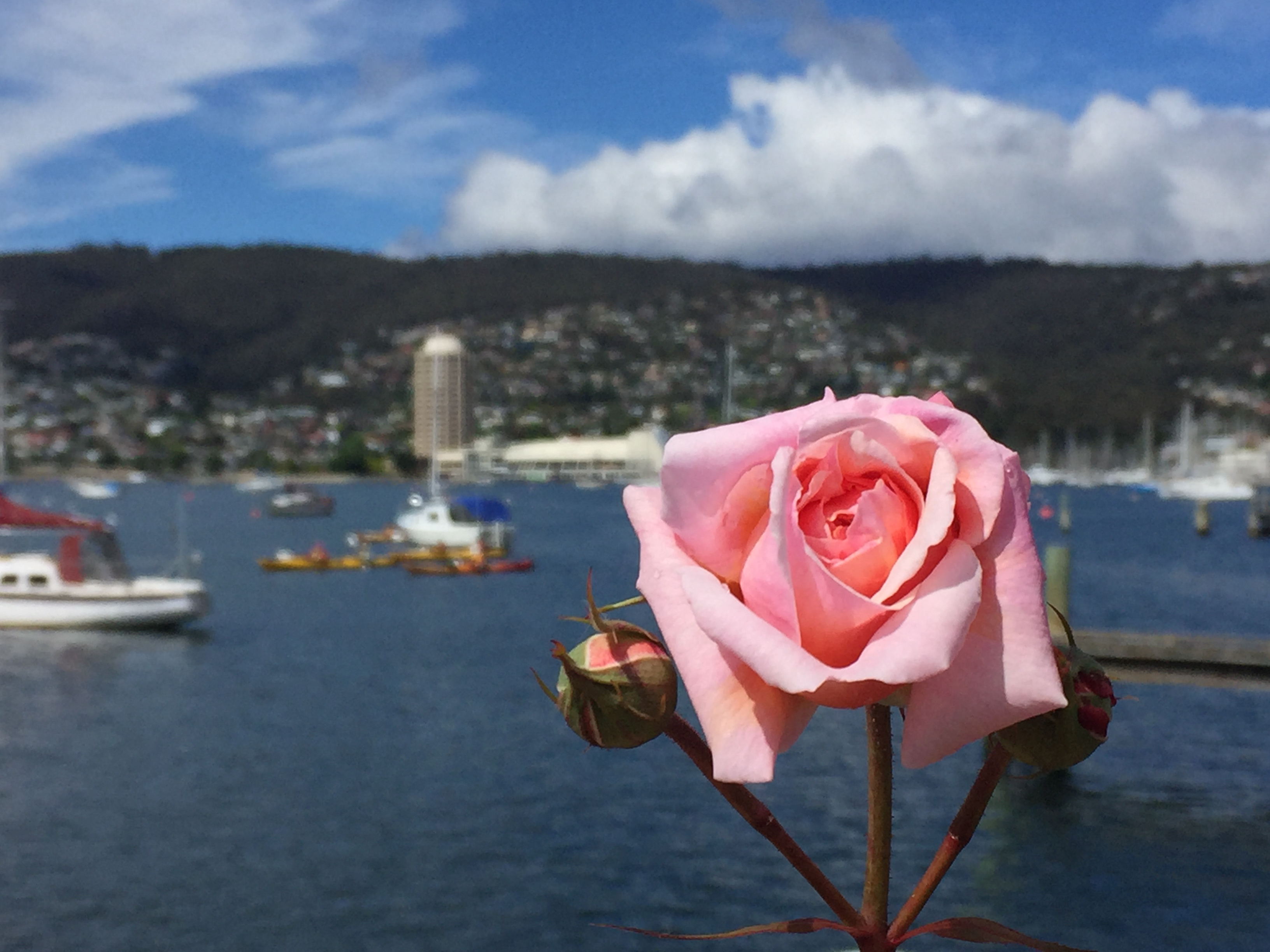
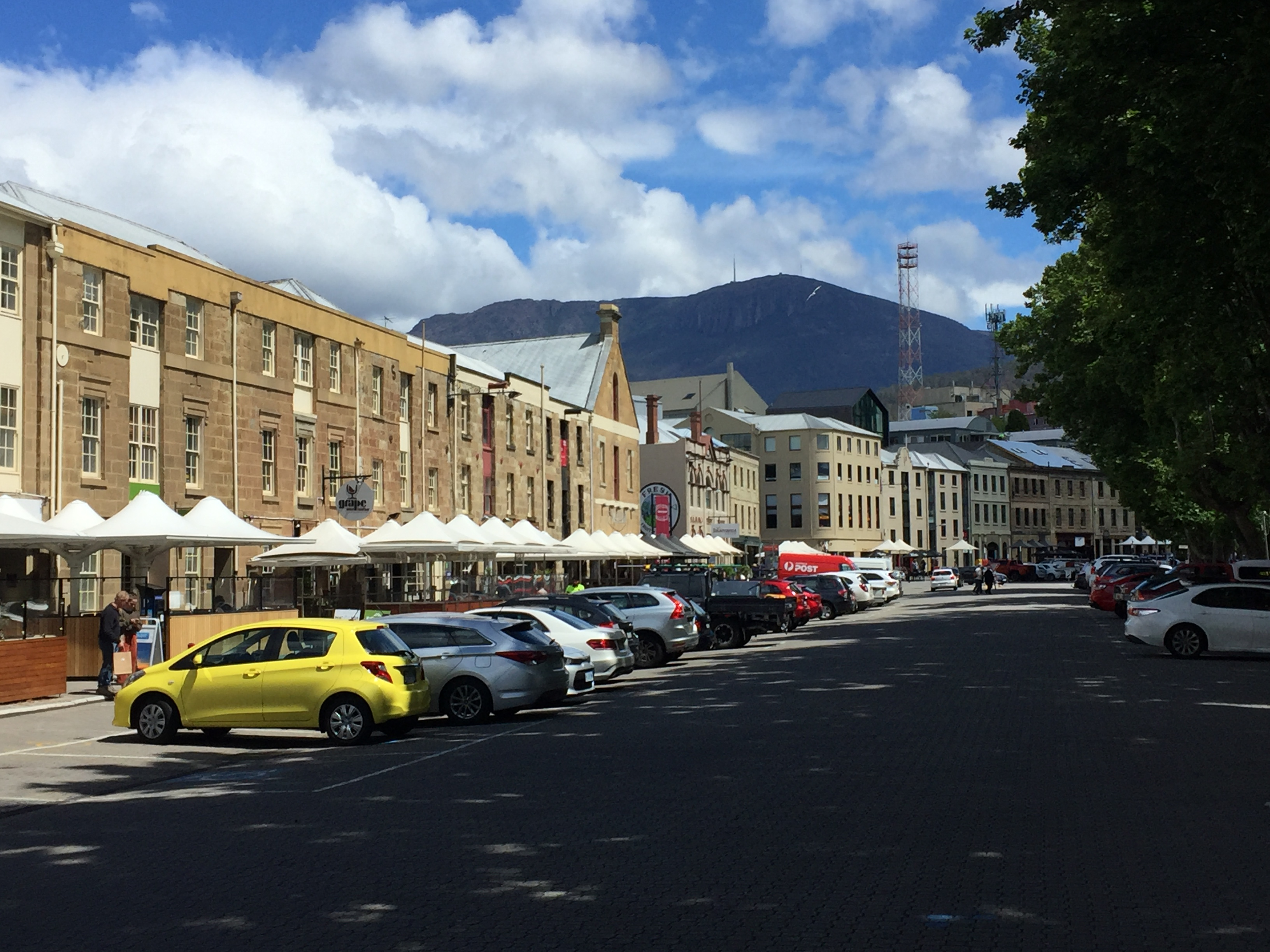
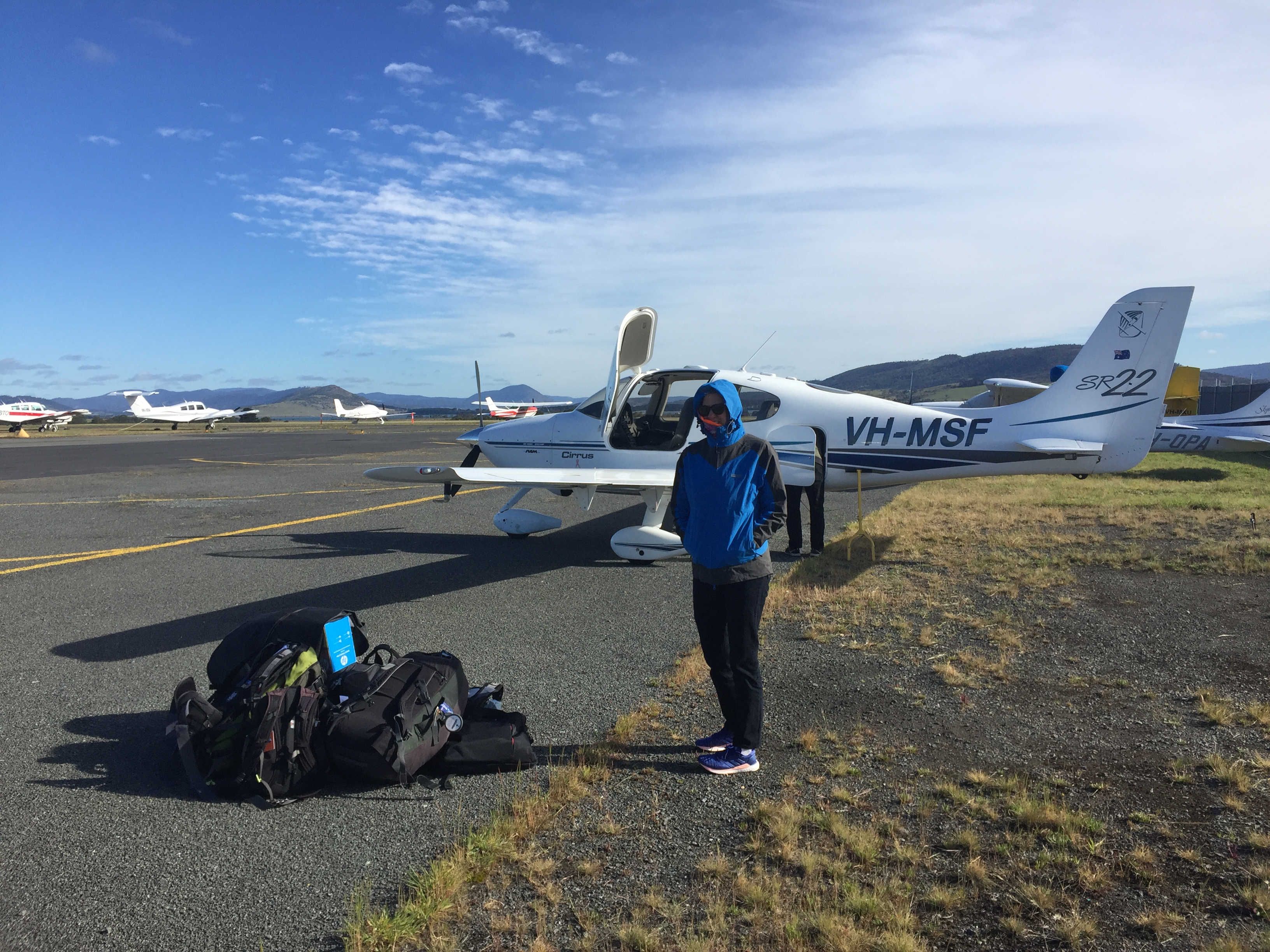
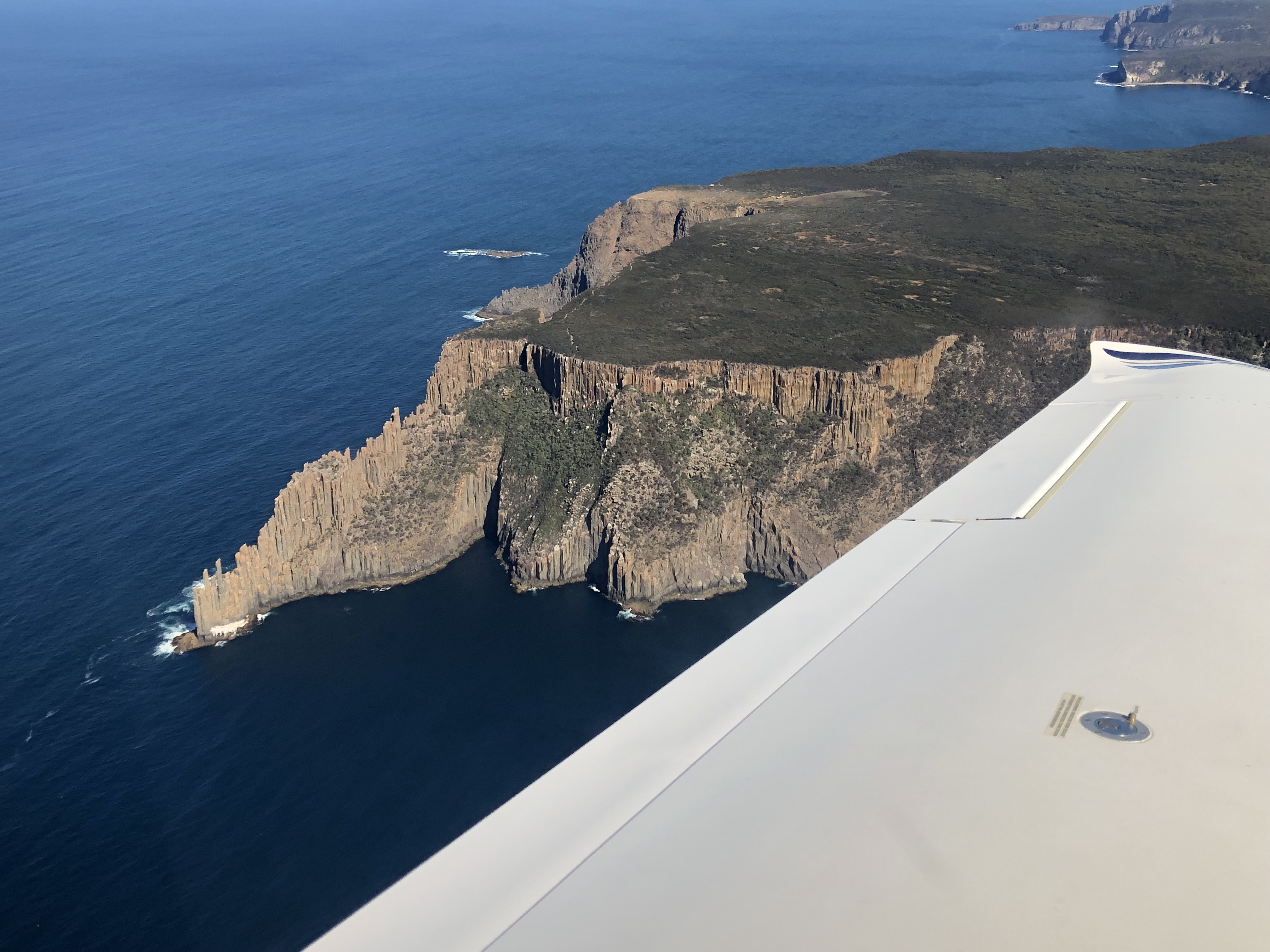
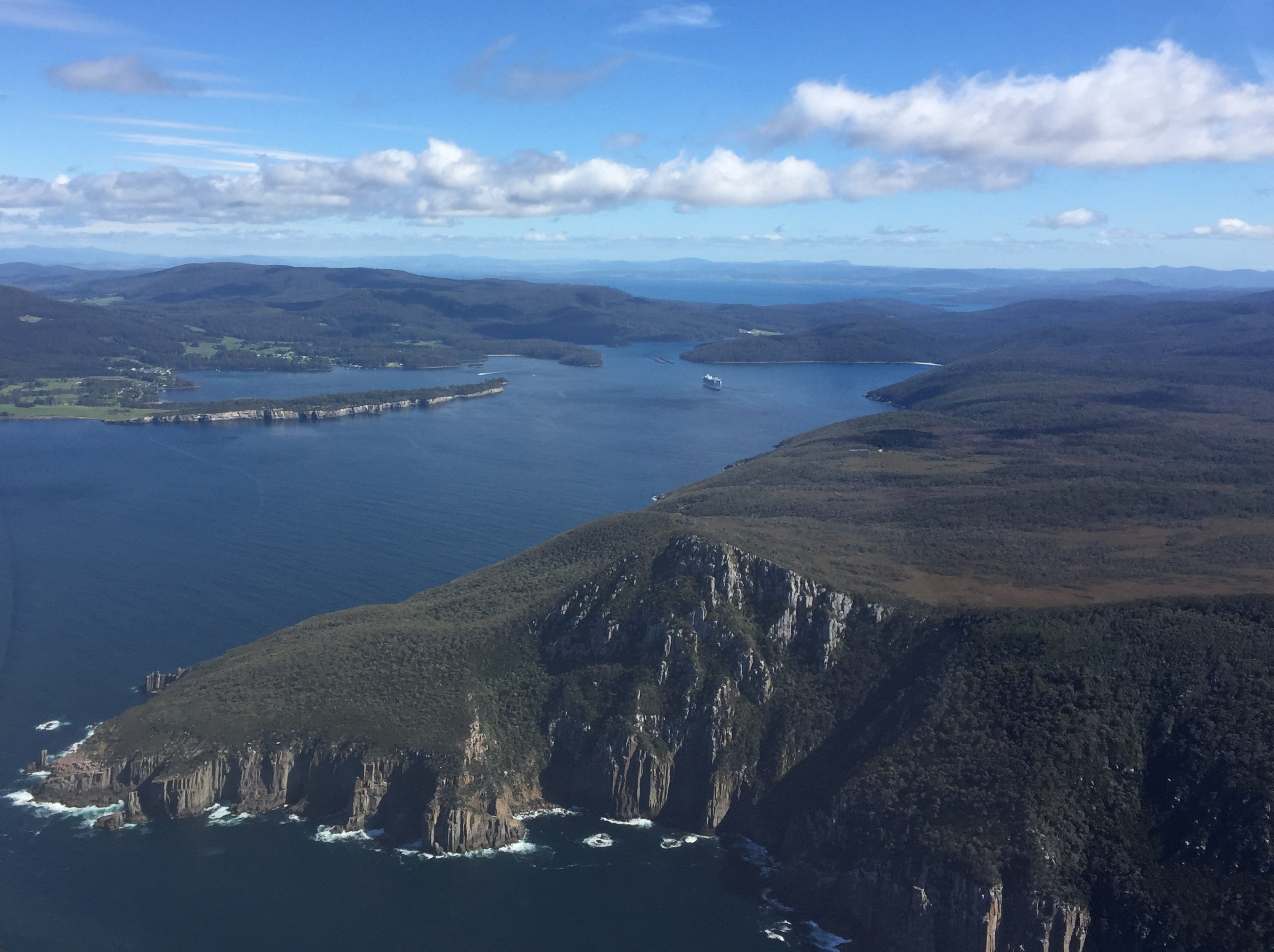
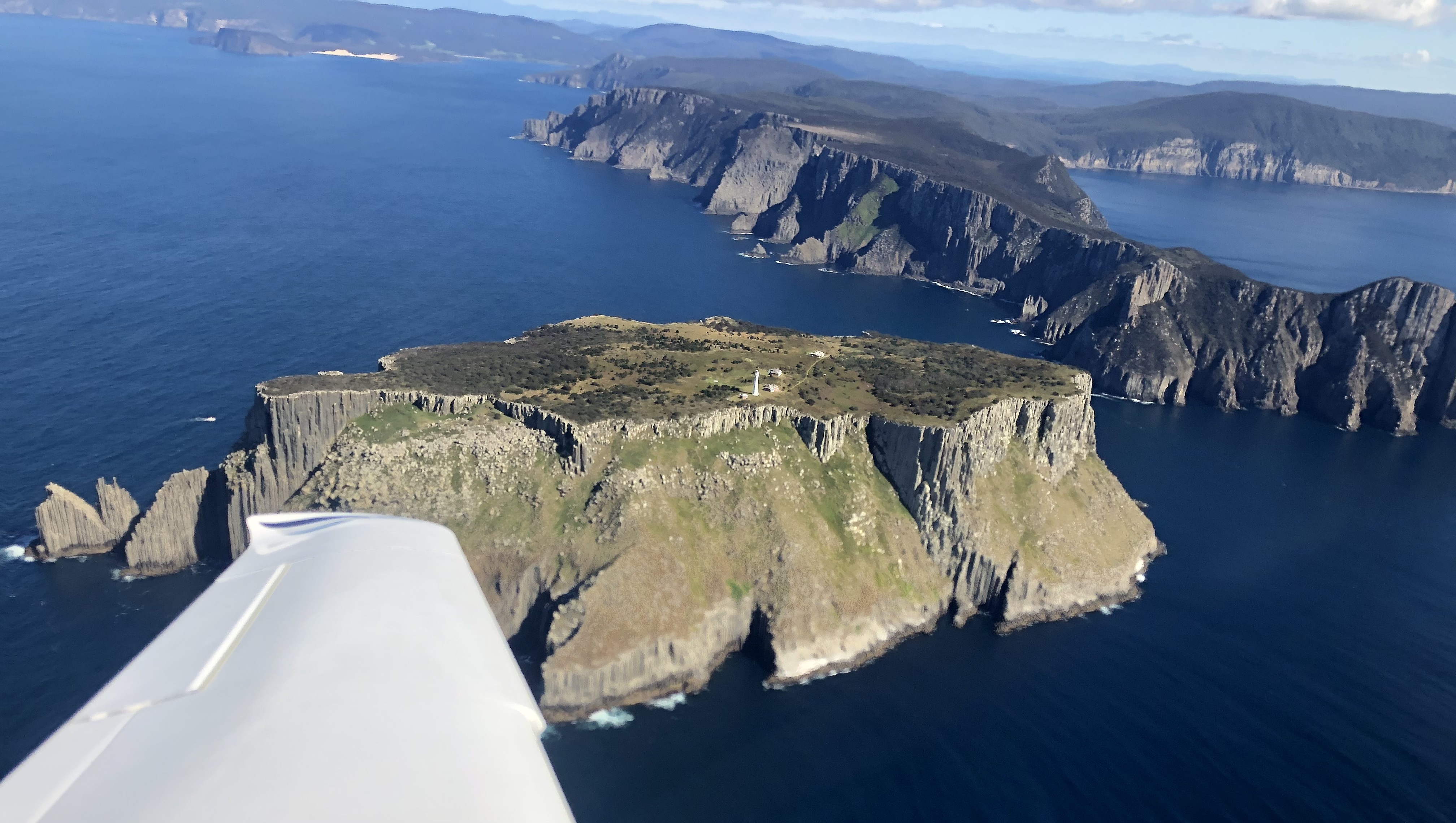


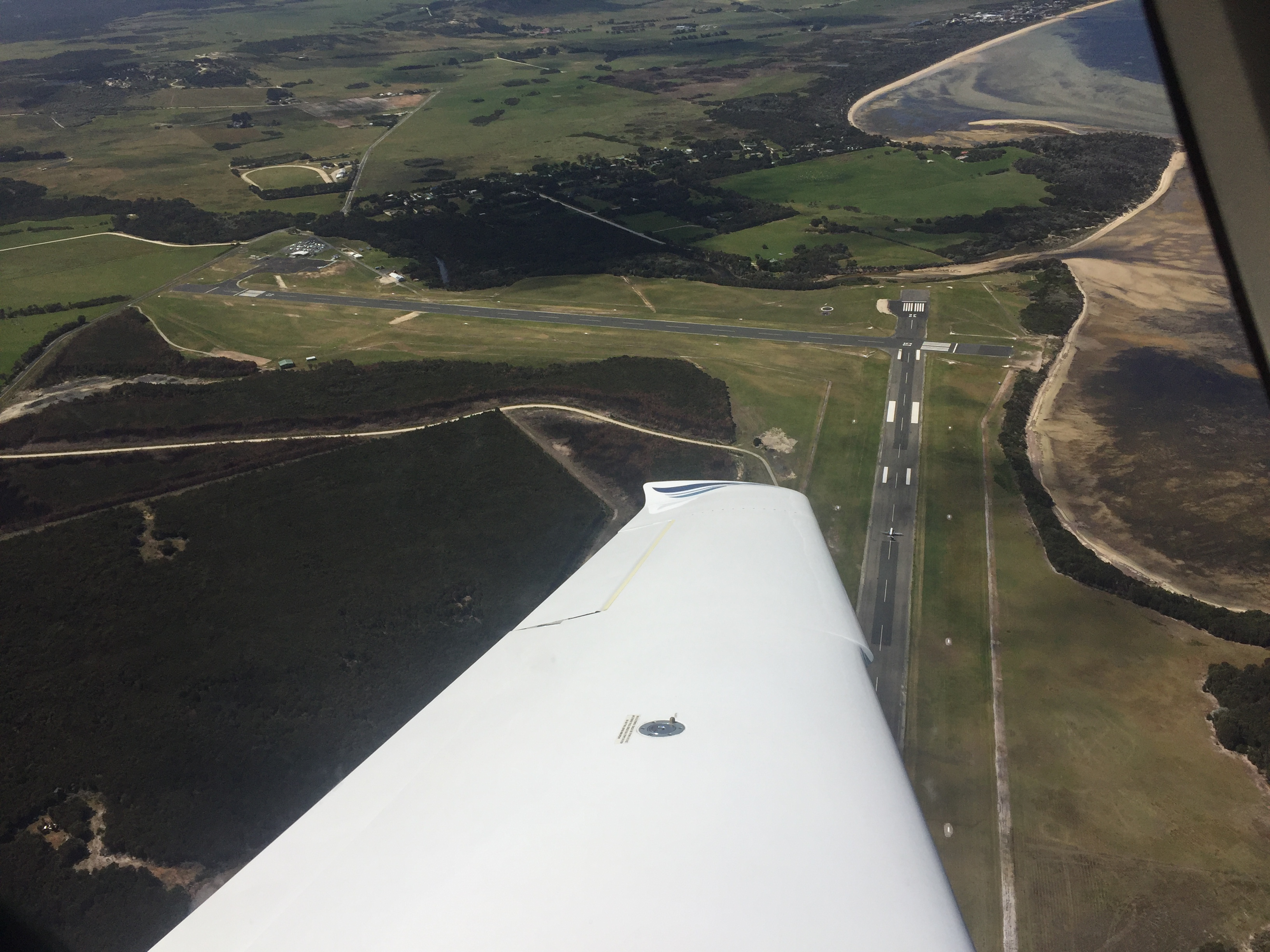

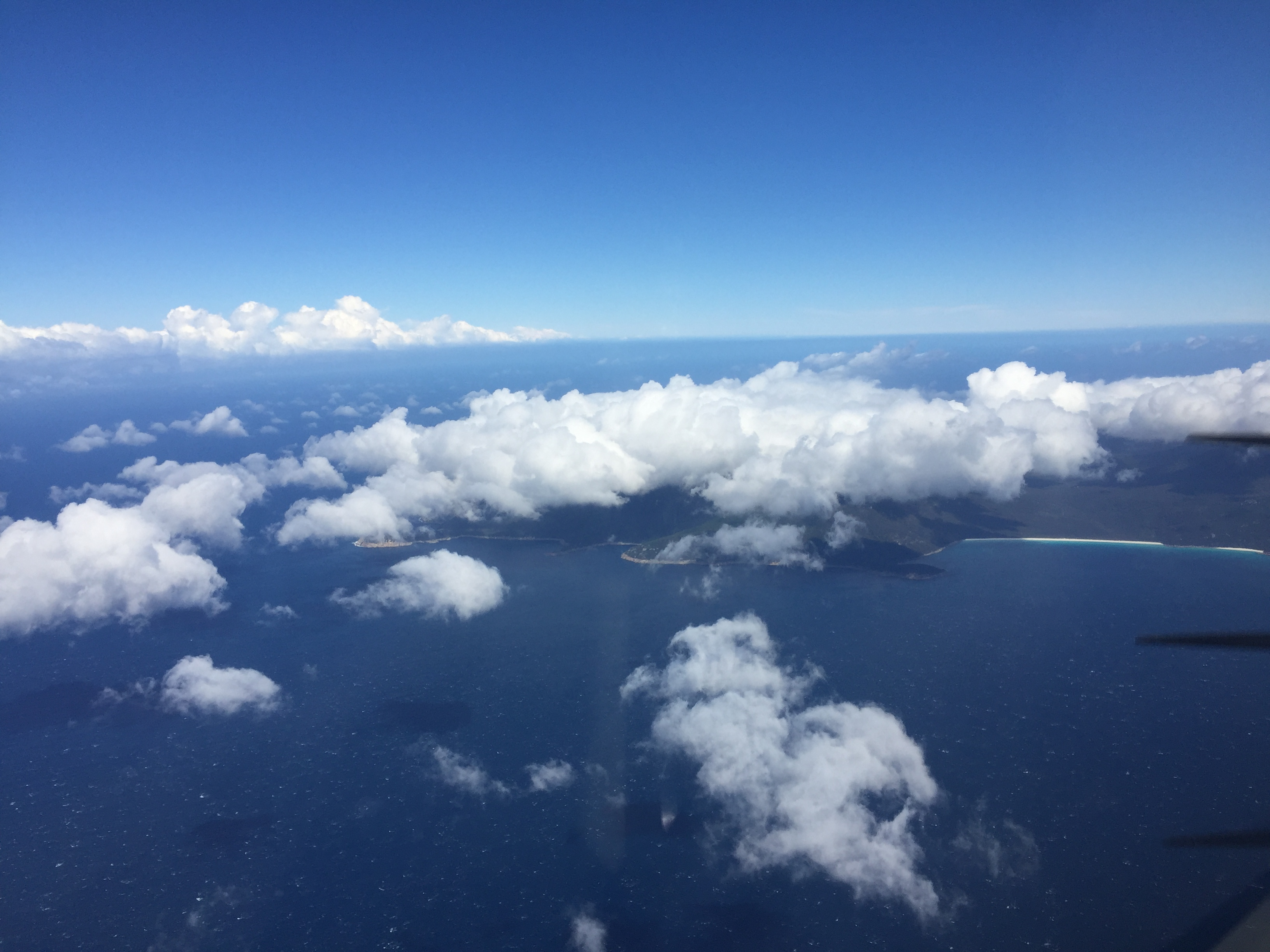
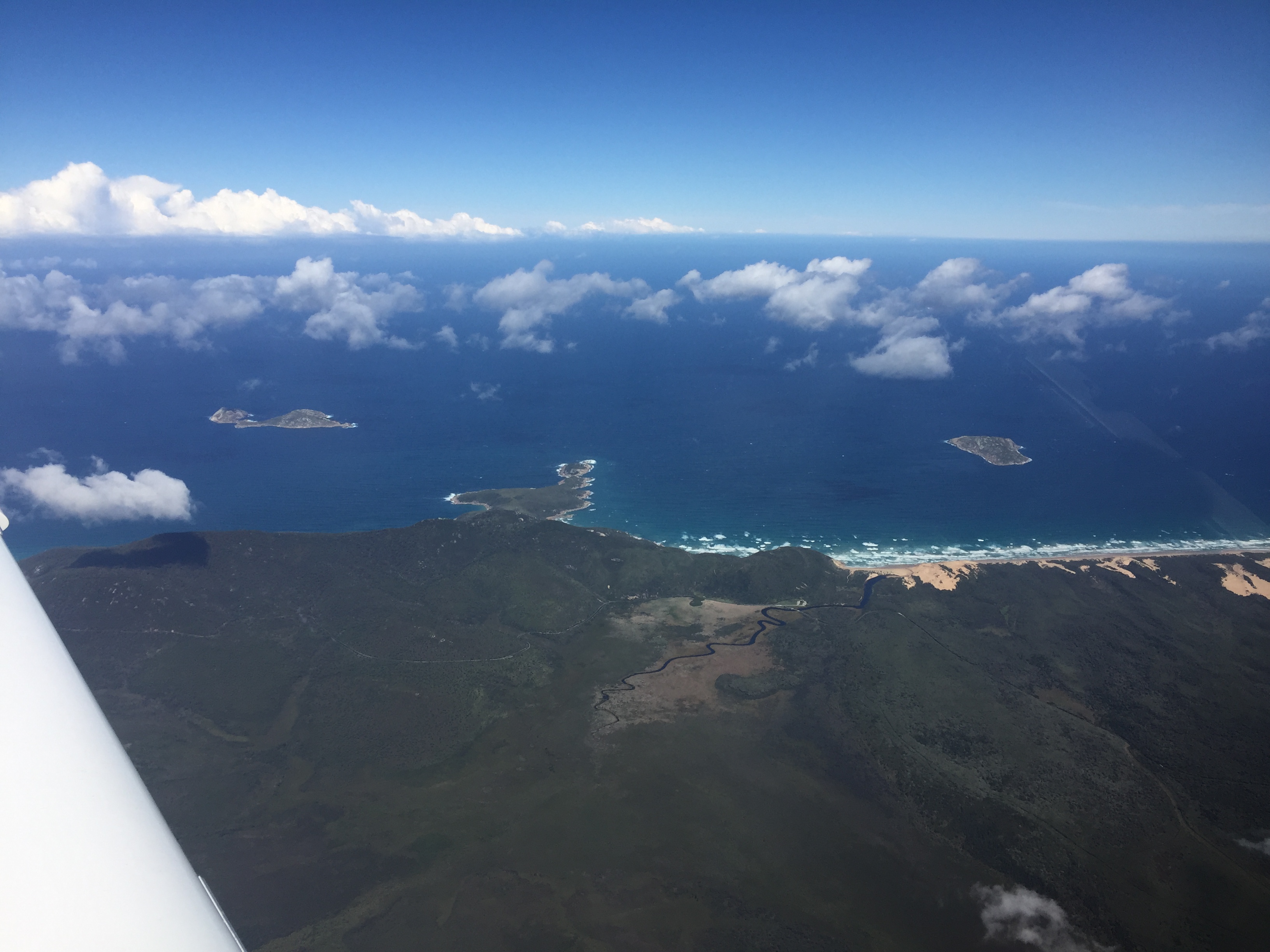

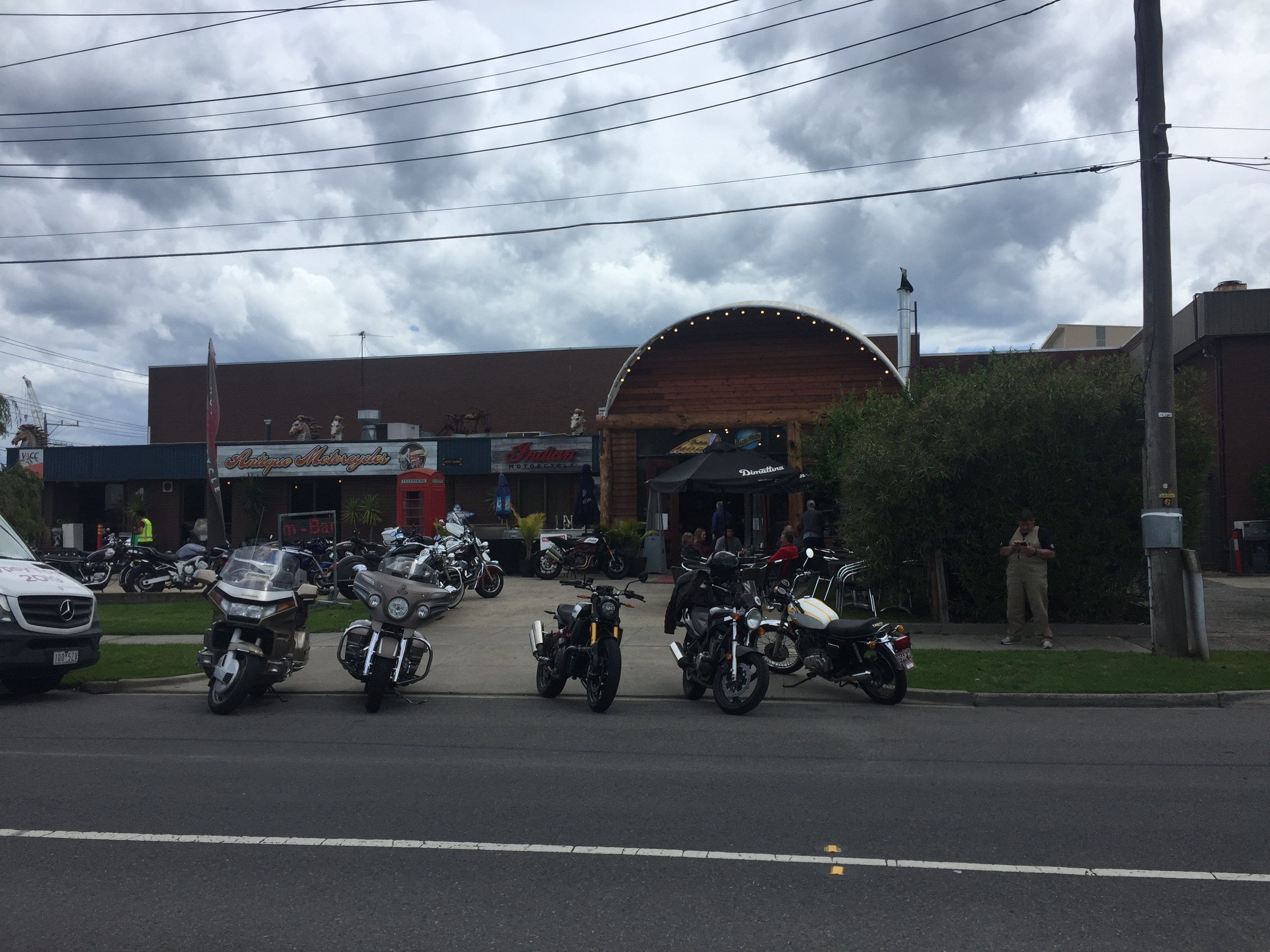
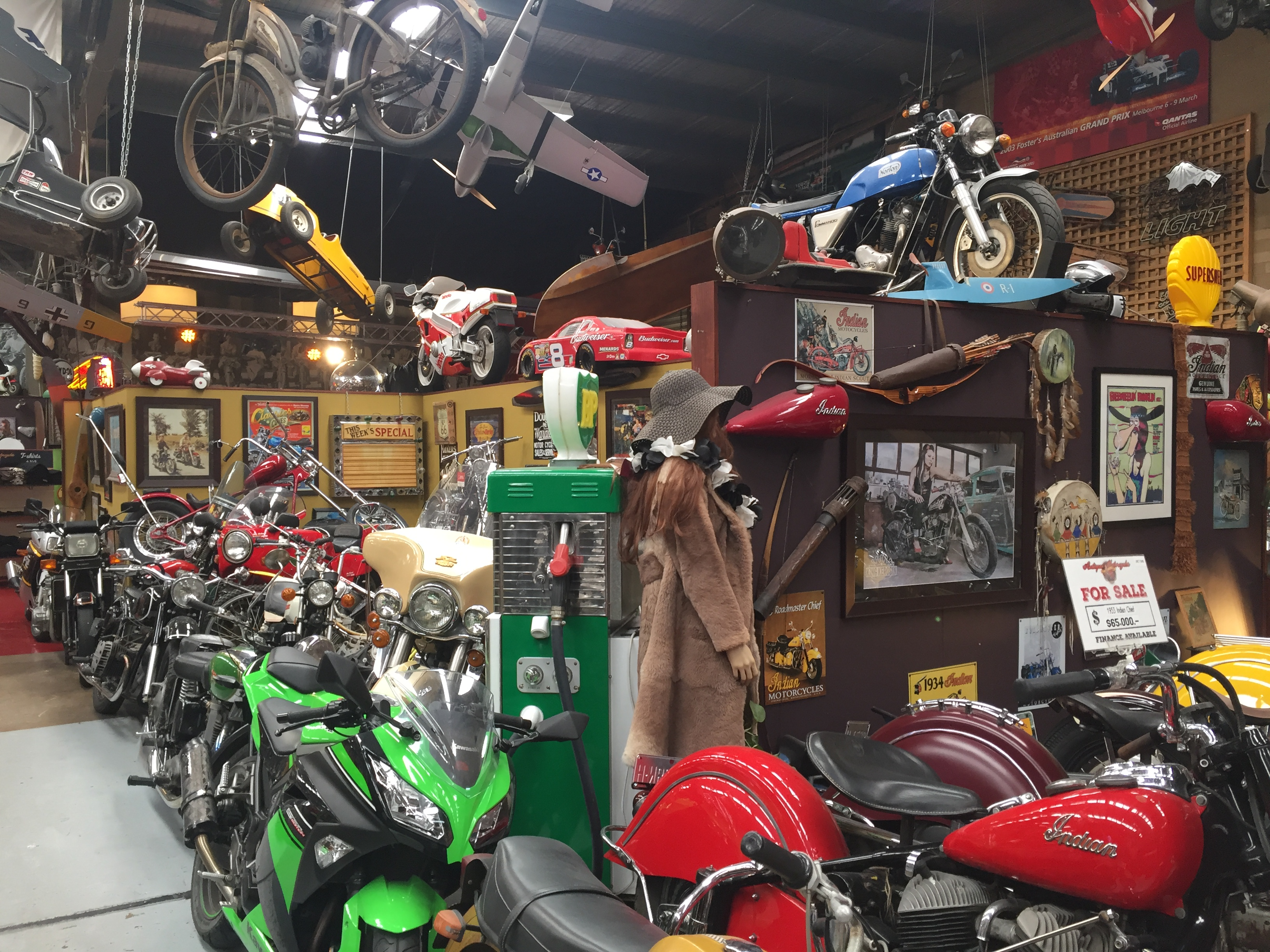
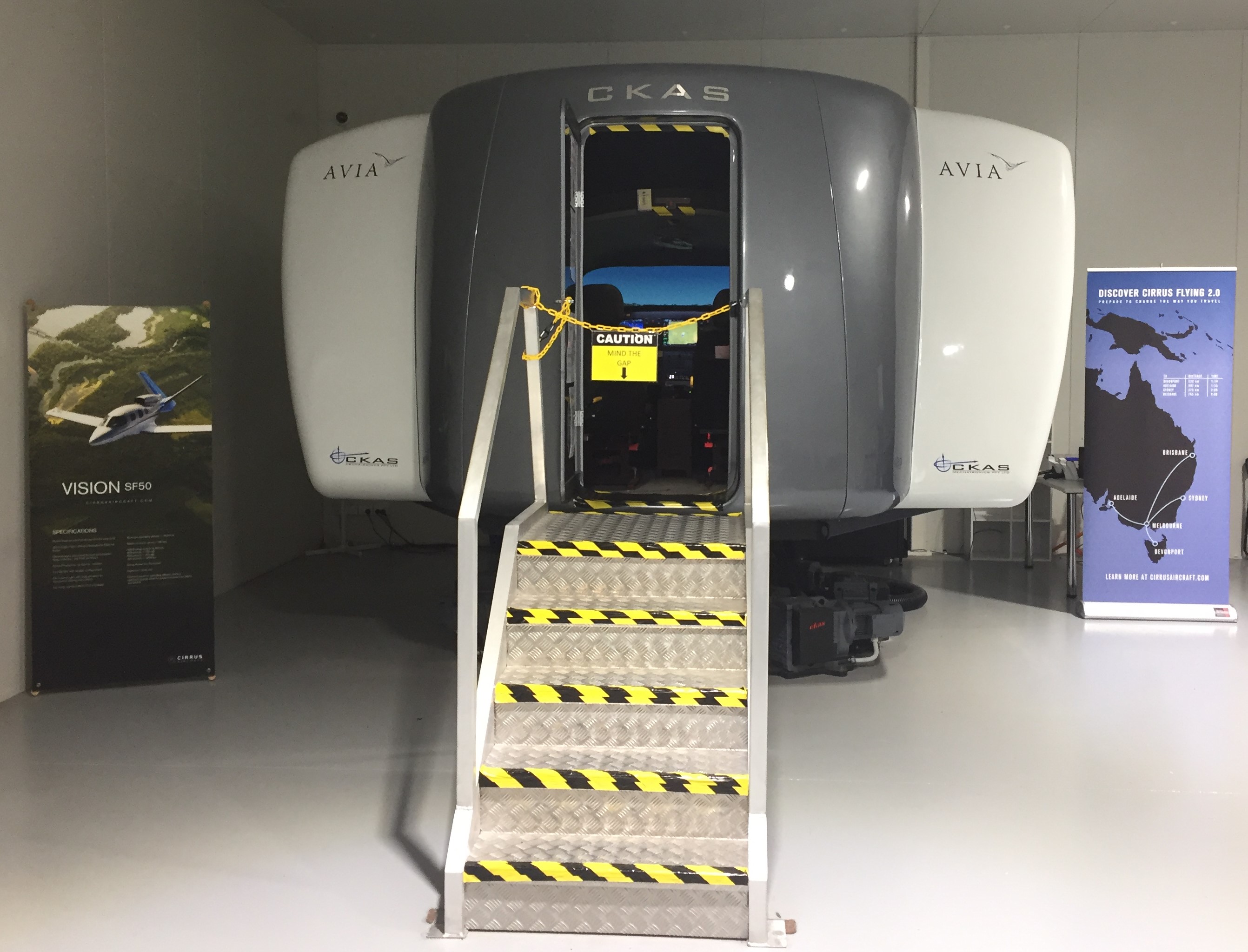


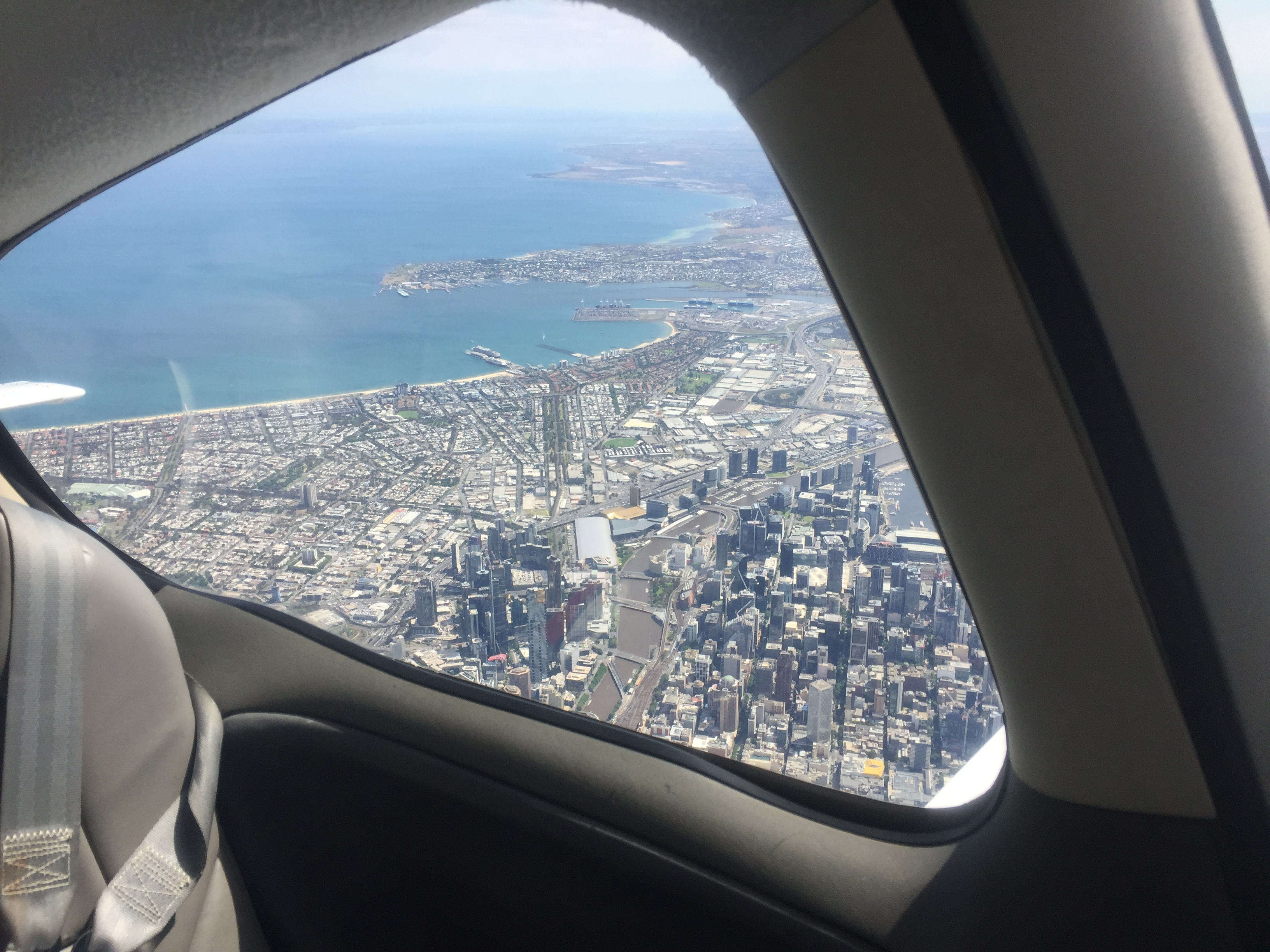
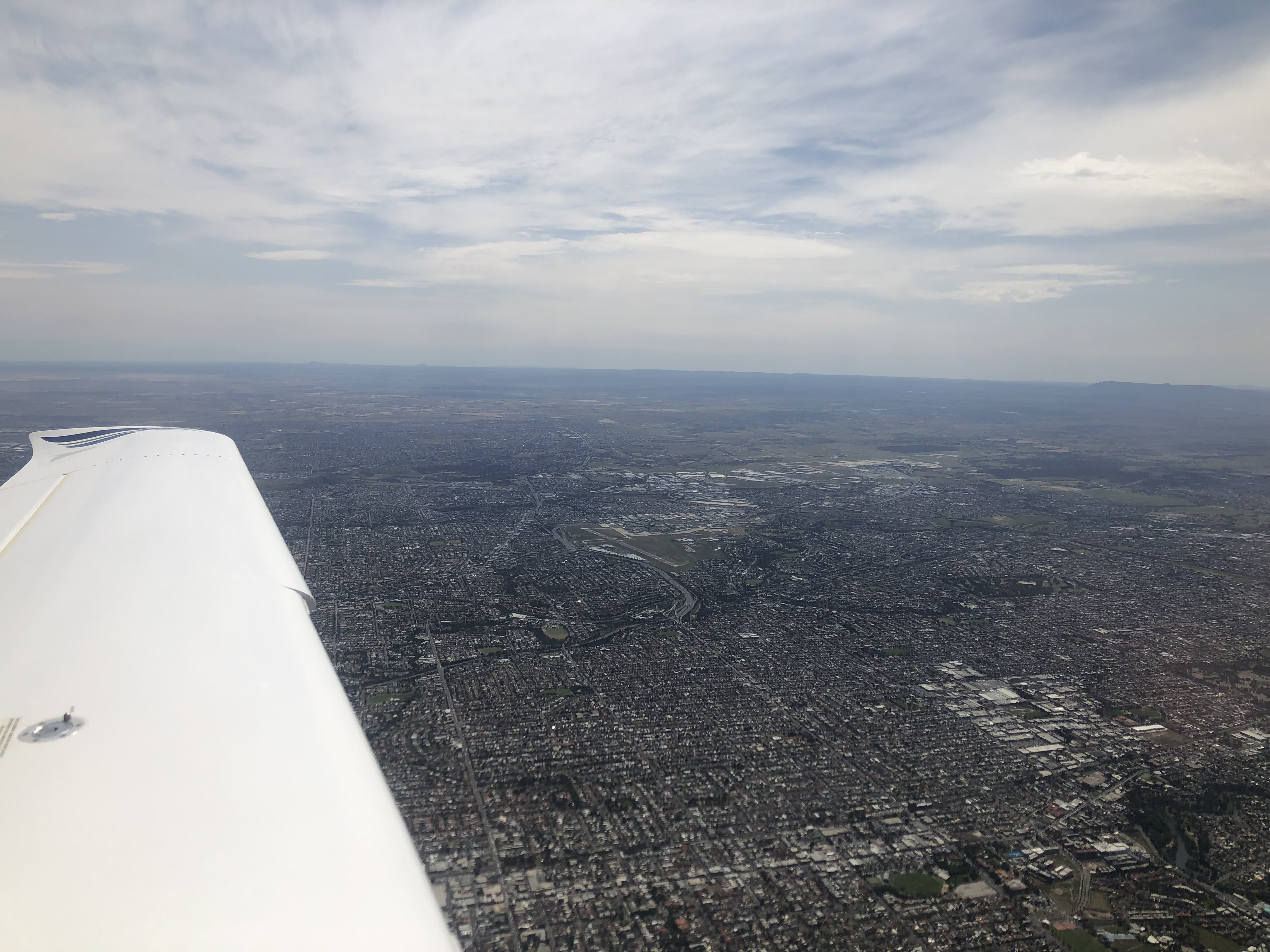

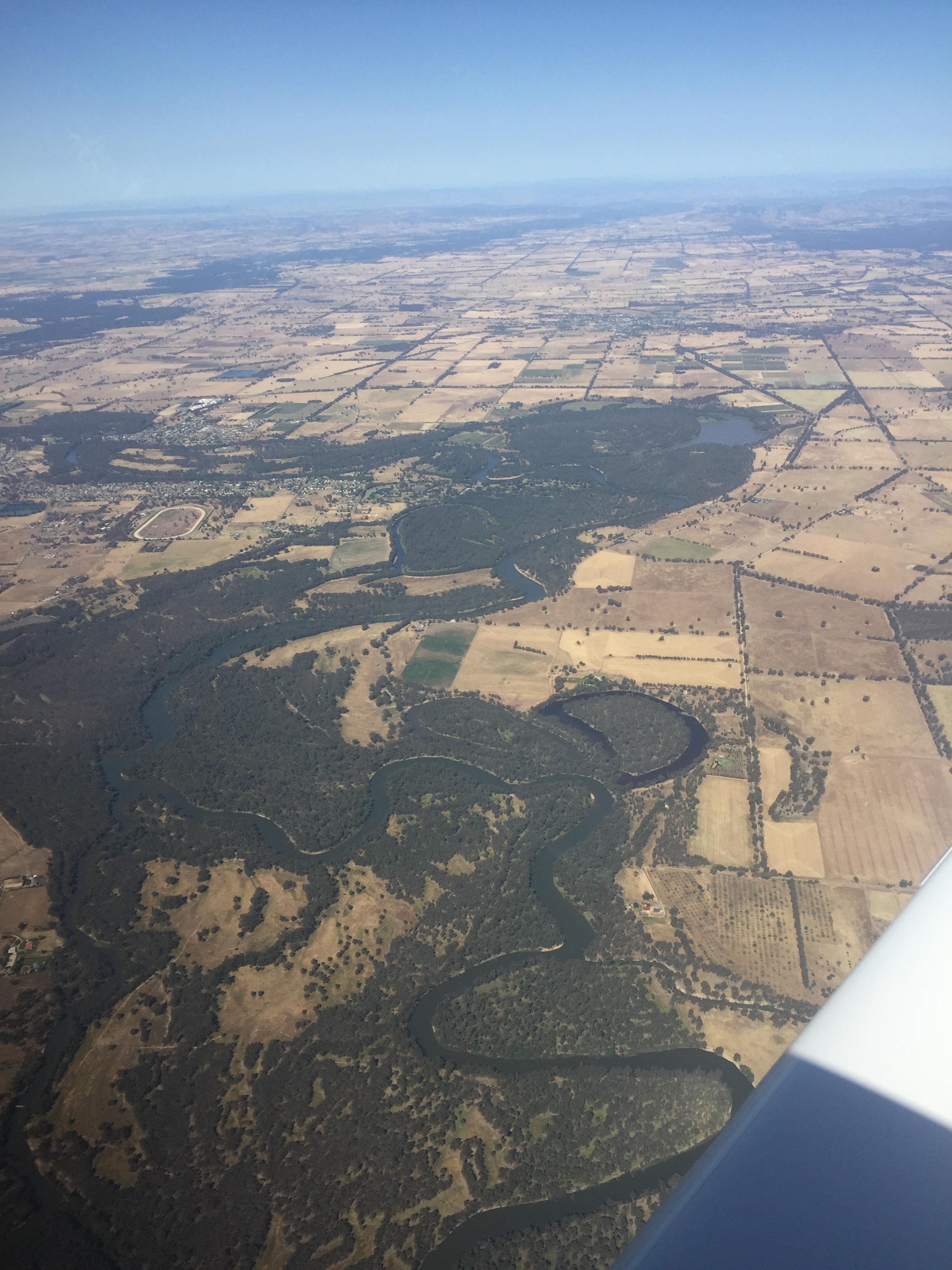
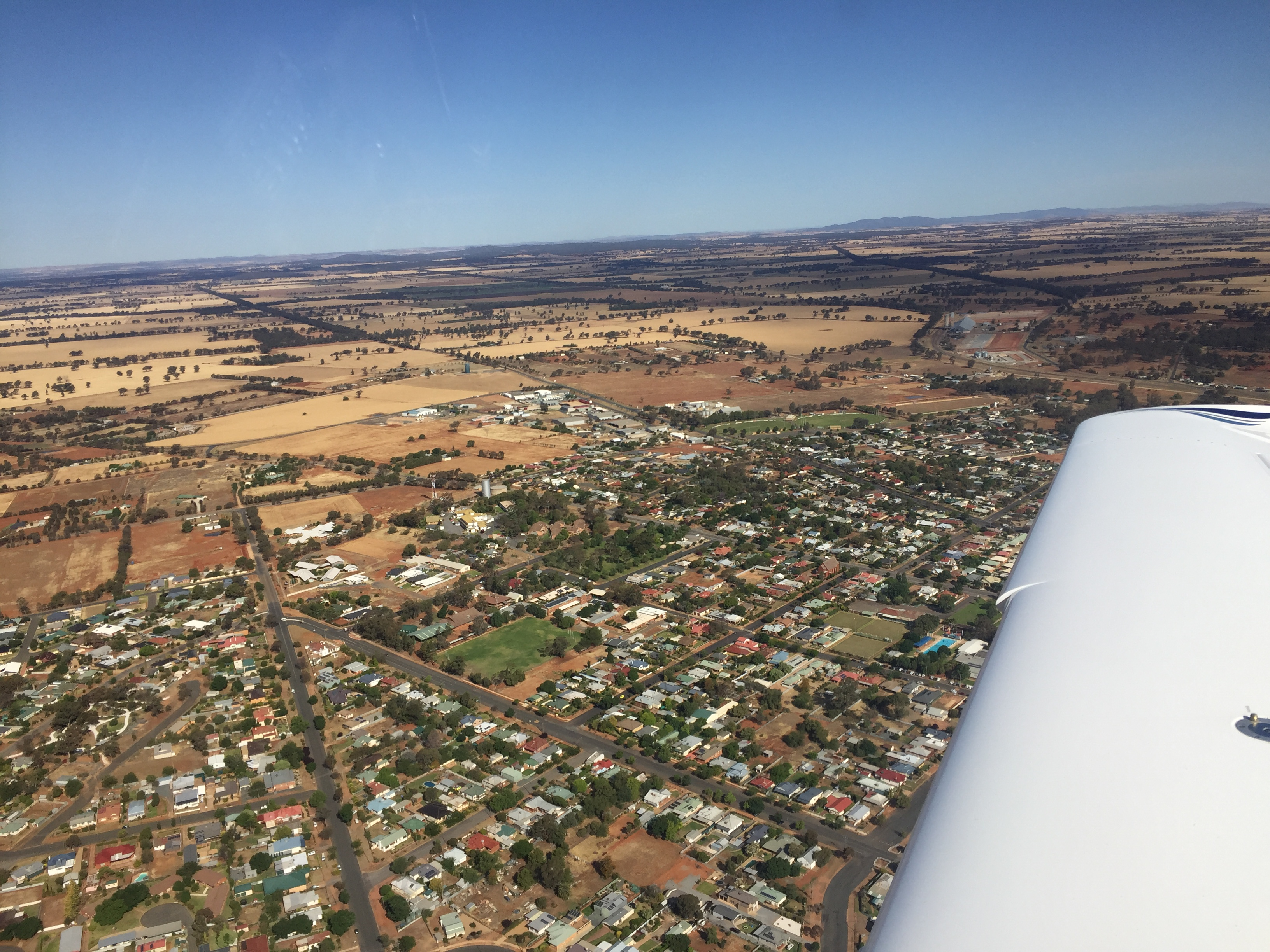

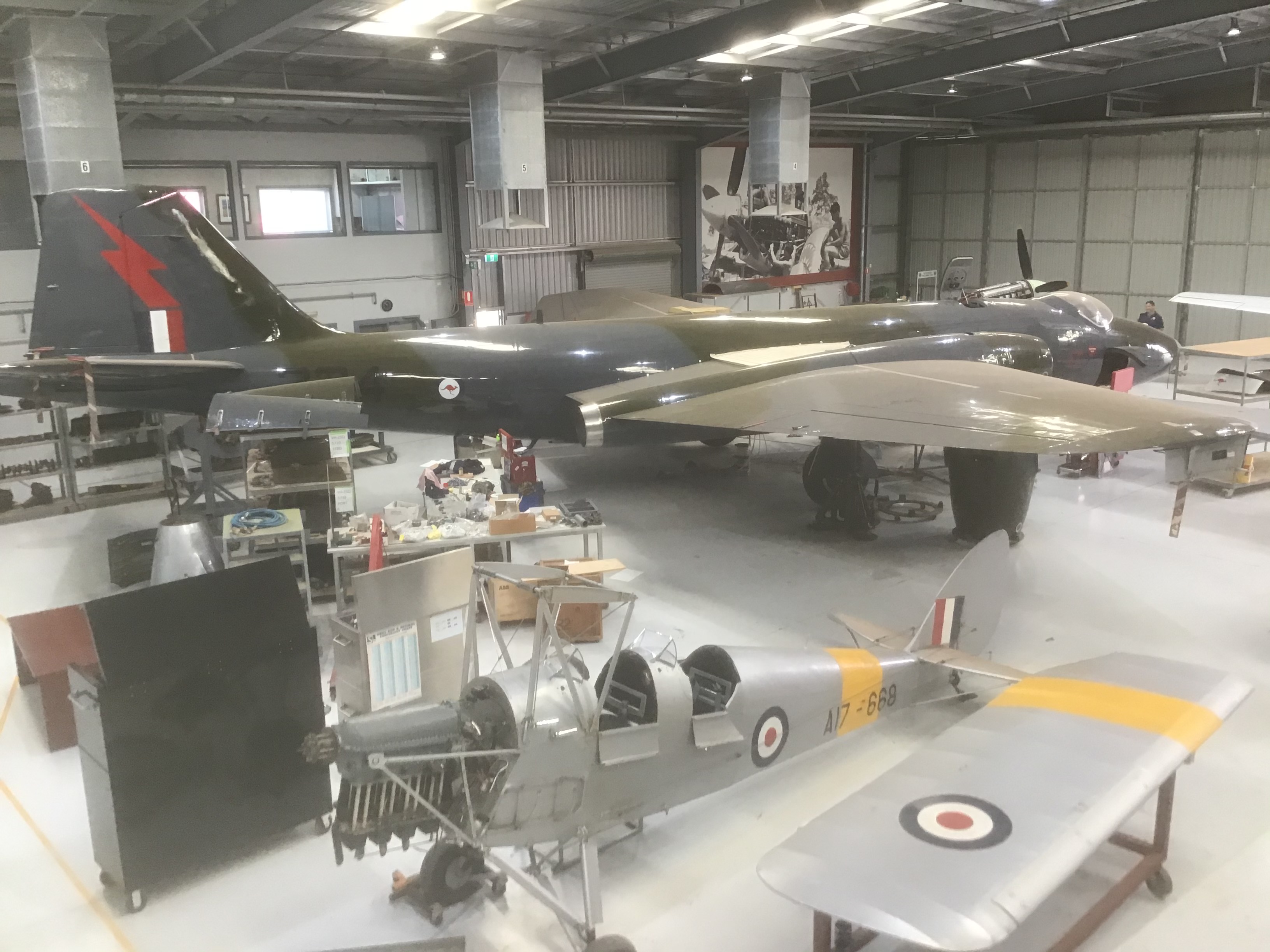
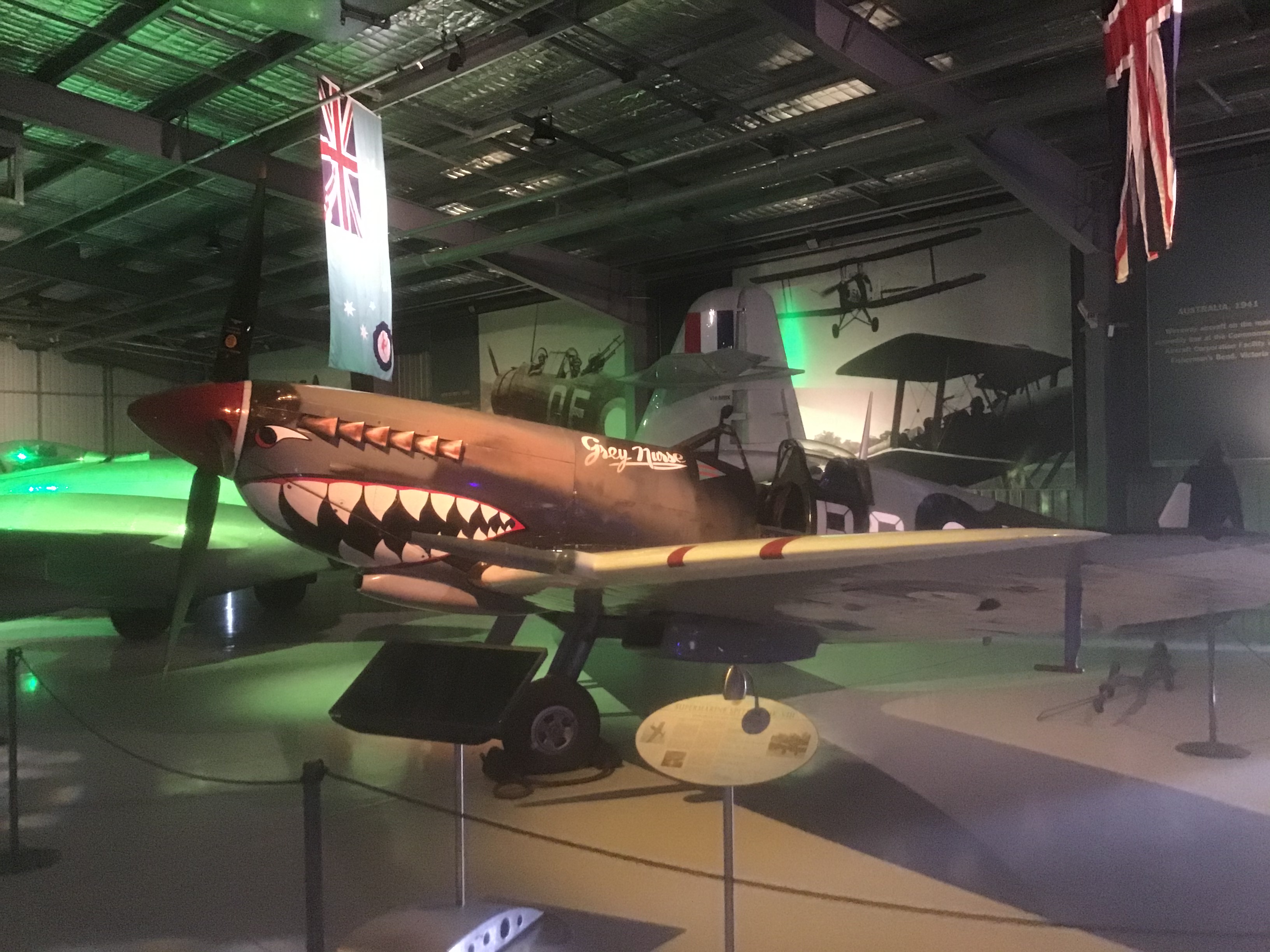
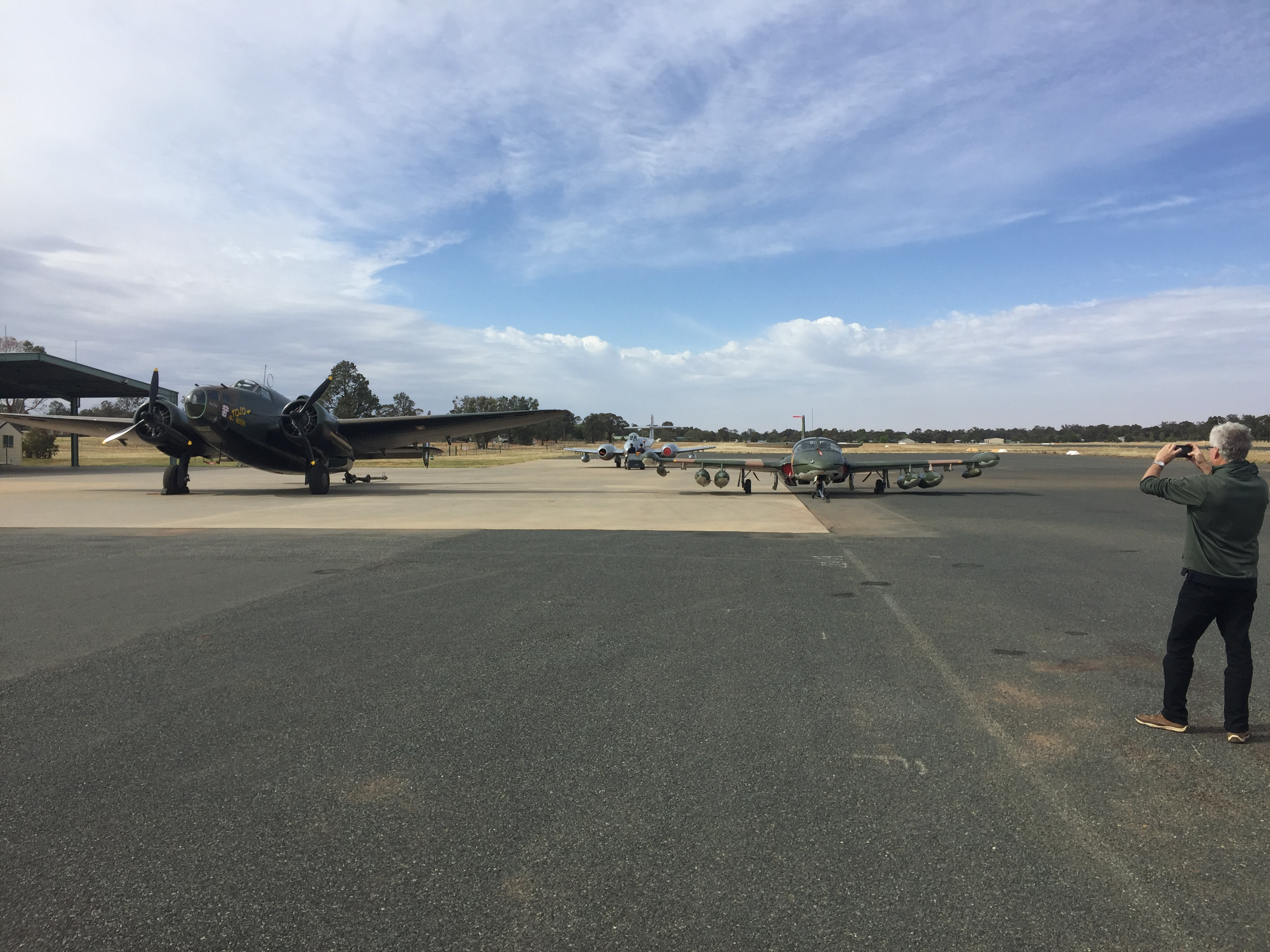
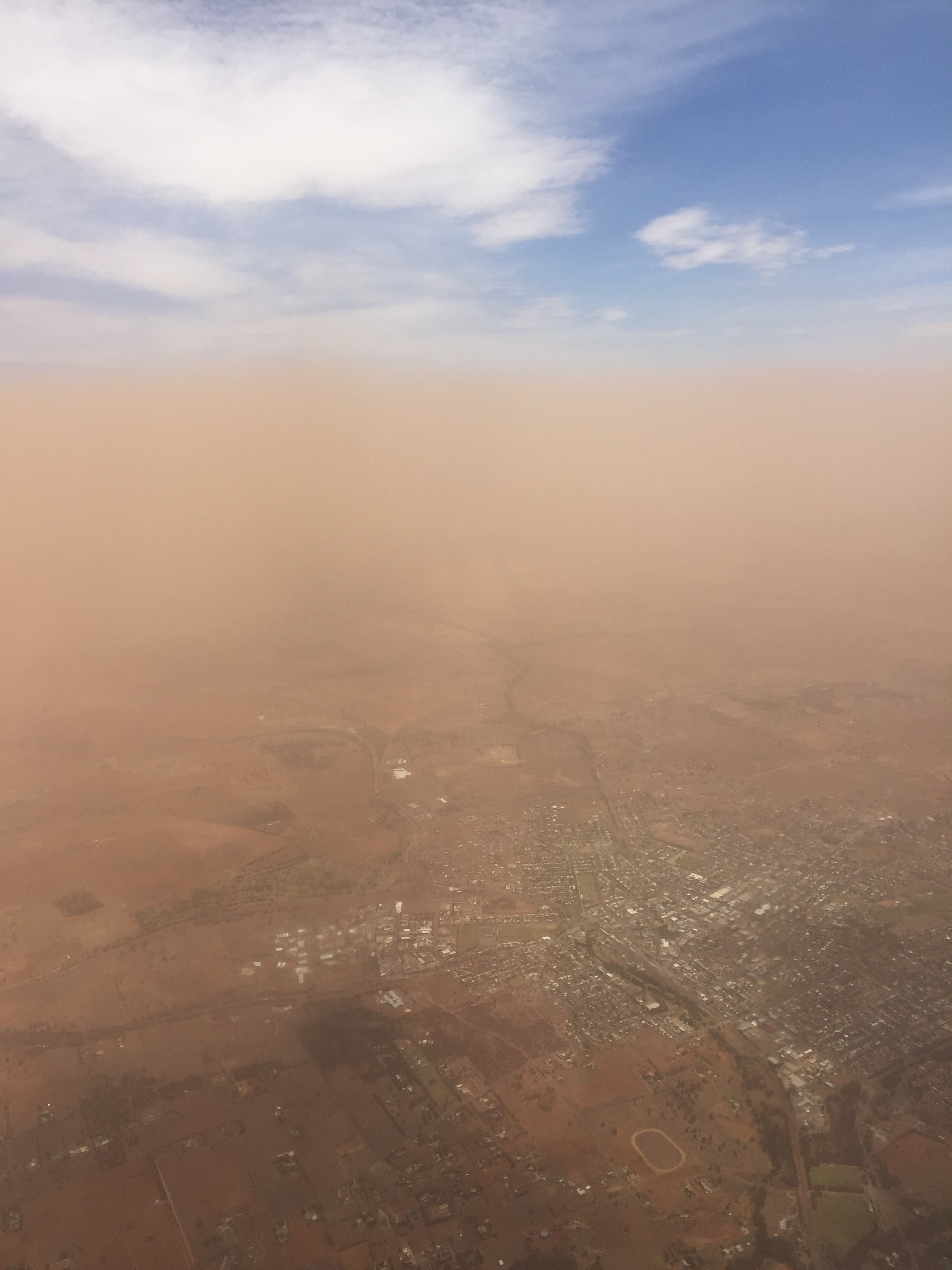


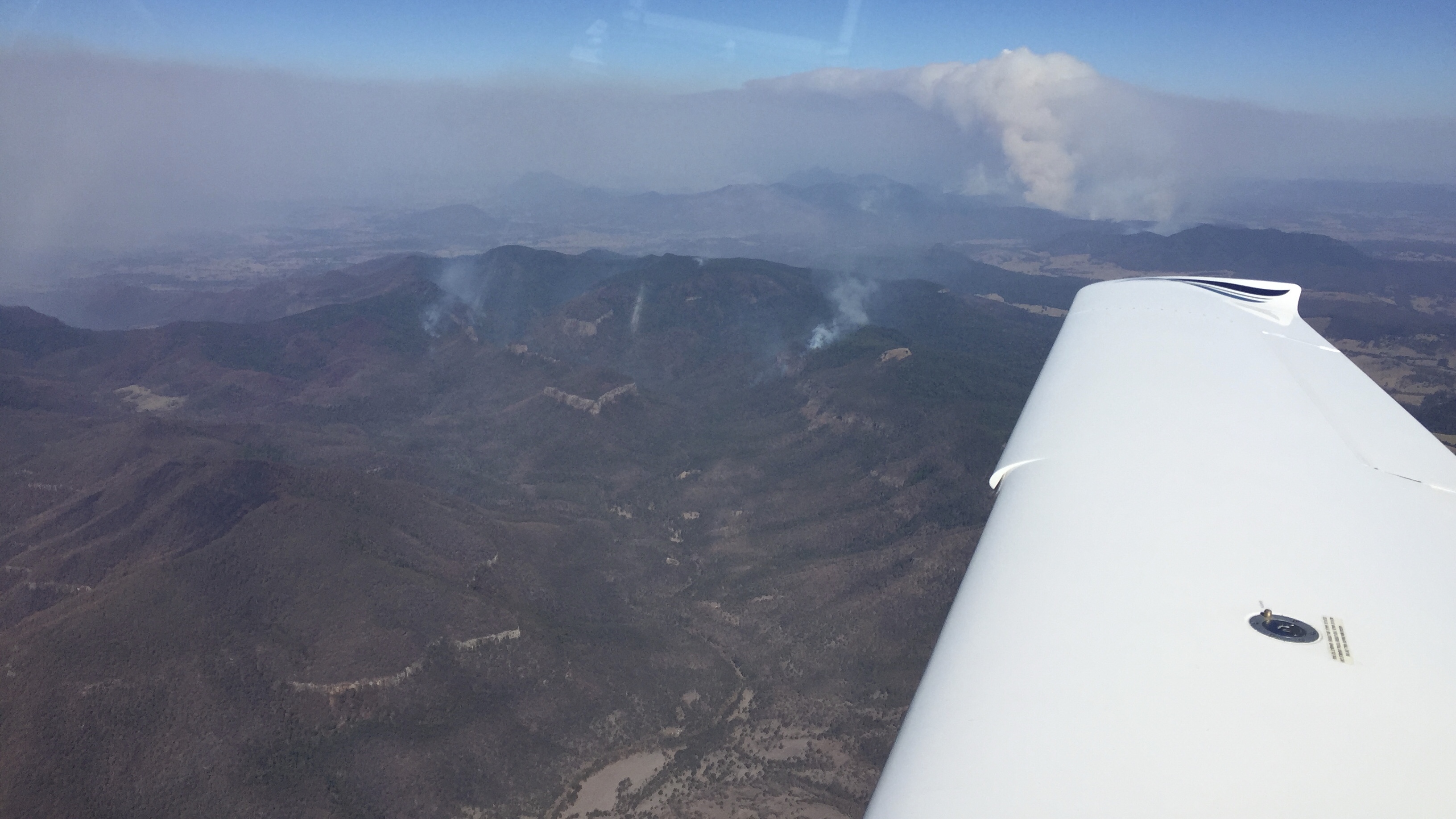
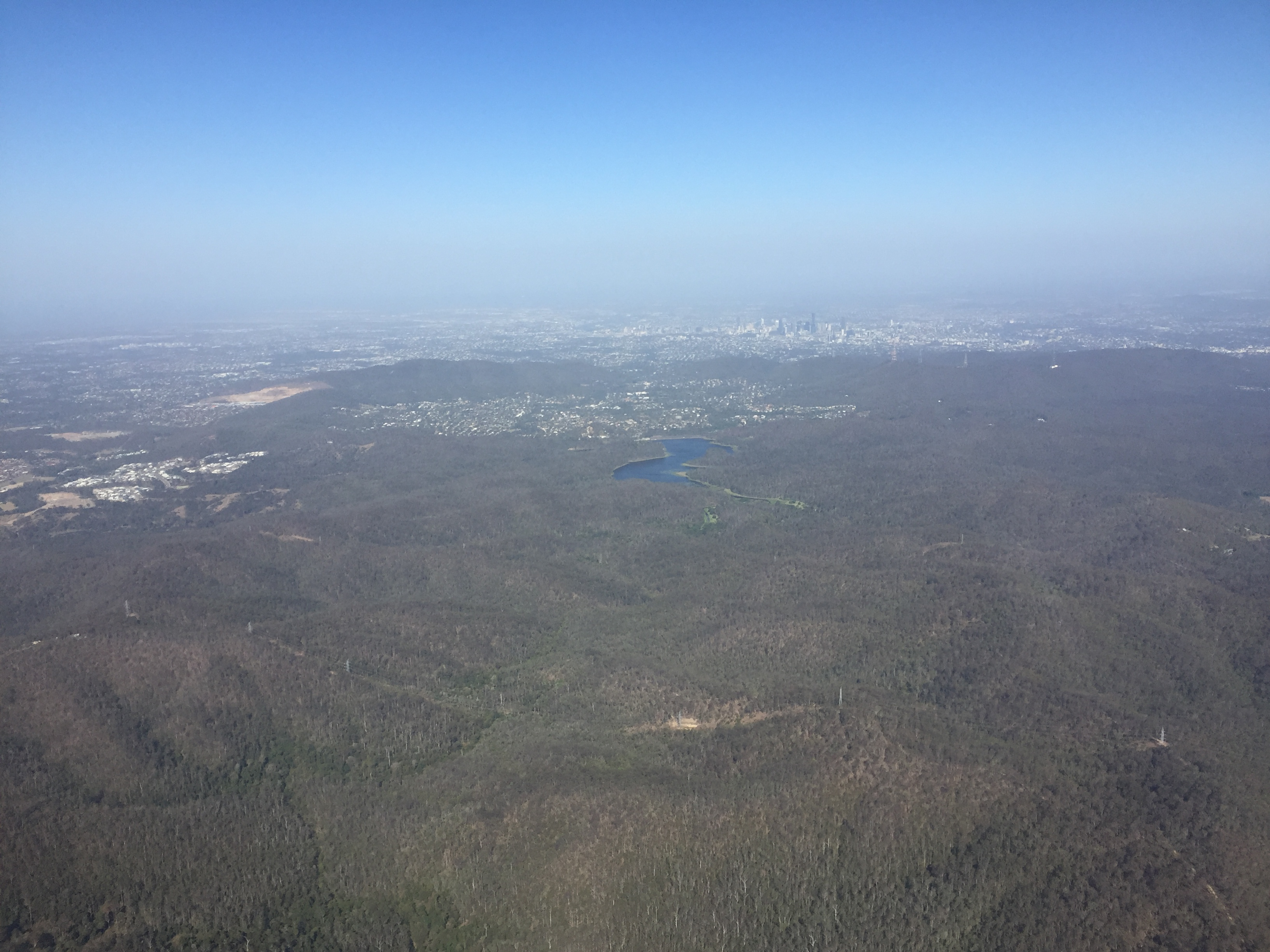

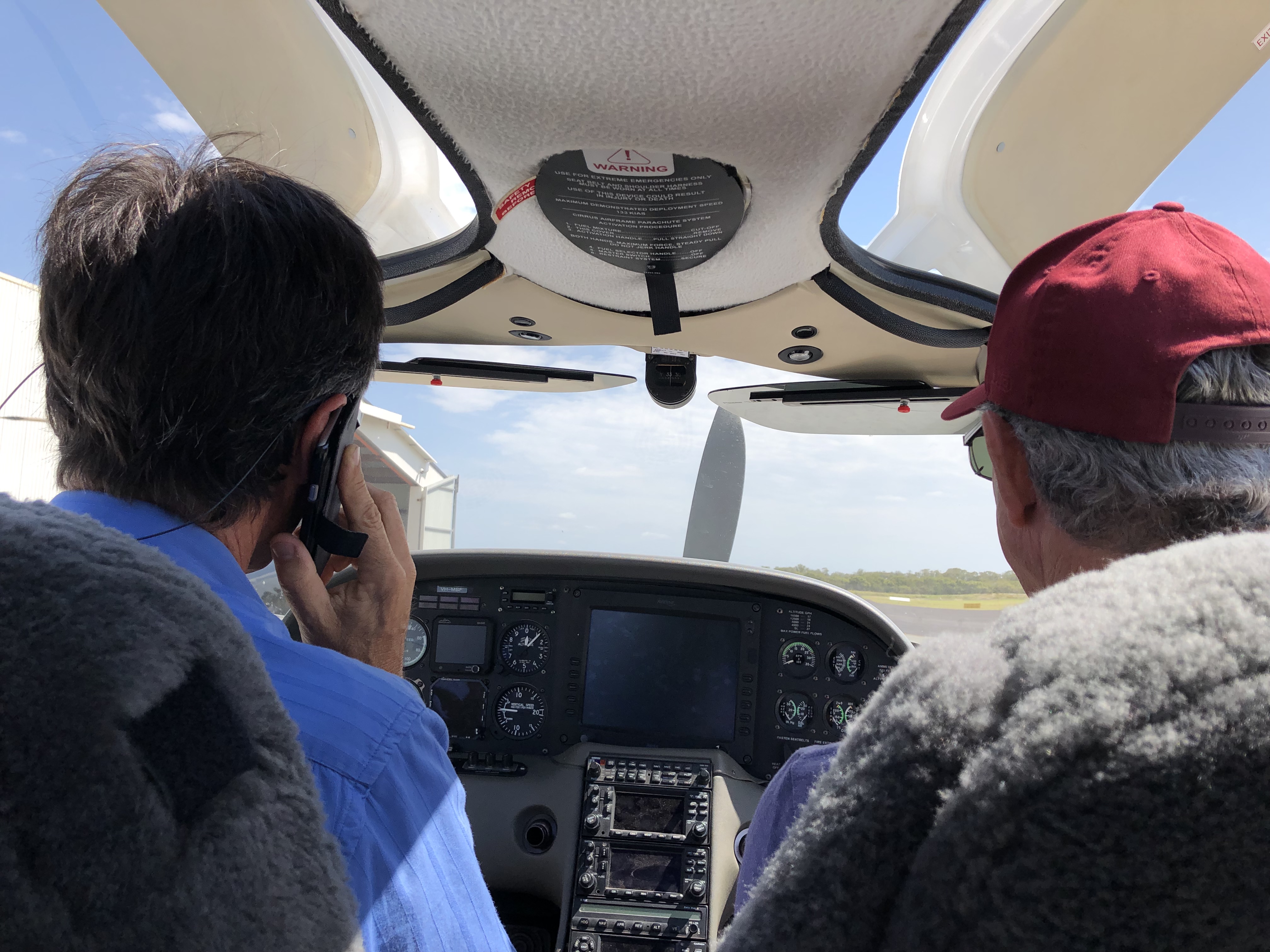

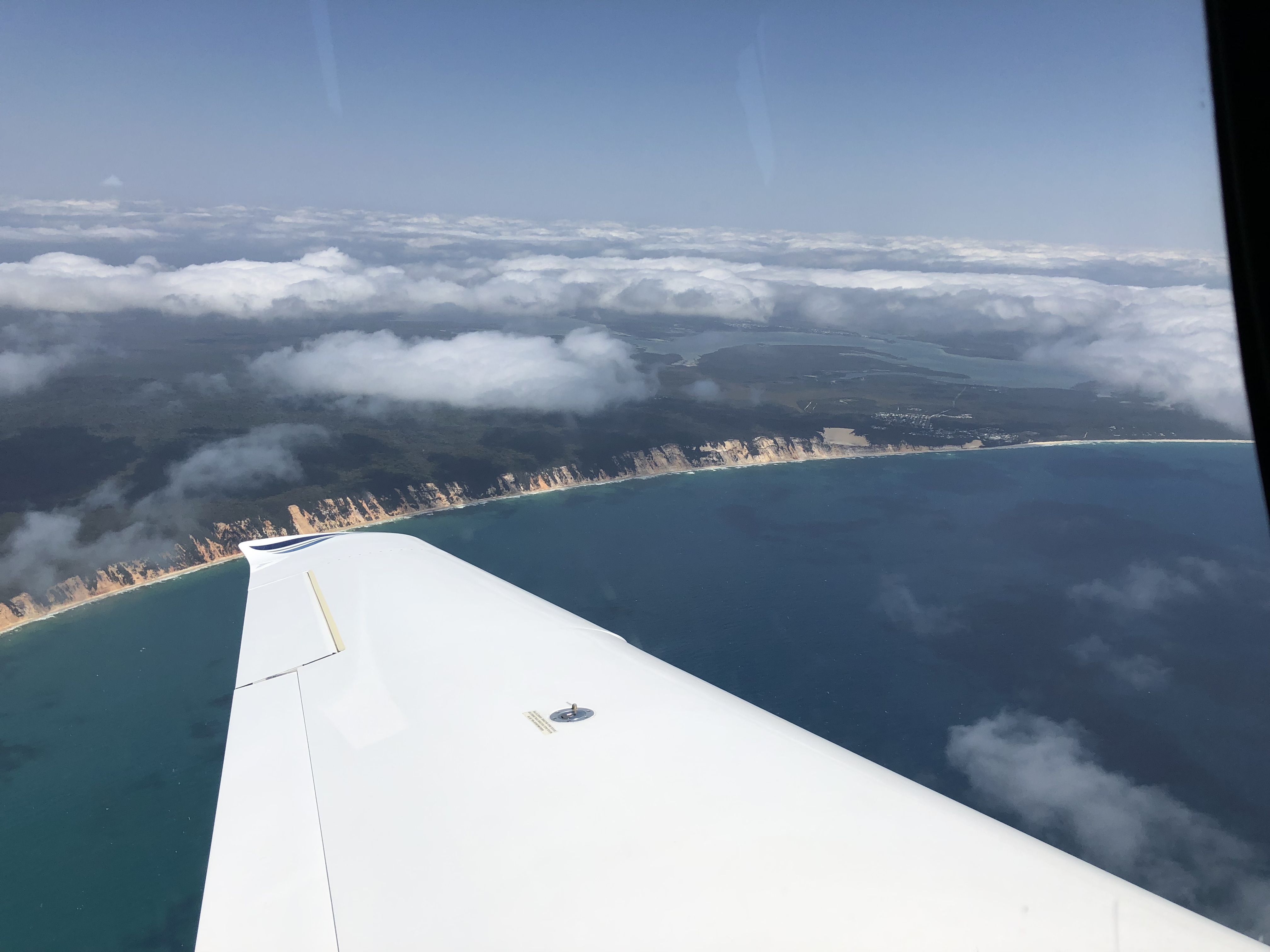
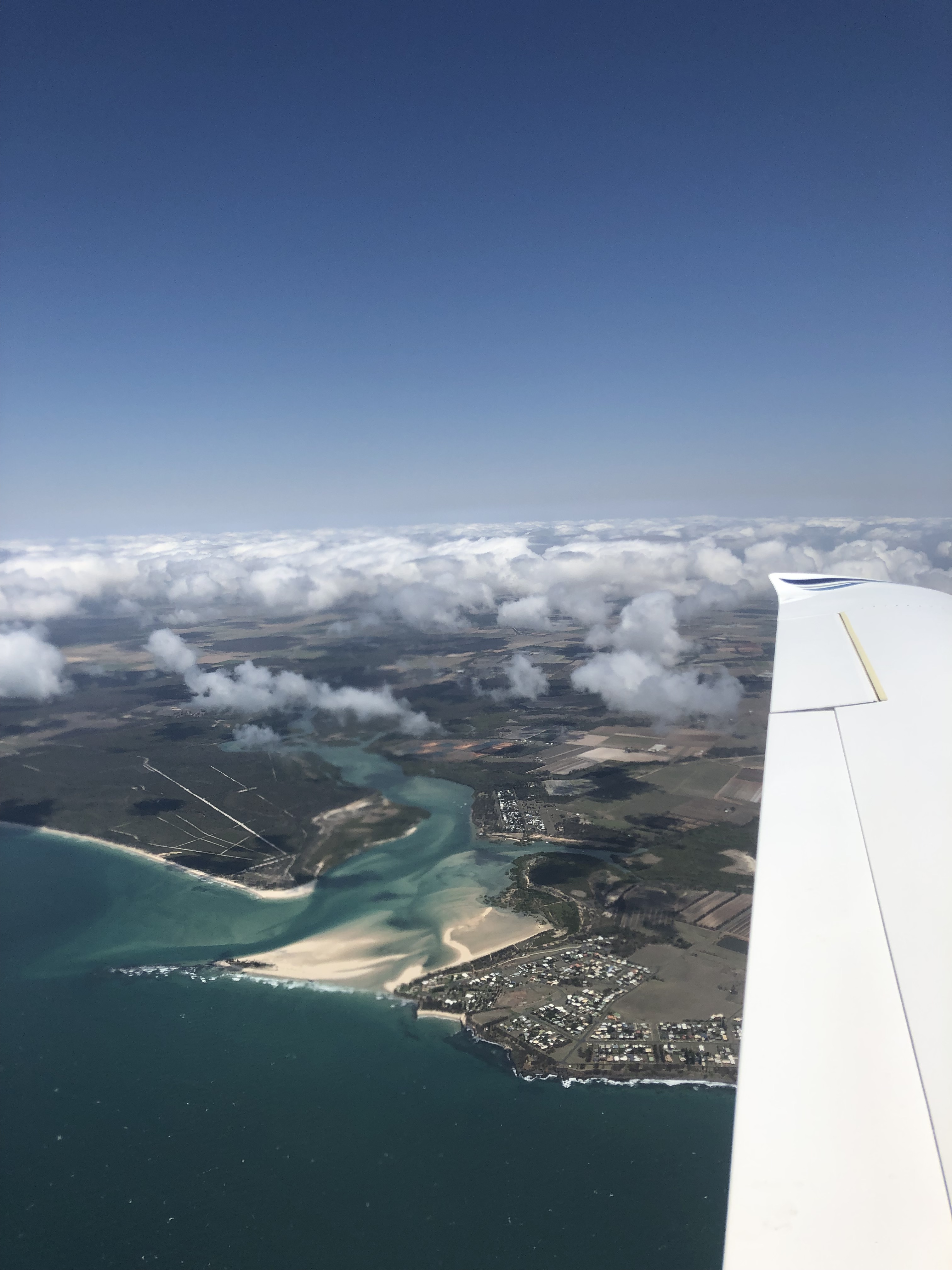


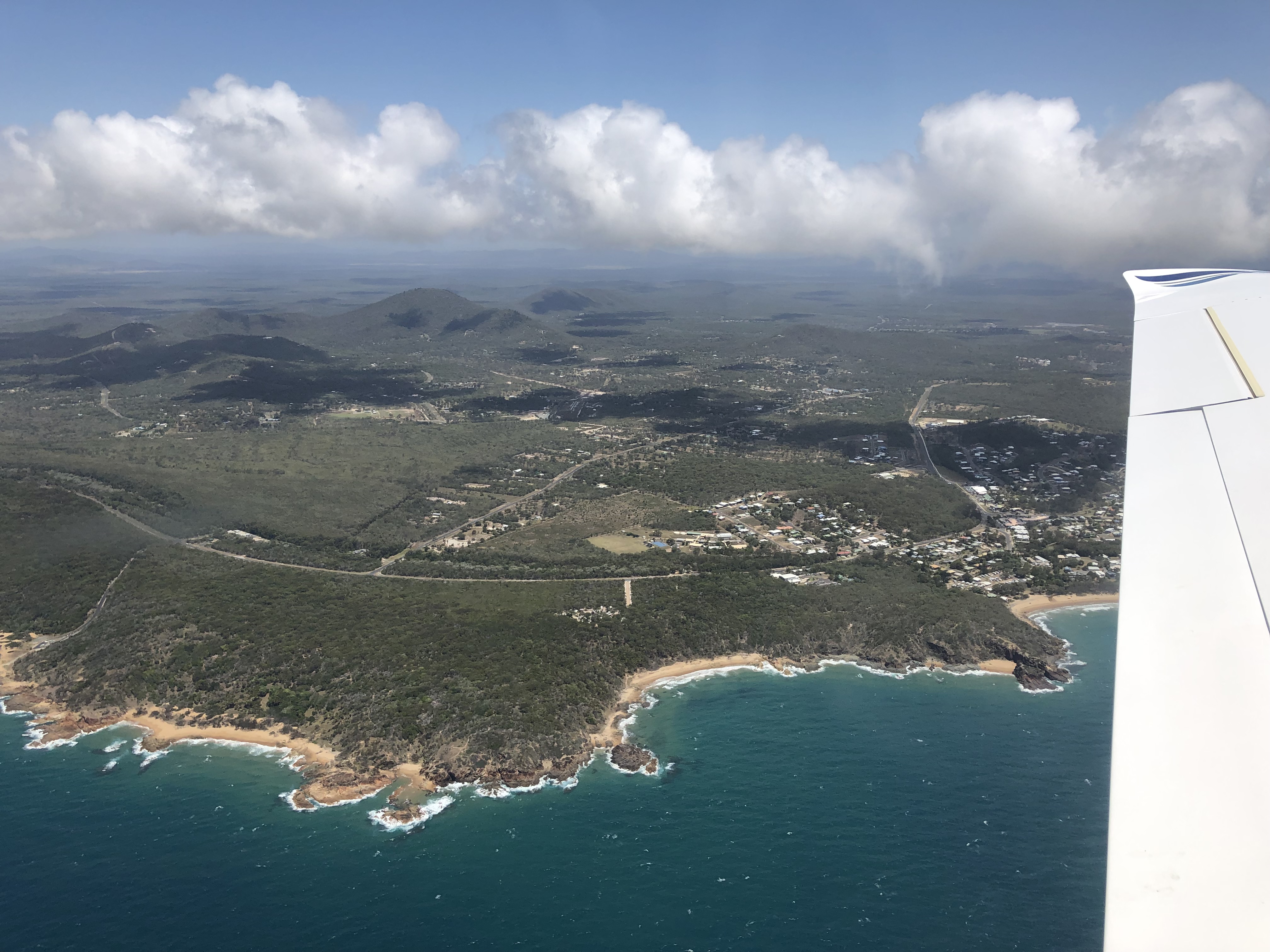
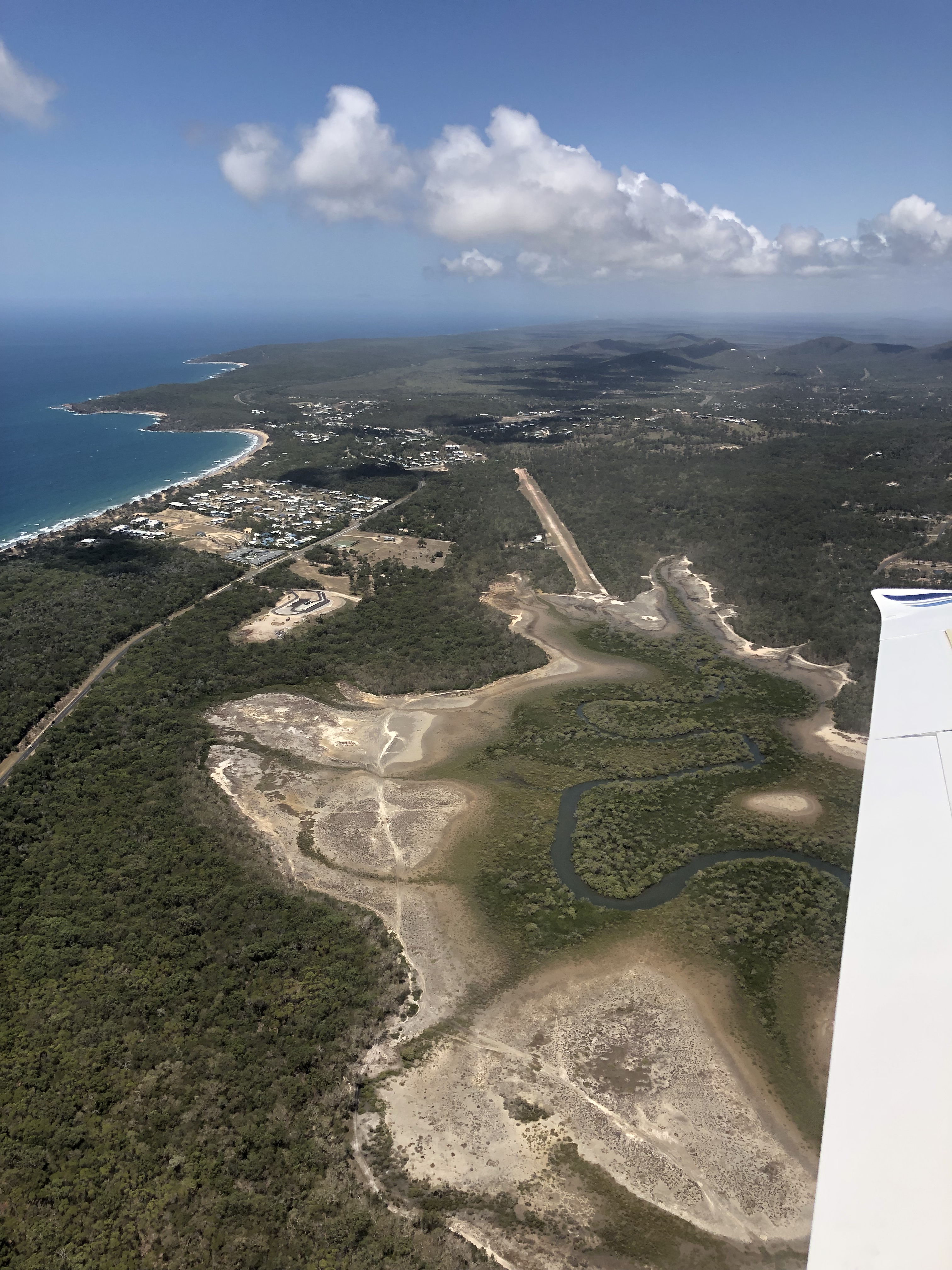


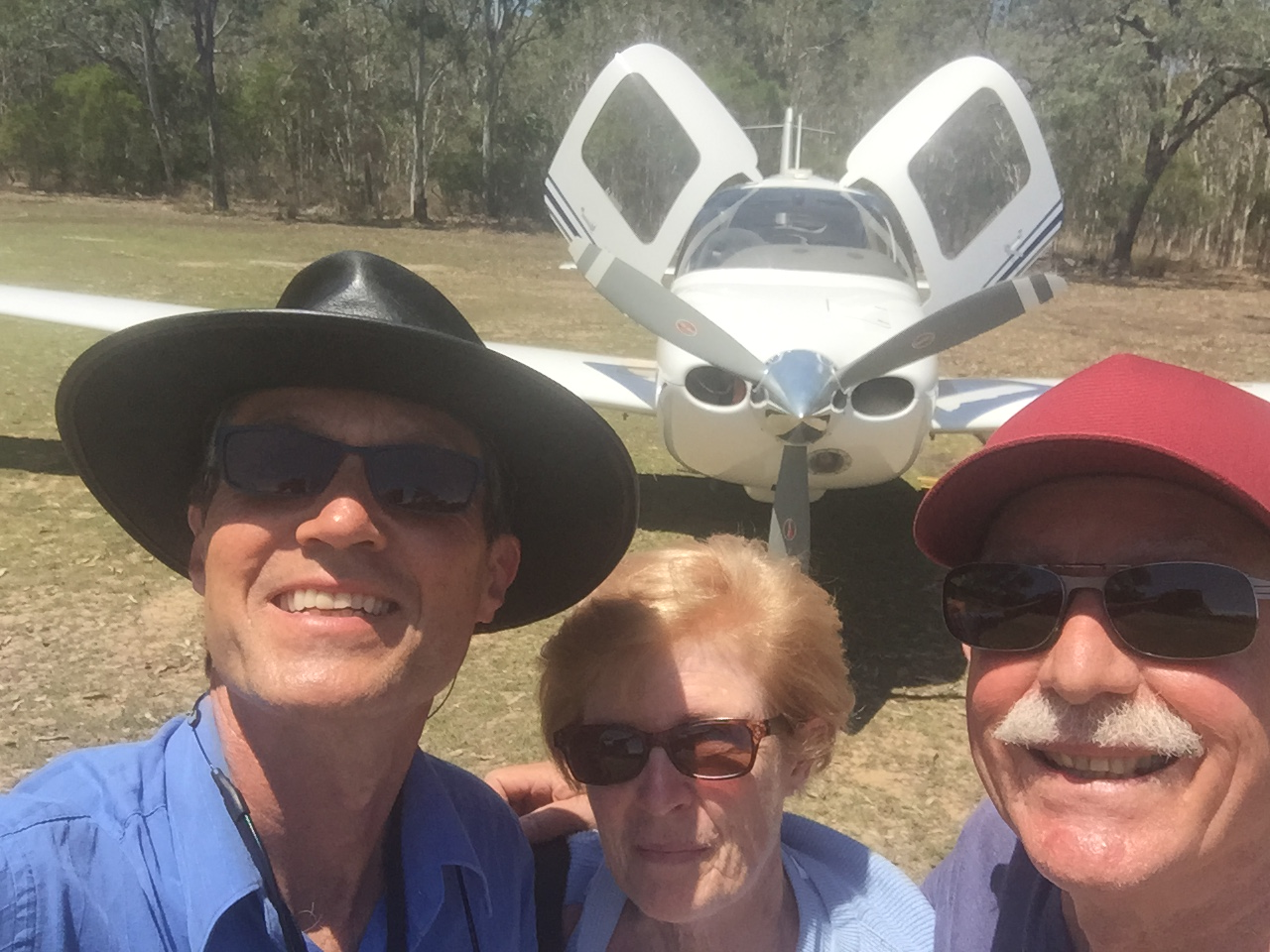

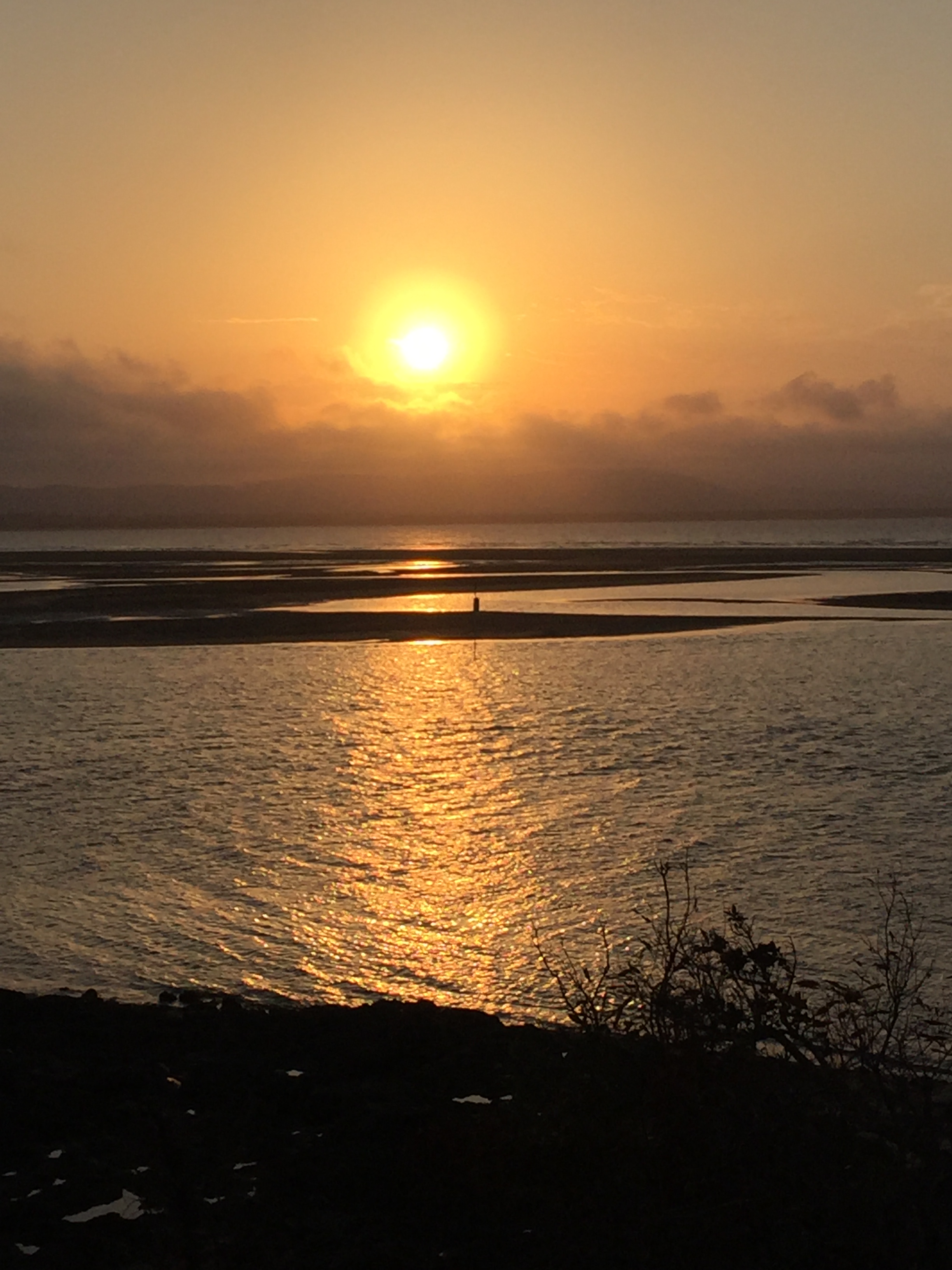

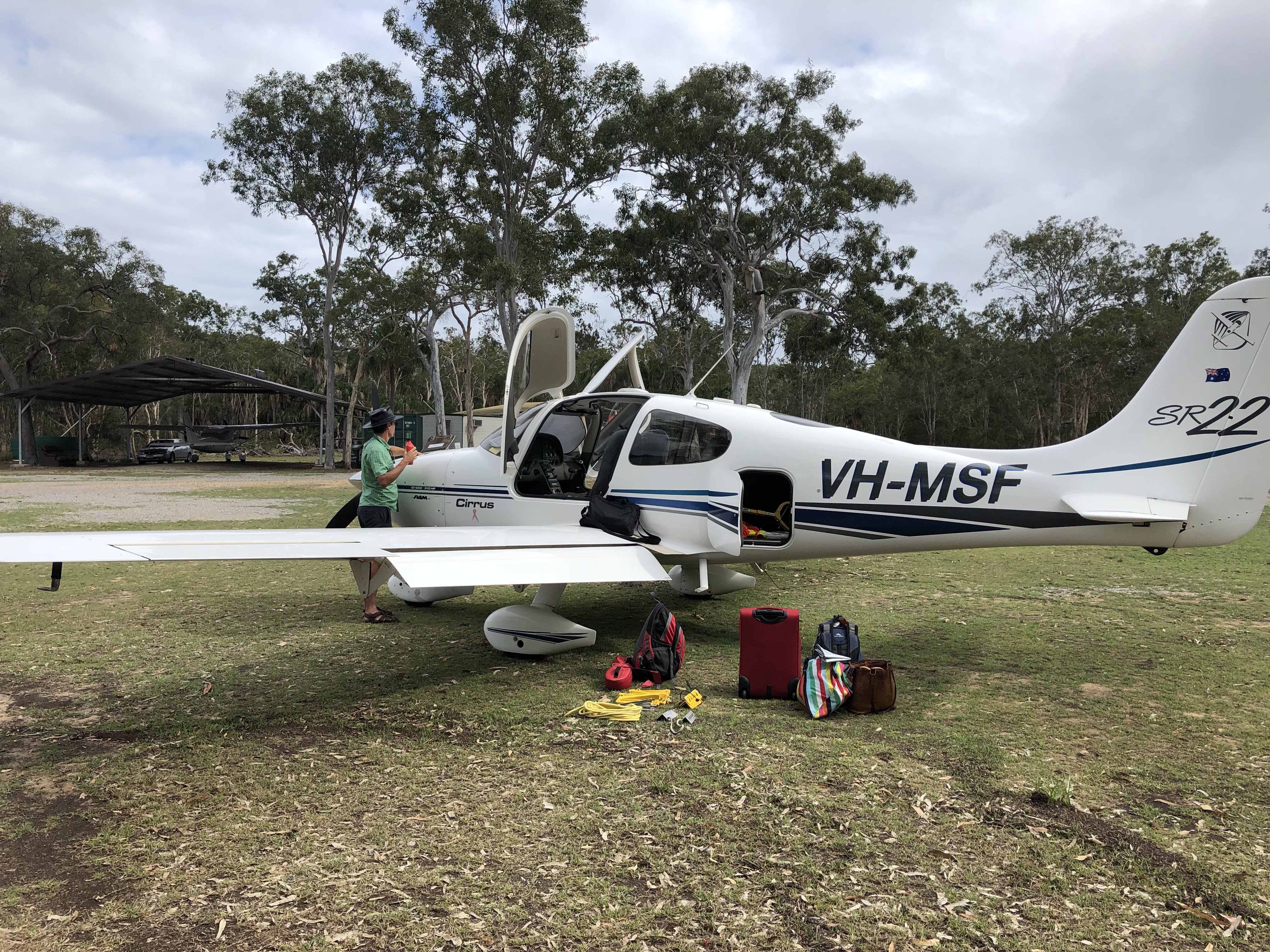


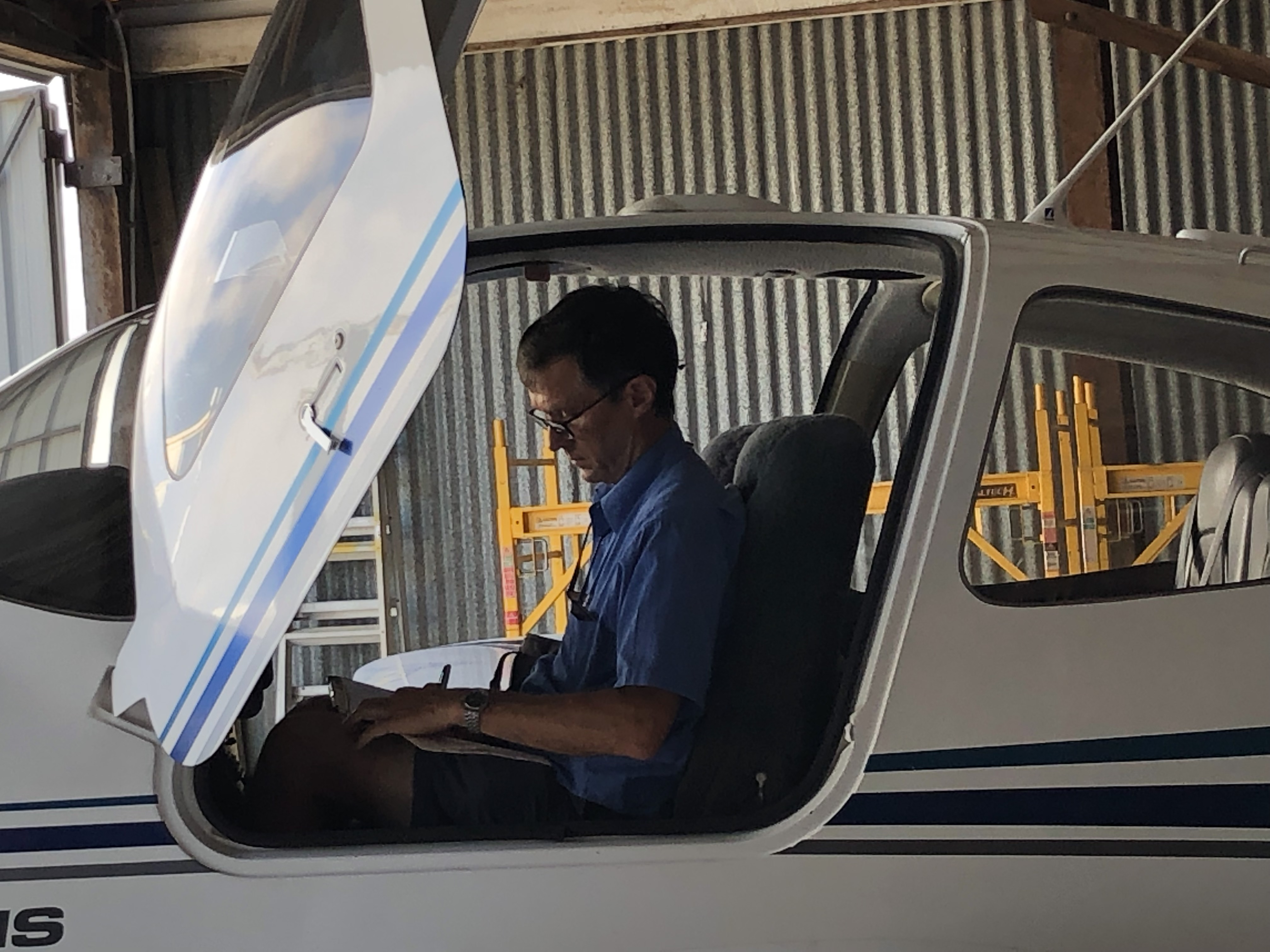

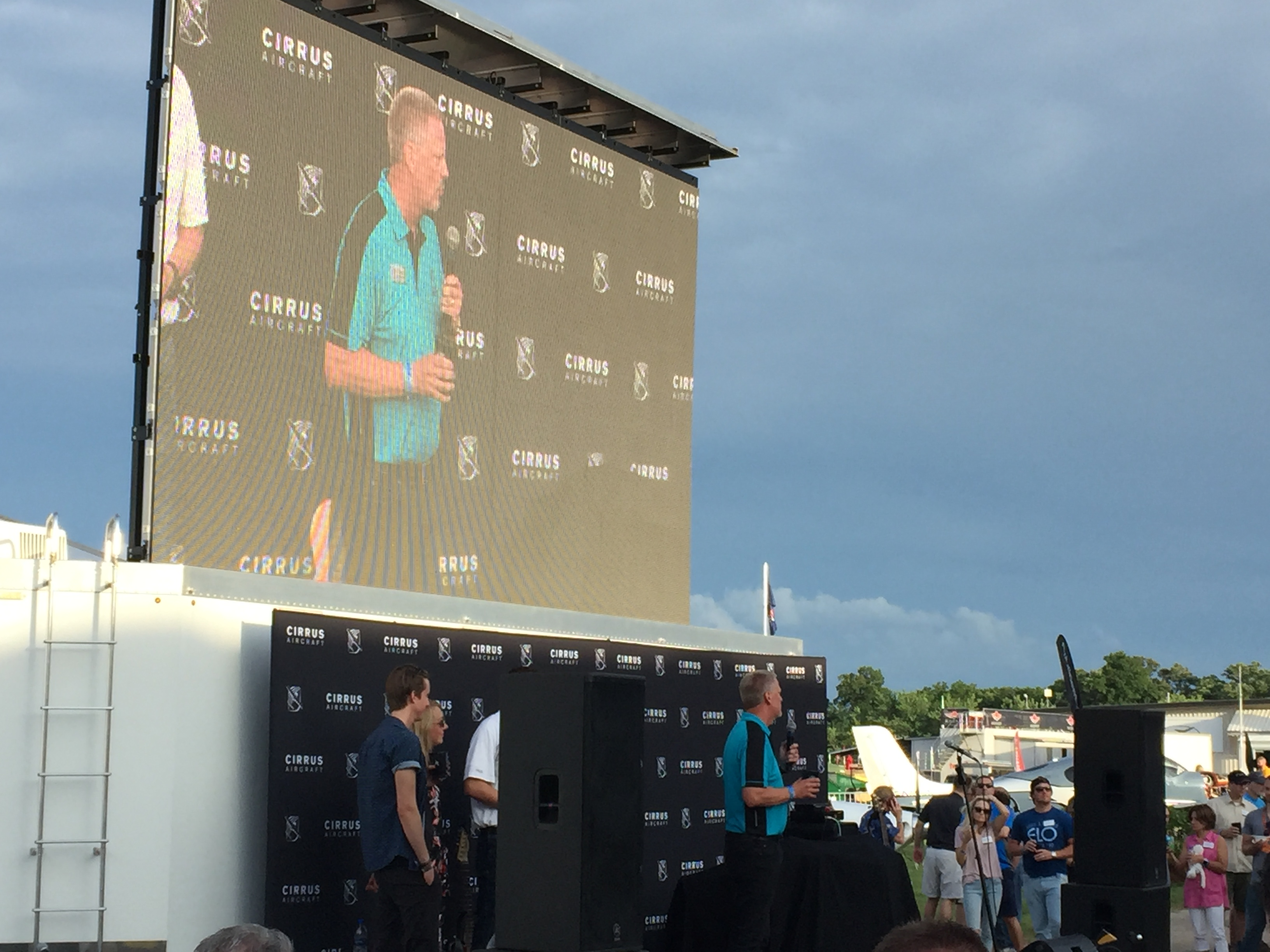
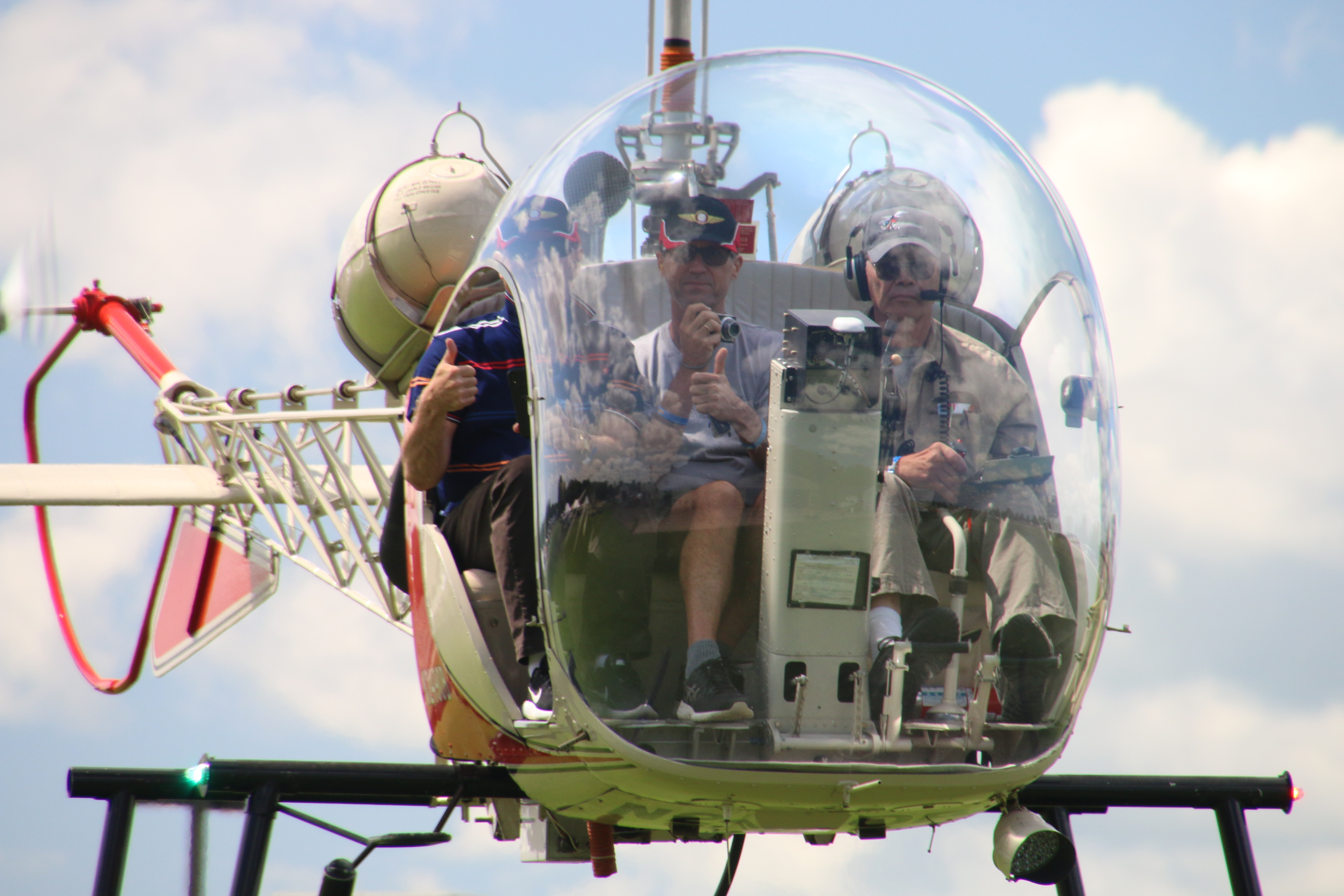


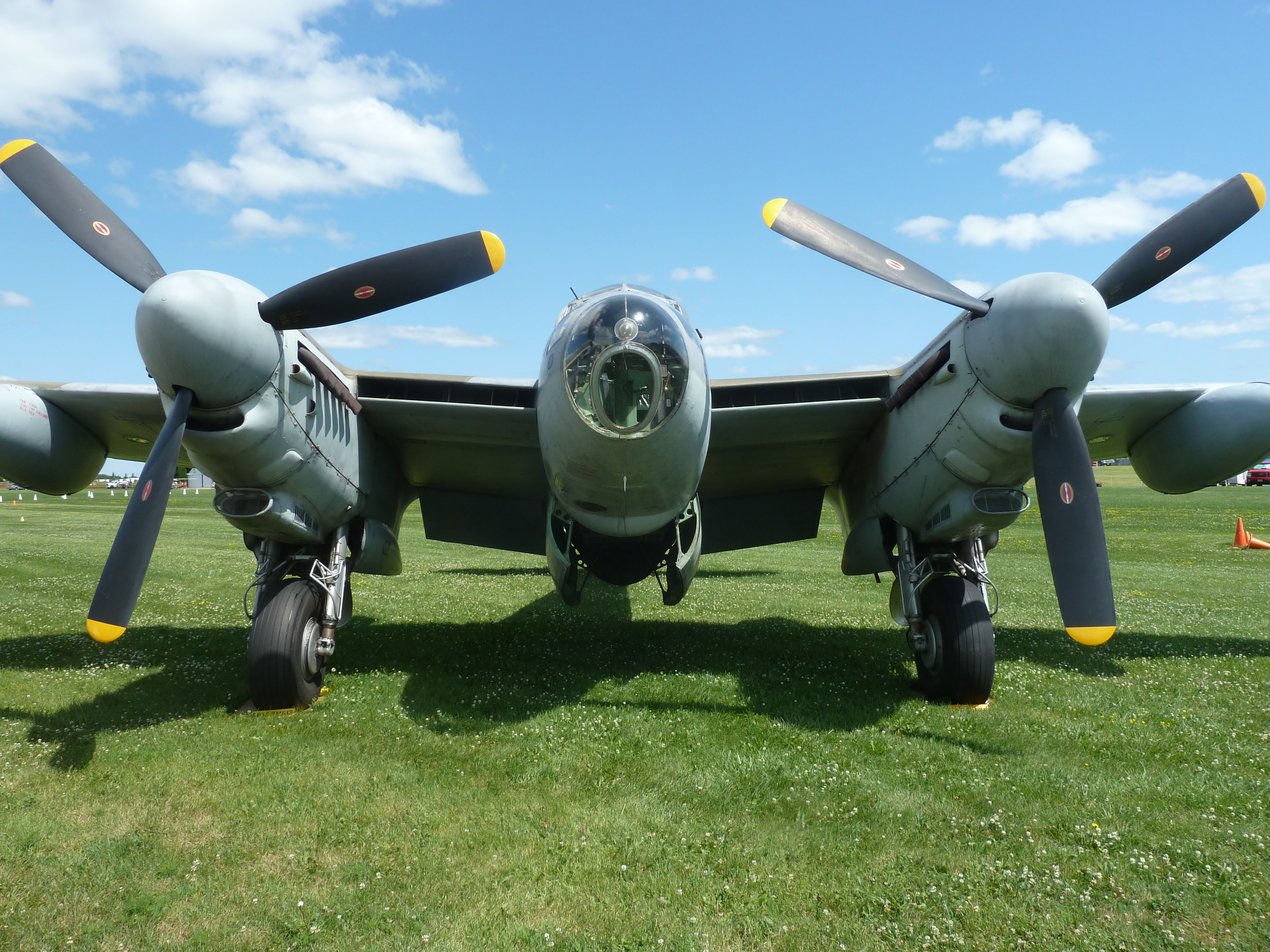


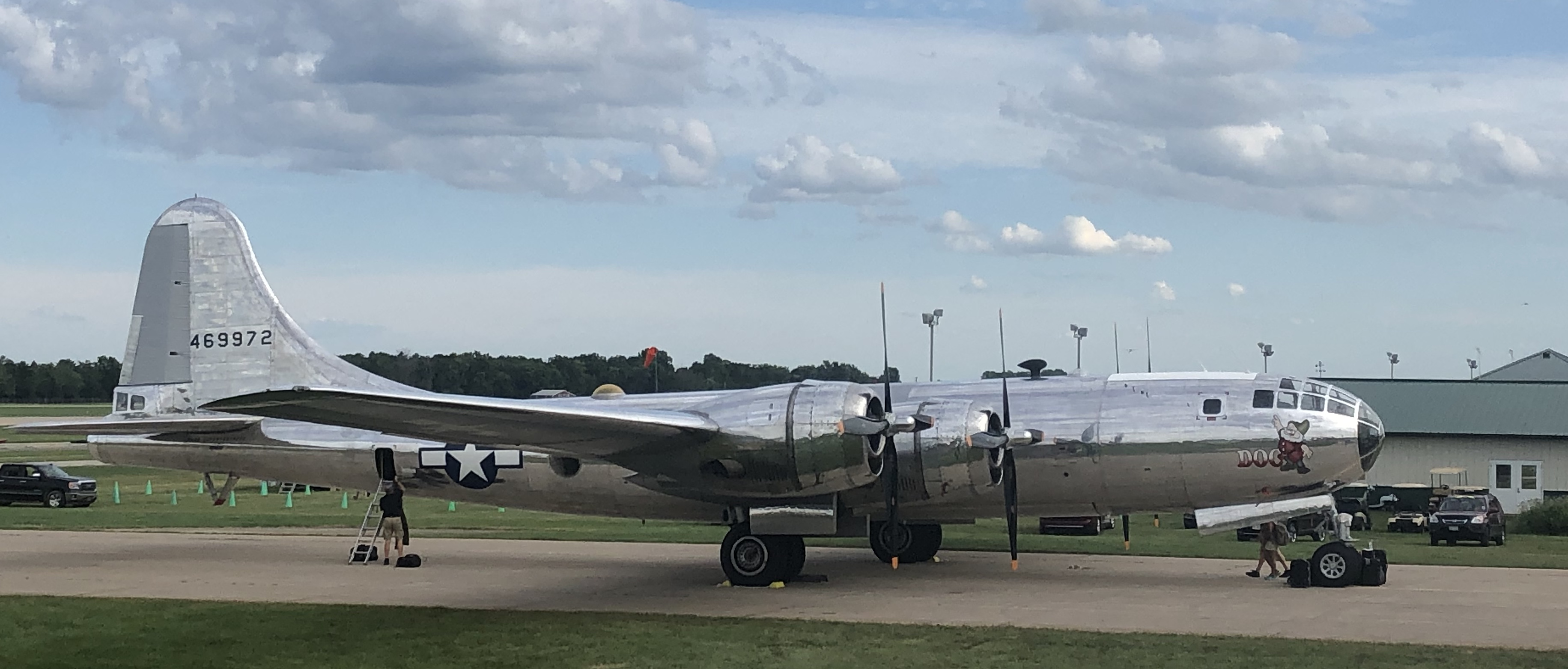
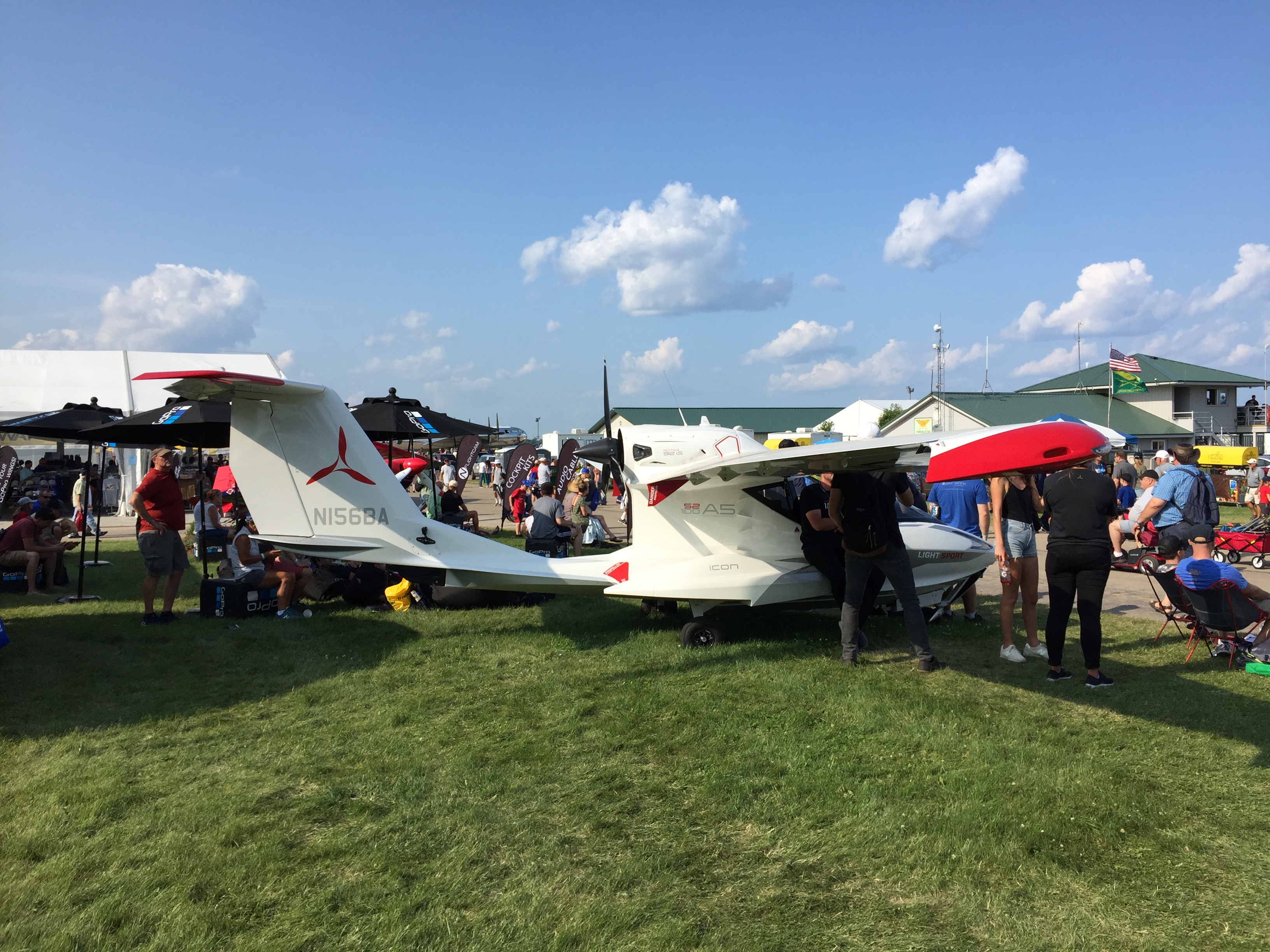
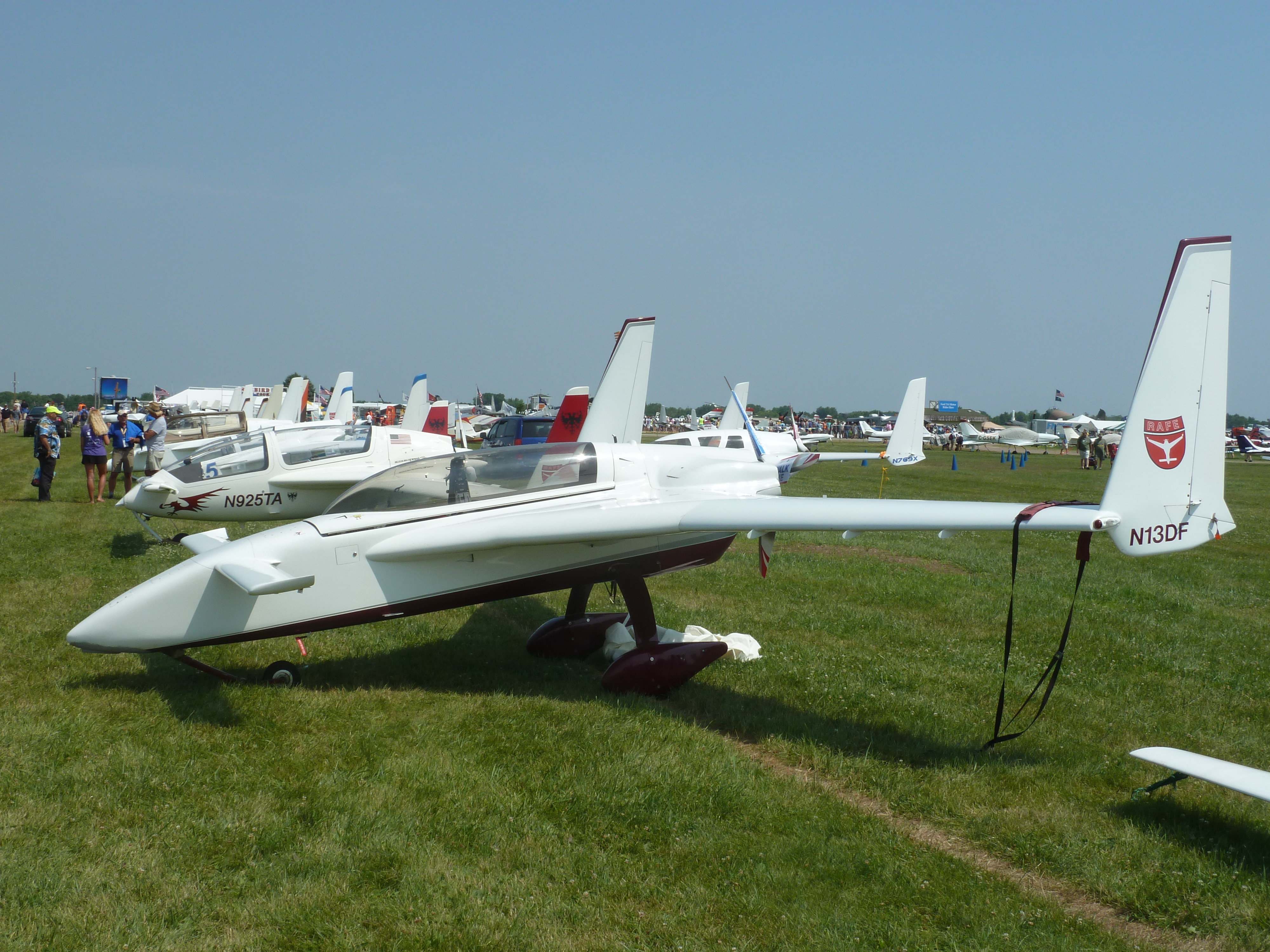

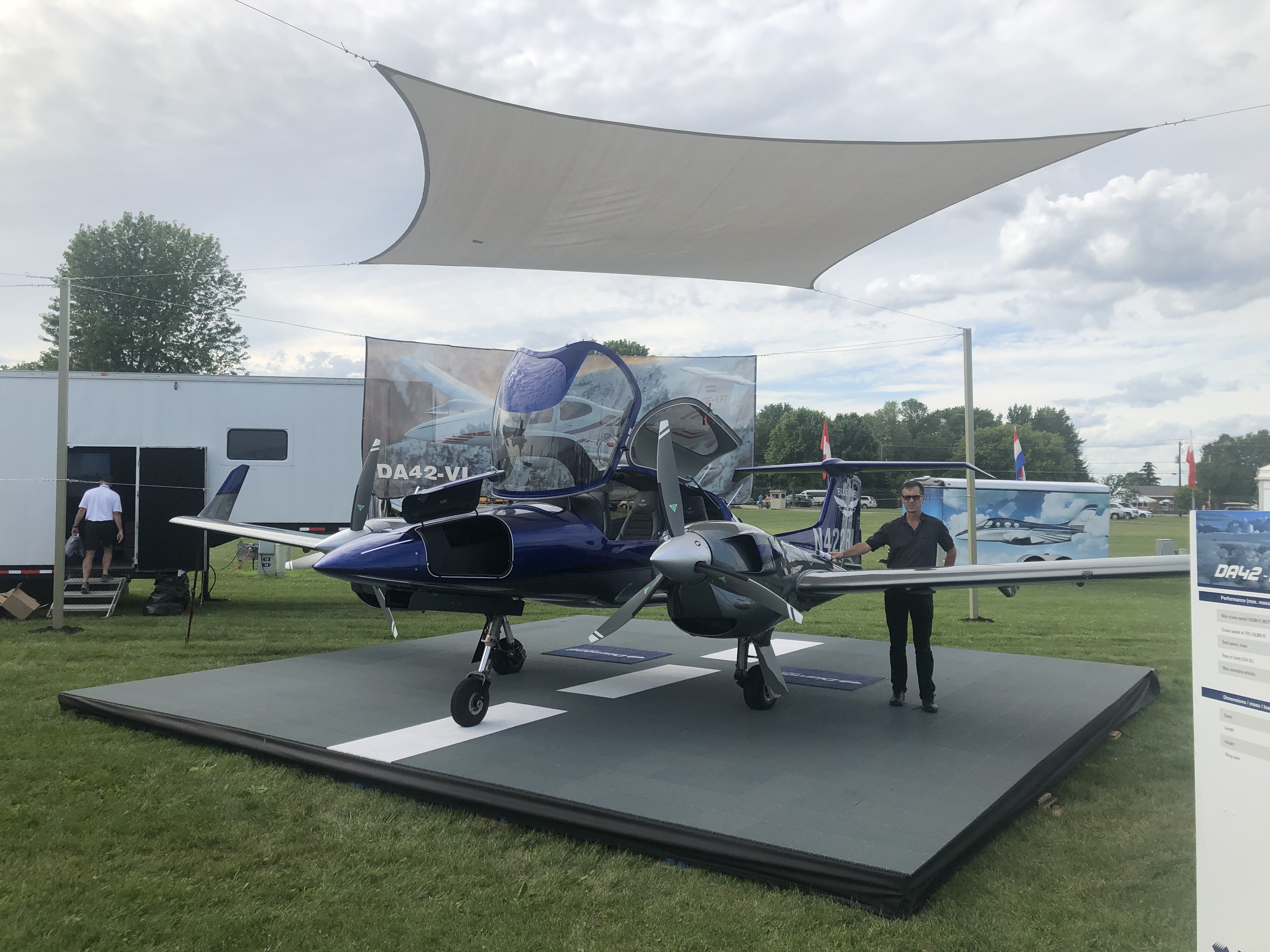

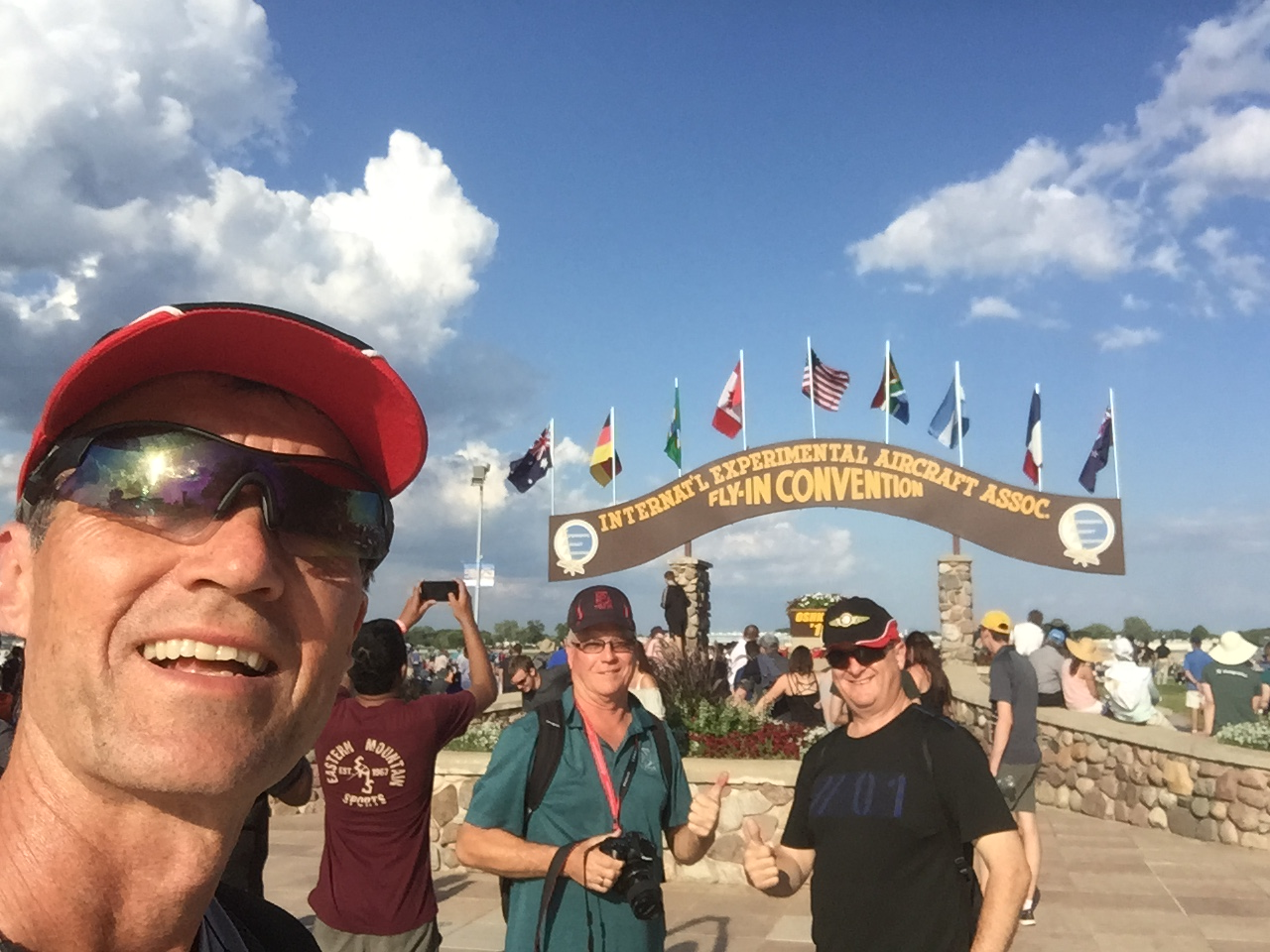

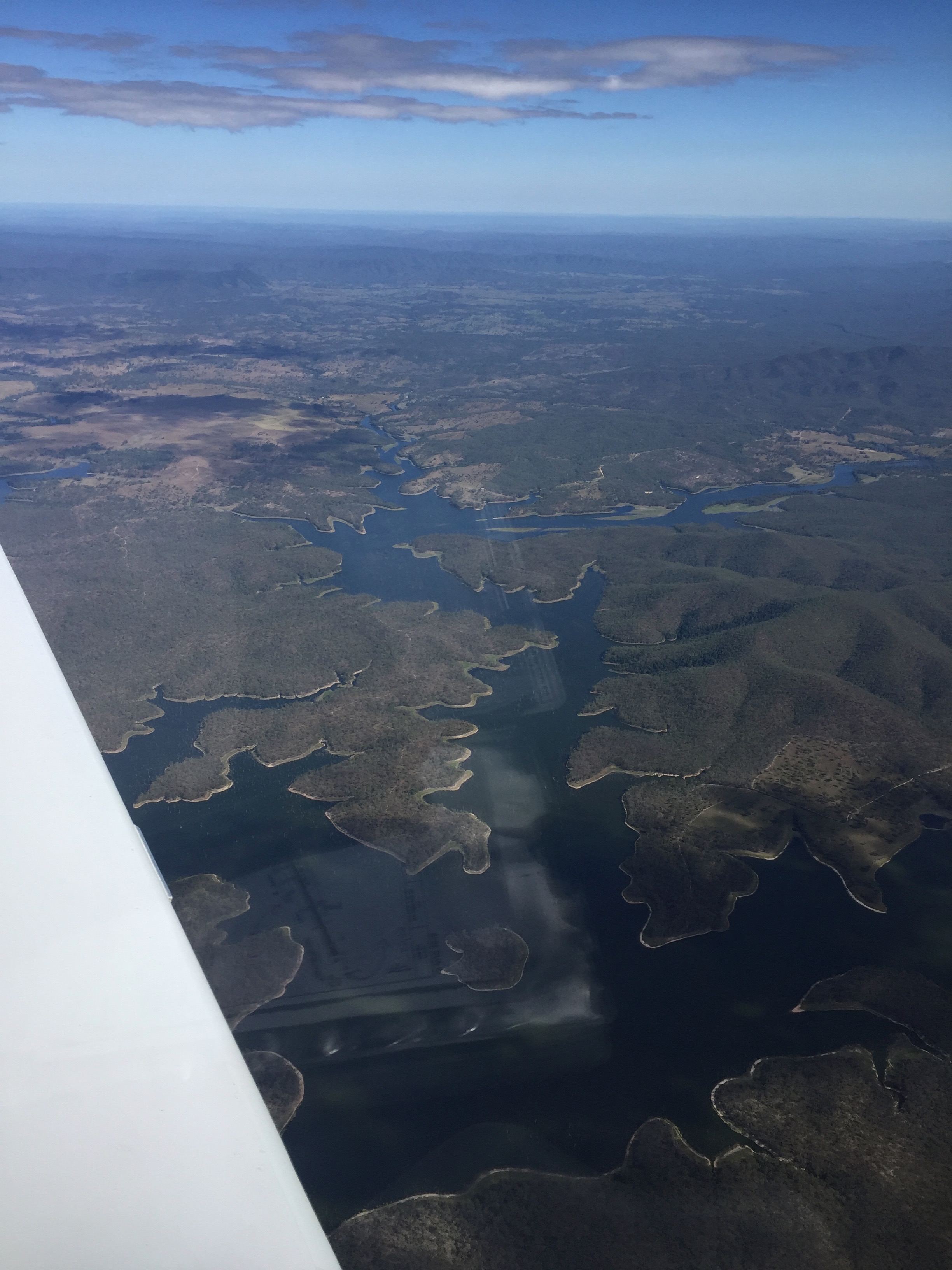

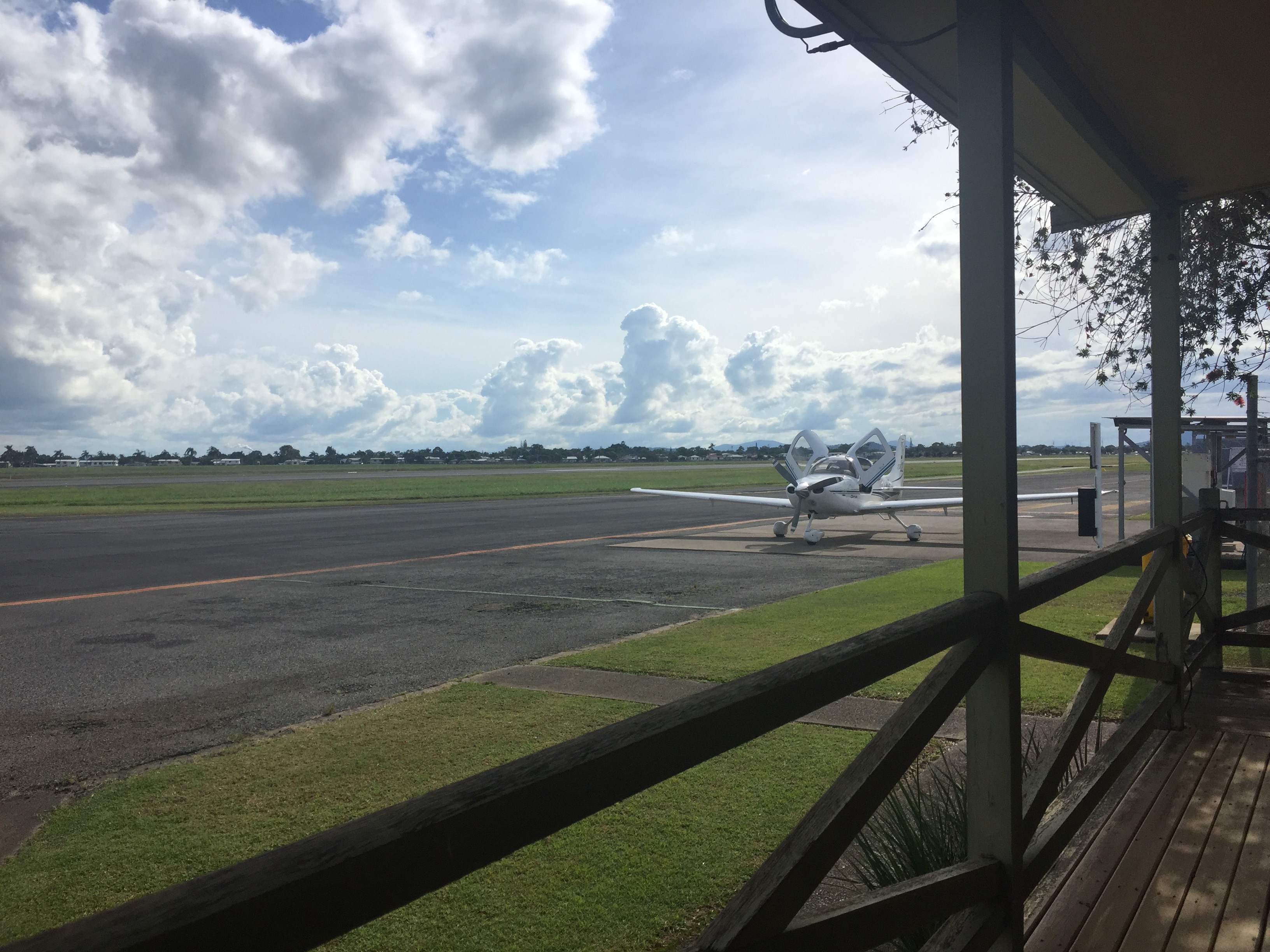
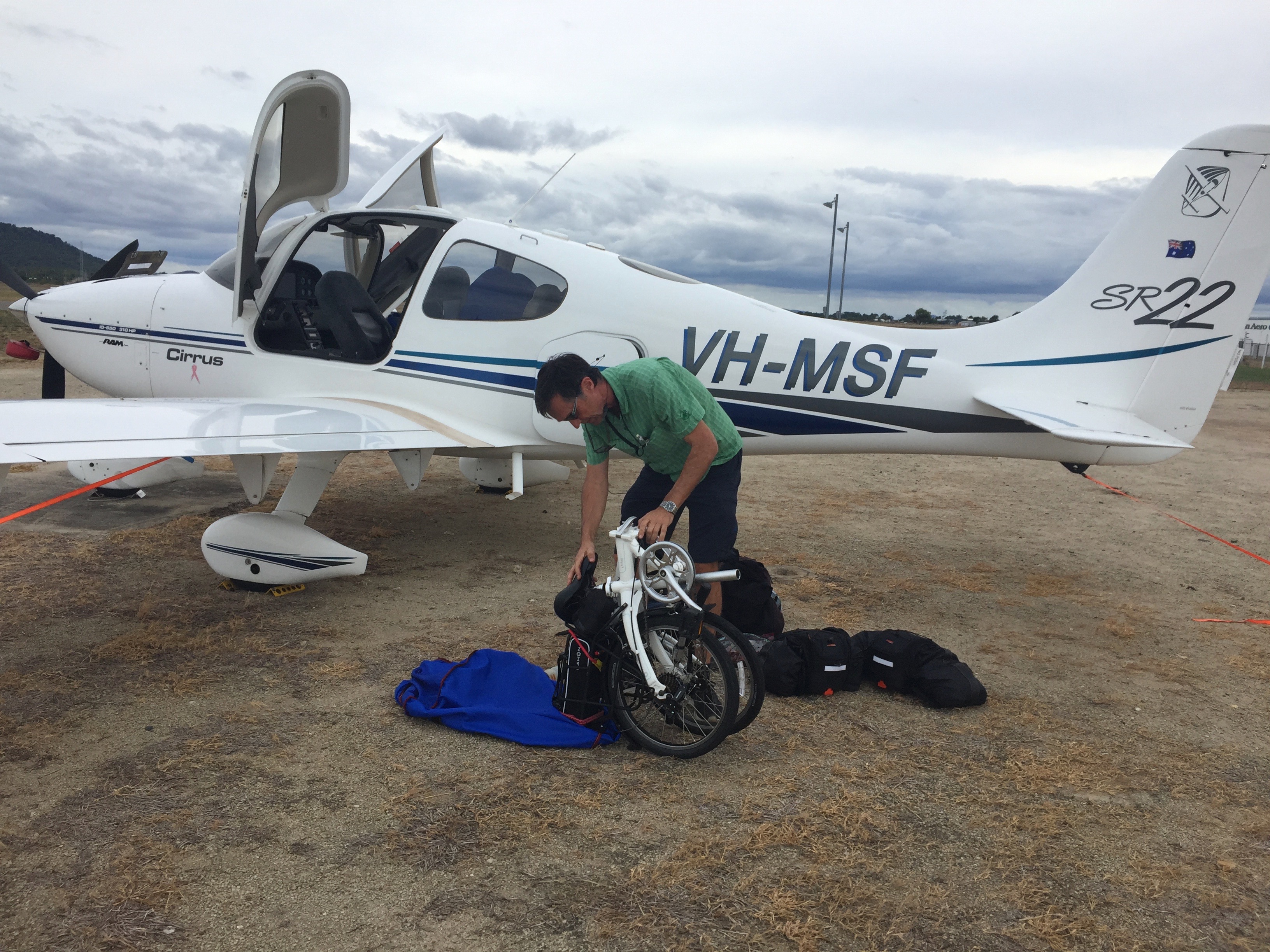

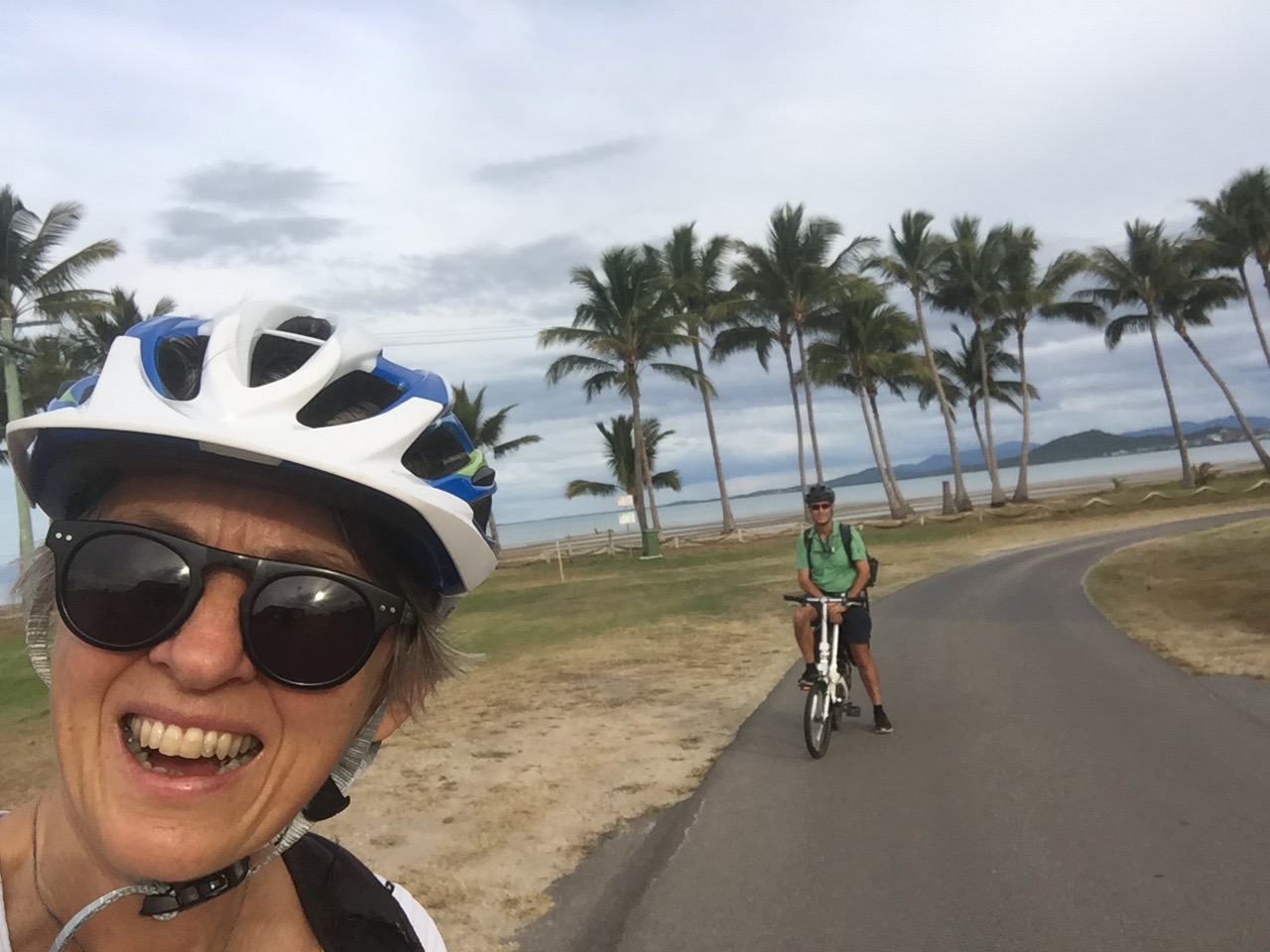
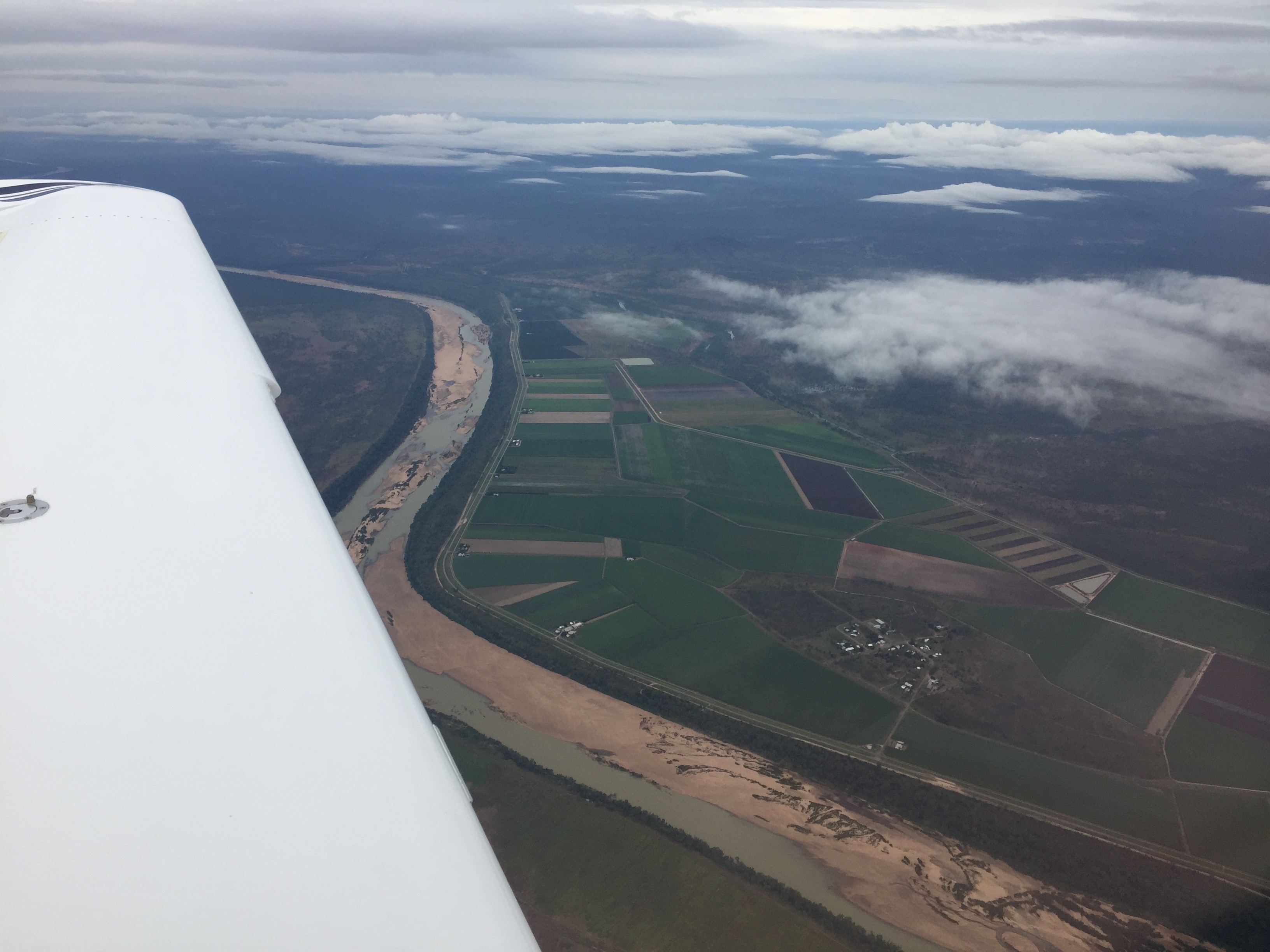

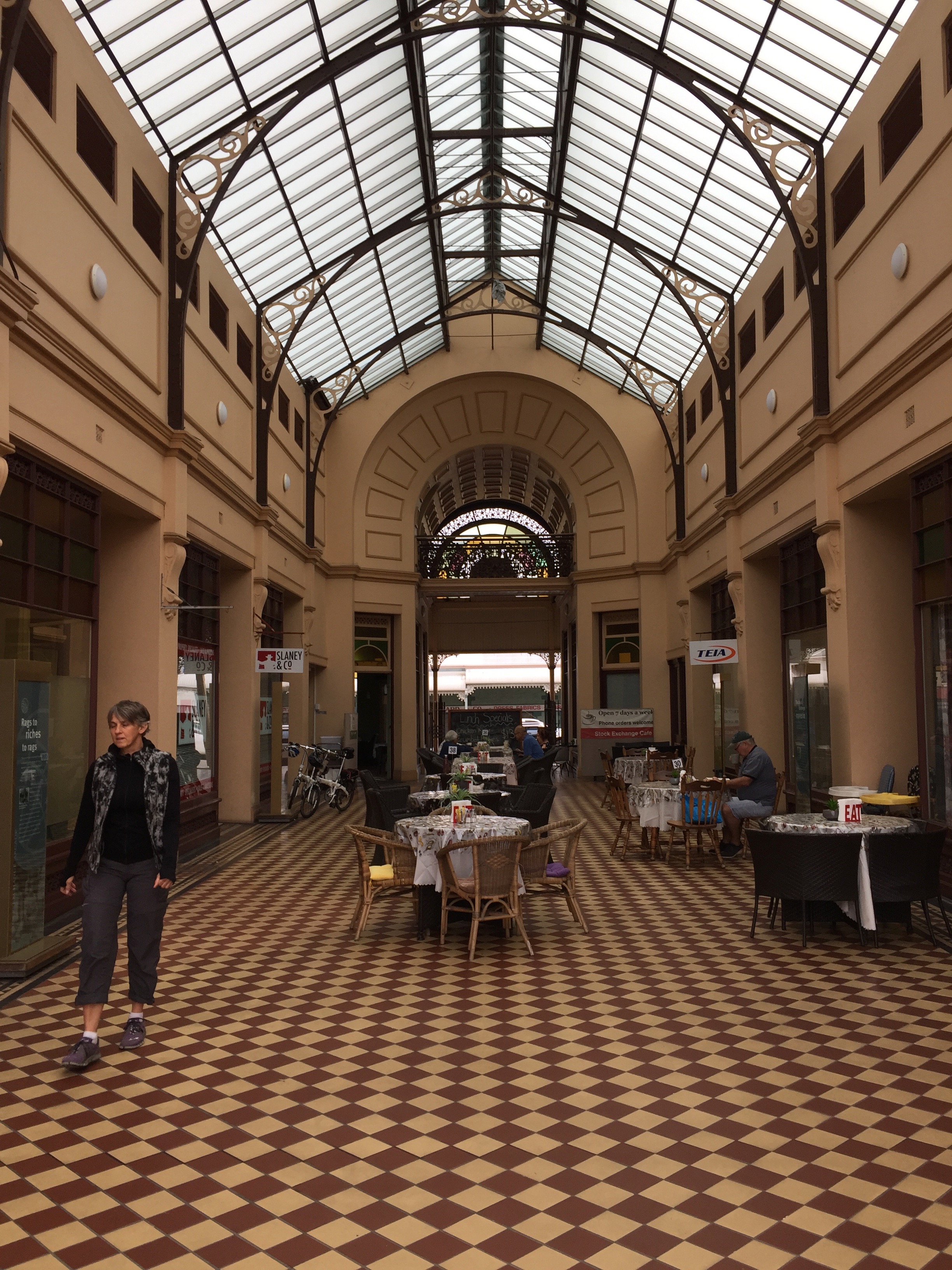
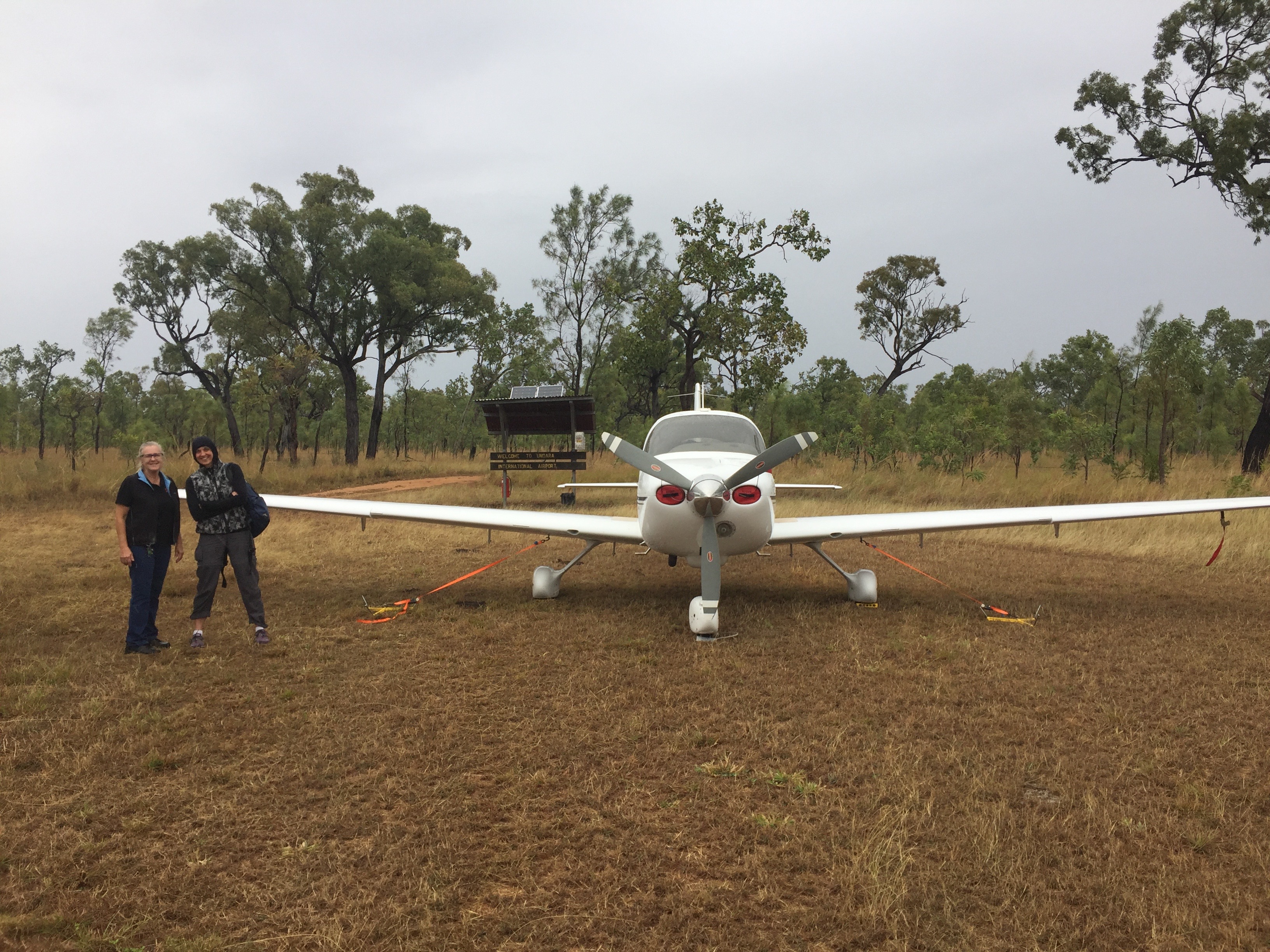
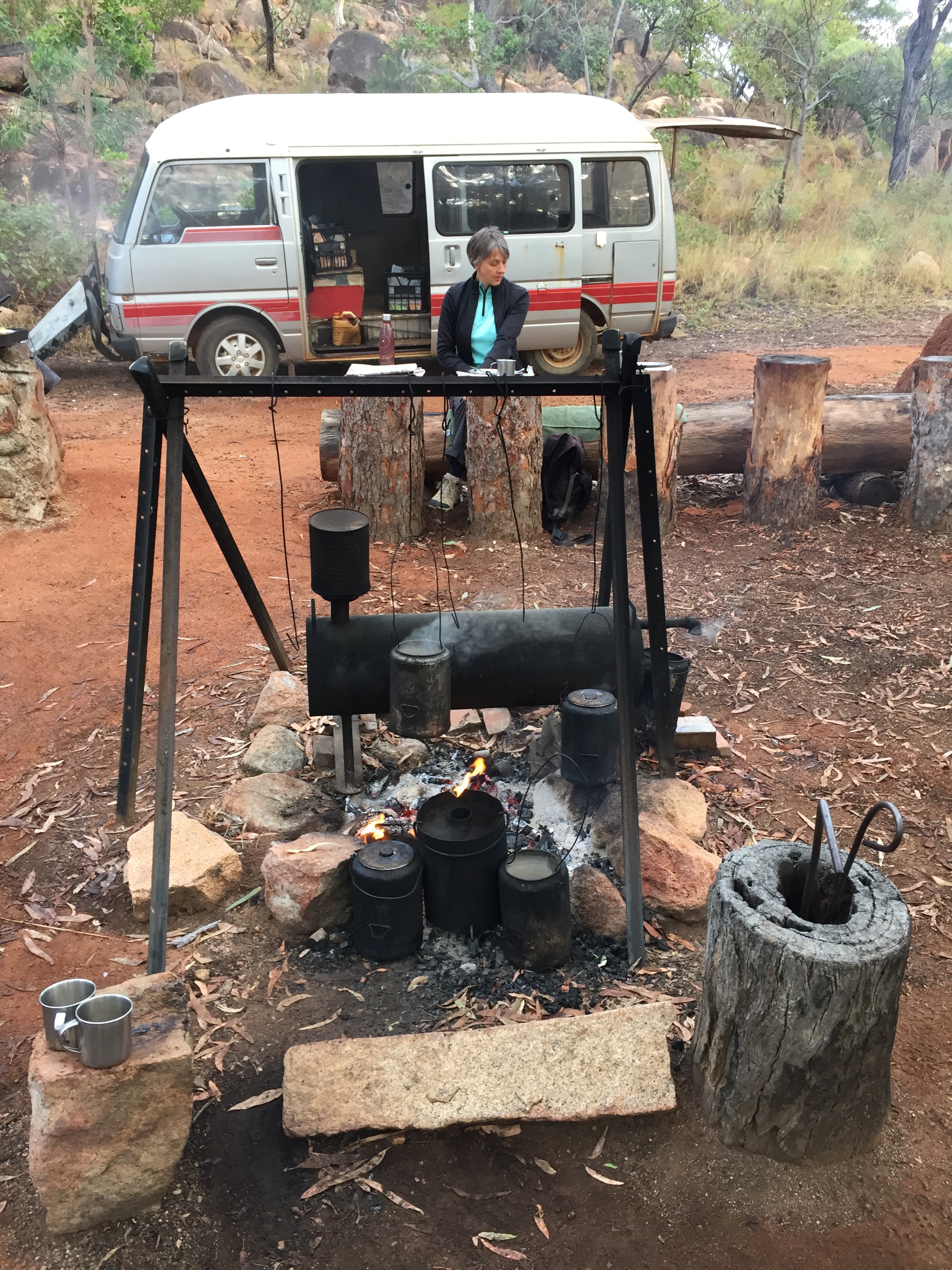
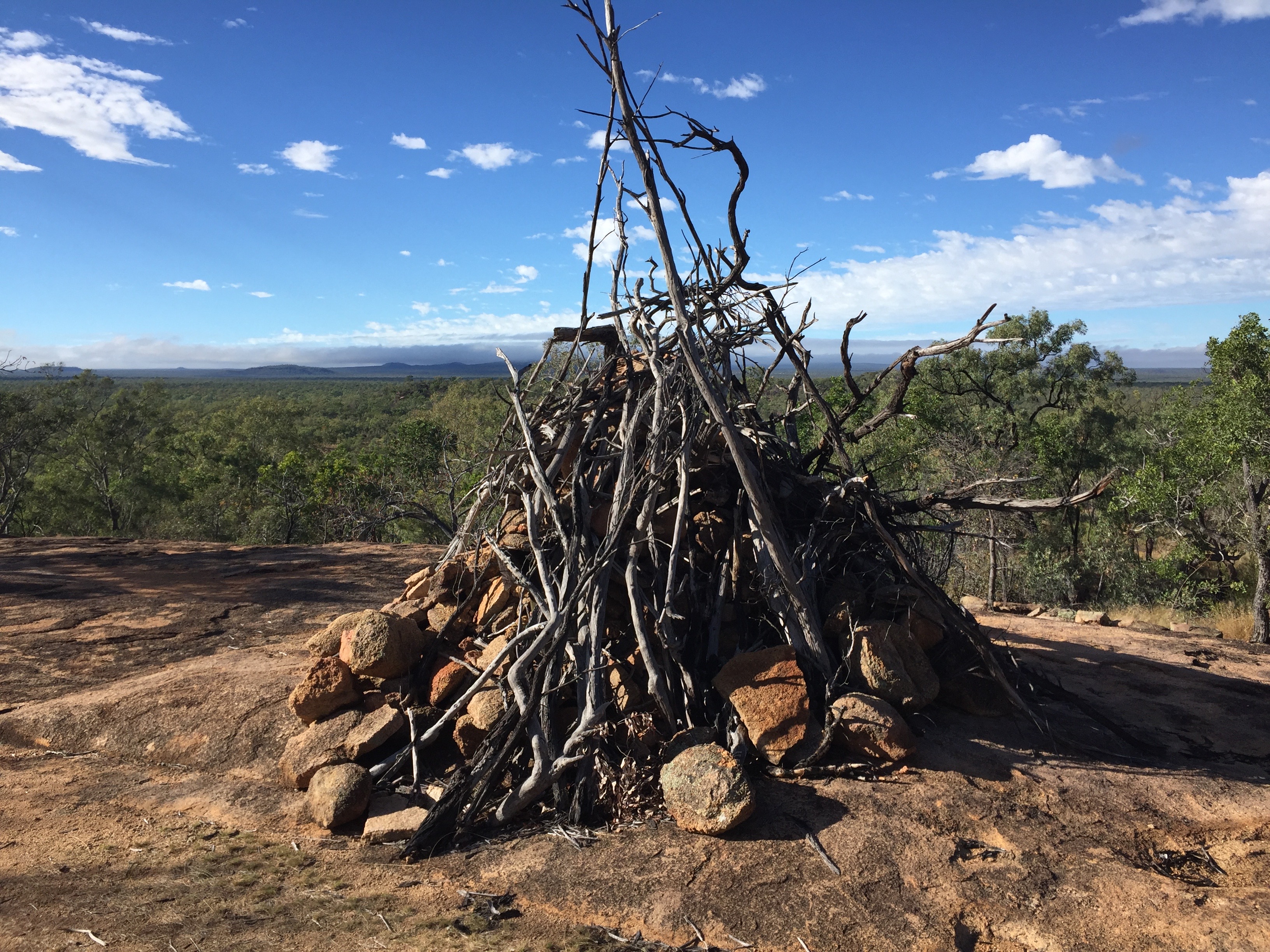


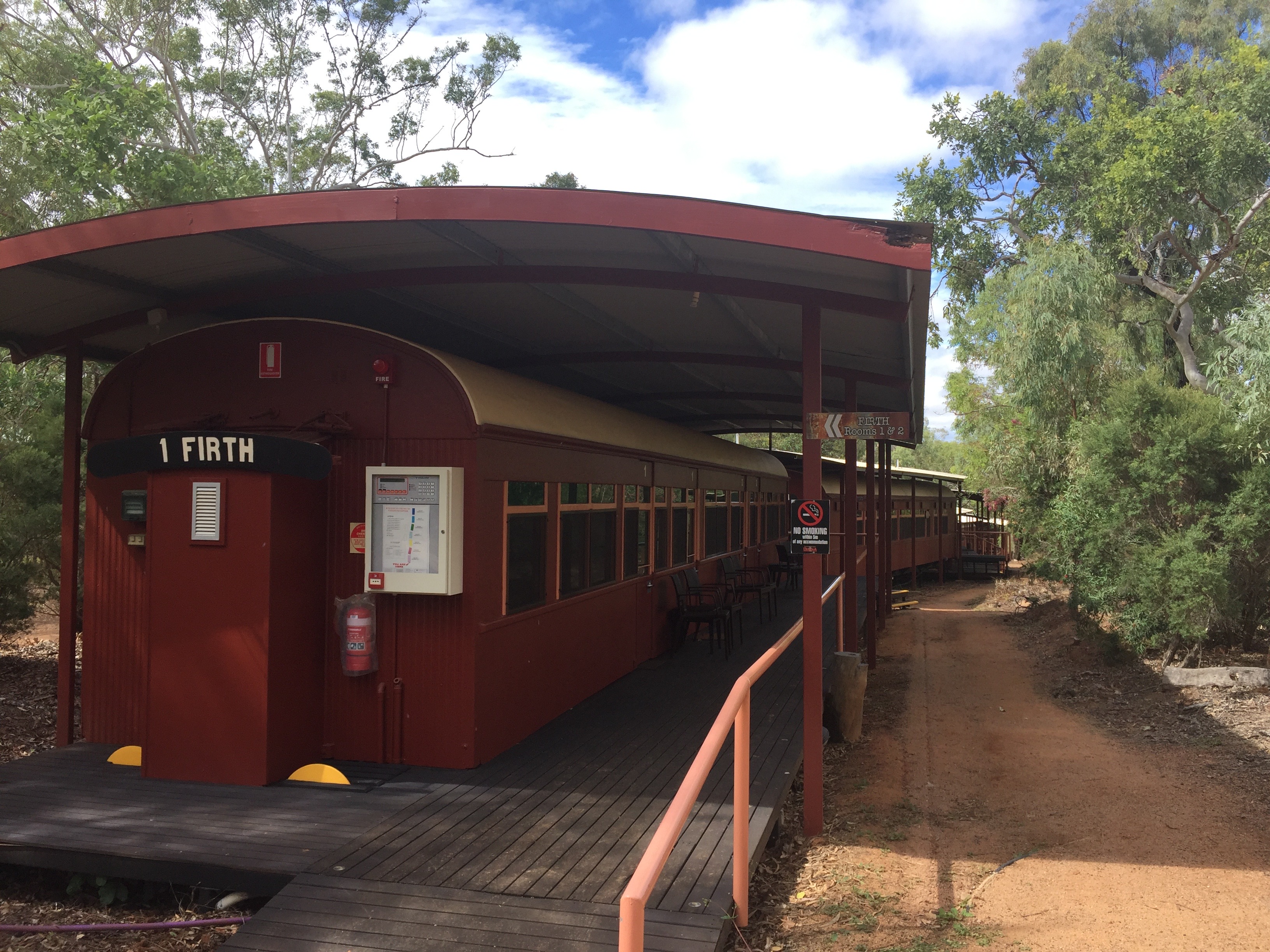
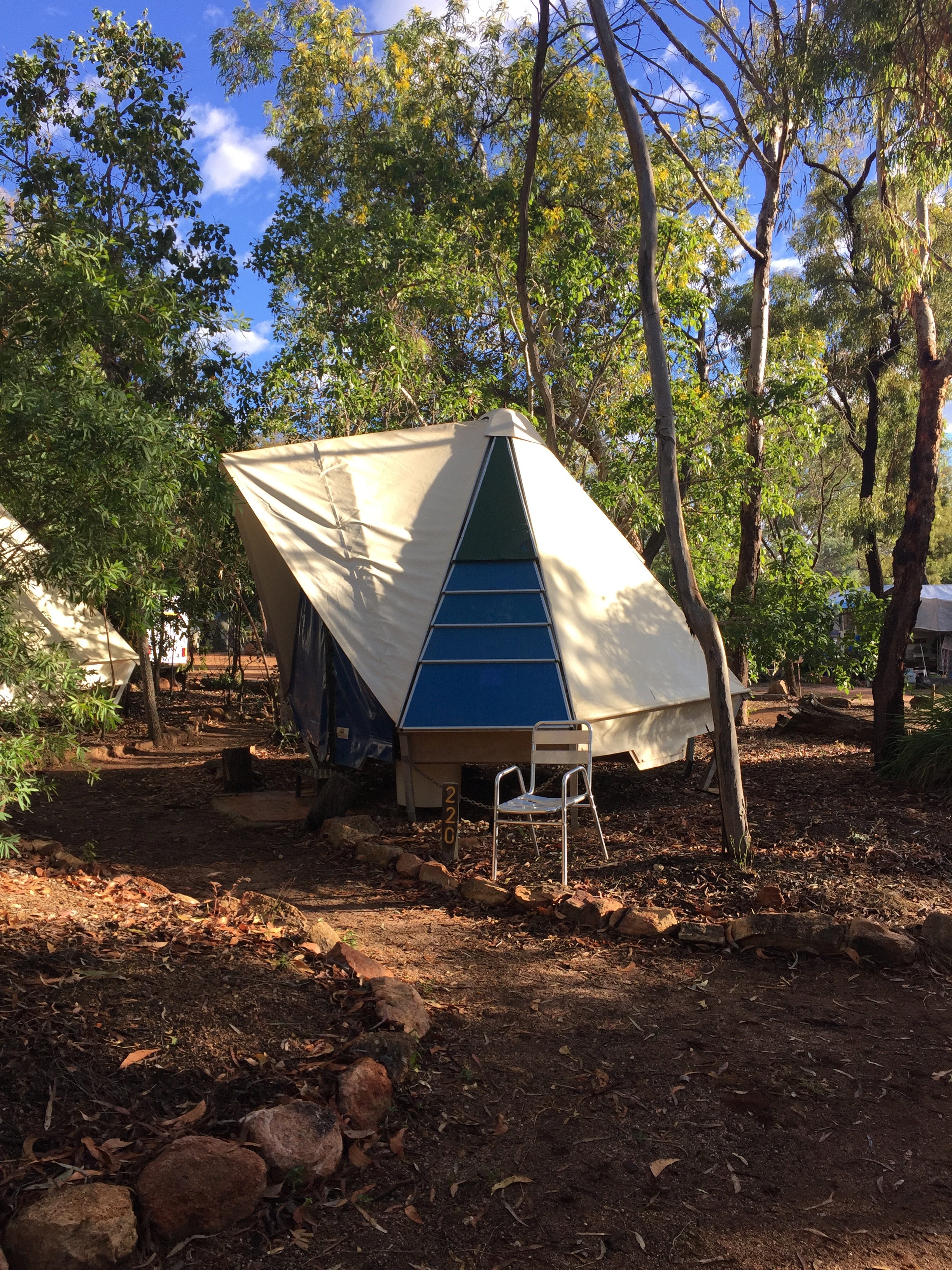
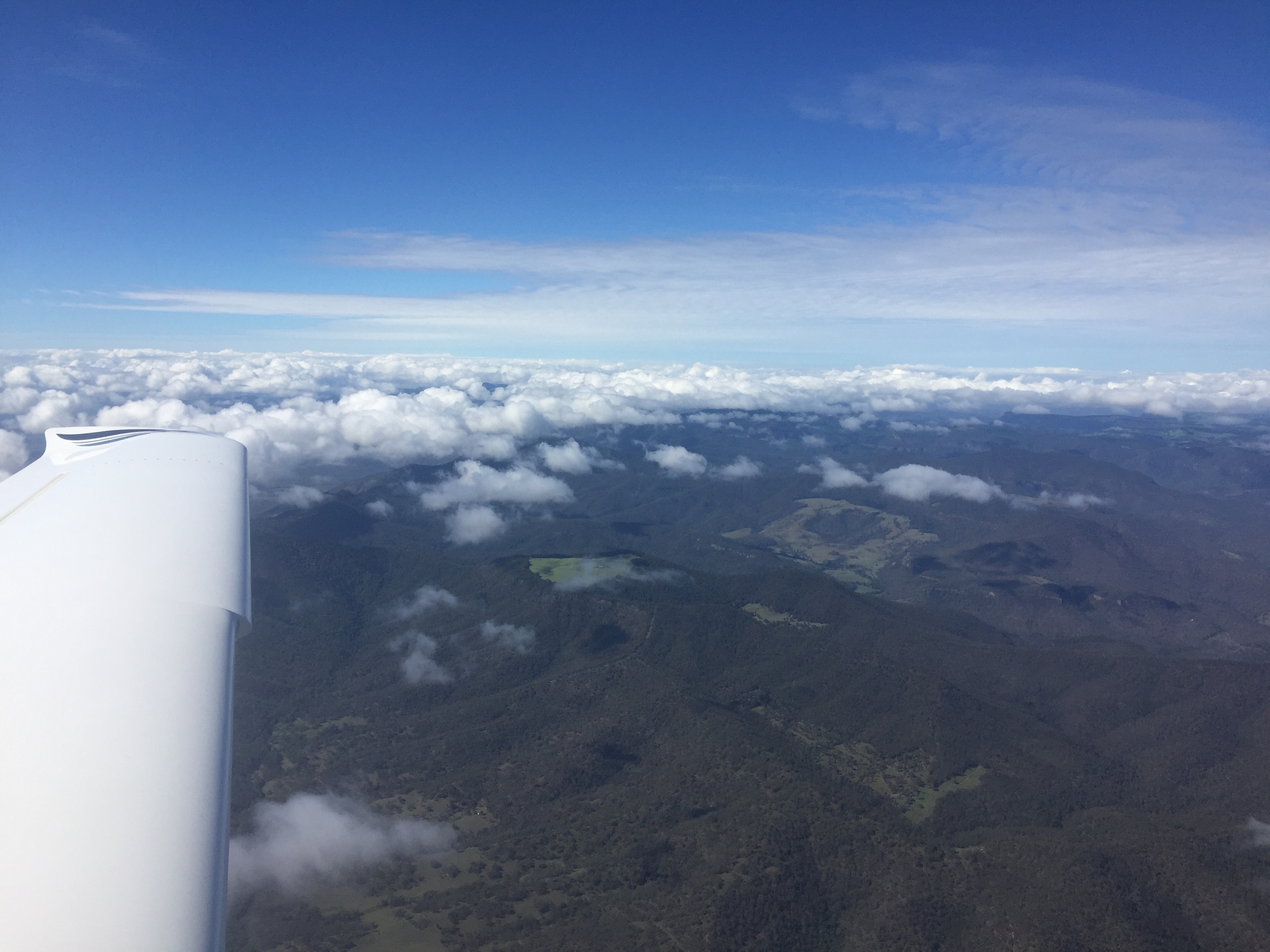

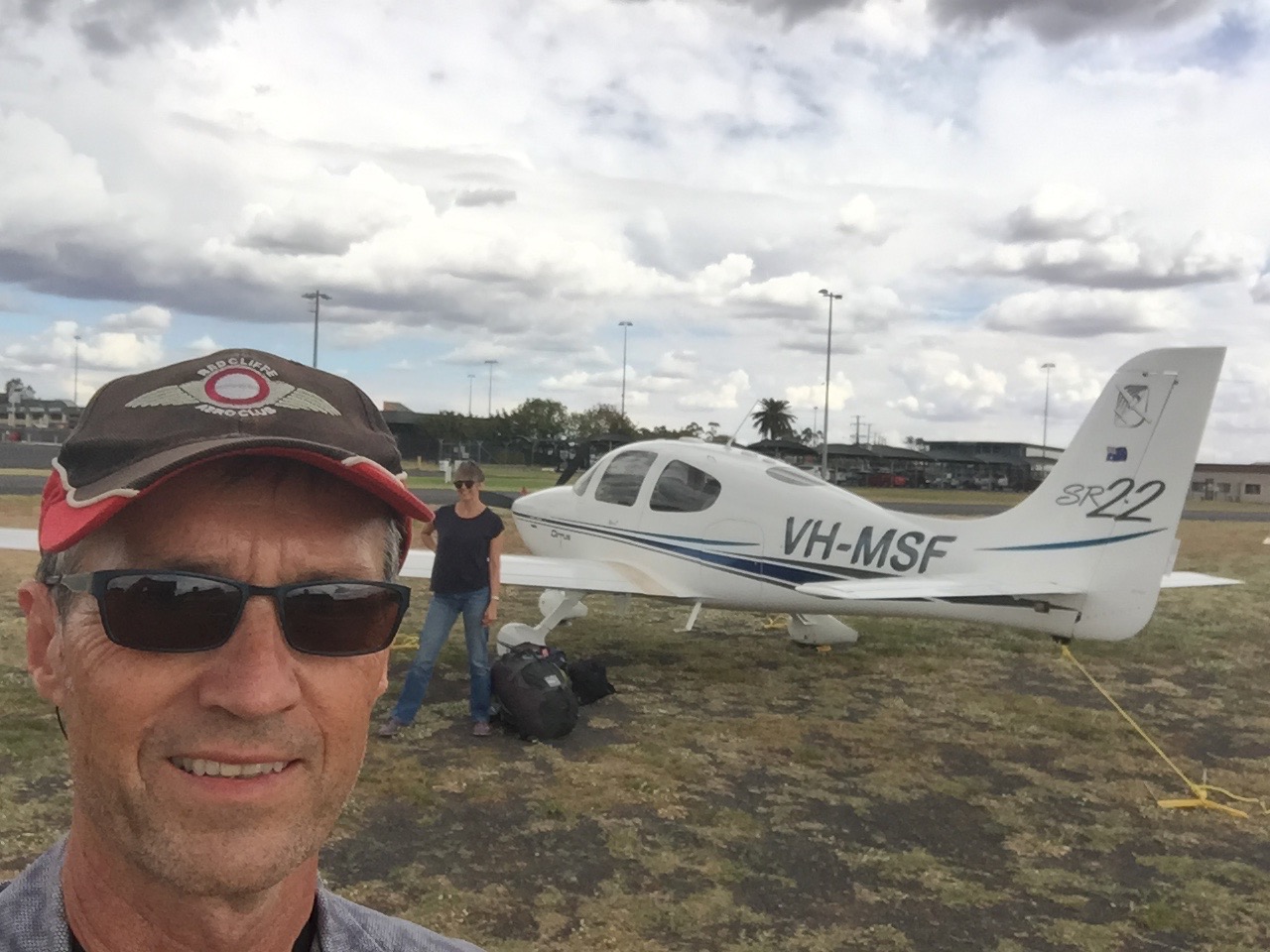
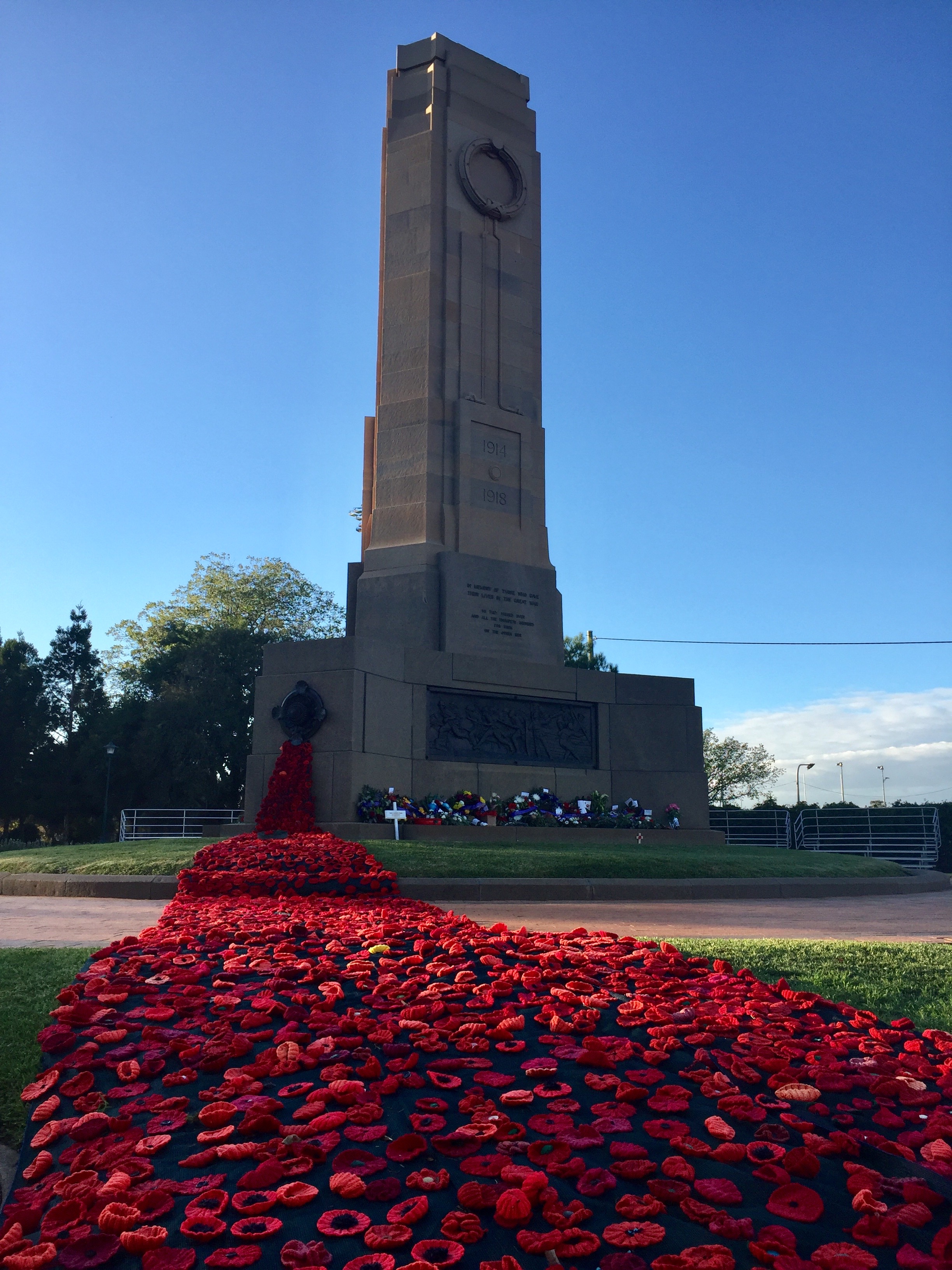


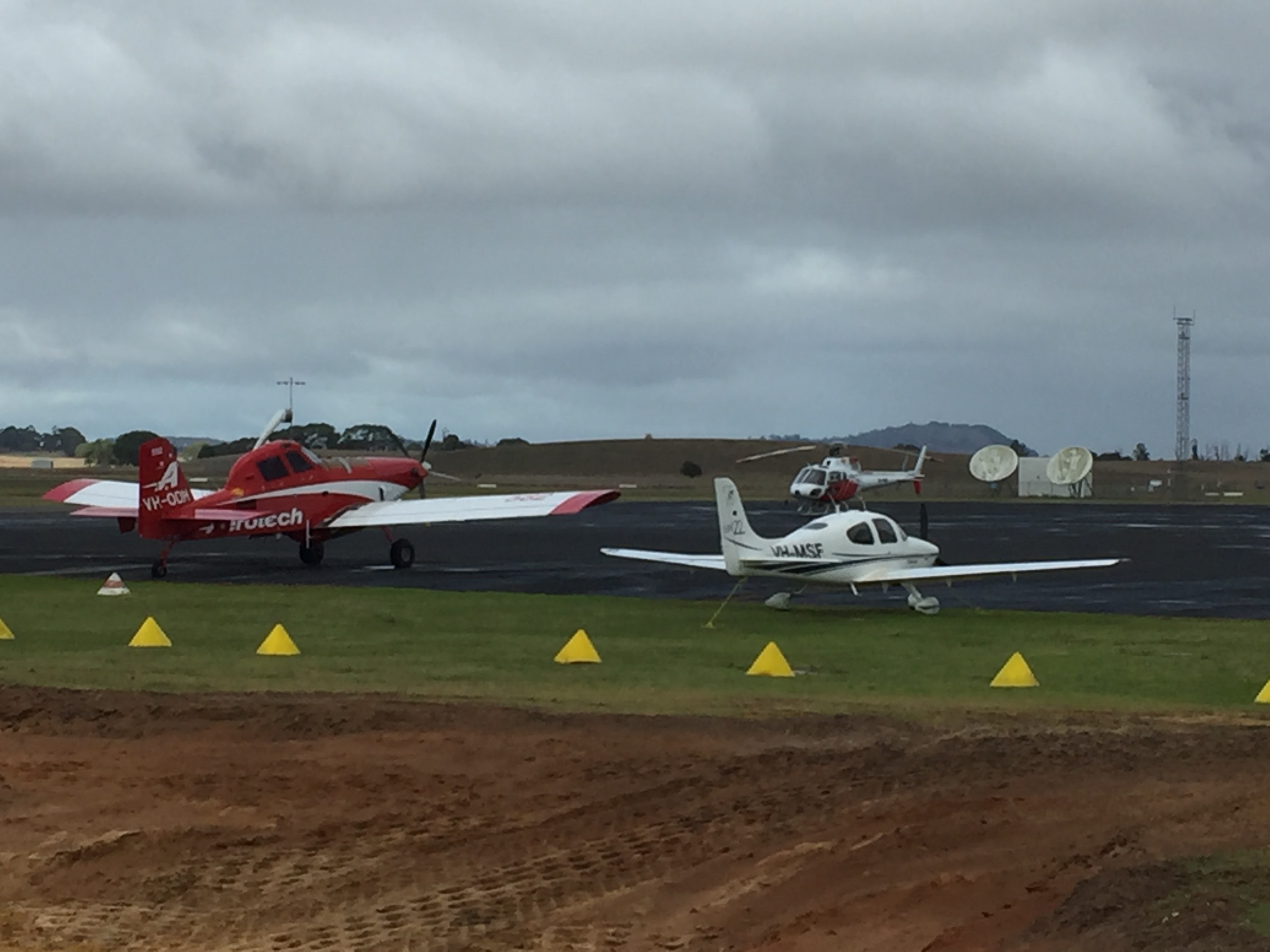


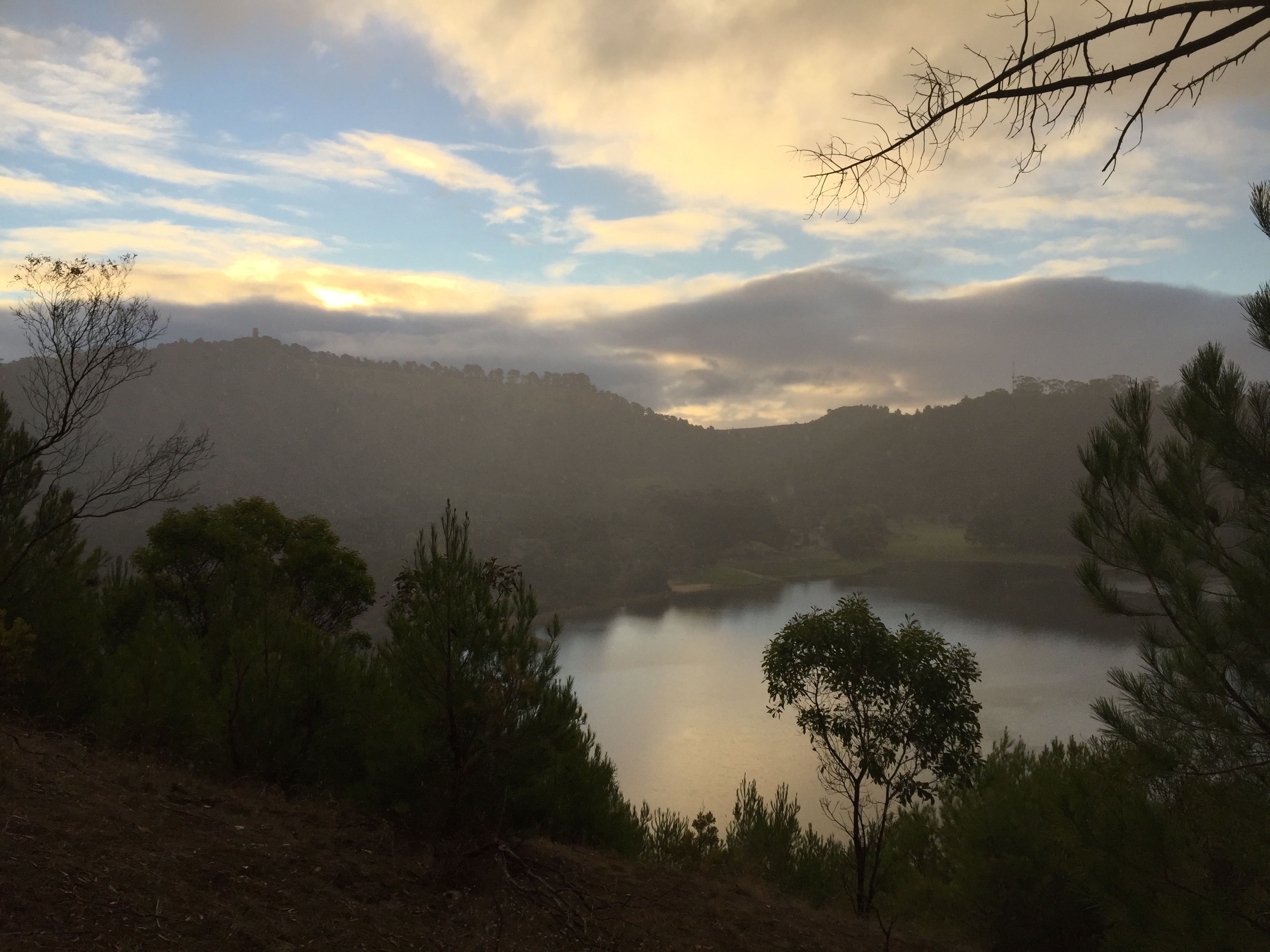
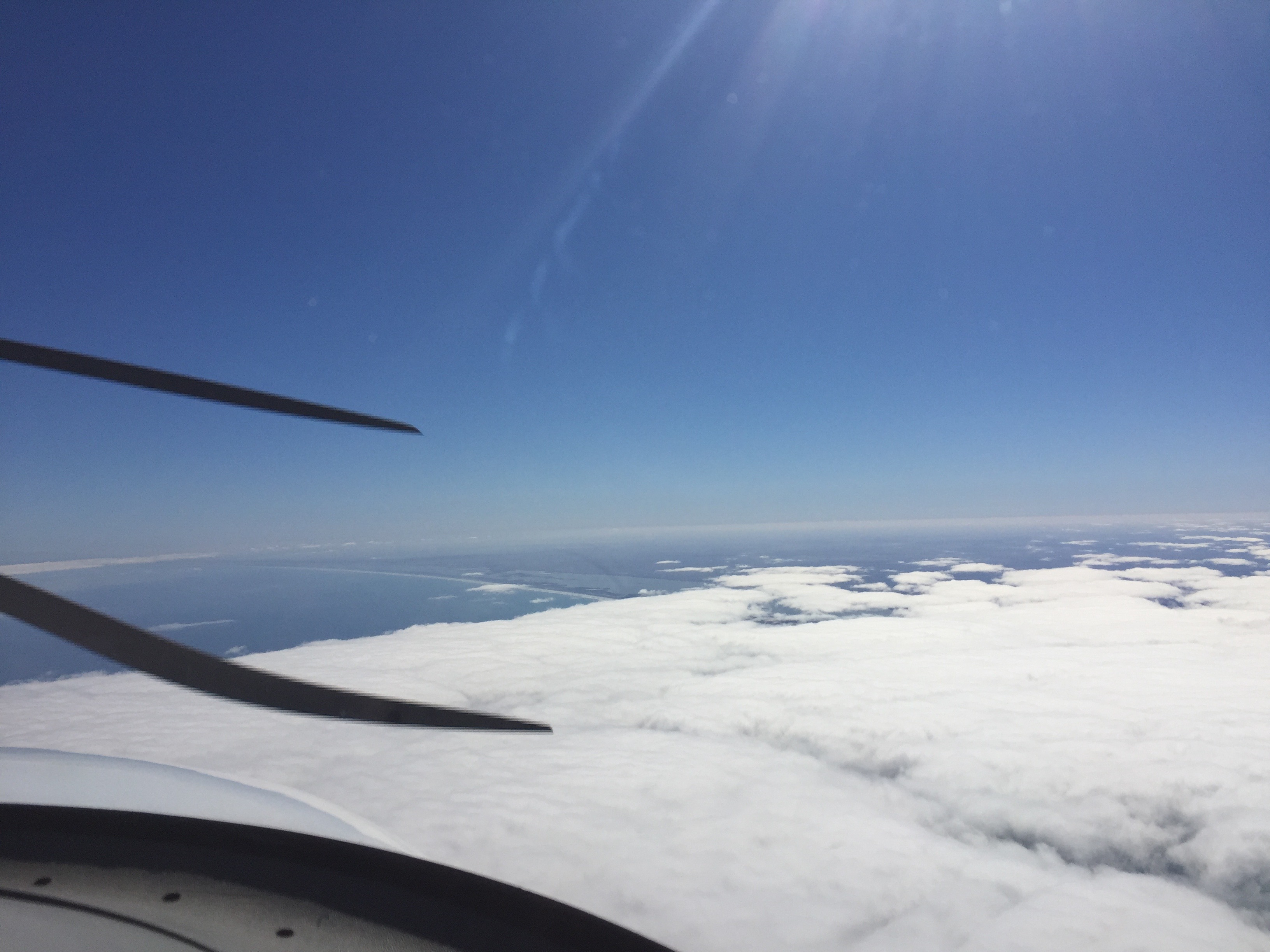
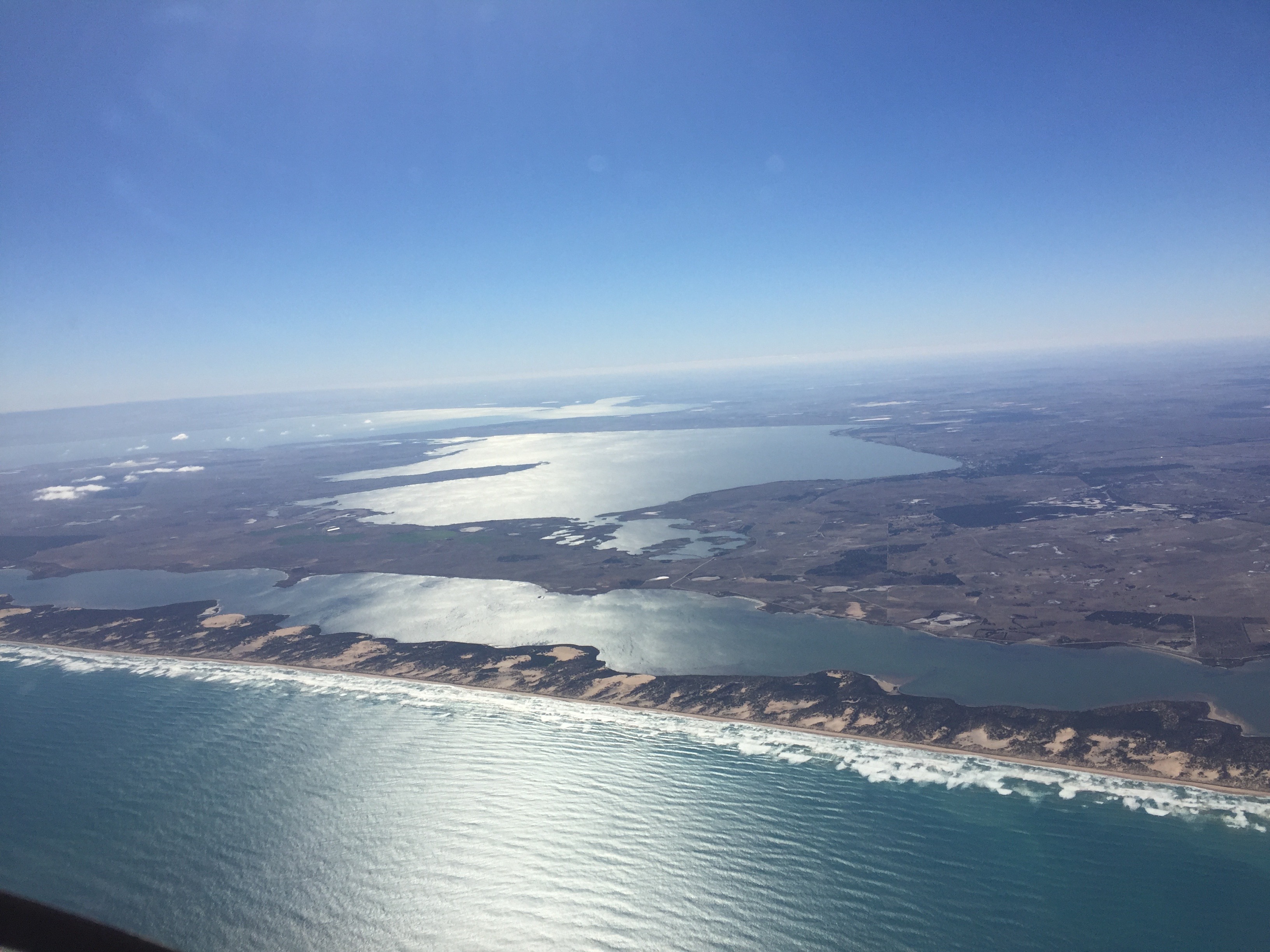

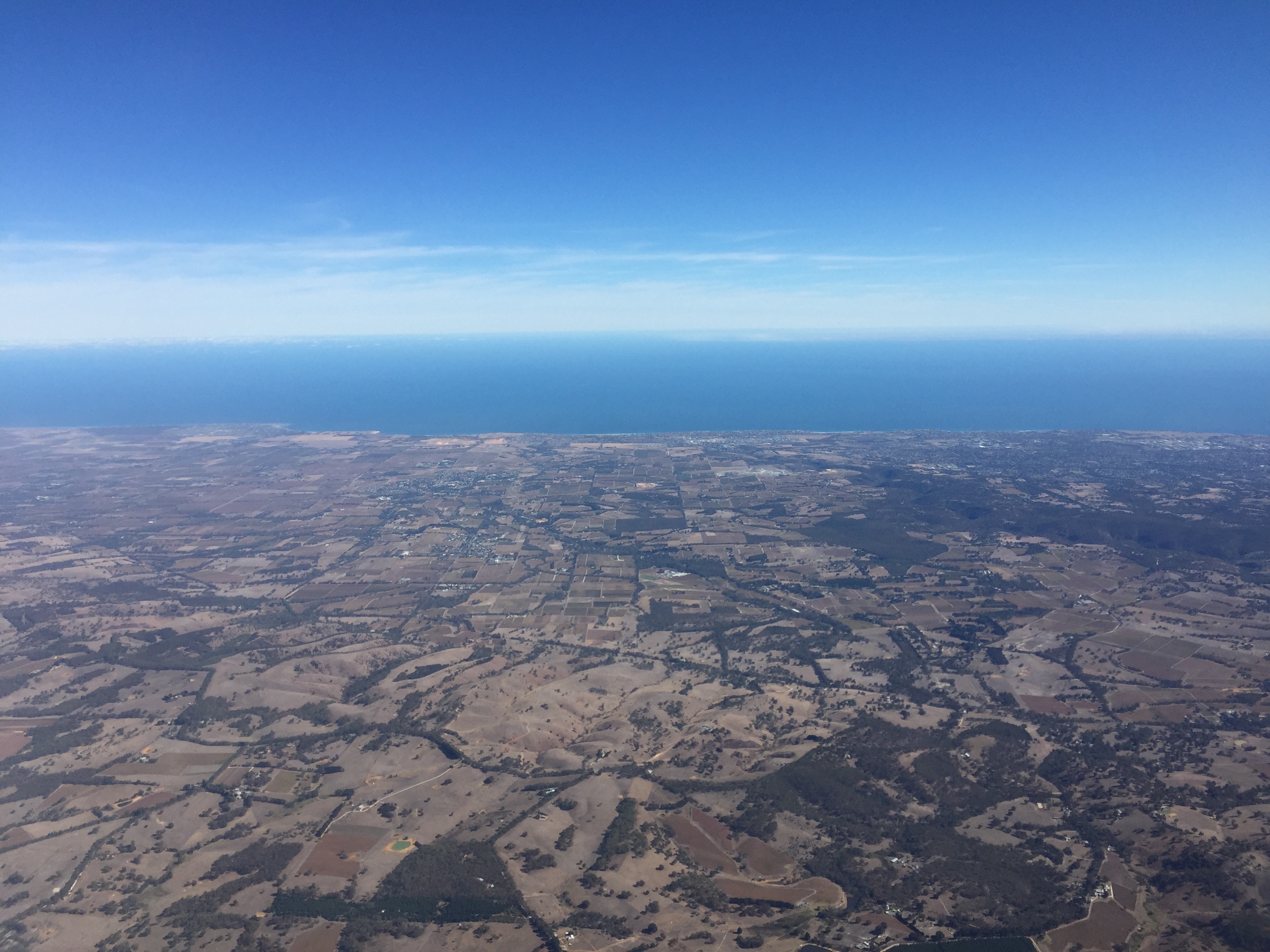

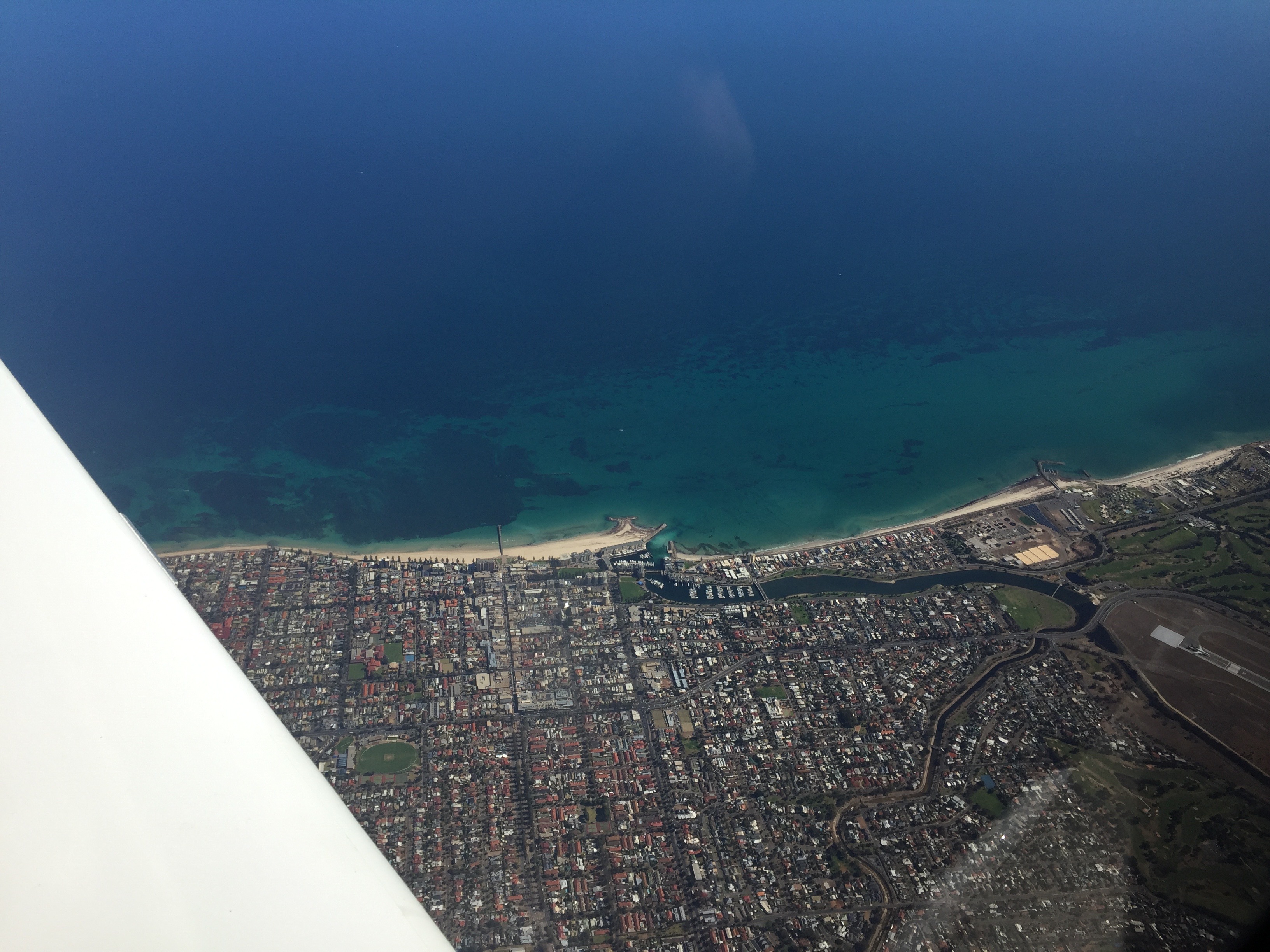

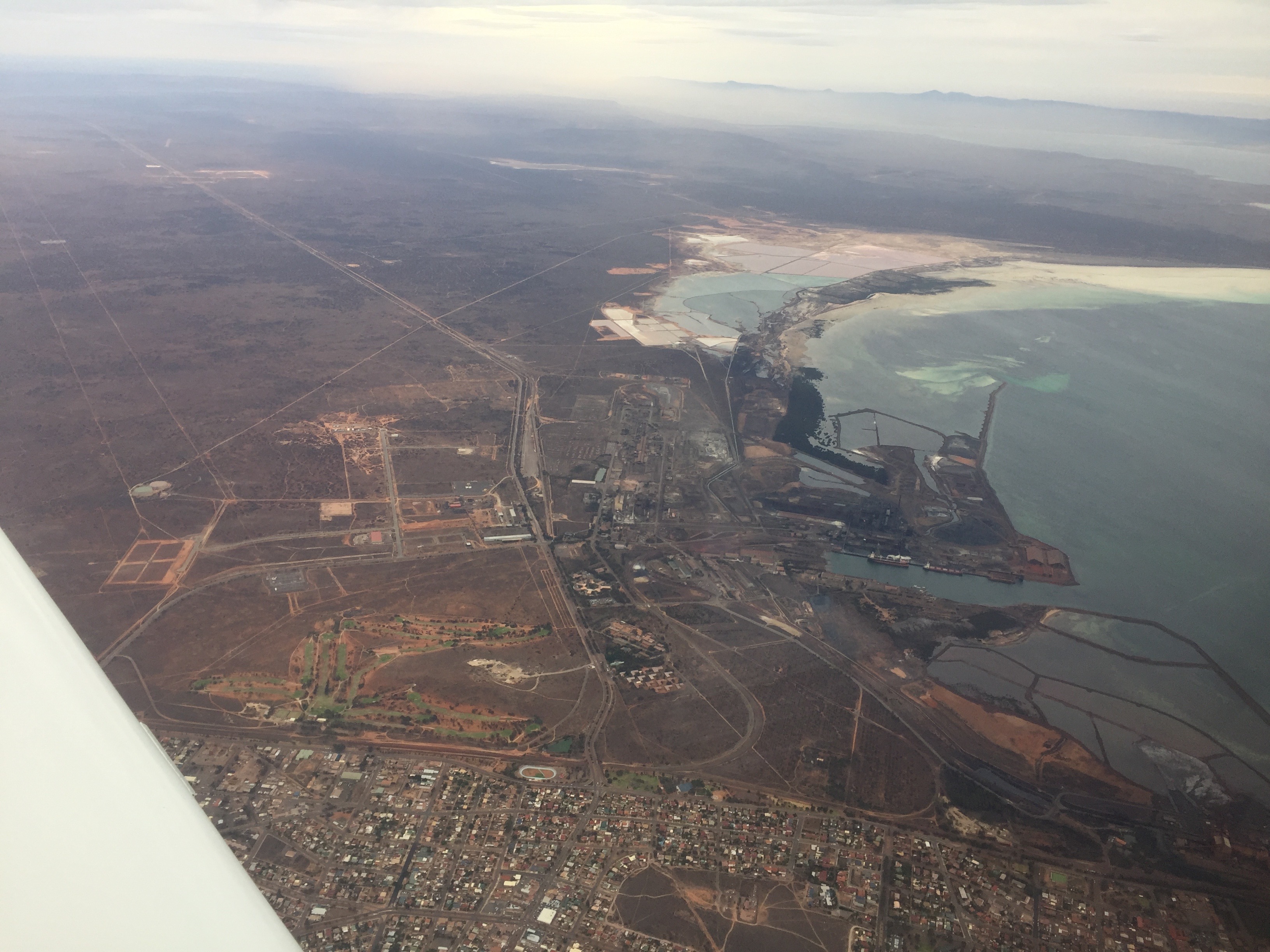
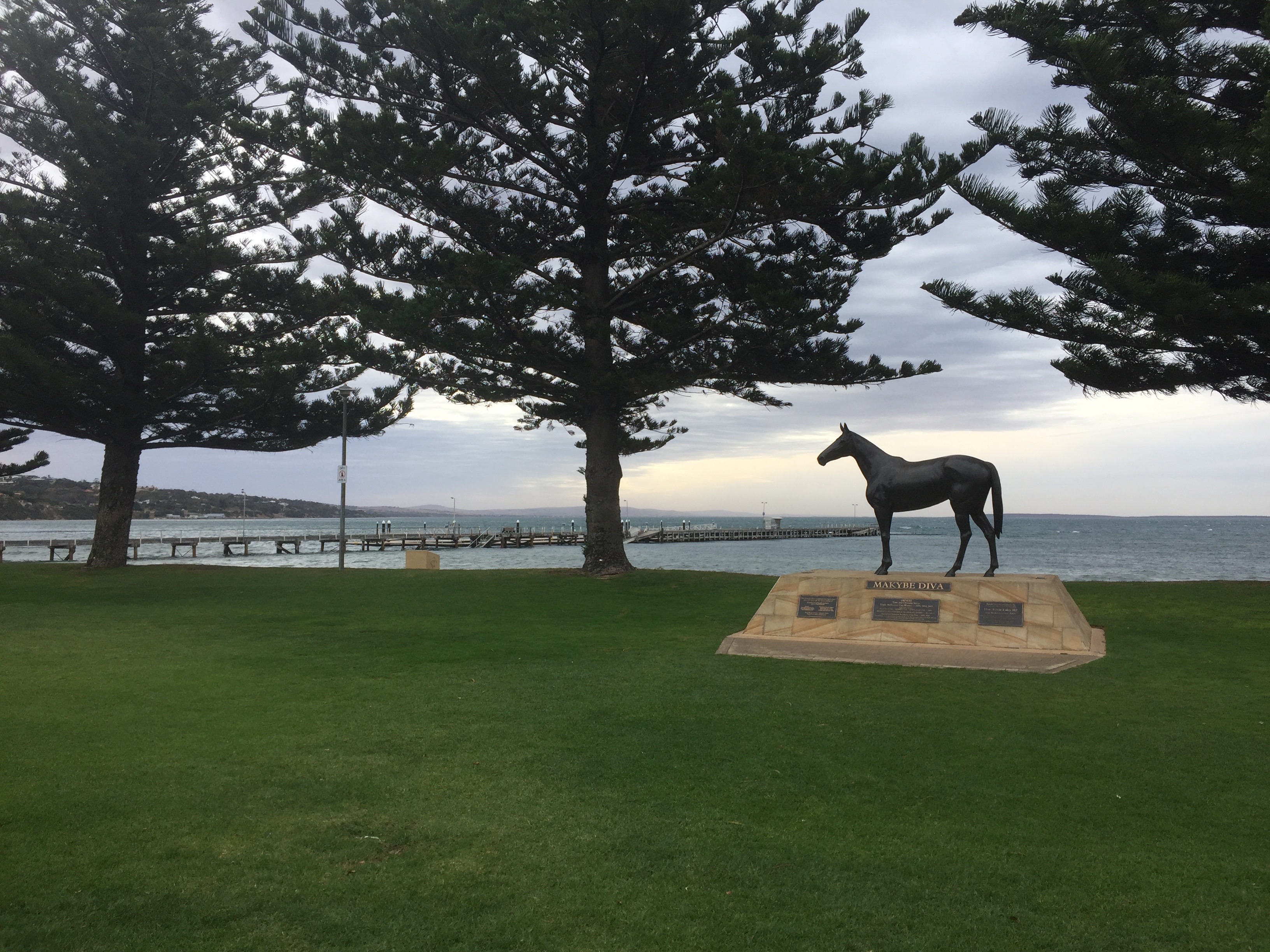
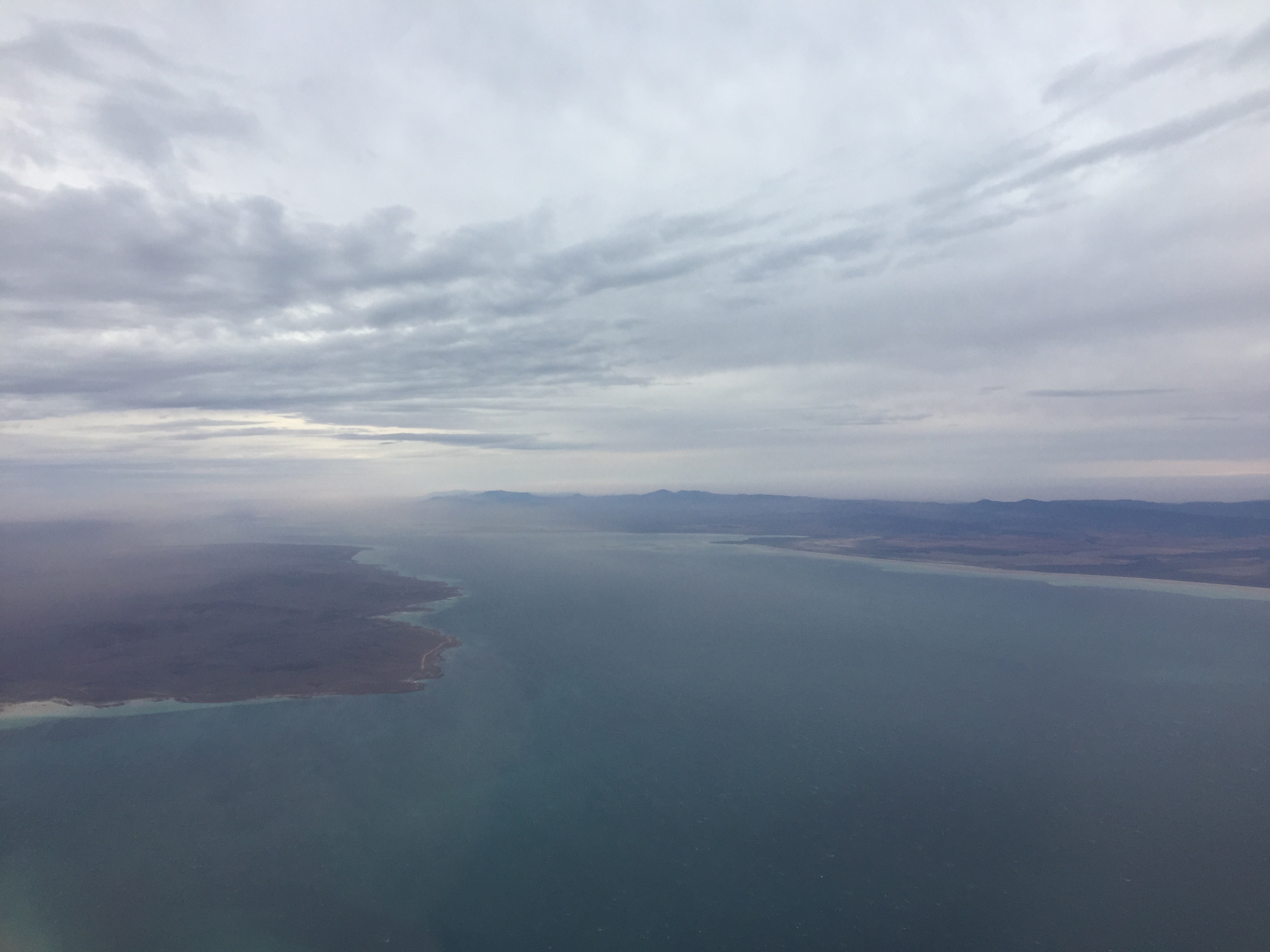


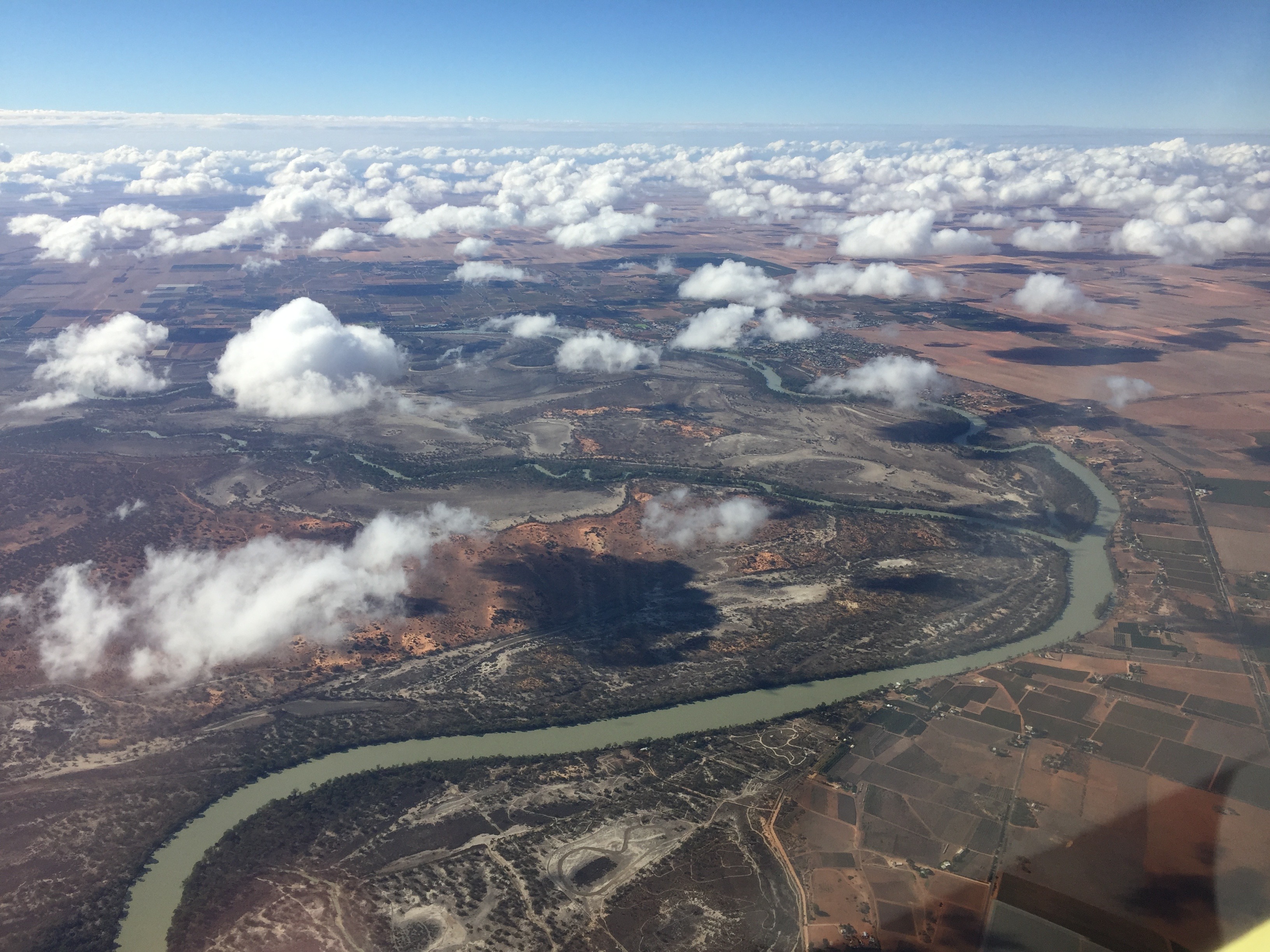

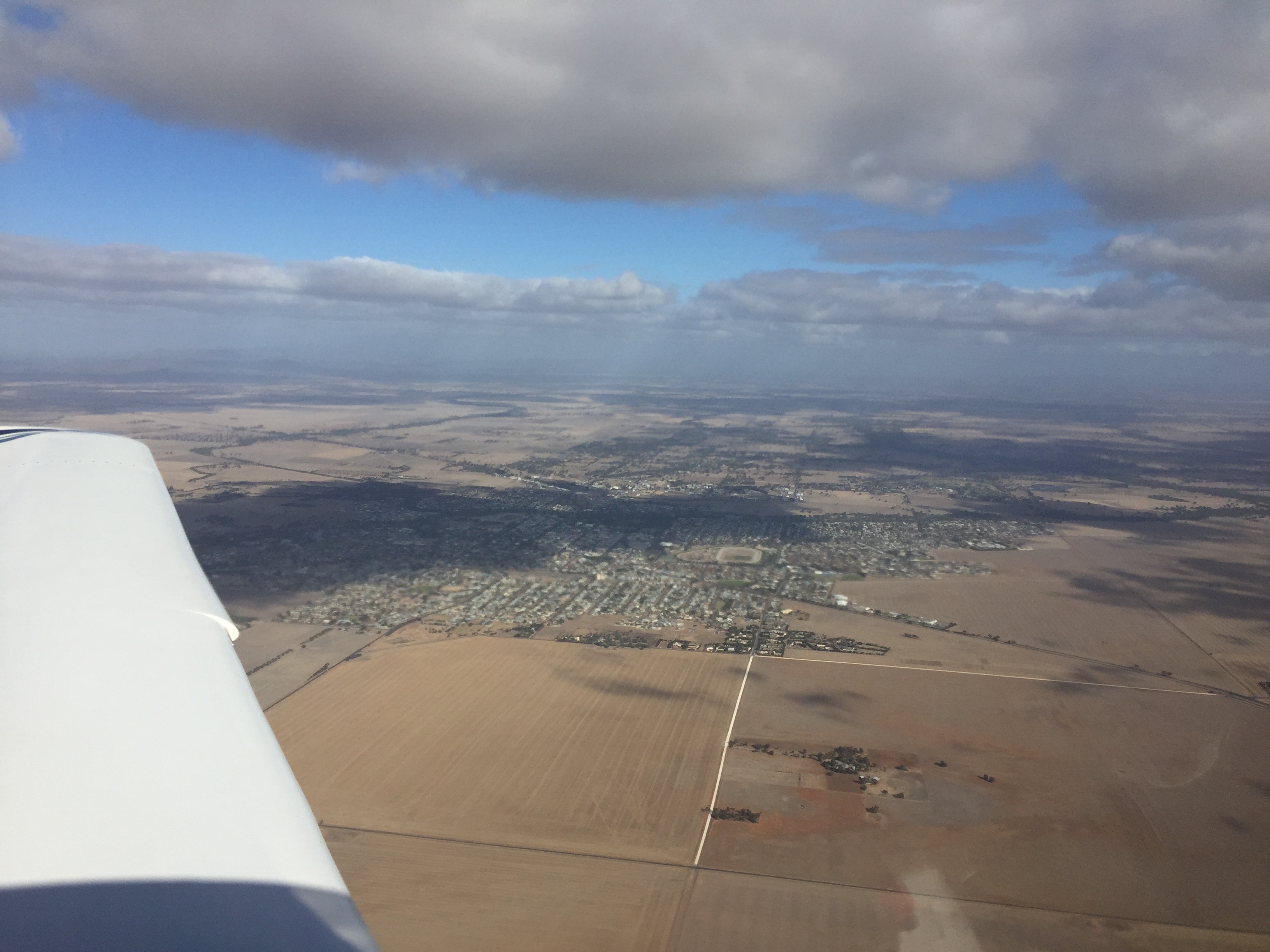


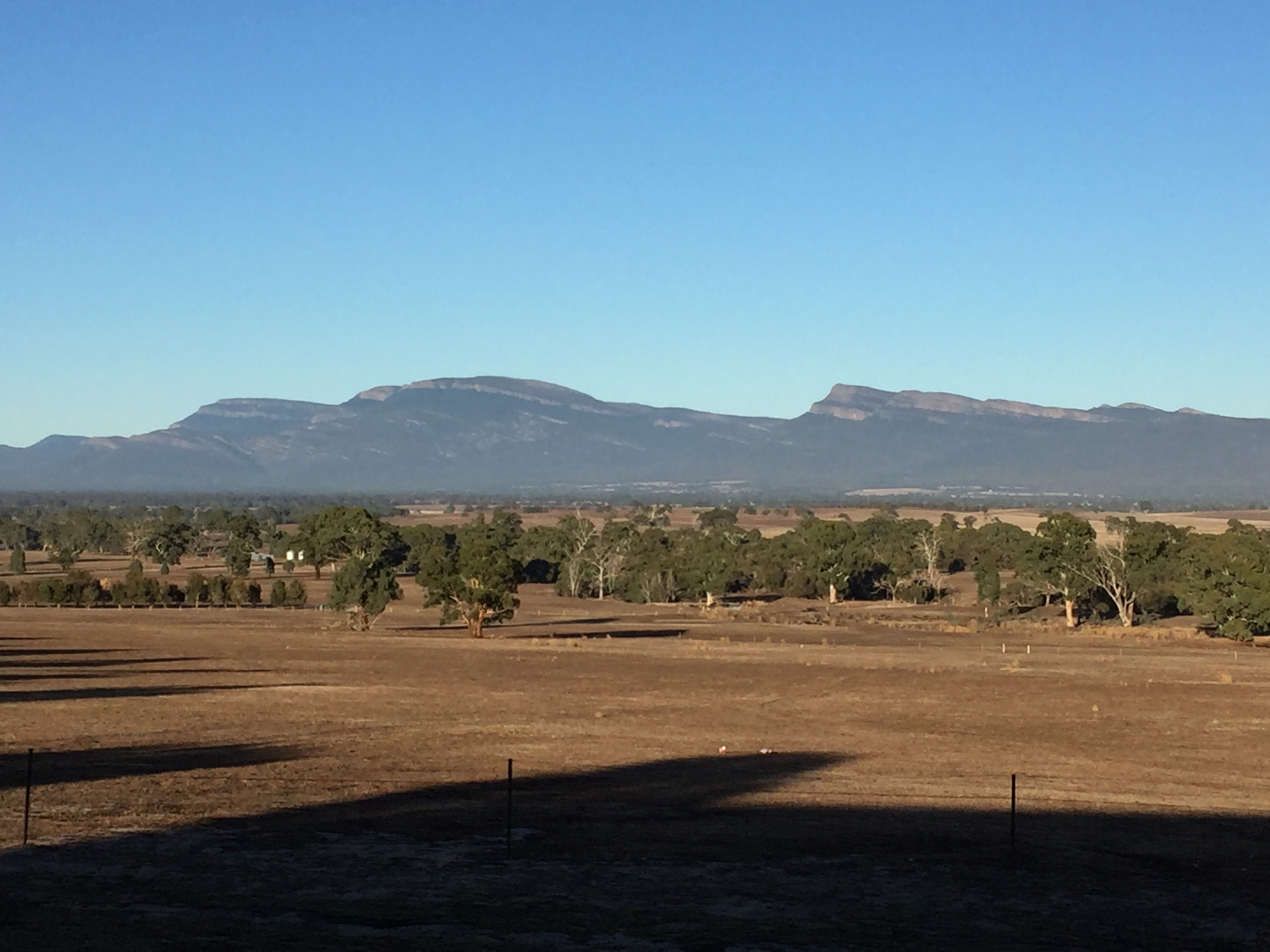

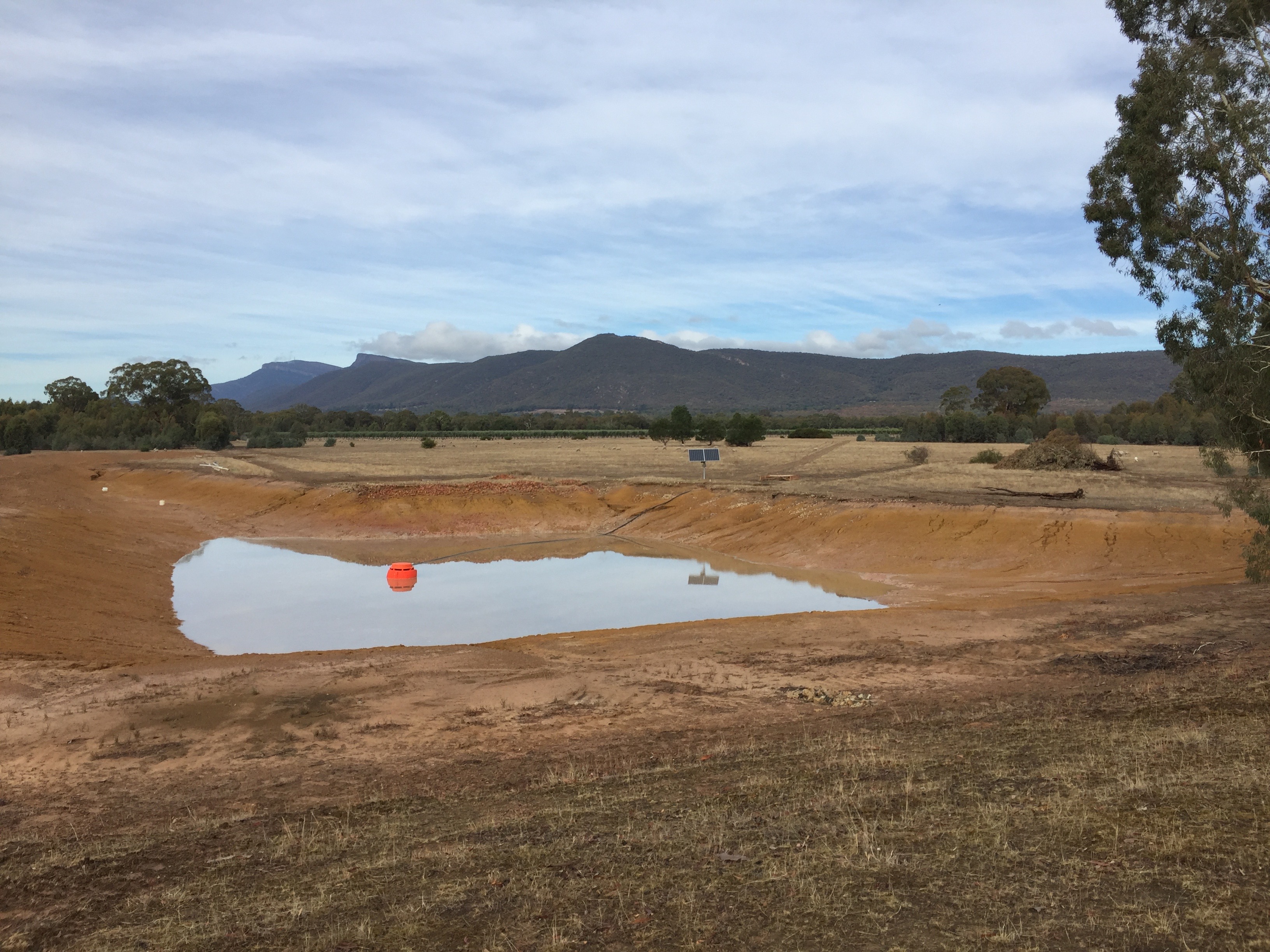


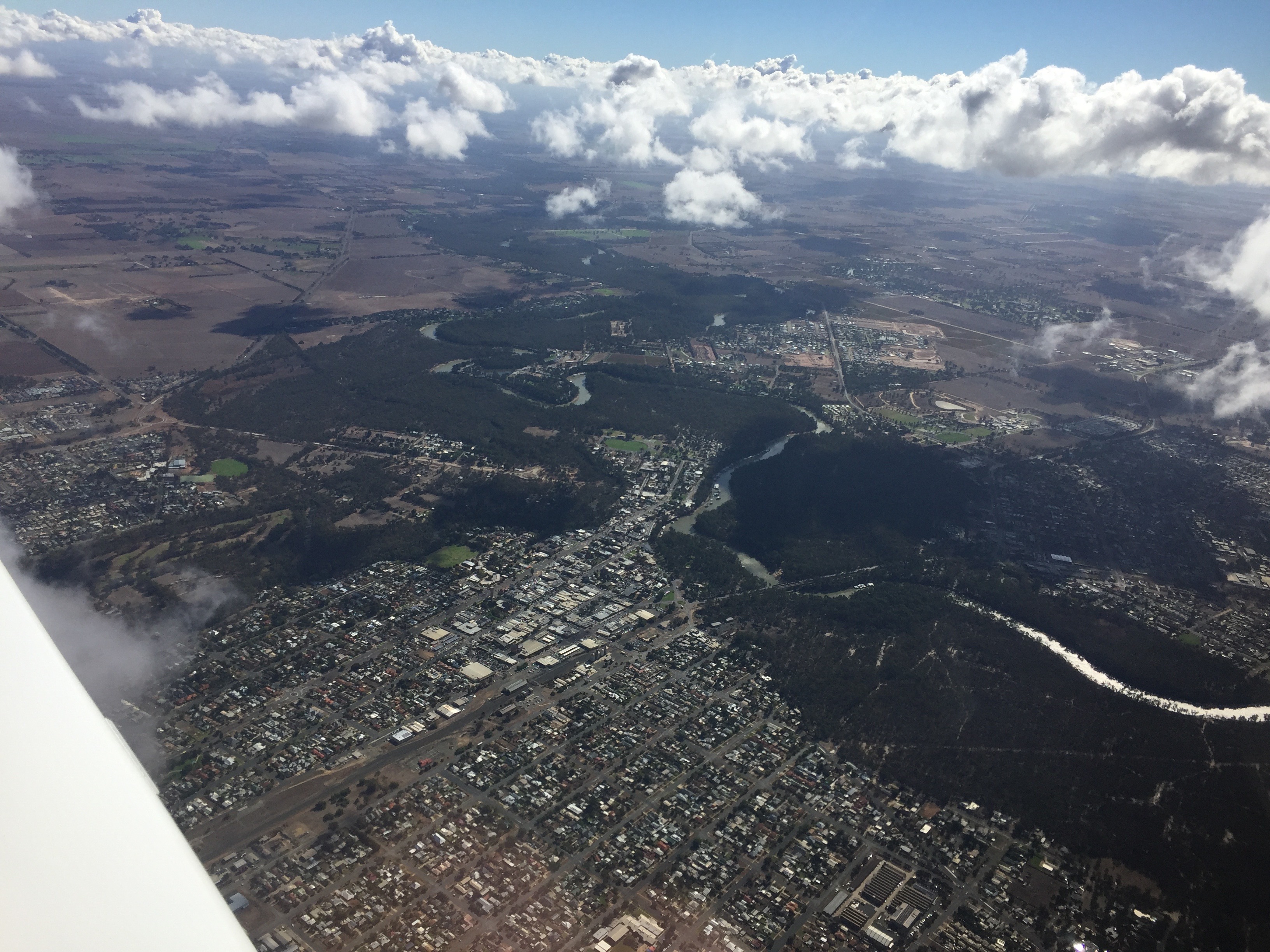
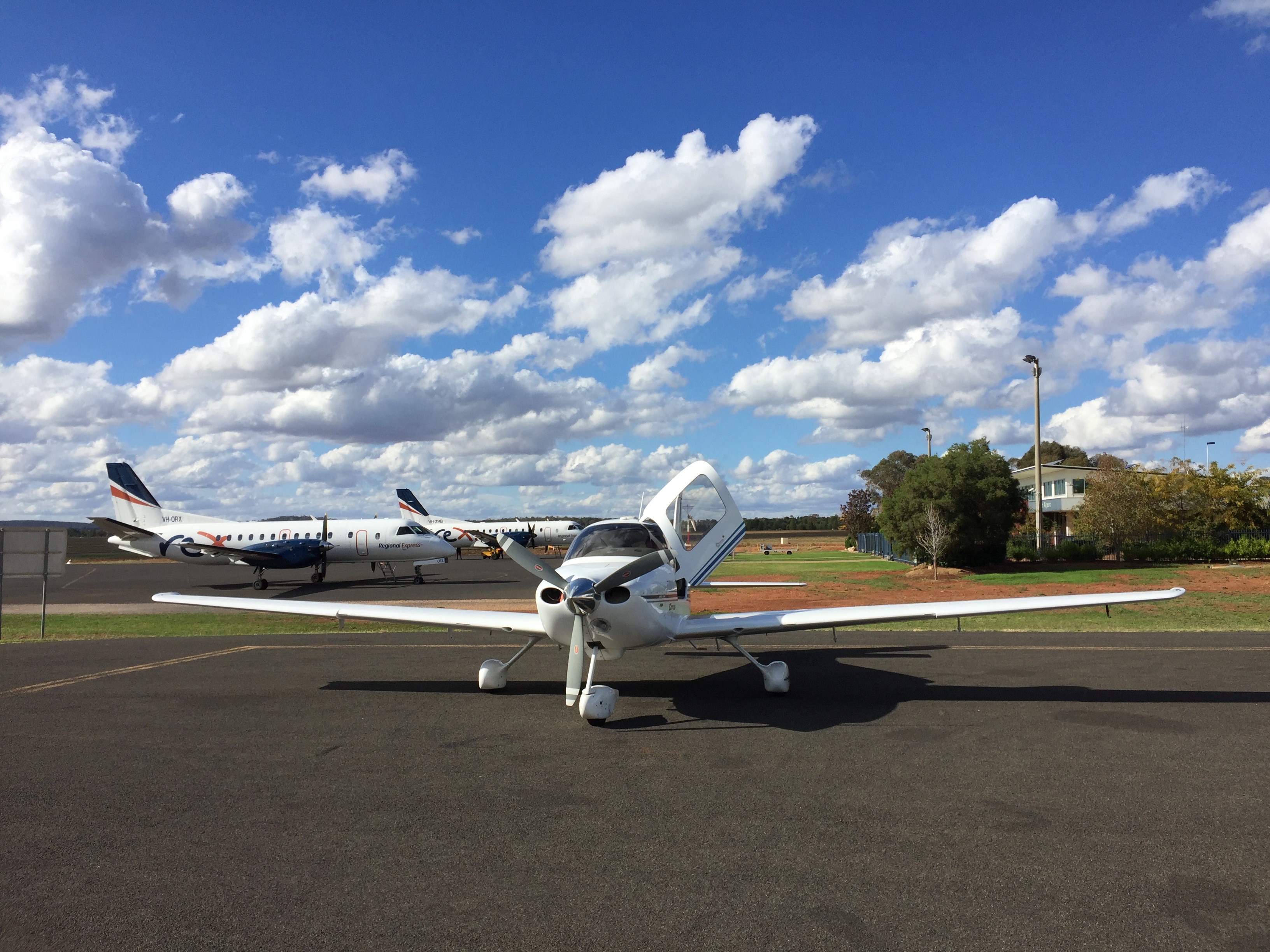

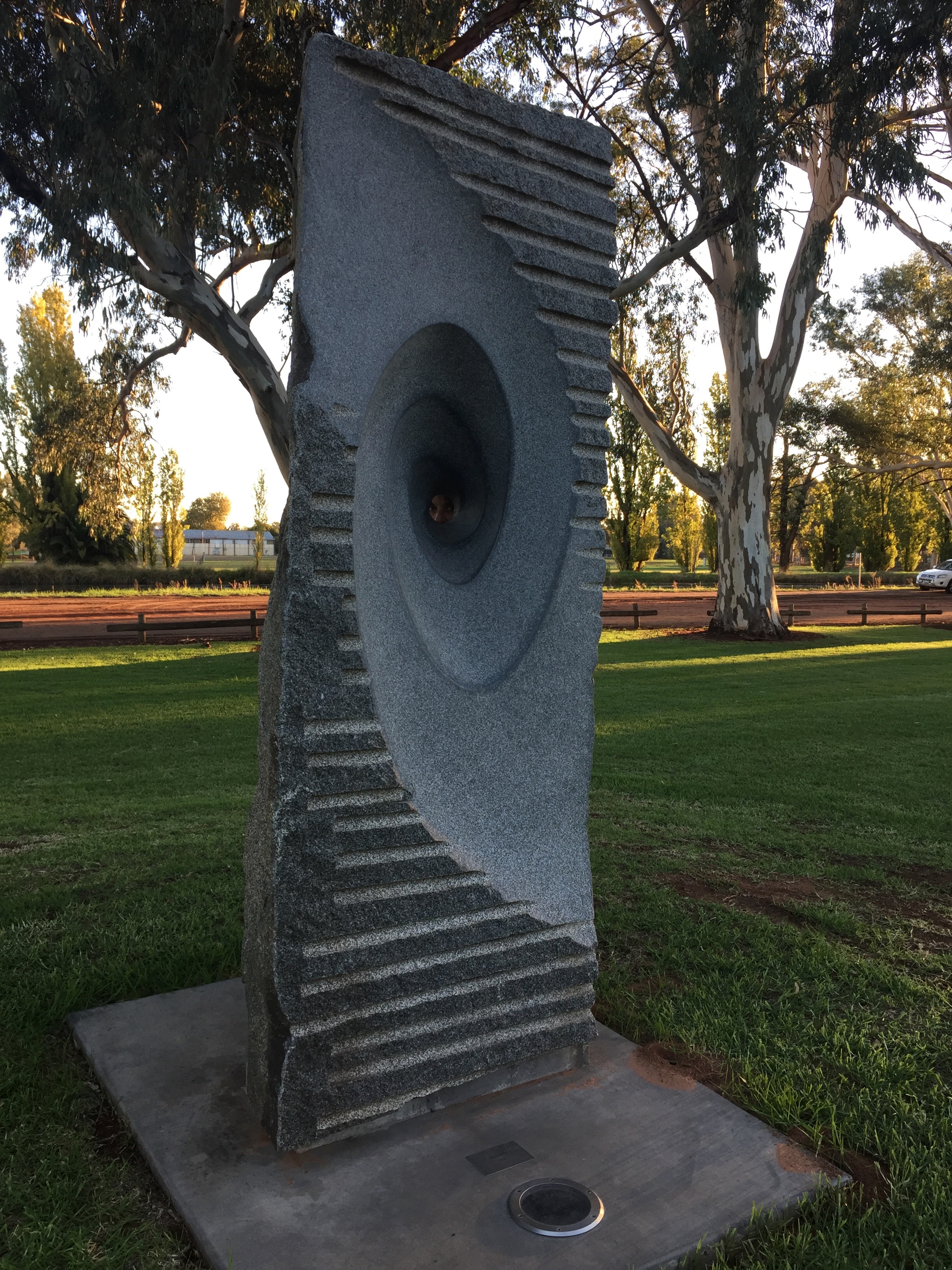
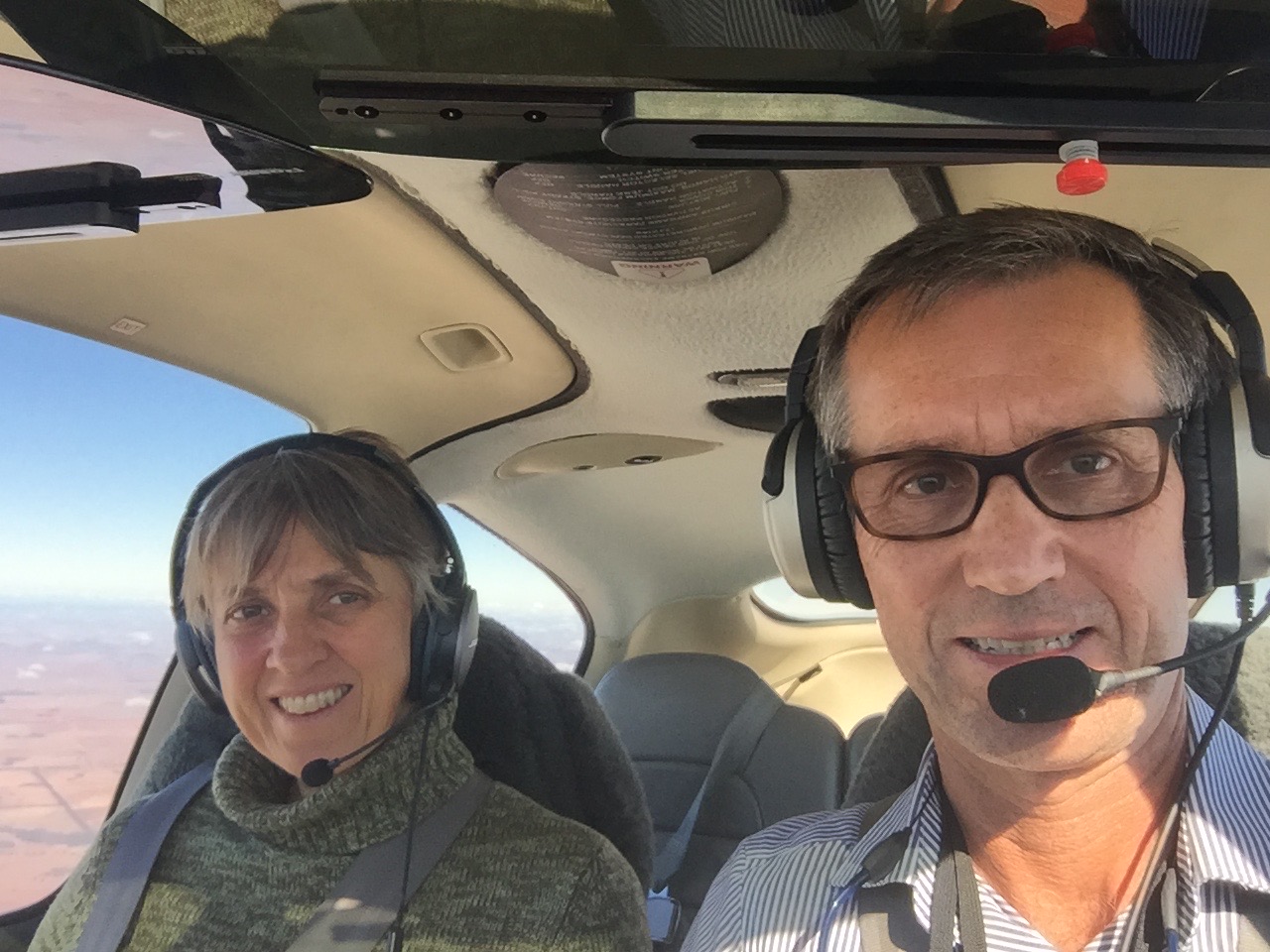
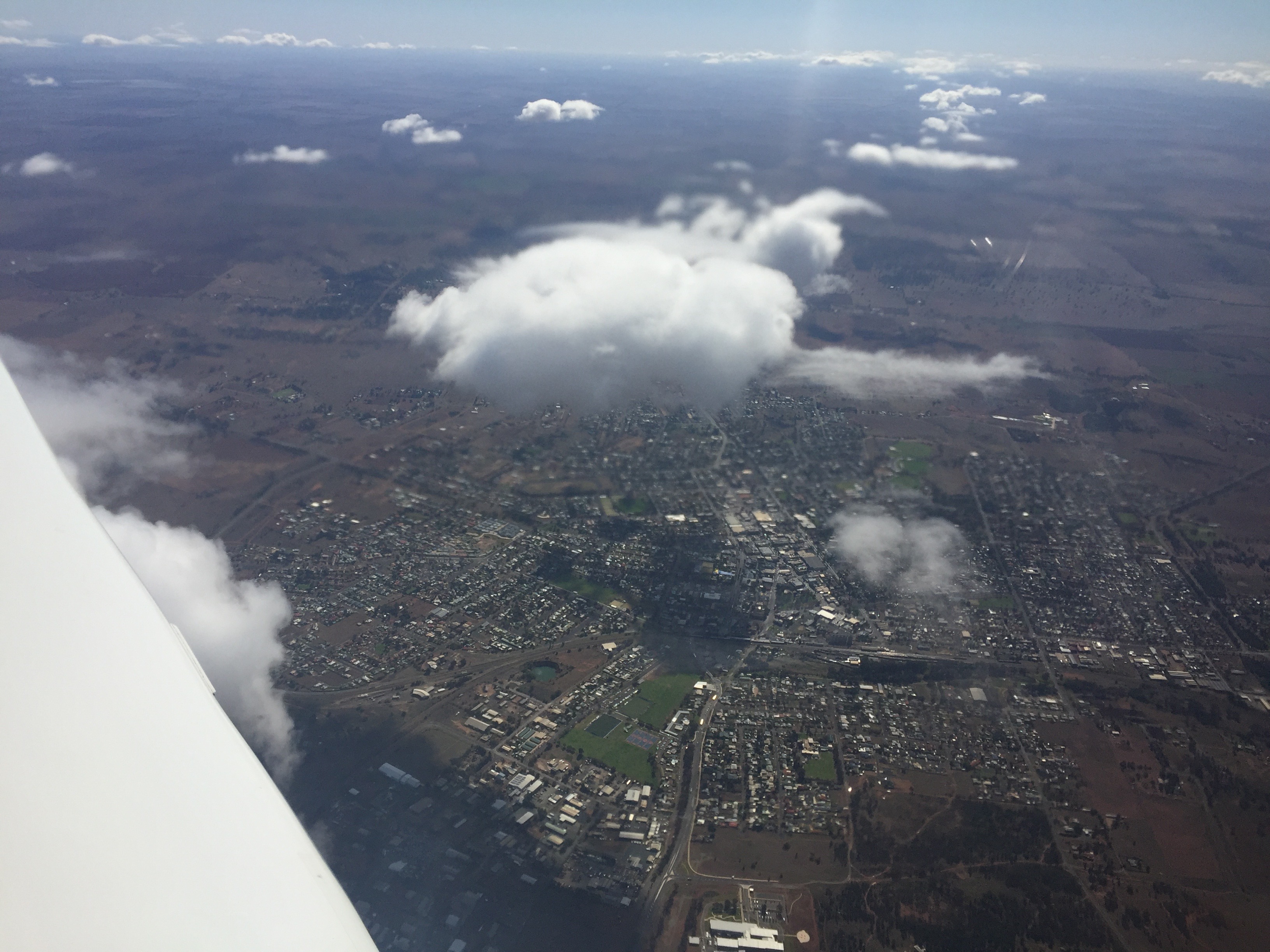



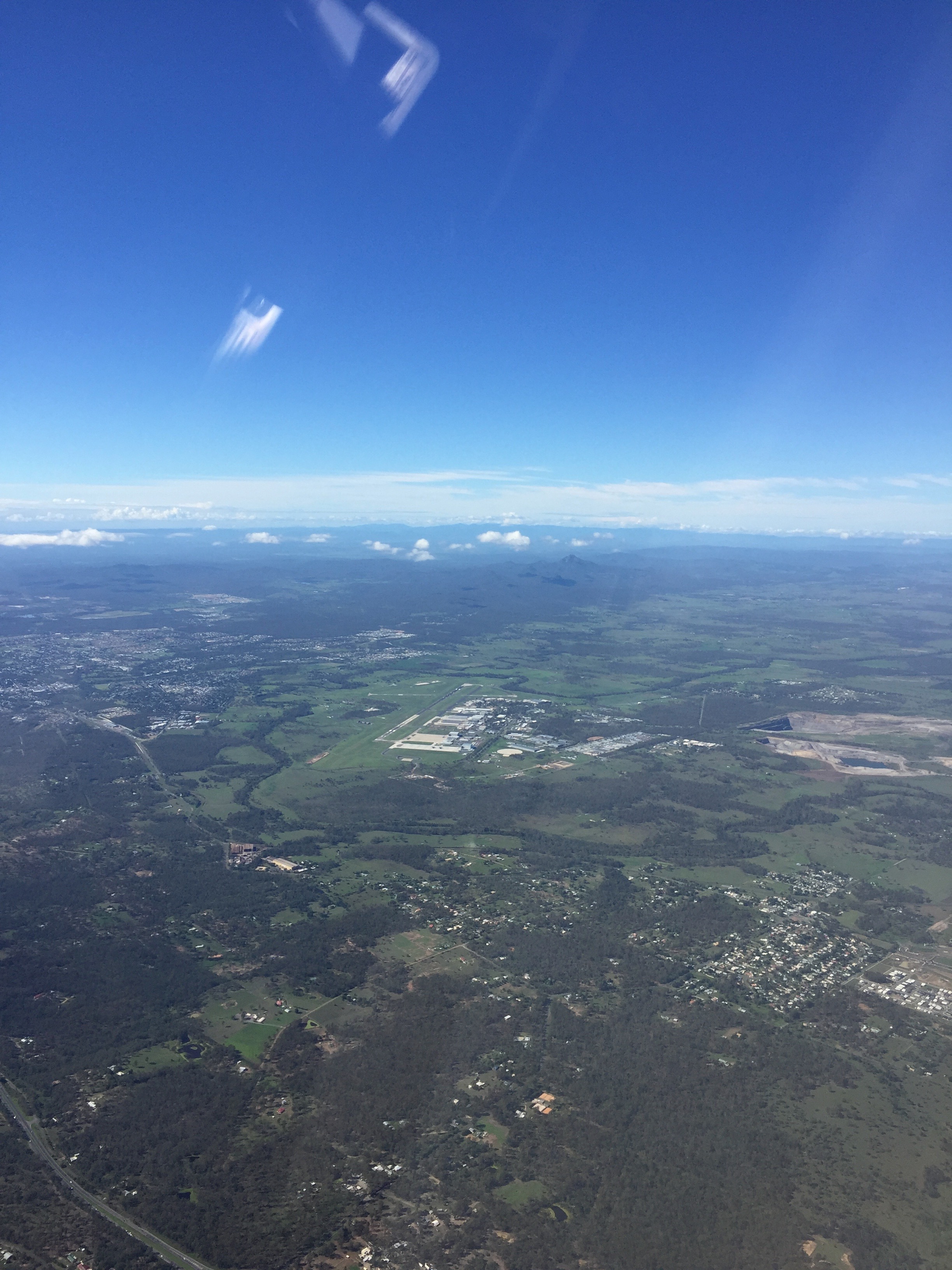


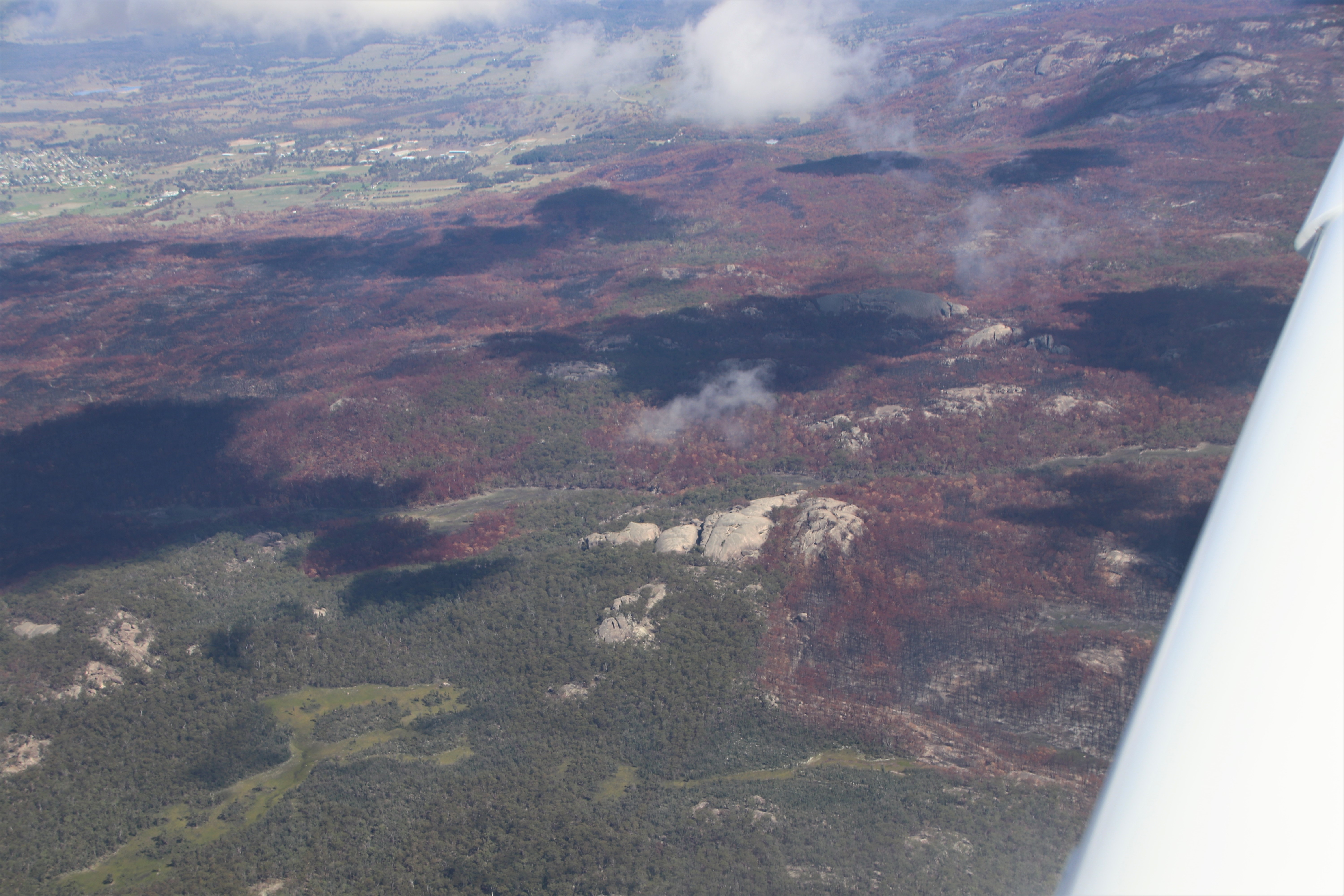
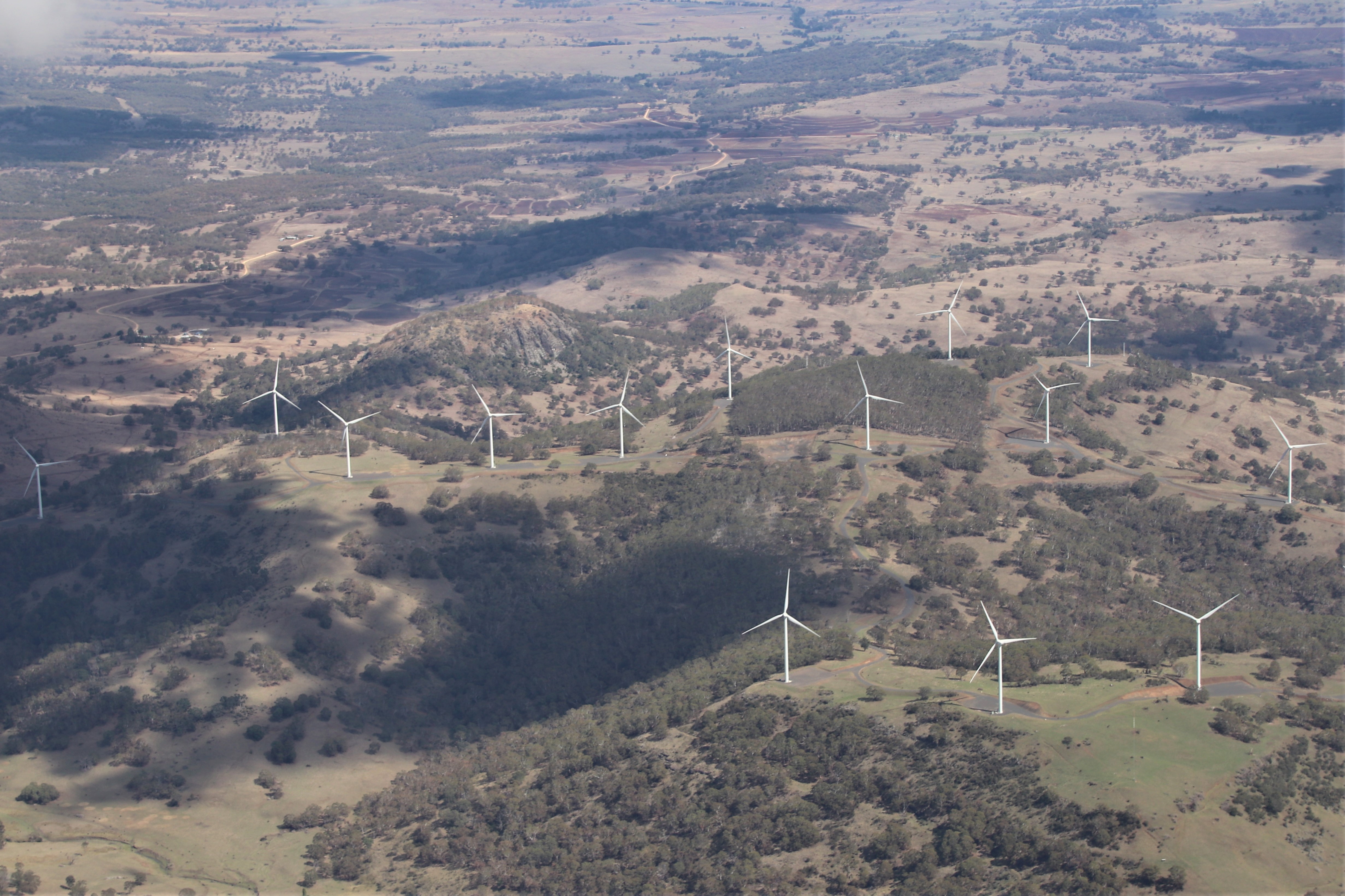


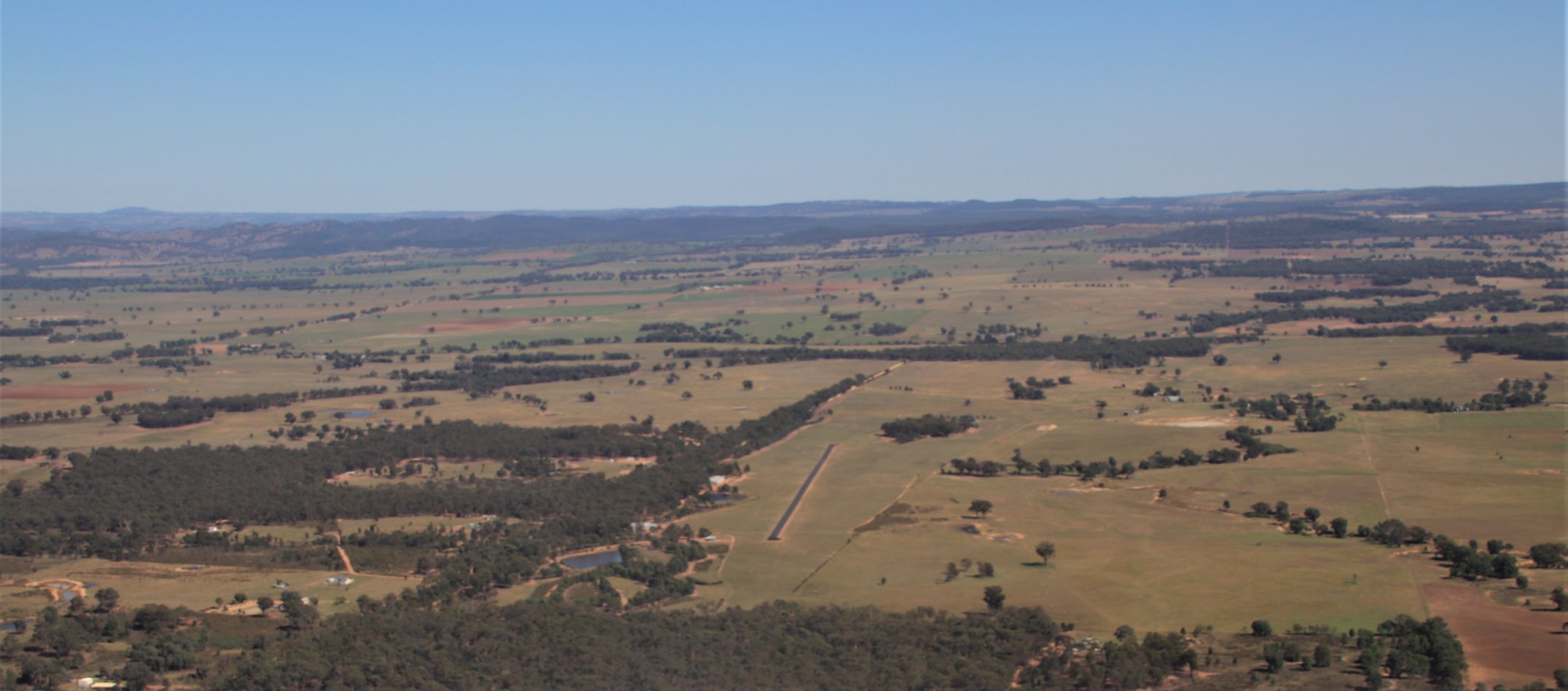

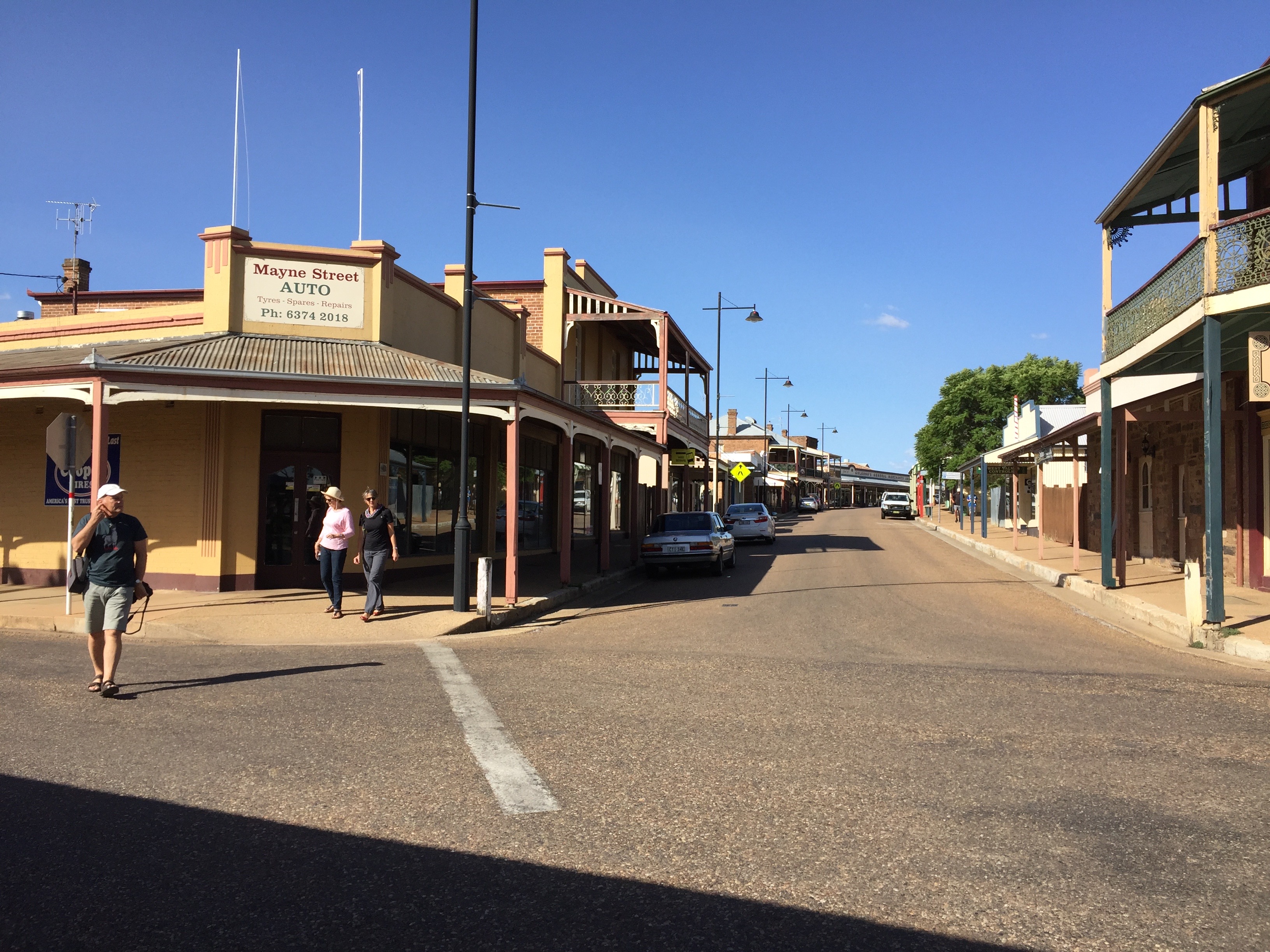
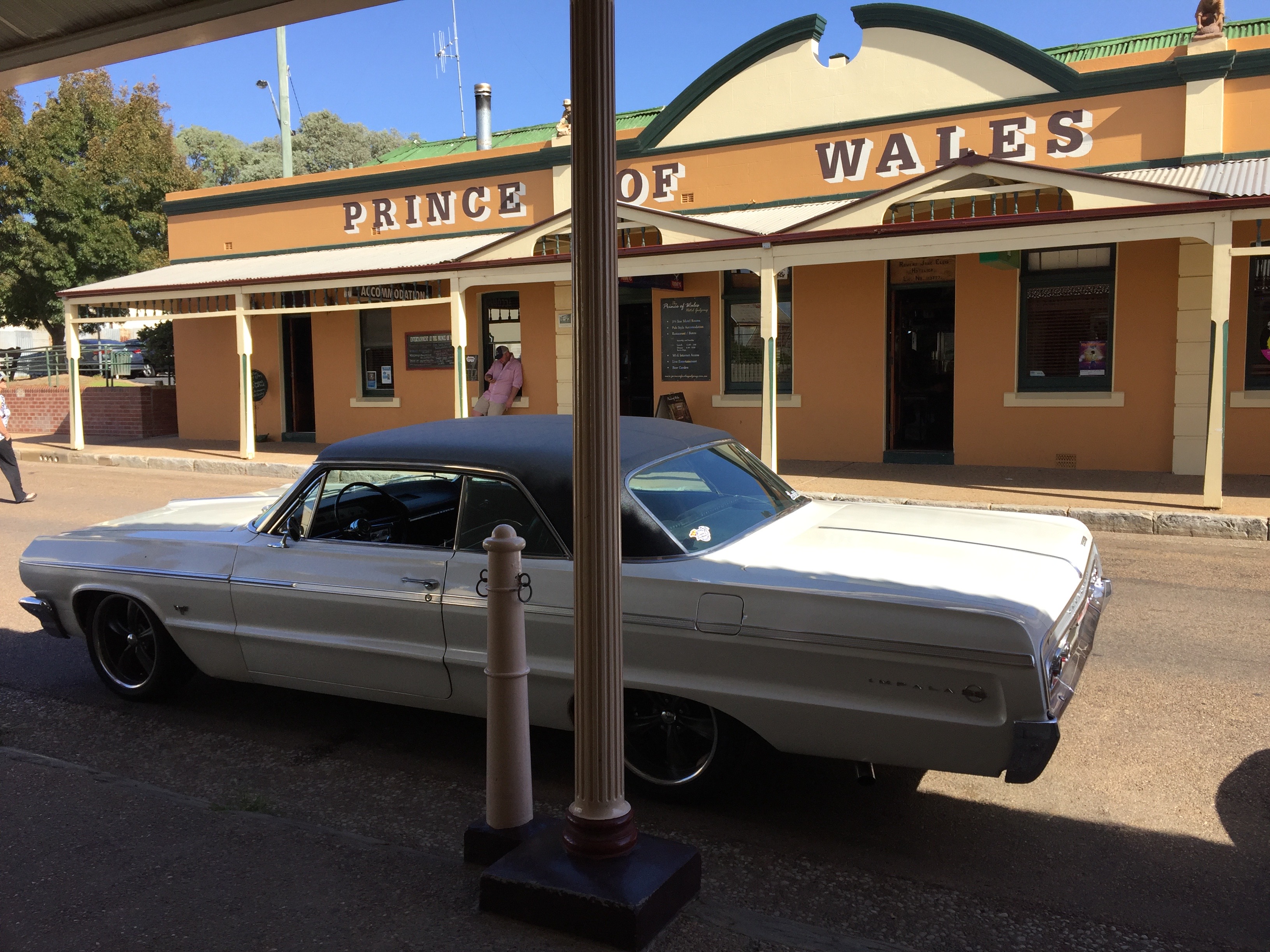

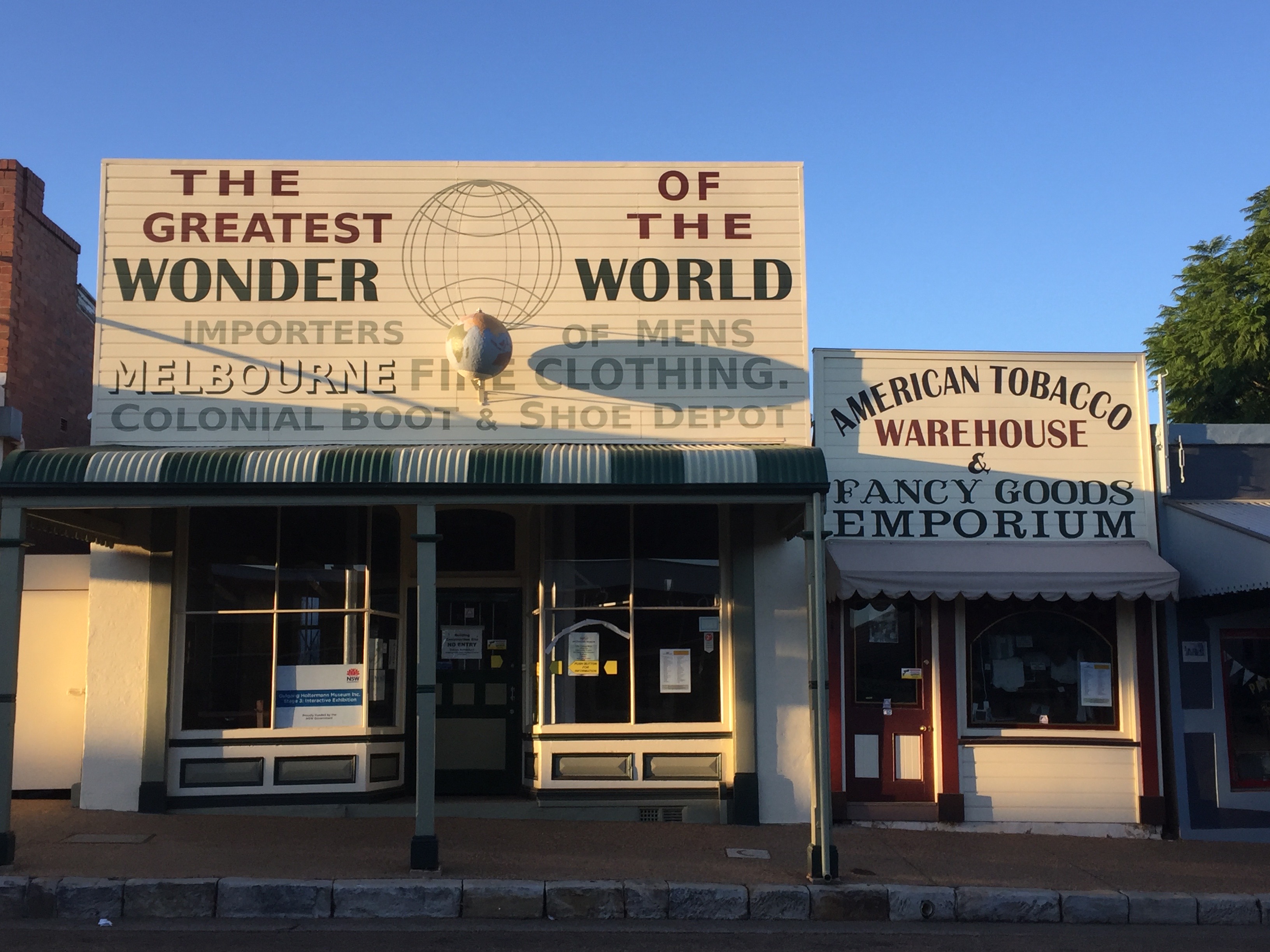
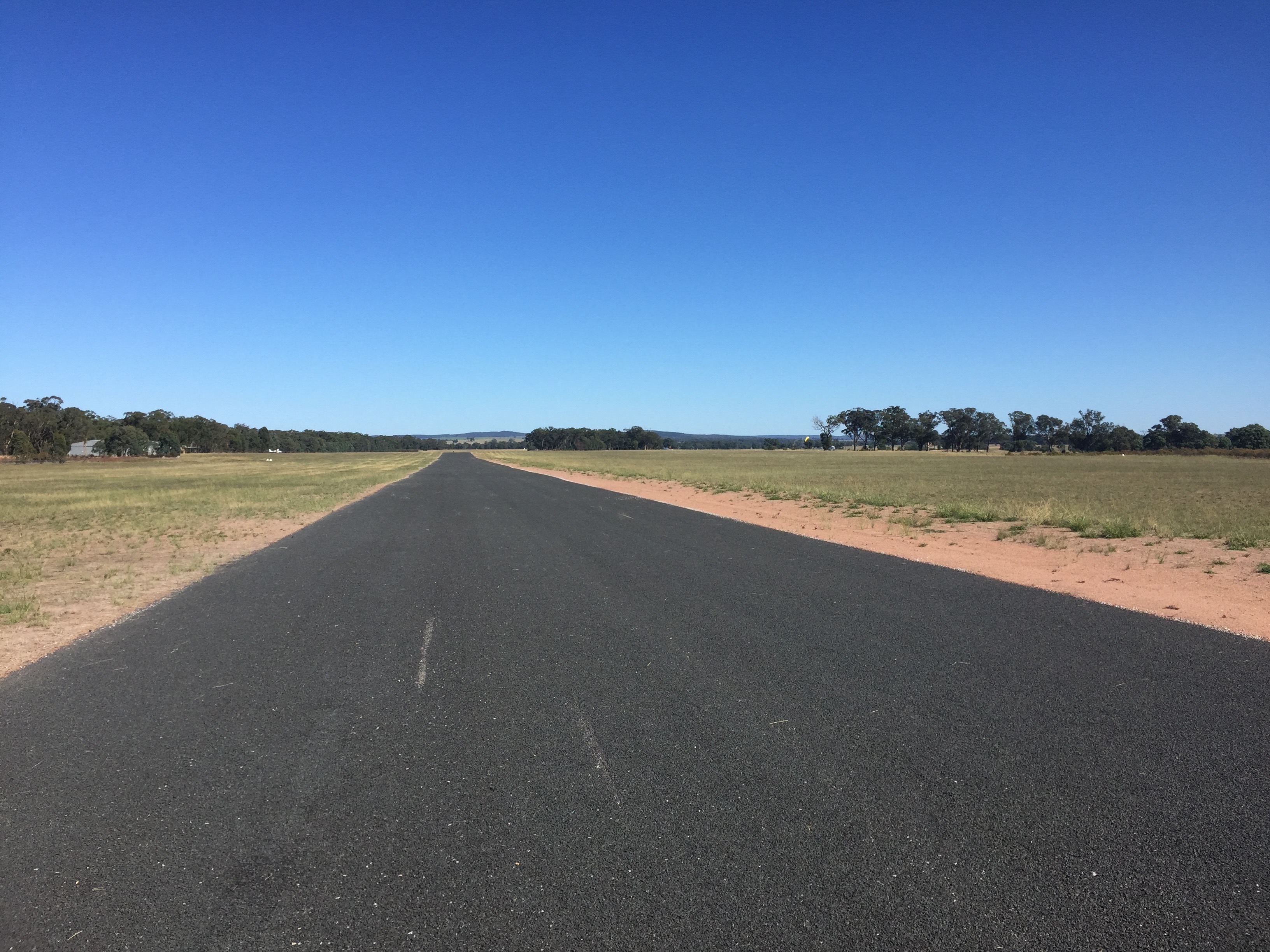
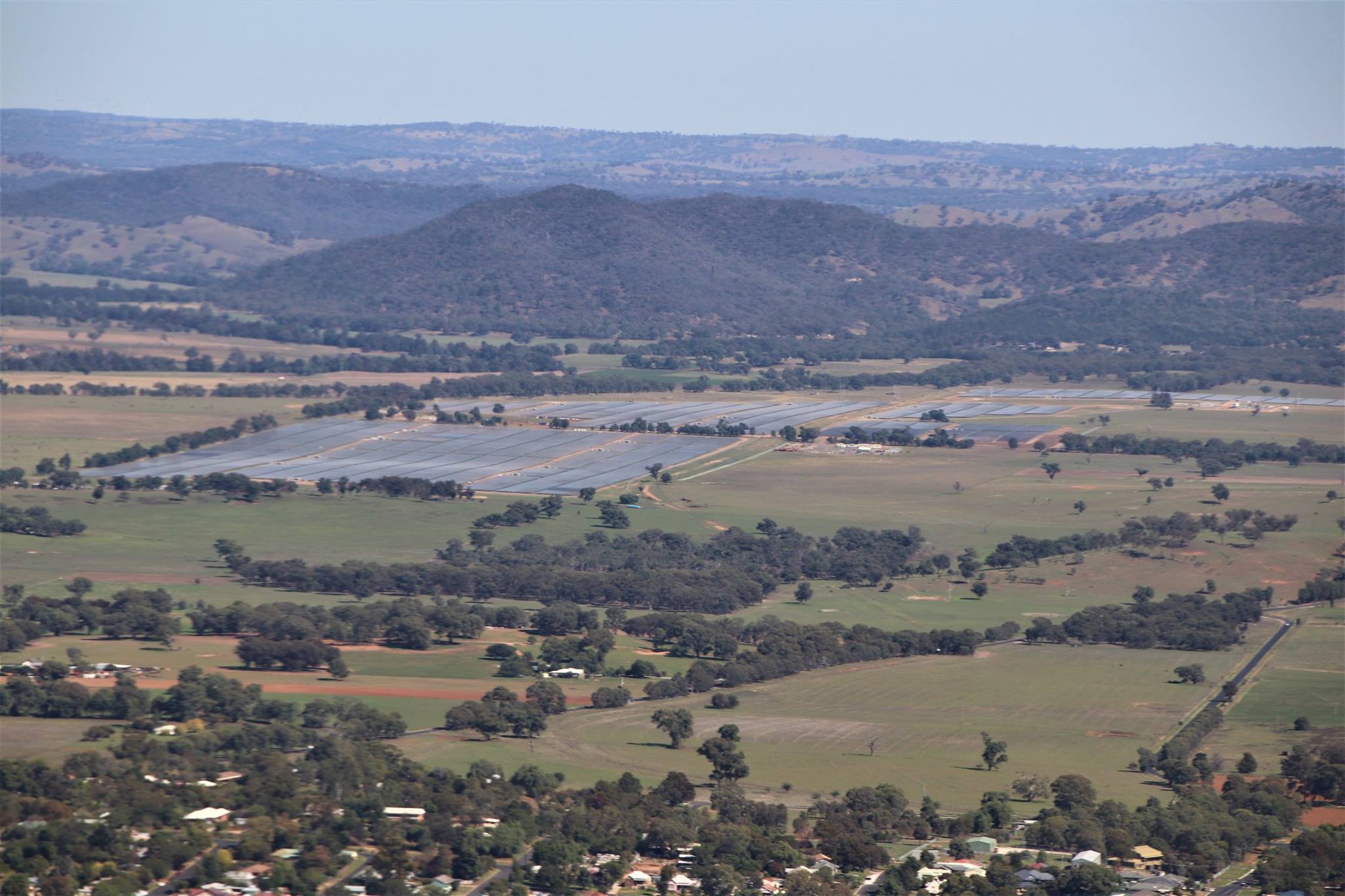
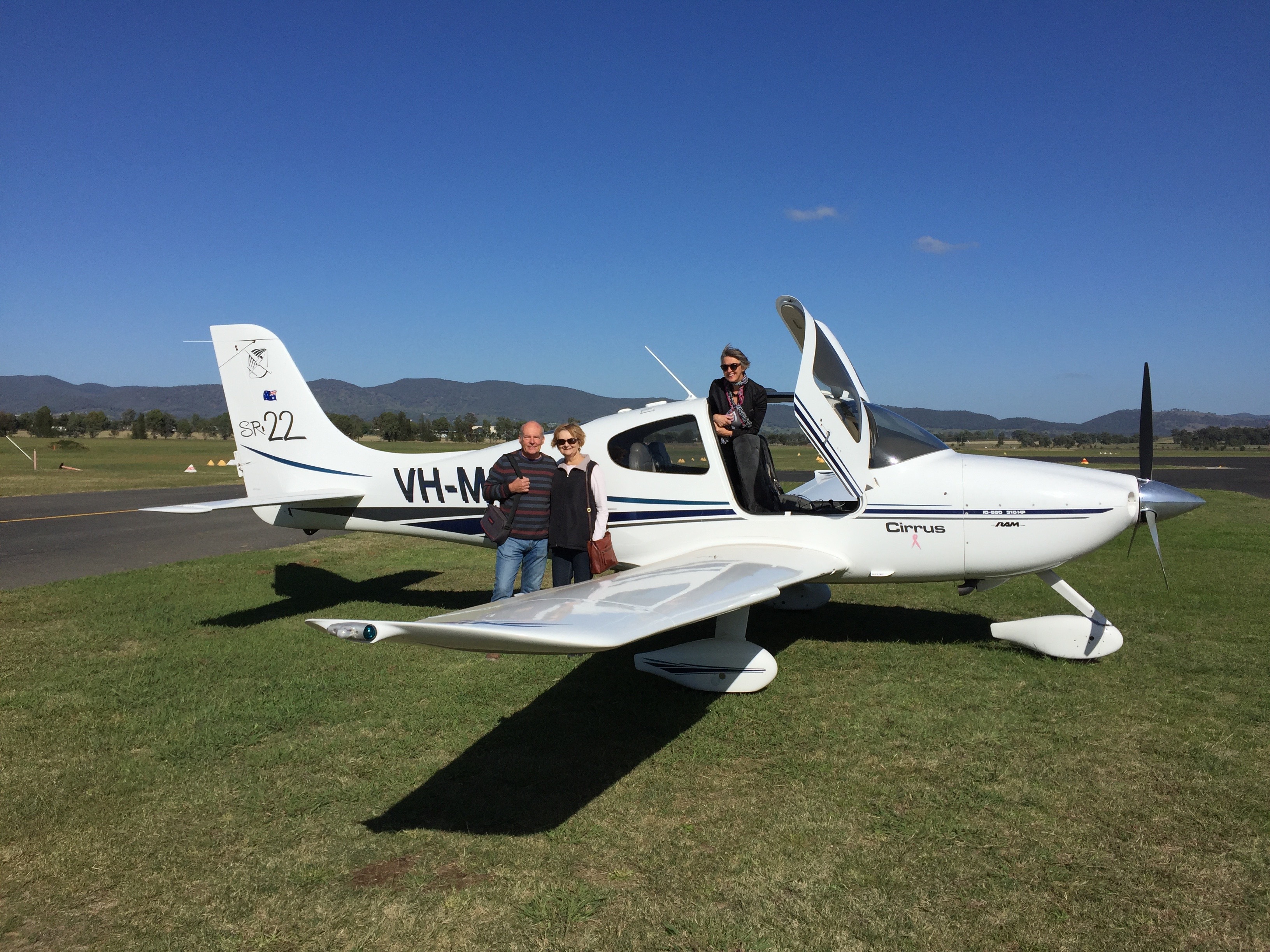
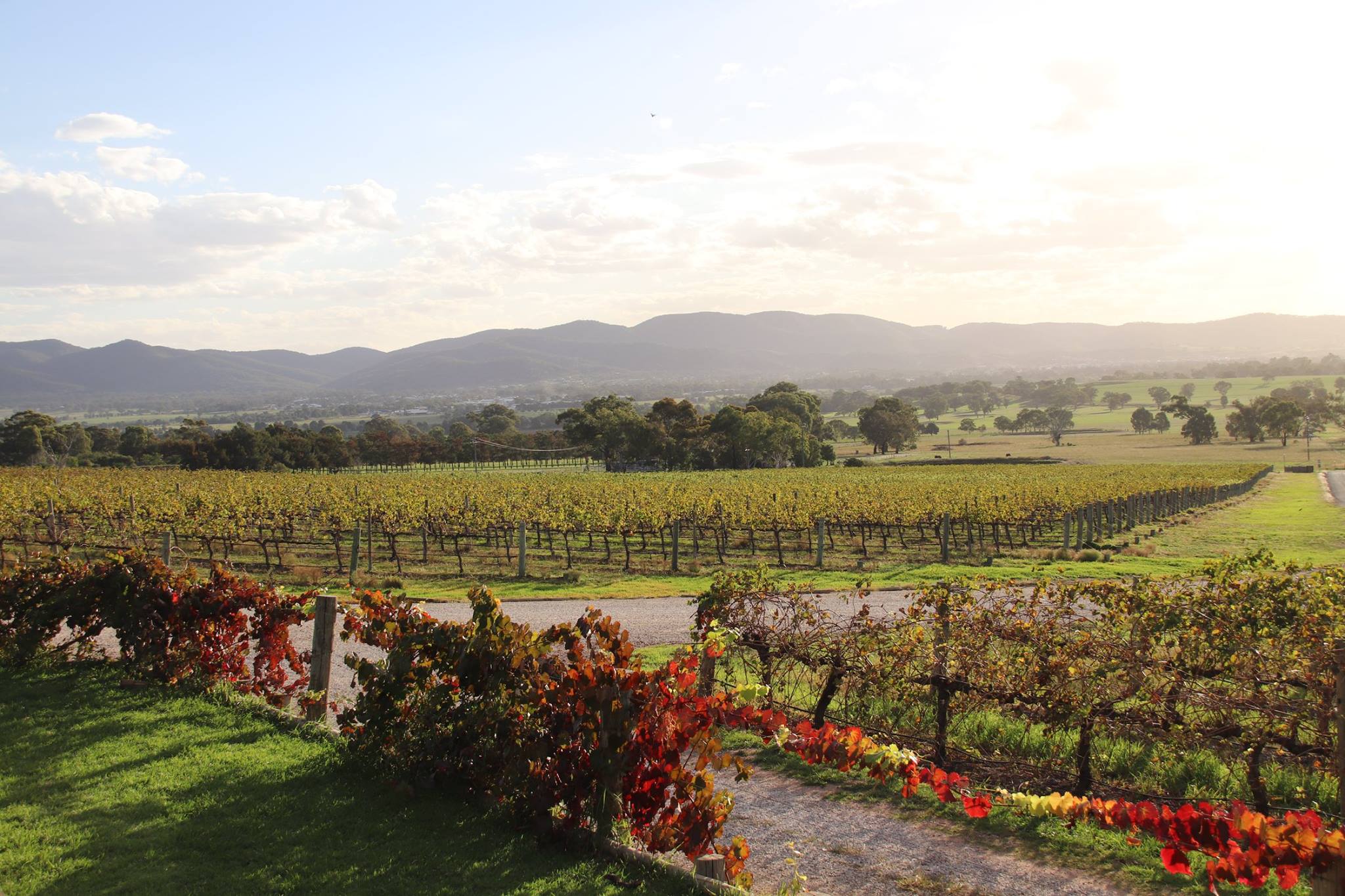
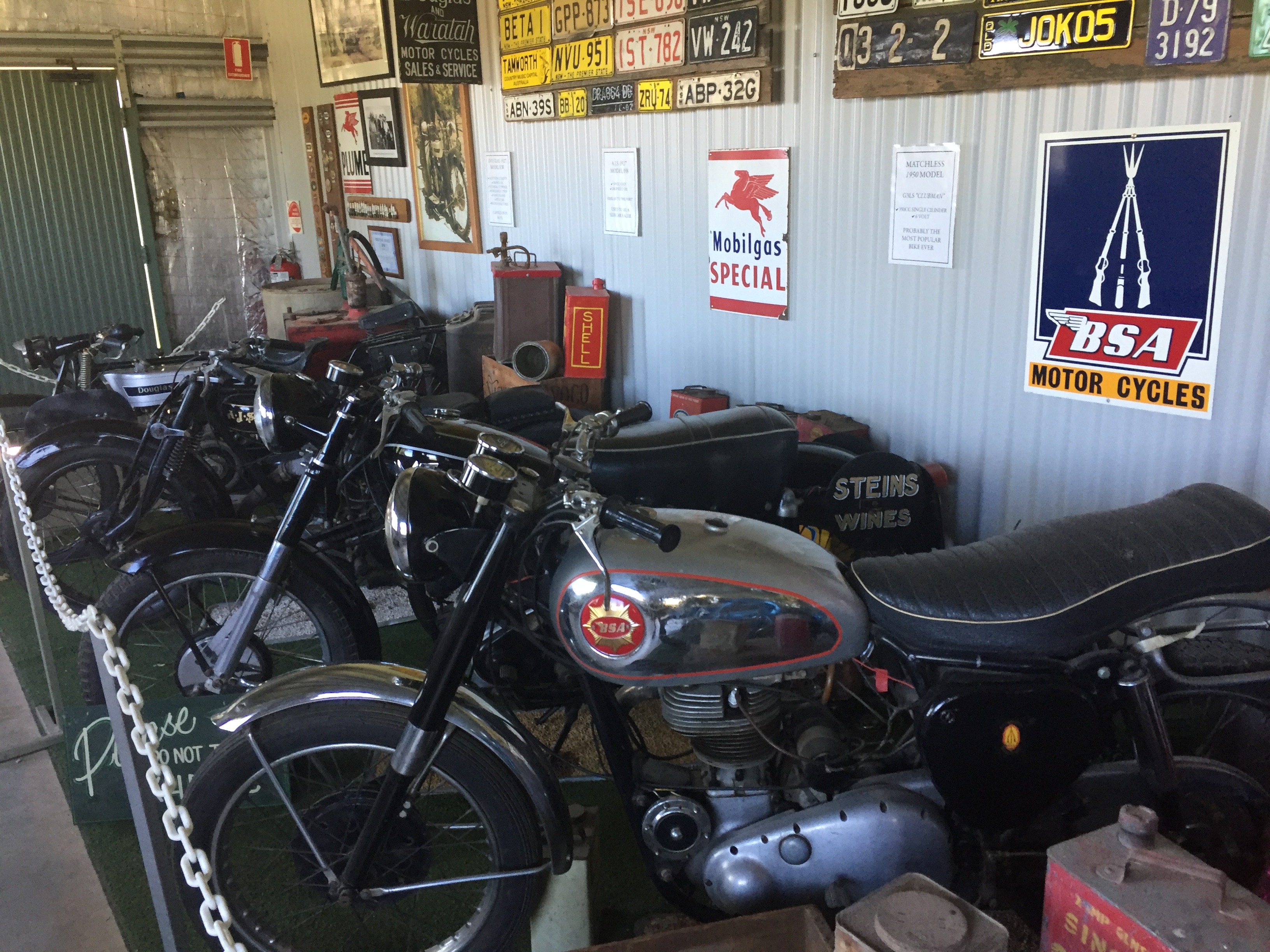
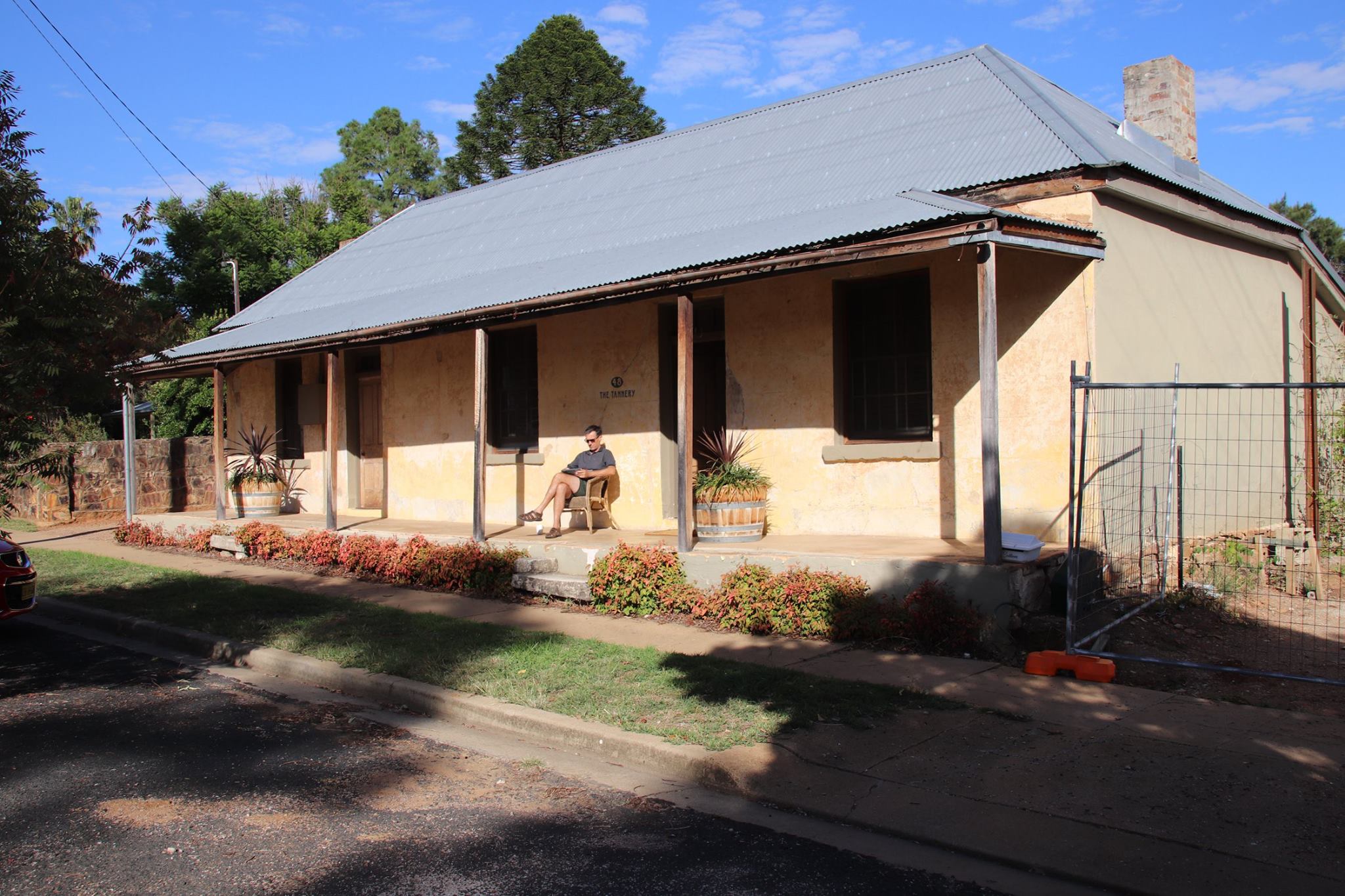
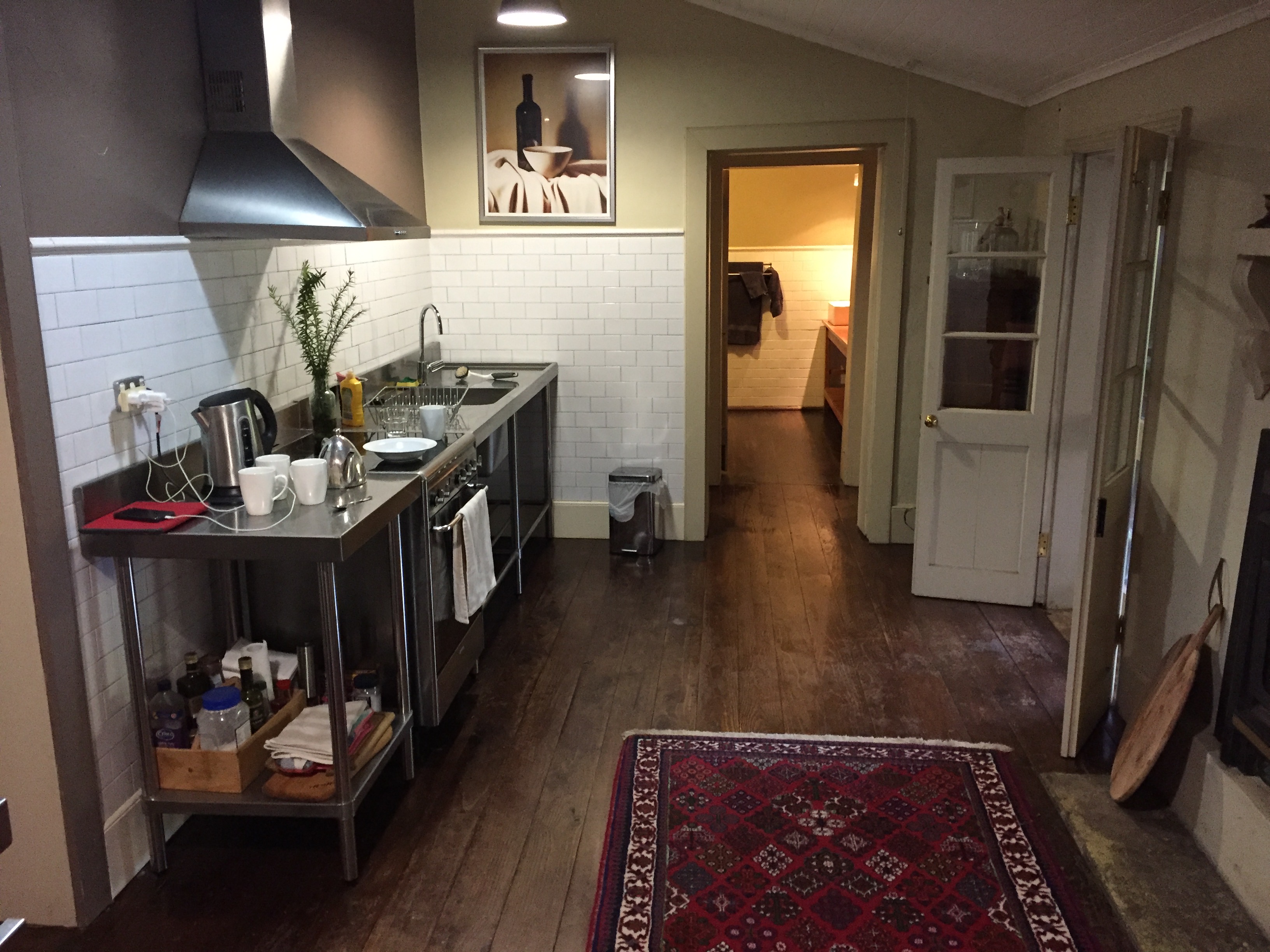
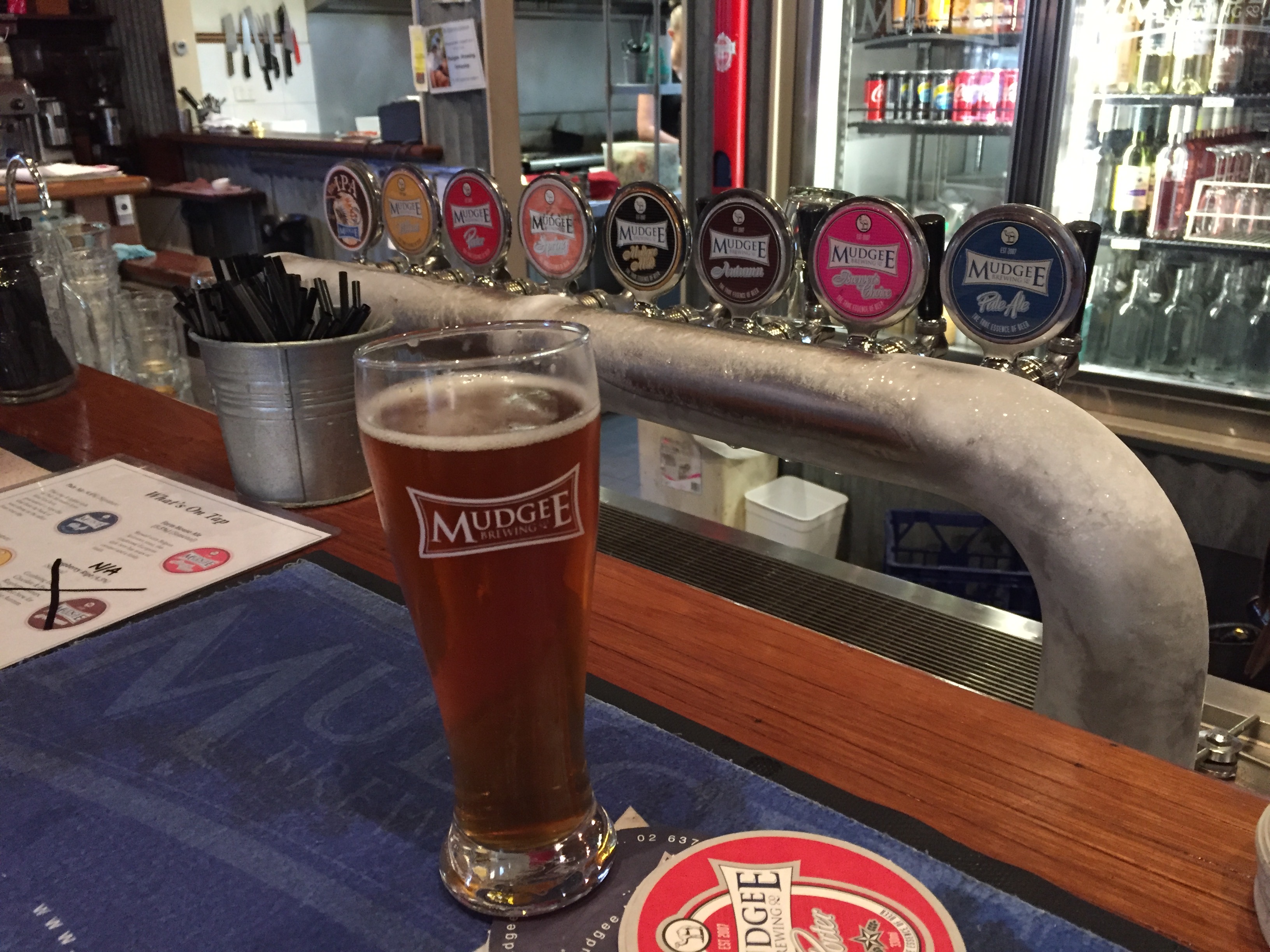

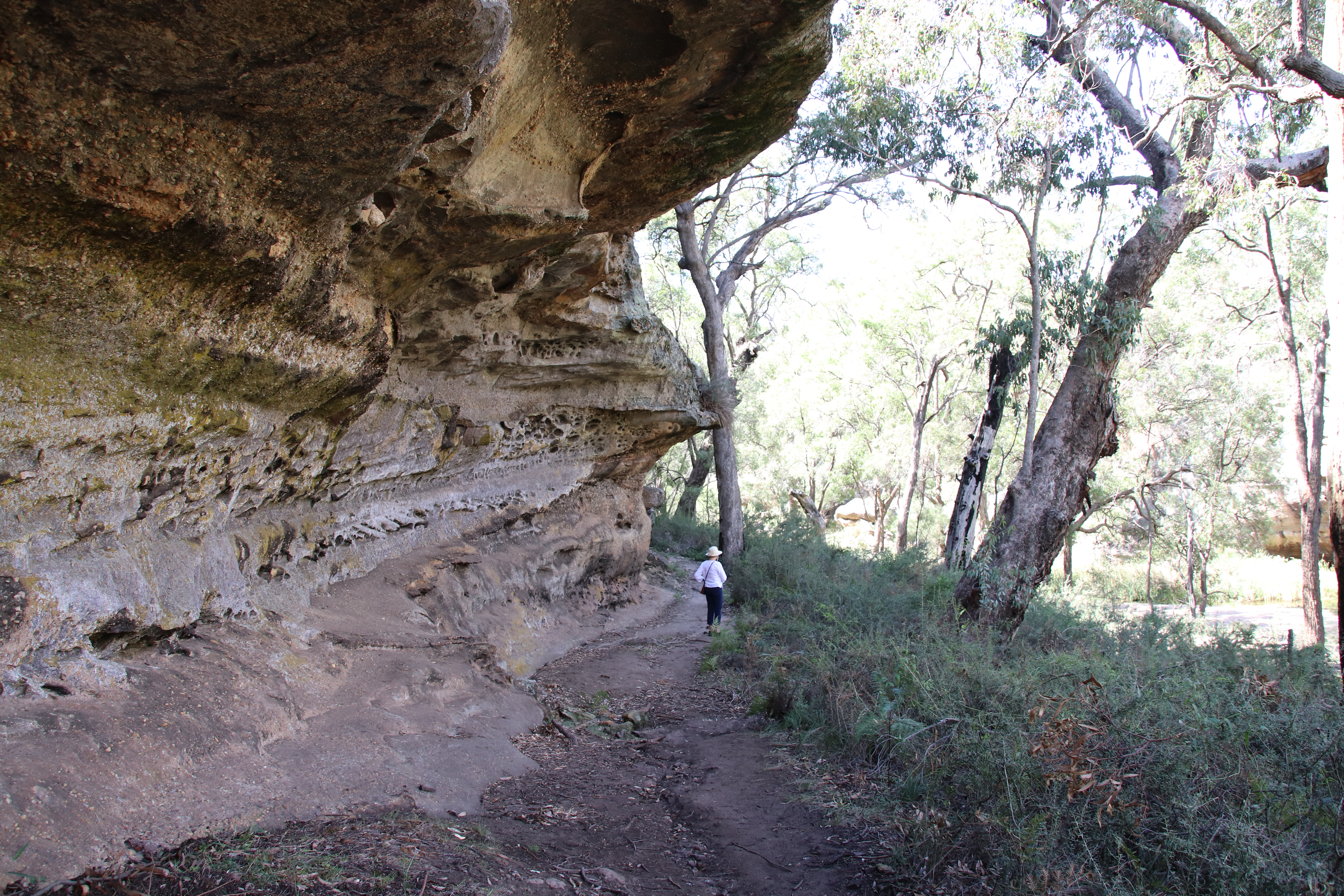

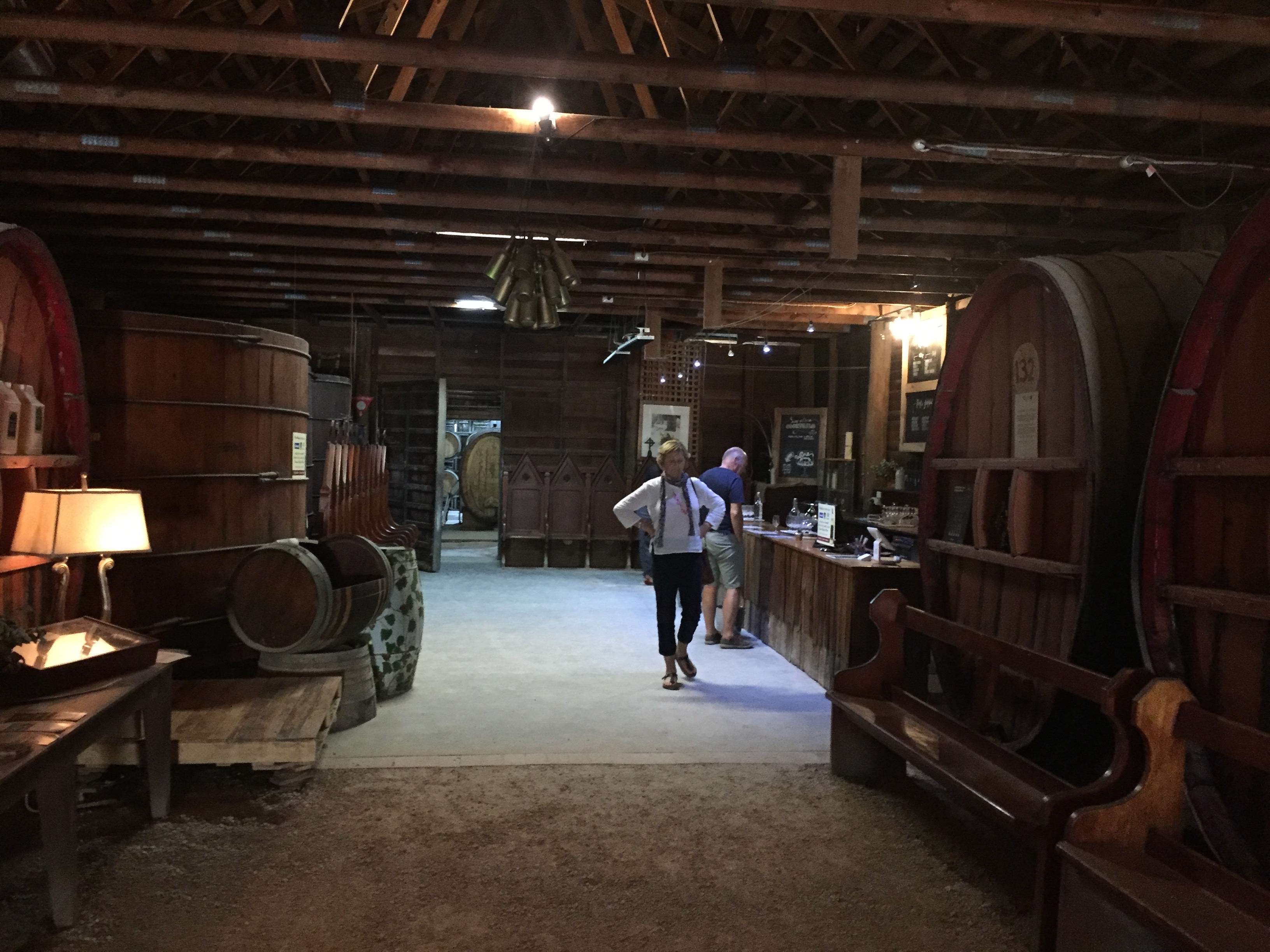

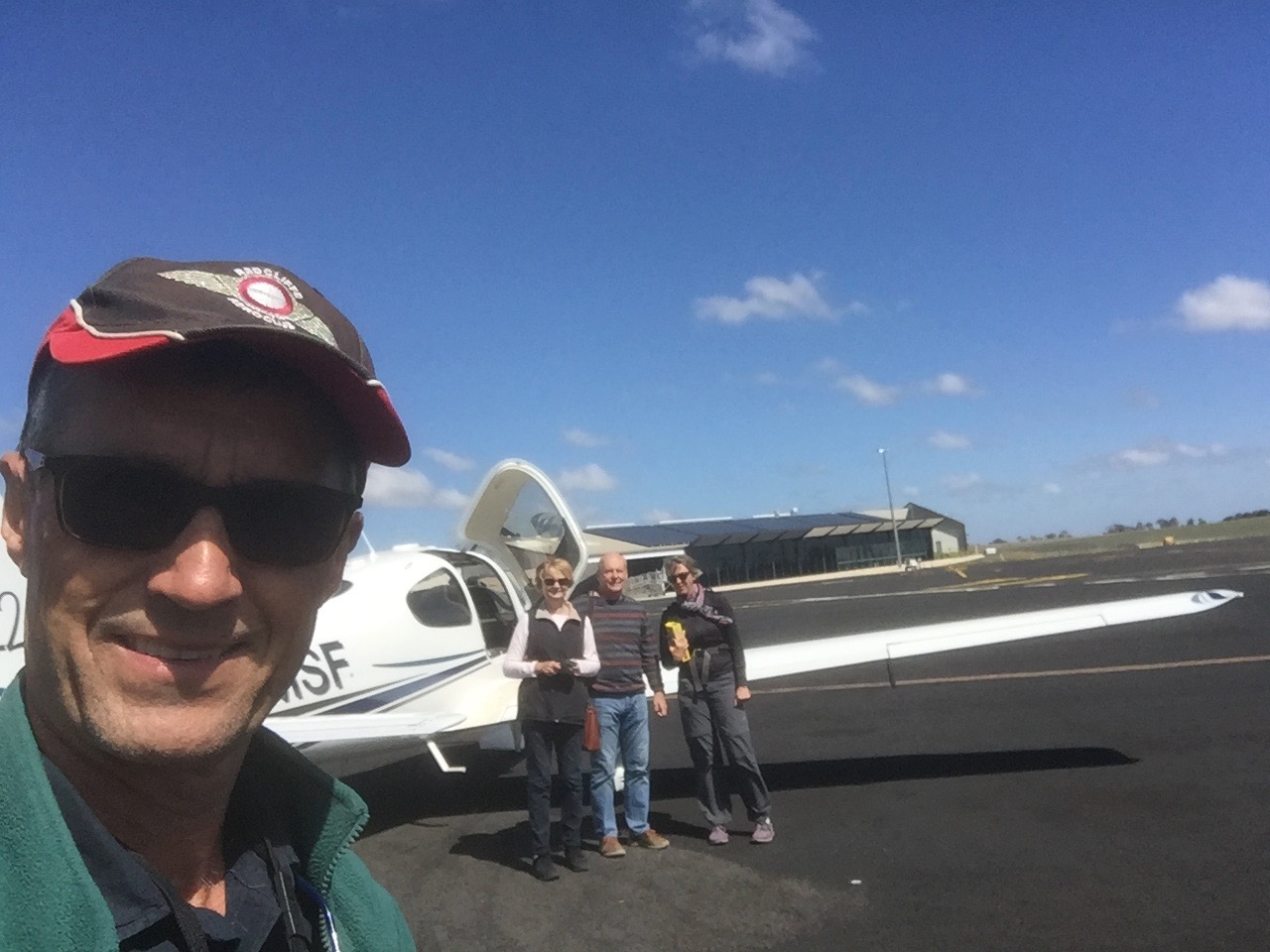
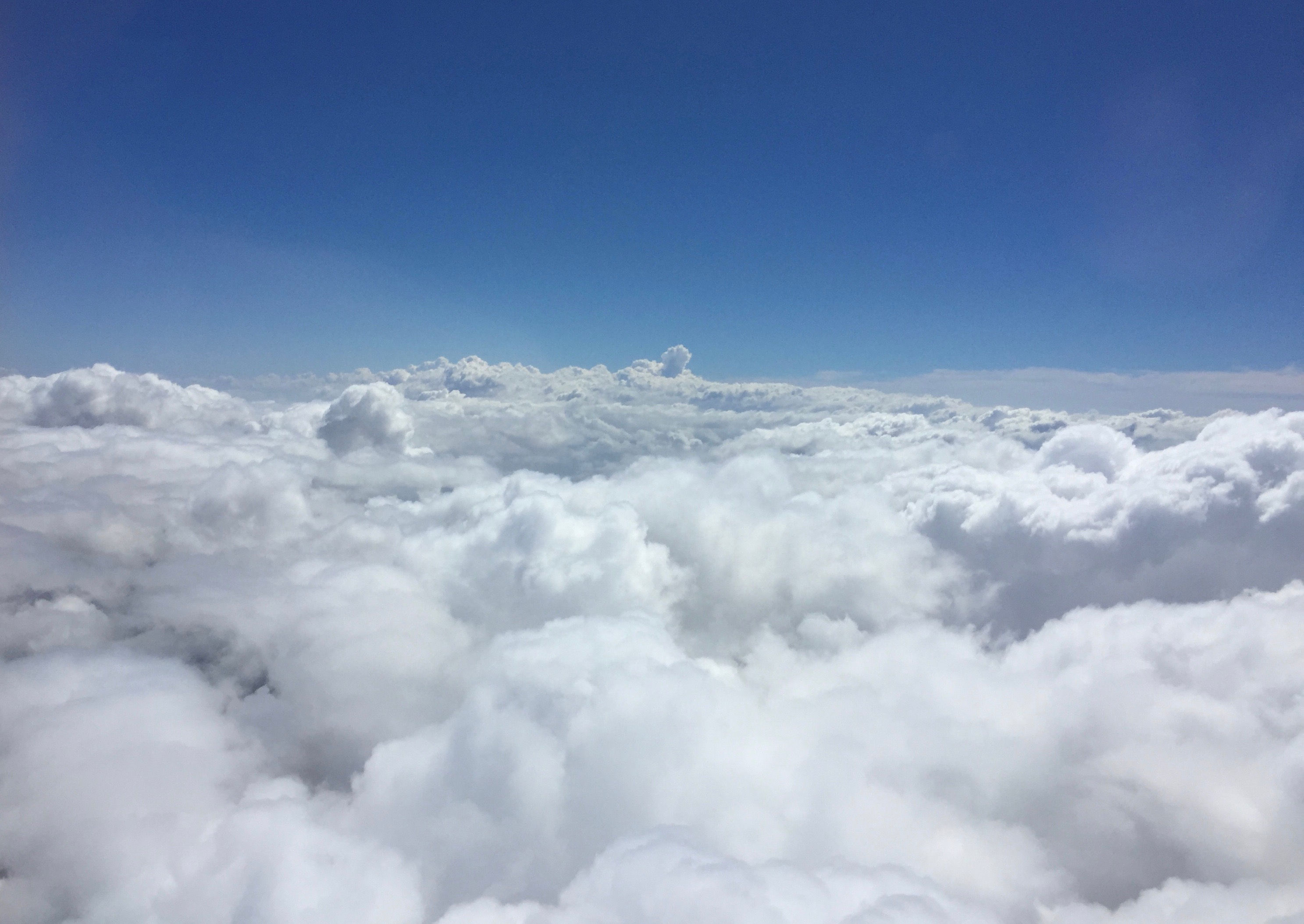

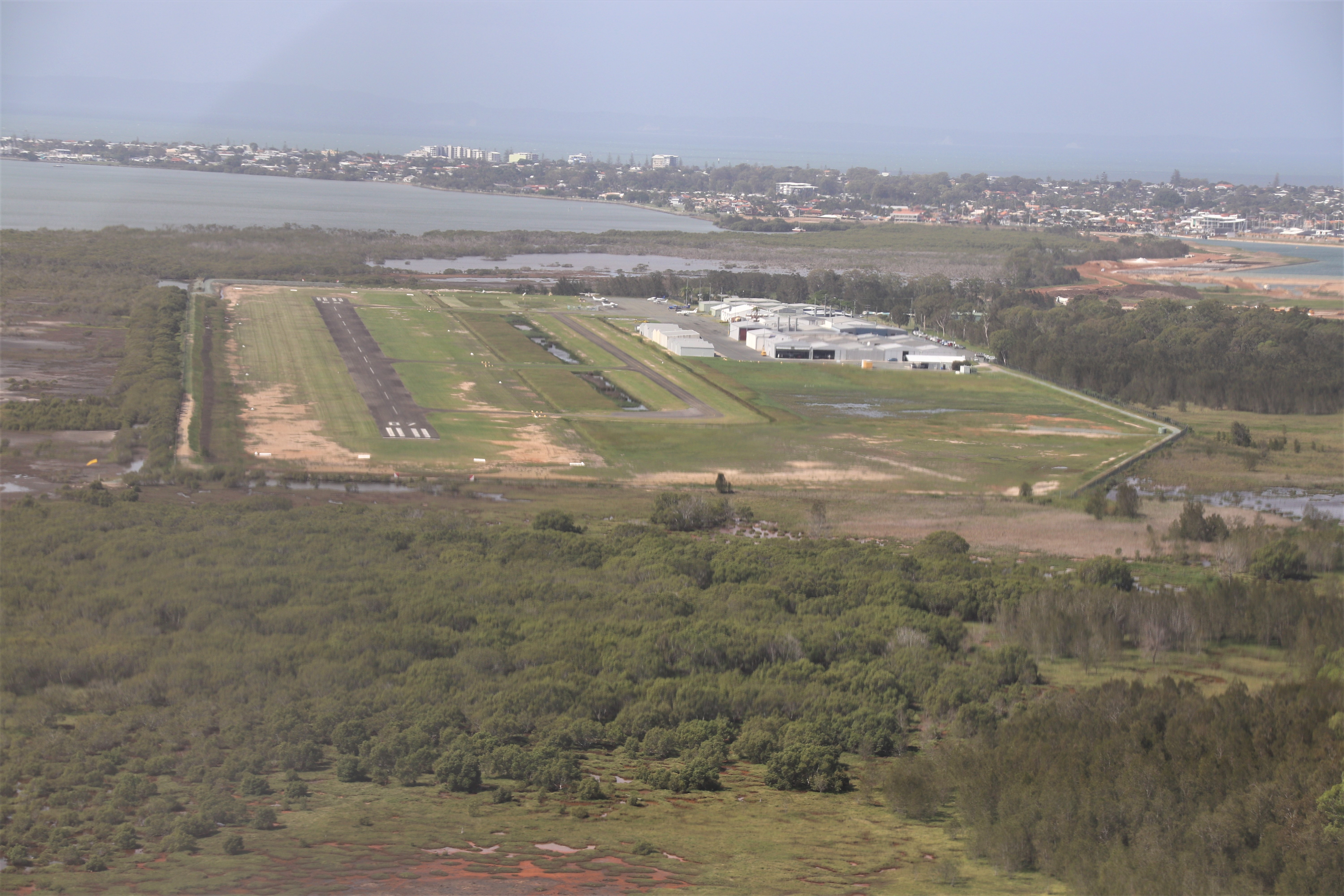
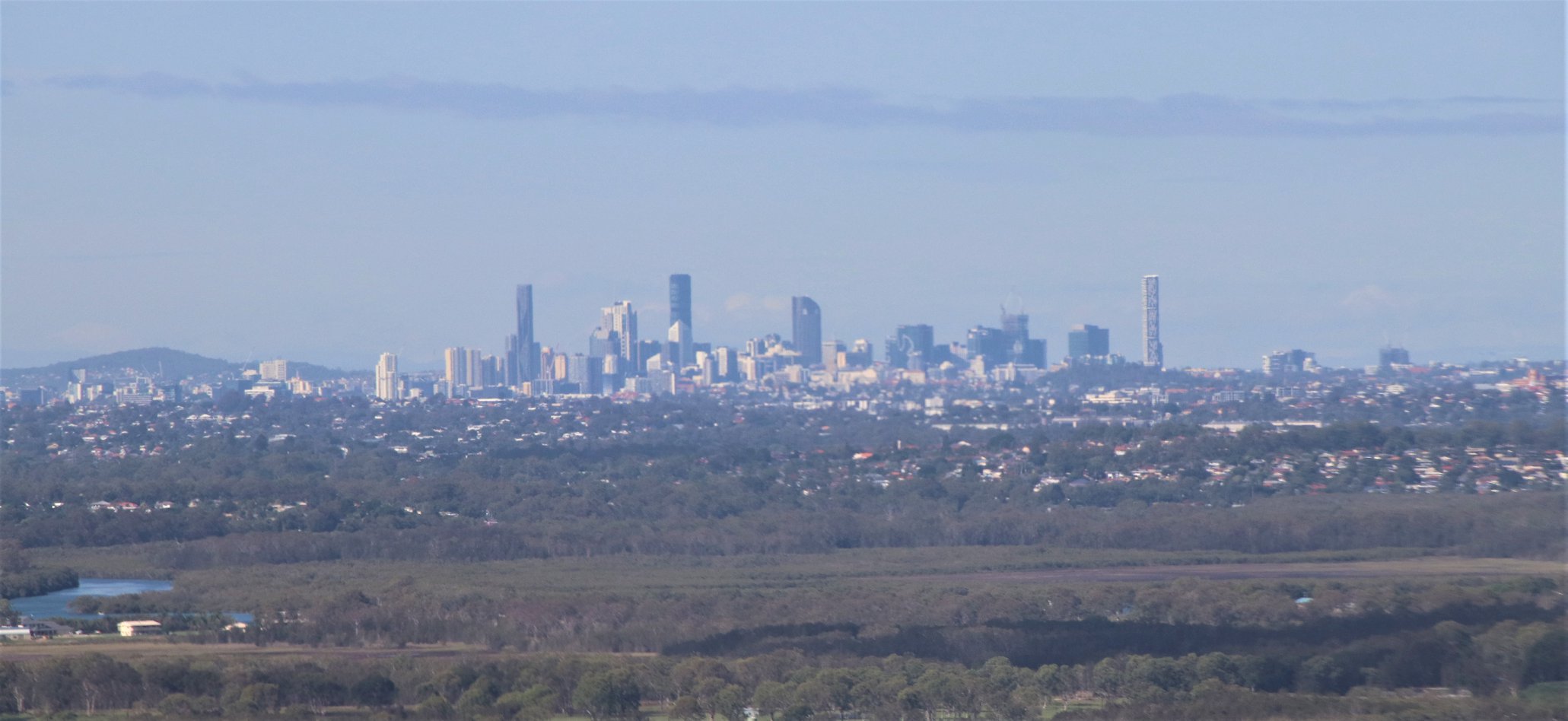
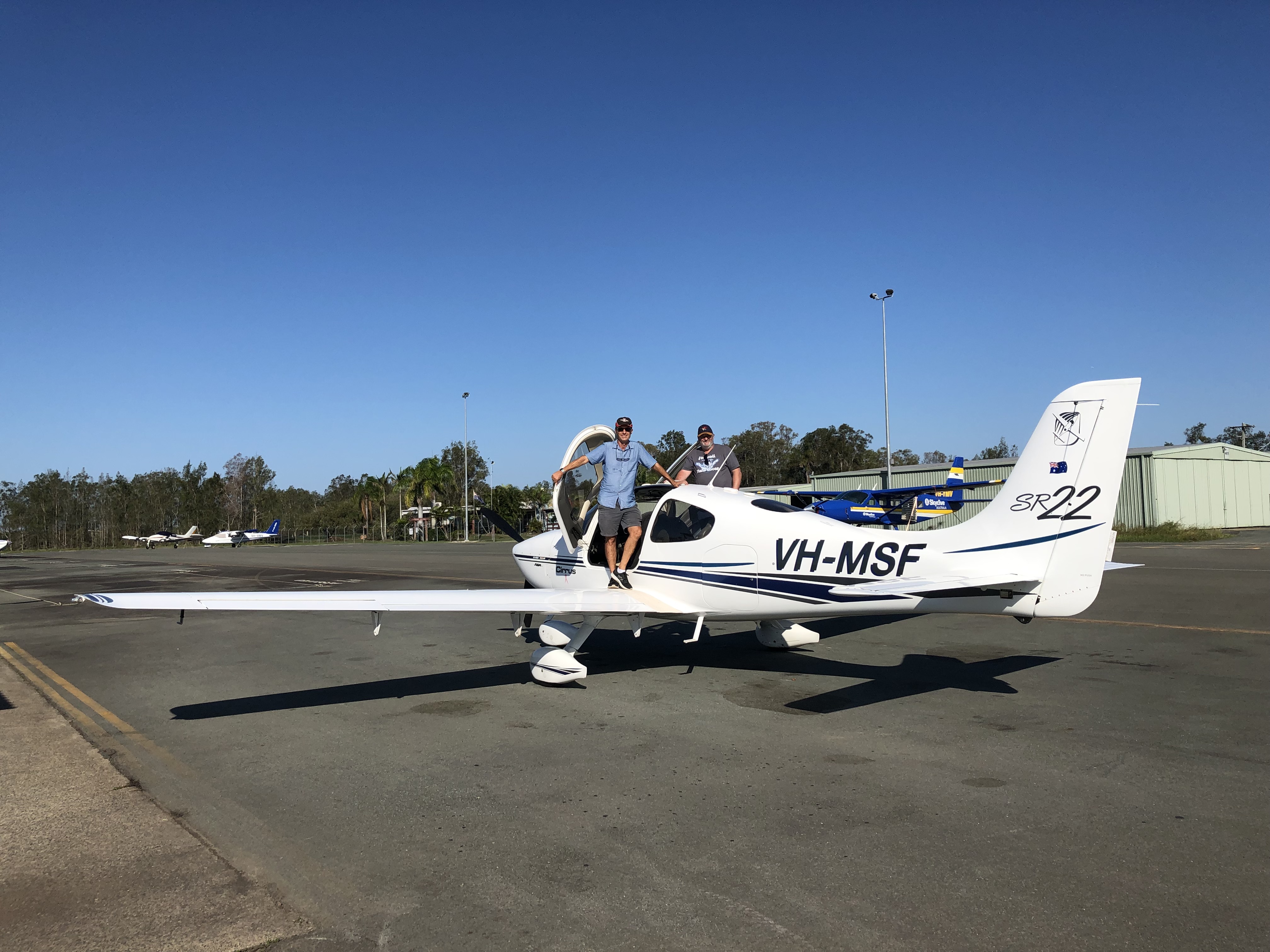
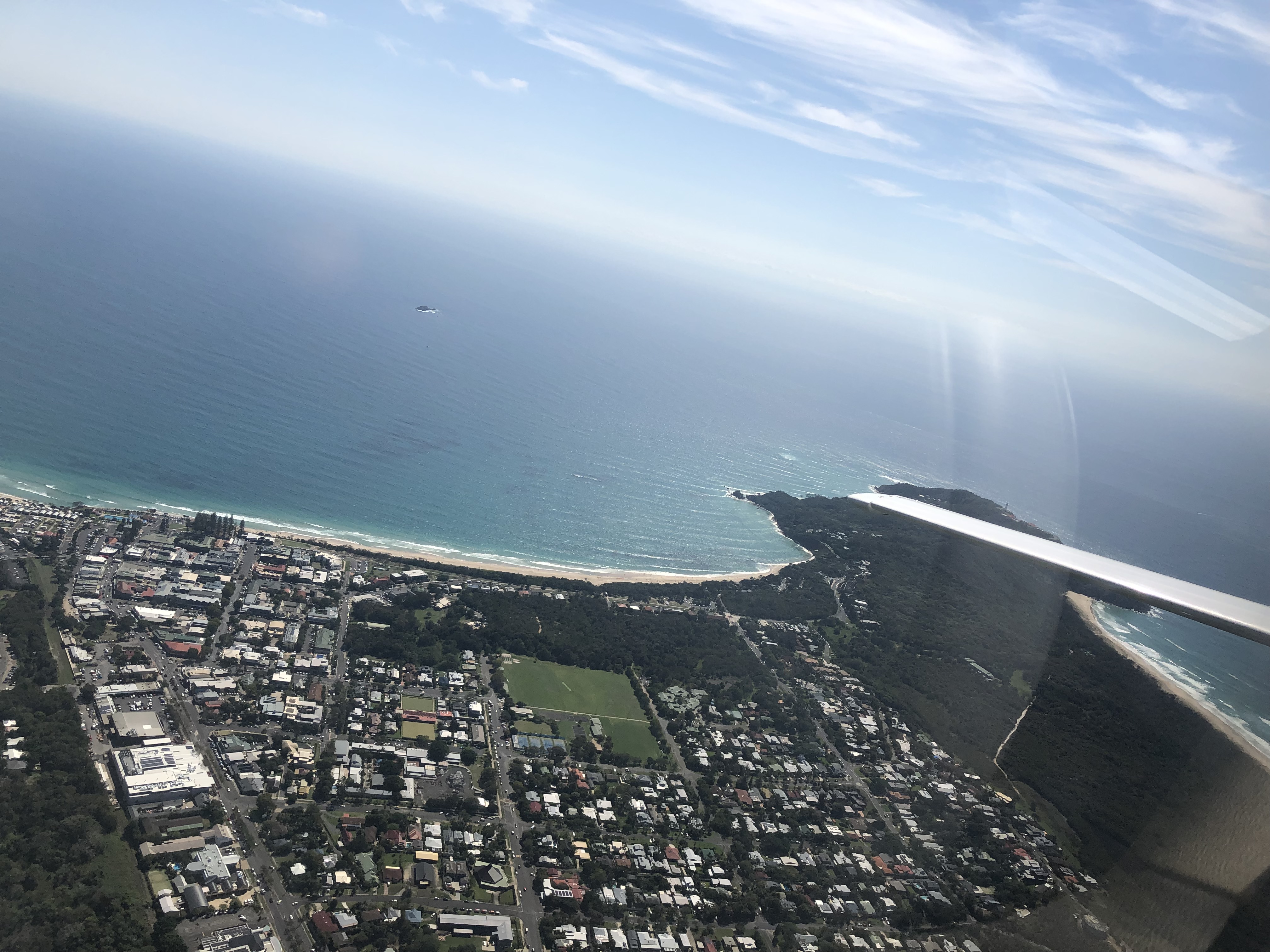
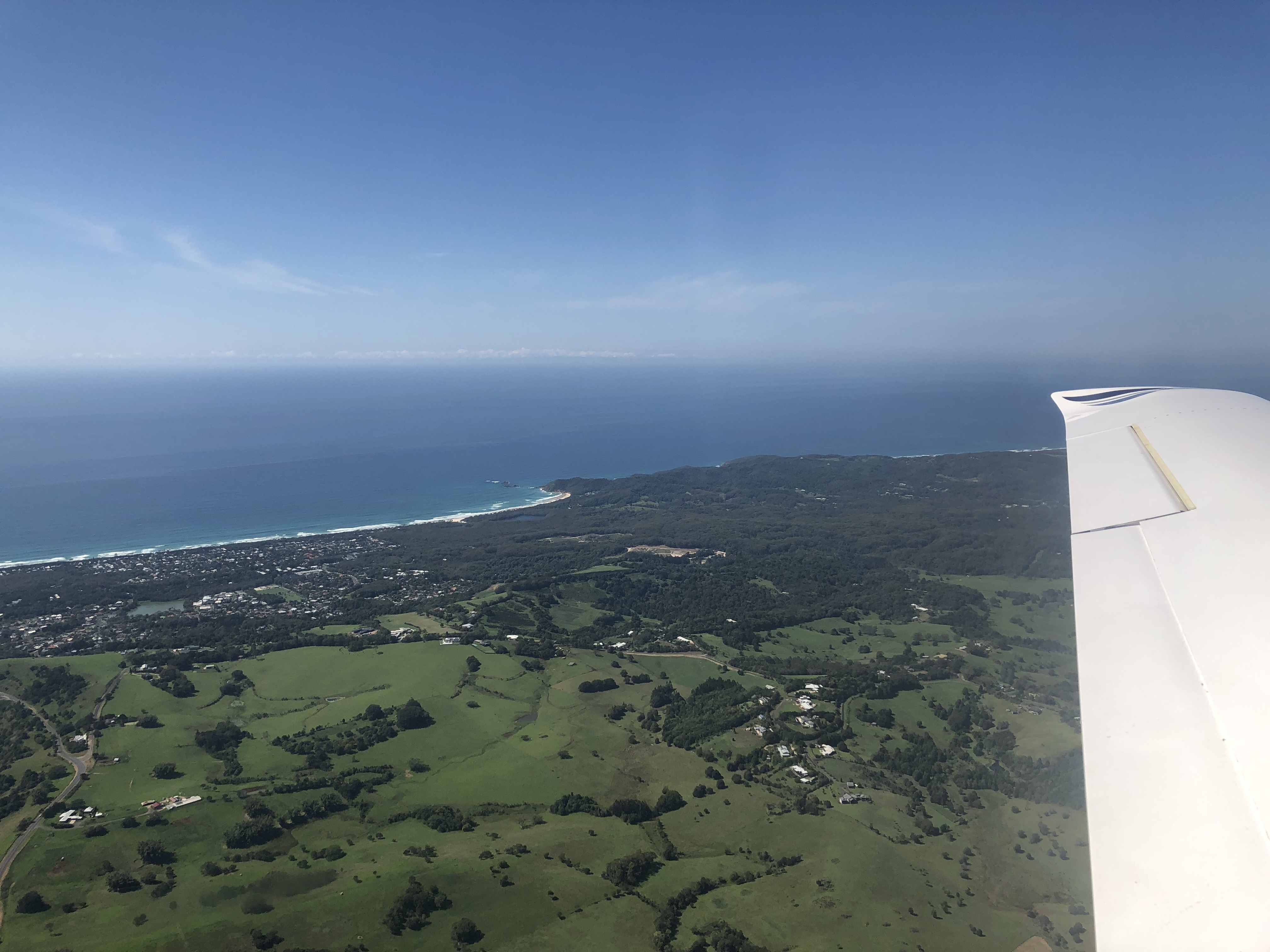

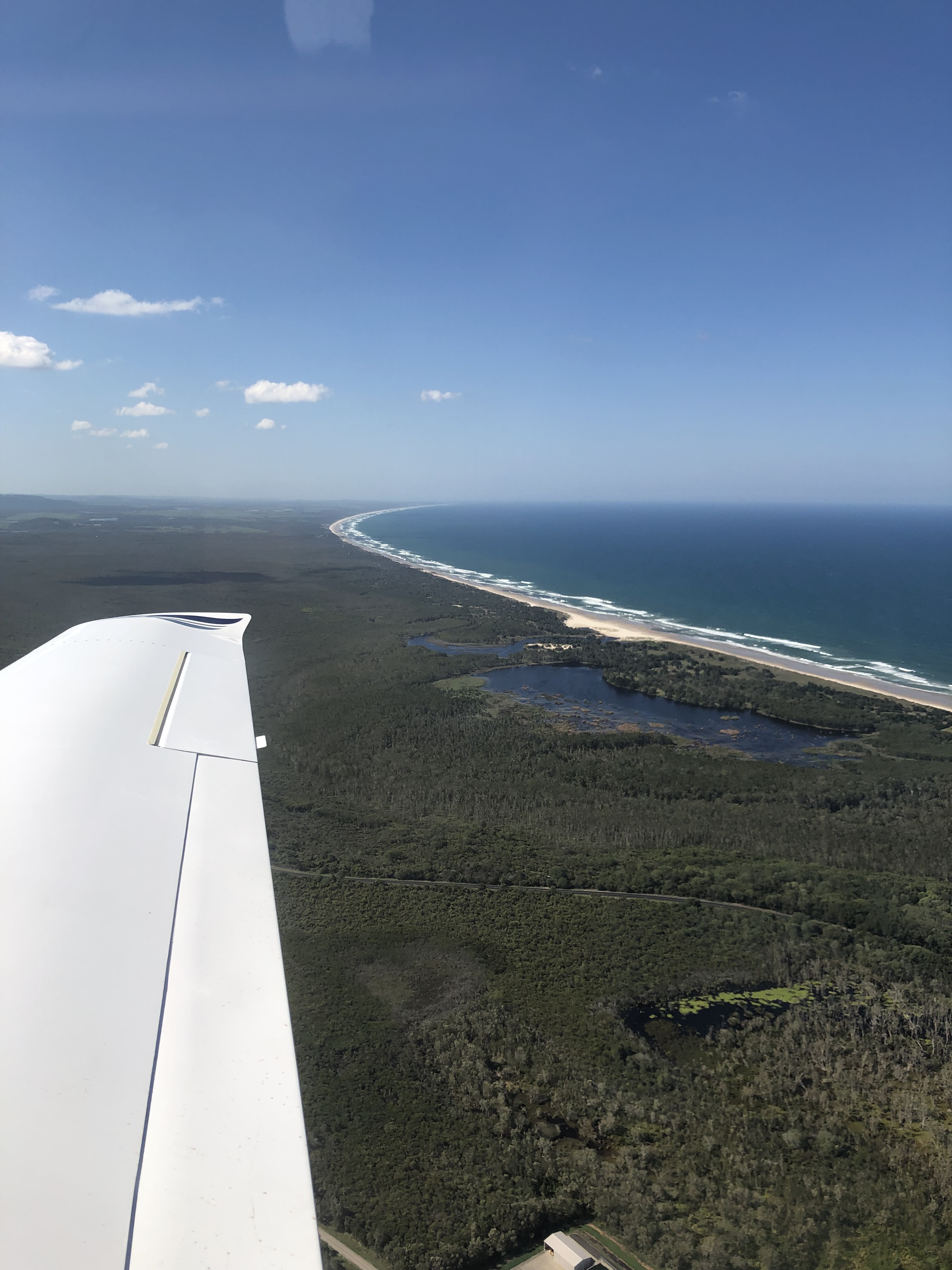

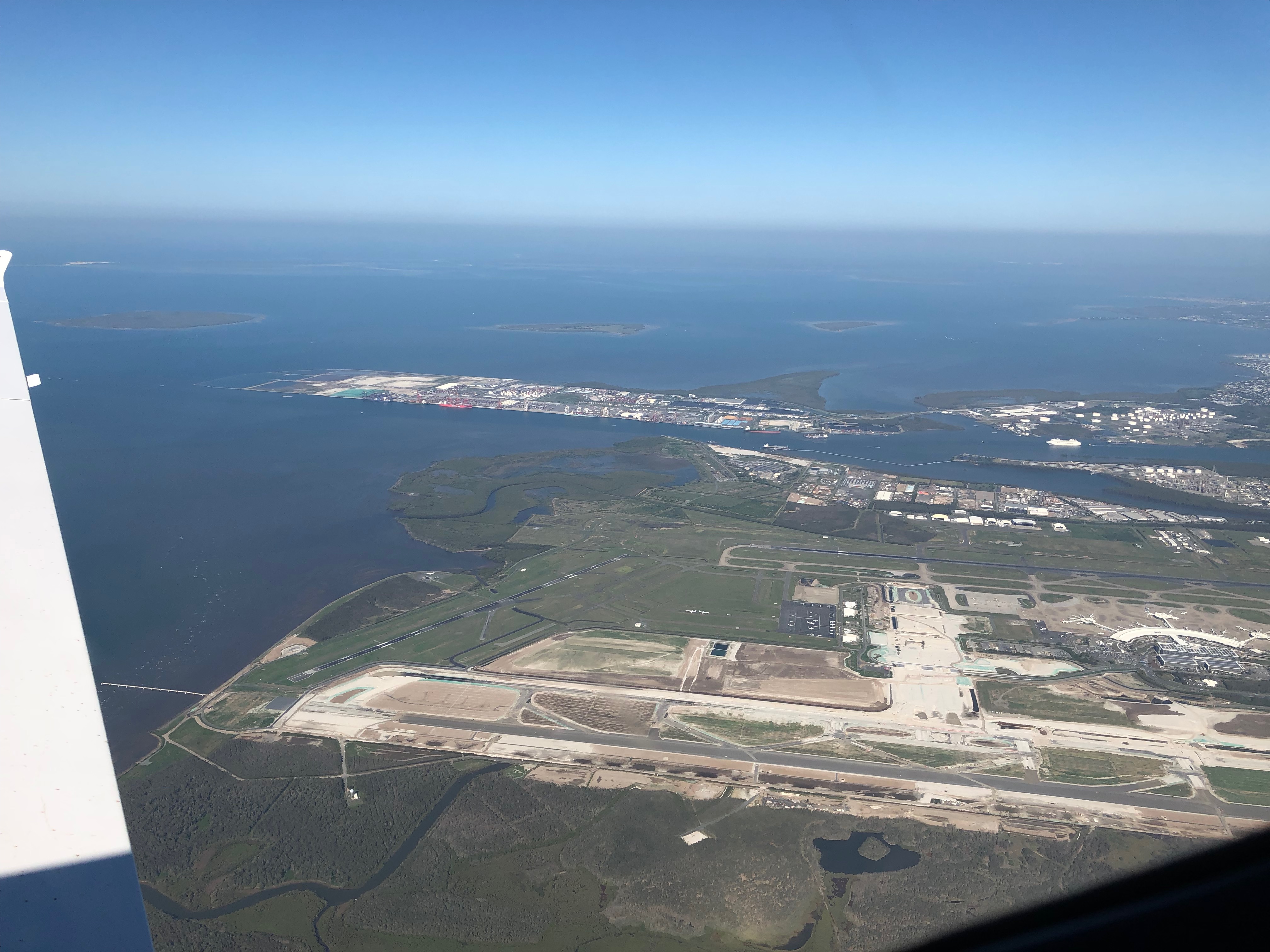
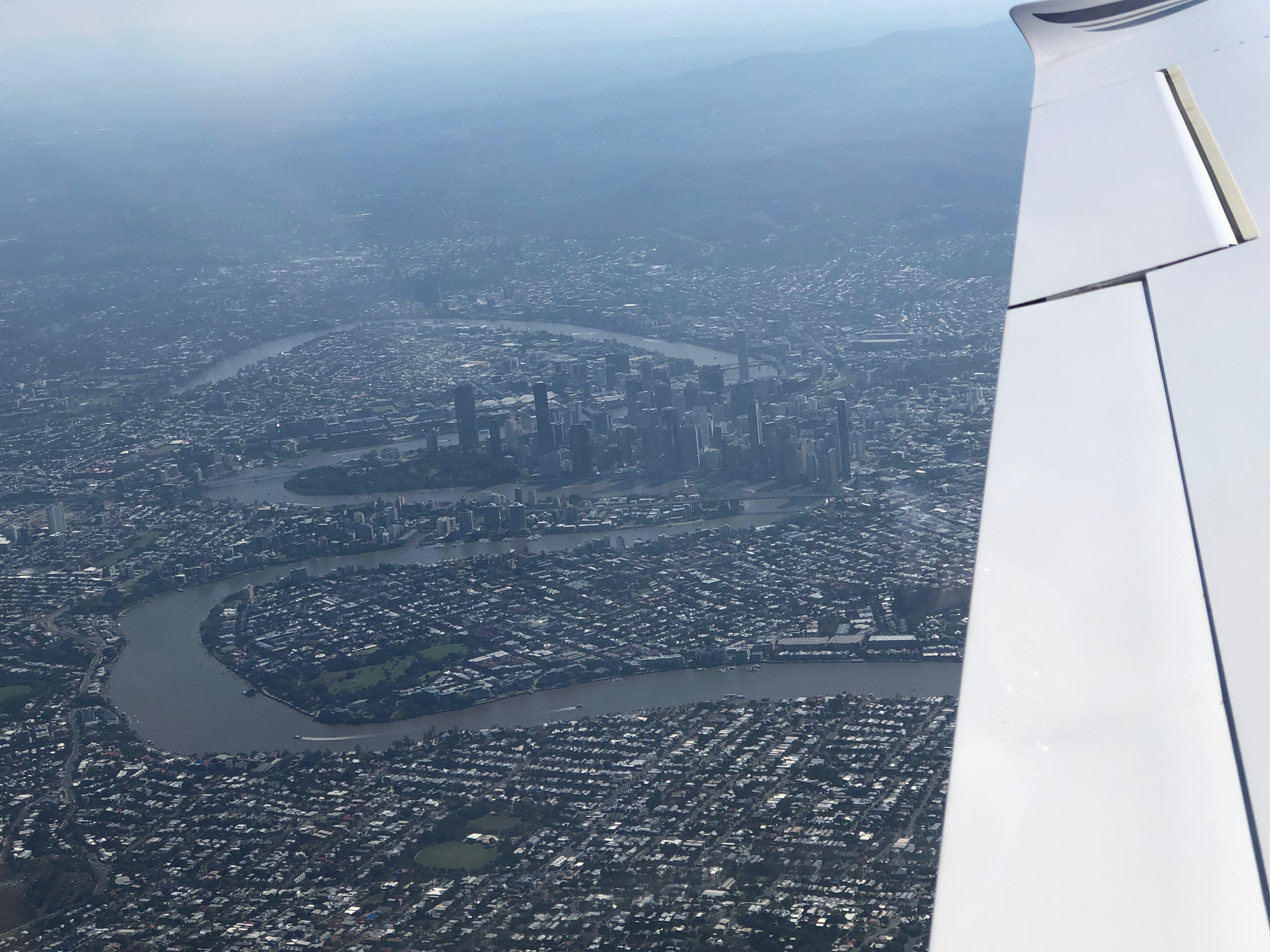


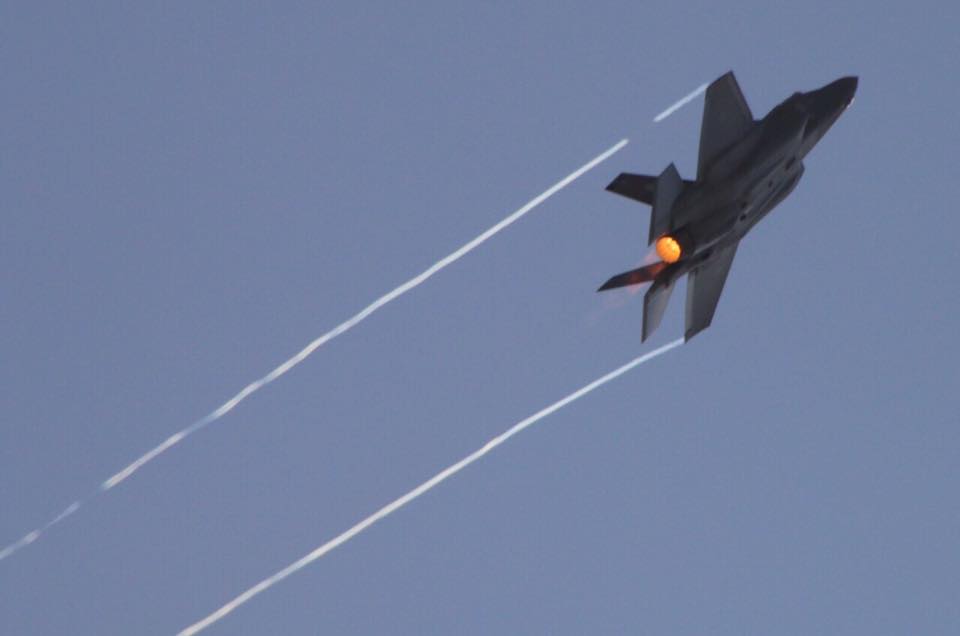
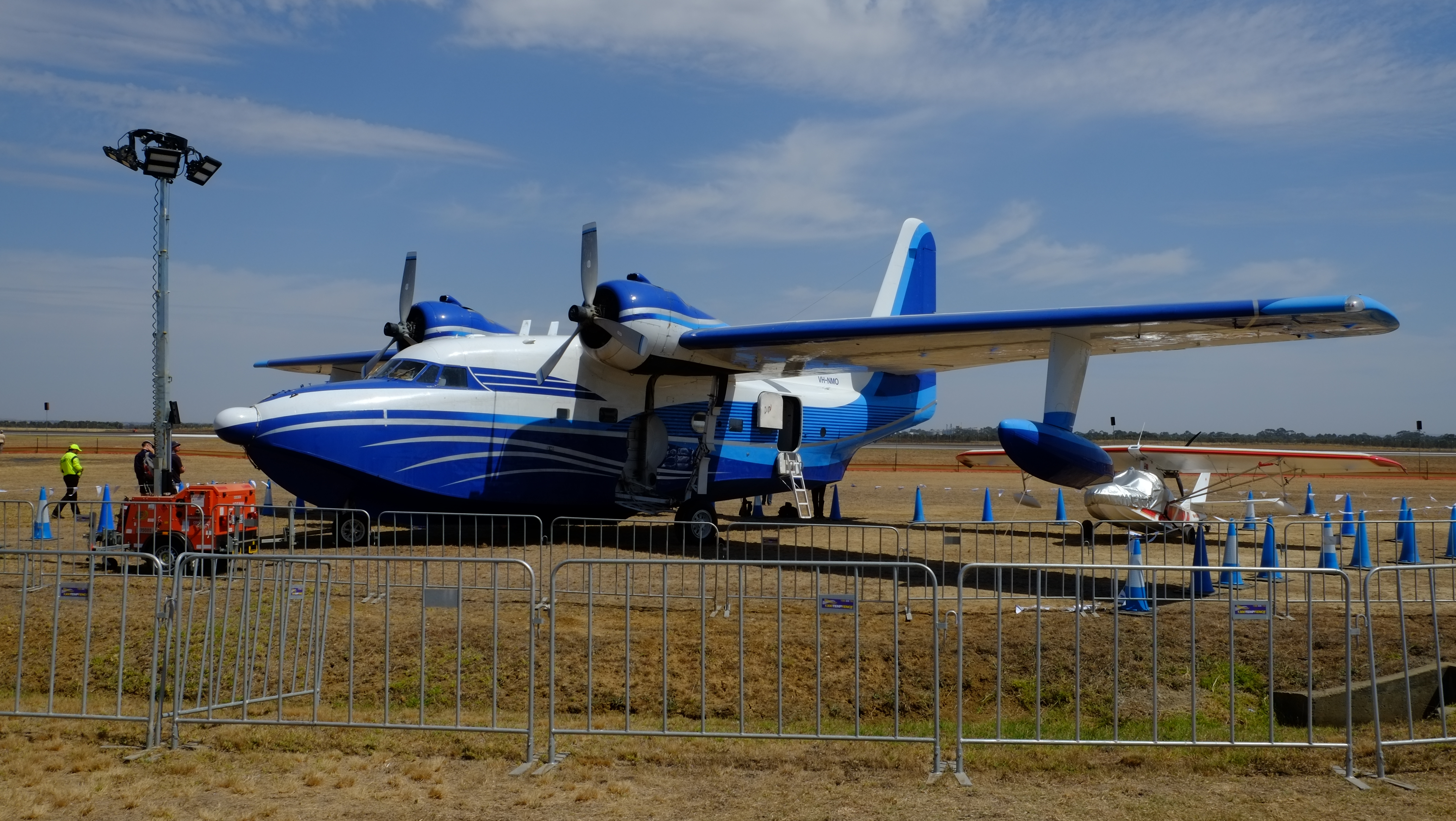


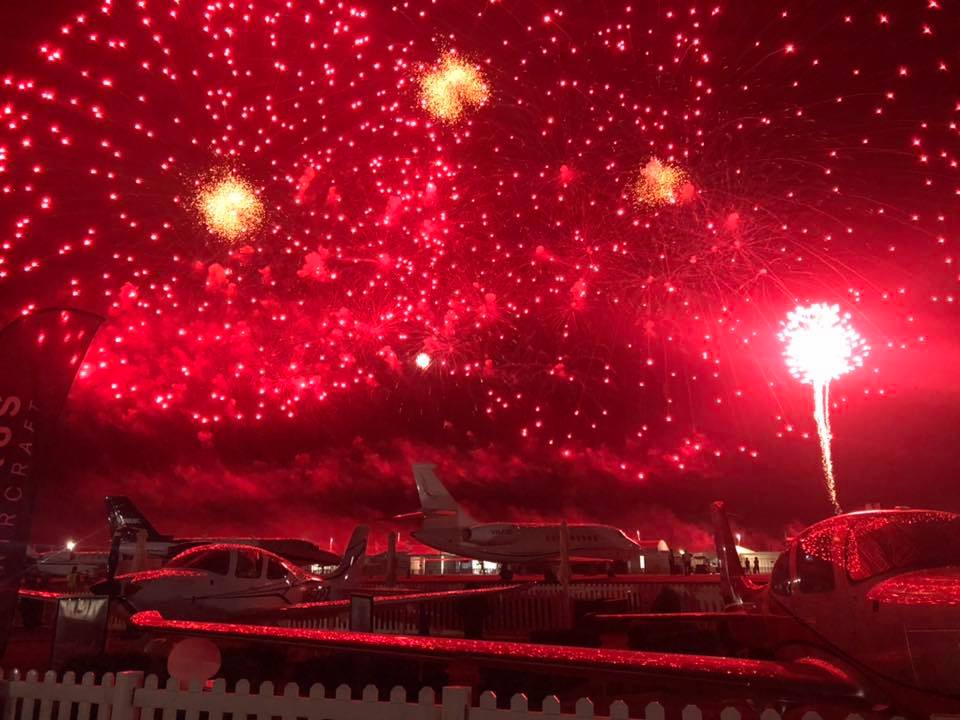


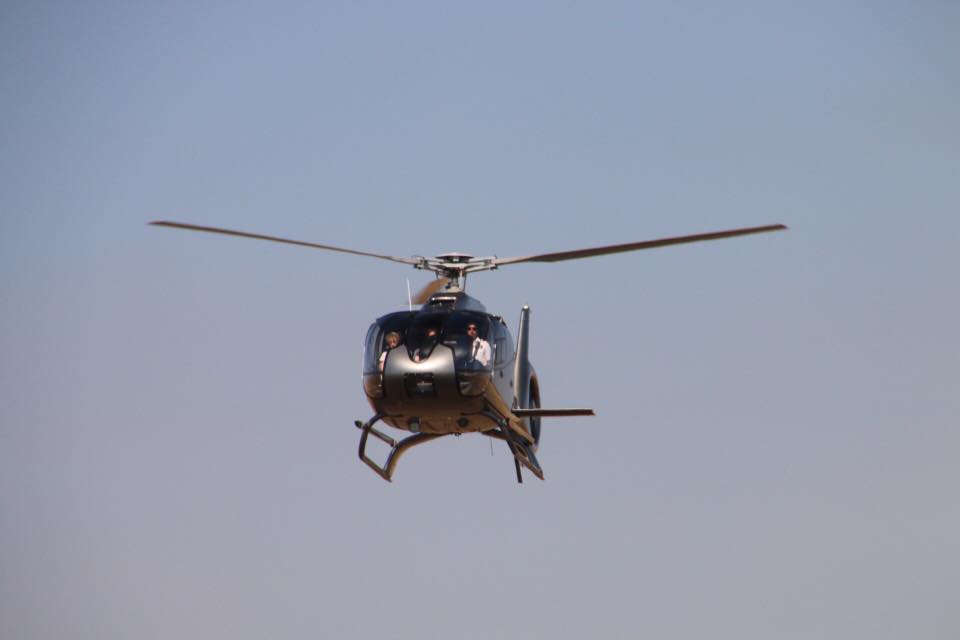
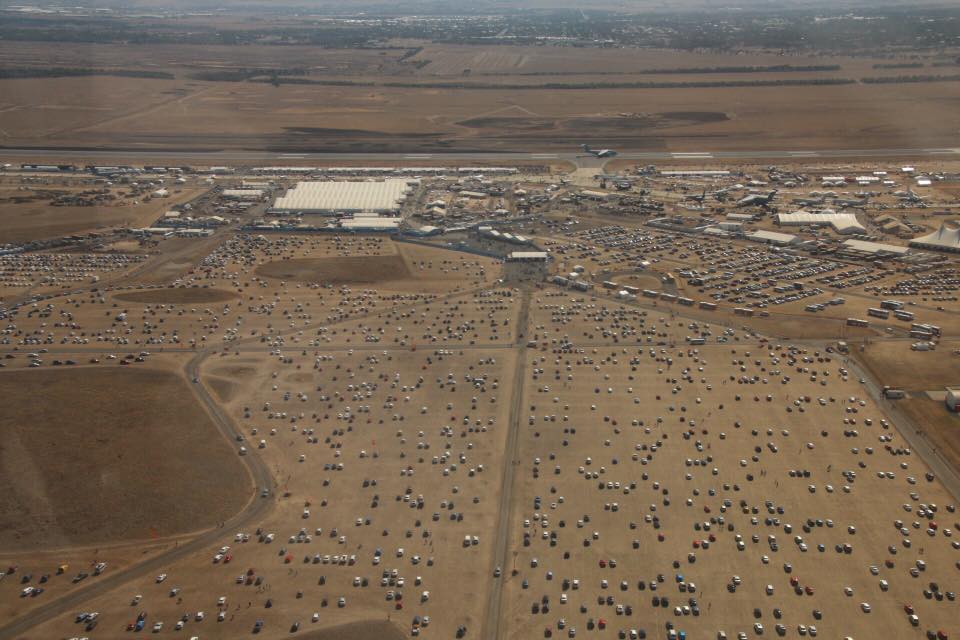
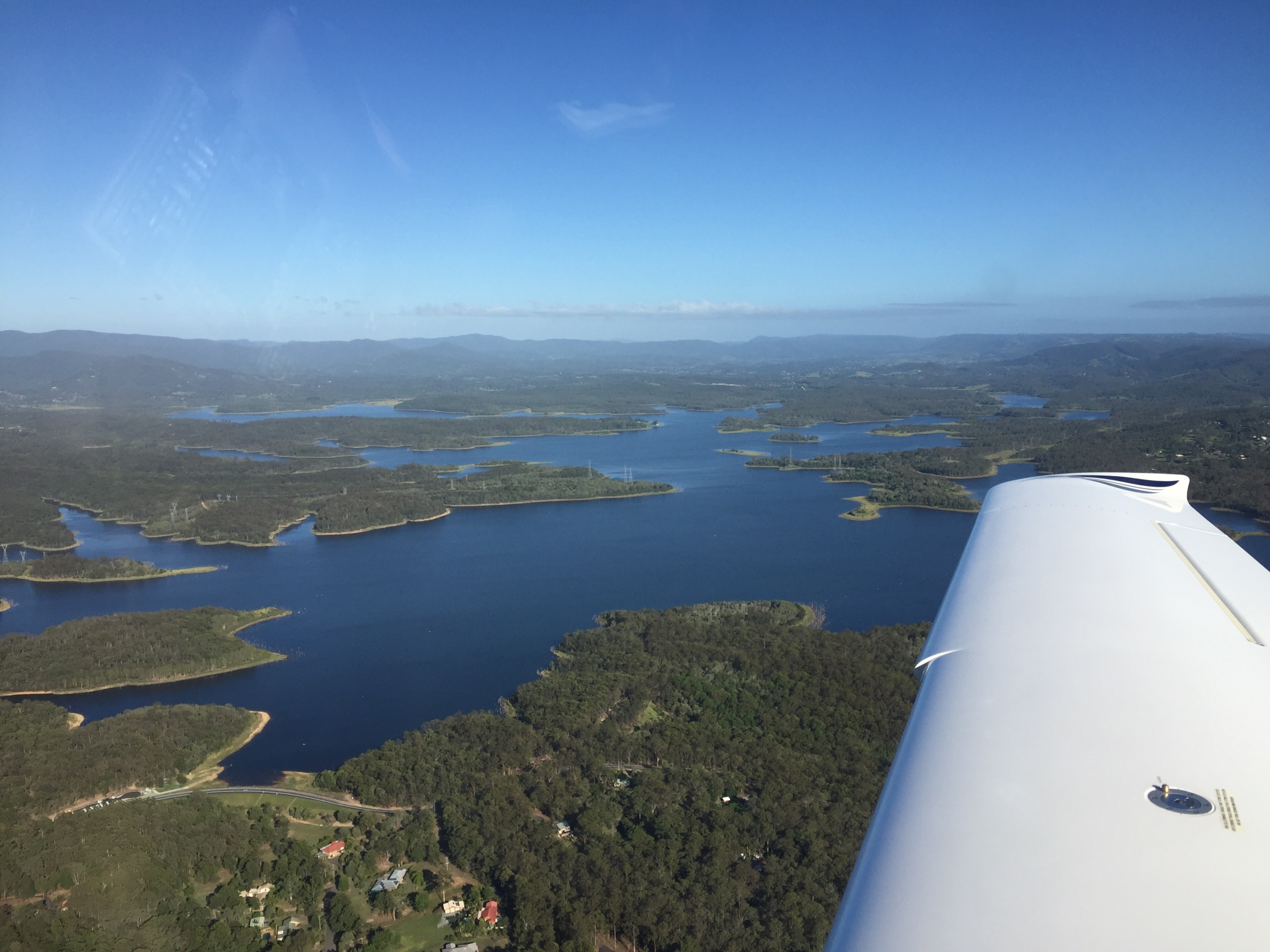
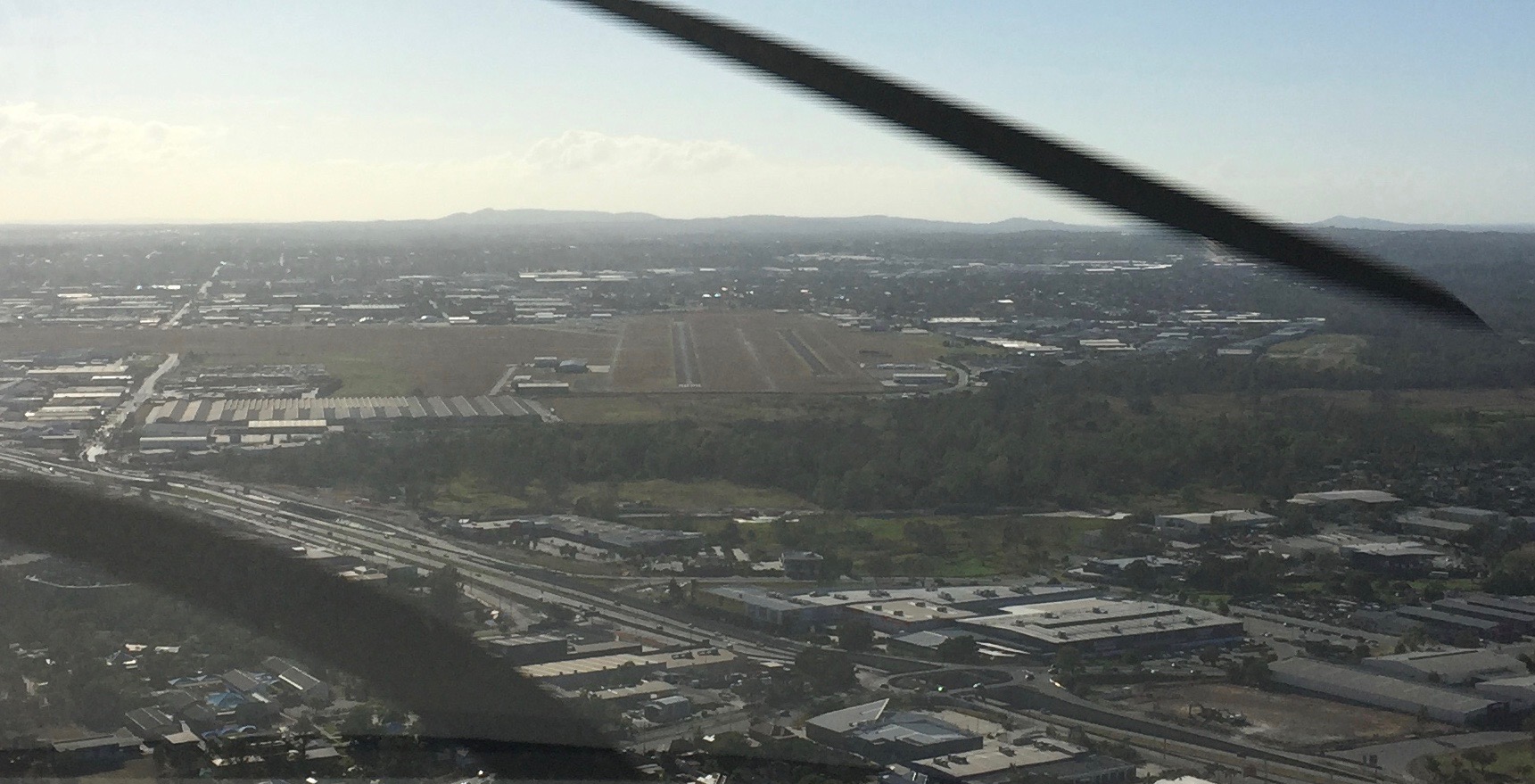
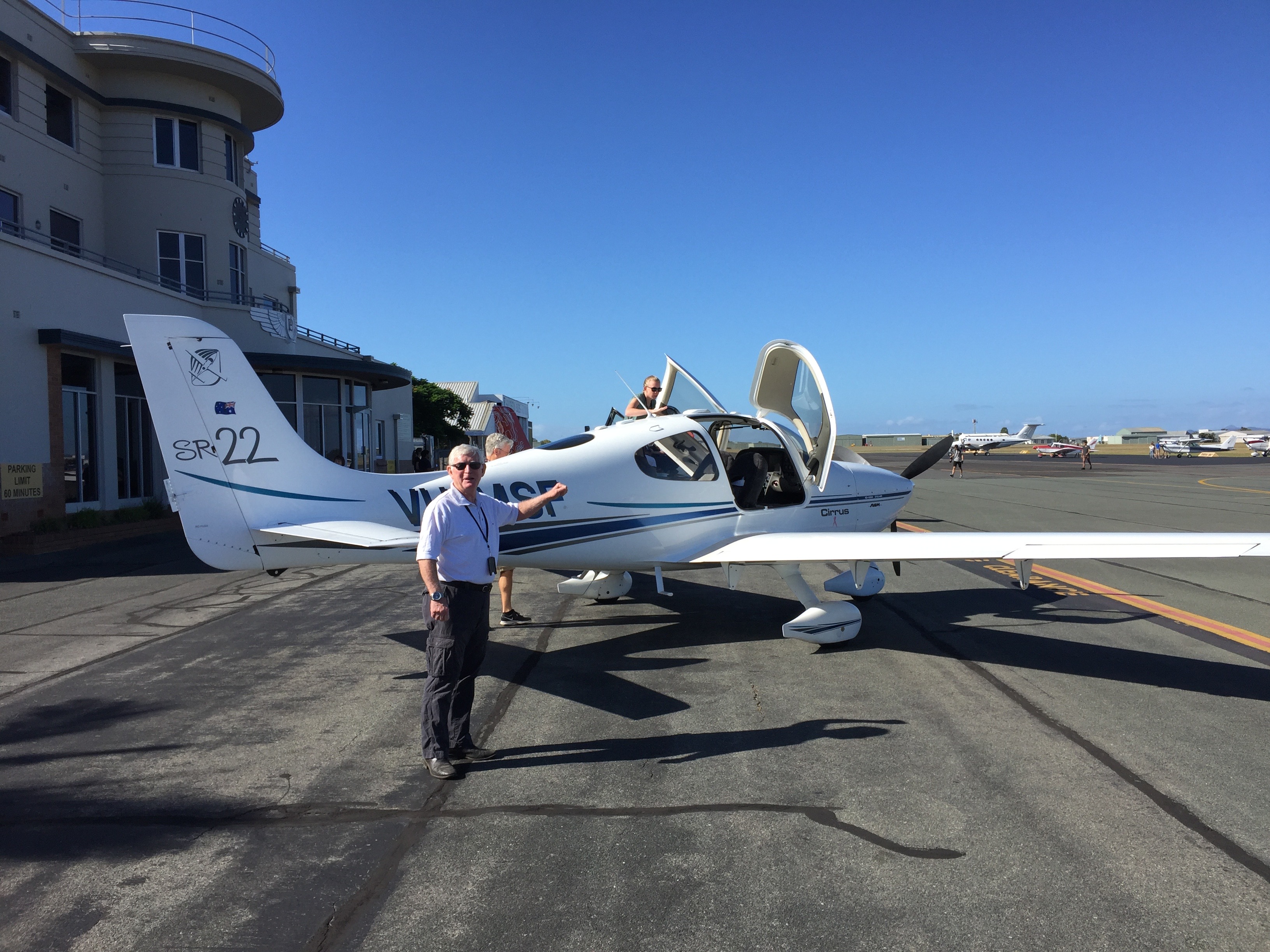


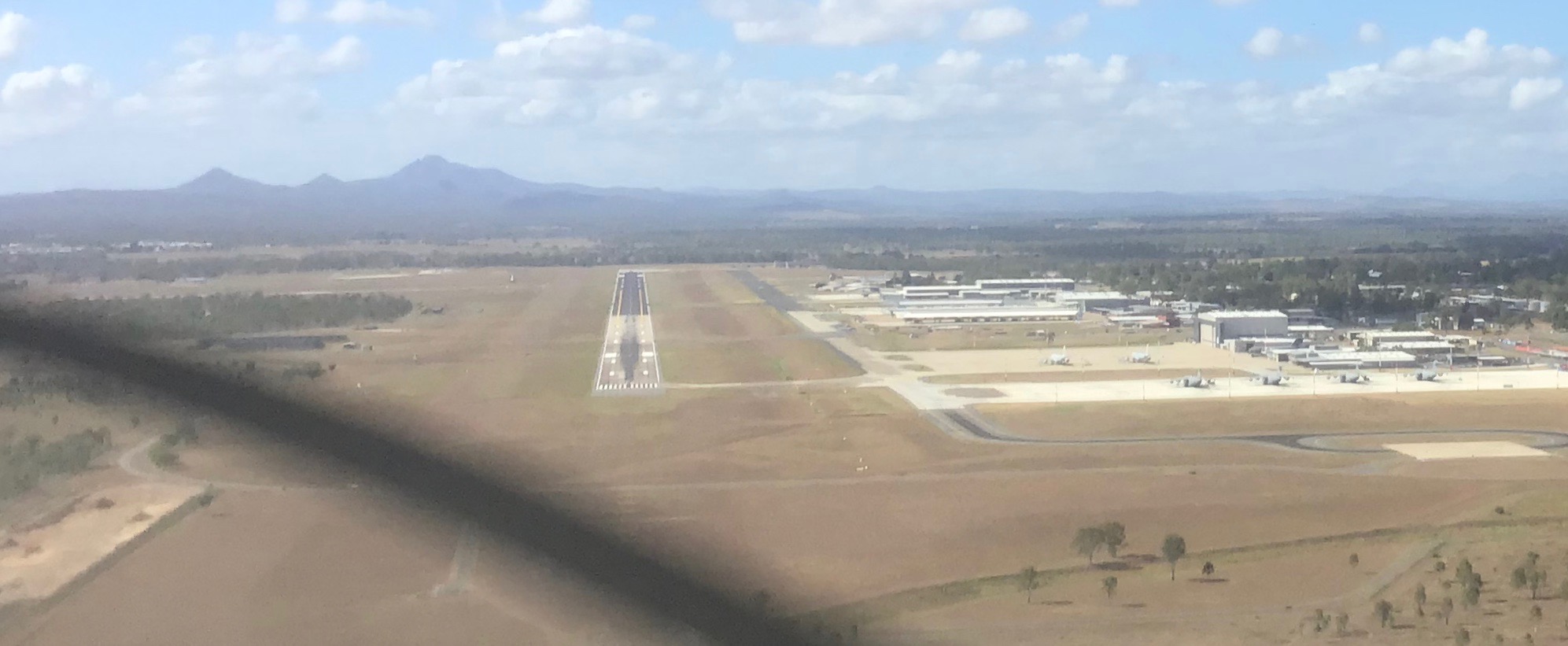
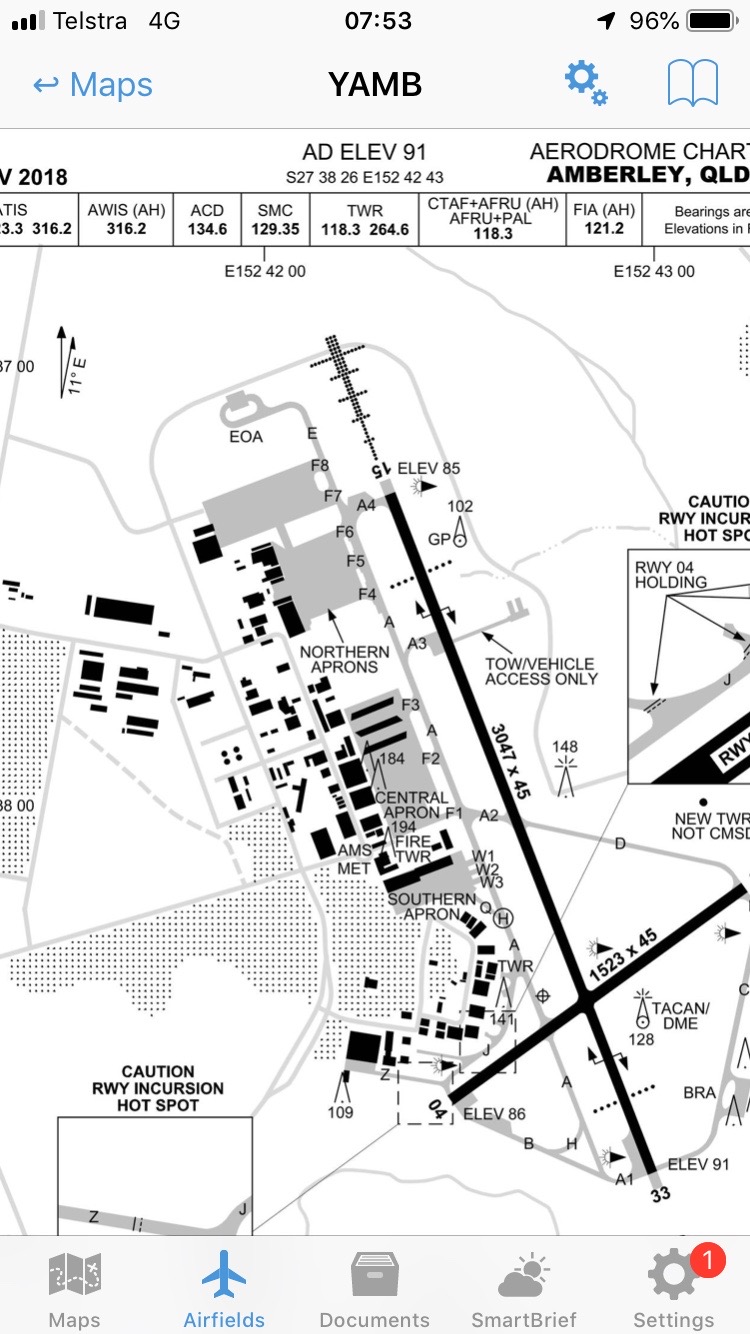


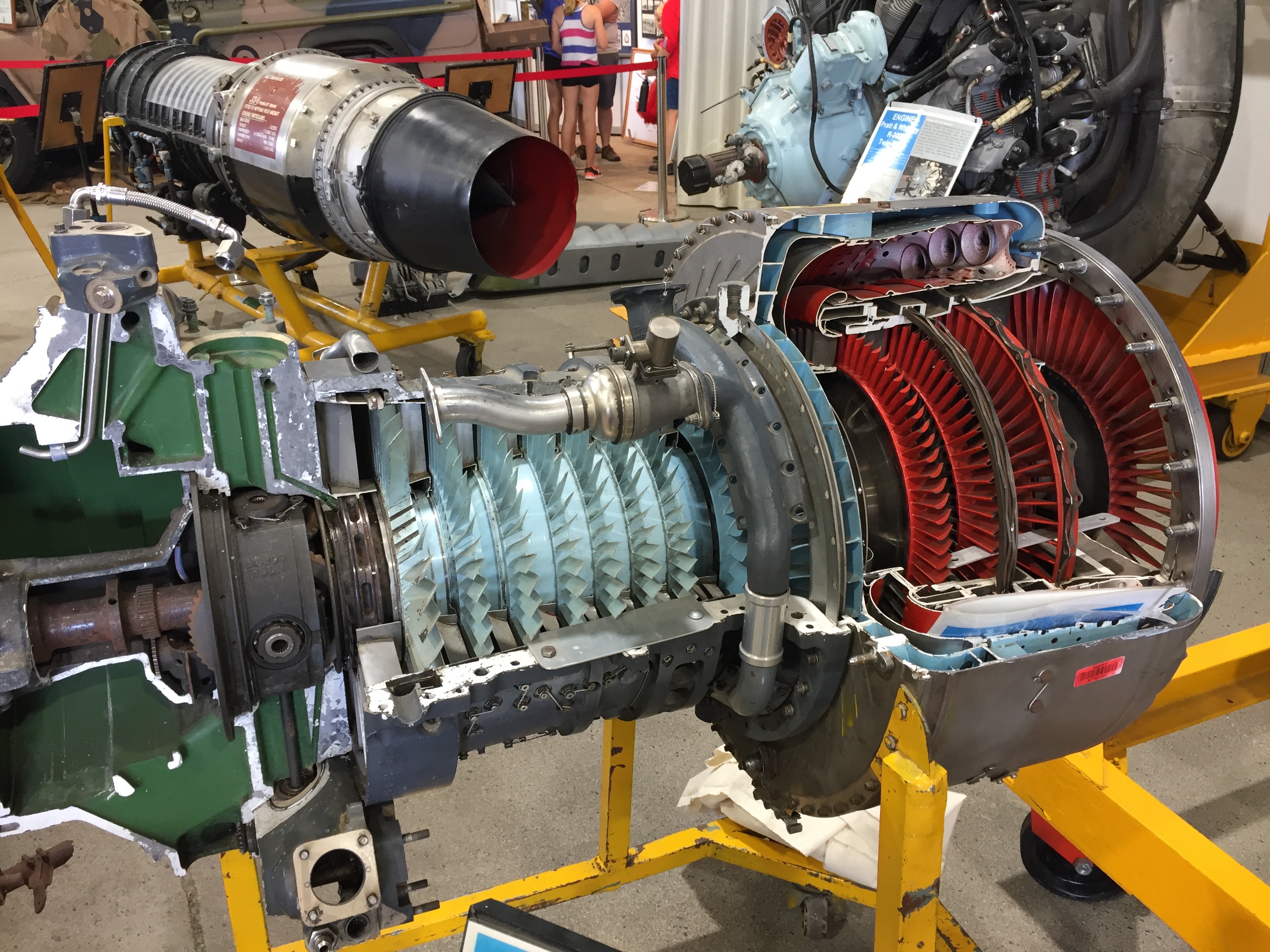
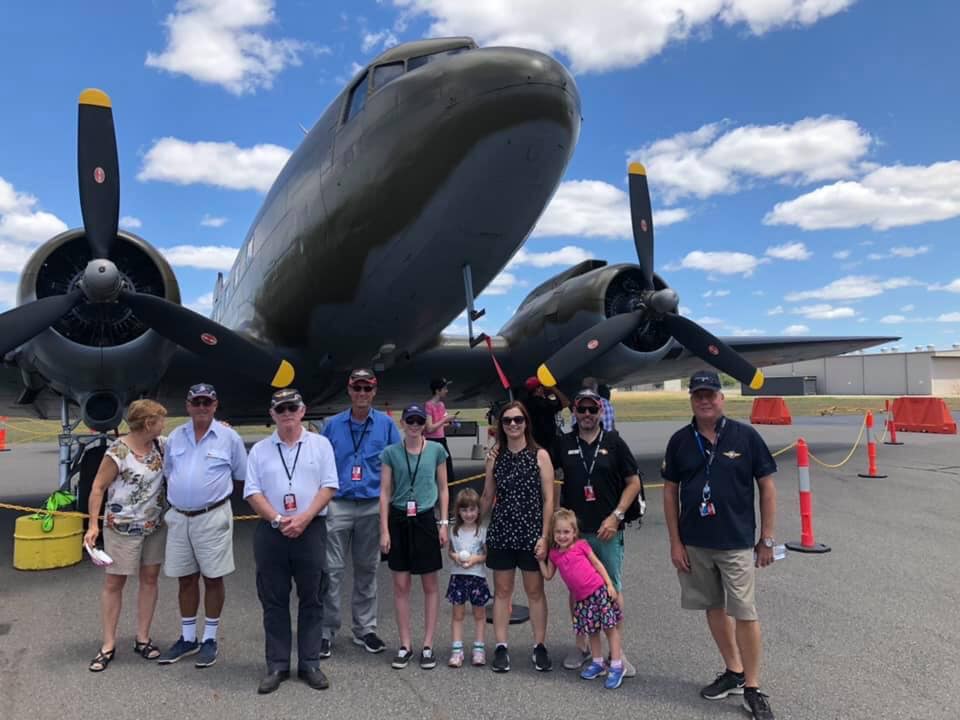




 PrivatierAir