
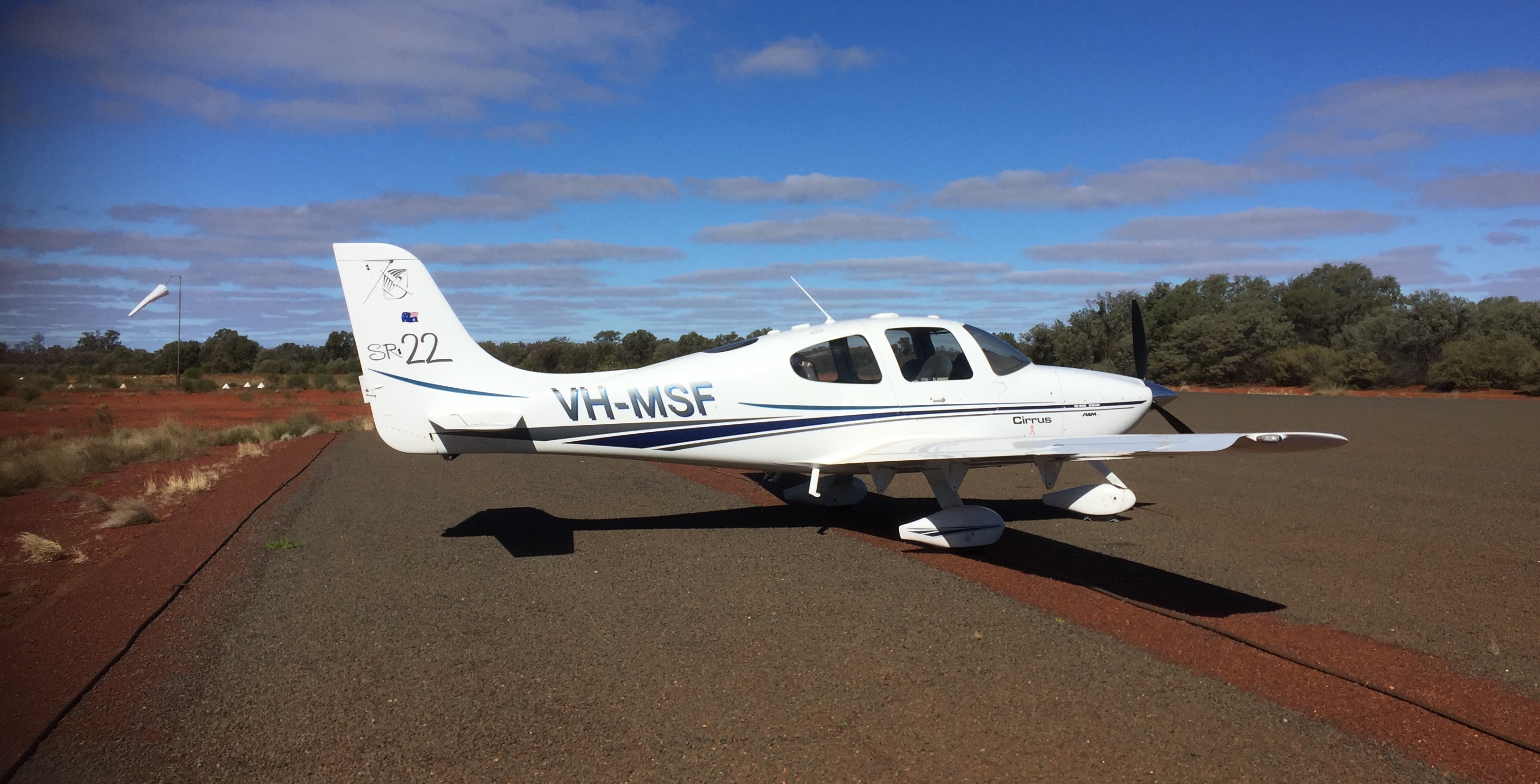
With Lake Eyre filling up after all the summer and autumn rains I thought it’d be a good idea to fly out there in June 2022. It started as a sort of aviators’ outback pub crawl but eventually morphed into a nine day bucket list trip there and back again. Key bucket list items were Cameron Corner, Marree and Maree Man, Coober Pedy, William Creek, Kati Thanda itself, Birdsville and Big Red, Burke and Wills Dig Tree, the Noccundra Pub, Eromanga Natural History Museum and the Cosmos Centre at Charleville. Sigi was keen and when I mentioned what we wanted to do to my friend Harpur he immediately signed up his wife Anne and himself to accompany us.
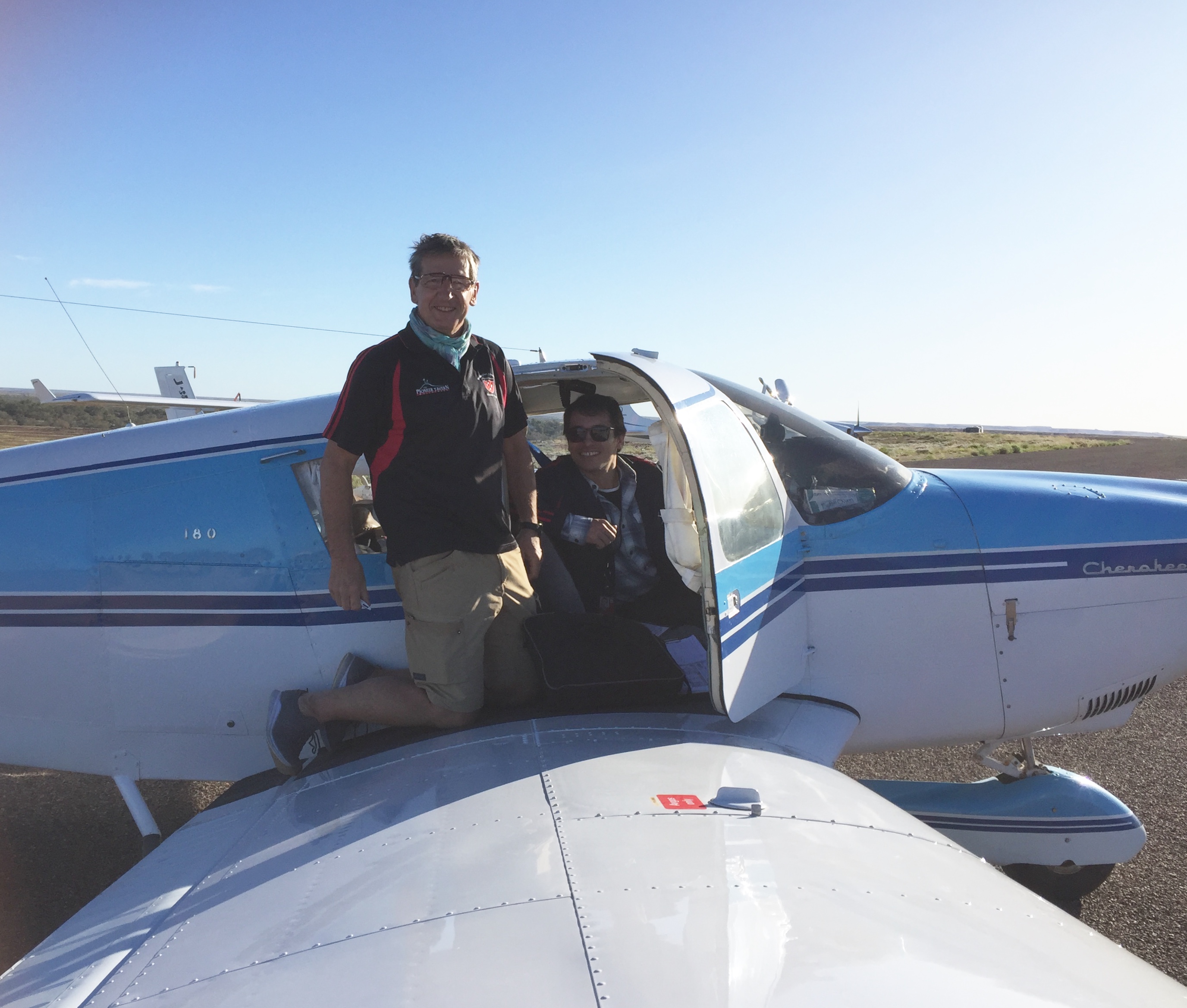
Another pilot friend, Luc, had shown interest in tagging along on the trip and as the date approached he confirmed that he and another friend, Scott, who’s also a pilot, would join us. Luc has his own Piper Cherokee that flies about 110 knots compared to the Cirrus at 165 knots so he planned to depart a day earlier and stay overnight at St George. We’d meet them there.
There was quite a bit of planning required. First I needed to include regular refuelling stops, as in order to remain below maximum take off weight we could only load 230 litres (rather than full tanks of 300L) after allowing 10kg of baggage for each of us. This gave us a range of about 500 nautical miles (just over 900km) in just over 3 hours. I normally like to have a break every 2 hours for my own sake but also so that my passengers can stretch their legs so this seemed fine. We just had to make sure that Avgas was available at these intervals. I rang up all the refuellers during the weeks prior to our departure and the only one with limited supply was Marree, but they seemed confident that they’d have fuel by early June. The supplier at Innamincka seemed to have the most limited supply and he noted down our arrival date and that we’d need about 100 litres so that he’d have it on hand.
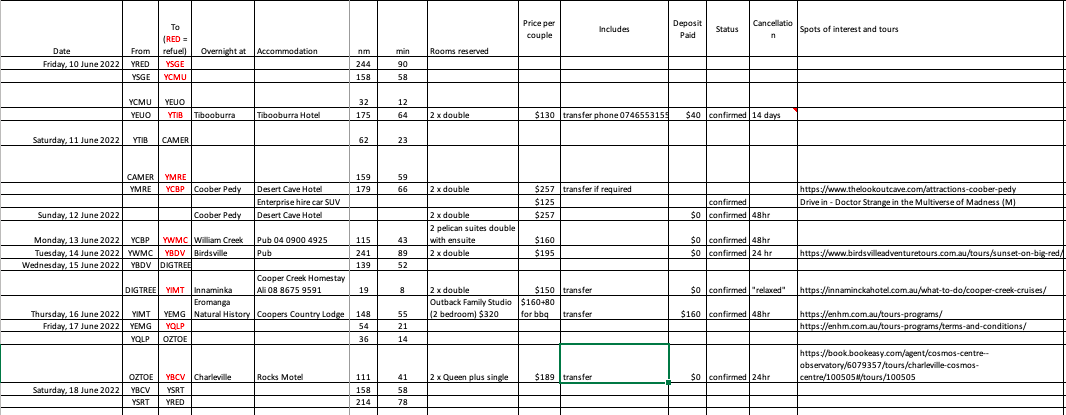
Accommodation was generally available. It appears that in 2022 things aren’t as busy in the outback as in 2021. Partly because the borders are open again and partly due to high fuel prices keeping people closer to home. Transfers from the airport to the town are always an issue so I tried to target stops where the strips were close to town or where the refueller or the hotel could provide transfers. The most difficult place was Coober Pedy, where there is no taxi or uber service and oddly only a few of the accommodation options would provide a transfer for the 3km from the airport. They generally said they were short staffed so couldn’t spare the time to pick someone up. Must have more than enough business I thought. So in Coober Pedy we went for the most expensive option as they could also provide a transfer. The refuellers at Charleville were the most accommodating, providing an old Barina as a loan car for free if we bought some avgas from them. I had to reshuffle a couple of dates along the way to make it all work out but by late May it was all locked in, our rooms were booked, and we were ready to go. Then first Sigi, then Anne and Harpur caught Covid. Luckily they all recovered in time and I avoided catching it so that we could all depart together as planned.
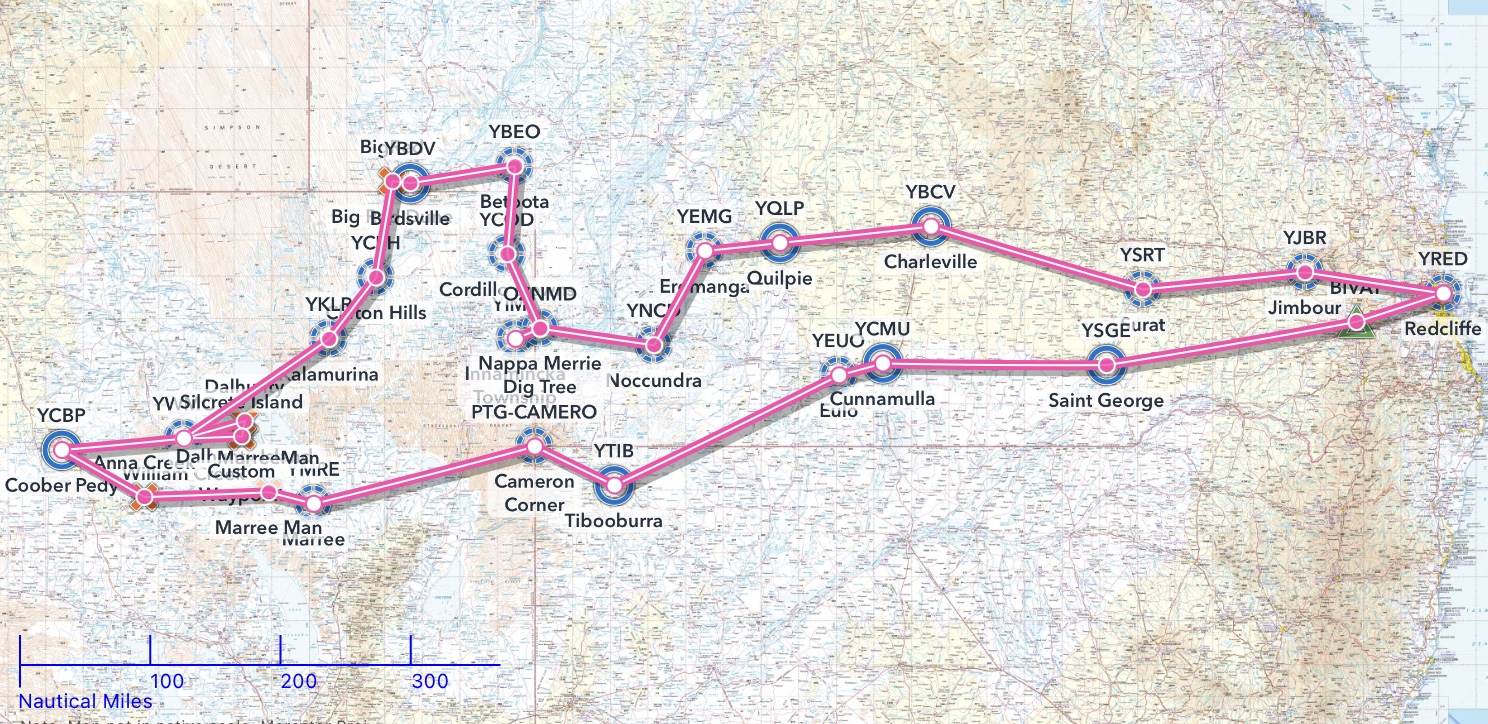
We set off on Friday June 10th 2022. Our first day was a big flying day. In fact, it was the biggest of the whole trip. It took us across almost the entire width of Queensland to the far north west corner of New South Wales. Taking off from Redcliffe at 8:30, we tracked over Toowoomba and then direct to St George to refuel.
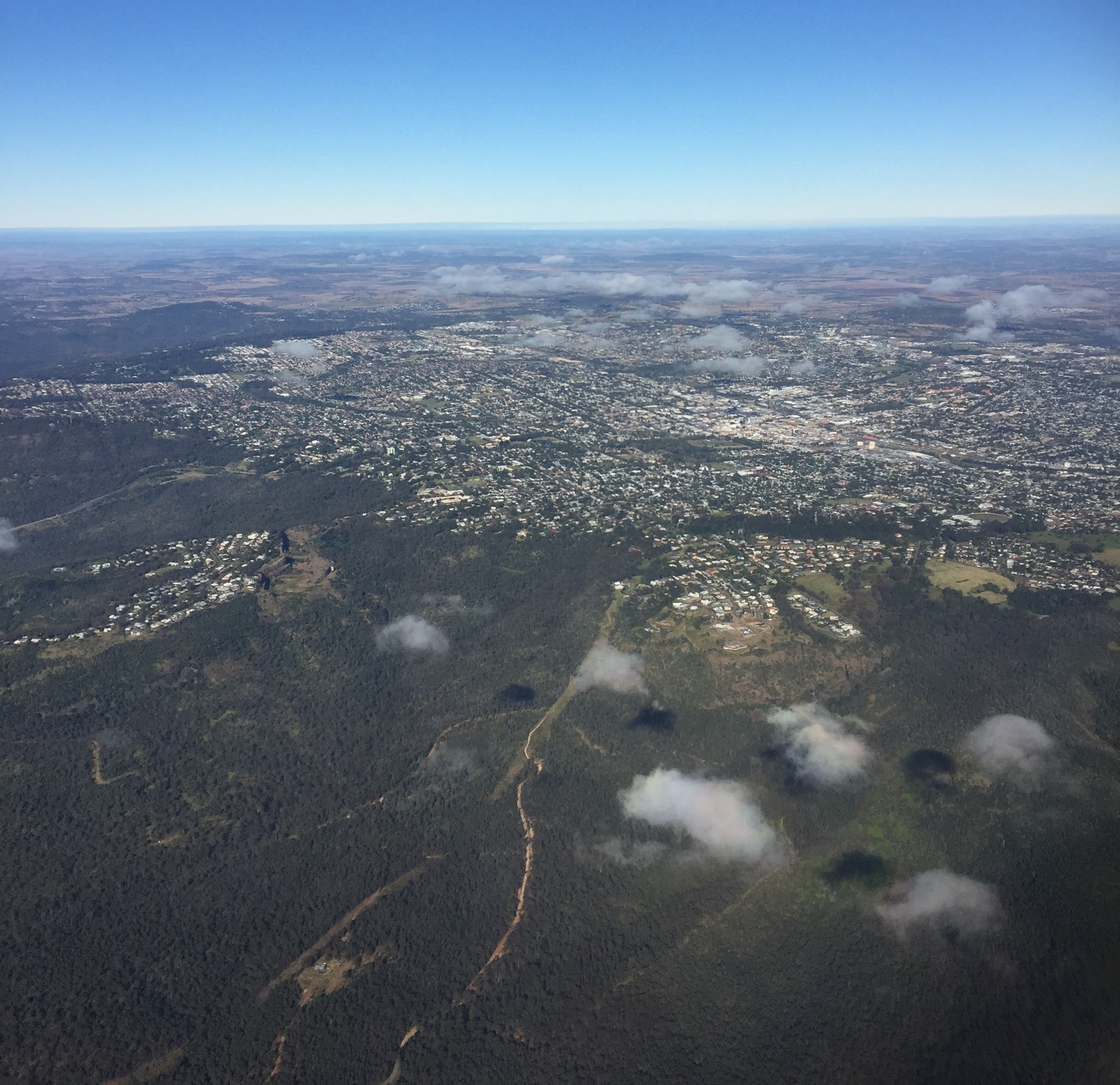
On the way to St George a cloud layer built up below us between 3000 and 4000ft AMSL. This wasn’t a problem as we were flying IFR, until we landed at St George when we just froze in the cold southerly under the overcast sky. We had been expecting cold weather and had rugged up but it was still a bit of a shock.

We had another refuelling stop at Cunnamulla where the clouds gradually started to part. The refueller was very generous at this stop. She’d been called away on business but the pump was accessible and all I had to do was note down how much fuel we used along with my contact details and she would email me an invoice. How good is that? We met Luc and Scott at Cunnumalla, who told us of problems they’d had with the Piper. The suspension on the right main wheel had collapsed and the local LAME at St George had managed to fix it but it was a temporary fix only. They had to decide whether they could continue. In the end they decided to proceed to Tibooburra’ sealed strip but not land at Eulo as it was a dirt strip and they didn’t want to stress the undercarriage. They’d then try to see if they could arrange a repair at William Creek.
From Cunnamulla it was a quick hop over to Eulo for lunch. Eulo is a small community with a great amount of pride that is evident when you visit. Famous not only for the infamous “Eulo Queen” and the hotel named after her but also for the abundant local produce and product as well as opal and craft which can all be purchased in the town. Adjacent to the Paroo River, and boasting a colourful history, the Eulo Queen Hotel awaits the weary traveller with her old world charm and generous hospitality.
The story of the Eulo Queen is the story of the great, late Isabel Gray. Thought to have been born in 1851 her first marriage certificate recorded her as born in England, the daughter of an army captain. Things had changed it seemed by the time of her second marriage in 1871 where she was then recorded as being born in Mauritius! Her back story included a good education in Switzerland and then in 1868 she was sent to Australia. In Australia she married, only to be widowed a few years later and in 1871 she married Richard William Robinson with whom she became hotel-keepers in Eulo in 1886. Eulo was a gathering place for travellers and wayfarers and the Robinsons acquired further licenses to run a butcher shop and store. But the cunning Isabel began to conduct business outside of the boundaries of the hotel beguiling her guests in other ways. Her seemingly complaisant husband allowed her to freely fraternise with travellers in exchange for opals – for which she acquired a feverish penchant. So captivated was she by the gems she used them as currency in exchange for her services and adorned herself lavishly from head to toe in the stones, including a glamorous girdle fashioned with alternate large stones and nautilus shells. She was said to have some physical beauty, but her talent was surely her ability to enrapture her male counterparts with ease.
It was a 5 minute walk down the main street to the Eulo pub where they had delicious hamburgers. The publican turned out to be a former pilot with more than 10,000 hours, many of which were with the Royal Flying Doctor Service based in Cairns. He said he had lots of bad weather experiences that he wished he hadn’t had. He also told us that business was very poor compared with 2021 when he’d do 60 lunches per day. There was only us and one other couple for lunch that day.
While walking around the pub we learned about the Eulo Queen. Her scintillating stories and newspaper clippings adorn the walls as she plays host to locals and wayfarers alike.

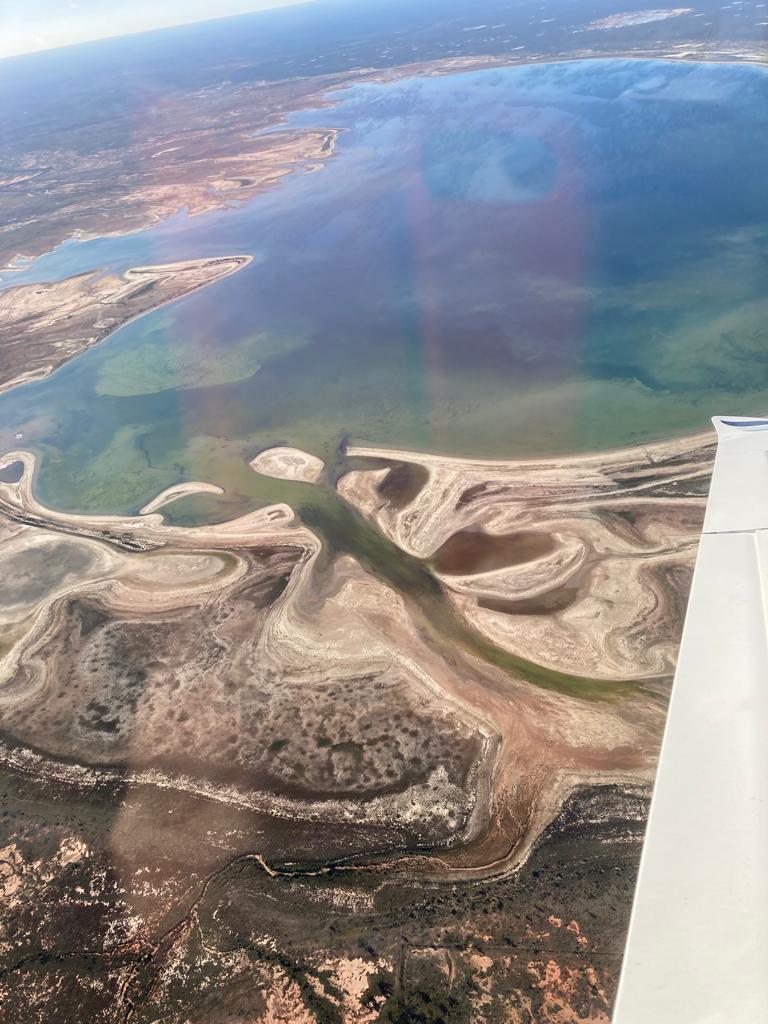
After lunch it was a one hour flight to Tibooburra. On the way we passed over Lake Wyara, a tip from the Eulo publican, to spot some of the thousands of pelicans that were nesting there. There were some amazing patterns in the sand surrounding the lake.
At Tibooburra we refuelled again and were taken into the Tibooburra Hotel for our overnight stay. The owner of the hotel is the refueller so that made things easy.
Tibooburra is a two pub town steeped in history. Charles Sturt passed through the area during his Inland Expedition in 1845. Soon after pastoralists arrived with their flocks of sheep and the wool industry began.

Formerly known as The Granites, the town began as a gold-rush town when gold was discovered early in the 1880s in the region known as the Albert Goldfields. This extended from Mt Browne, Milparinka, Mt Poole through to “The Granites”. For a while several hundred people lived in the area known as the Granites, named after the granite tors which surround the town. These days the population is around 100 people. The town’s name was later changed to Tibooburra, a local Aboriginal word for “pile of rocks”.
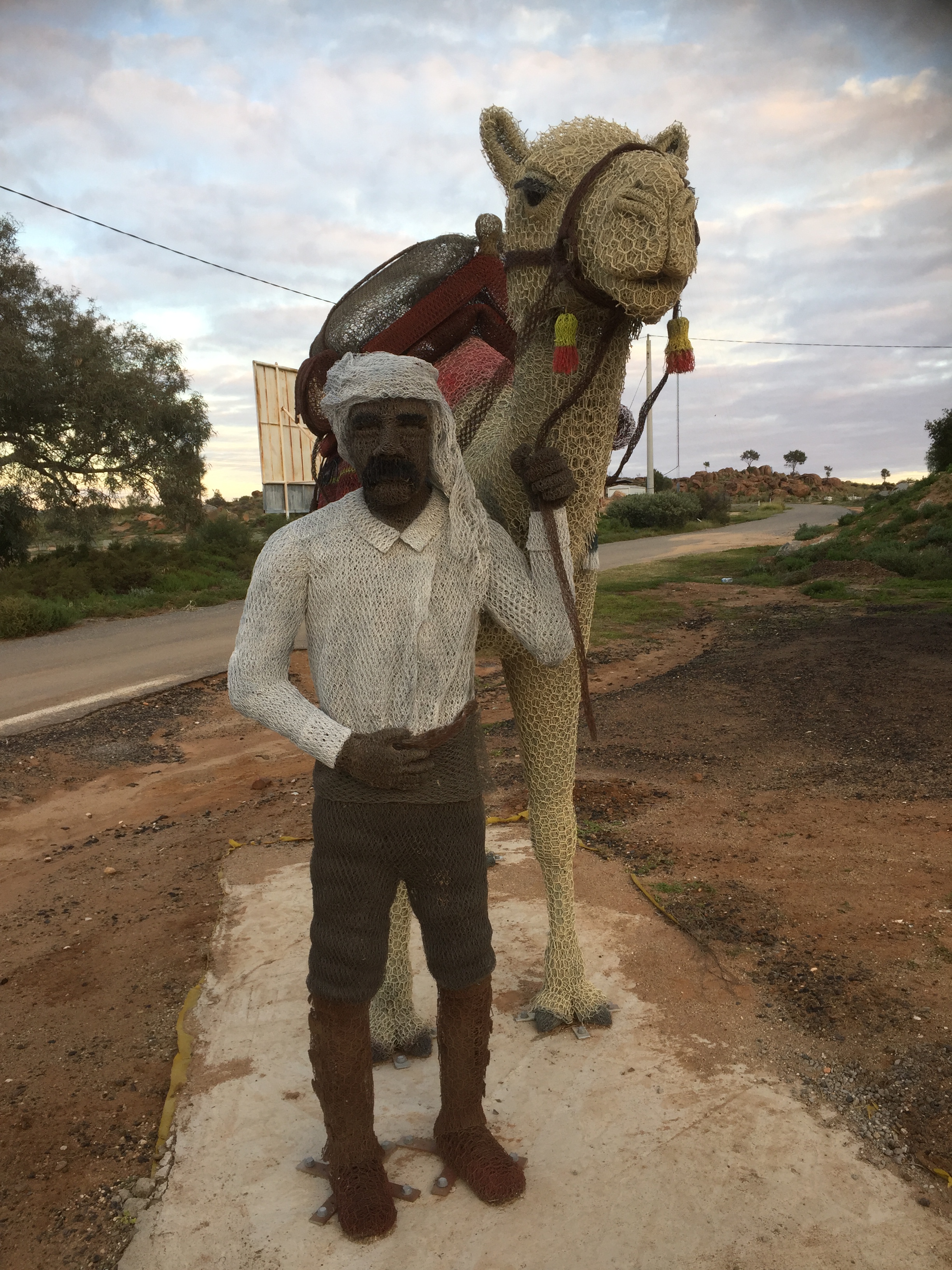
There is a museum under construction that amongst other things celebrates the role the Afghan cameleers played in opening up the country. There’s an amazing sculpture made out of chicken wire outside the museum.

Luc and Scott met up with us at the Tibooburra Hotel and after phoning around decided they’d head for Broken Hill the next day as that was the only place a LAME would be able to repair their suspension. The hotel burned down in early 2021 so it was still in the final stages of rebuilding when we were there. They’d build some comfortable motel units out the back and we stayed in them. The bar was open and there was a temporary kitchen doing meals. They were a bit rushed off their feet that night as it was Friday so it took over an hour to get our meals but it didn’t really matter as we weren’t in a hurry.
On Day 2 the first challenge was to find some breakfast. The pub didn’t do breakfast and the grocery store, which had good ratings on TripAdvisor, was closed due to lack of staff. Luc and Scott had discovered that the roadhouse on the outskirts of town was open so we went there, only to find that they could at best manage some toast and jam. Coffee was just a bit too difficult. So we ate the toast then headed back to the hotel and packed up and after a delayed transfer to the airstrip (the hotel owner’s partner thought we’d already left) took off on the short flight to Cameron Corner, where Queensland, NSW and South Australian borders meet. The home of Tri State Golf and so much more.
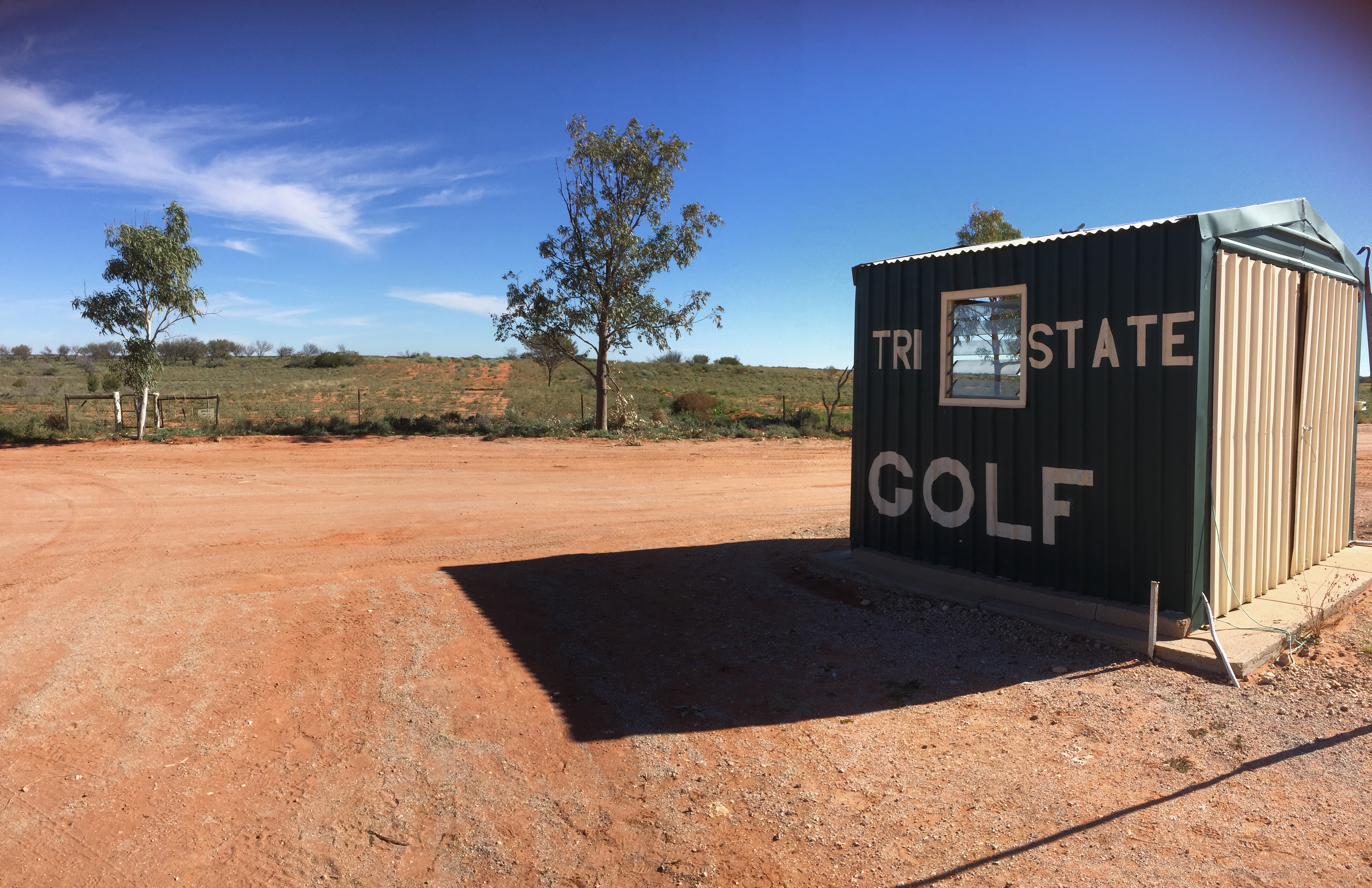
It has a lovely smooth dirt strip only 5 minutes walk to the store but no Telstra coverage and a very basic “waiting room”. My next challenge was how to cancel my SARTIME.

Luckily Tina at the store was so helpful and let me use her landline to cancel the Sartime and their wifi to submit another flight notification. She was a mine of information and very chatty – and had great coffee and cake too.

We continued to fly across the southern Strzelecki Desert to Marree to top up with fuel and have some lunch at the pub. Marree is a small South Australian town situated on the old (now defunct) Ghan railway line. There was a great refuelling service and a free lift into the pub by one of the young pilots who is based there and grew up in Brisbane. There was limited Telstra coverage however – data but no voice calls possible on my mobile. We were later to discover that it was due to the micro cell mobile system in place and my phone needed to be reset.
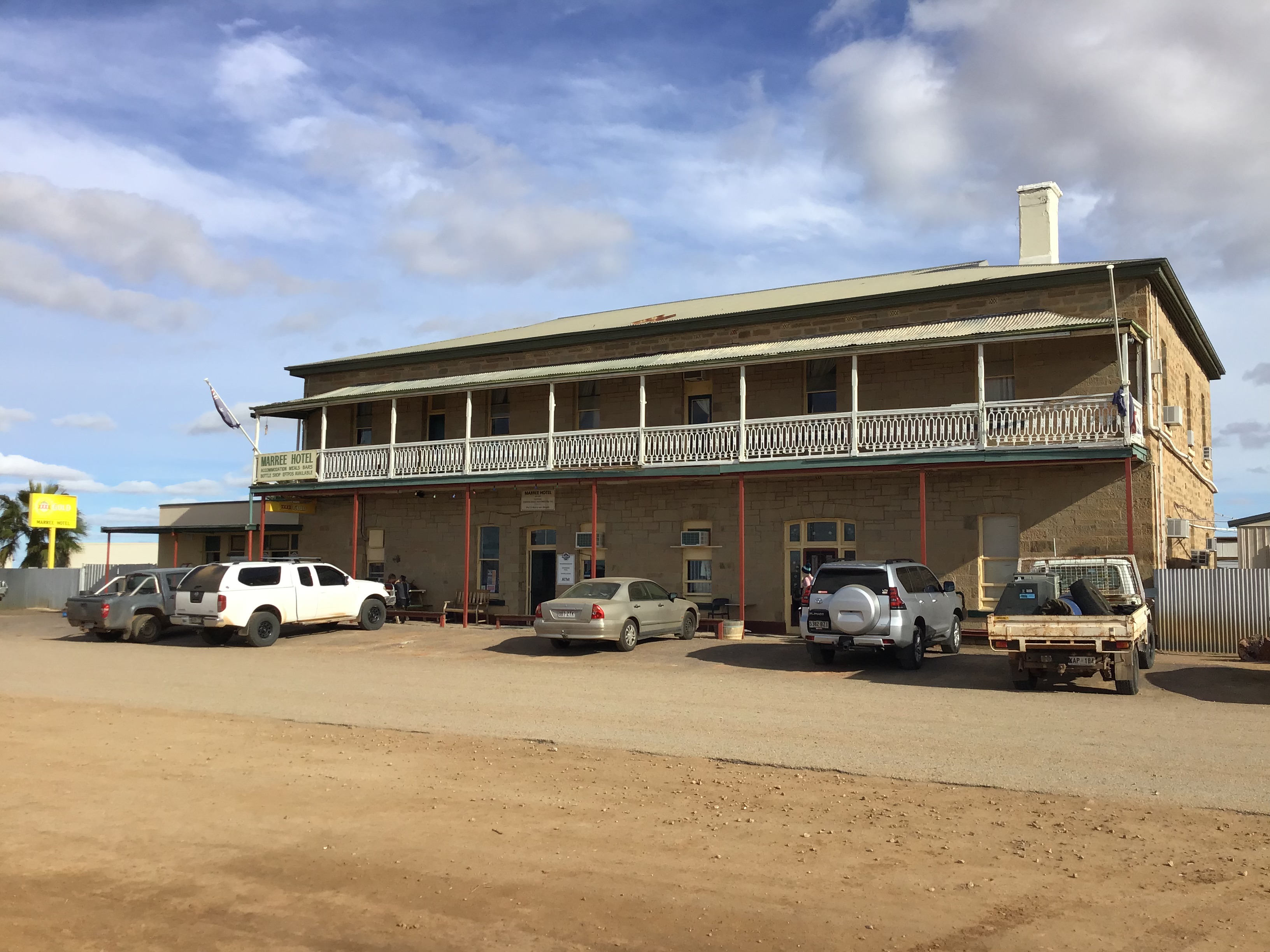
The hotel includes the “Tom Kruse Museum”, full of information about the great Birdsville Mailman; and then there’s the John McDouall Stuart Museum with unique drawings and a host of information about Australia’s greatest inland explorer.
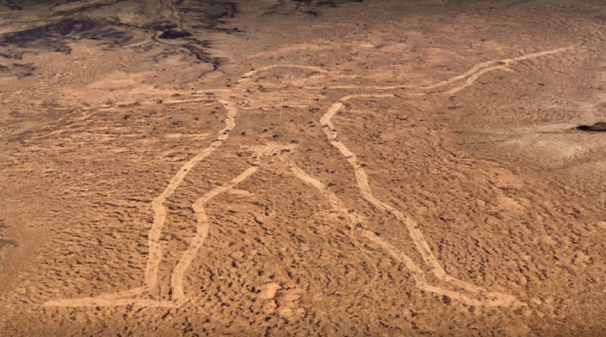
From Marree we headed west, passing over the Marree Man. Only visible from the air, this mysterious figure was discovered on 26th June 1998, and over time eroded to almost ‘extinction’. Following the granting of Native Title to the Arabana, the Marree Hotel was asked to restore the Marree Man. Three years later with painstaking analysis of GPS data, the Marree Man was brought back to ‘life’. Speculation as to the origins of the Marree Man are captivating – theories; assumptions; mystery; intrigue; and controversy abound. It appears unlikely that it could be created without the help of a GPS system. These were not in common use in the 1990s. The most likely story appears to be that some US Airforce personnel who were working at Woomera, went out there on a day off with a grader that had been fitted with an early GPS tracking system and carved it out in the desert.
We passed the southern end of Lake Eyre South to the Anna Painted Hills then Coober Pedy, opal mining capital of the world and home of some very interesting underground buildings, not to mention underground people. Arriving at Coober Pedy we topped up the tanks and after a bit of a mix up picked up our 4WD hire car at the Desert Cave Hotel.
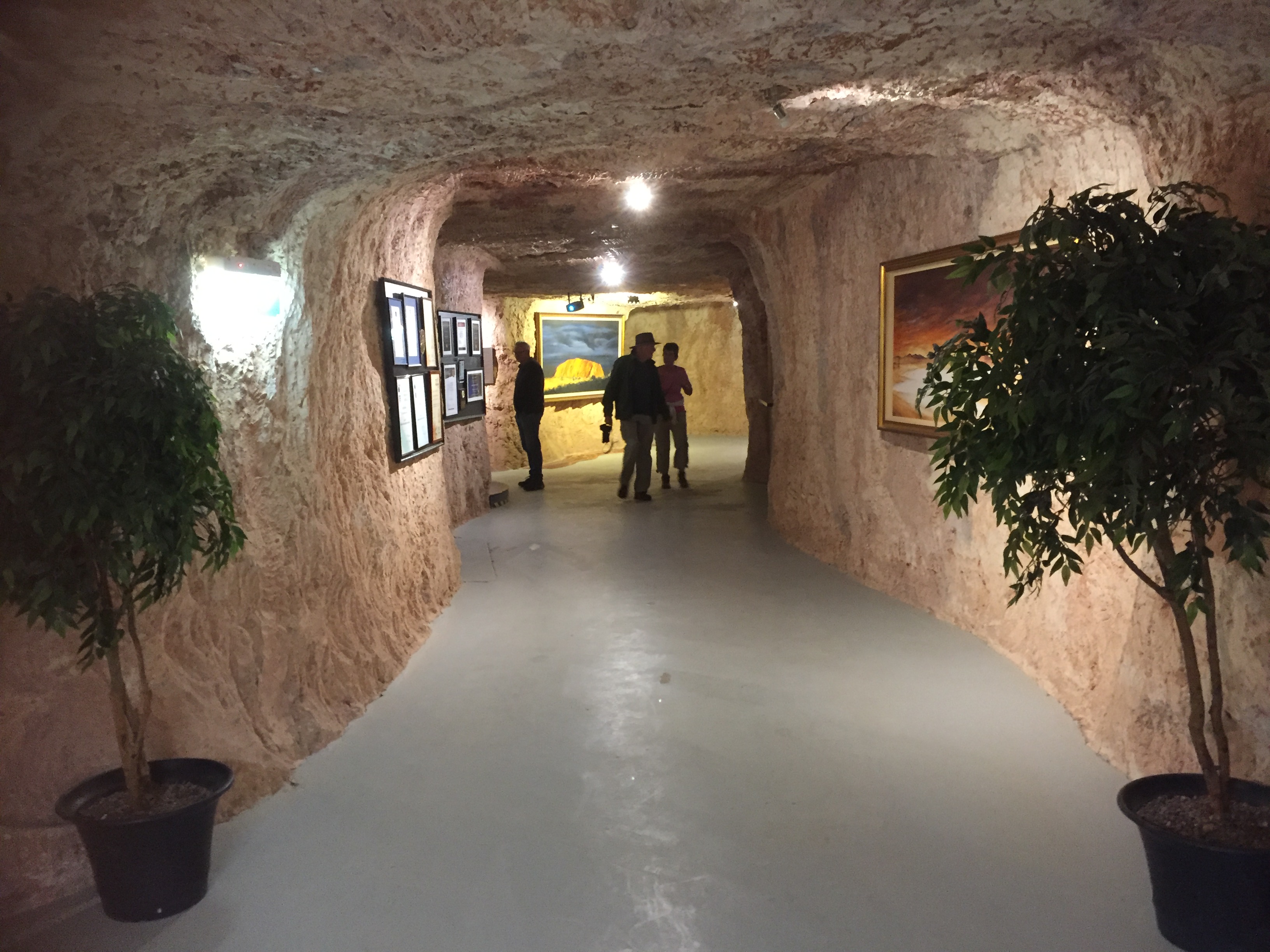
We spent Day 3 at Coober Pedy. The town’s name is an English adaptation of the local Aboriginal (Dieri) words ‘kupa piti’, meaning “whiteman’s holes”. More than half of the town’s population live underground, where temperatures are maintained at a pleasant 23-25 degrees C throughout the year while in summer above ground they often exceed 50 degrees. There are underground churches and art galleries too.


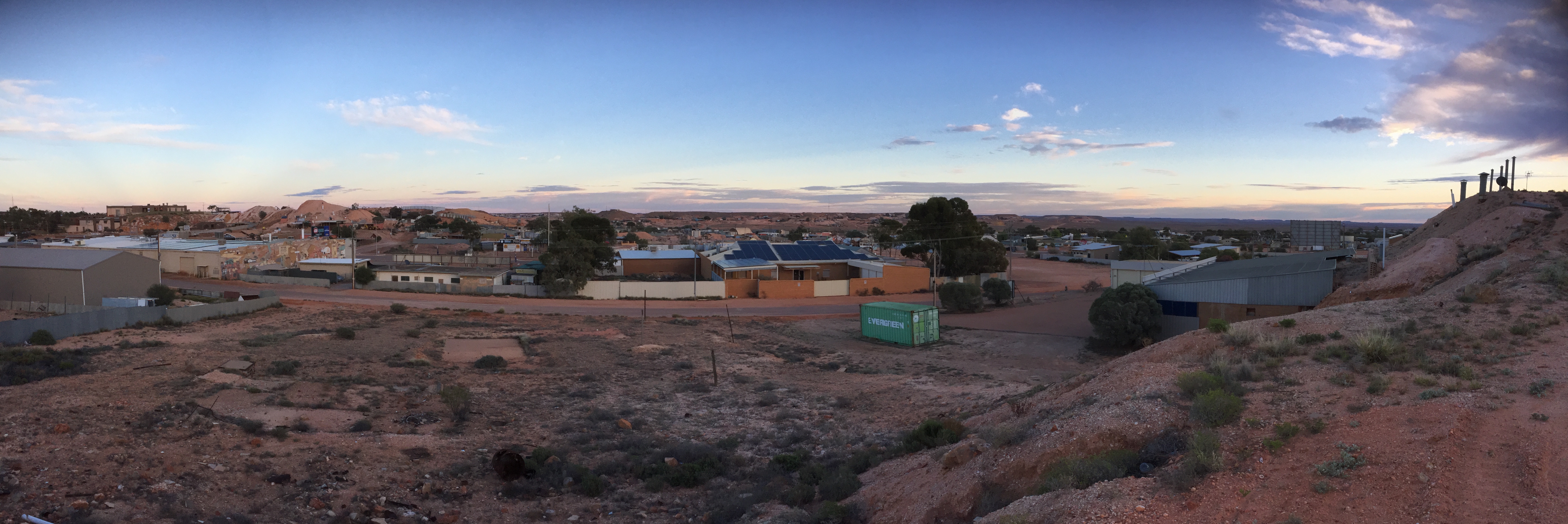
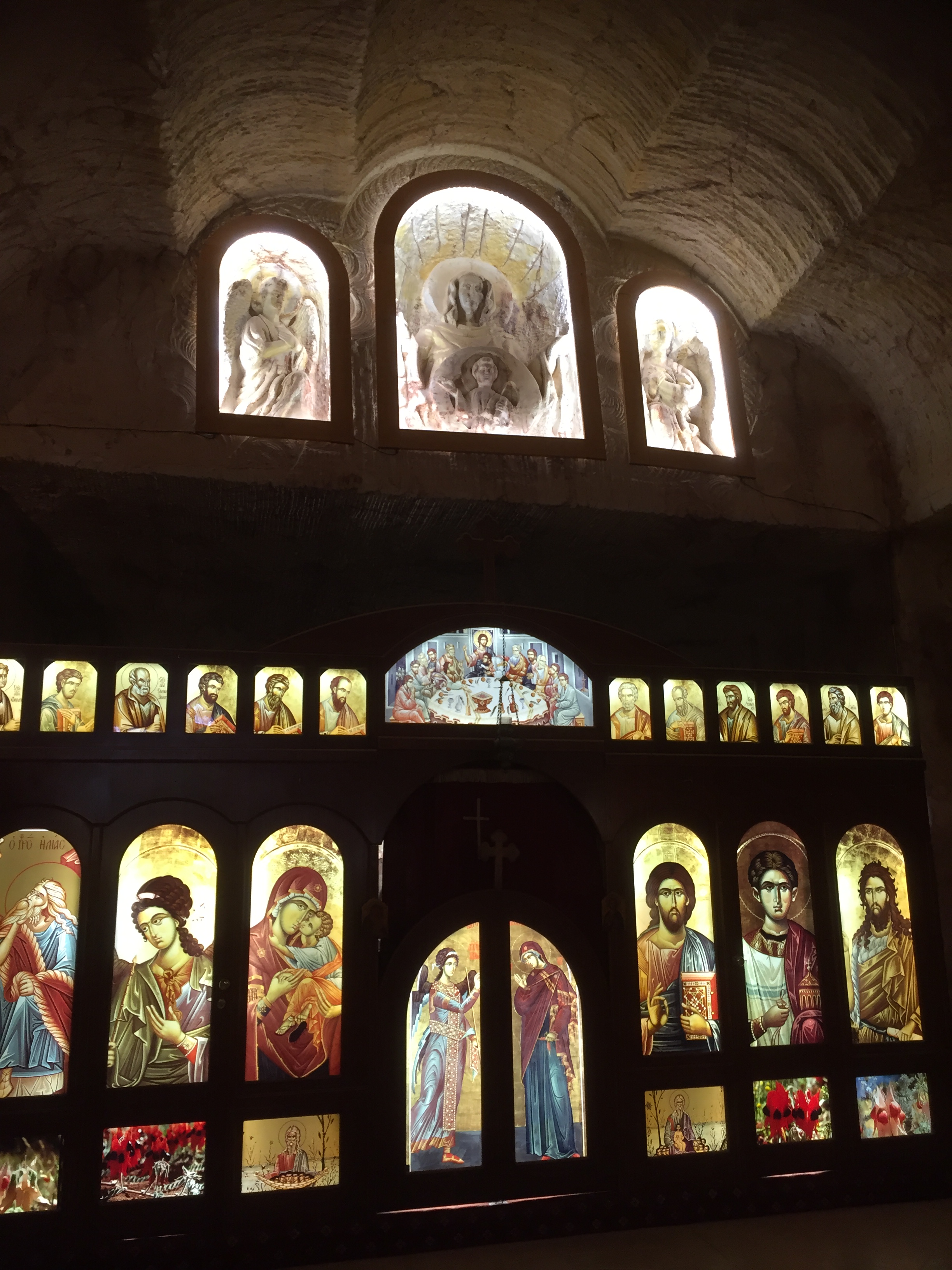

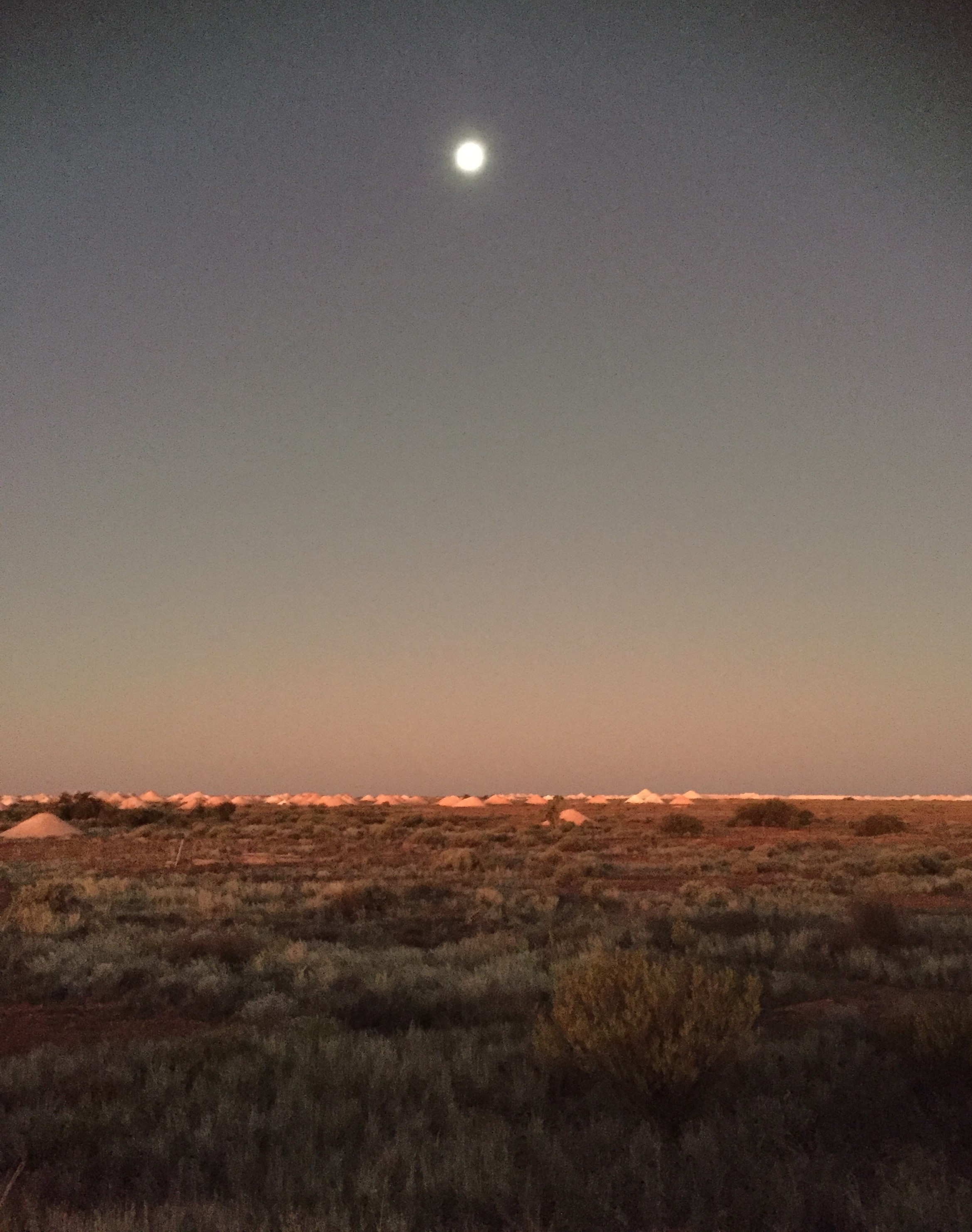
A highlight was an afternoon tour with Aaron Noble from Noble Tours Australia | 4WD tours from Coober Pedy out to the “breakaways”, a cluster of hills about 30km to the north where we saw an amazing sunset, and dropped into Aaron’s opal claim where he hopes to make his fortune one day.
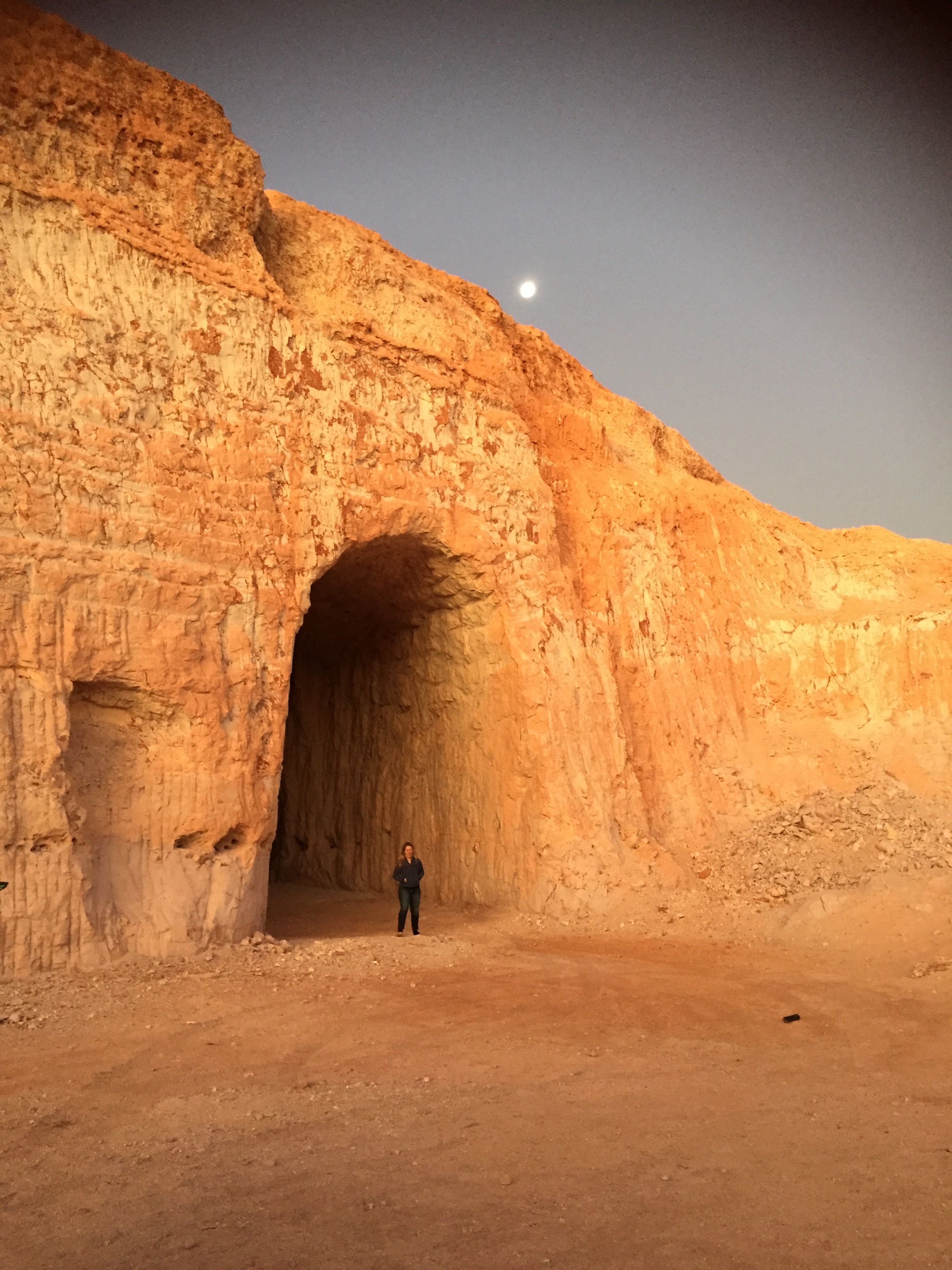

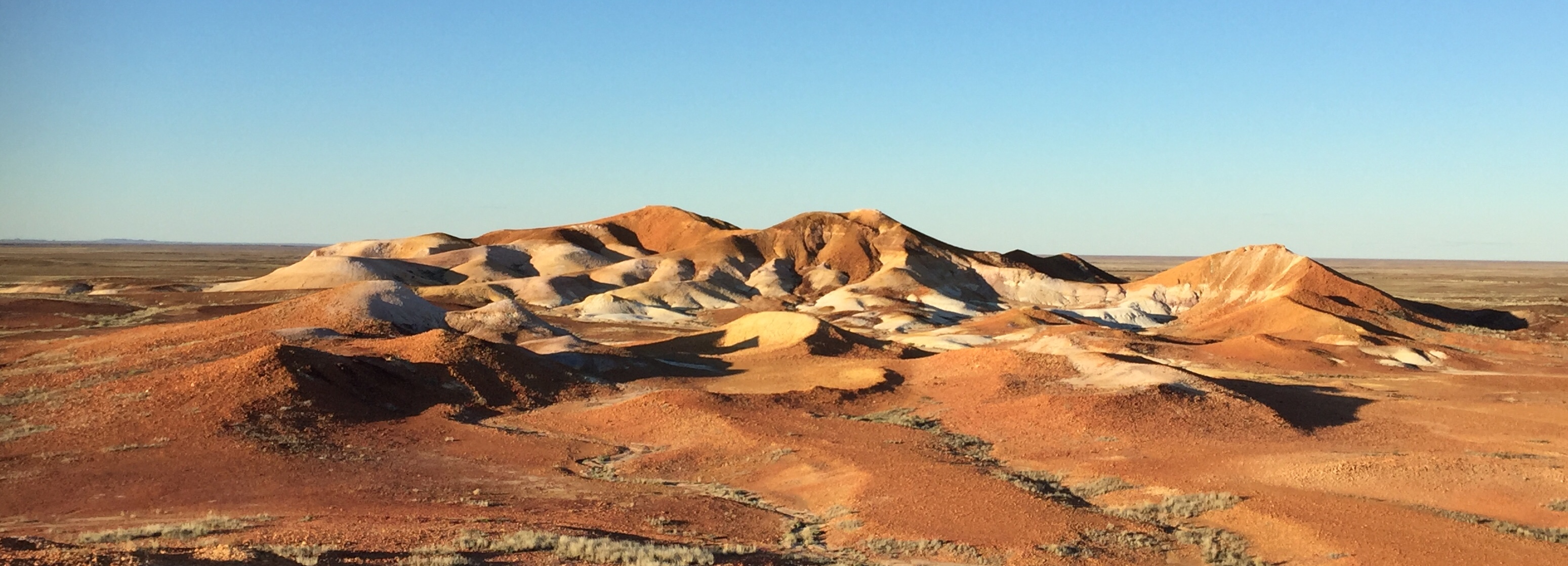

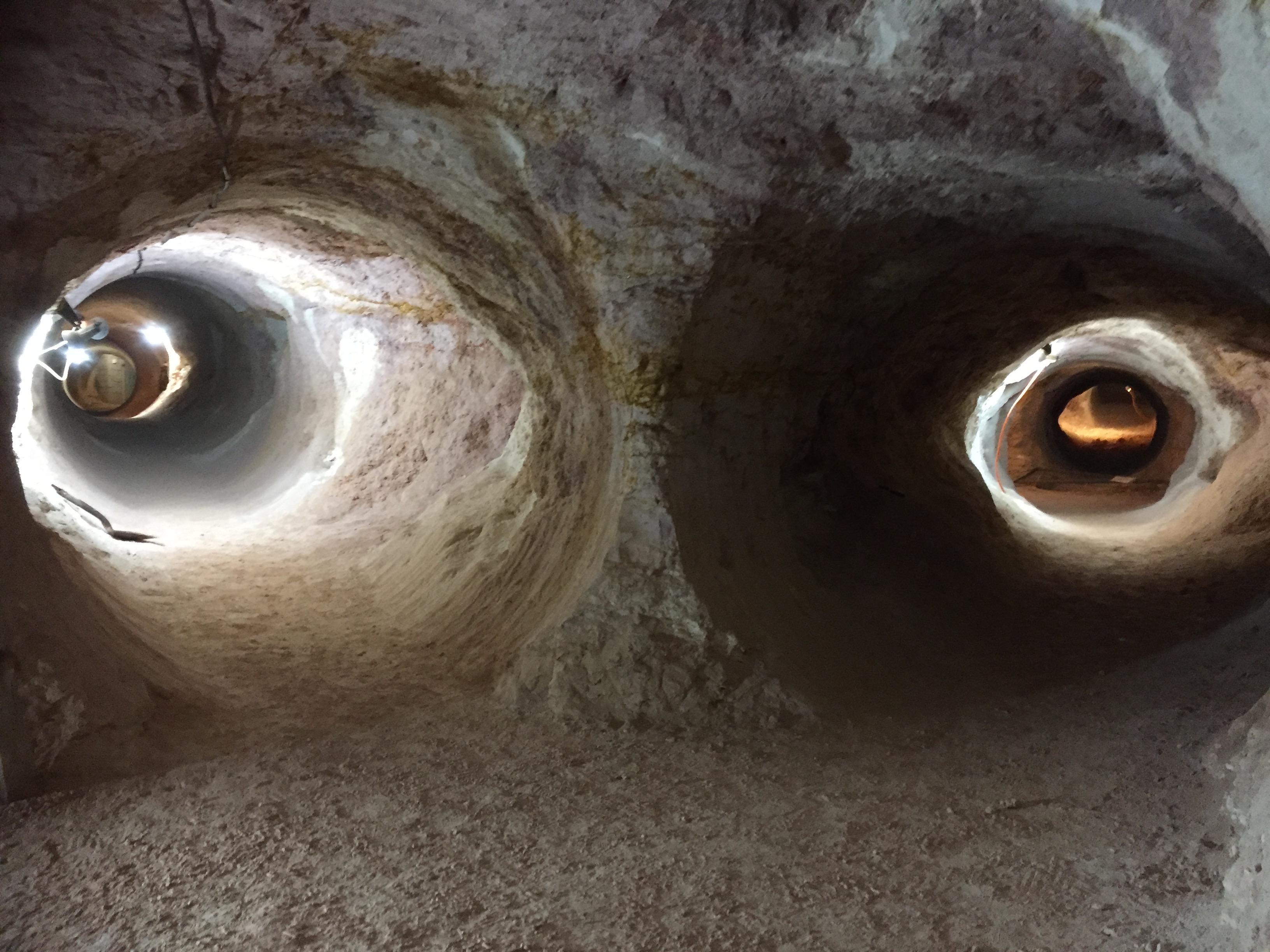
On Day 4 we had a tour of one of the underground houses, built by a feminist miner in the 1980s. Faye apparently found quite a bit of opal while extending the house to include three bedrooms, a lounge and even a swimming pool.


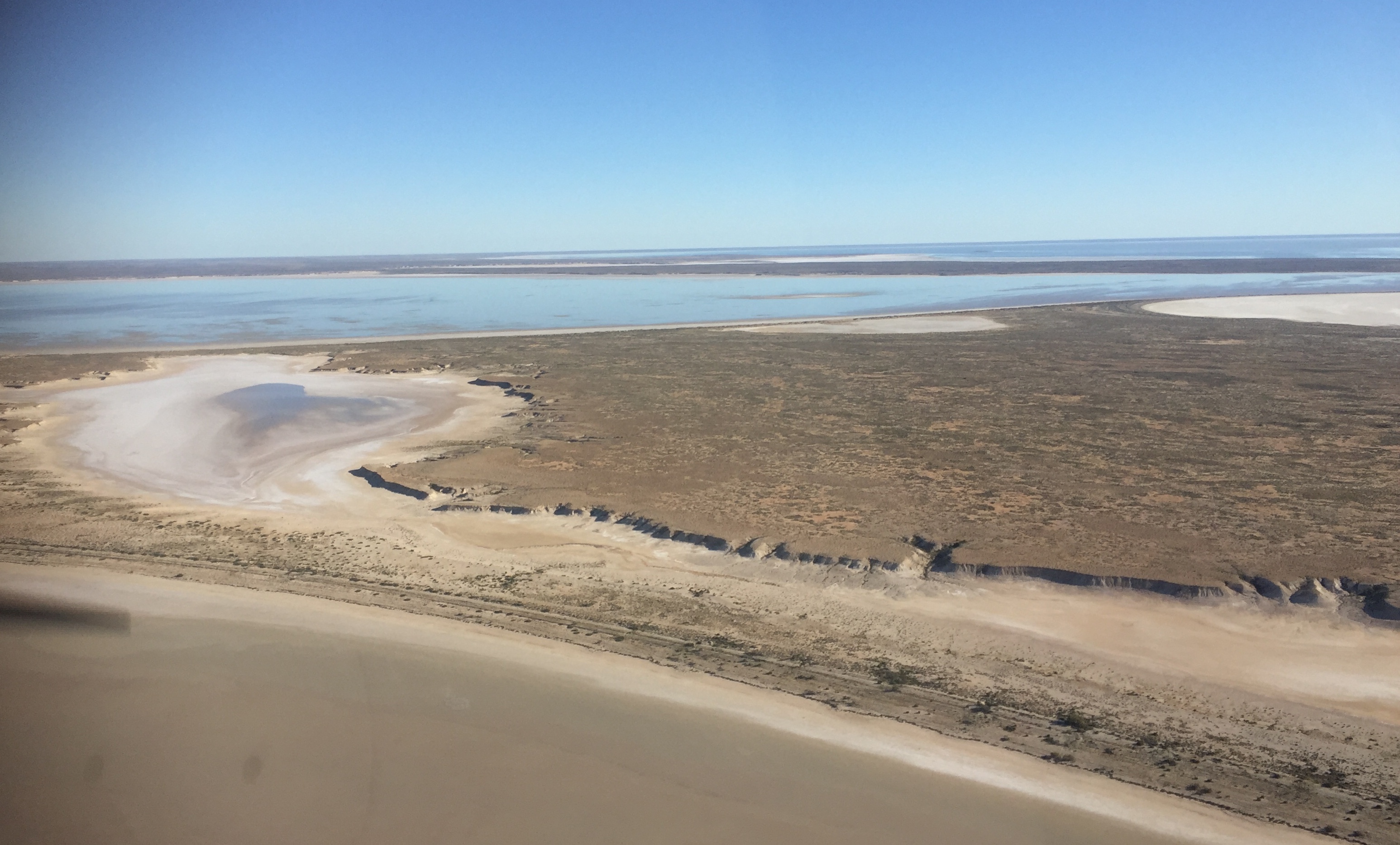
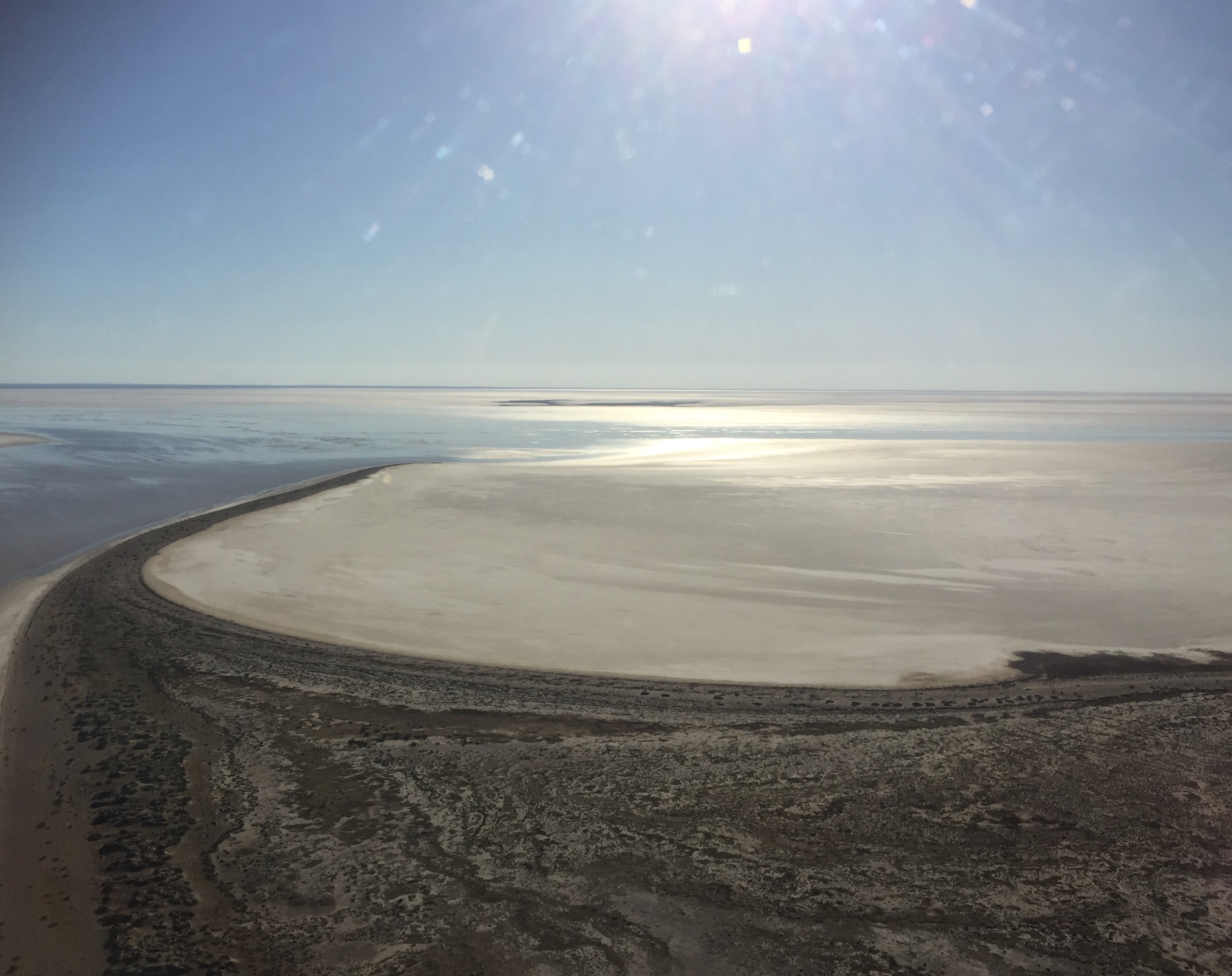
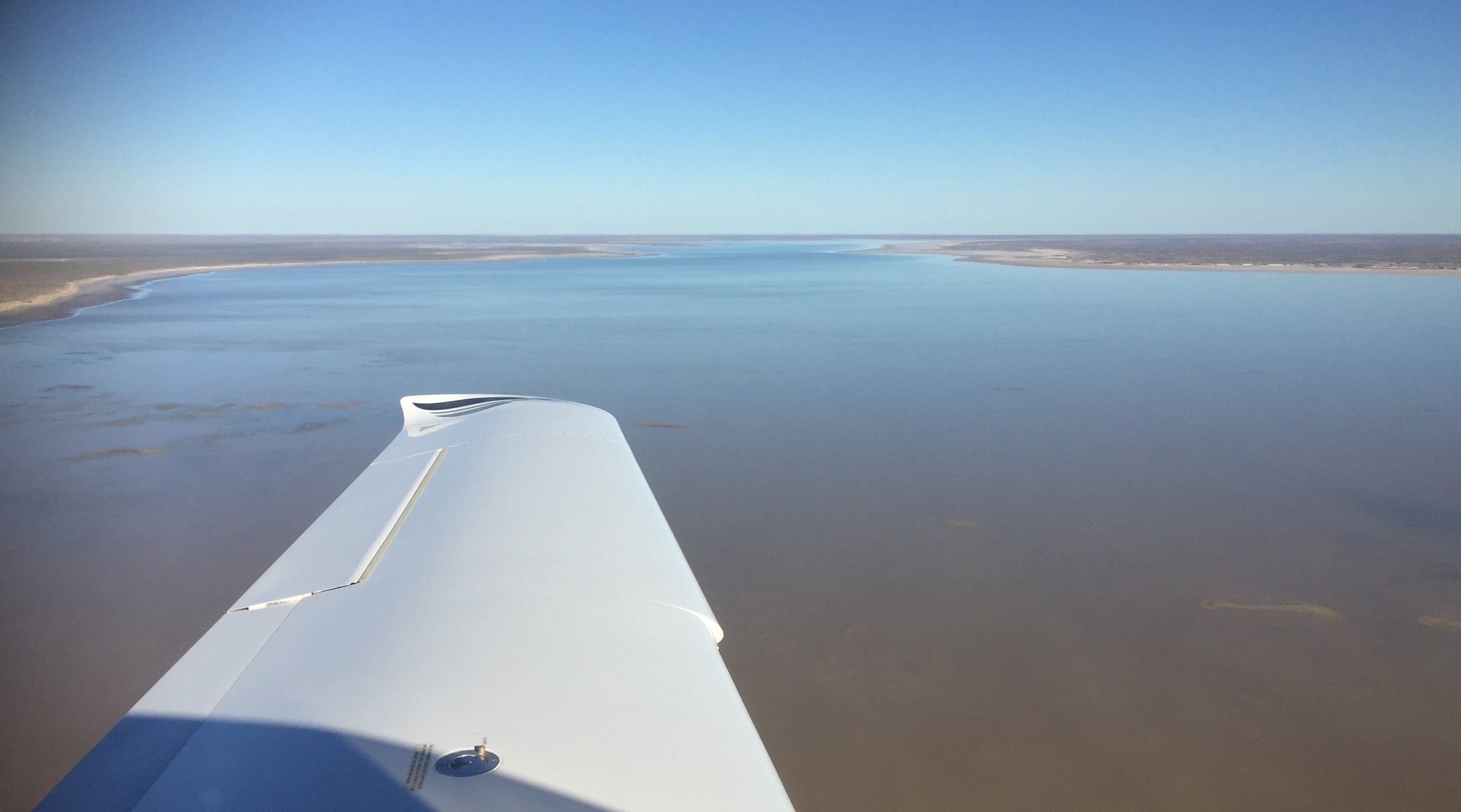
Later in the morning we headed for William Creek, the closest settlement to Lake Eyre. It was only a 30 minute flight so we were there in time for lunch. It sits on the famous outback “highway” called the Oodnadatta Track, between Marree and Oodnadatta. If you land on the gravel runway you have to watch for road traffic as you taxi, as you have to cross the “highway” to get to the apron. We landed on the sealed runway however. William Creek is surrounded by Anna Creek Station, the largest cattle station in the world, and is the gateway to the vast Simpson Desert. I had a chat to some of the local pilots about how they do scenic flights over the lake and after lunch we did a scenic of our own. The southern end of the lake was full of water and we could see the dry salt pan stretching way off into the distance to the north.
That evening we enjoyed dinner in the atmospheric William Creek pub along with numerous other pilots, truck drivers and tourists, some of which were returning from the Finke Desert motorbike rally.
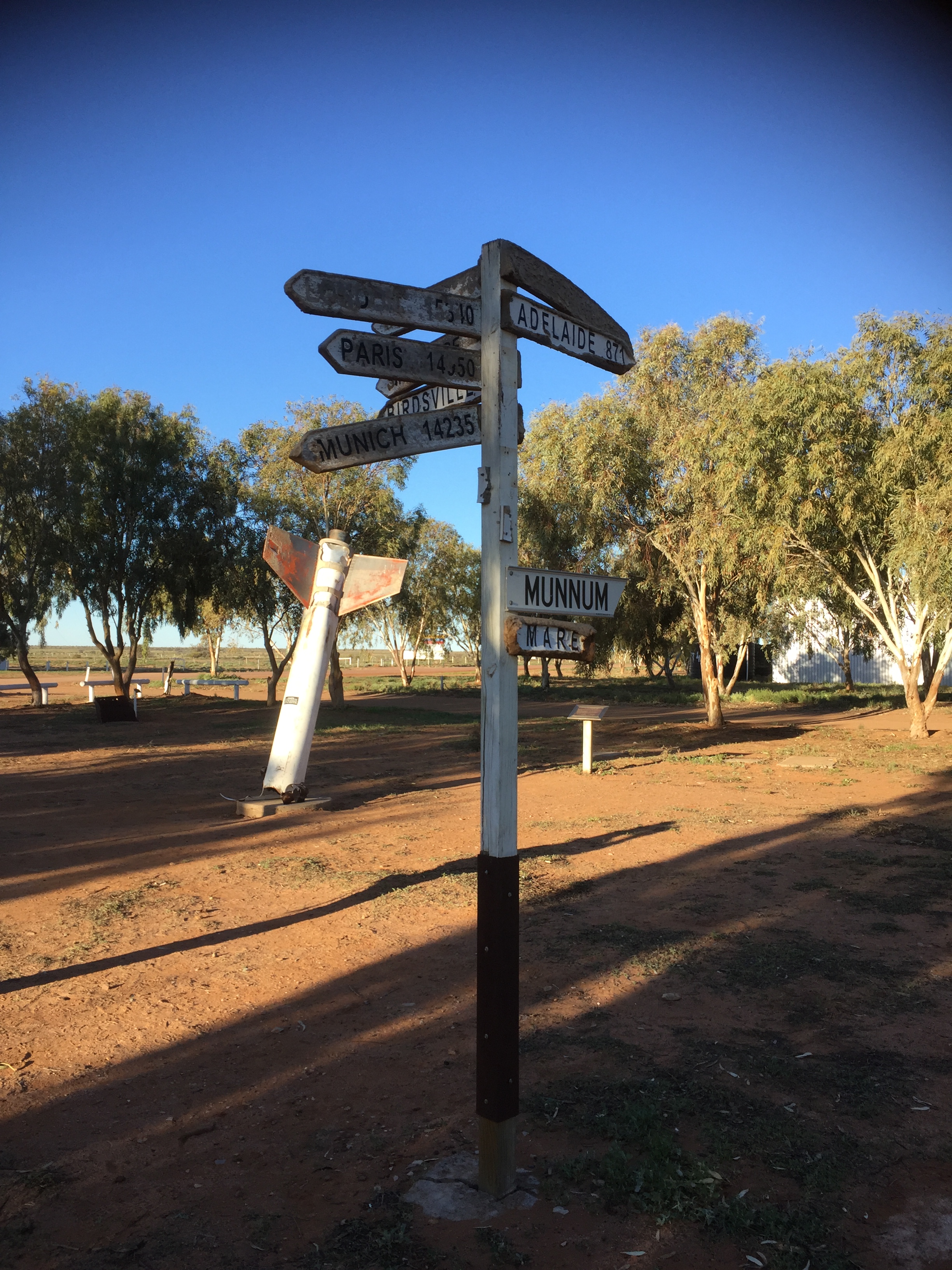
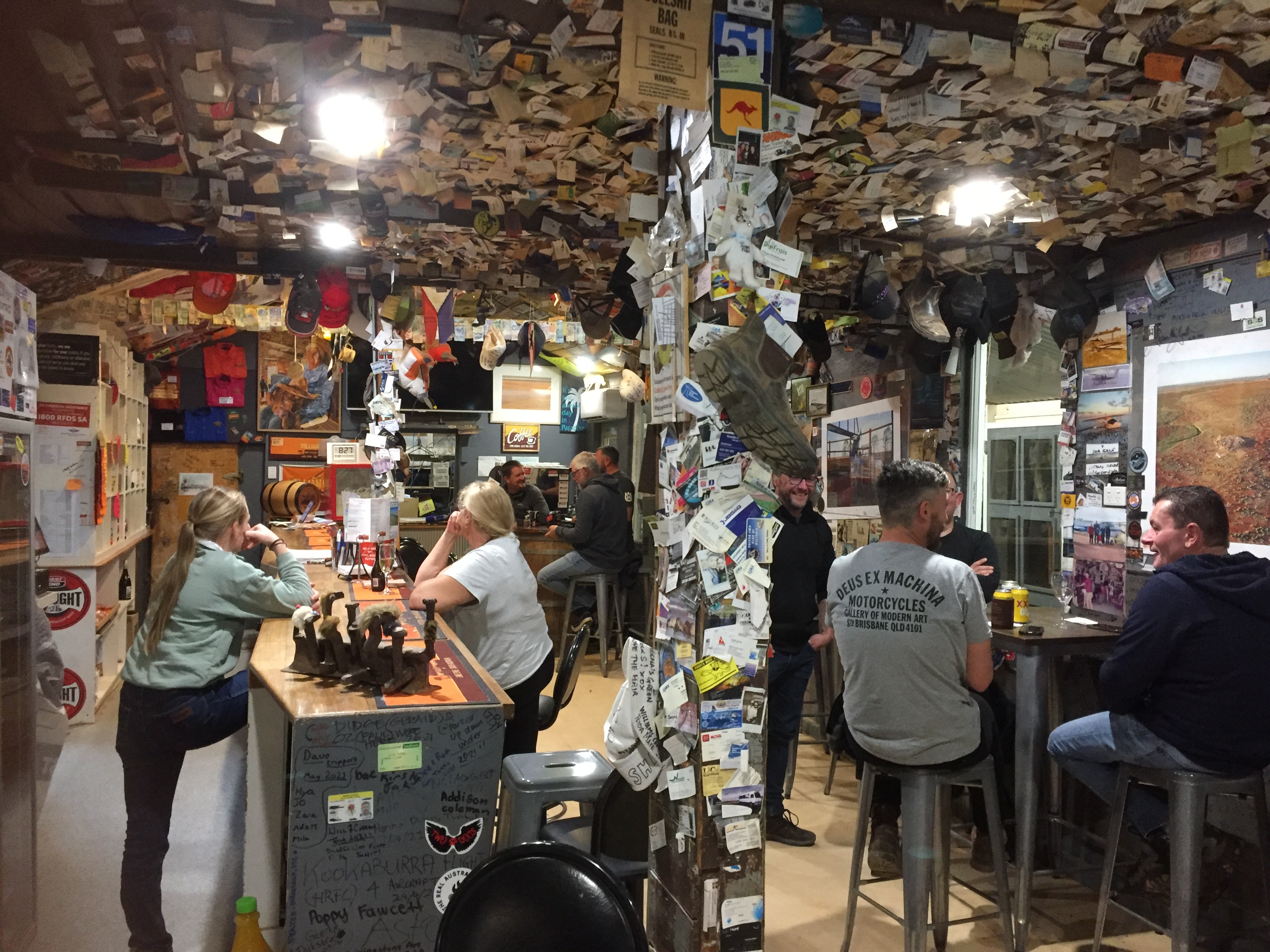

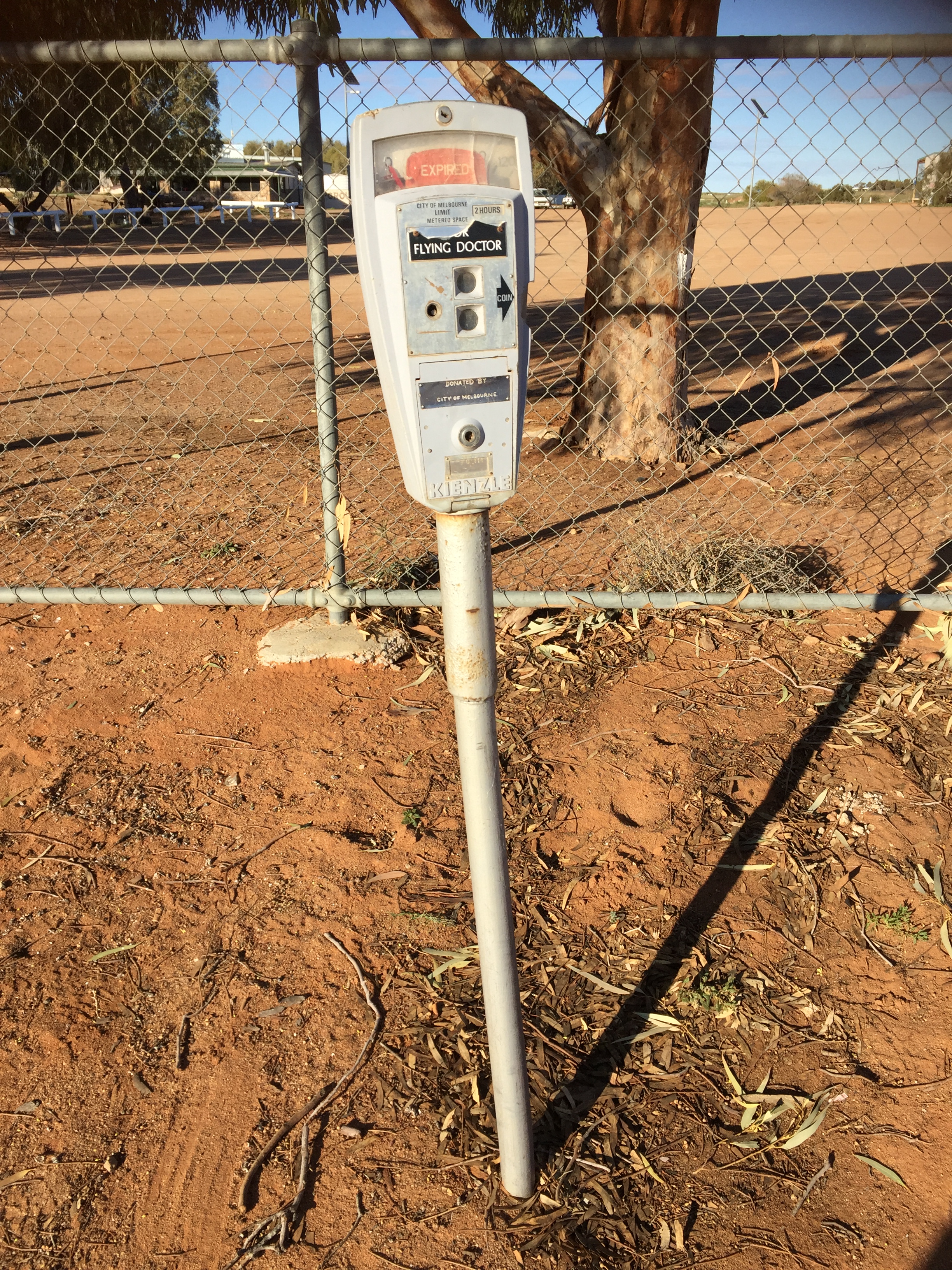

We rose early on Day 5, walking around checking out the William Creek airstrips as the sun rose, and running into the owner Trevor Wright as he did his early morning rounds.

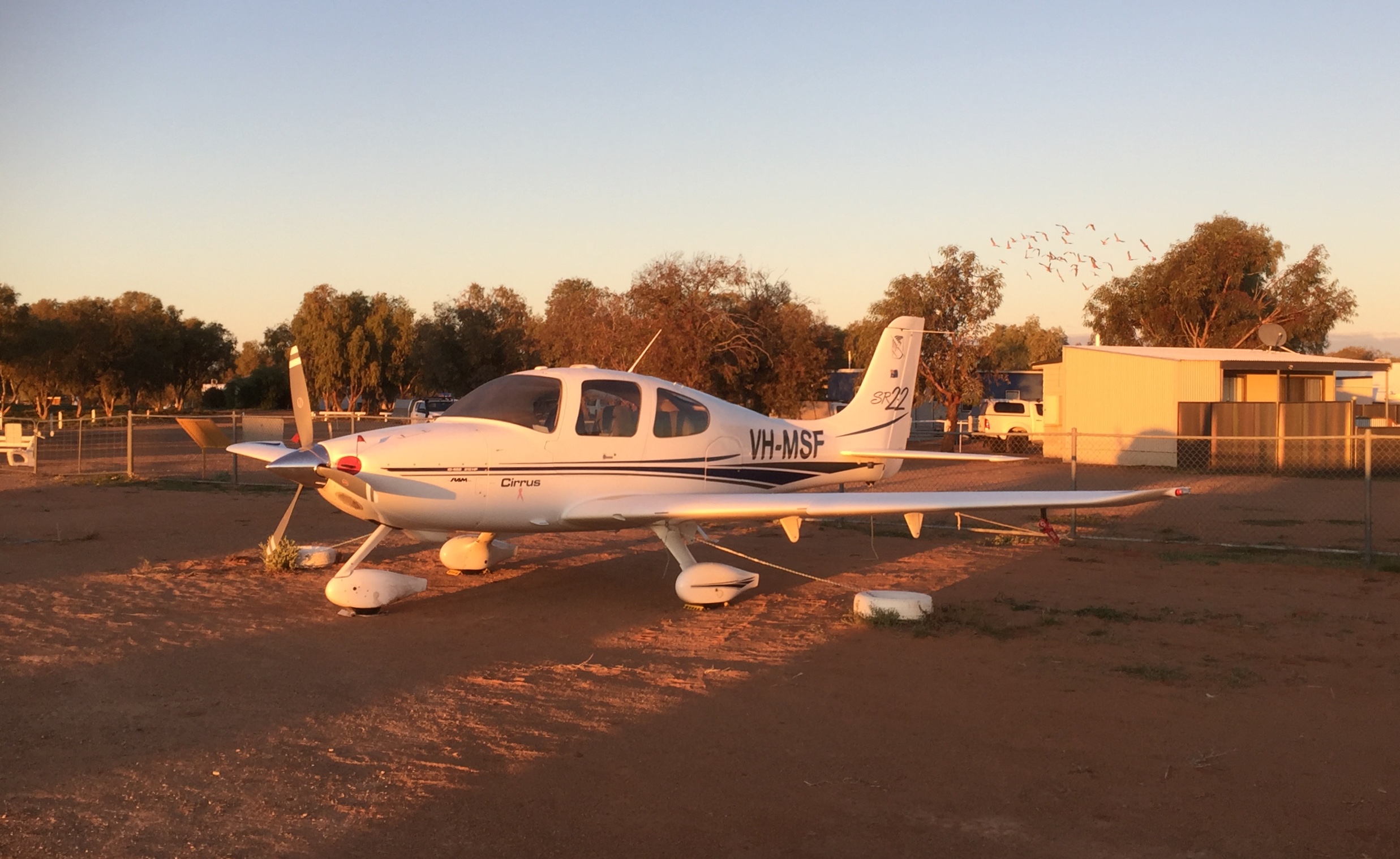
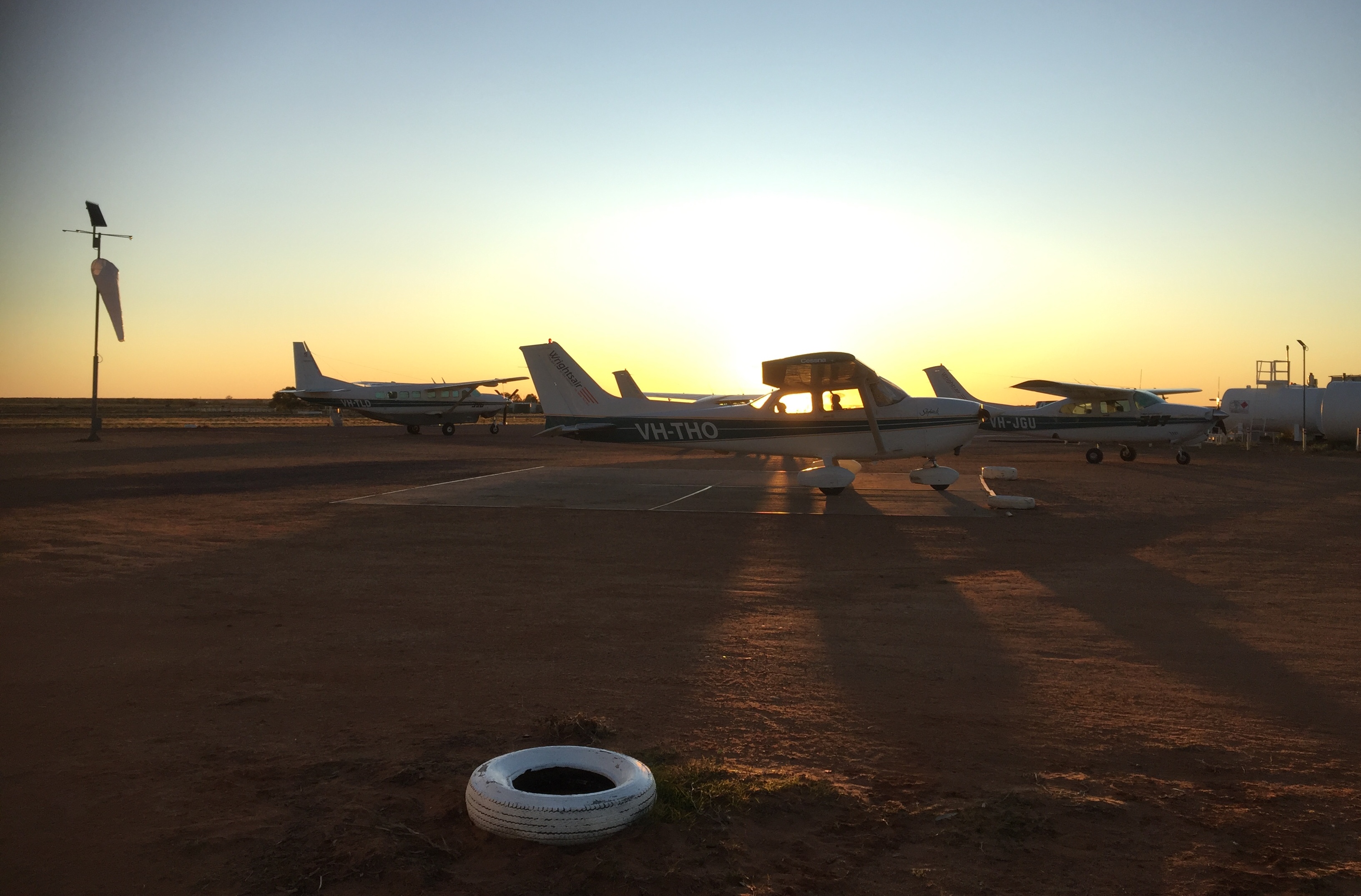
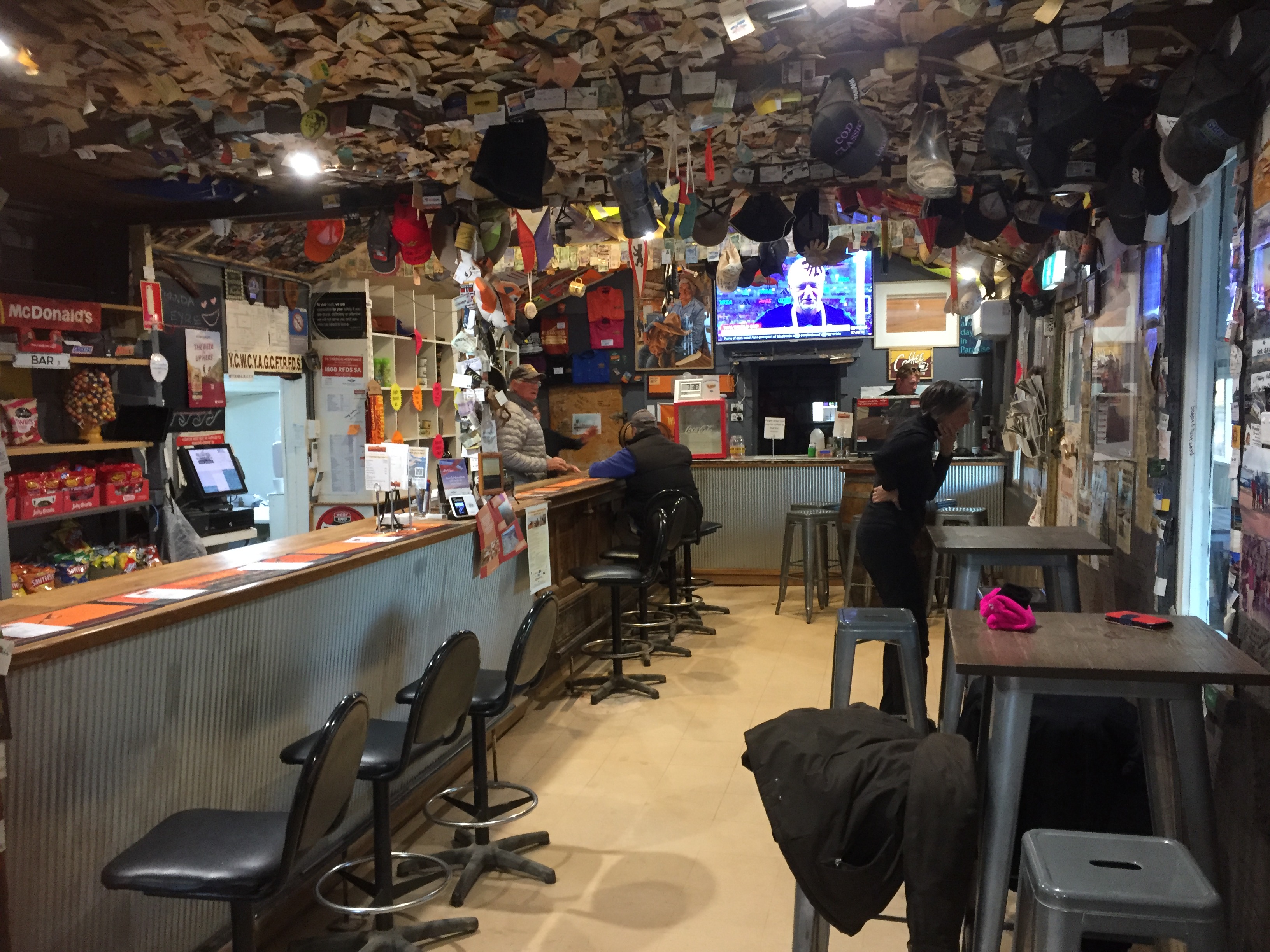
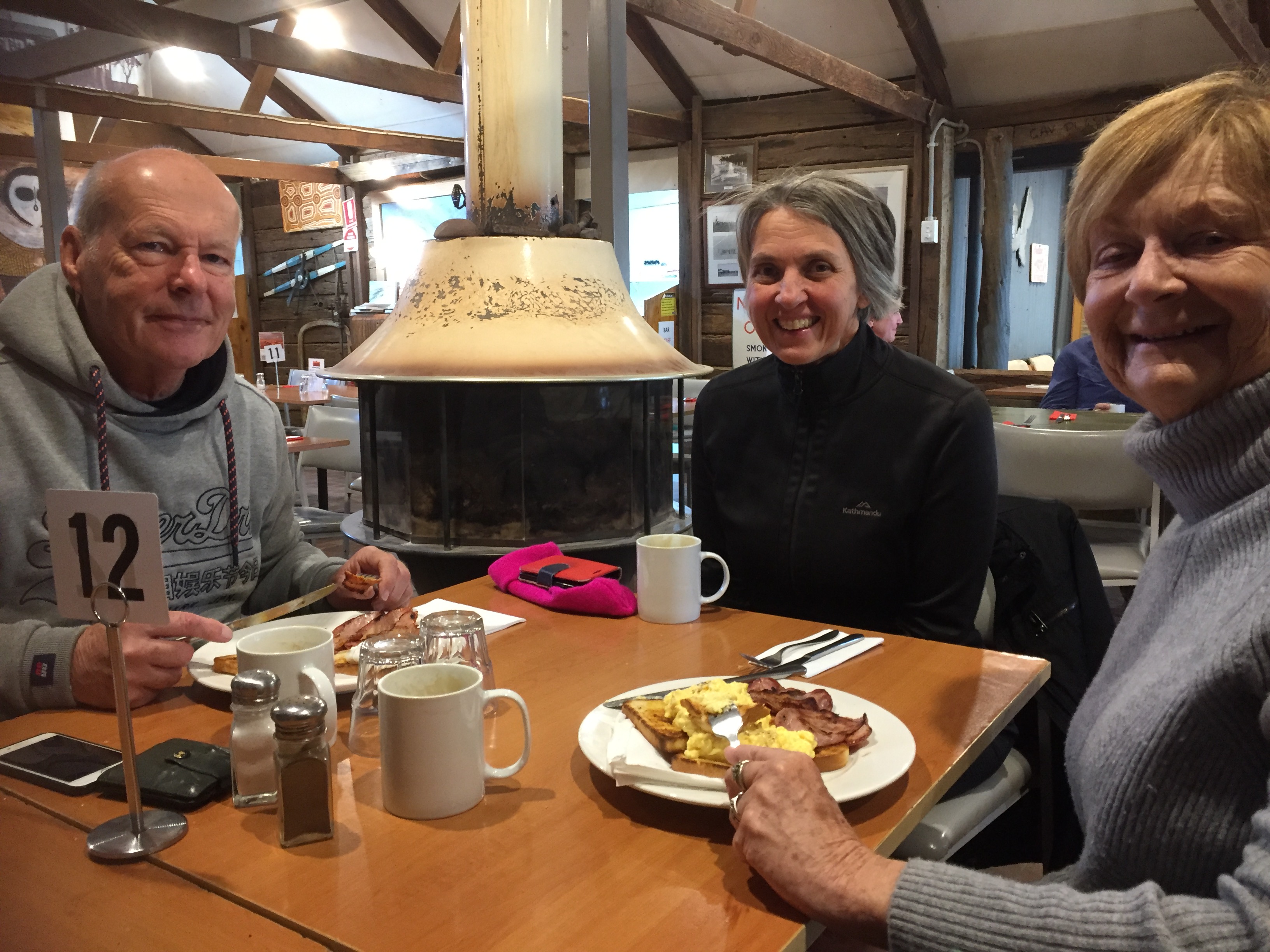
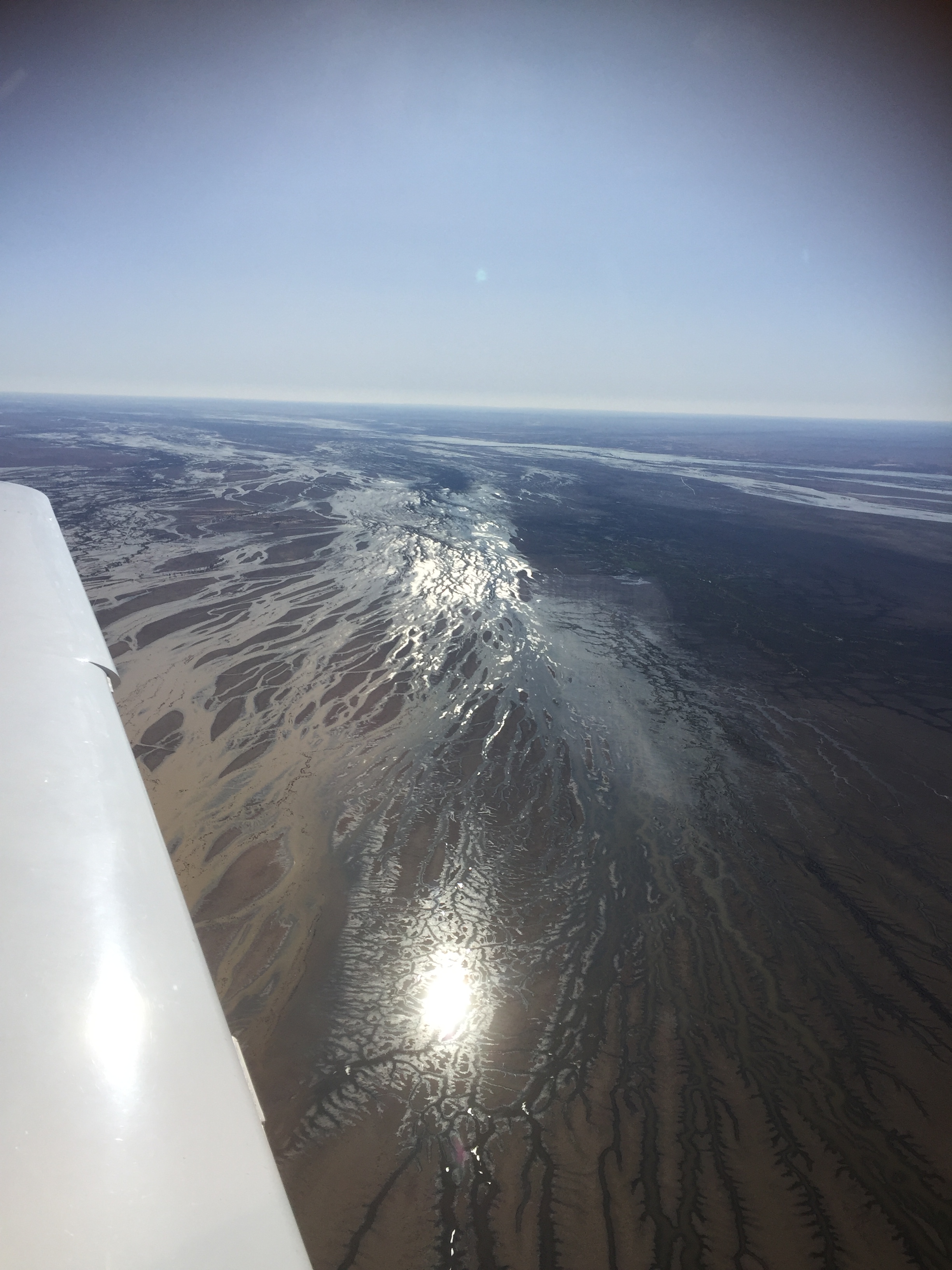
After a hearty breakfast we took off and flew north east over Lake Eyre North to Birdsville. There was not much water in the lake but a lot in the Diamantina and Warburton River catchments, heading south.


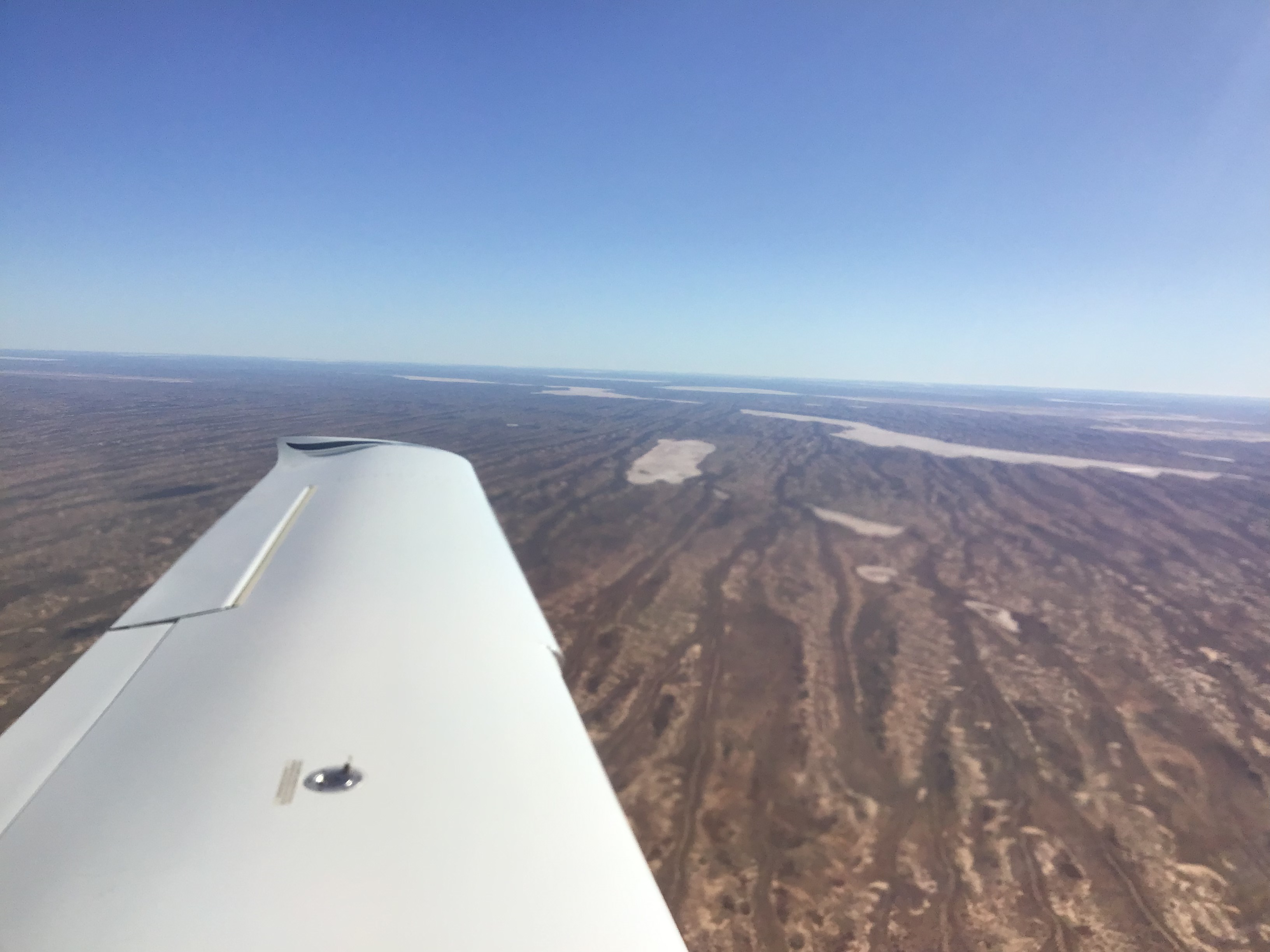

We passed over a couple of cattle stations on the Warburton. As we descended into Birdsville we did a couple of orbits over Big Red then headed for the town, managing to park opposite the pub.


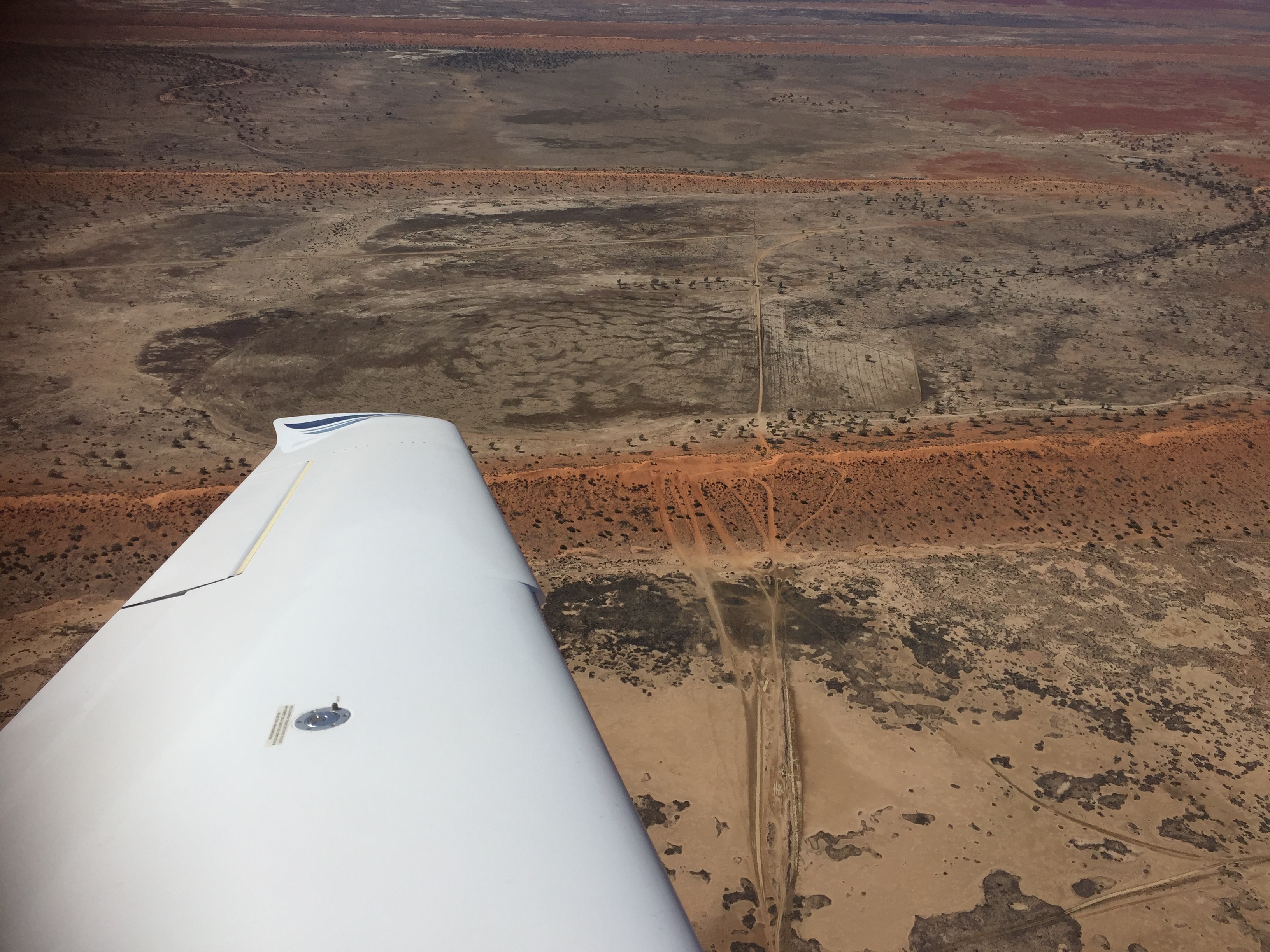
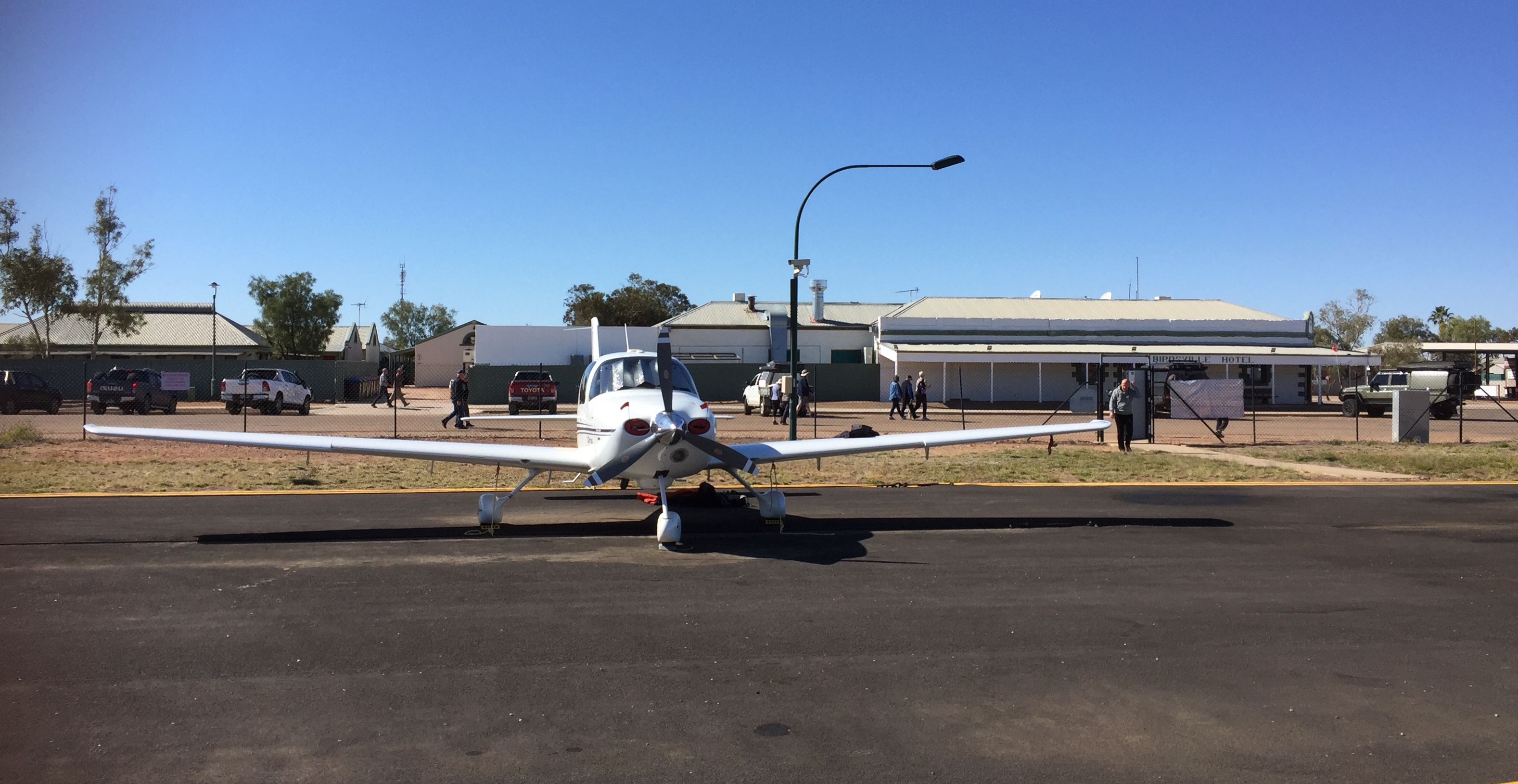
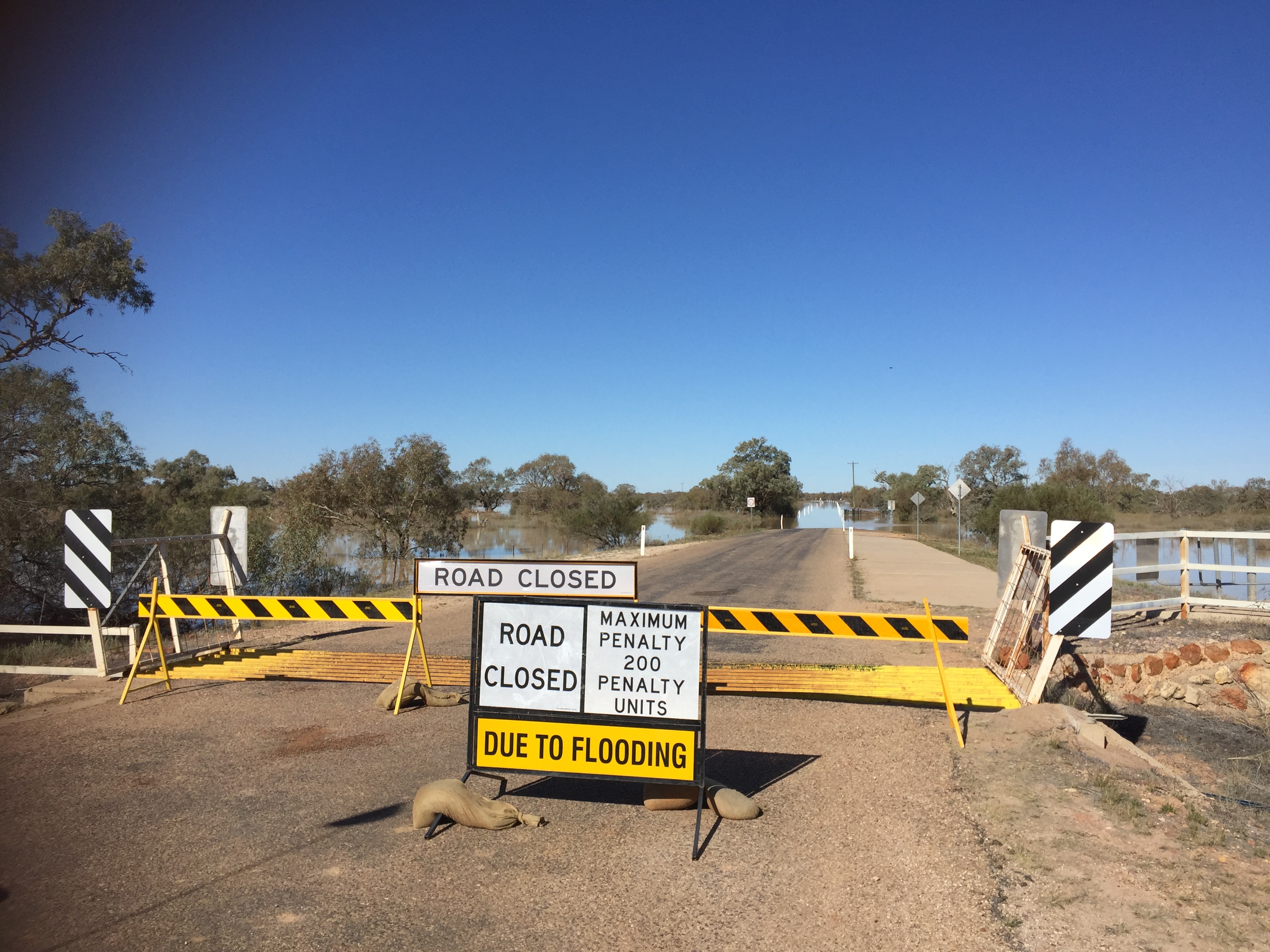
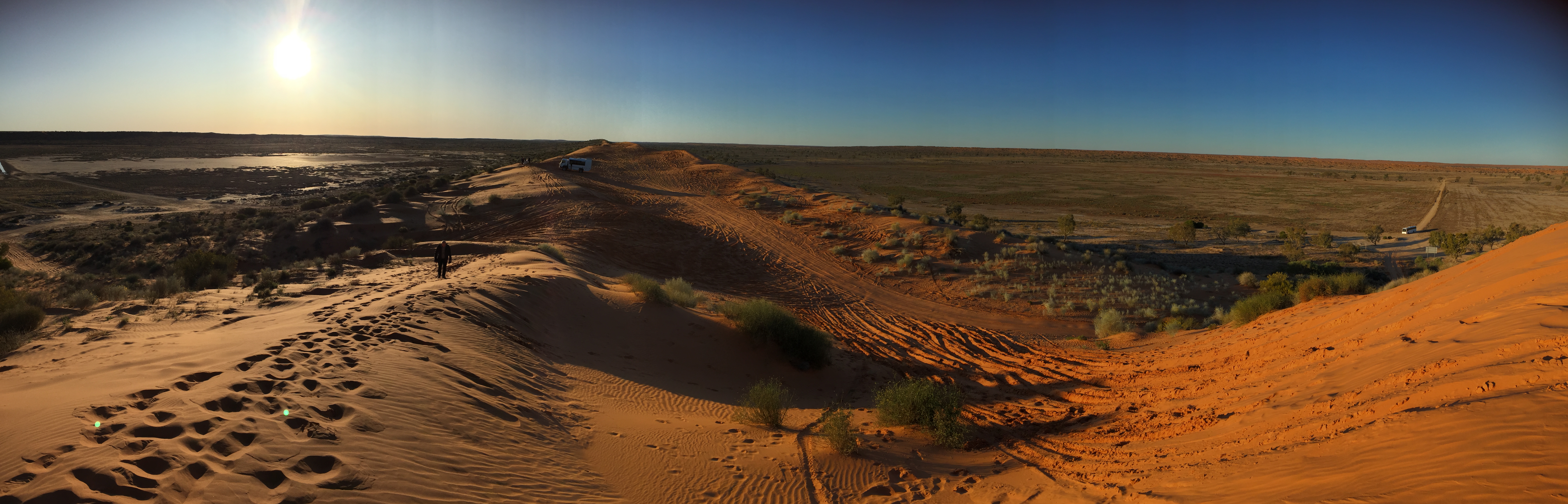
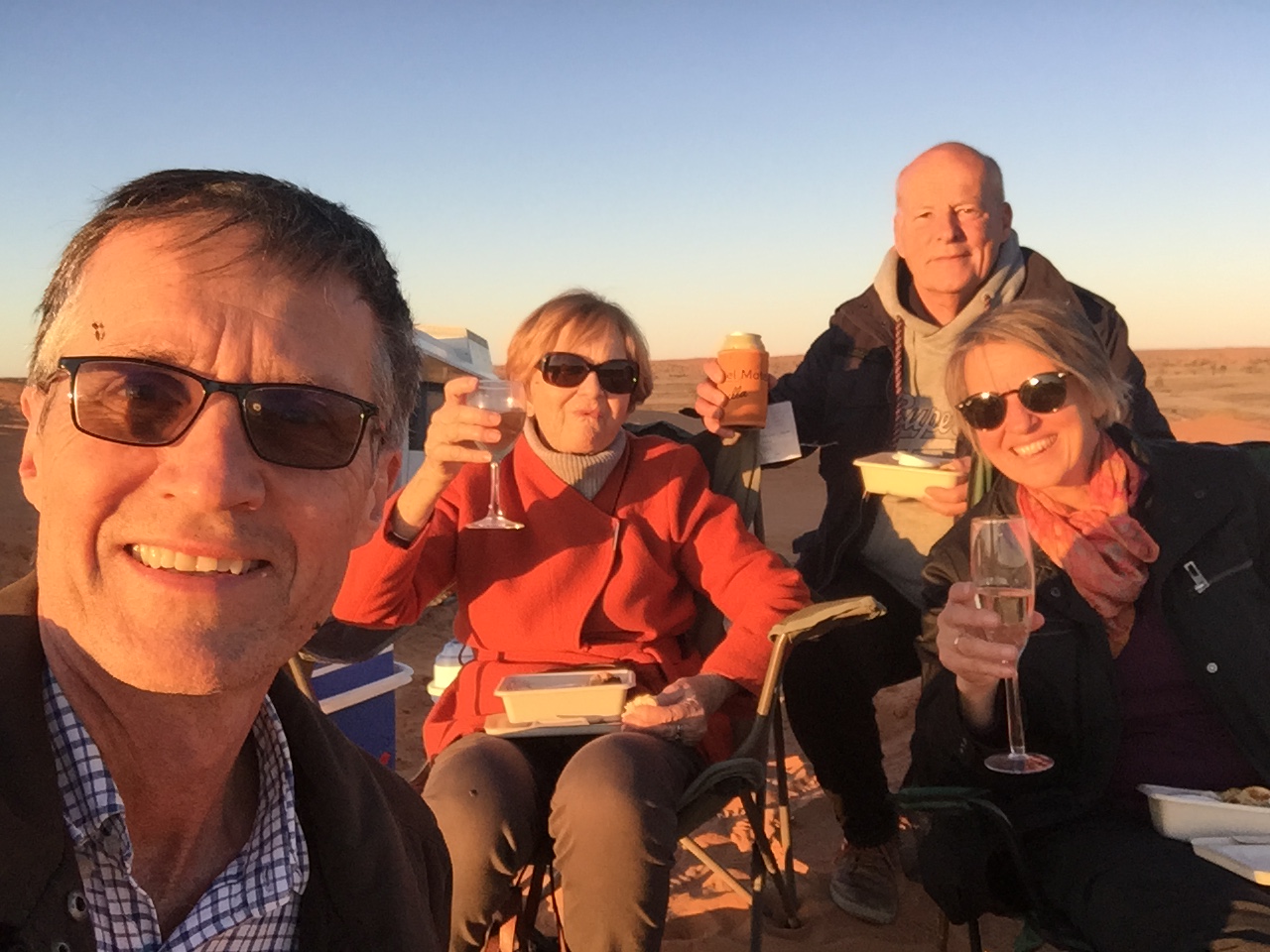
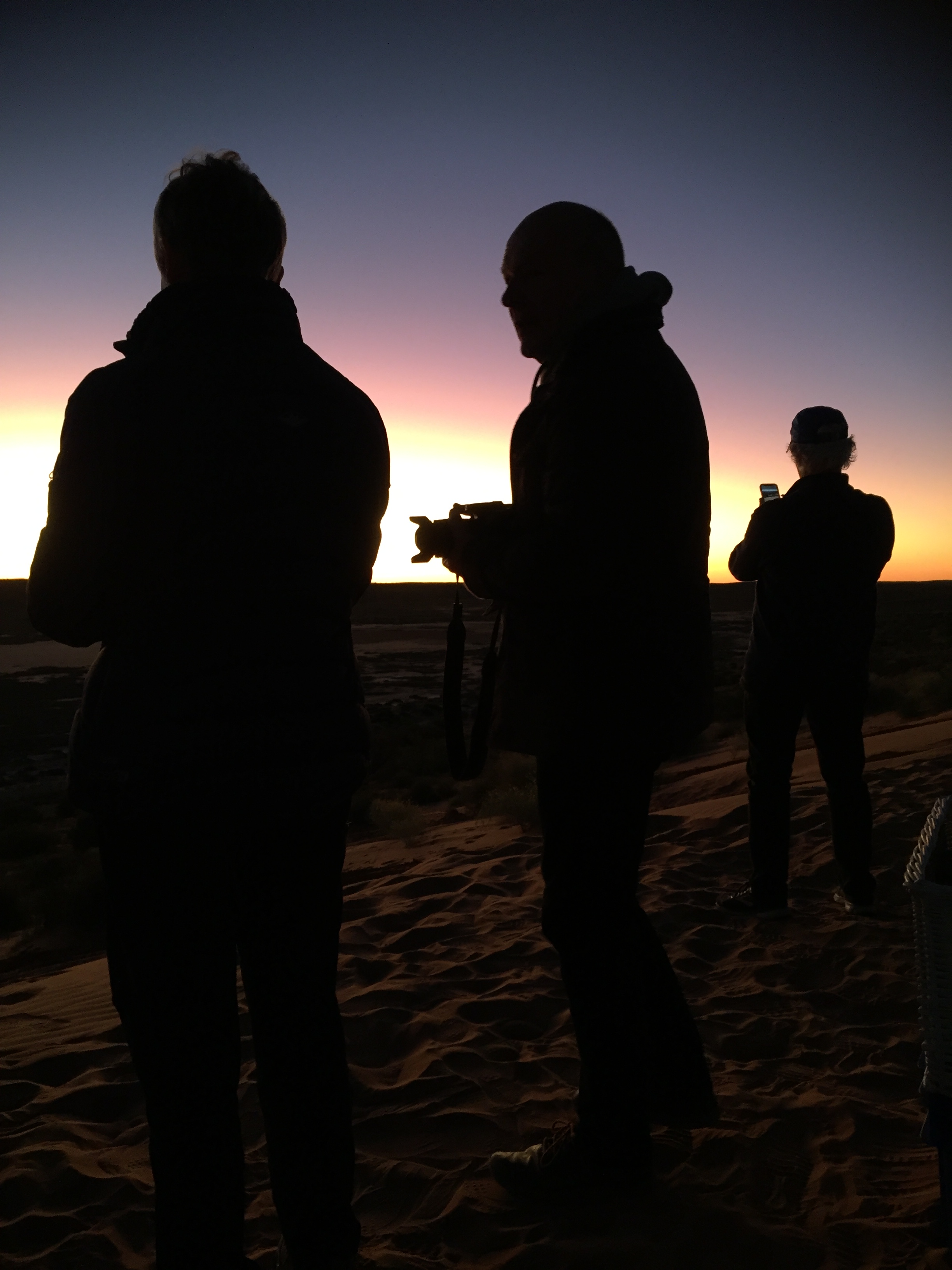
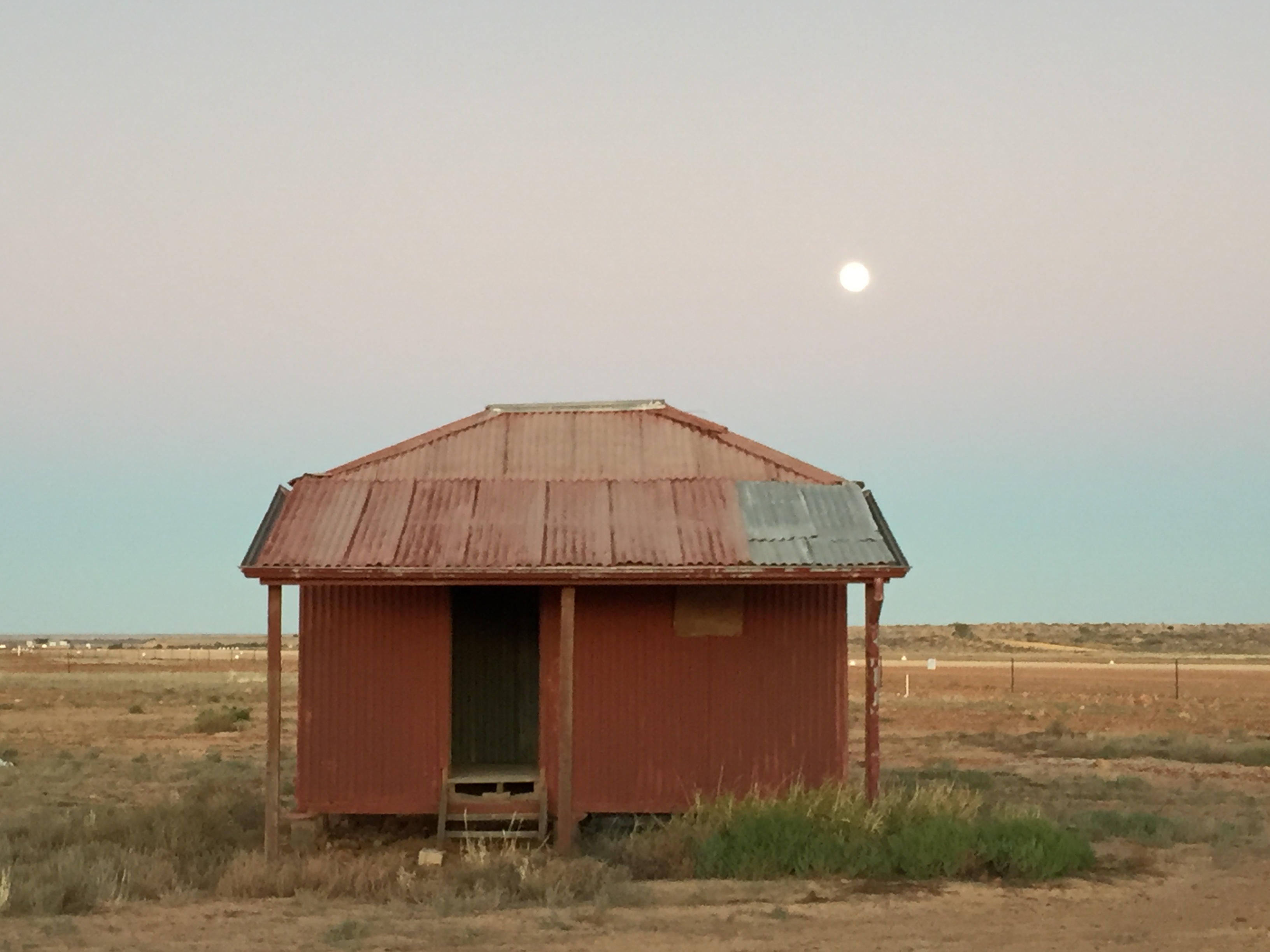
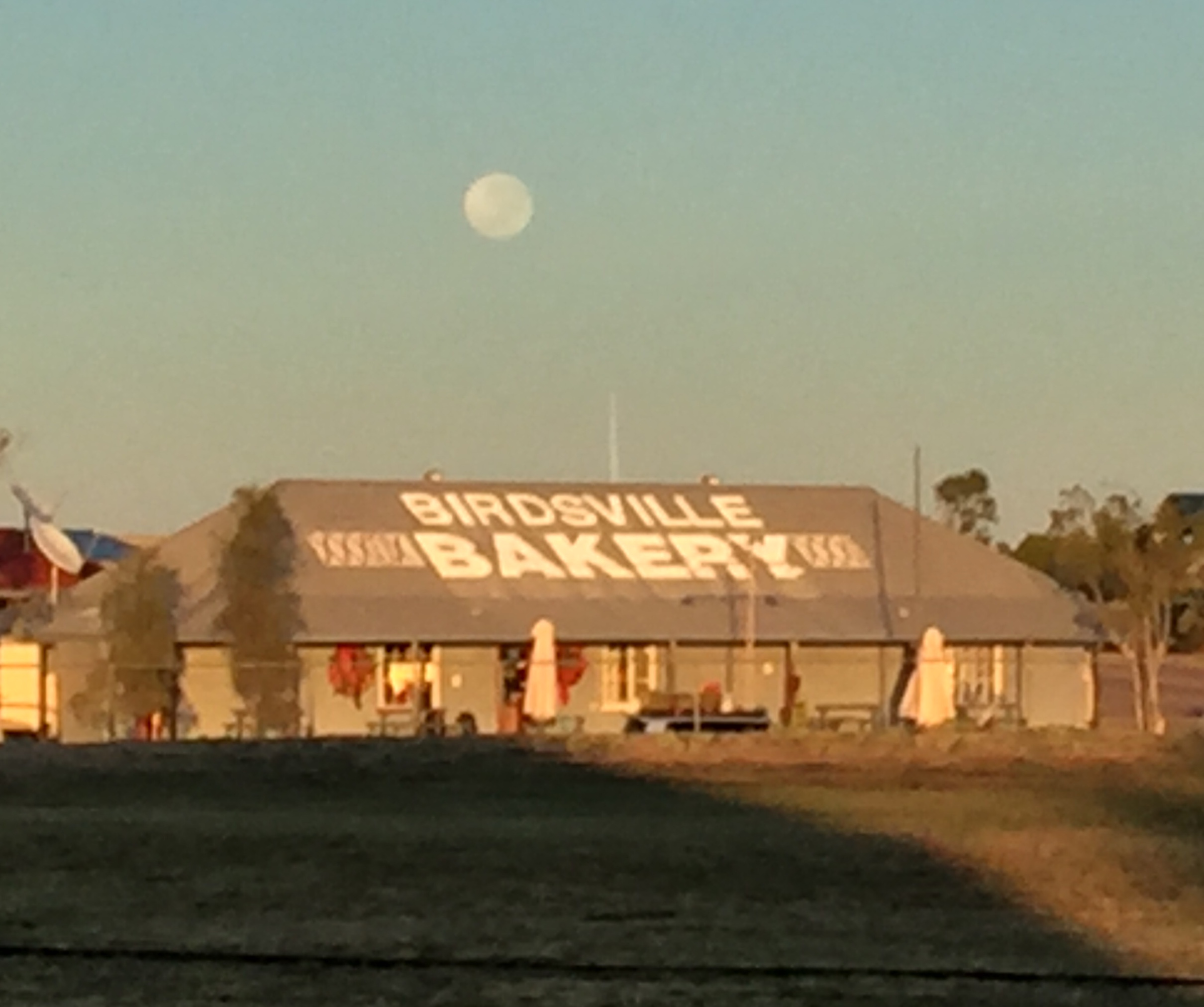
After arriving in Birdsville we checked into our motel room at the pub and then headed on our Big Red Tour with bus driver Greg. He drove us around town, first pointing out the interesting spots like the flooded causeway at the Diamantina River (the road had been closed for weeks limiting the movement of tourists and supplies), the school (it has only 3 students), the other pub (Royal Hotel) that has been decommissioned for many, many years, the geothermal power station that was shut down because it was contaminated with sulphur, the famous bakery and more. I hadn’t realised that Birdsville was so big. Then it was off to Big Red, a 30 km drive. The 4WD bus climbed effortlessly up on to the sand dune where we enjoyed the end of another day with beers, bubbles and a big red while watching the sun set in the west and a beautiful full moon rise in the east. We returned to town for dinner at the iconic pub.
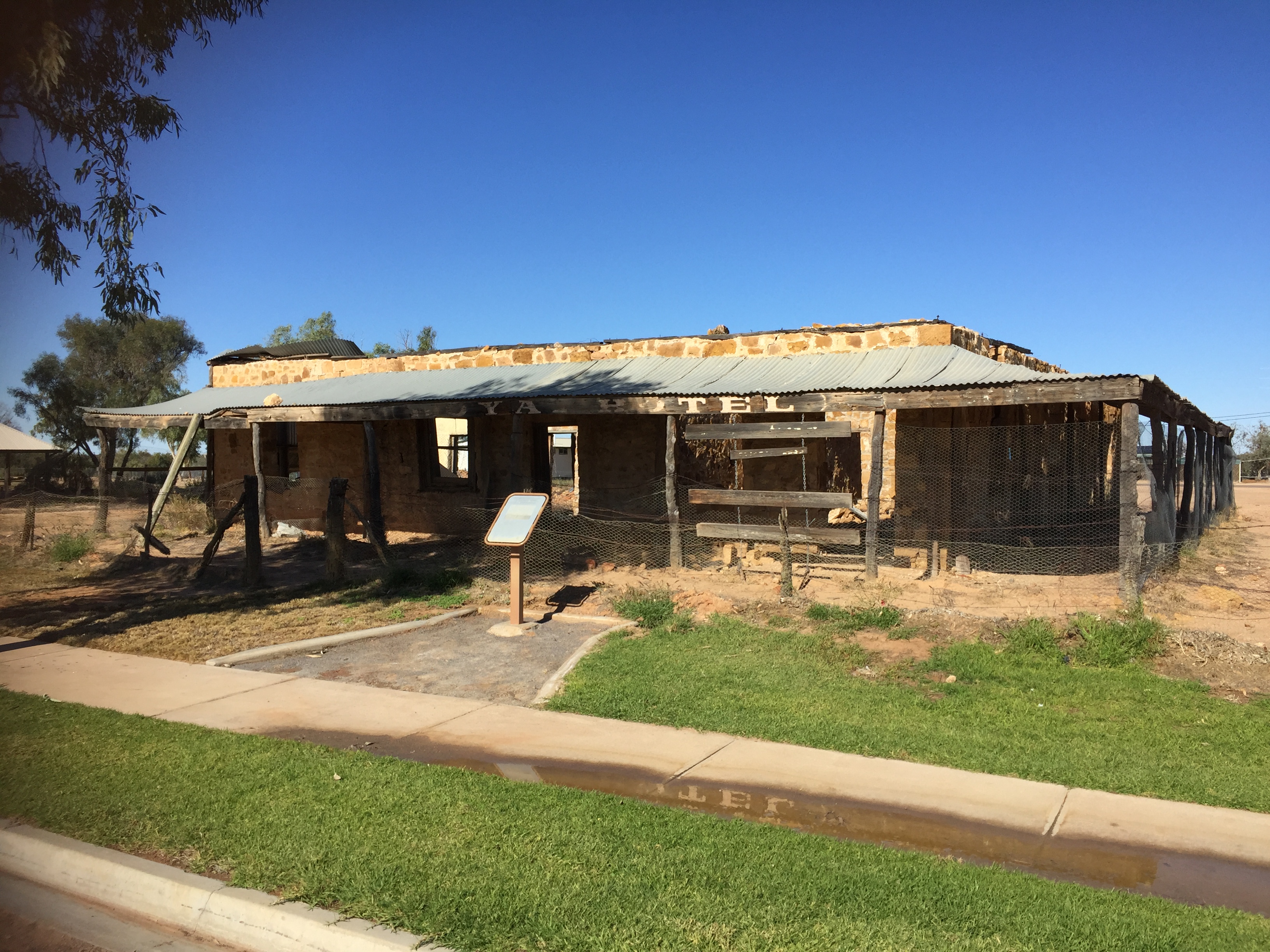



On day 6 of our “Way out west” tour we rose in time to see the moon set in the western sky and visited the old gaol and courthouse, saw the first plane take off and headed to the bakery for breakfast. They didn’t have a huge selection of rolls or fillings but we managed to buy a few things for a picnic at the Burke and Wills Dig Tree.


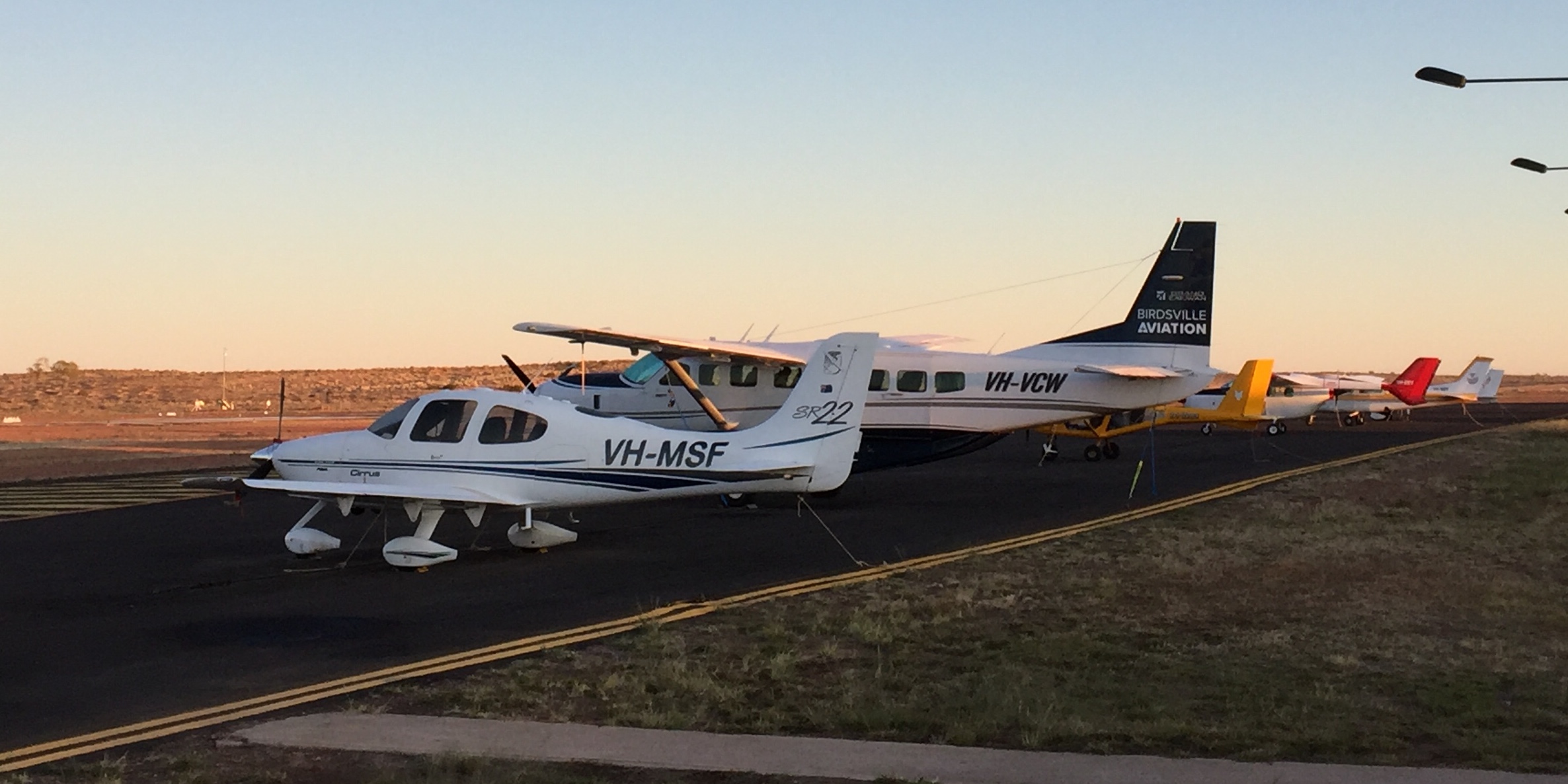
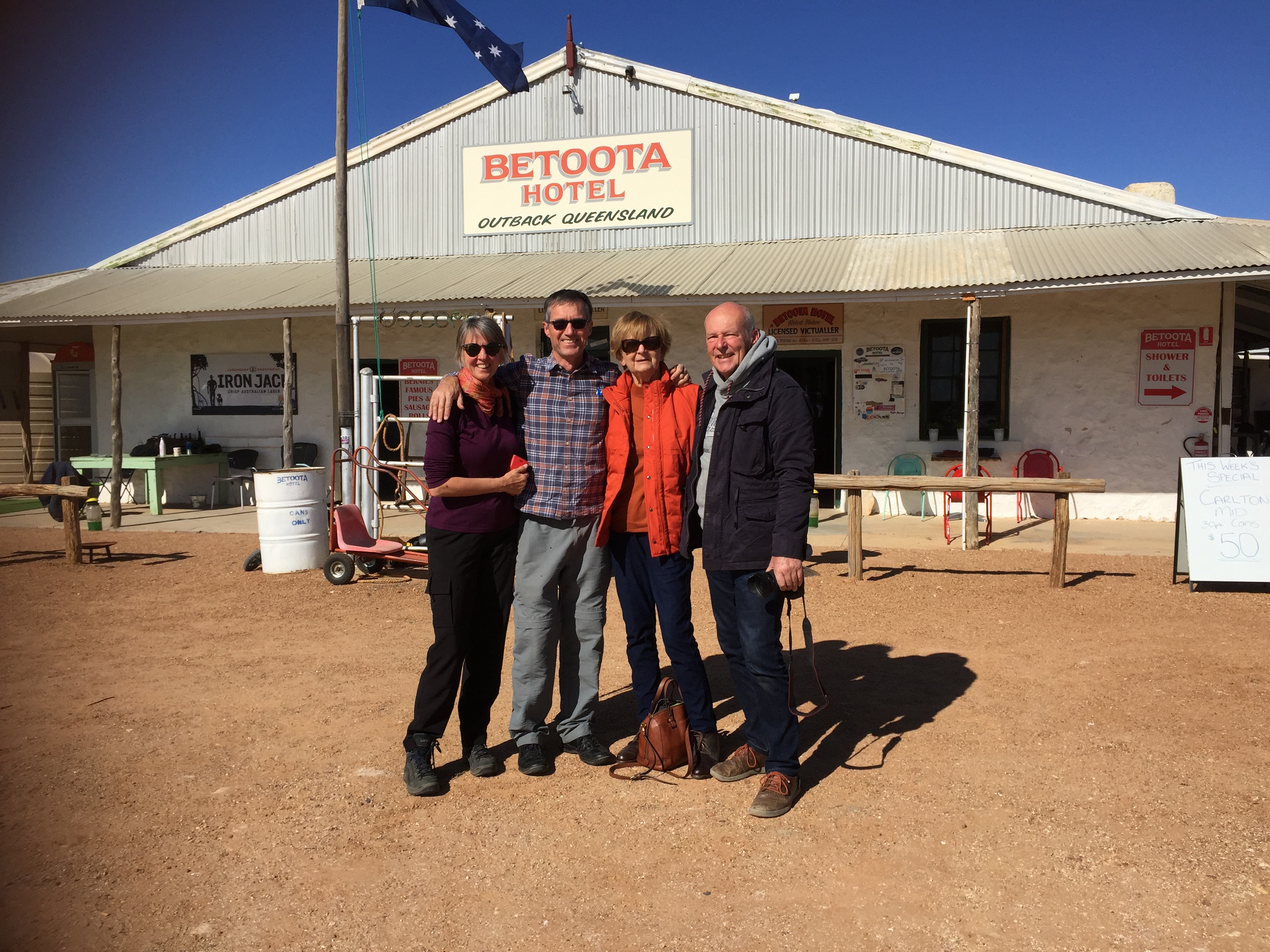
Then we packed up and took off, passing over the flooded Diamantina River, for Betoota. Greg our driver from the Big Red Tour had told us we just had to go there for a cup of tea (or something stronger for the non-pilots). Made somewhat famous by the satirical newspaper “The Betoota Advocate” the only things at Betoota are a pub, a racetrack and a superbly kept airstrip. Twenty minutes to the east of Birdsville we were landing next to the Pub. The original owner Ziggy died there about 10 years ago and Robbie the new owner has been doing it up gradually ever since. His “staff” of friends and family took good care of us, showed us around and shared stories of the pub’s history, including the infamous “yellow bus”. Robbie insisted on driving us back to the plane in his superbly restored 1927 Model T Ford for our departure to the Dig Tree.

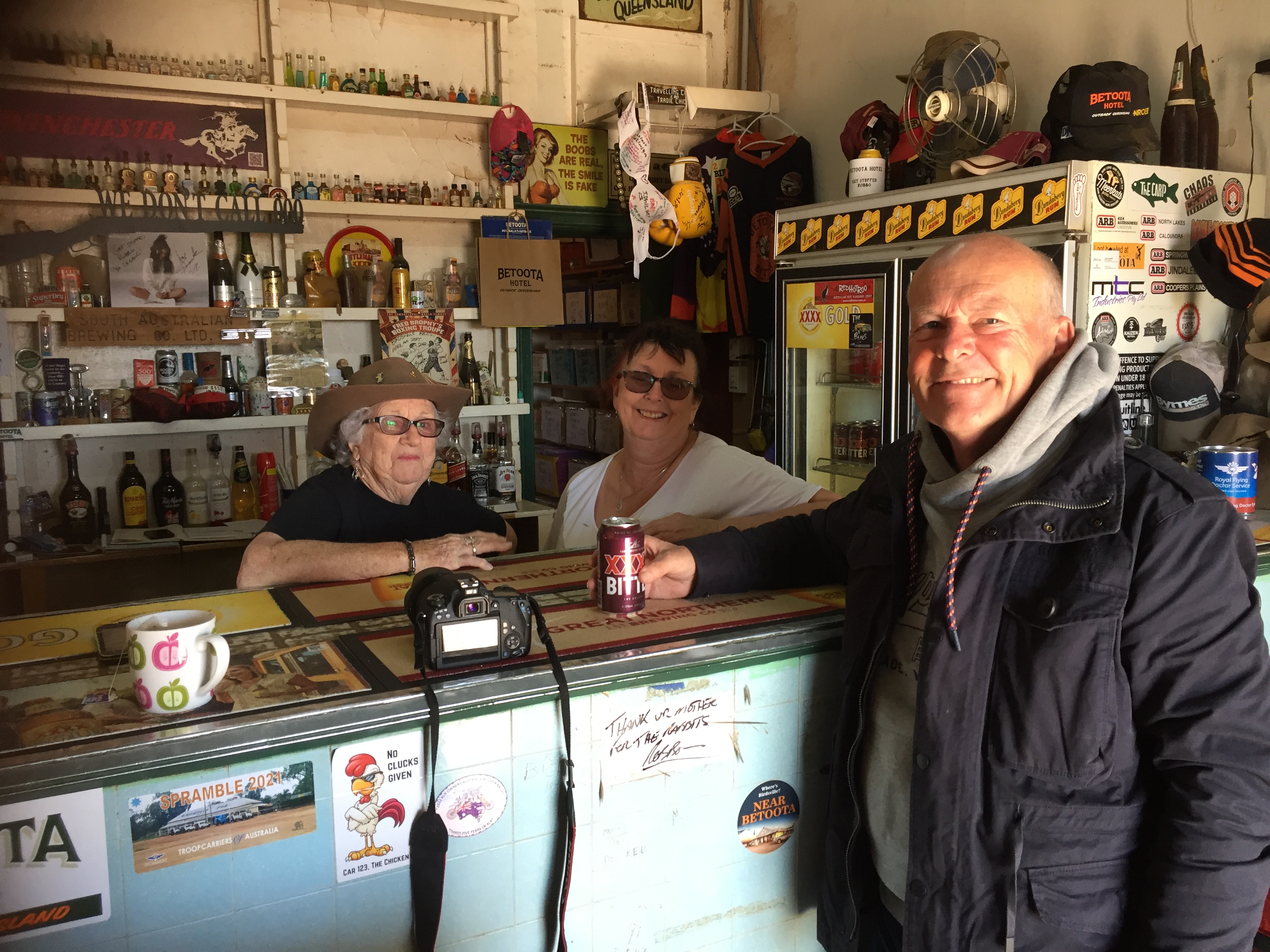

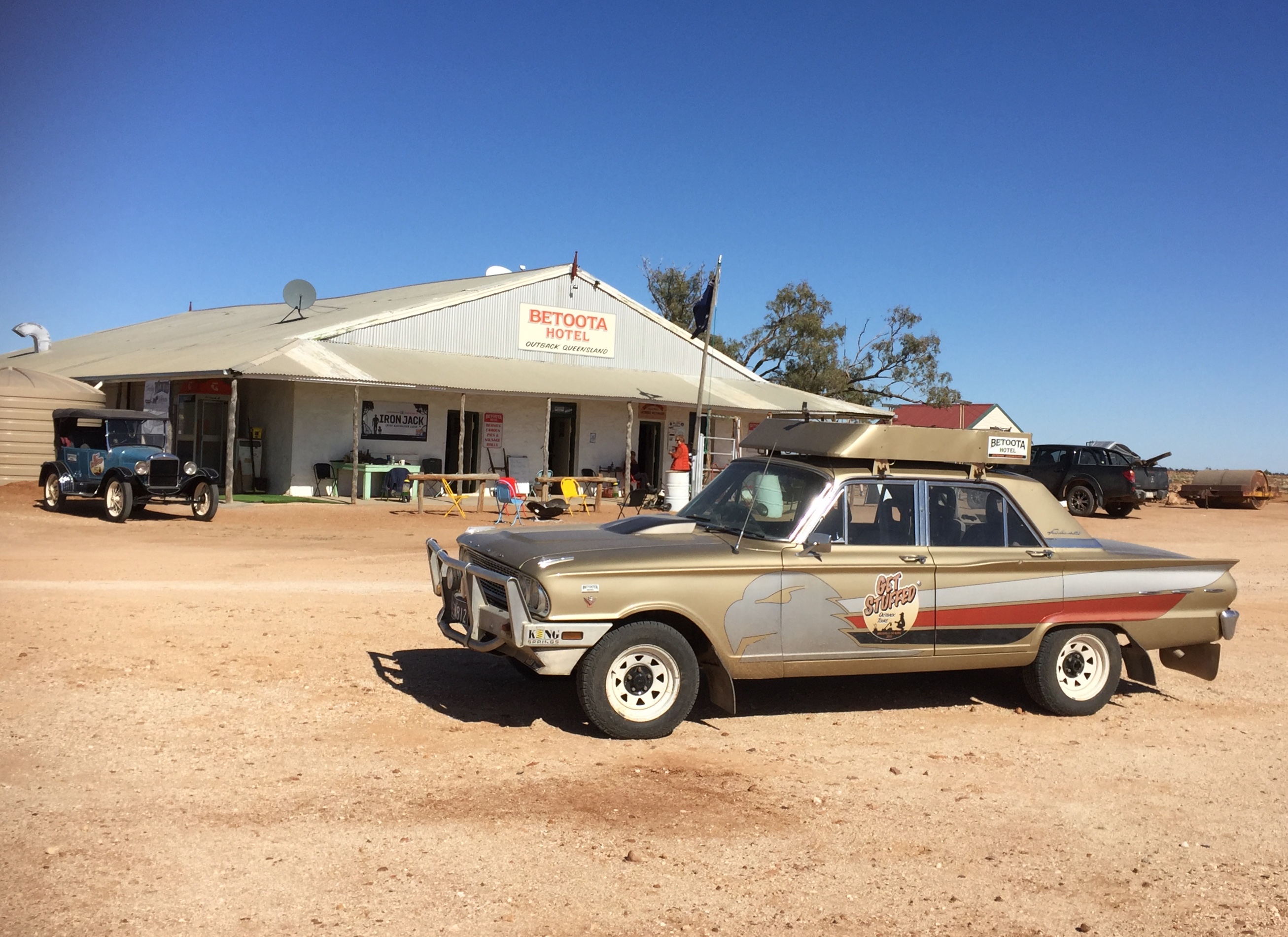
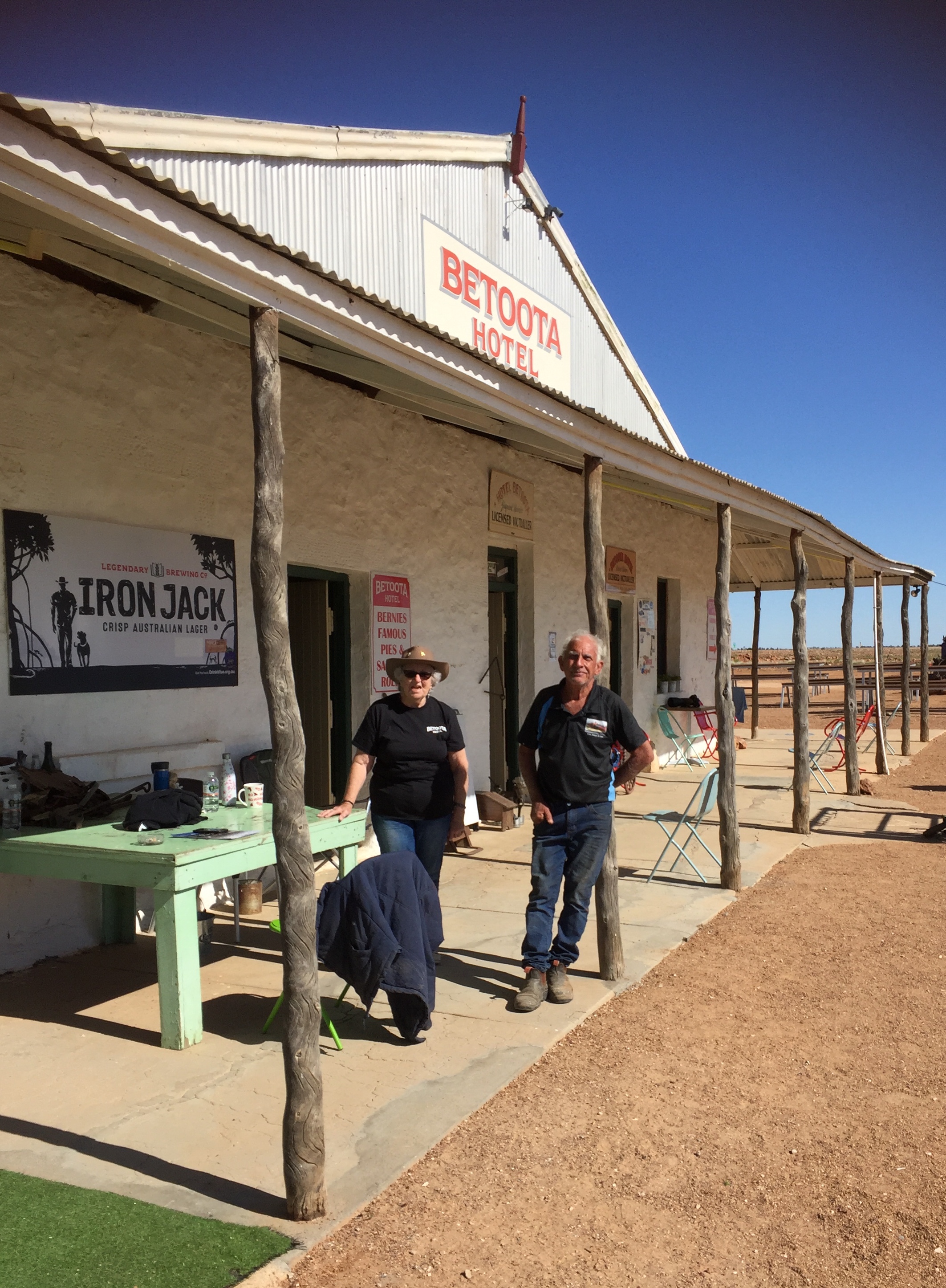
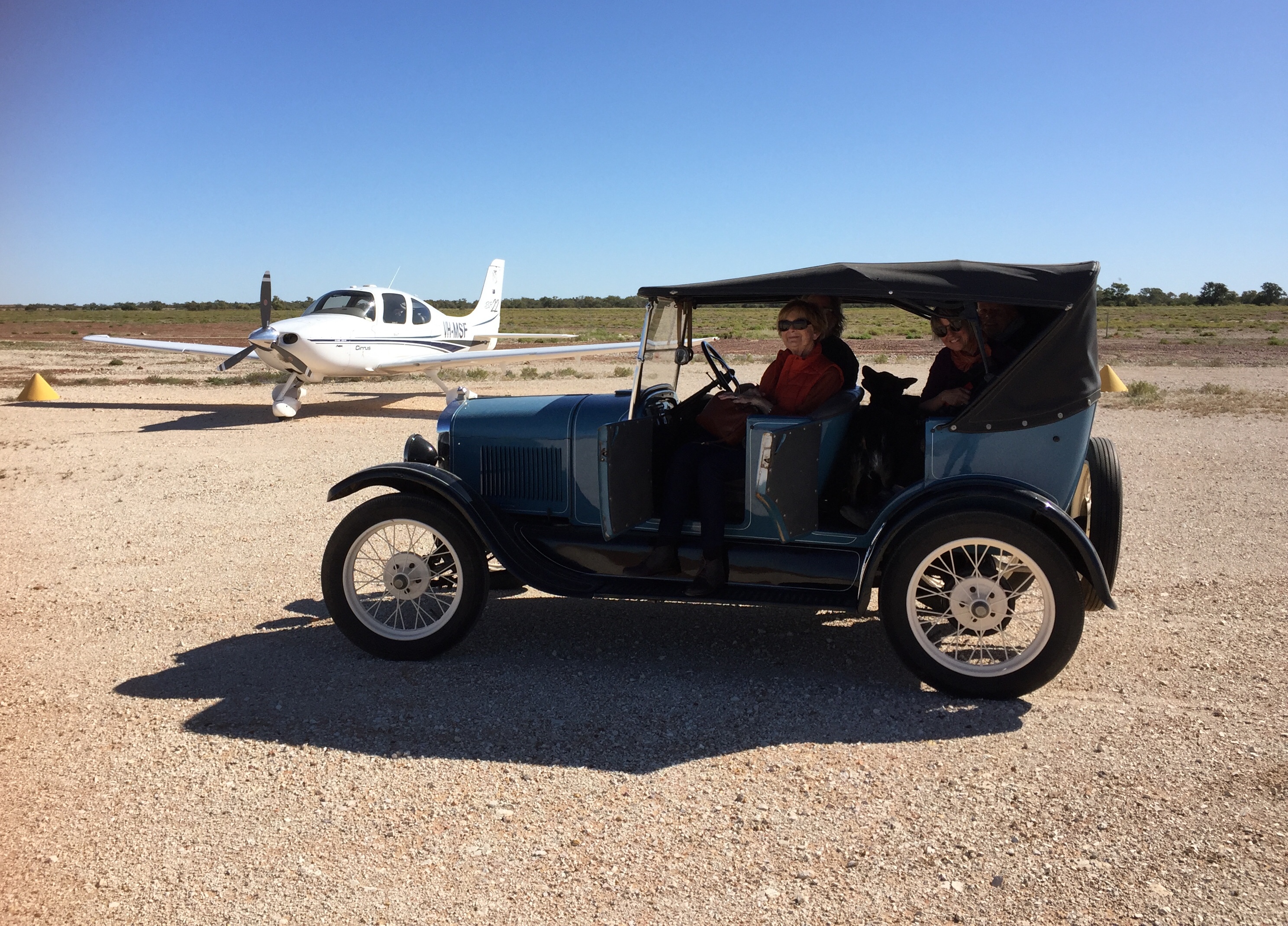
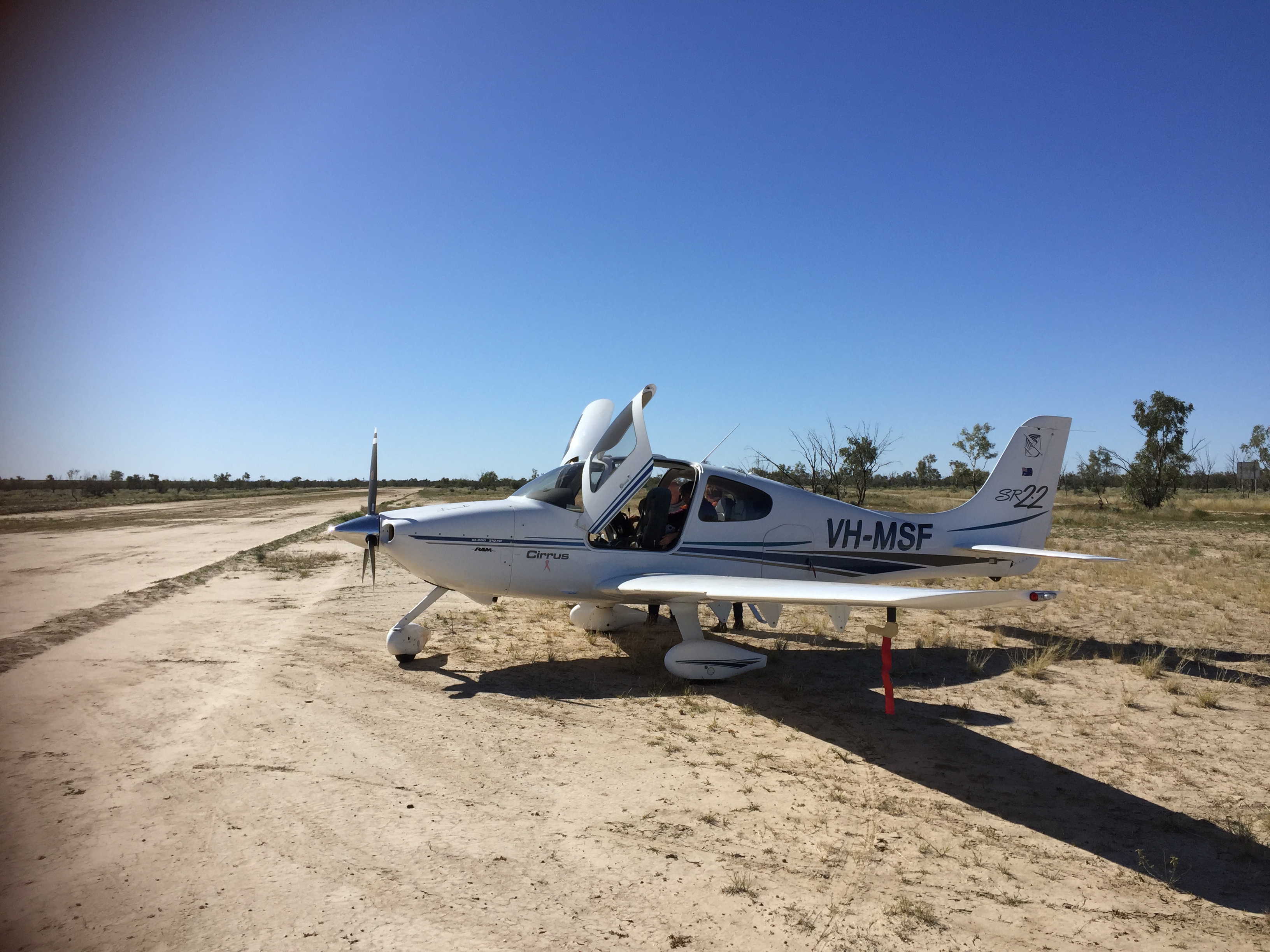
From Betoota we headed south, passing into South Australia and over Cordillo Station then on to the Burke and Wills Dig Tree, just over the border in Queensland again. The memorial is on Nappa Merrie Station and has its own airstrip. Once again very well maintained, the strip is 5 minutes walk to the Dig Tree on the banks of Cooper Creek. A great spot for a picnic under the Coolibah trees.
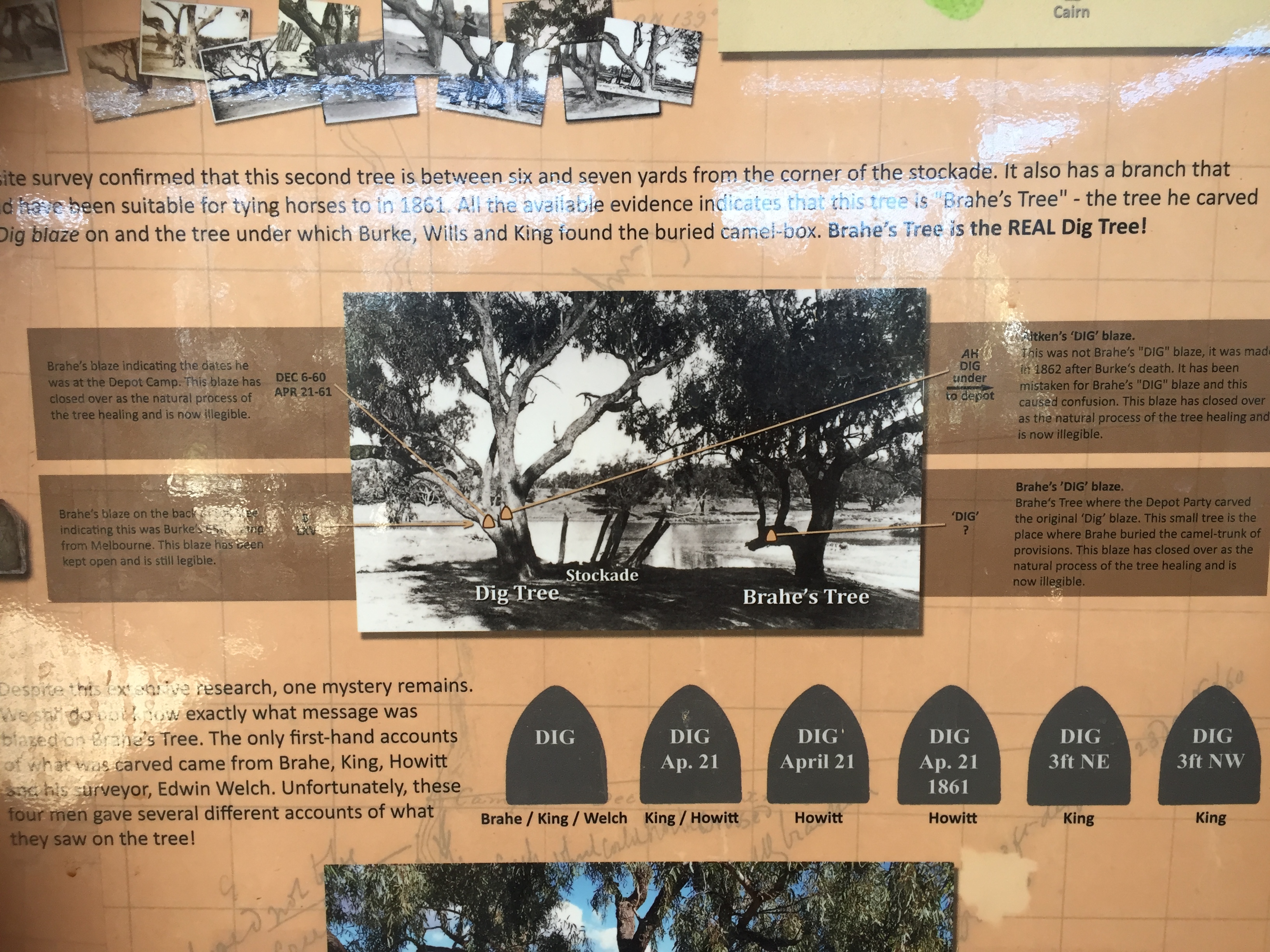
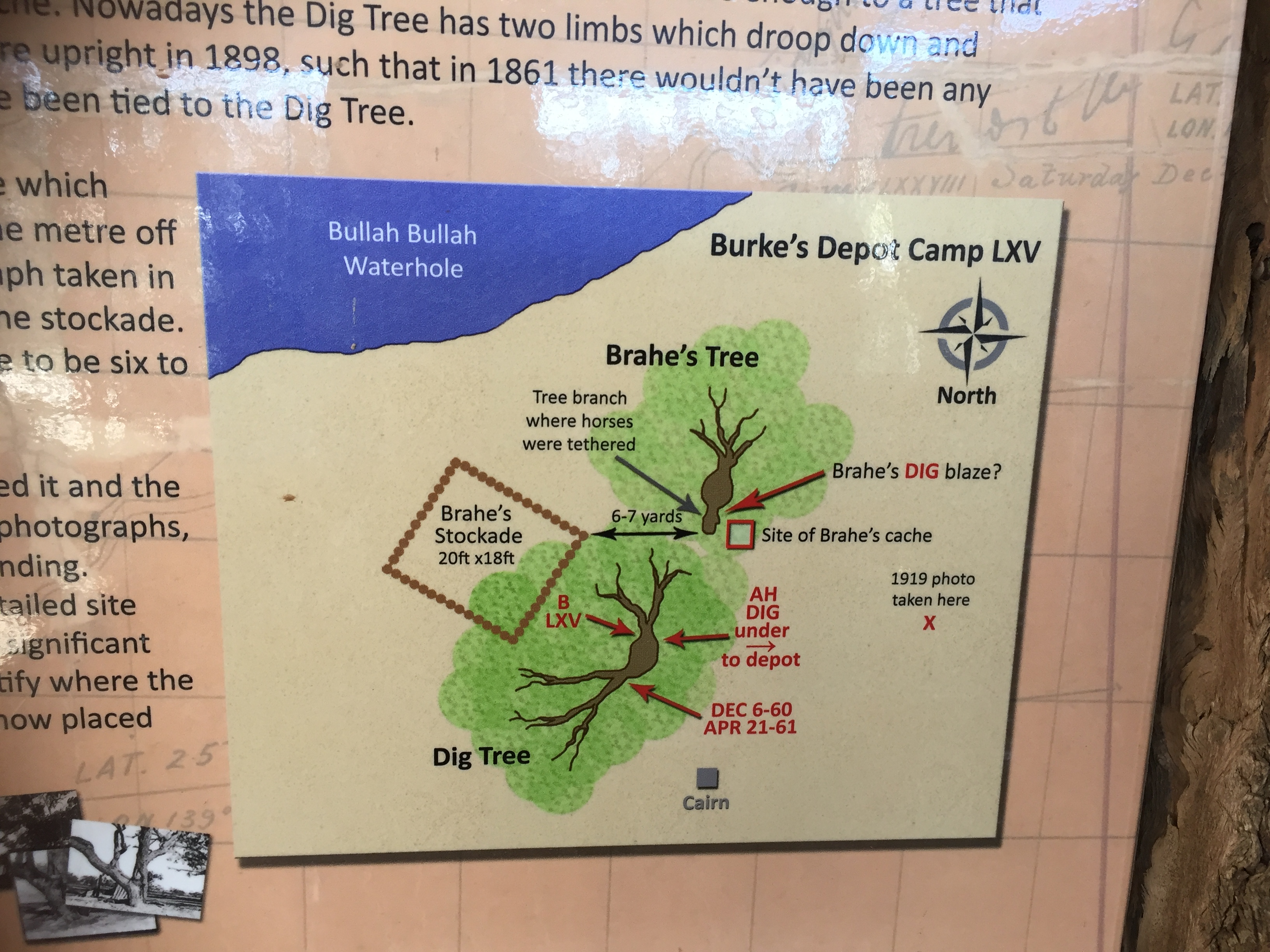
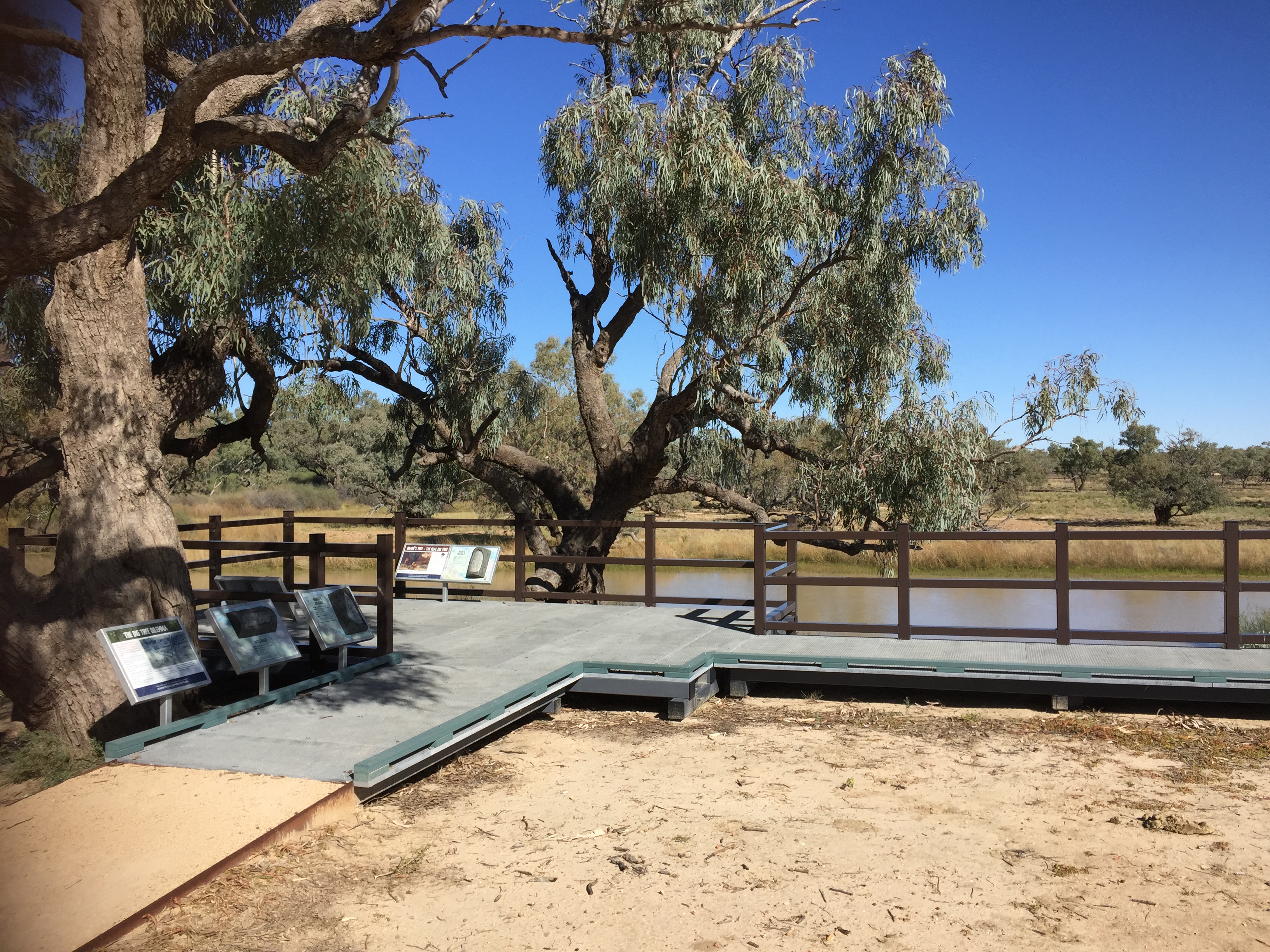

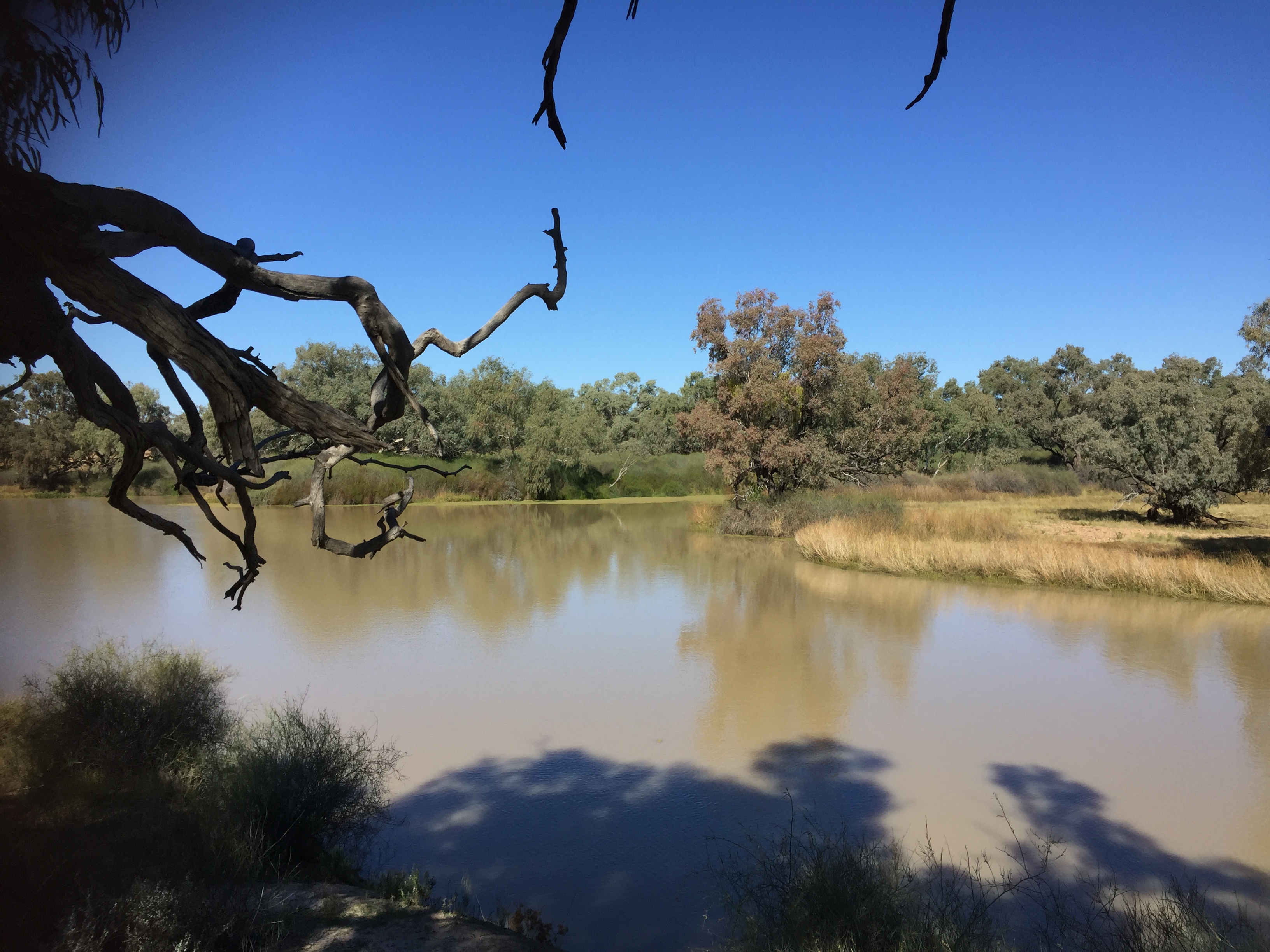
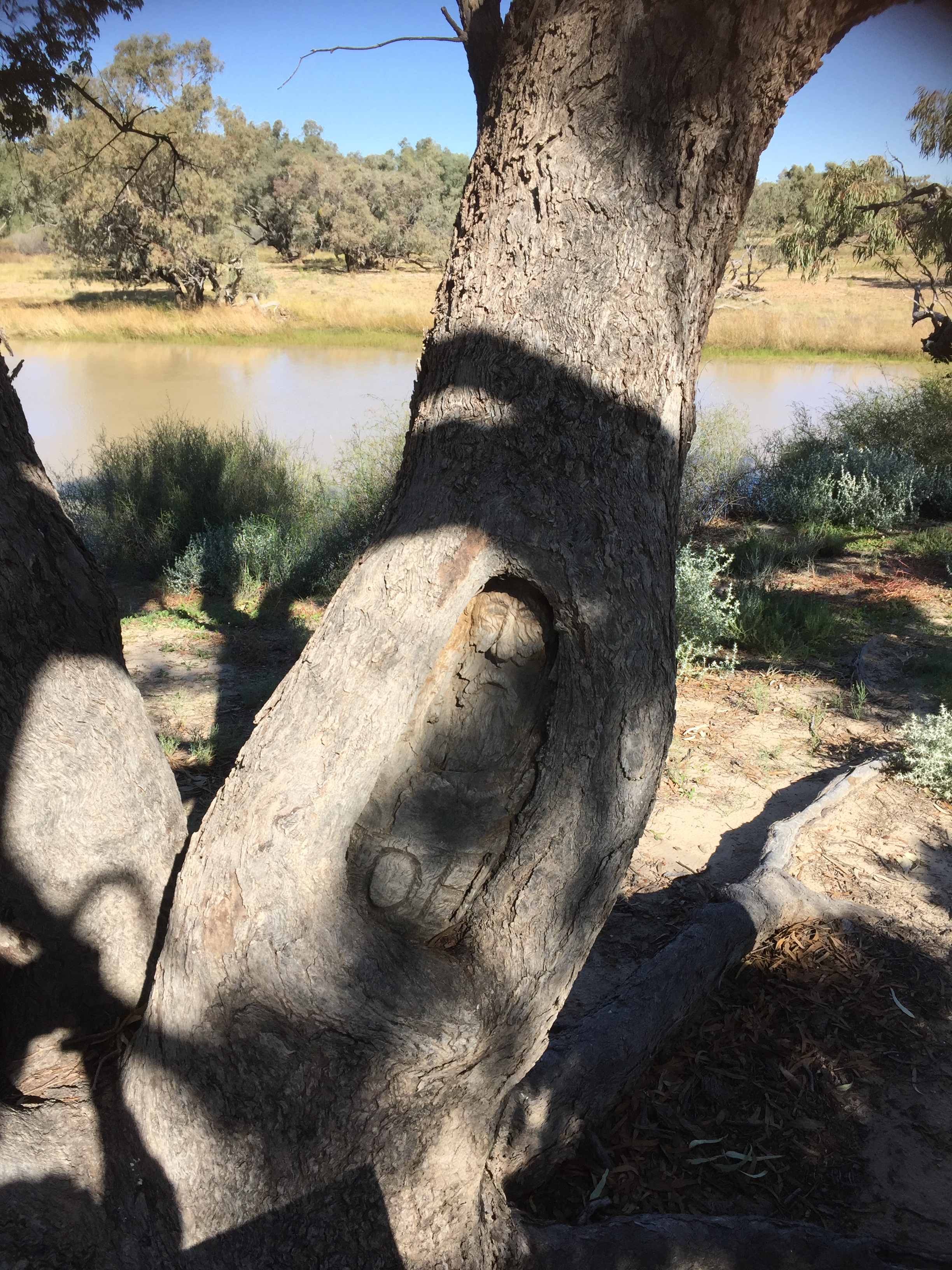
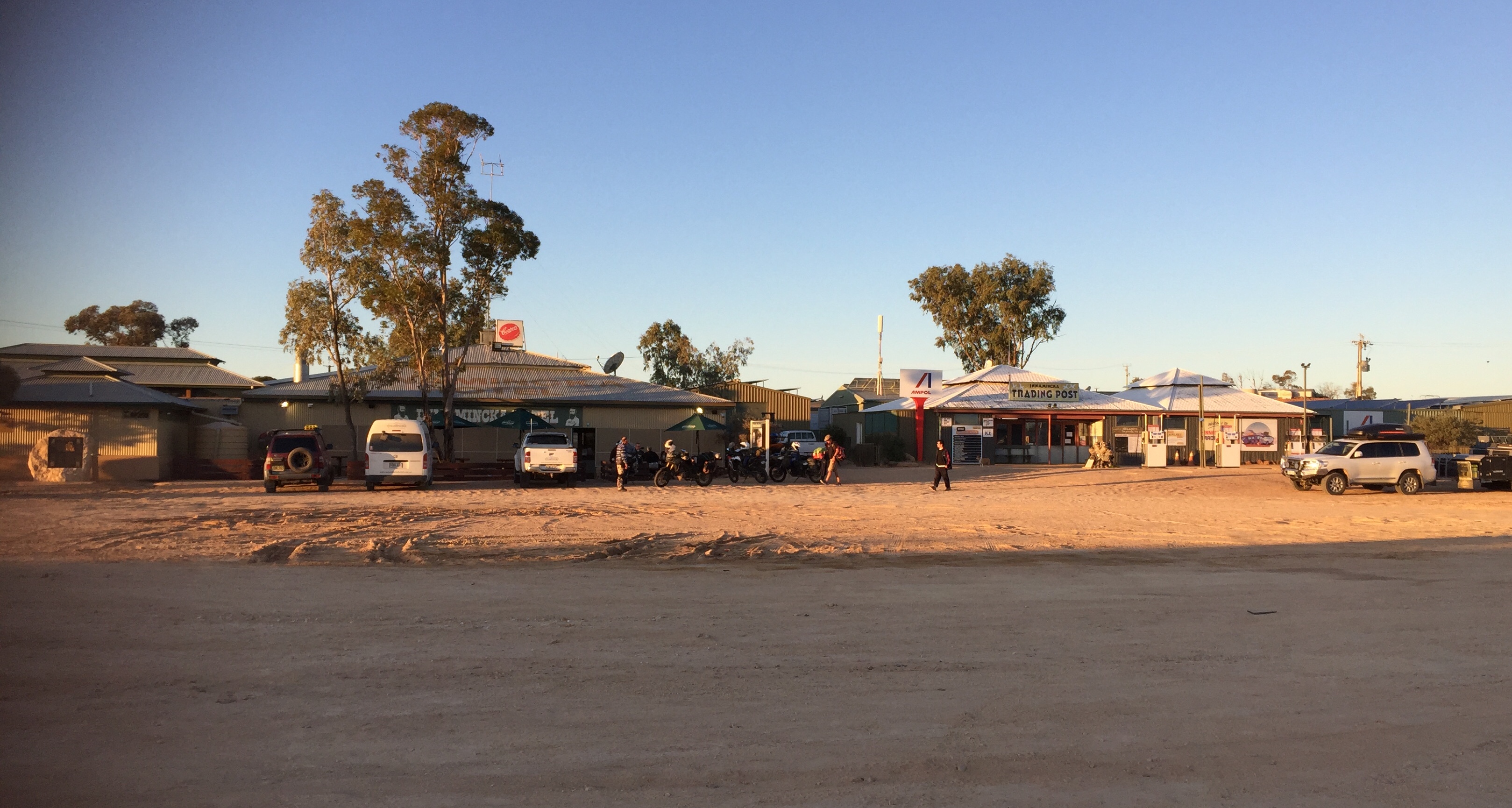
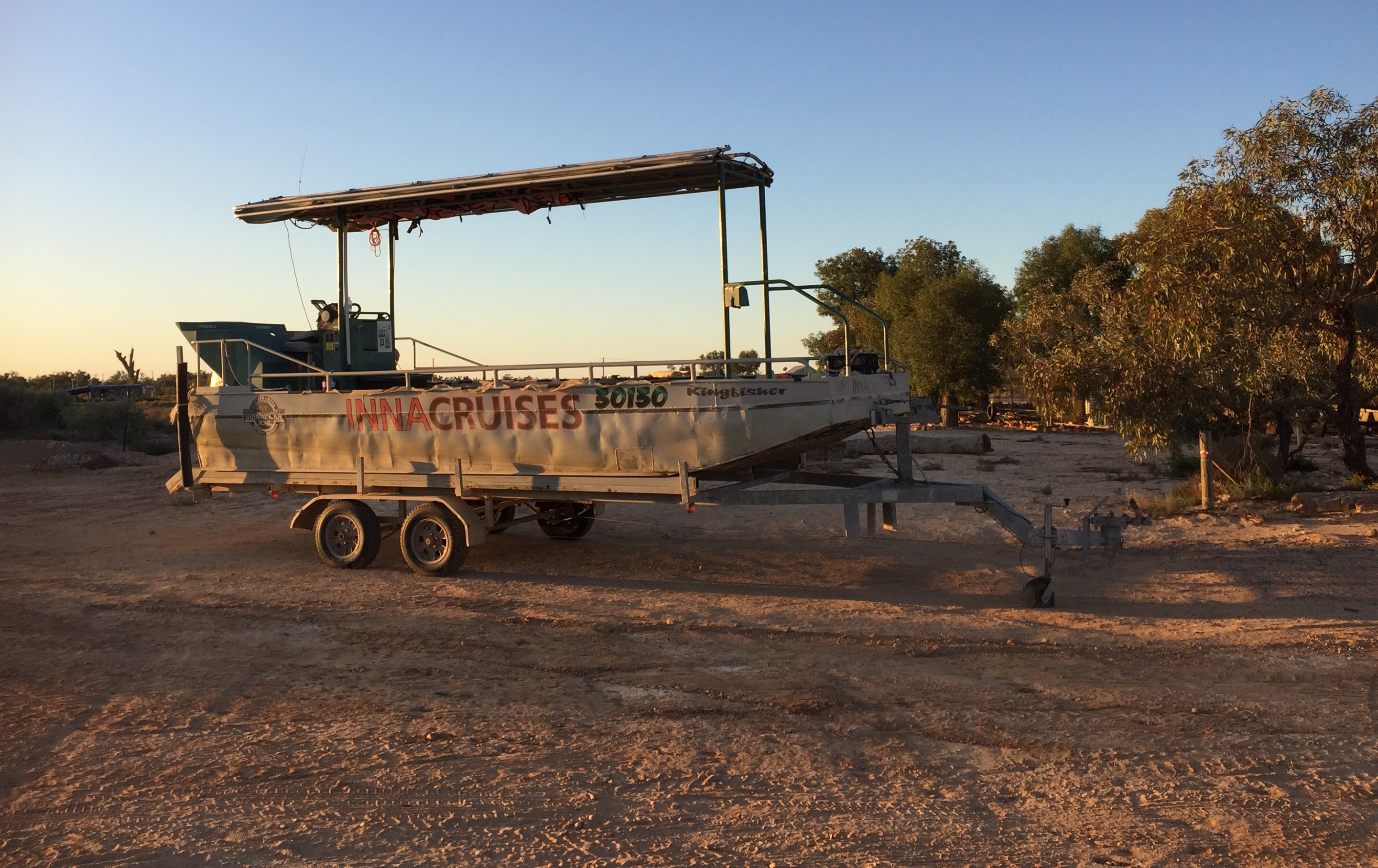
From there it was a 10 minute hop over the border to Innamincka where we stayed overnight. We landed 5 minutes after Luc and Scott who we last saw in Tibooburra as they’d been stuck in Broken Hill for a few days. We celebrated our reunification with a couple of drinks in the pub’s beer garden.
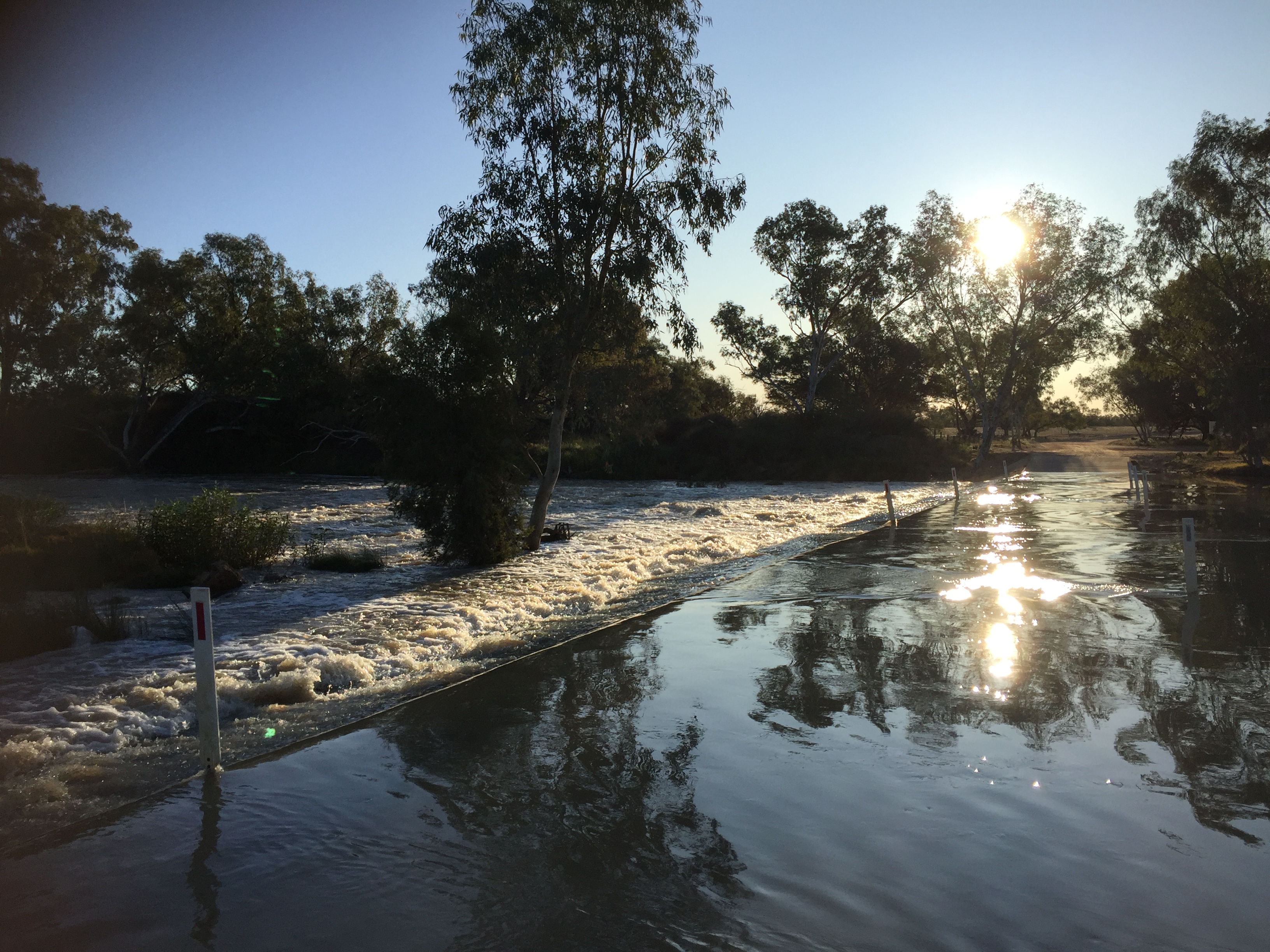
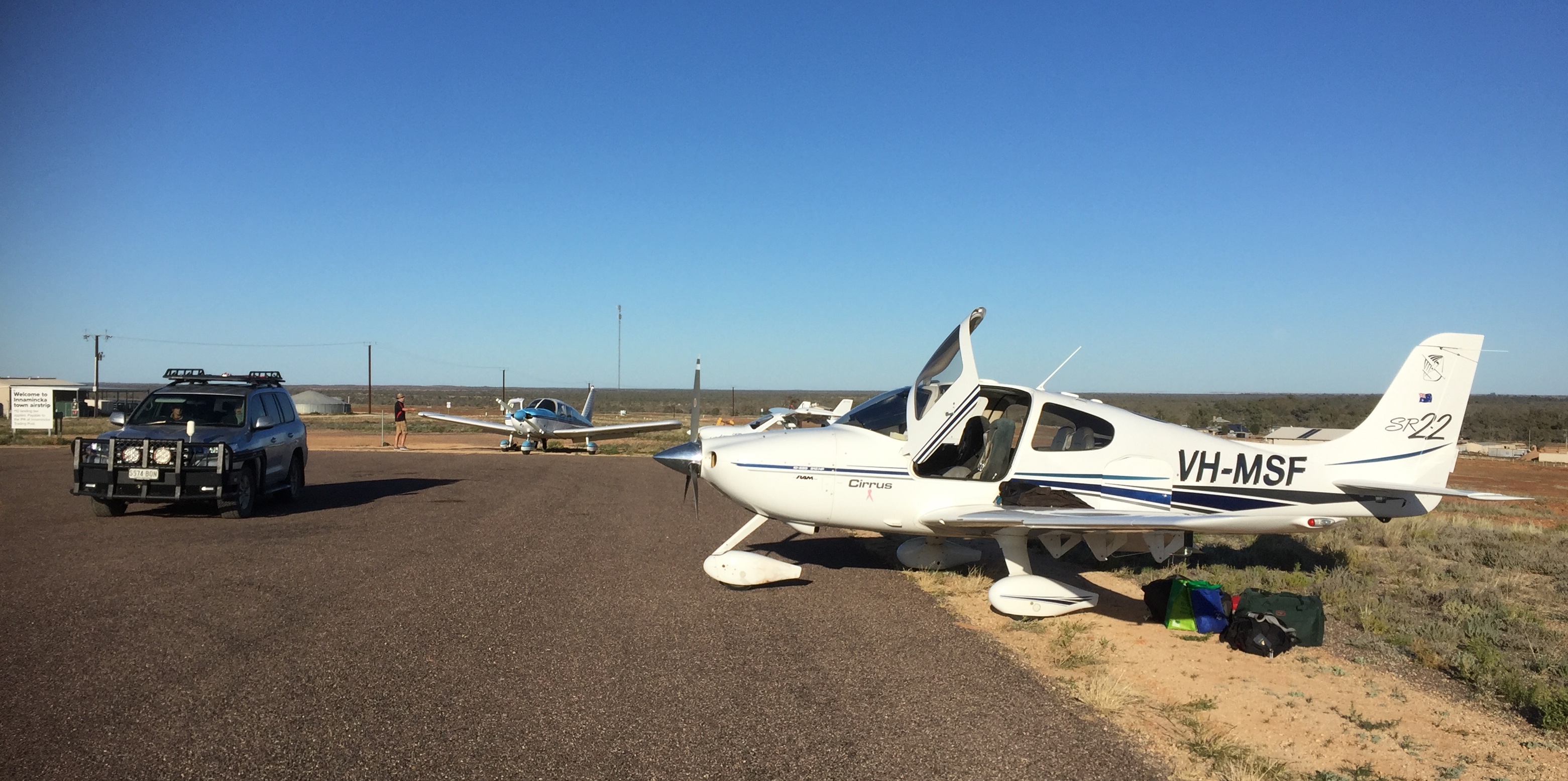
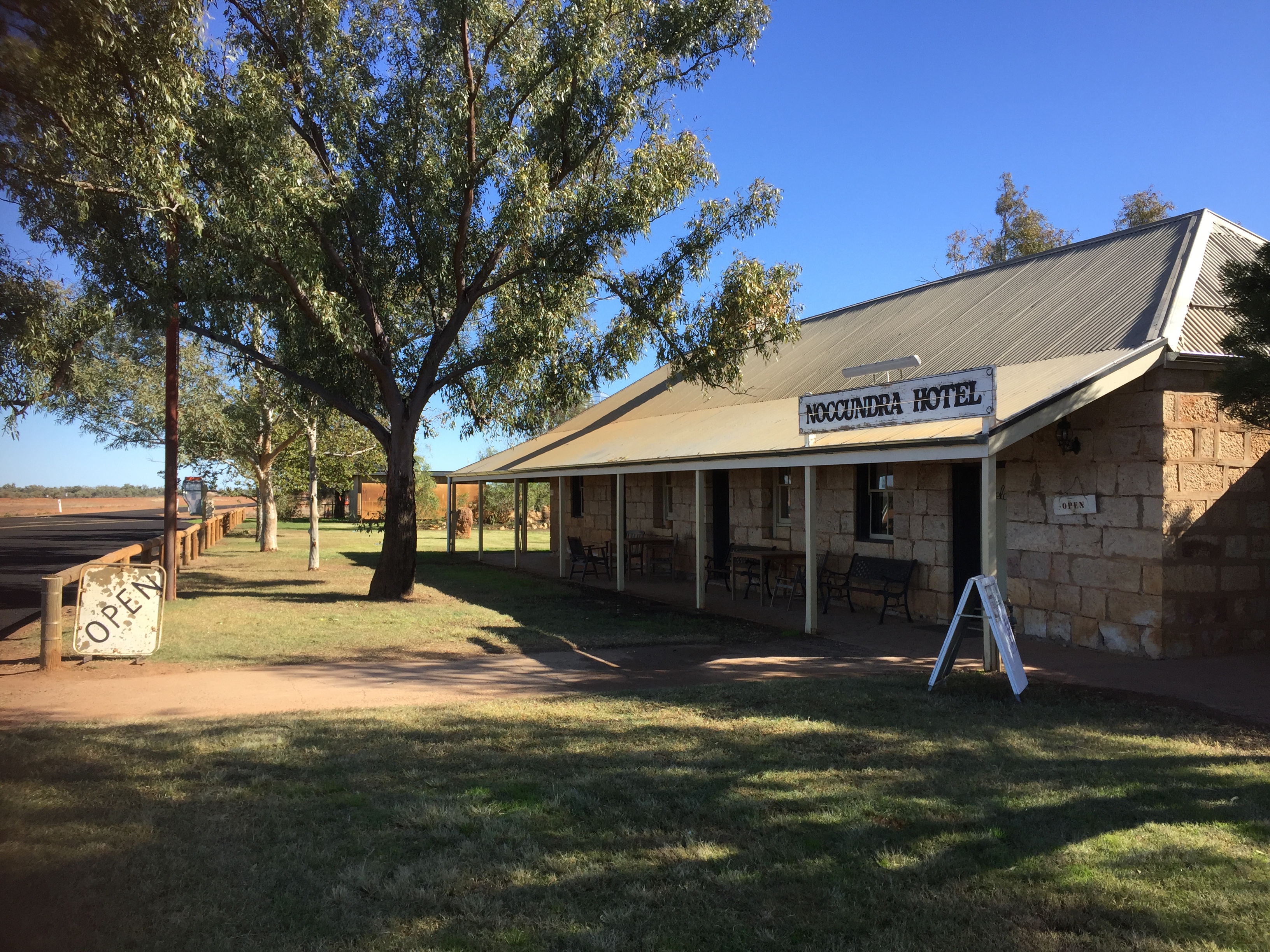
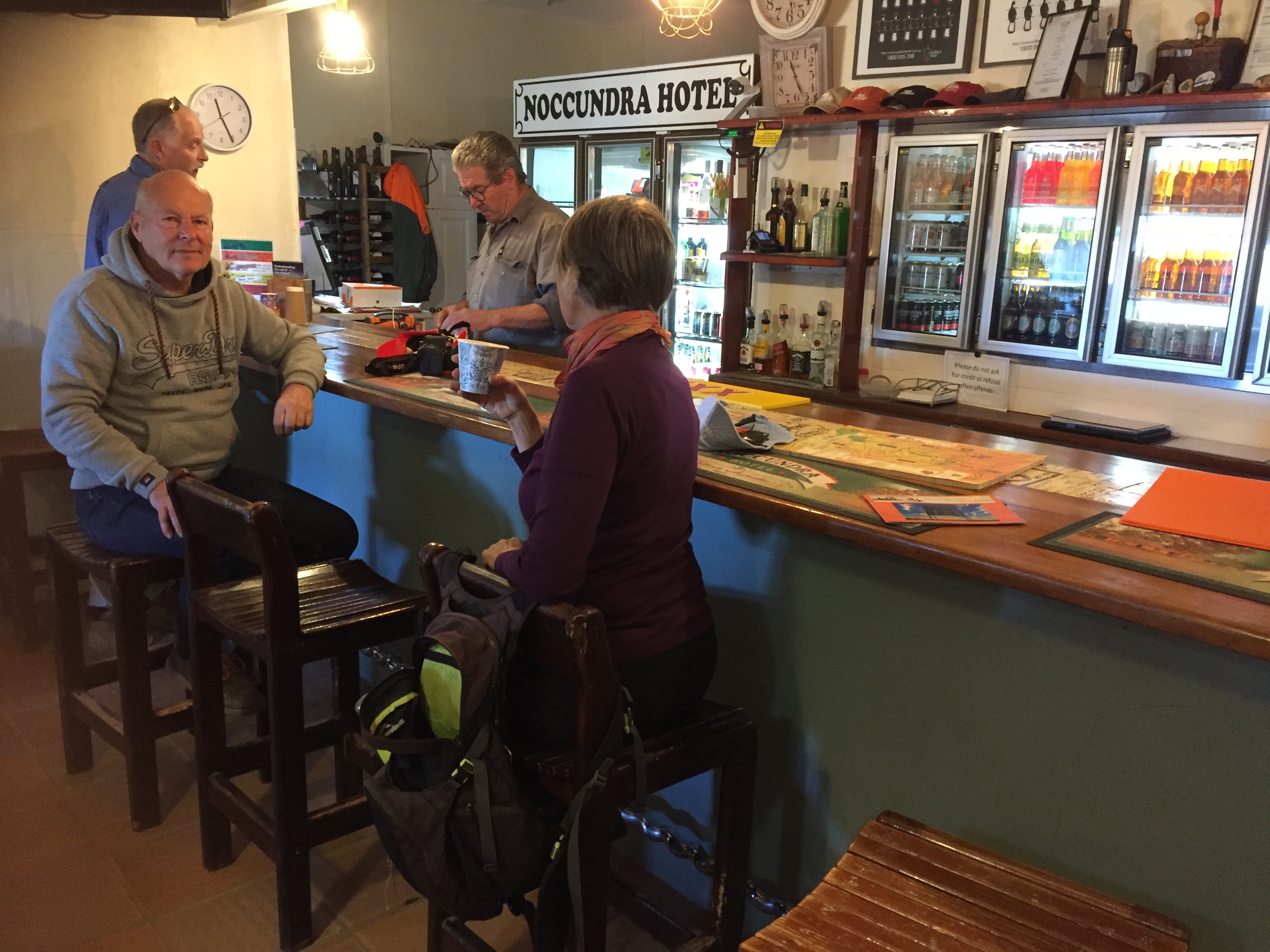
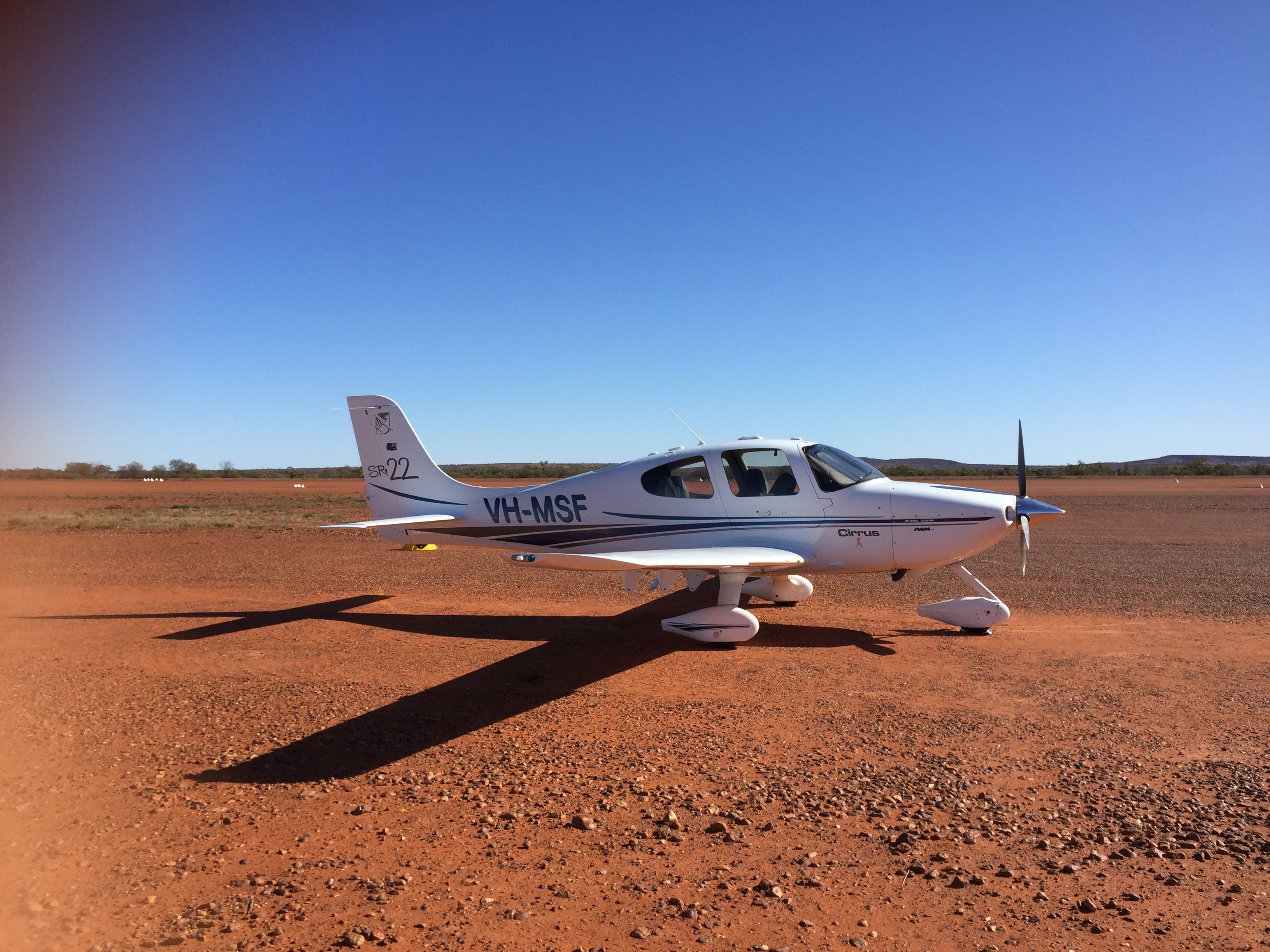
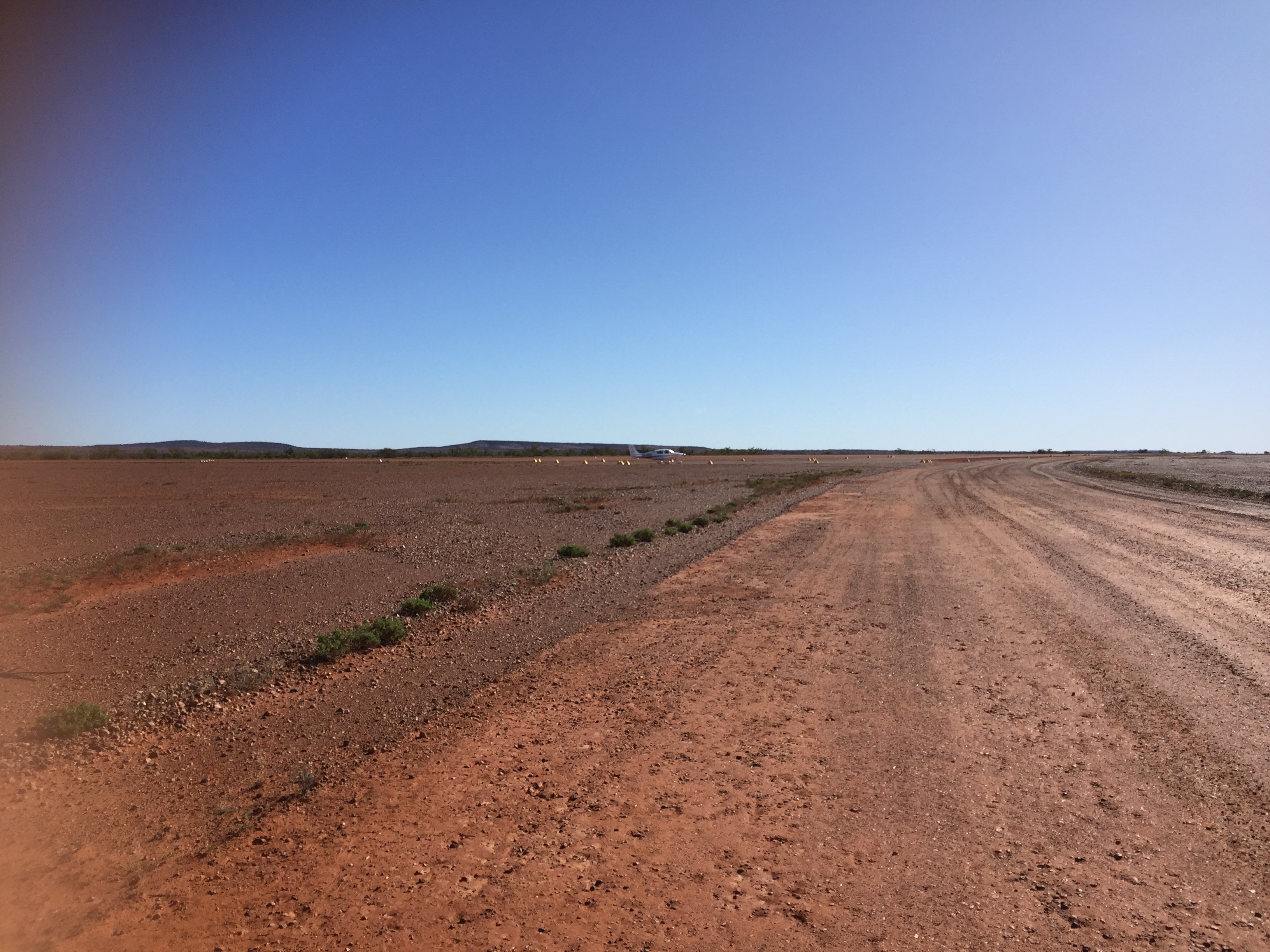
Day 7 of the Wild West Wander it was time to head back east. After a chilly start to the morning at Innamincka we loaded the planes and took off. Luc and Scott went first as they were landing at the Dig Tree, having missed out on it the day before. We flew over the top and followed the flooded Cooper Creek for a while and then on to Noccundra. It’s a pub without a town. That’s all there is. The airstrip is really good and there is a free public phone box out front so you can cancel your SARTIME easily (no mobile coverage). It’s a 5 minute stroll from the apron to the pub where they had great pies for lunch and pretty good coffee.
After lunch it was off to Eromanga, home of the Eromanga Natural History Museum. https://enhm.com.au
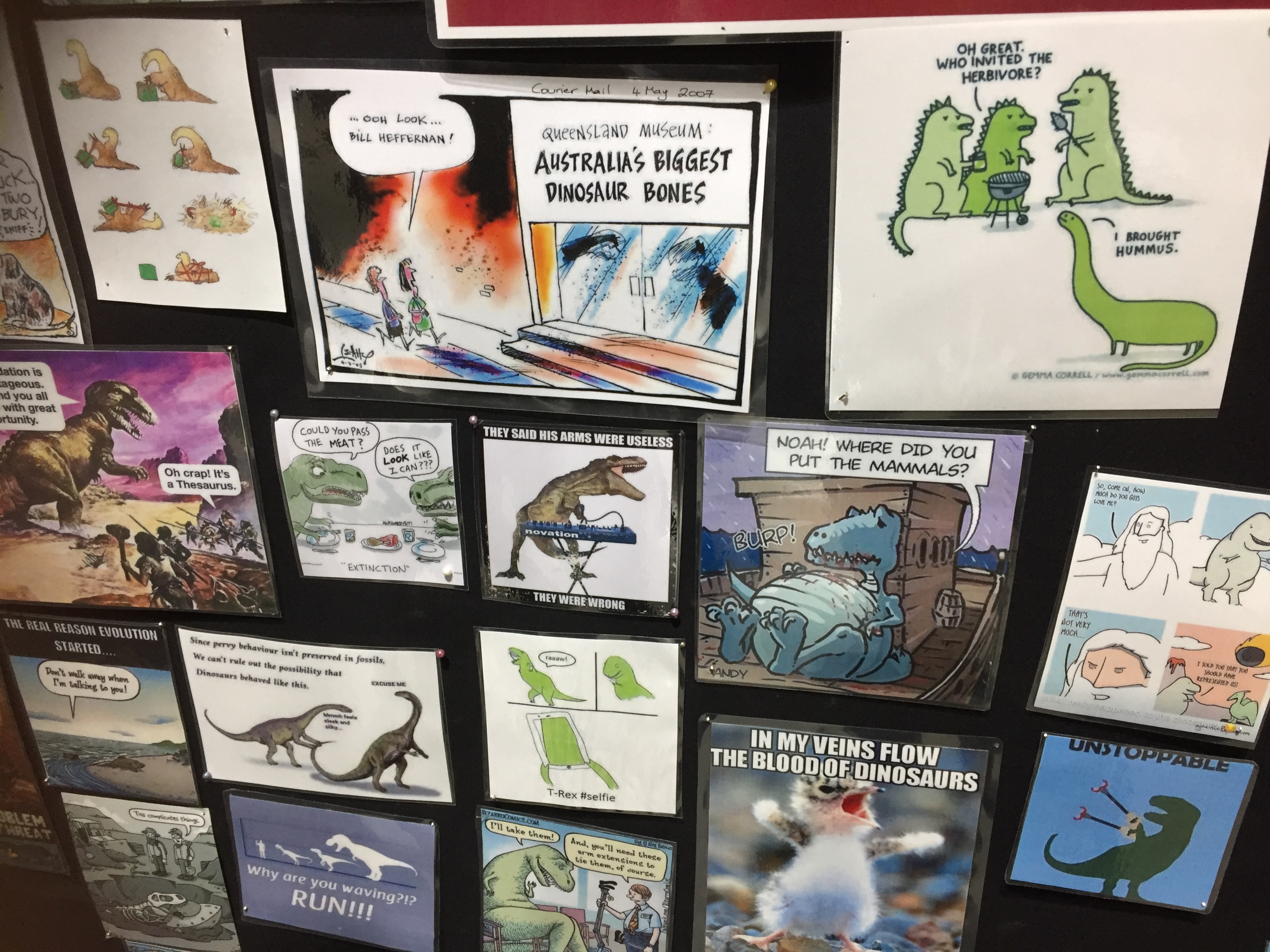
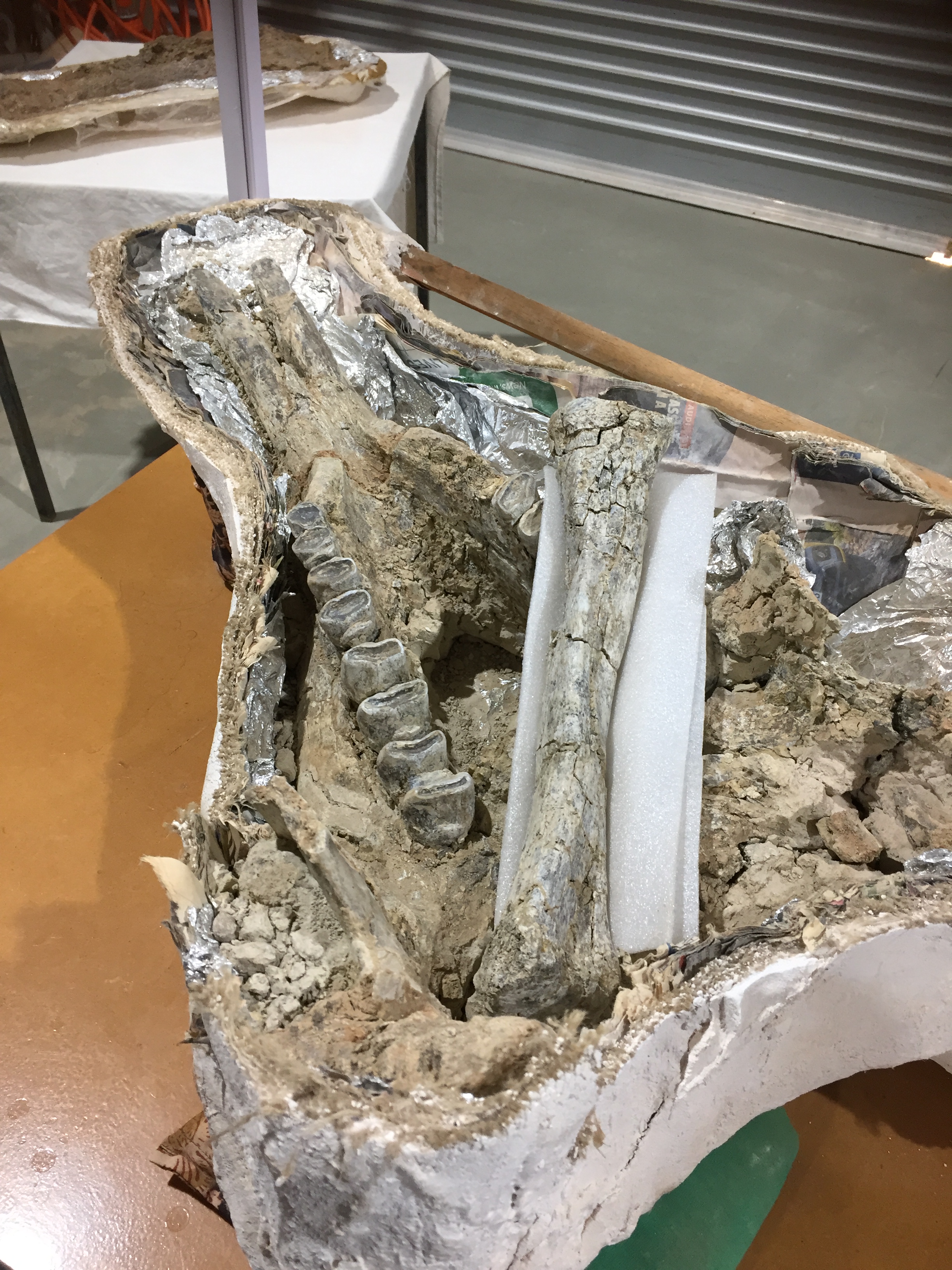
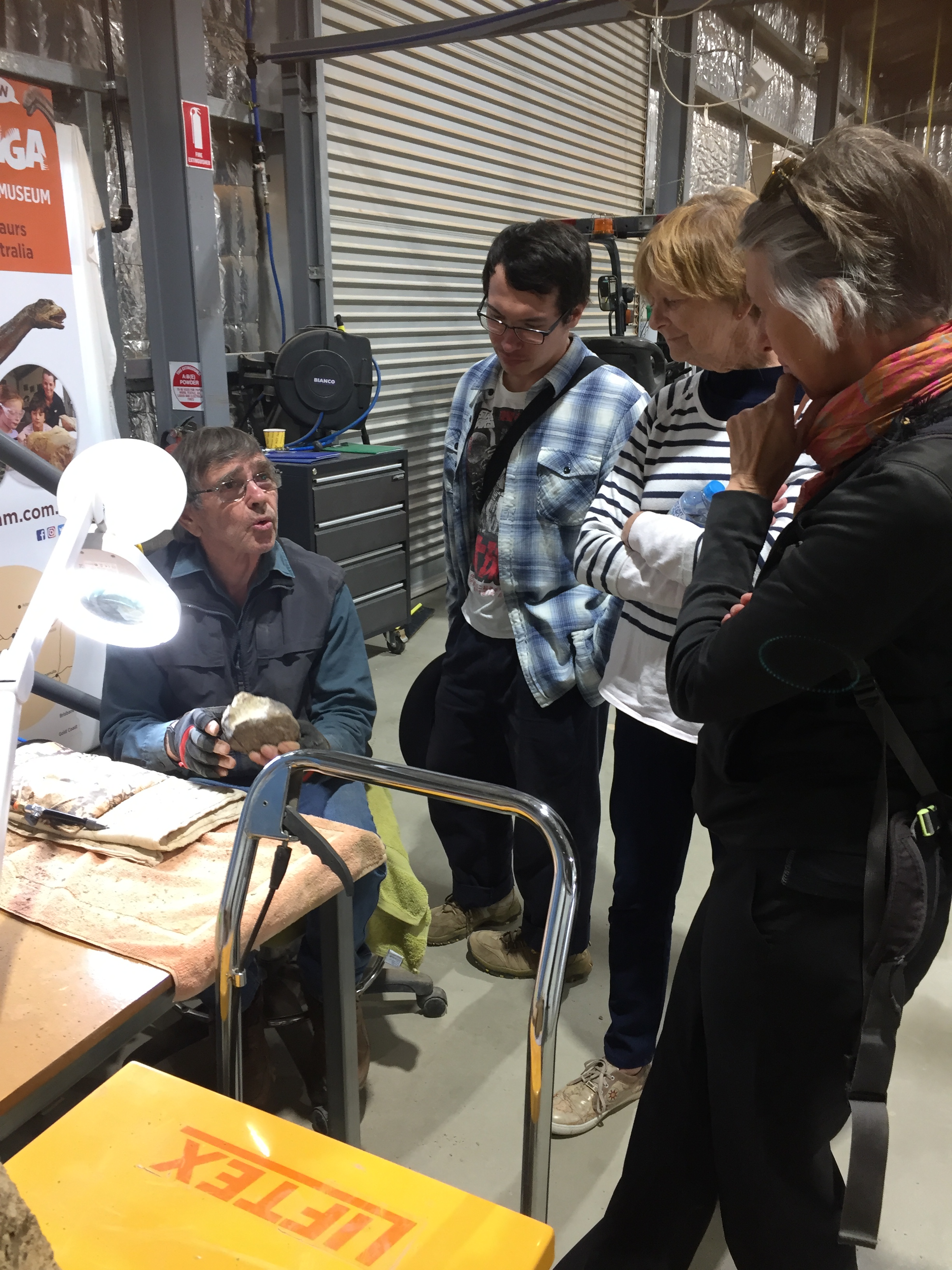
This amazing facility was opened in early 2021 and houses the bones of the largest dinosaur found in Australia – Australotitan Cooperensis (or Cooper for short). The first fossil was discovered in 2006 by a 14 year old boy on a property about 100km away. Since then they’ve been excavating and sorting many, many fossilised bones of various animals. Volunteers work with paid staff to chip away patiently to expose the fossilised bones that are about 95 million years old. The museum also houses bones of megafauna like the Diprotodon, giant wombats discovered near Eulo to the south (our lunch stop on Day 1). We’d booked to stay overnight and a tour at 3pm so, touching down at 1:30 we were met by a couple of the staff who drove us the 2km to the museum. We watched a very good video of the history of the earth and the dinosaurs in Australia followed by a tour of their workshop. They supply barbecue packs that you could cook yourself at the luxurious accommodation nearby so after the tour, hearing that we needed some drinks to have with our BBQ, one of the girls drove us about 3km into the Eromanga Pub to buy some wine. It was a great evening chatting to some fellow travellers and relaxing around the fire pit as the night chill set in.

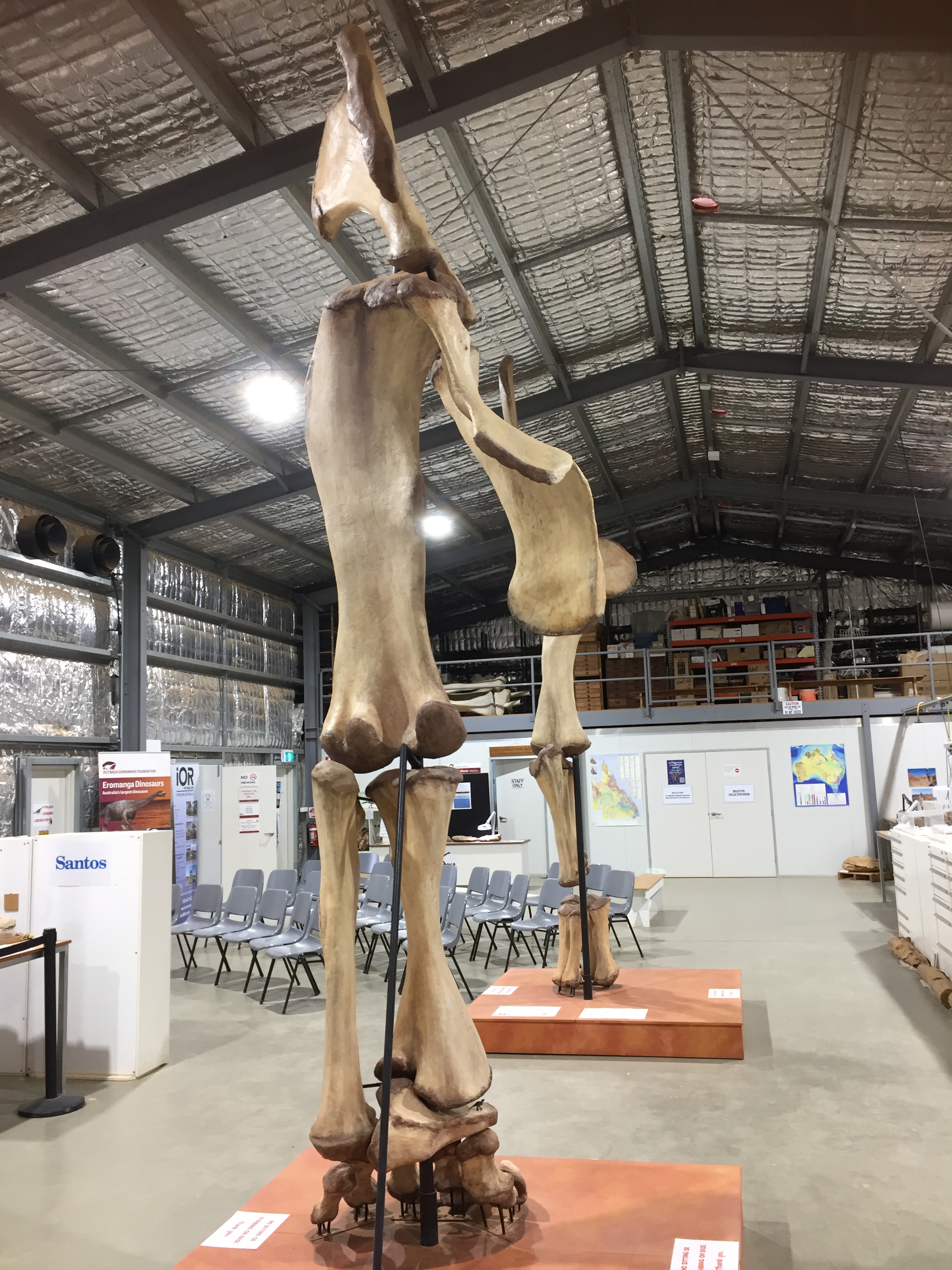
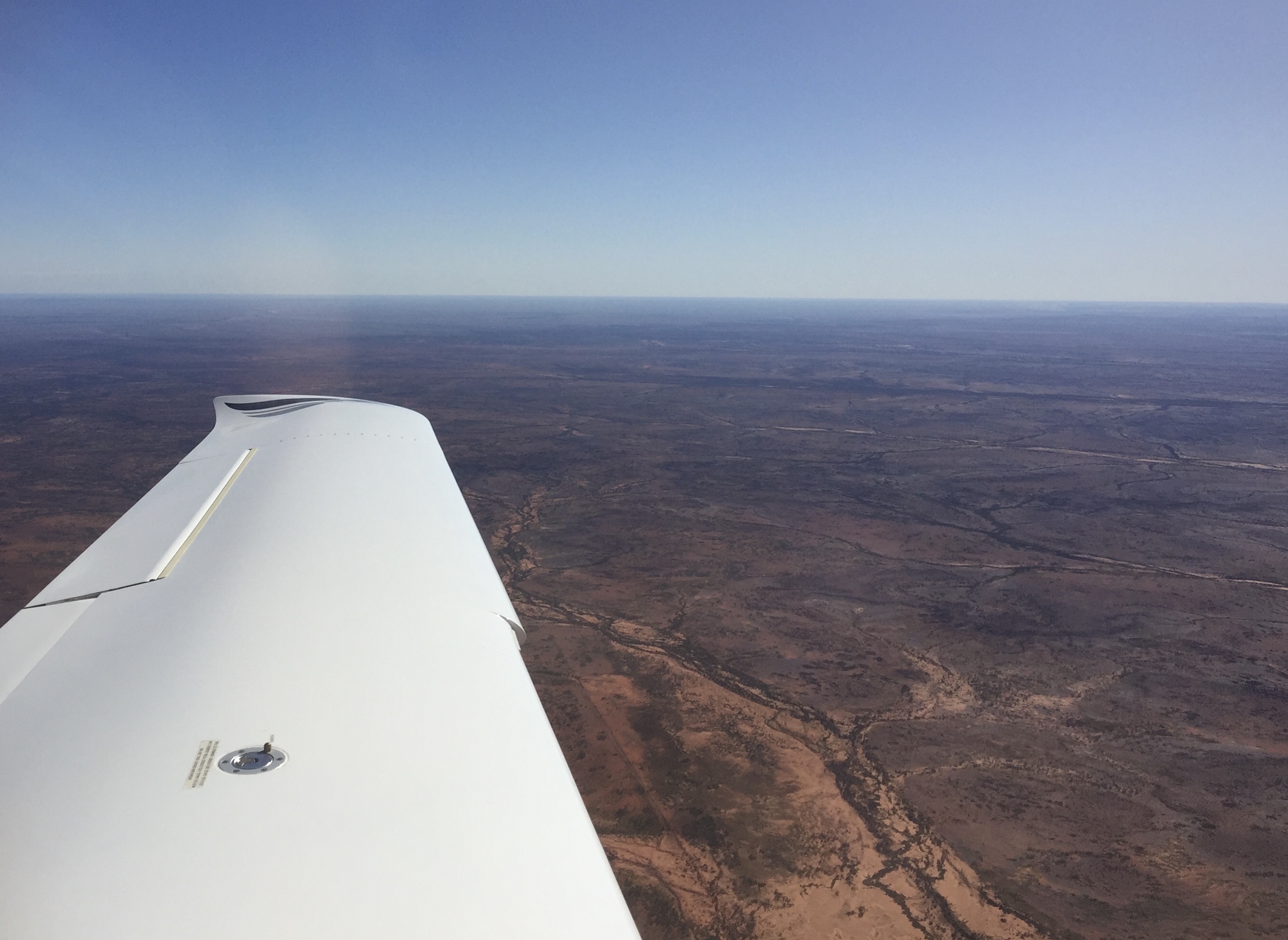

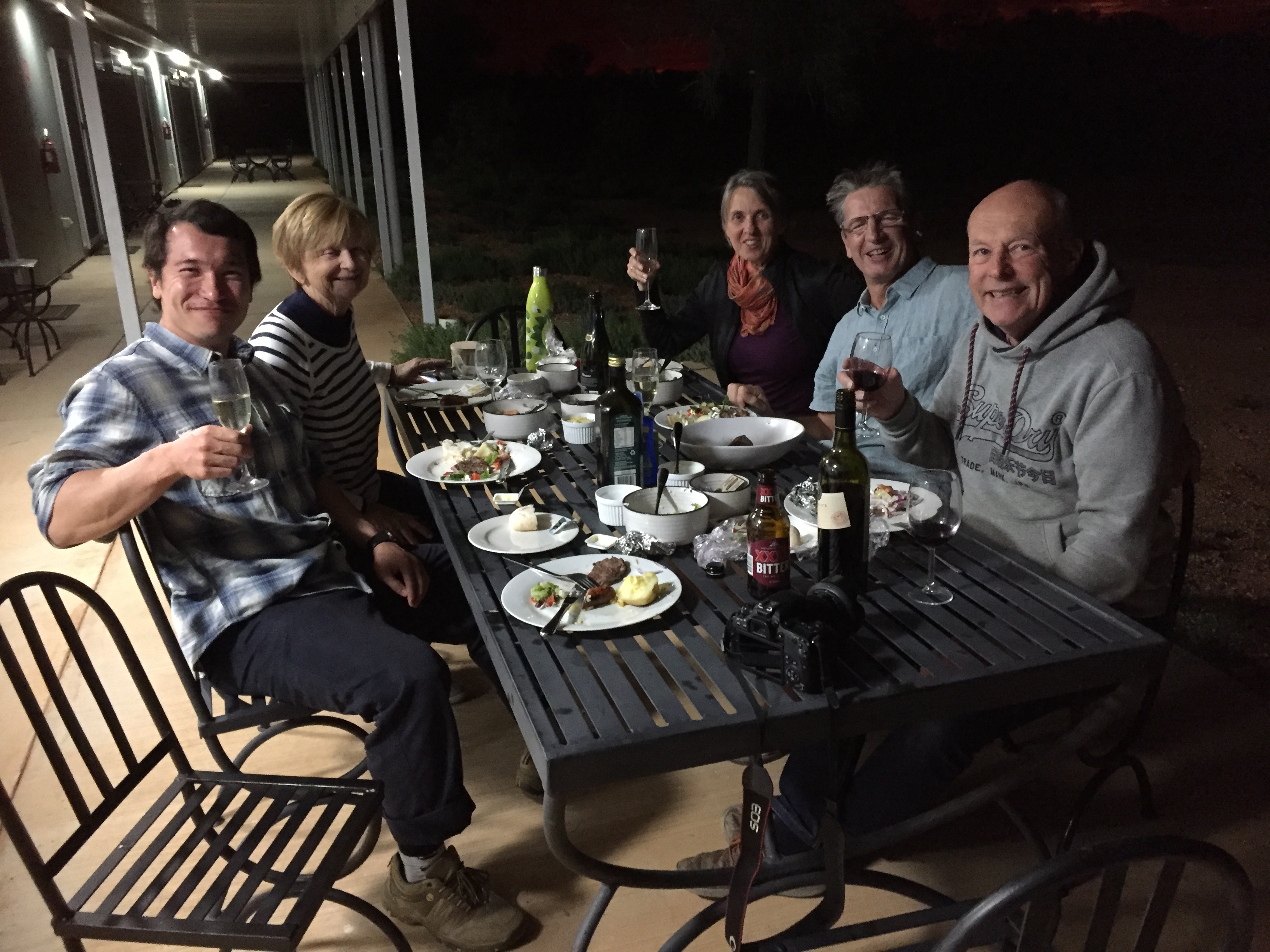

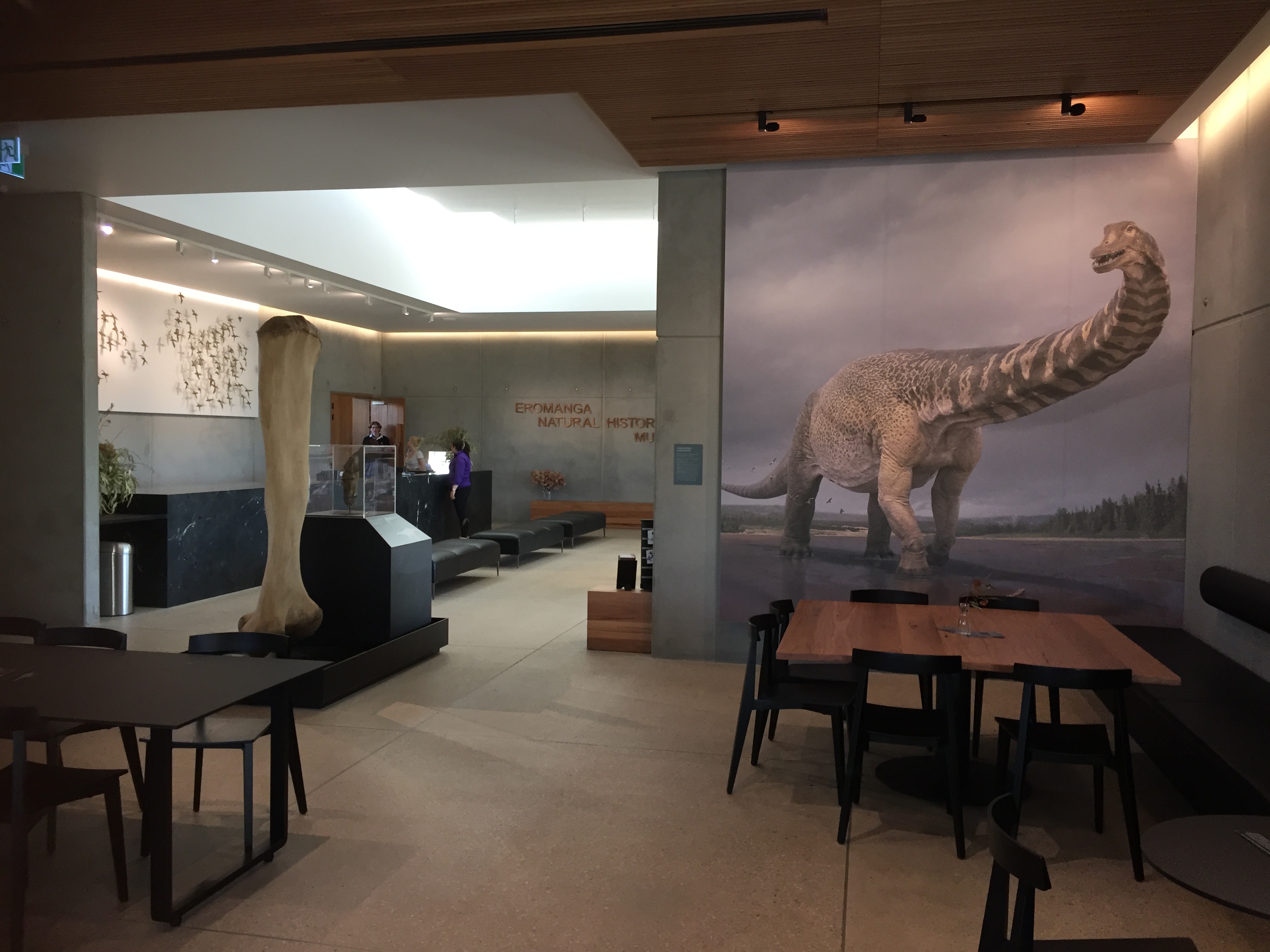
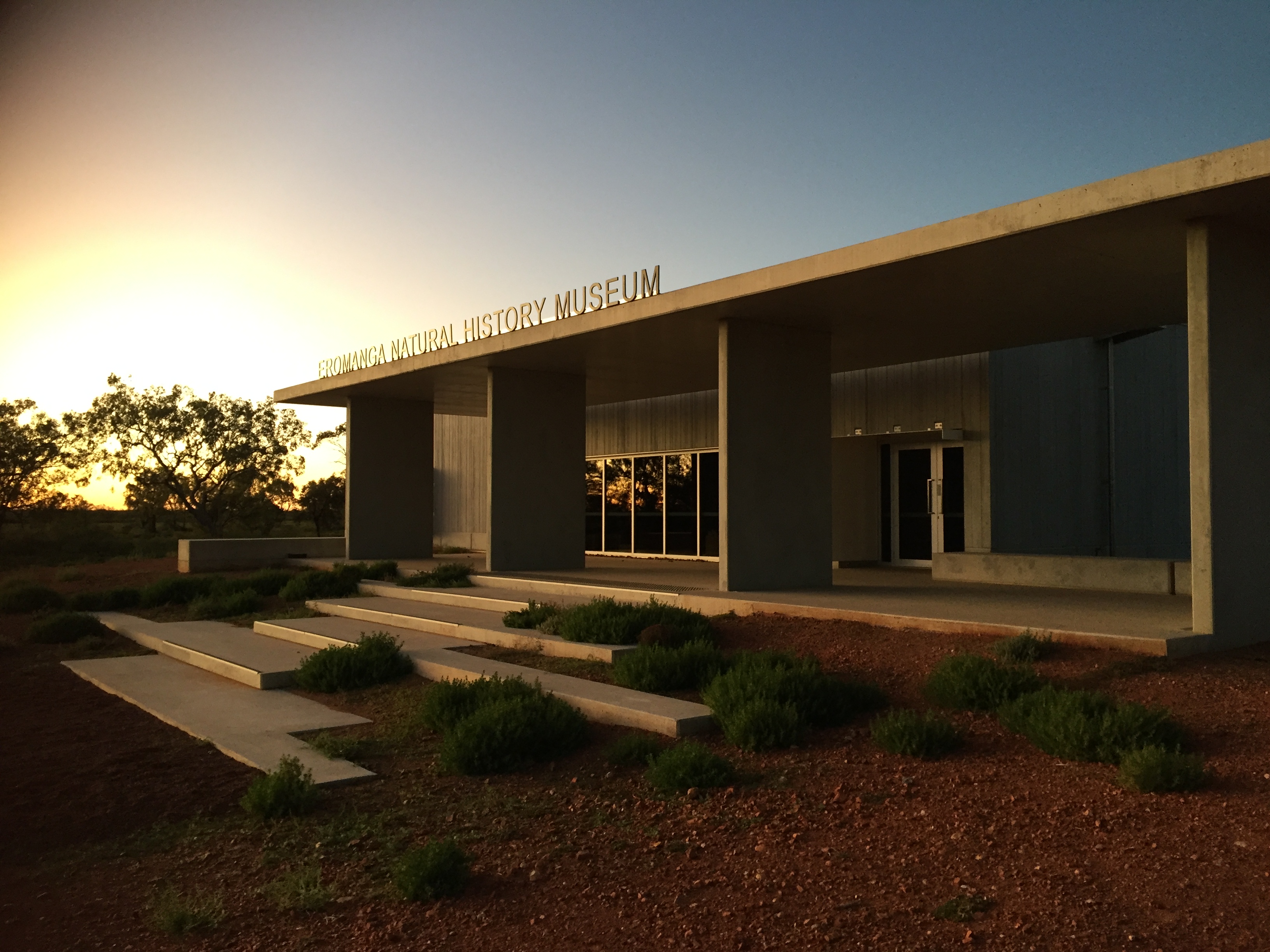

On Day 8 blue skies beckoned once again. Sigi and I went for a walk around the property surrounding the museum, startling a couple of wallabies as we went, then headed back to the accommodation block for a serve-yourself continental breakfast on the verandah. Luc and Scott wanted to head off early as they had to return to Broken Hill to pick up Luc’s plane so we accompanied them to the museum for a coffee then soon after we were dropped at the airstrip. The museum staff were amazingly hospitable and helpful. Our next leg was to Quilpie to refuel. We walked into town for lunch at the bakery and inspected the opal altar at the catholic church. Unfortunately Lyn Barnes’ Gallery https://www.lynbarnes.com/about/ wasn’t open so we couldn’t see her outback landscape paintings. We headed back to the airport and visited the Amy Johnson display in the old terminal building instead. Famous aviatrix Amy landed at Quilpie on her solo flight from England to Australia in 1930. The story is she was supposed to land in Charleville but she had an outdated map that showed Charleville at the end of the railway line when in reality it had been extended to Quilpie a year or so before. So, when she spotted the railway line she thought she was off course to the east and followed it to the west, bringing her to Quilpie instead of Charleville, much to the delight of the locals. After refuelling she continued to Charleville to an even more rapturous reception.
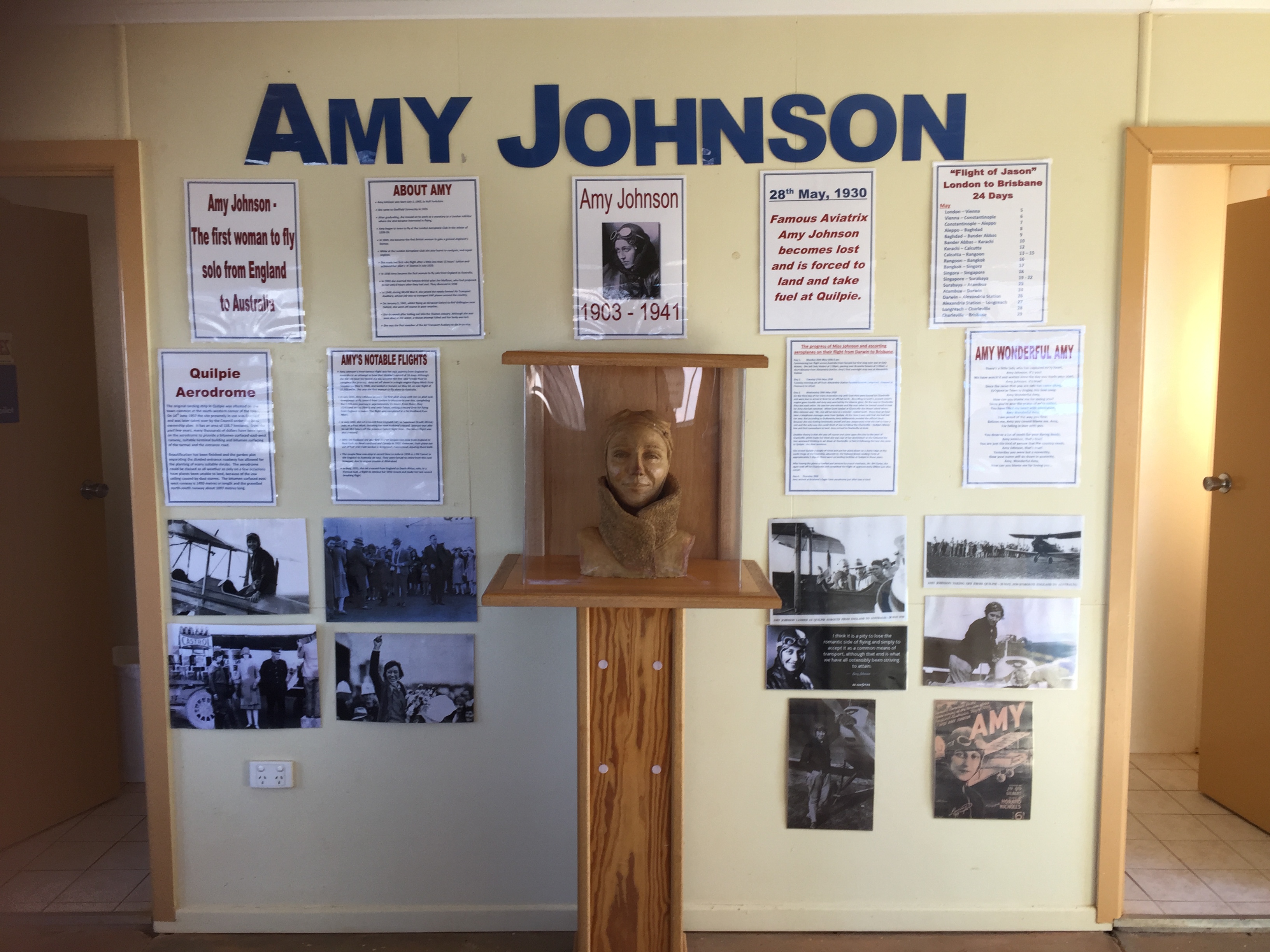
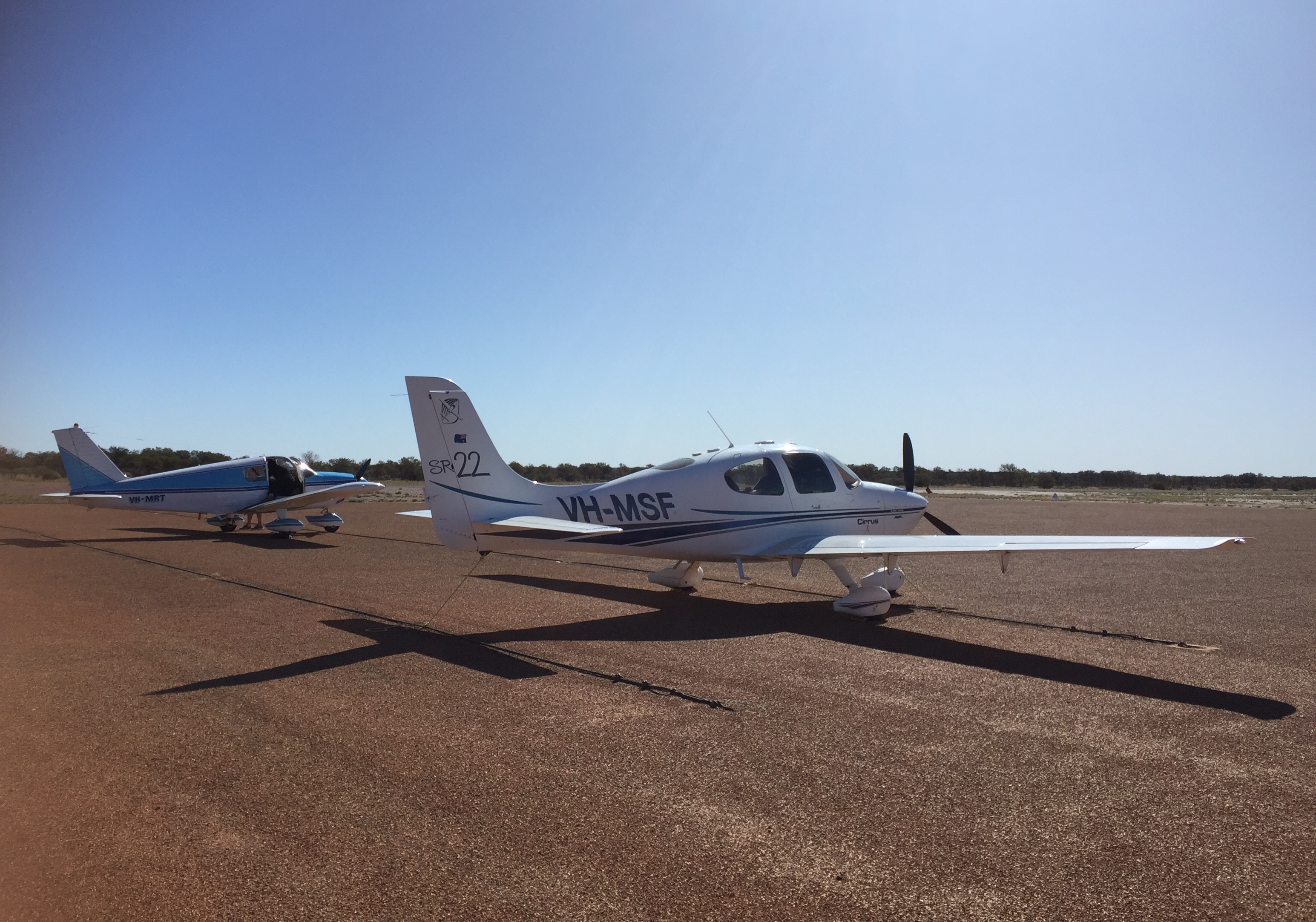
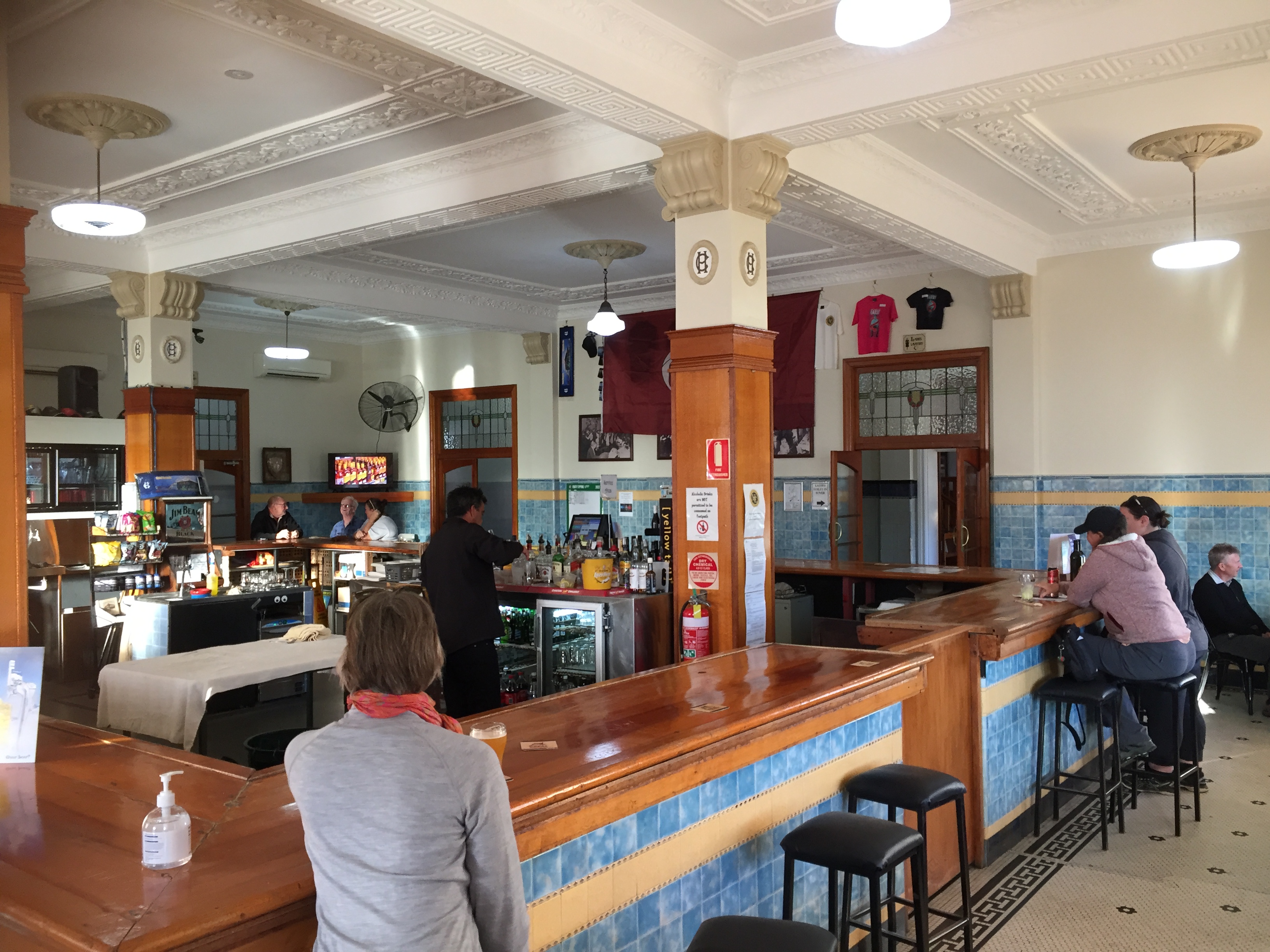
From Quilpie we followed in Amy’s footsteps to Charleville where we were met by the refueller at South West Air Services http://www.southwestair.com.au. They have an amazing service at the Flight Deck Cafe where they lend their “Mighty Barina” to flyin visitors. Free of charge – just fill it up with fuel before you return it. After a visit to the bar at the famous Corones Hotel (the one where Amy famously bathed in champagne after her belated arrival) https://www.hotelcorones.com.au for a quick beer we had dinner at the Rocks Motel before rugging up and heading out to the Cosmos Centre https://www.cosmoscentre.com for an of evening of star gazing. They have a great set up there where we had a close up view of alpha centauri and a few constellations.
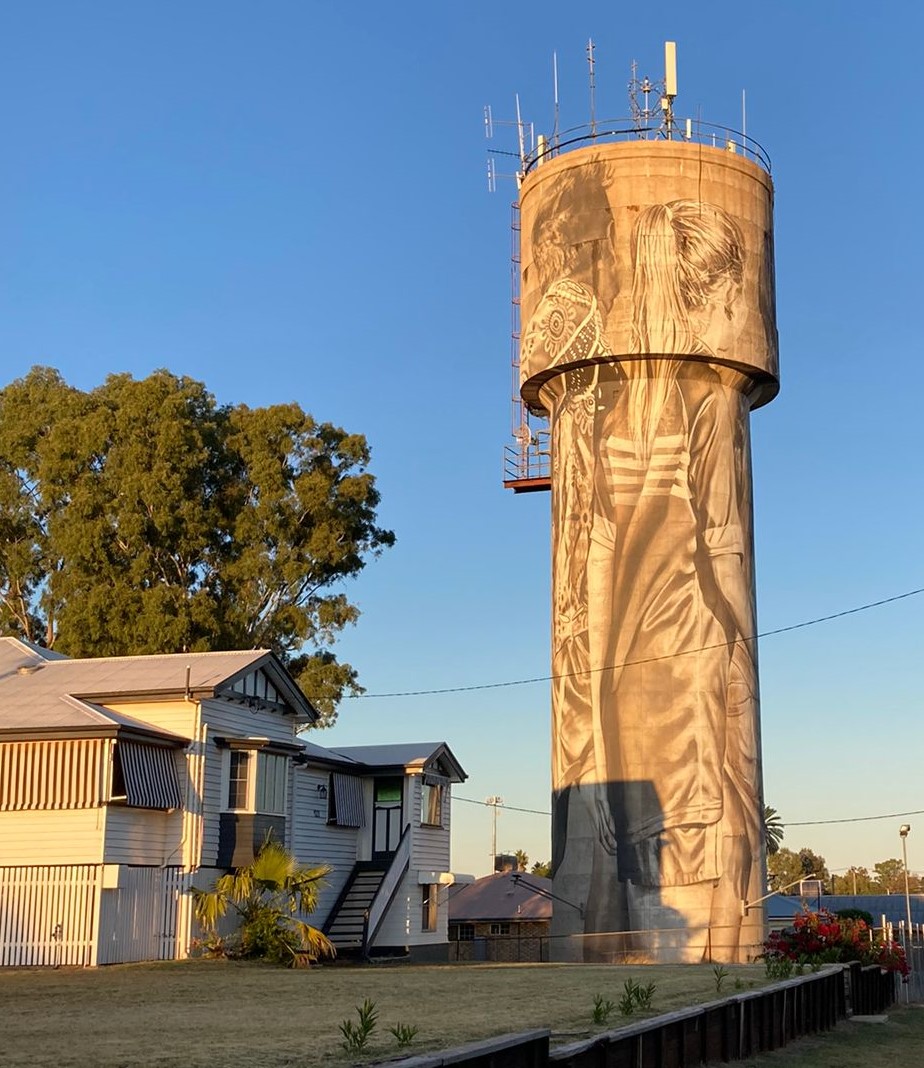
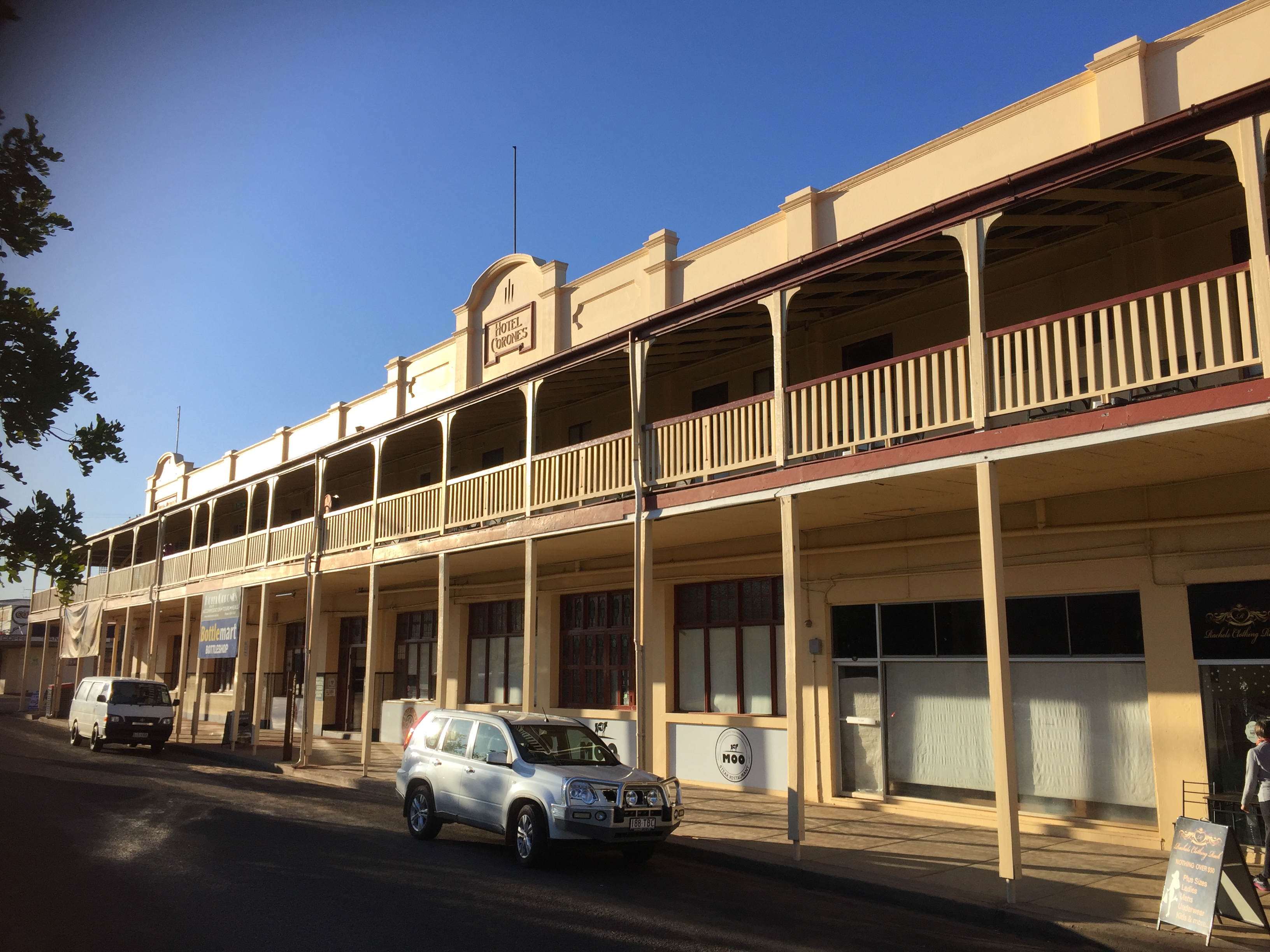

On Day 9 it was time to head for home, but with a lunch stop in Surat. We’d stopped in Roma a few times before so wanted a change and the airstrip at Surat is walking distance to the main street so it seemed an obvious alternative. The Cobb and Co Staging Station Museum https://www.outbackqueensland.com.au/…/cobb-co…/ was another attraction. It was about one hour to Surat over country that gradually turned greener.

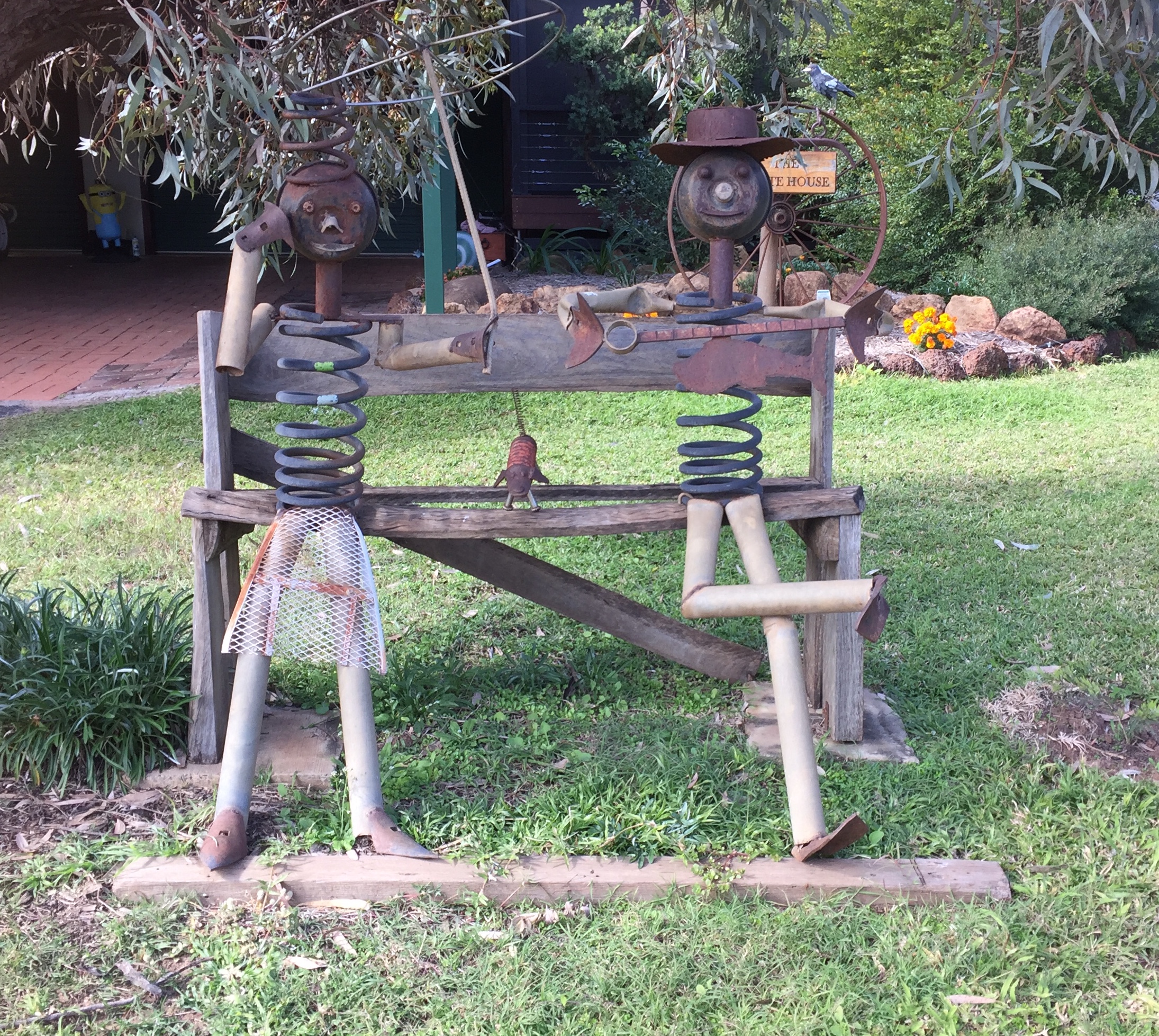
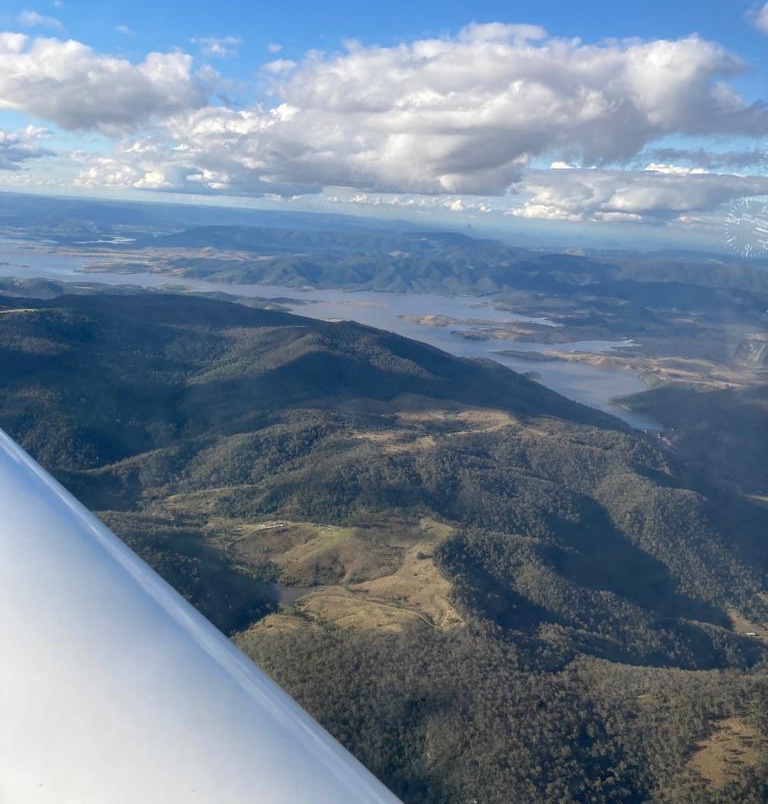
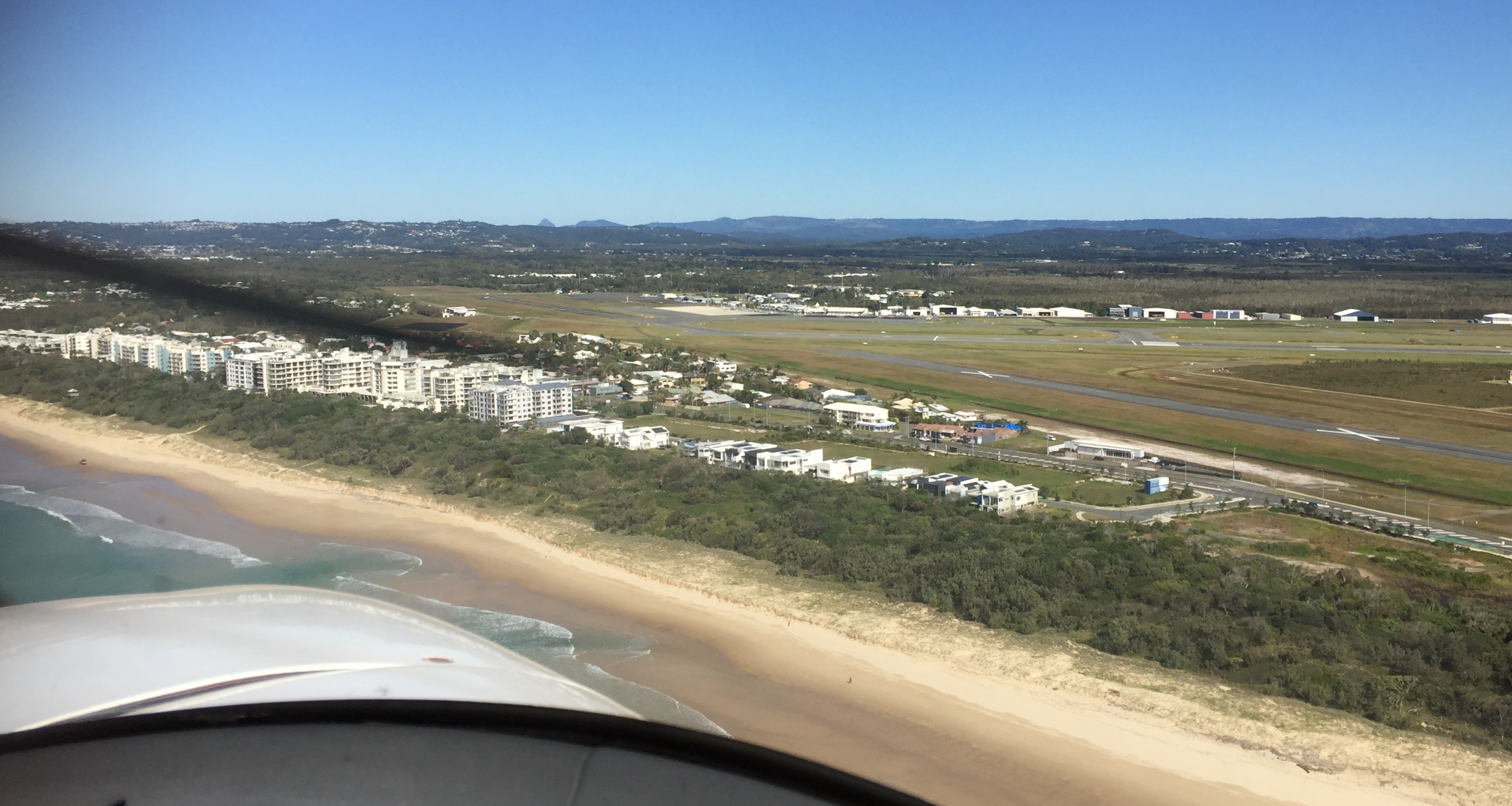
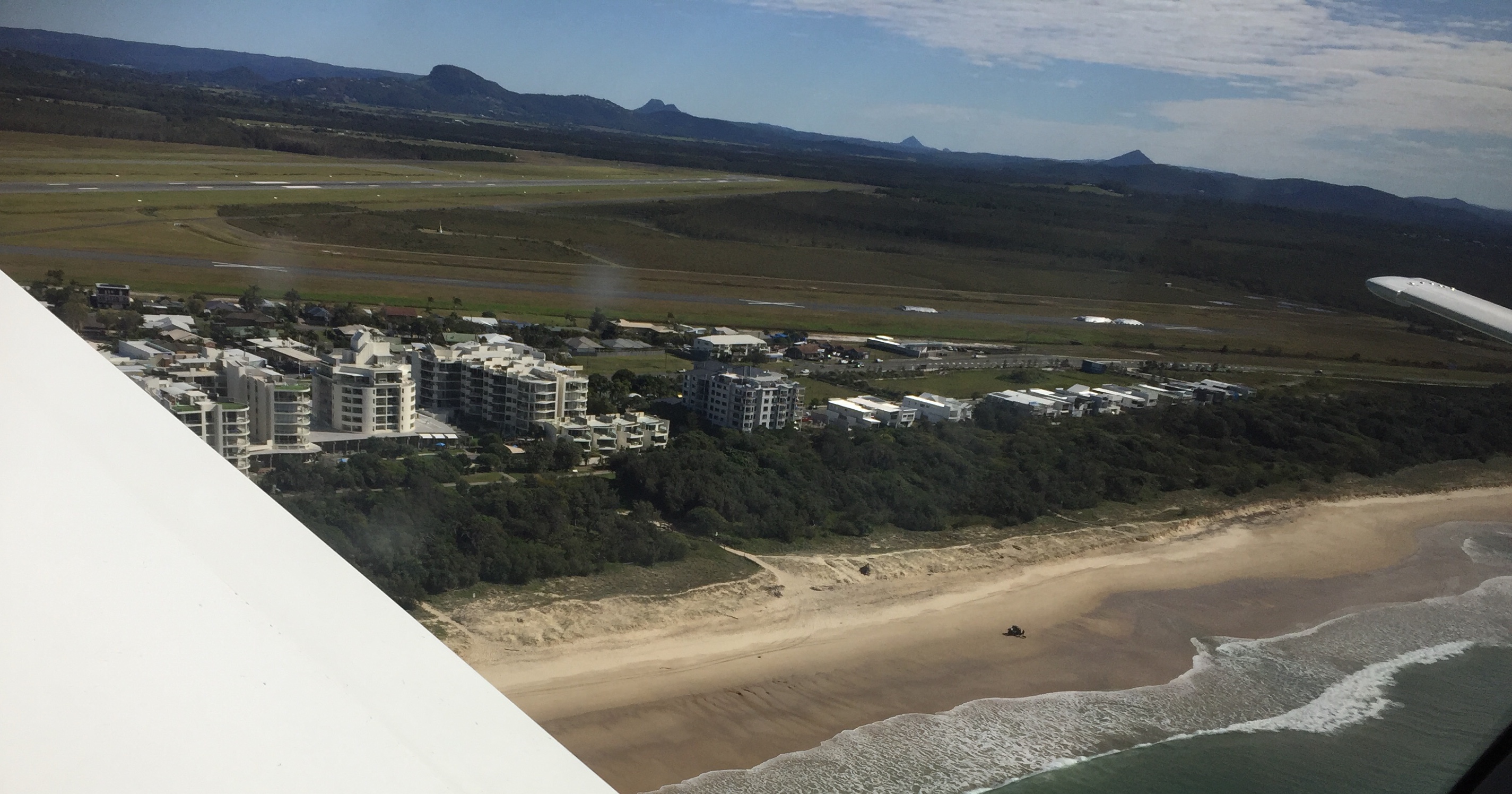
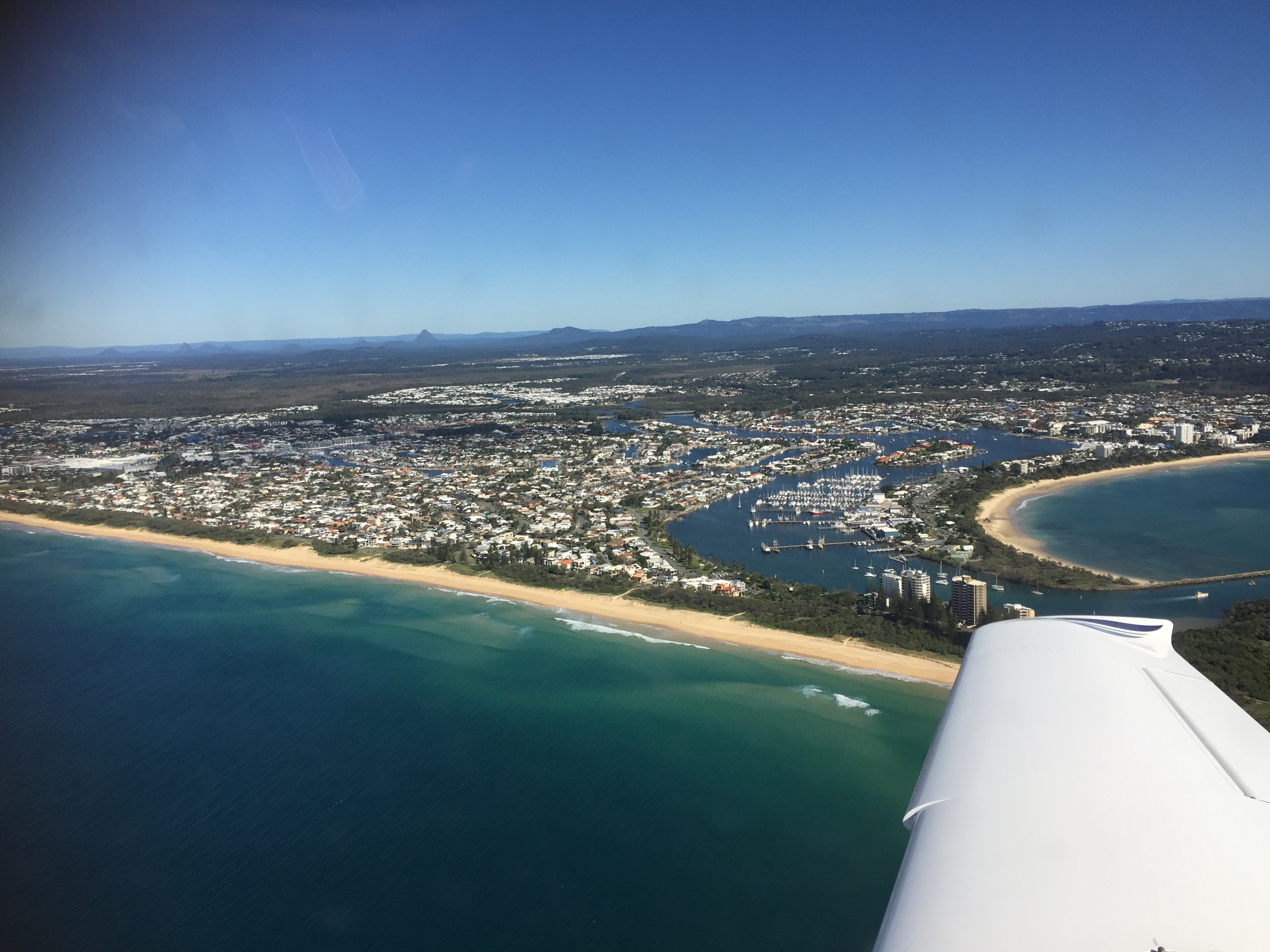
After a light lunch and a tour of the museum we were back on board, this time back to Redcliffe. We passed over Jimbour and the Brisbane Valley, taking in the Glass House Mountains on our descent into Redcliffe.
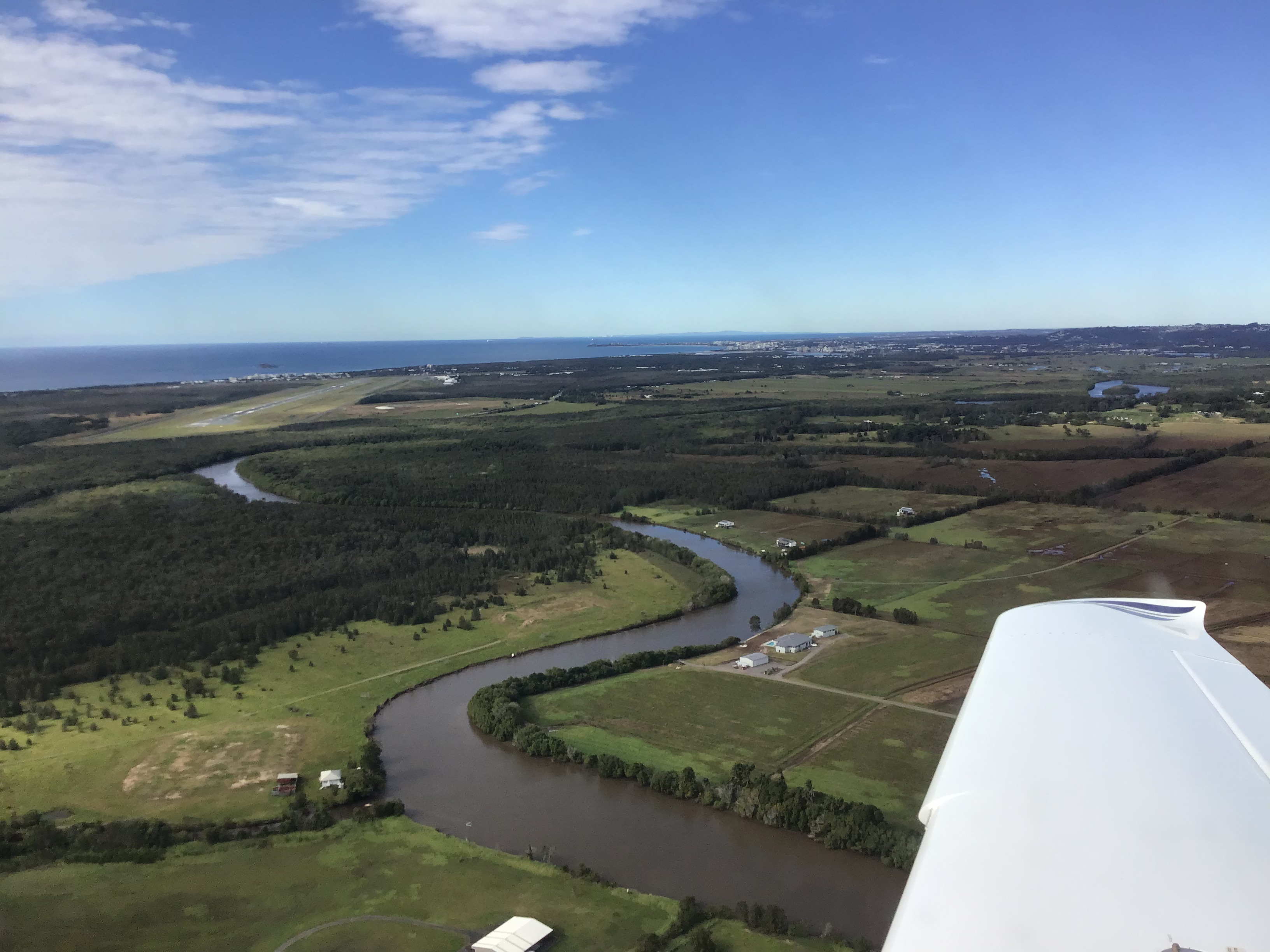
Our western wanderings were over. It was a great trip and we really are fortunate to be able to travel around this great country of ours so freely. It is a huge land mass and travelling by air is a great way to see it. When we get out in the outback I am constantly amazed how friendly, trusting and helpful people are.






 PrivatierAir