SIDS and Deps

Instrument departures – IFR – Archerfield – Redcliffe – Sunshine Coast

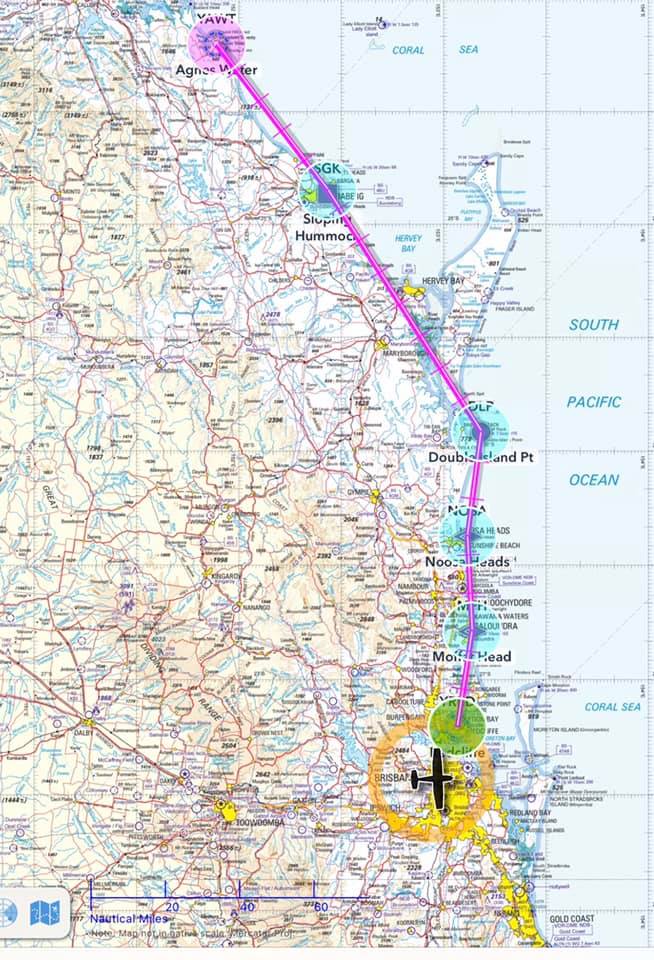
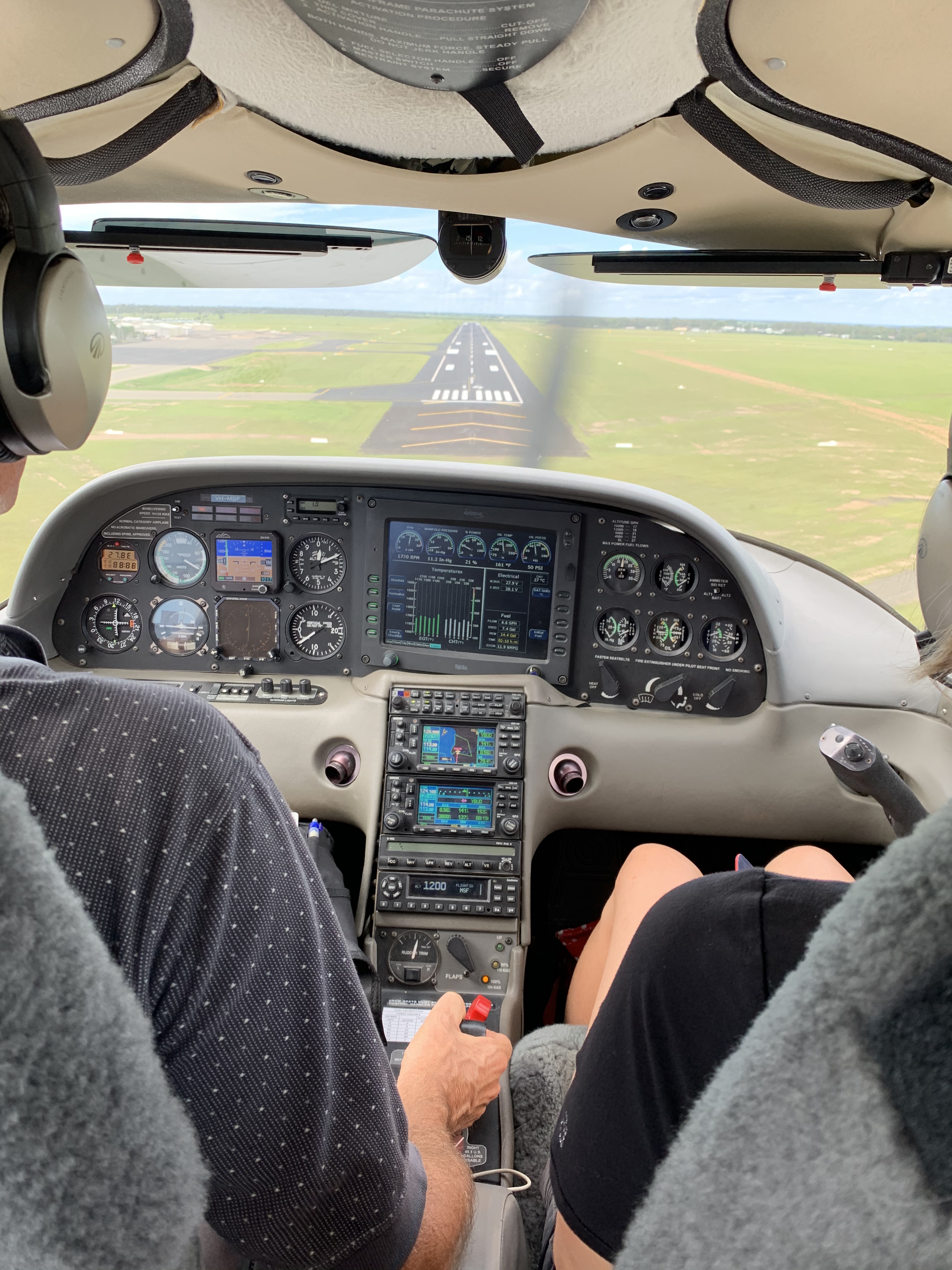
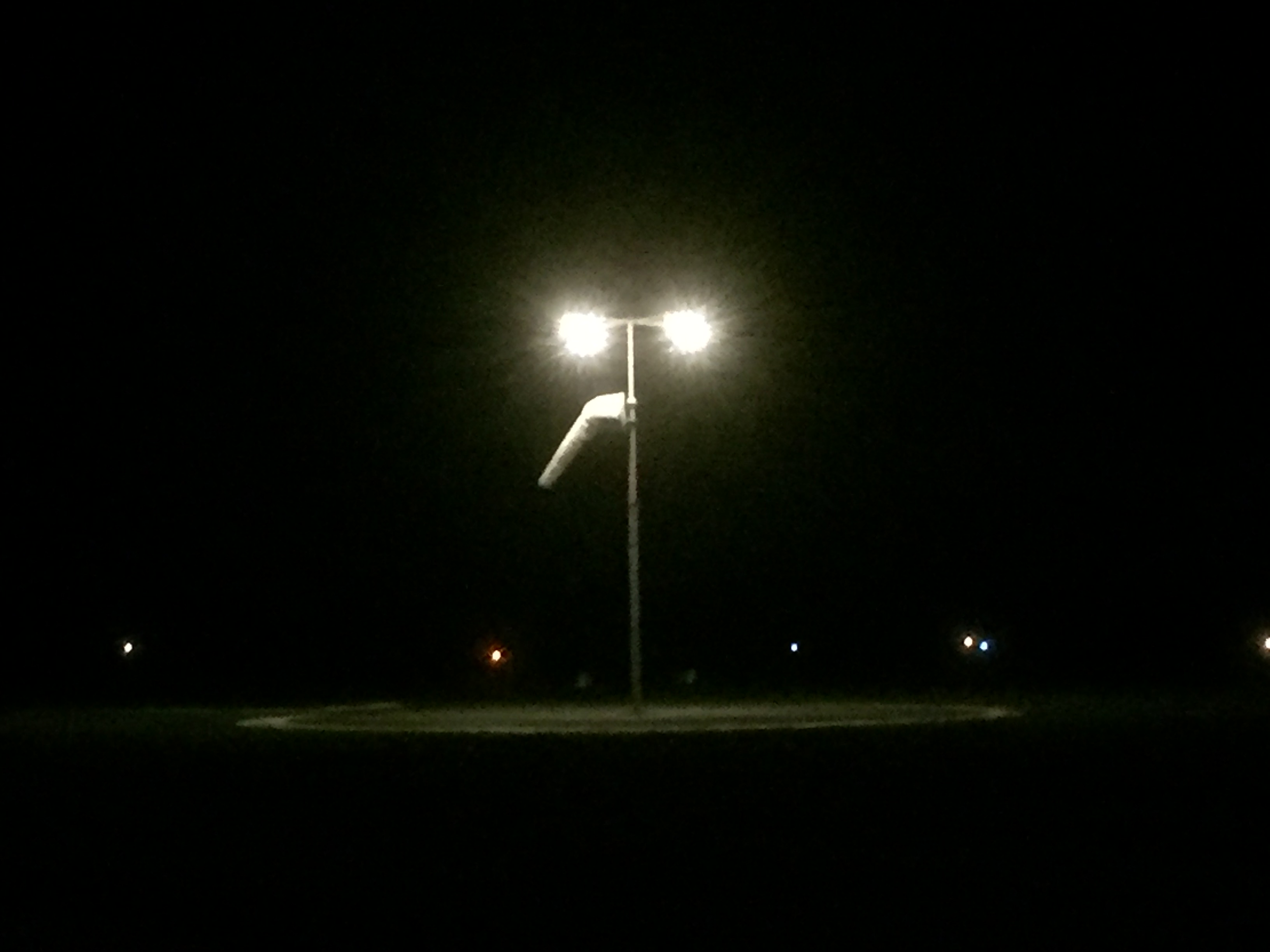
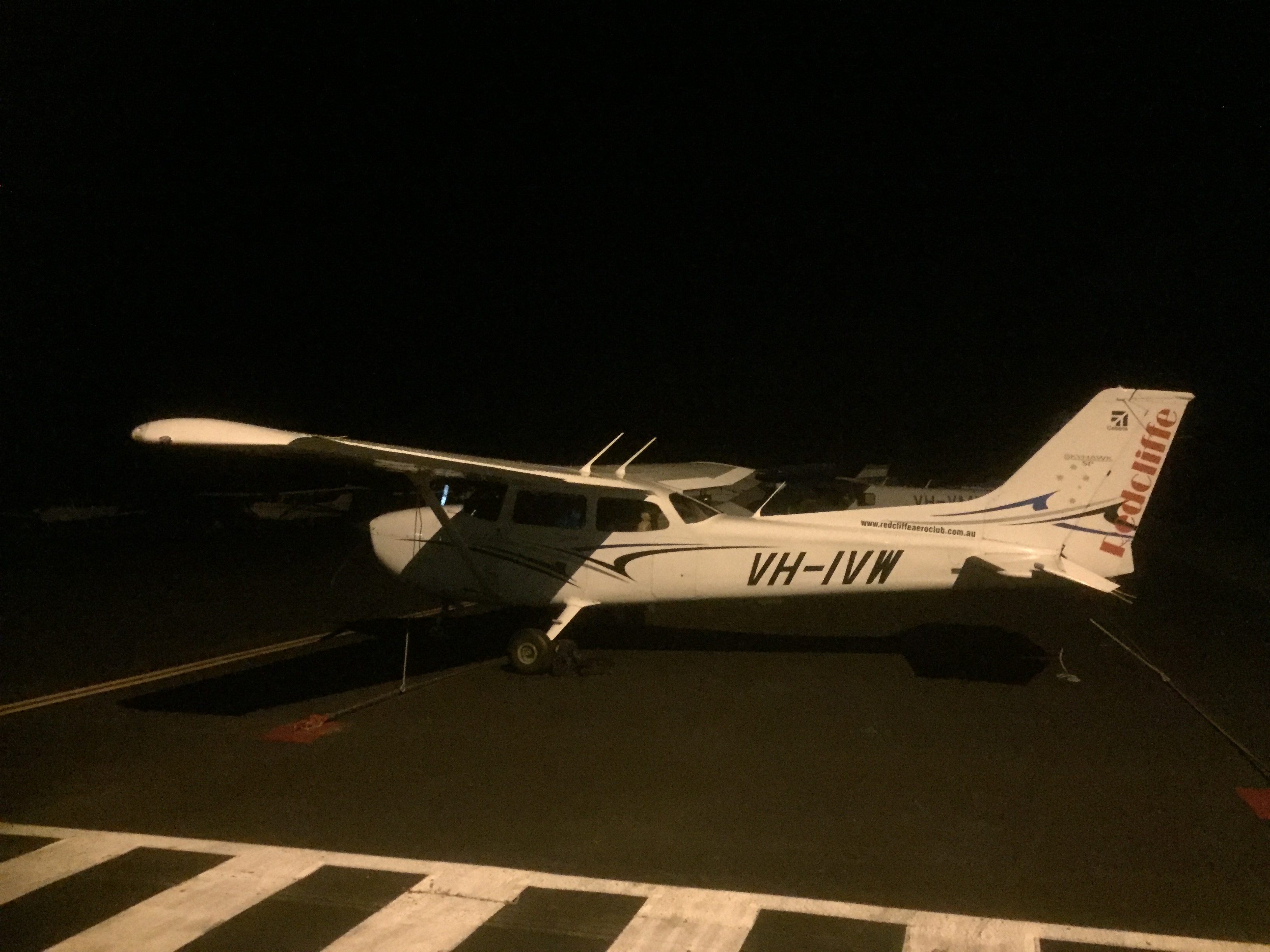
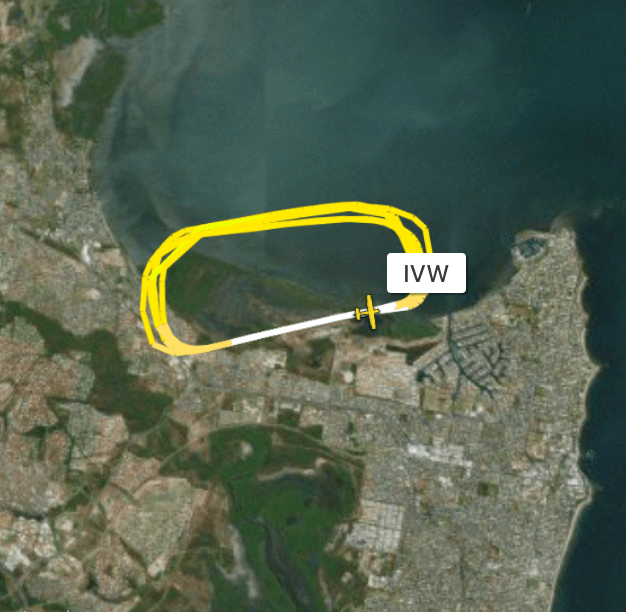
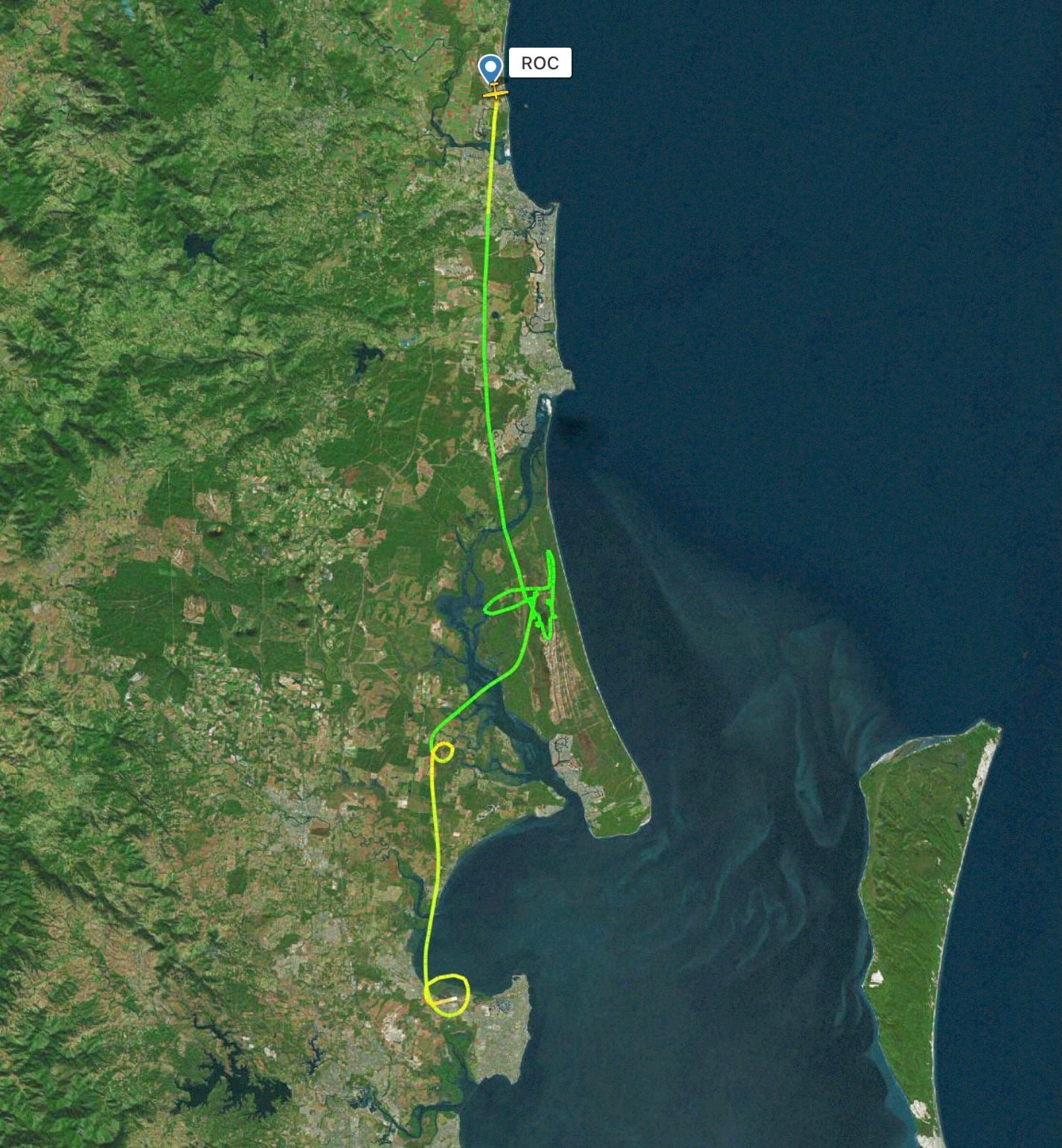
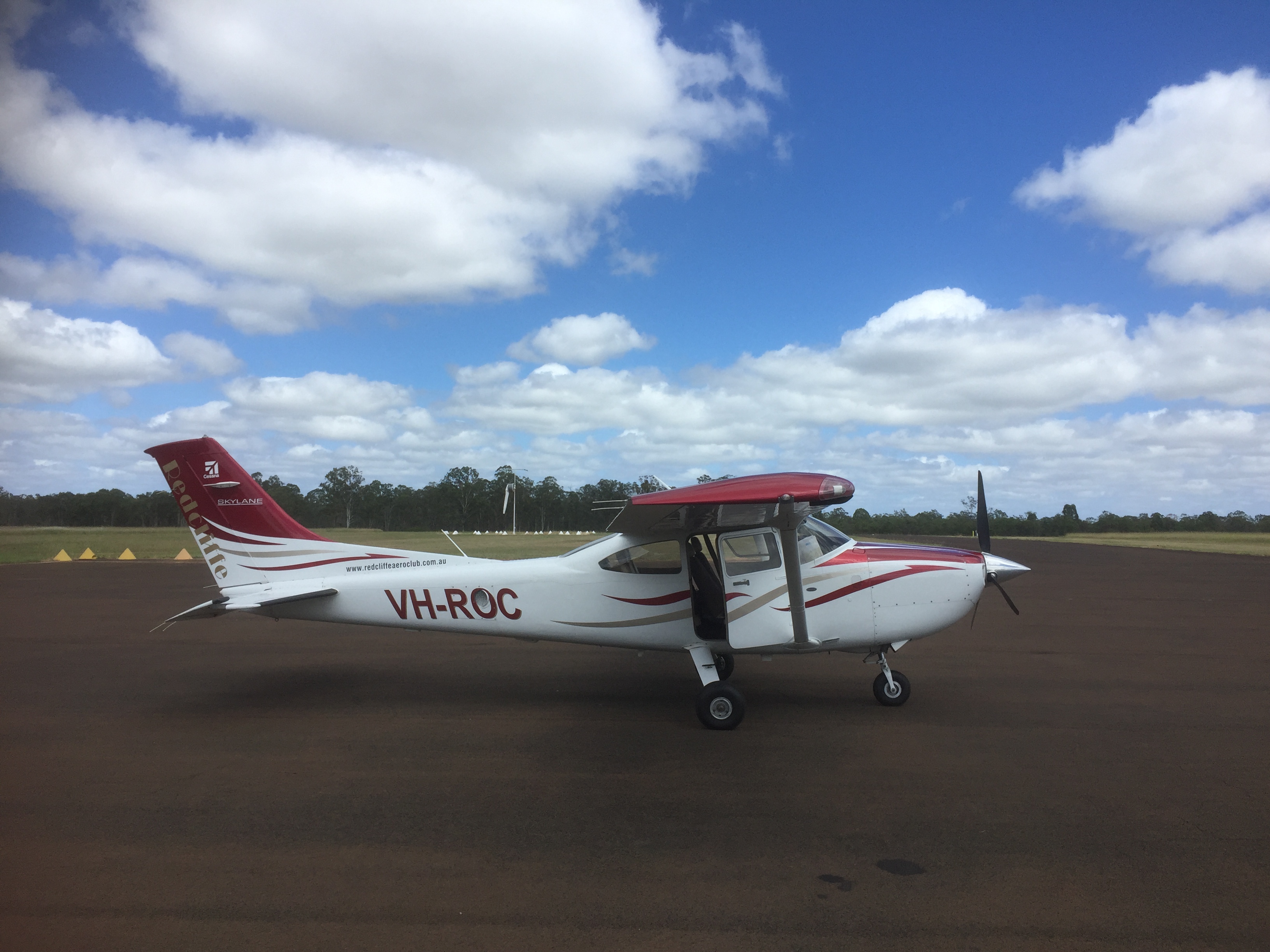
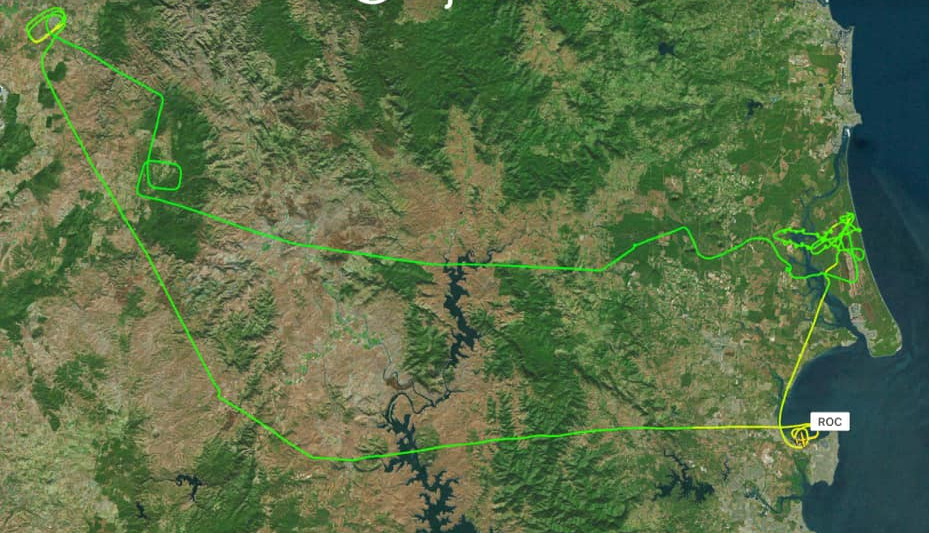
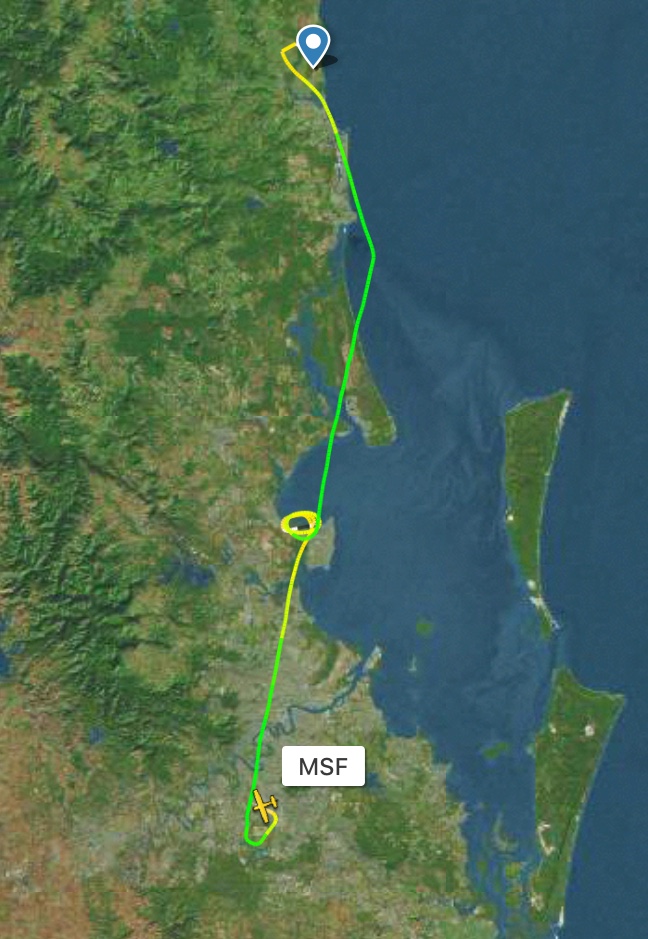
On 14th September 2020 I passed a test for another instrument endorsement on my private pilot licence. This one was for “SIDS” and “Deps”. It allows you to depart from airports with low cloud and/or visibility and climb through it to safe levels where you are well clear of “obstacles” such as mountains. A SID is a Standard Instrument Departure, a specially designed and approved procedure that allows you to use the aircraft’s GPS to fly via a particular set of waypoints and climb safely in “instrument meteorological conditions” (IMC) to a height that is considered safe. It’s what most of the large aircraft fly on departure. It doesn’t have to be IMC though. You can fly a SID in clear blue skies but it gives you the option to take off even if the weather is such that you don’t have Visual Meteorological Conditions (VMC). A Dep on the other hand is useful when you’re departing from a small airport with no SID, like Redcliffe. You orbit overhead the aerodrome while climbing (potentially in IMC or at night) remaining within a couple of miles of an aerodrome (within the “circling area”) until you reach a safe altitude. You can then head off in your desired direction without risking flying into an “obstacle”.
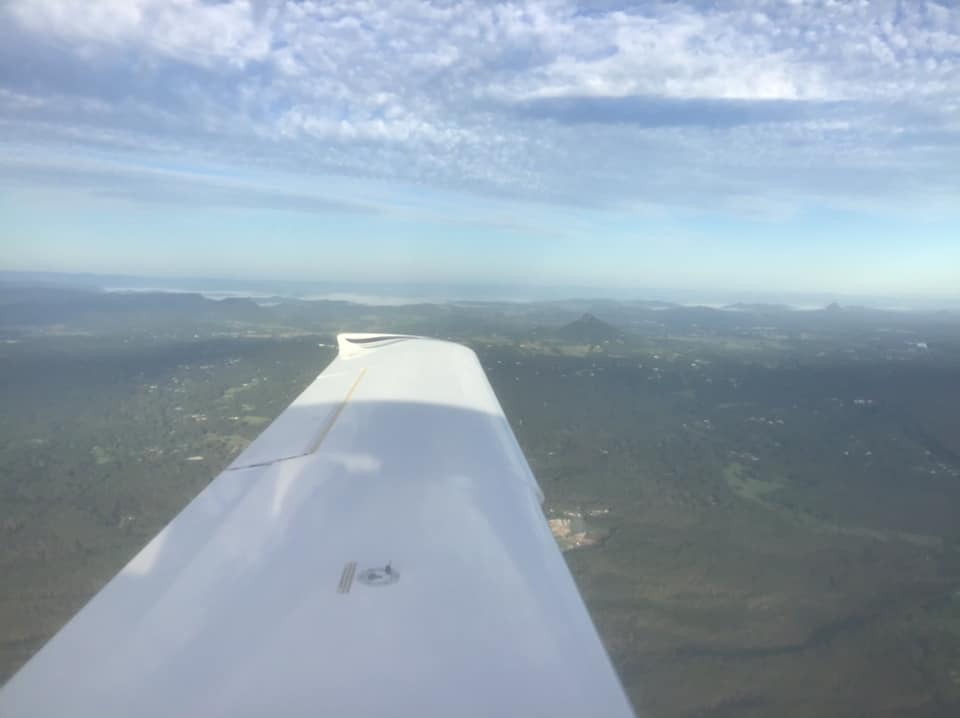
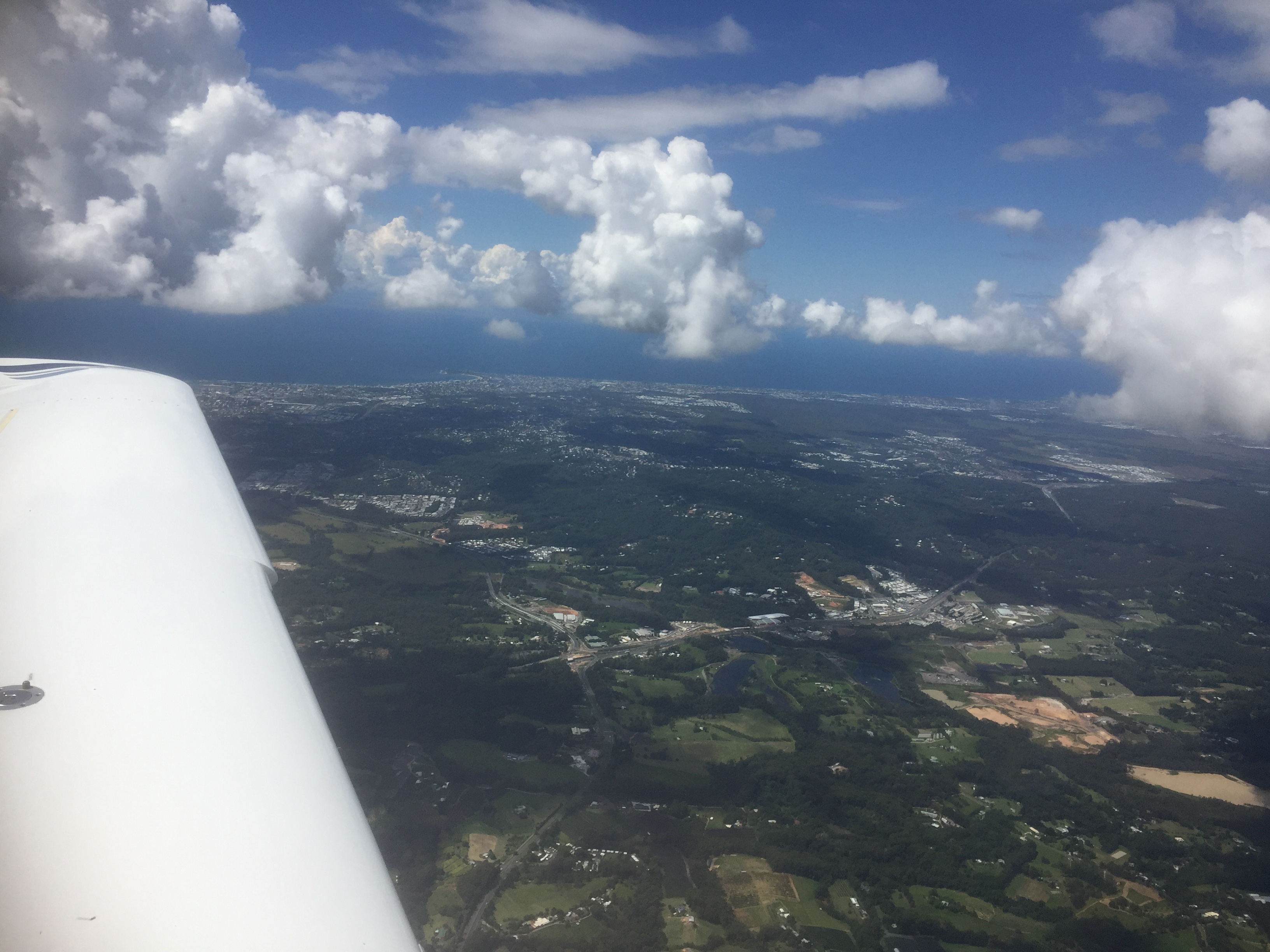
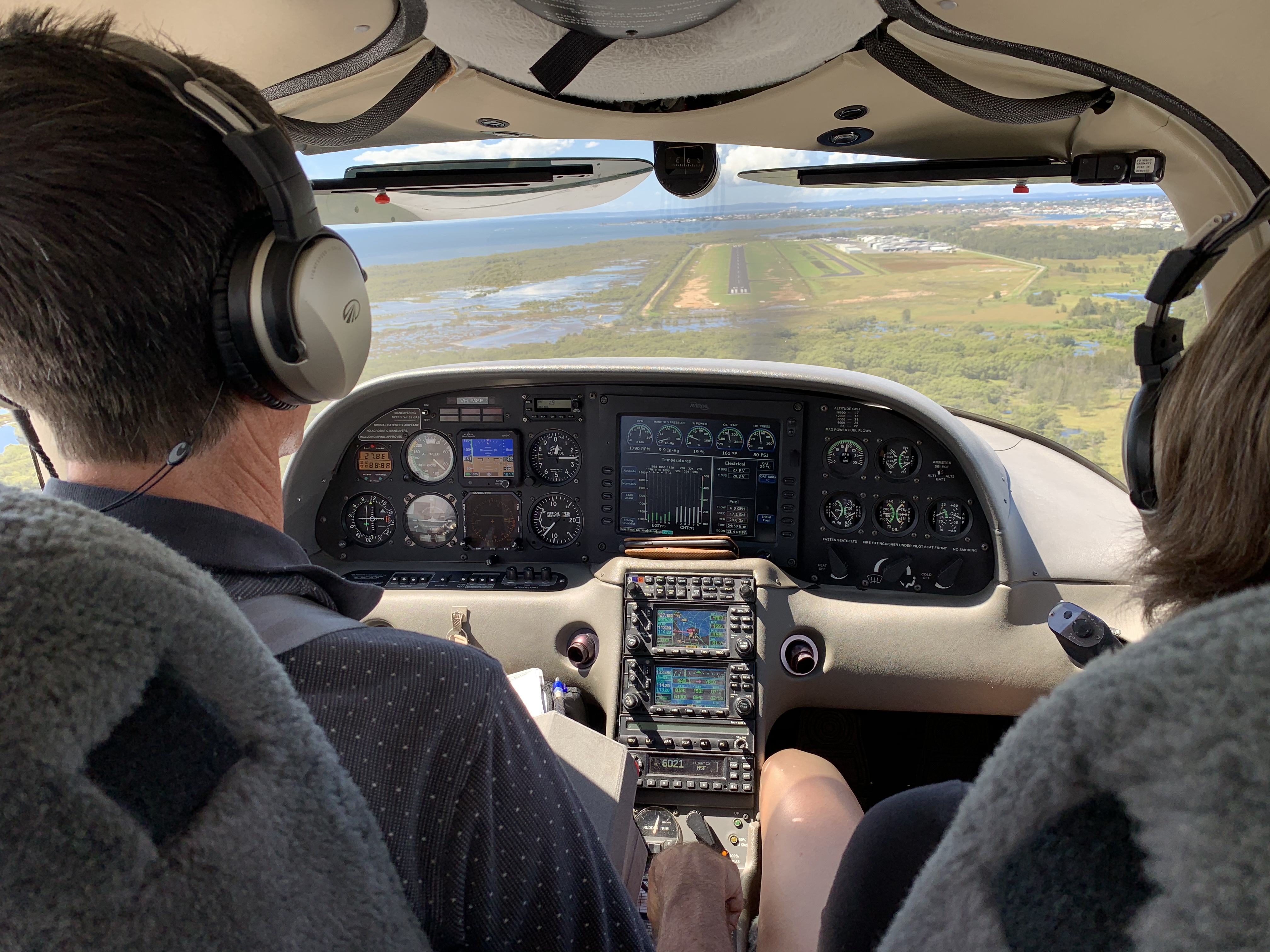
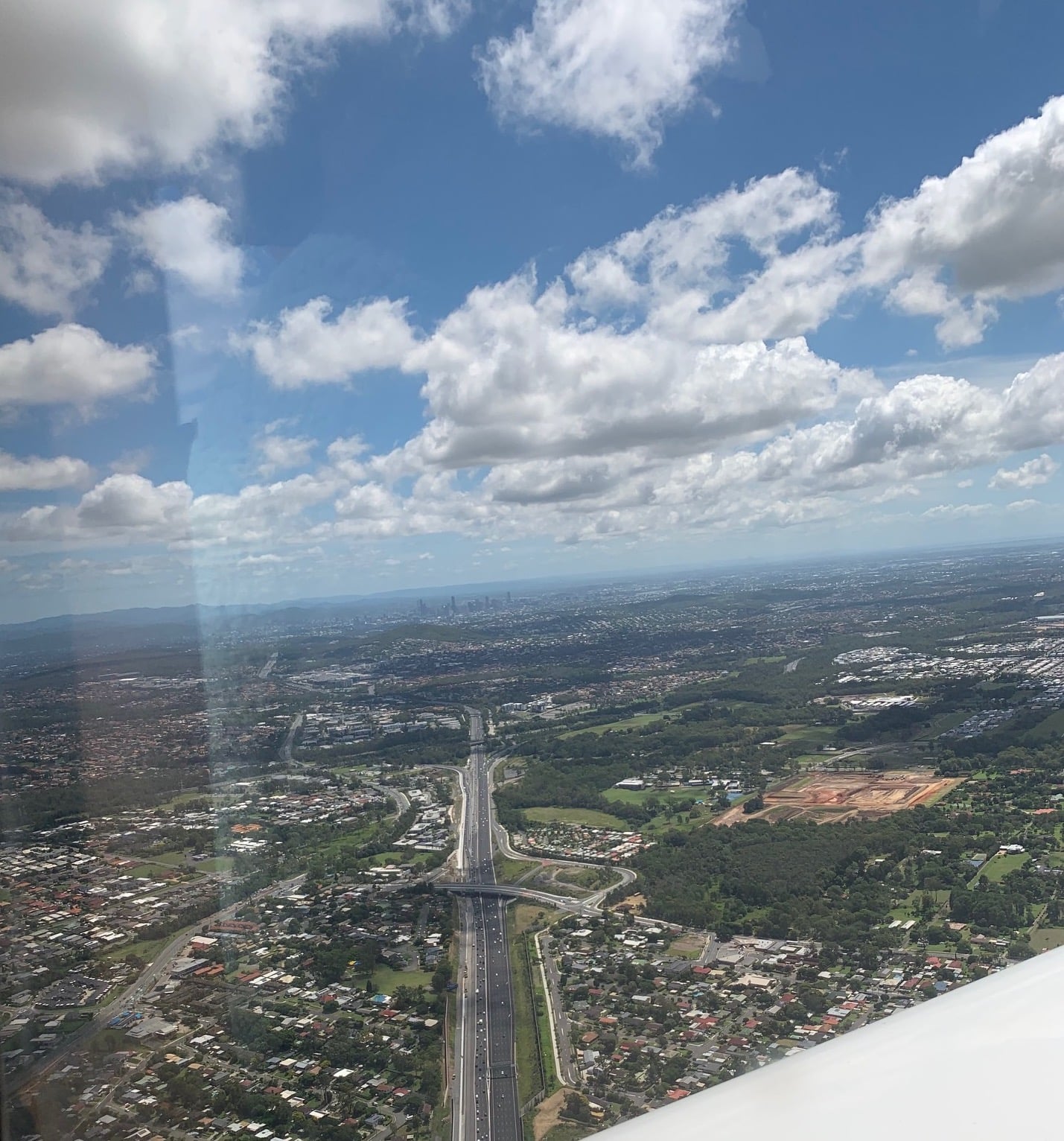
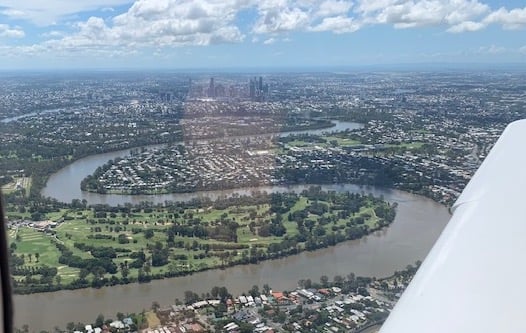
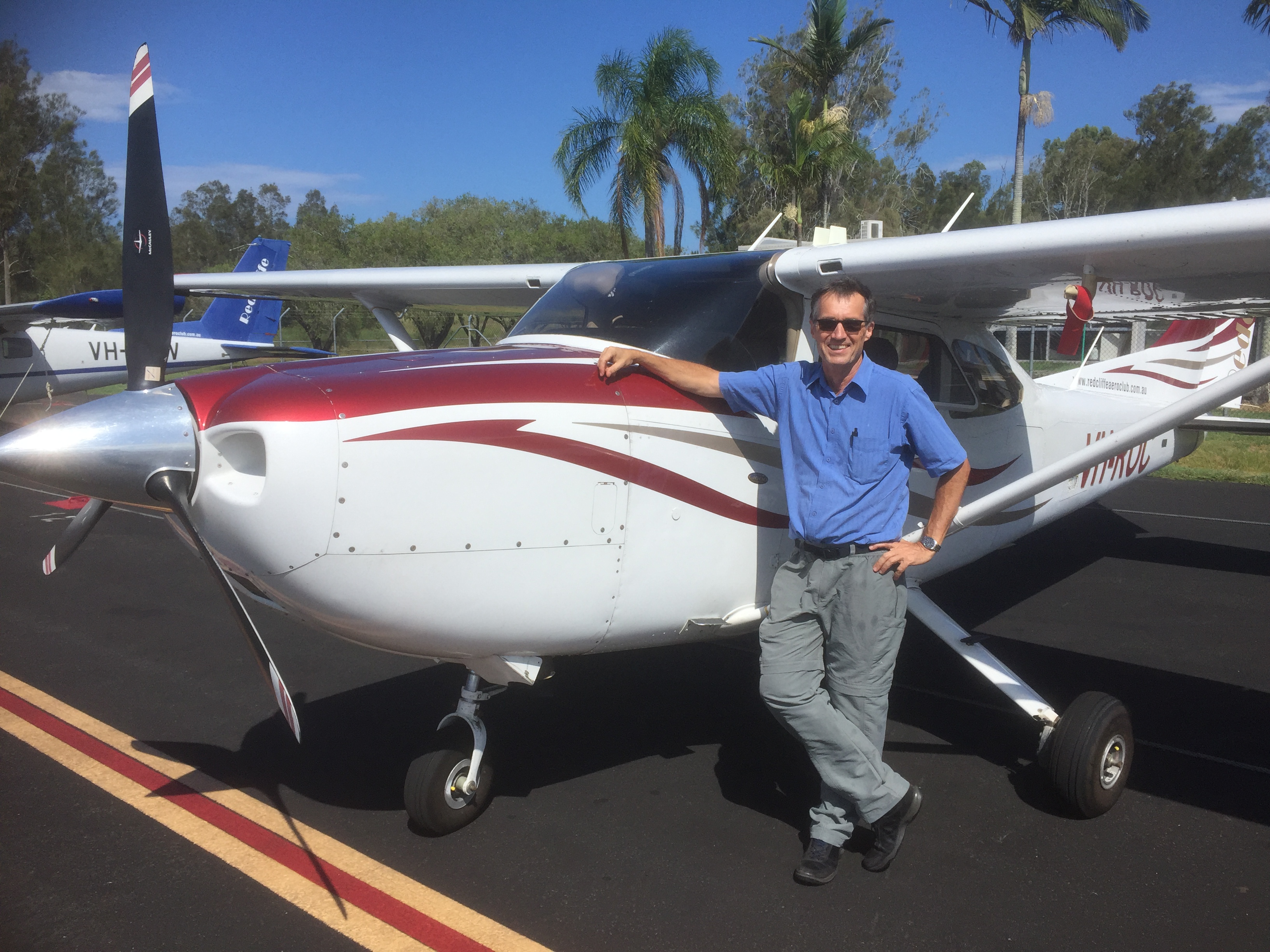
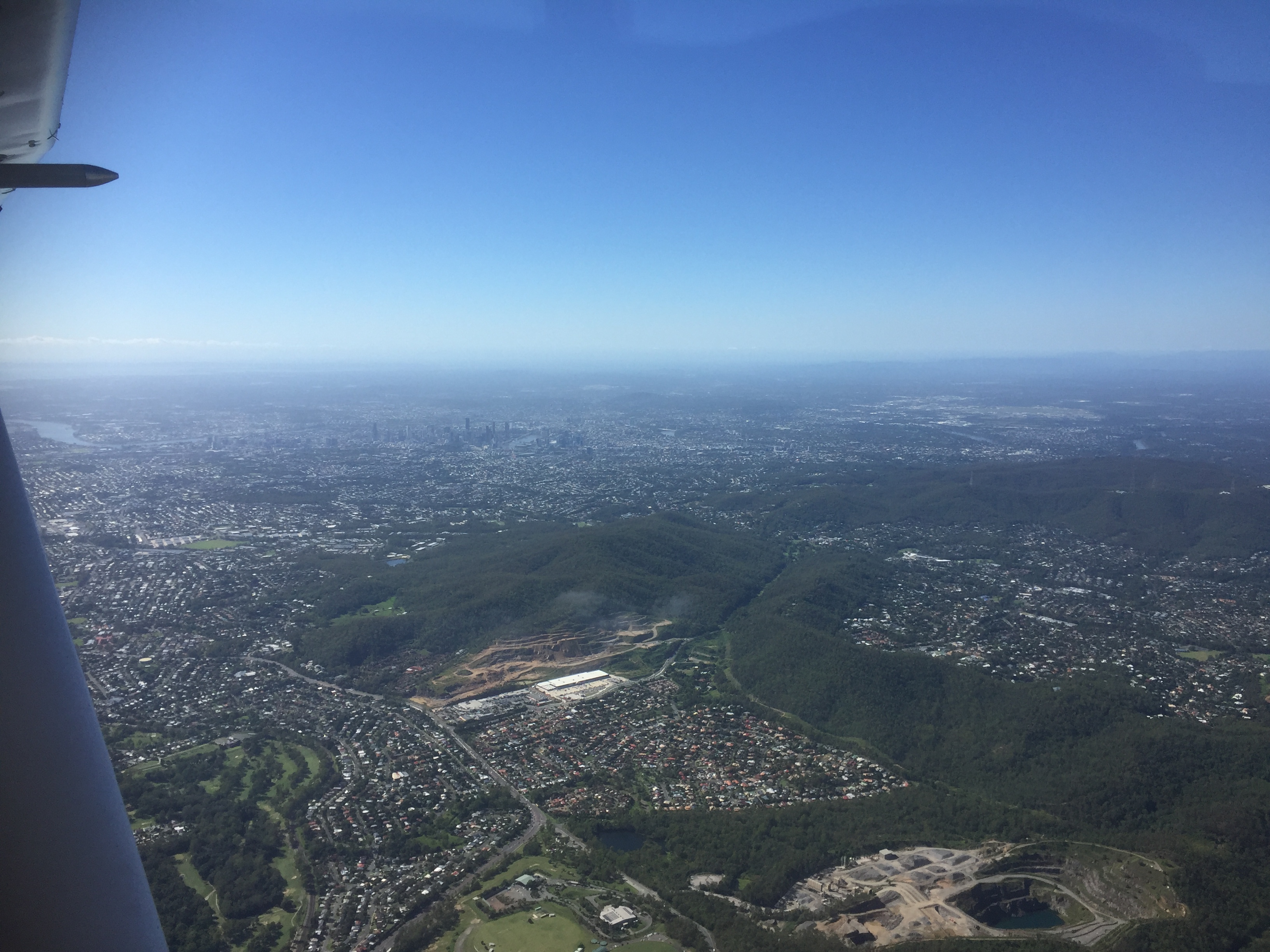
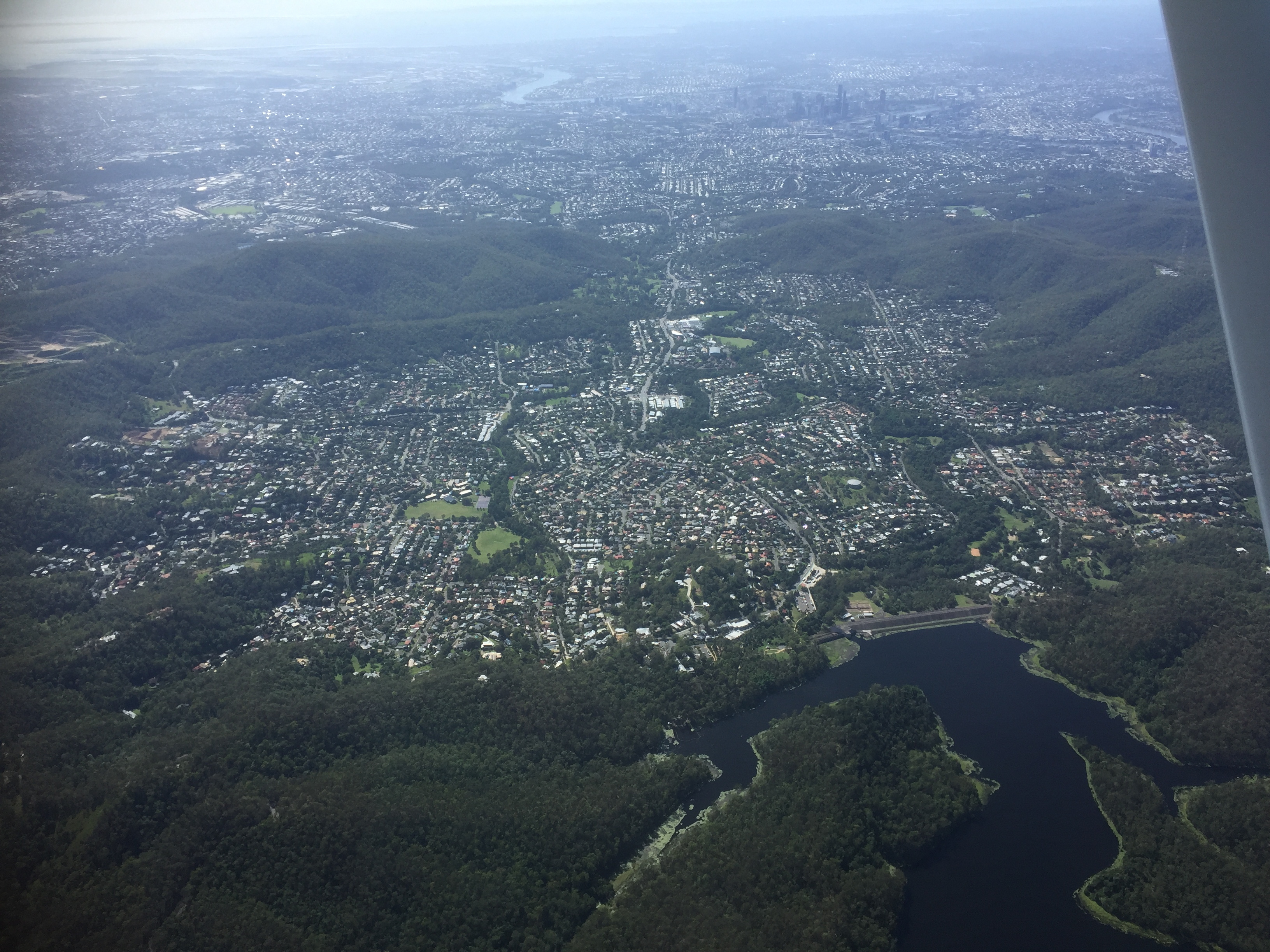
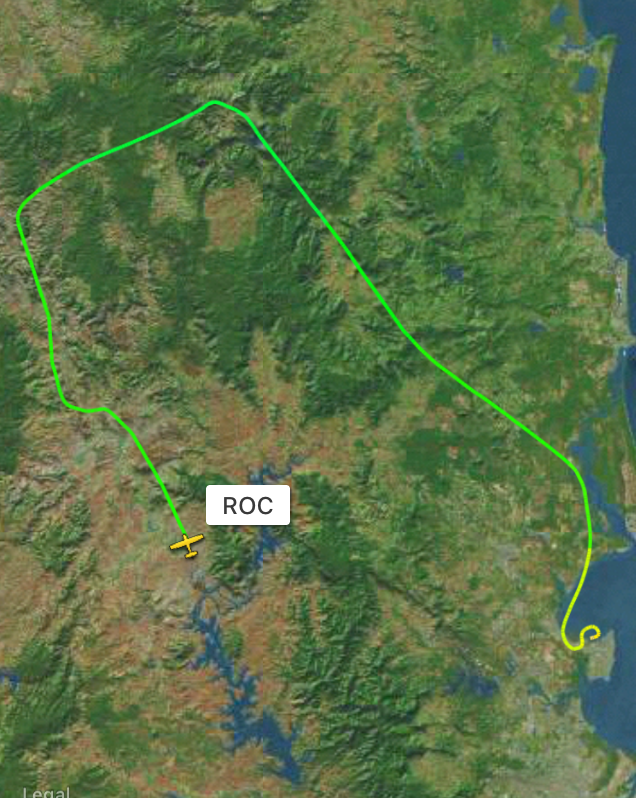
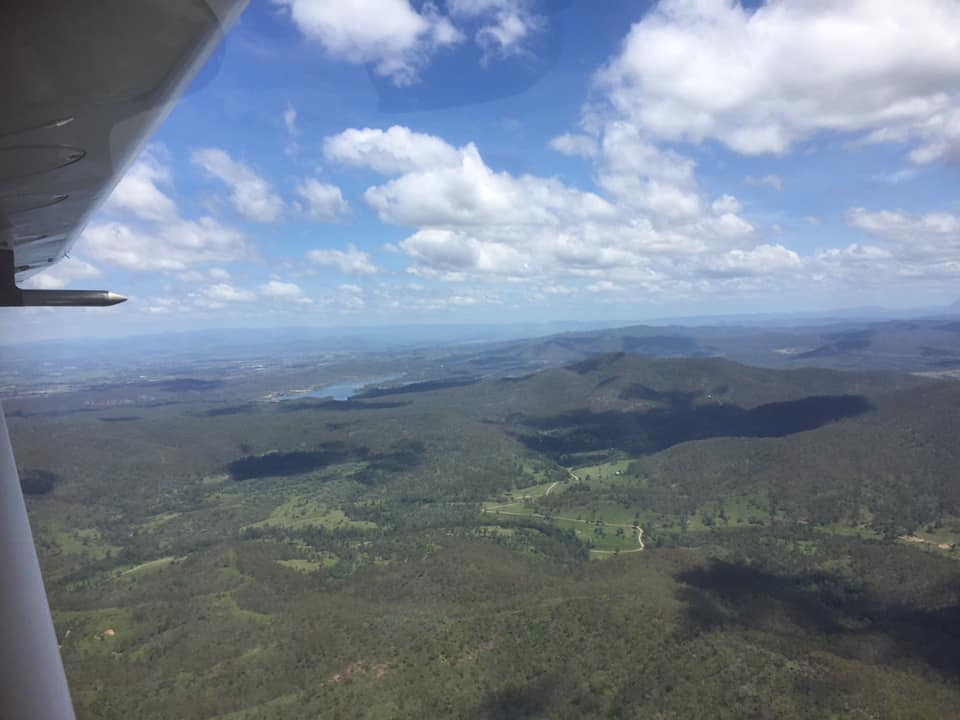
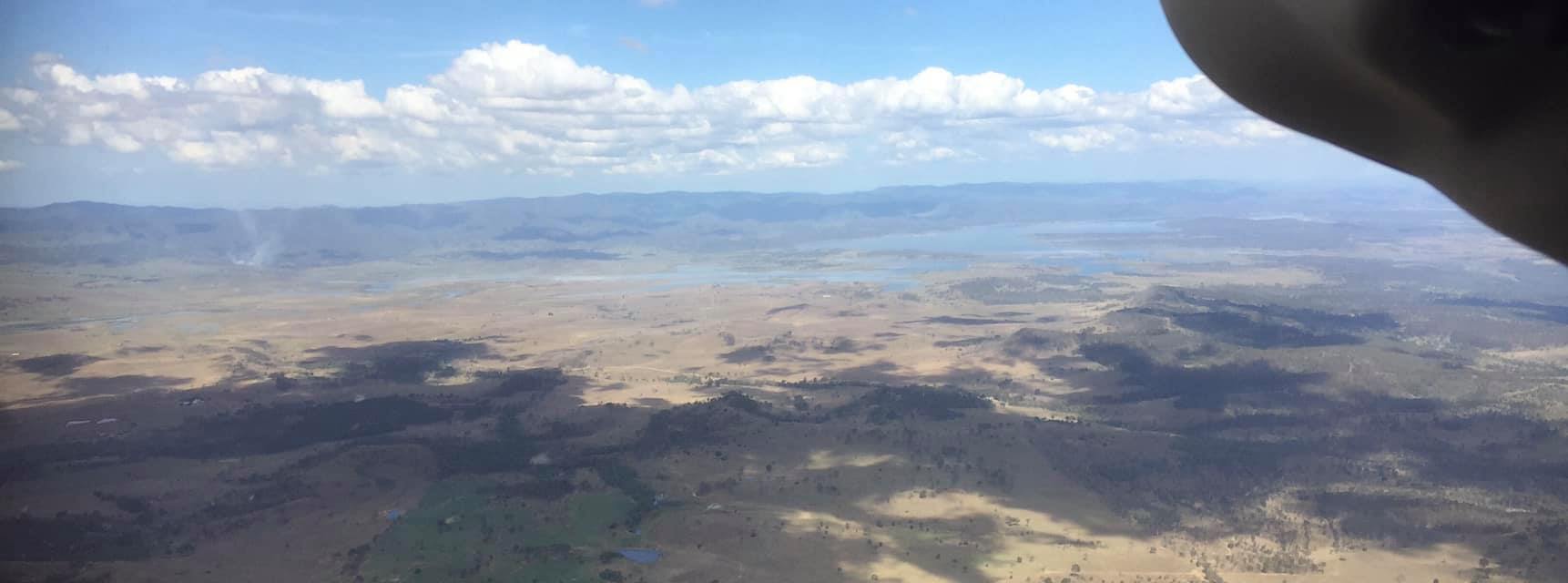
The cloud was simulated for the test as it was a blue sky day. Adam Starr from Starr Aviation was my testing officer and I used MSF for the flight. First I had to fly the plane from Redcliffe to Archerfield to meet up with Adam. This 10 minute flight brought me over The Gap and Upper Kedron.
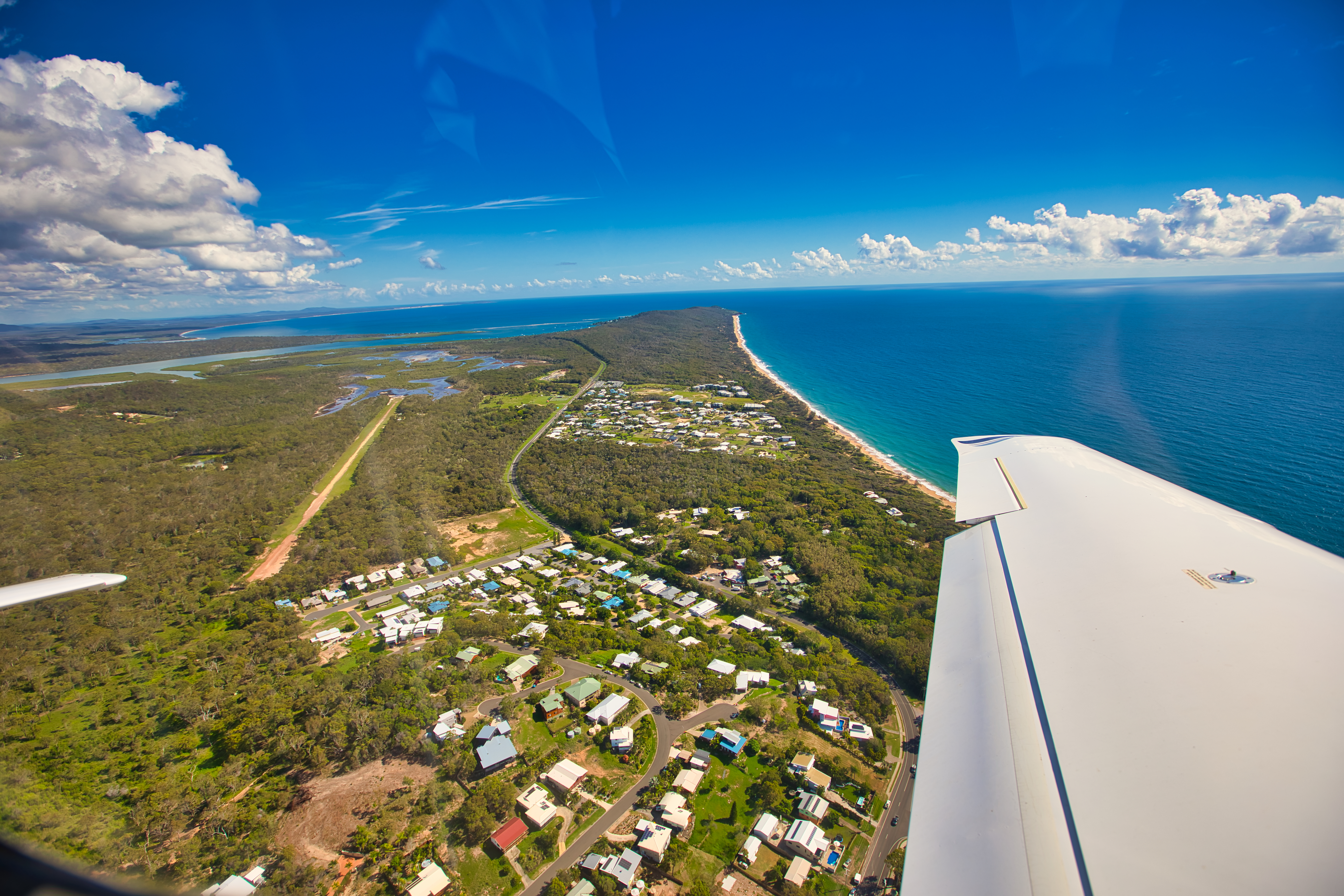
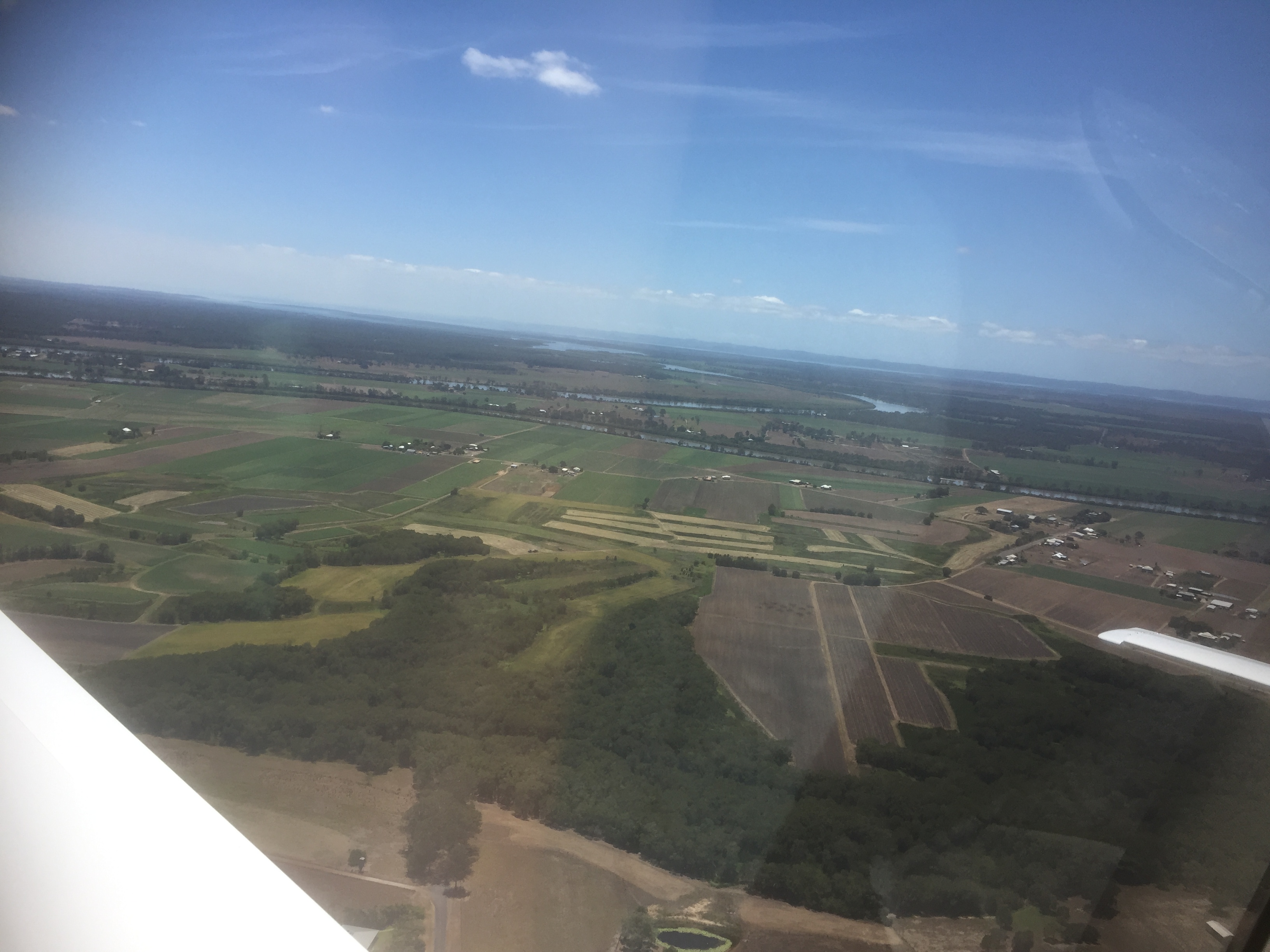
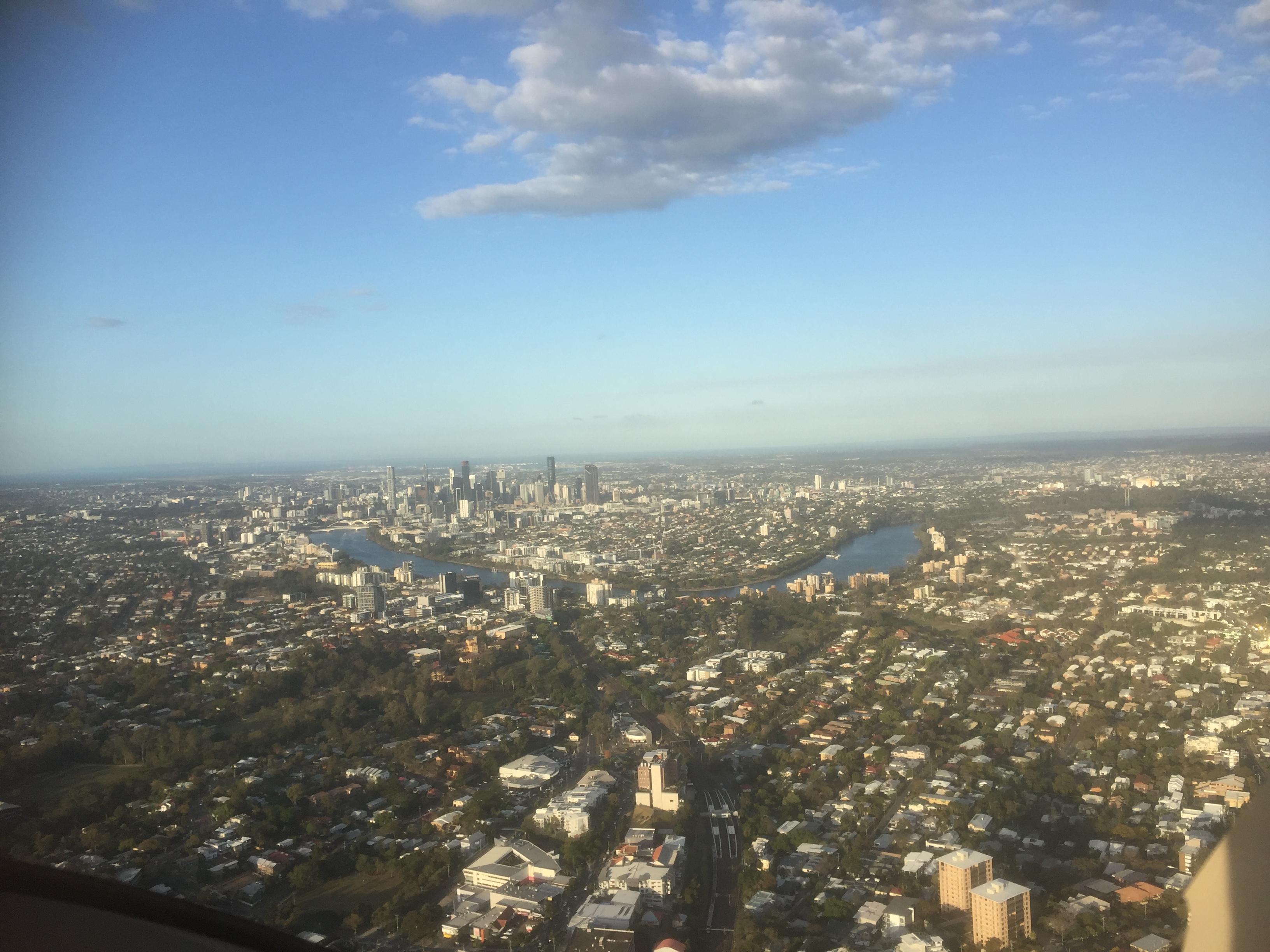
Upper Kedron (foreground) and The Gap (background)

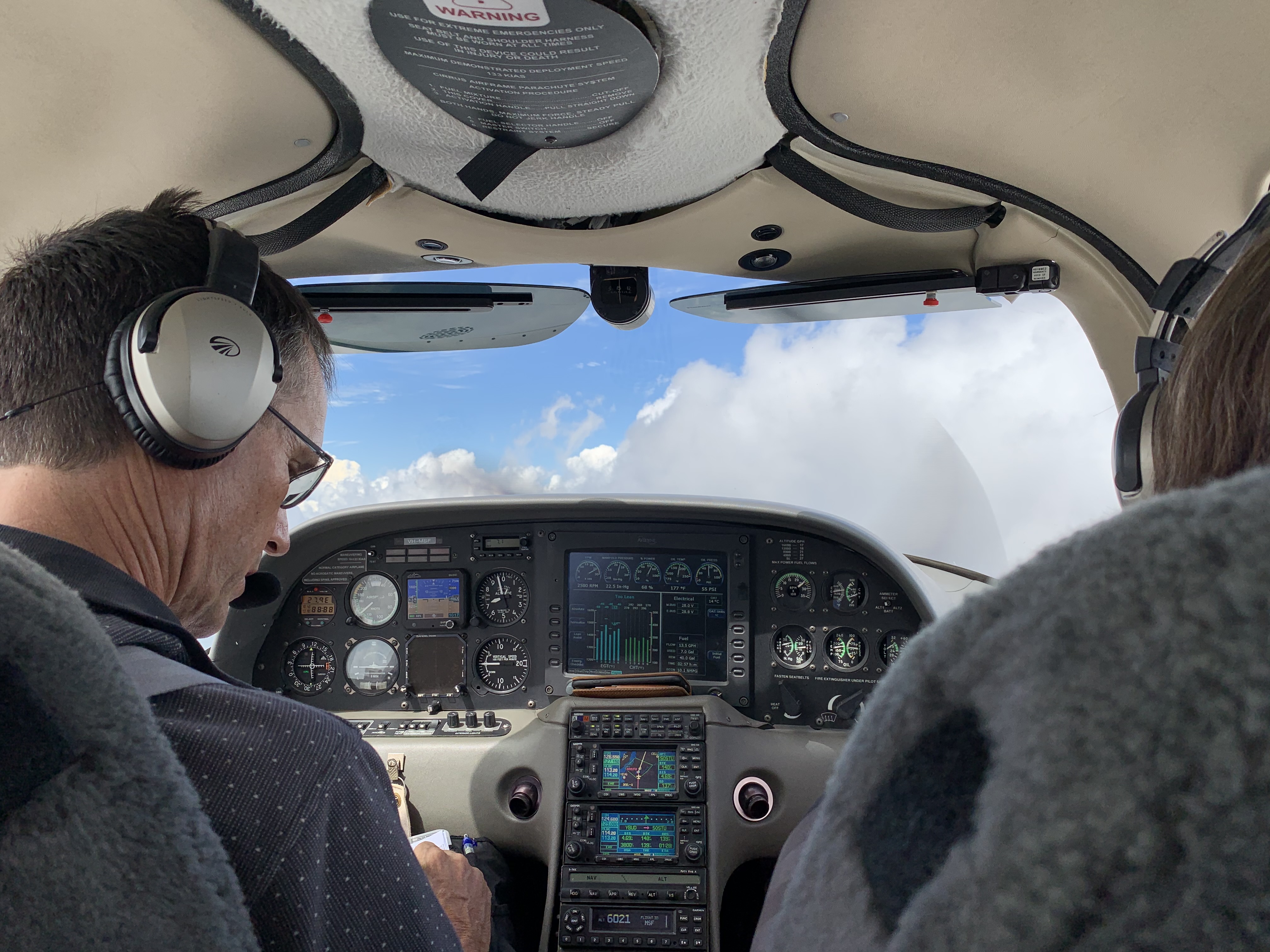
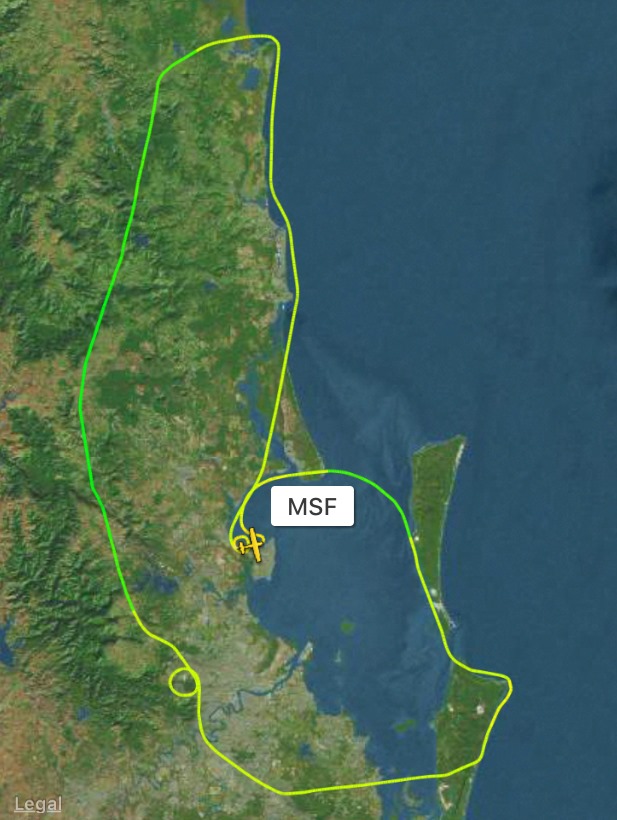
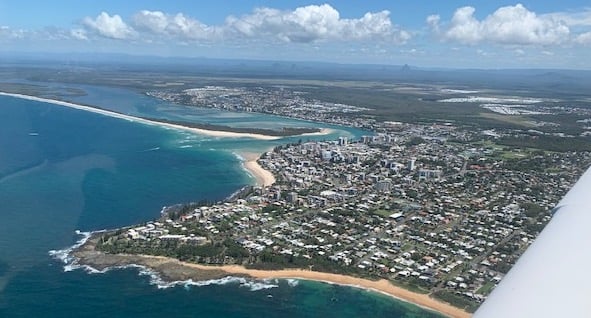
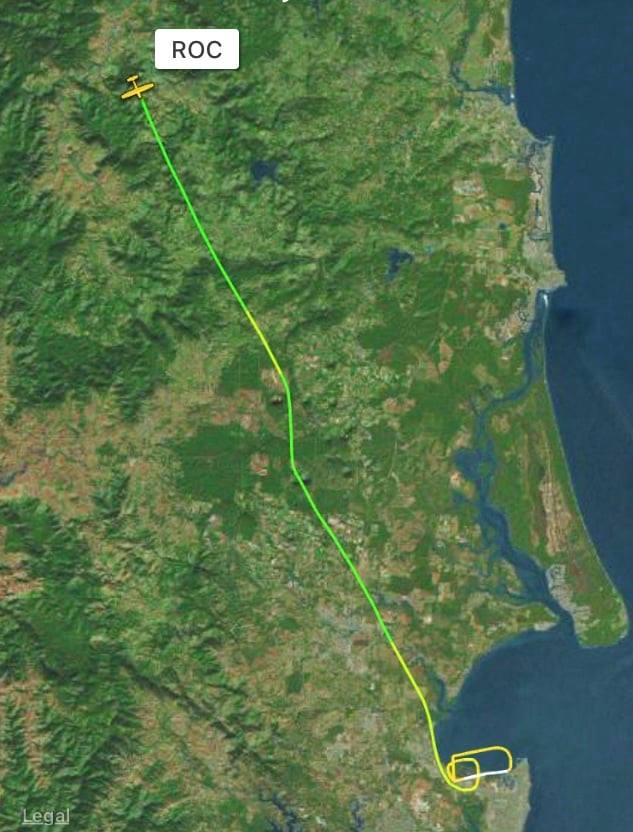
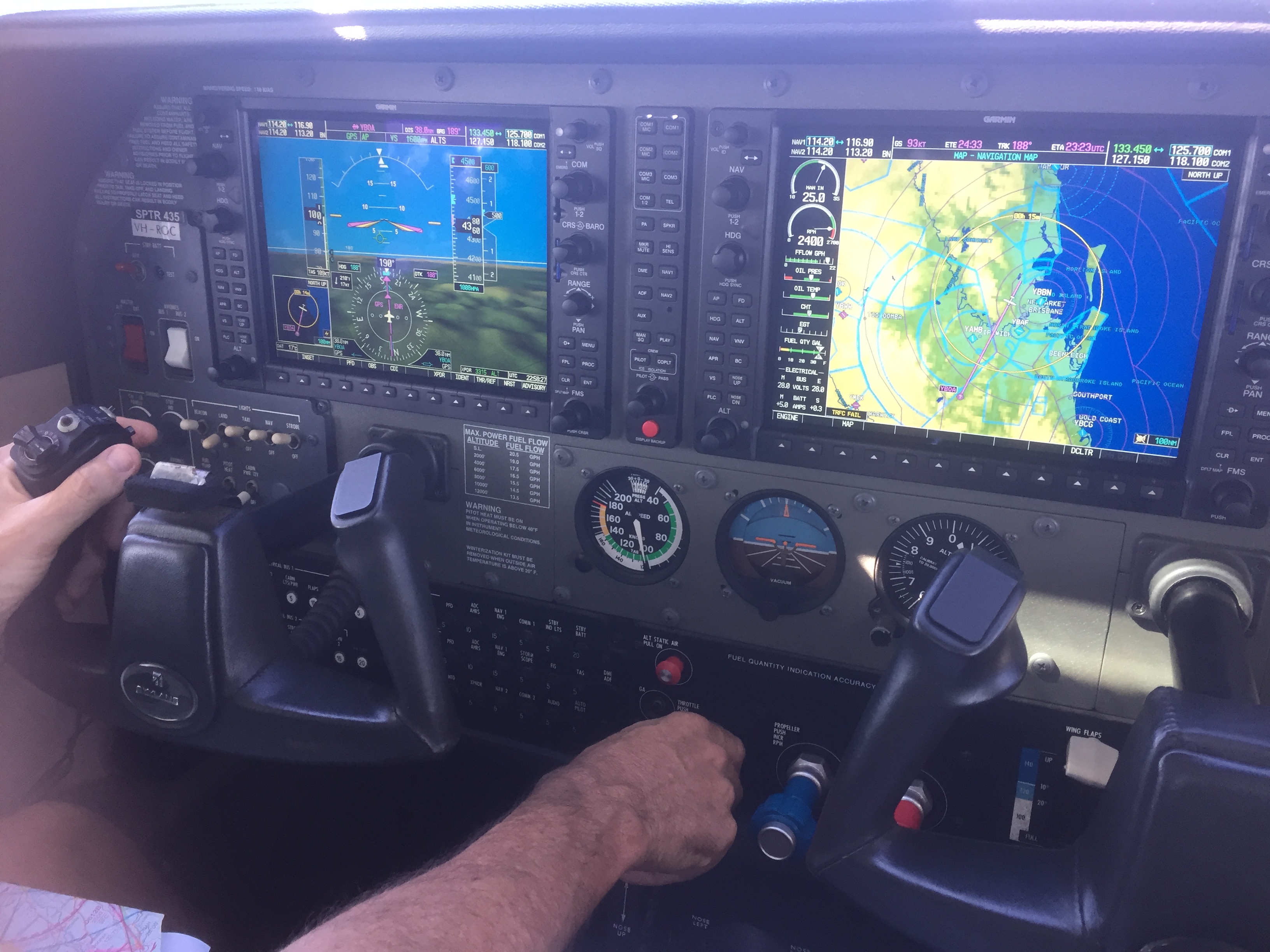
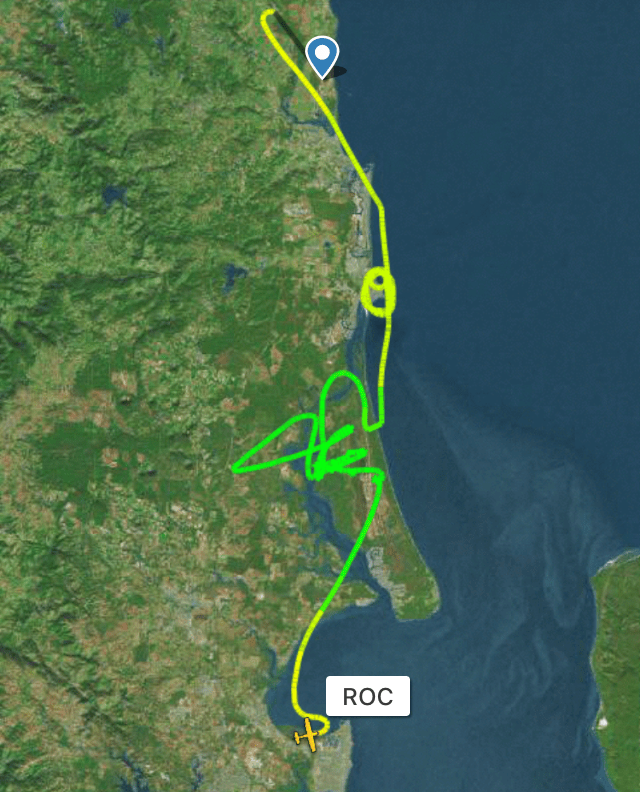
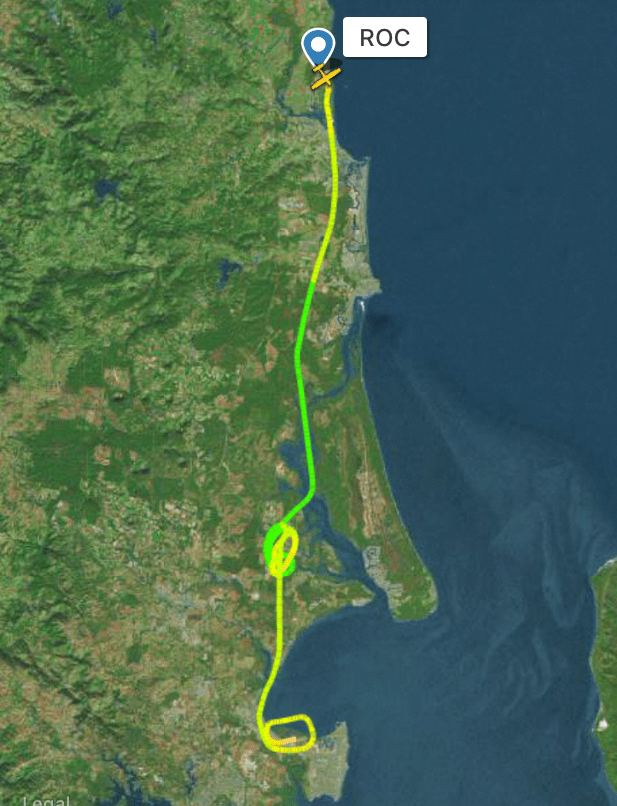
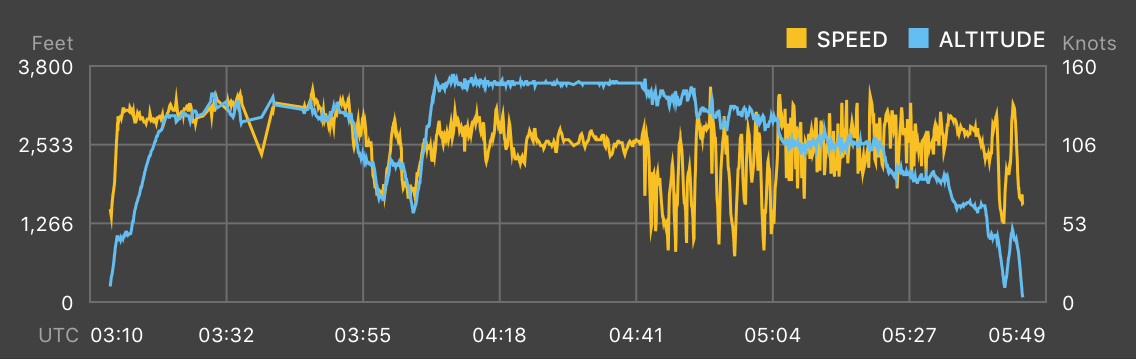
He’d brought along a dreaded “hood” for me to wear after takeoff so I missed out on seeing most of the scenery during the test. The IFR flight starting with a SID out of Archerfield, donning the hood as we passed through 300ft above ground level, a flight over Brisbane CBD at 5000ft and a full stop landing at Redcliffe. I was allowed to remove the hood as we descended into the circuit. I then did a DEP out of Redcliffe, again donning the hood at 300ft above ground level with orbiting climb to 3000ft before tracking to the Sunshine Coast Airport for another full stop landing.

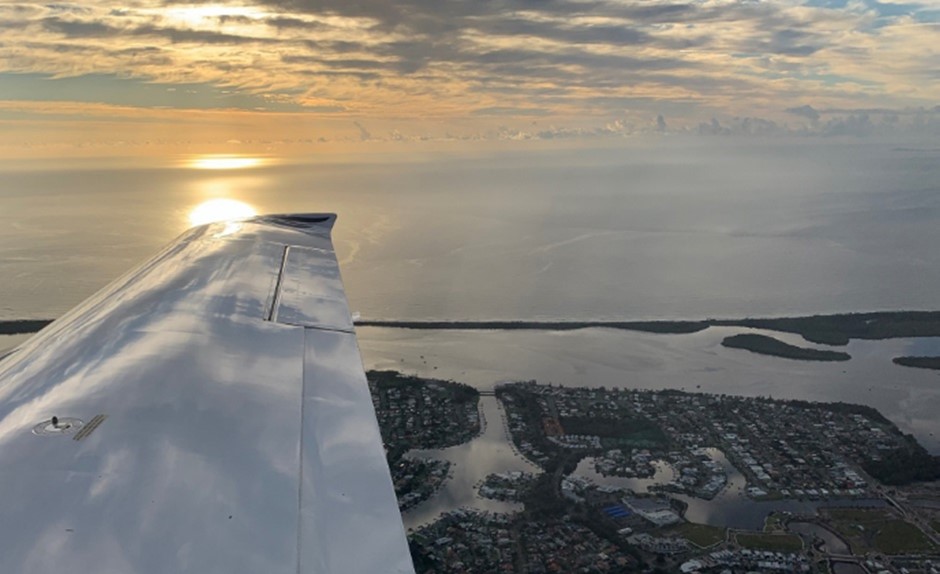
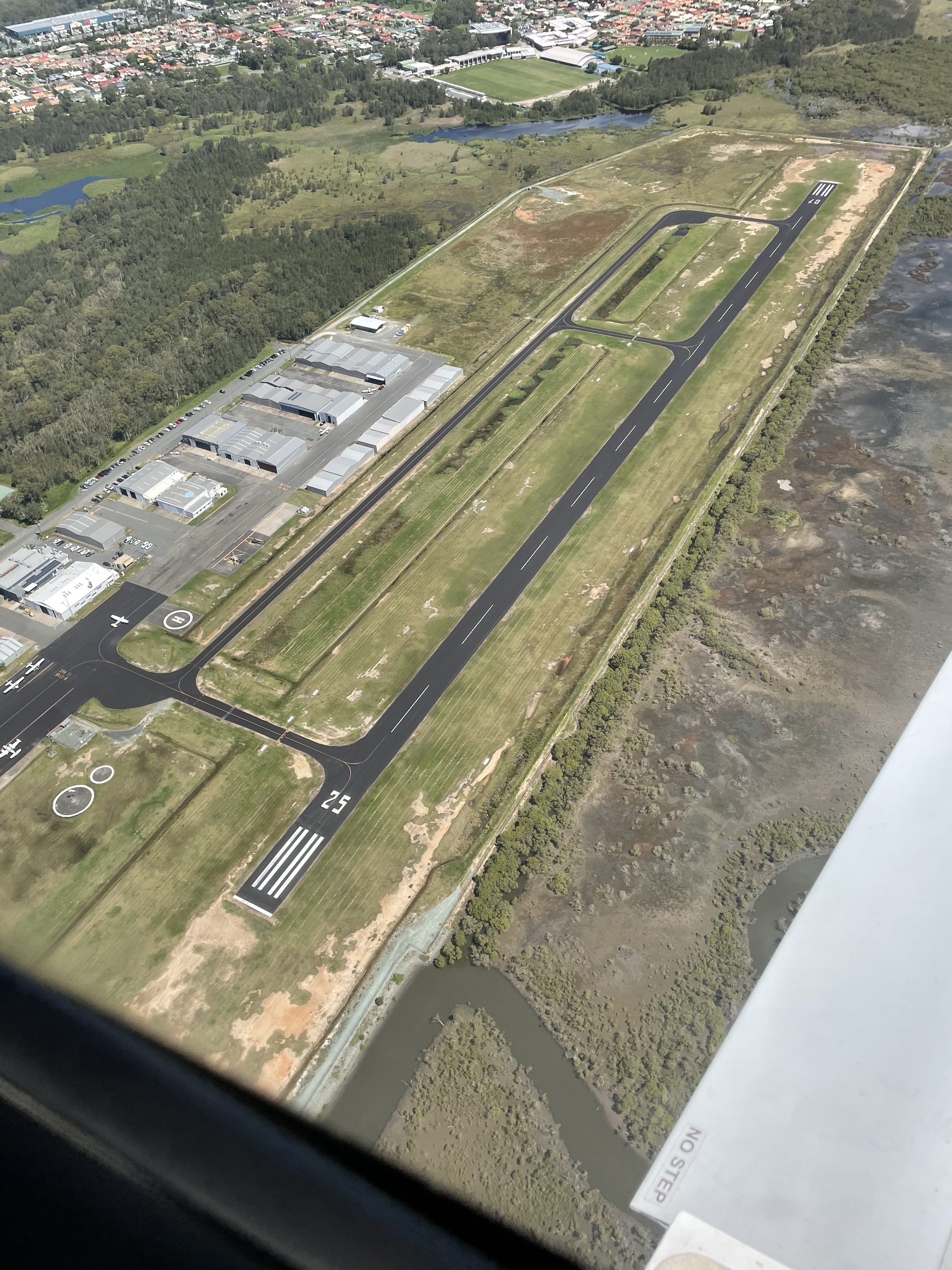
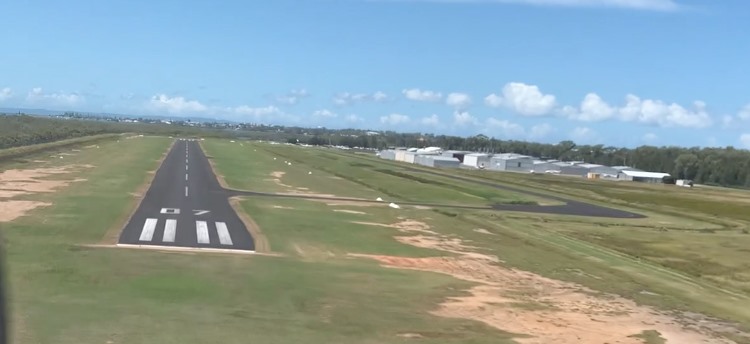
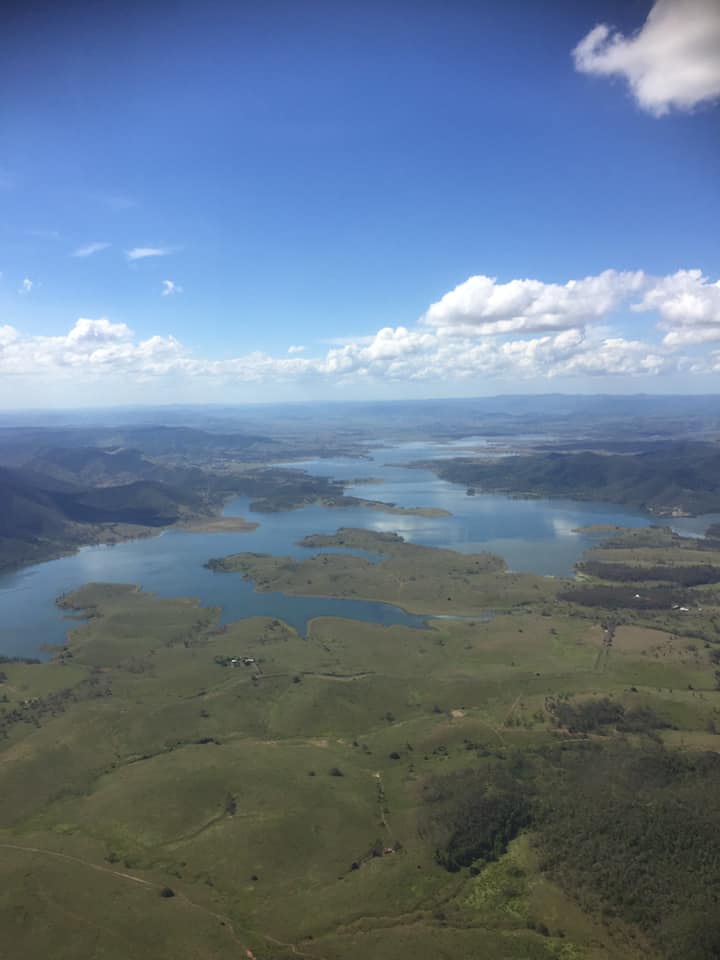
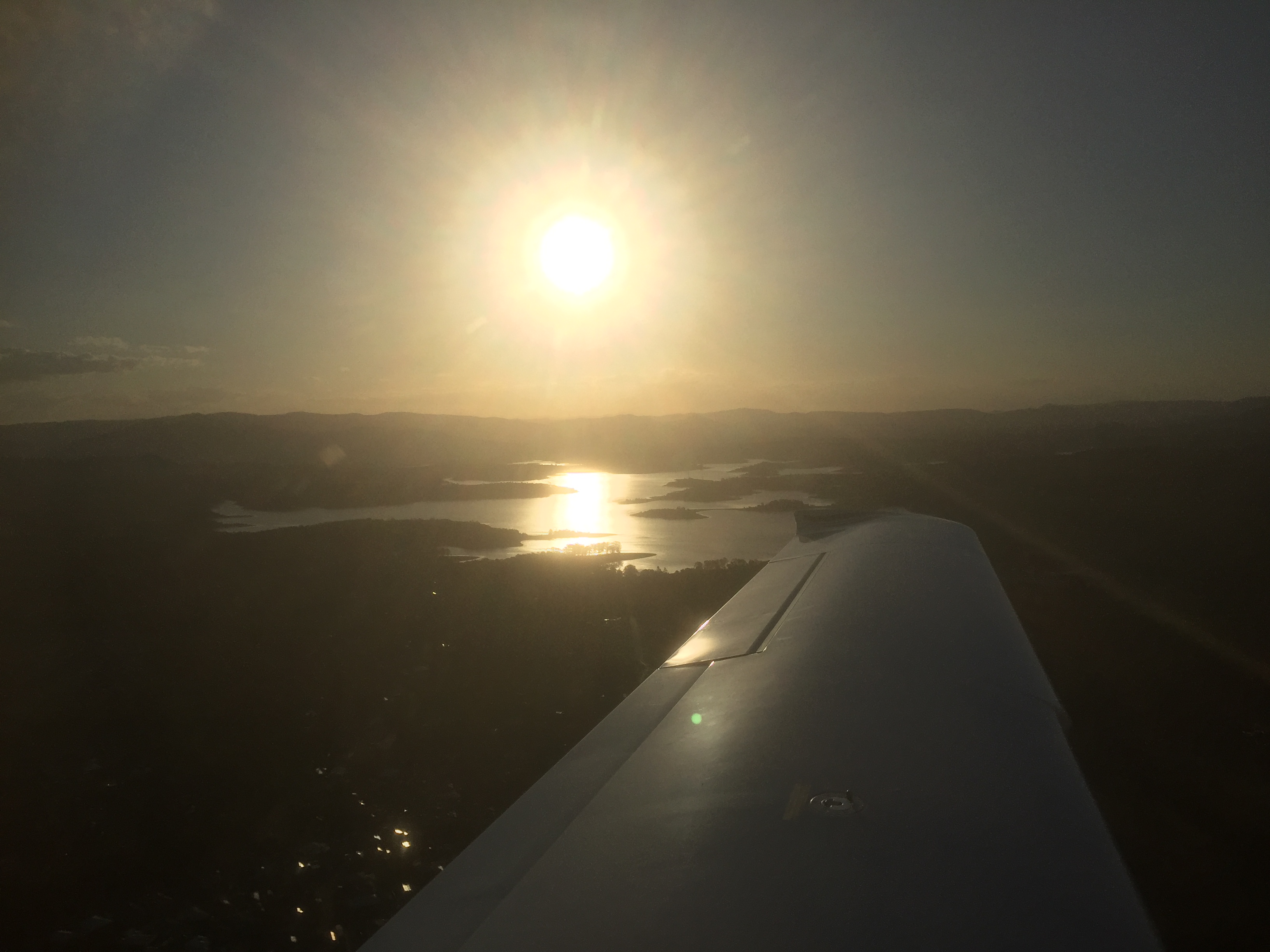
After a short break we took off again via another SID from the new runway 13. Breaking off from the SID at about 2000ft we turned and headed for Archerfield at 6000ft. I wasn’t permitted to use the autopilot for the test. It was all hand flown. Good experience. Landing at Archerfield Adam climbed out and congratulated me on passing the tests. I taxied back out to the runway, took off and flew back to Redcliffe past the Brisbane CBD and Lake Samsonvale as the sun sank in the west.

Watts for breakfast and Biggenden for lunch

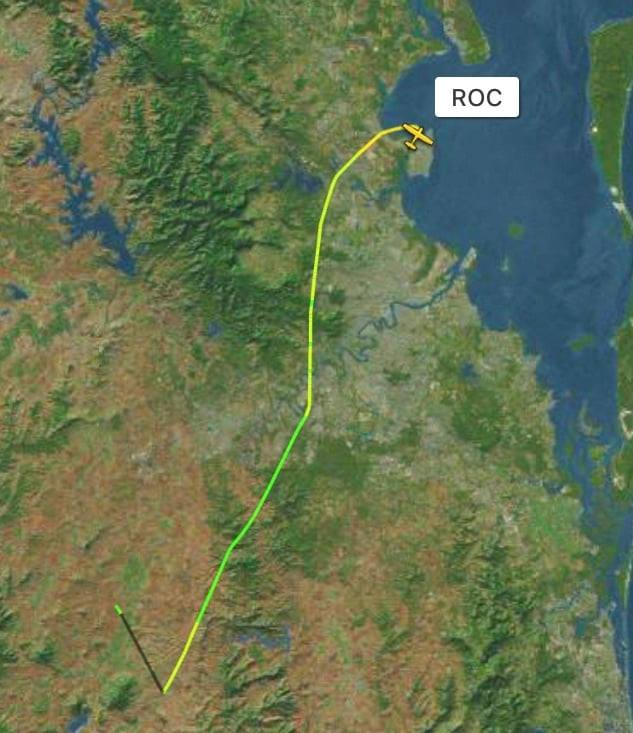
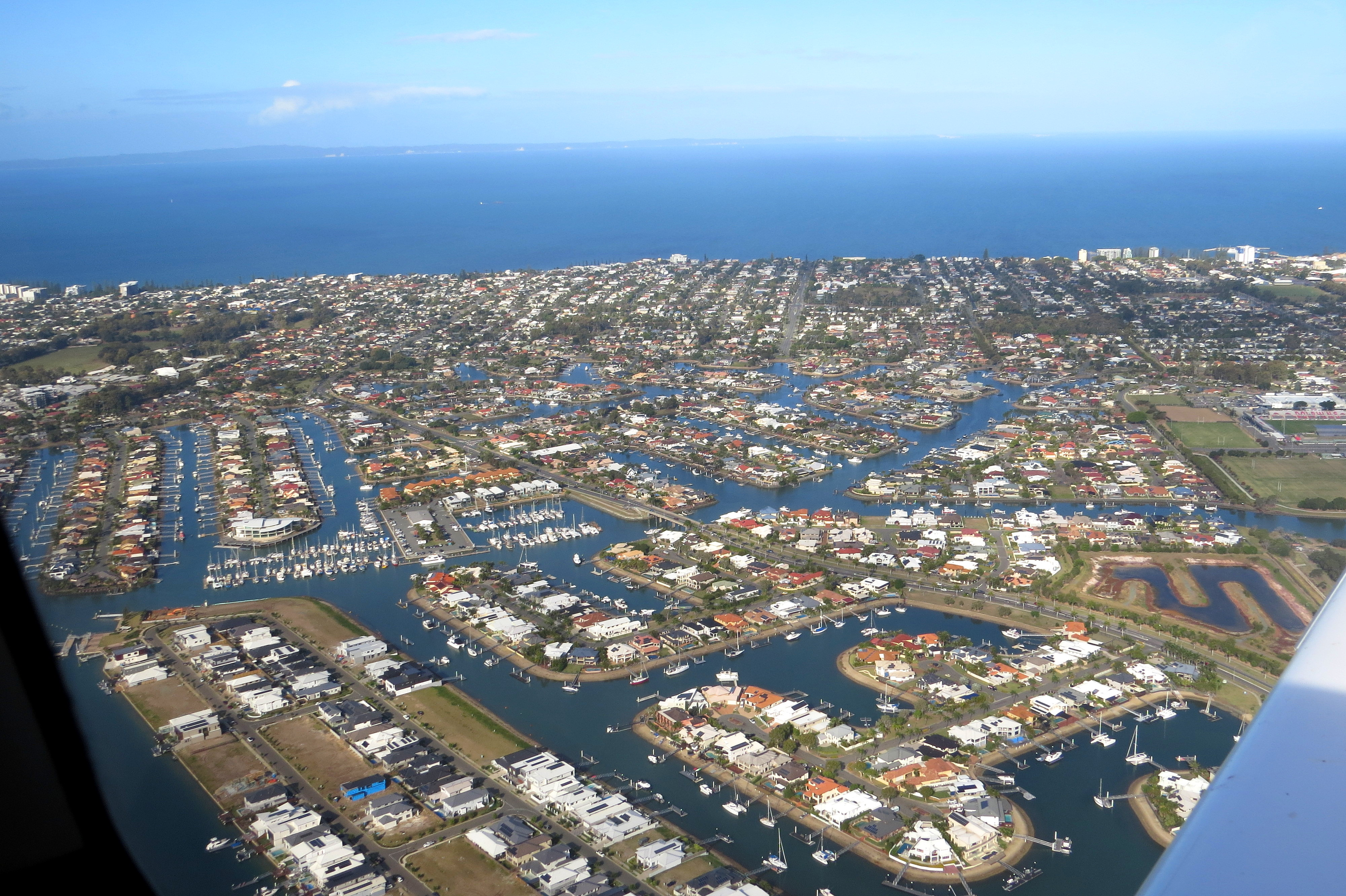
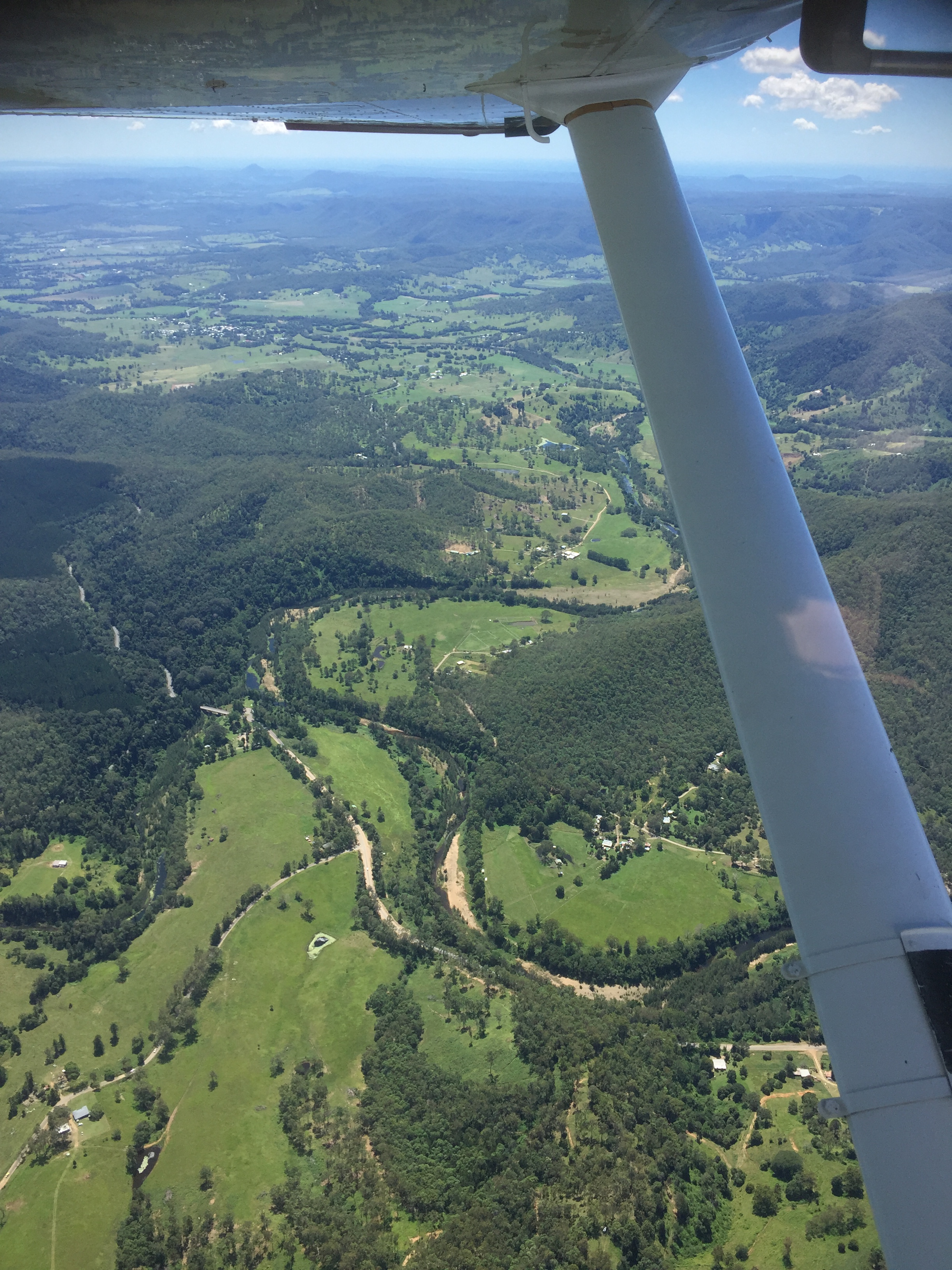
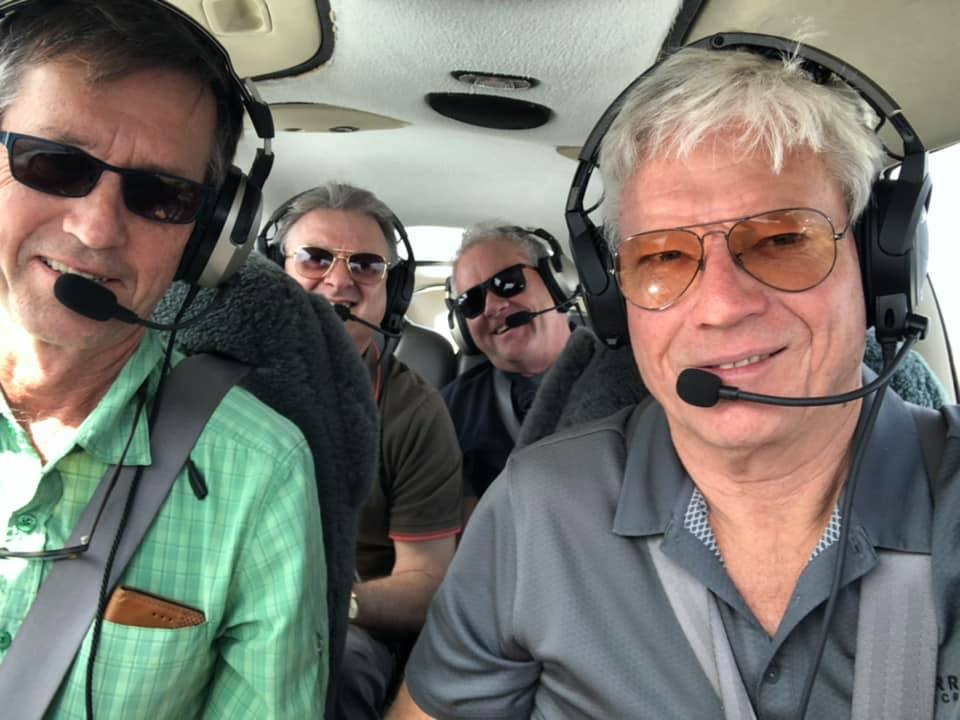
Watts Bridge is a small airstrip in the Brisbane Valley near Esk. It’s home to a number of aerobatics enthusiasts and has hosted airshows from time to time. It’s also well known for its monthly “Watts for Breakfast?” flyins during normal (non-Covid) times. On 13th September 2020 they had the first one for a while. The Redcliffe aero club had organised a flyaway to Biggenden for lunch the same day. It’s only about 40 minutes by air from Redcliffe to Biggenden so it seemed a good idea to head to Watts for breakfast first and then head off to Biggenden for lunch after that so that’s what we did. Mike and I were joined by Brad Green and Brett Silvester in MSF and just after 8am we headed off over the hills from Redcliffe on the 14 minute flight to Watts Bridge. Given it’s such a short distance and we had blue skies over Redcliffe Mike decided to fly VFR and as we departed there was a great view of Redcliffe and Scarborough.

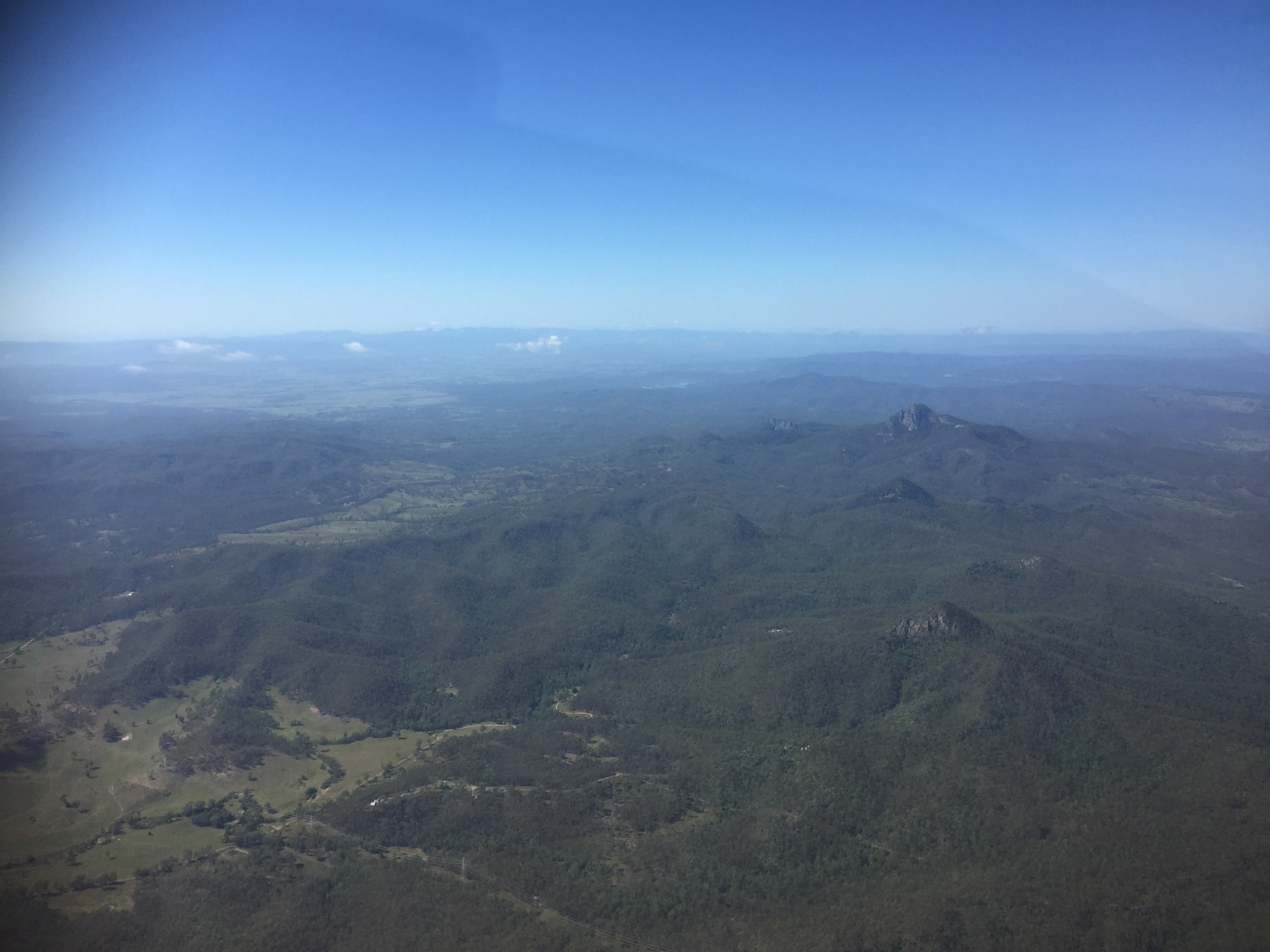
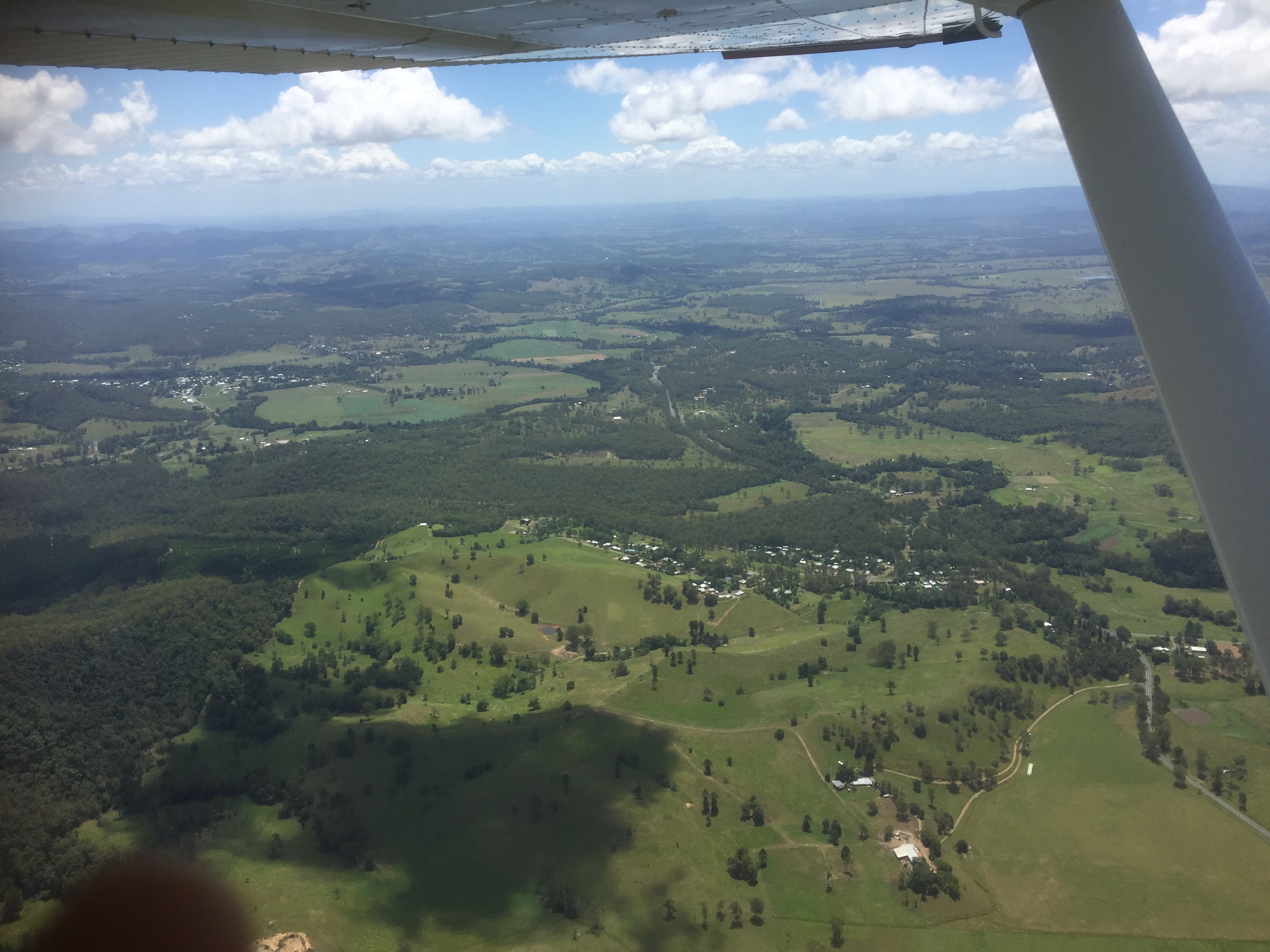
As we passed over Dayboro however some clouds gathered over the ranges and as a result we had to dodge around some of them on the way. Neither Mike nor I had ever flown into Watts Bridge before so I had a quick fly on the home simulator the day before to see what the terrain is like leading into the airfield. It helped us get our bearings. We flew over the northern end of Lake Wivenhoe and were soon overhead the Brisbane River and joining downwind.

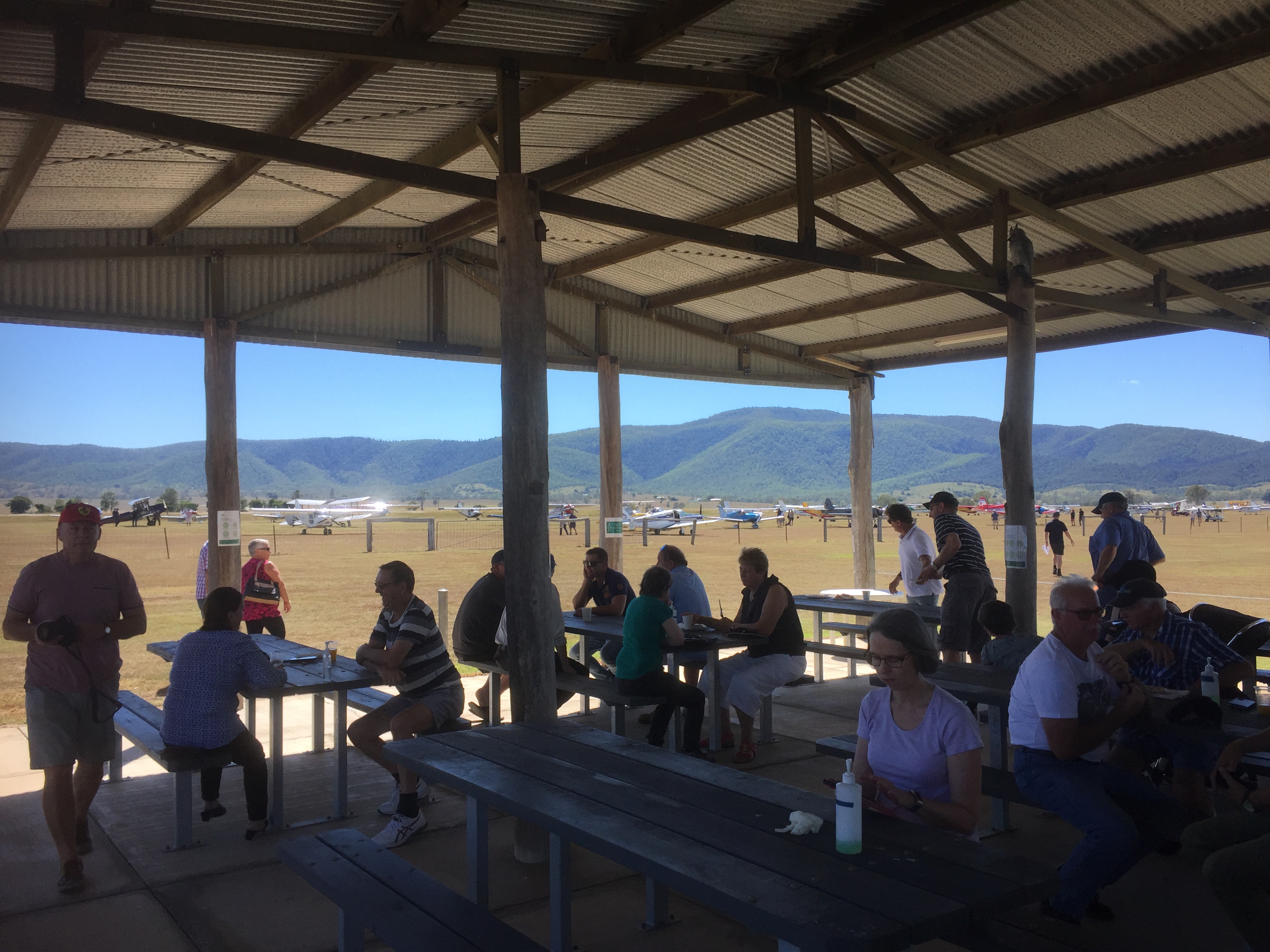
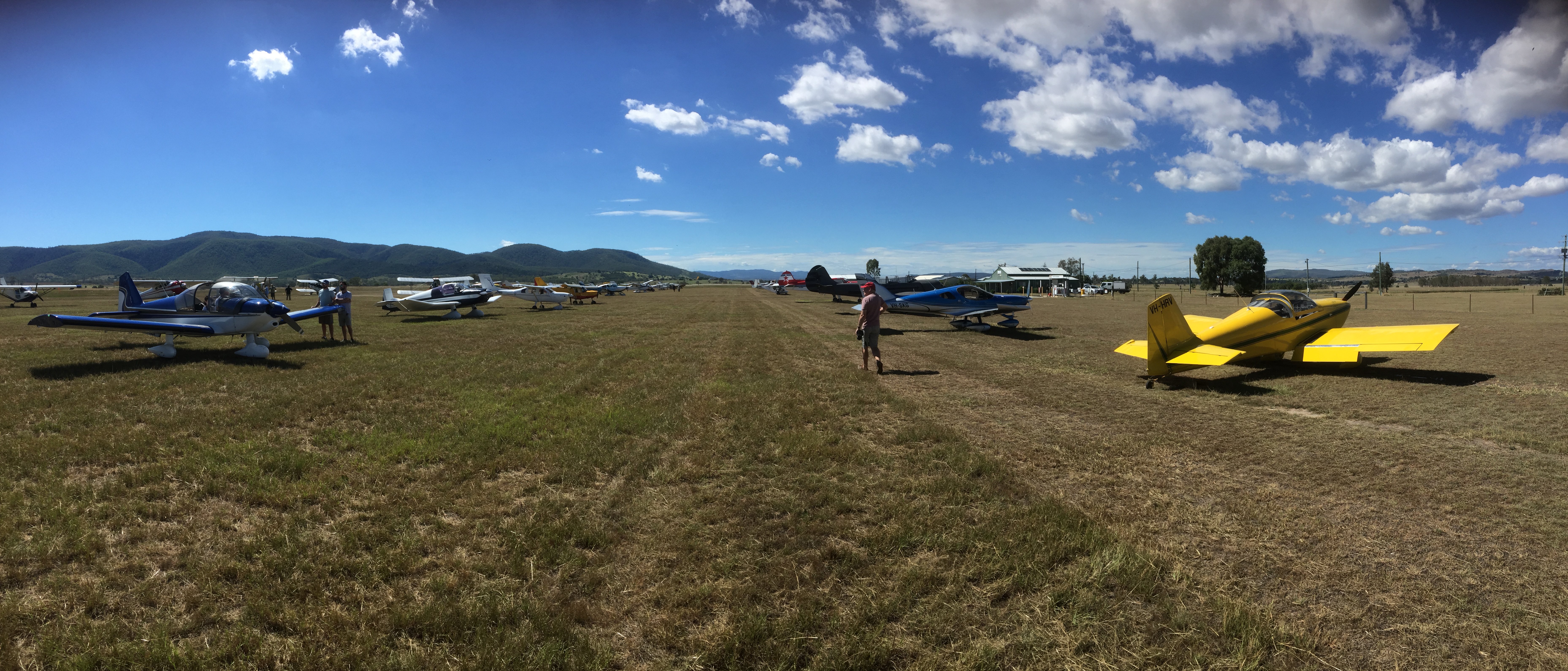
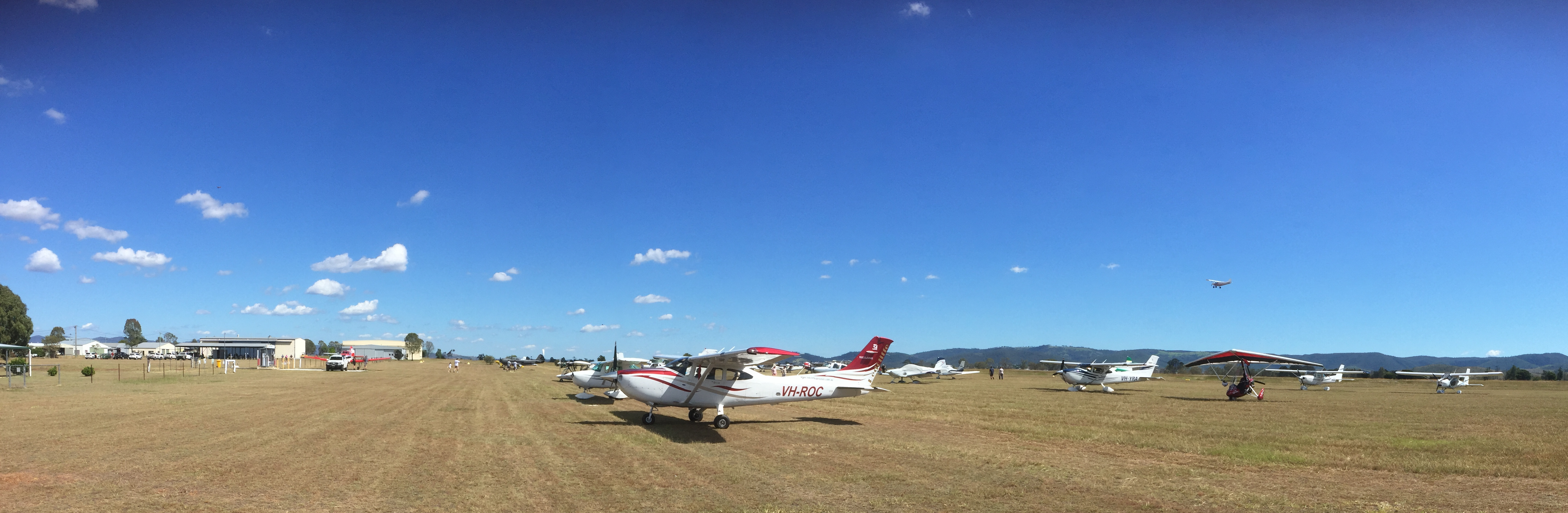
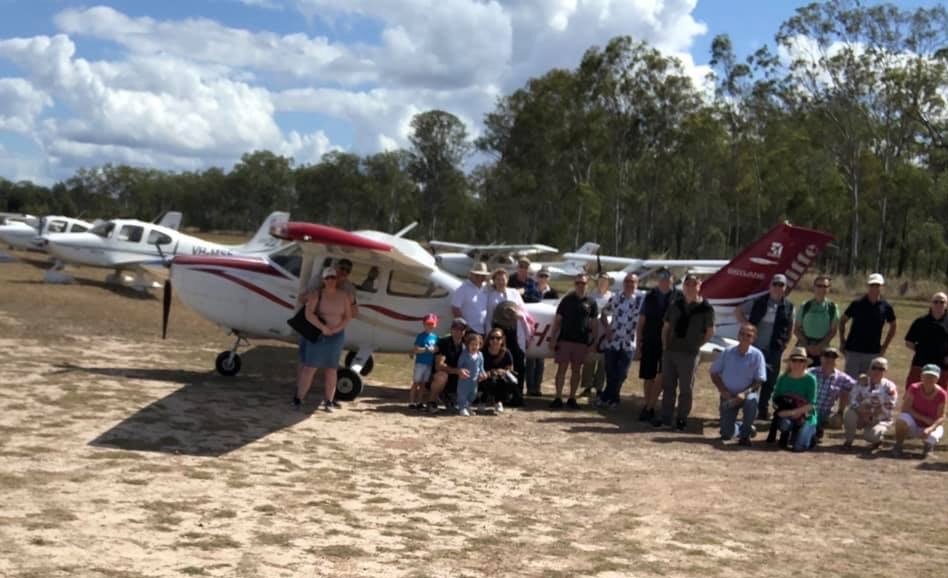
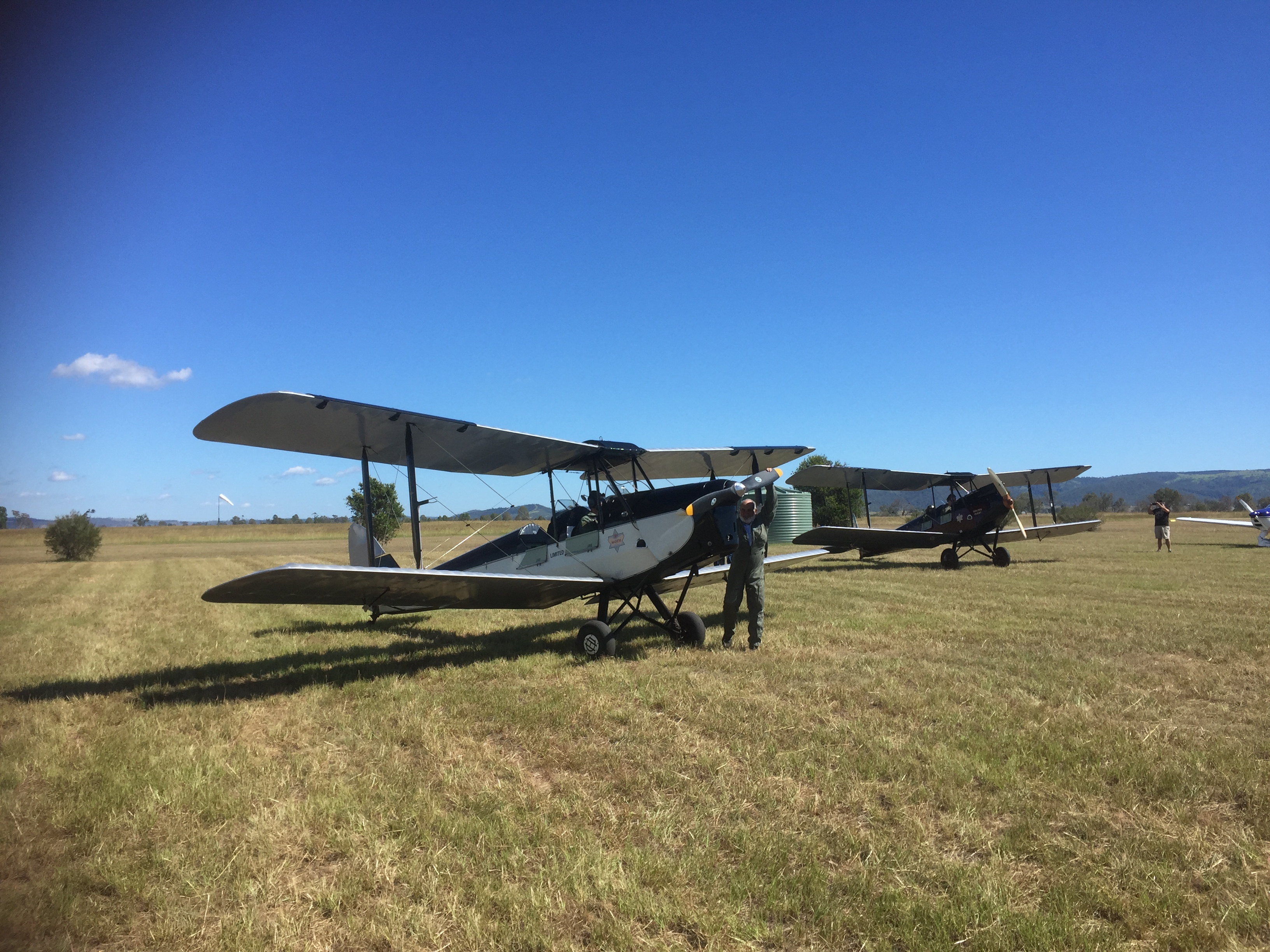
Approximately 40 aircraft turned up, including a Spitfire that gave an awesome performance for everyone.

After enjoying the entertainment we took off and overflew the airfield.

Watts Bridge airfield with upper reaches of the Brisbane River in the background

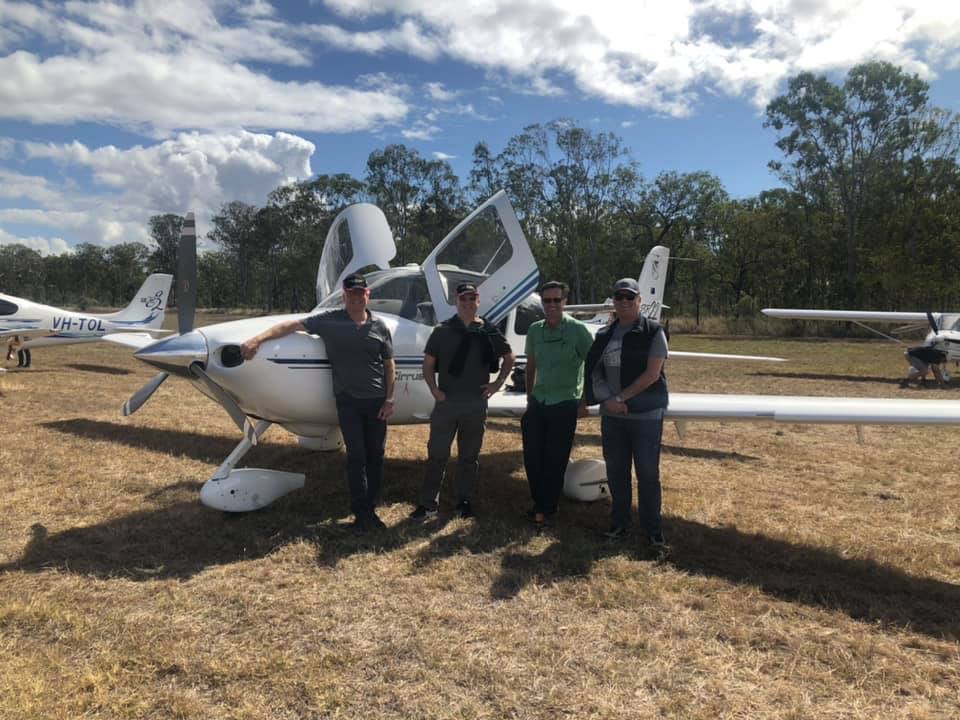
Climbing out the course was set for Biggenden where we caught up with the rest of the group and walked into town for lunch at one of the pubs.

After a nice steak it was a 10 minute walk back to aircraft.

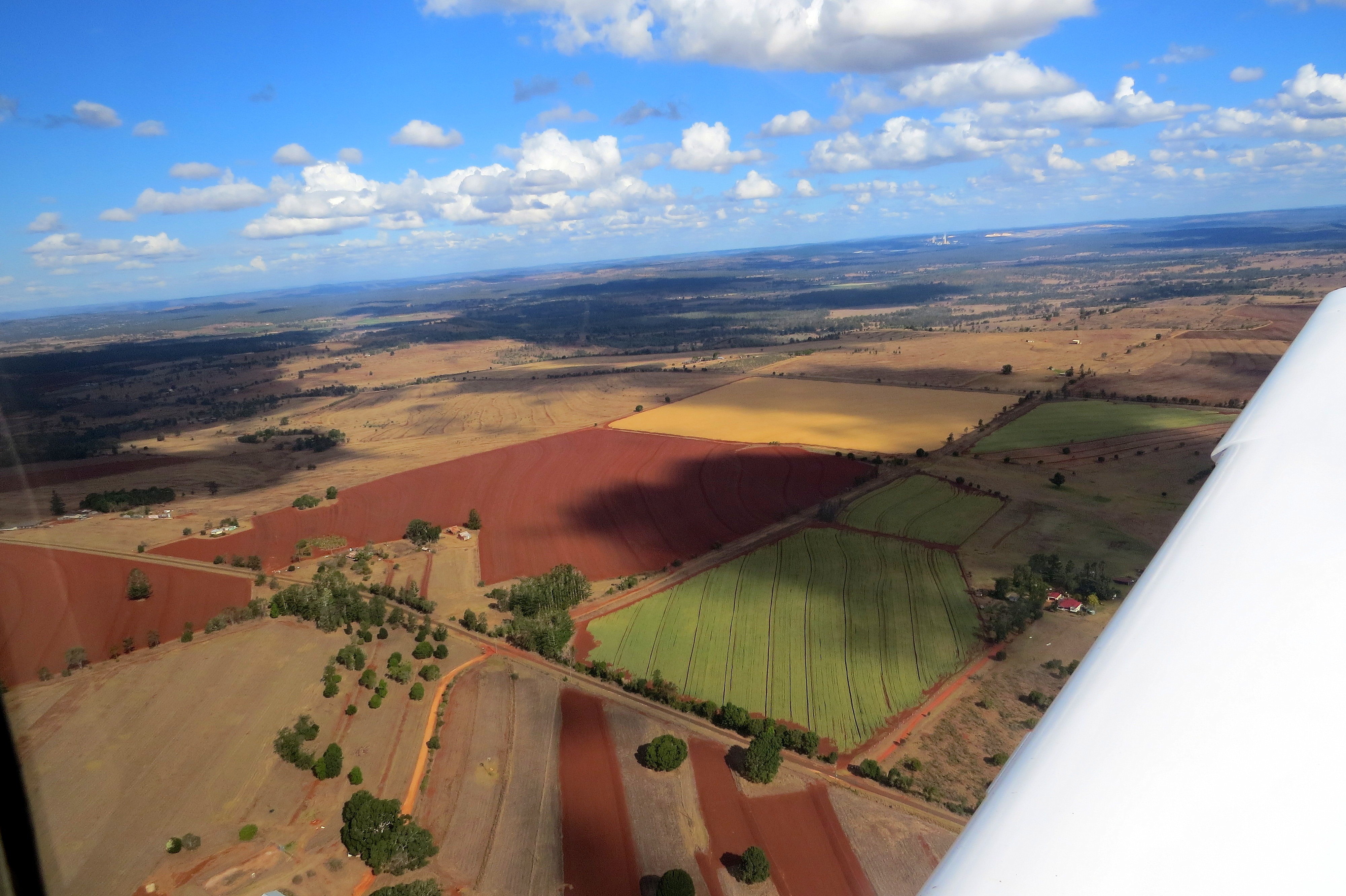
I flew the homeward leg. We climbed aboard and were soon soaring over the hills. A few clouds had gathered and I tried to climb above them, but eventually gave up and descended below them again.

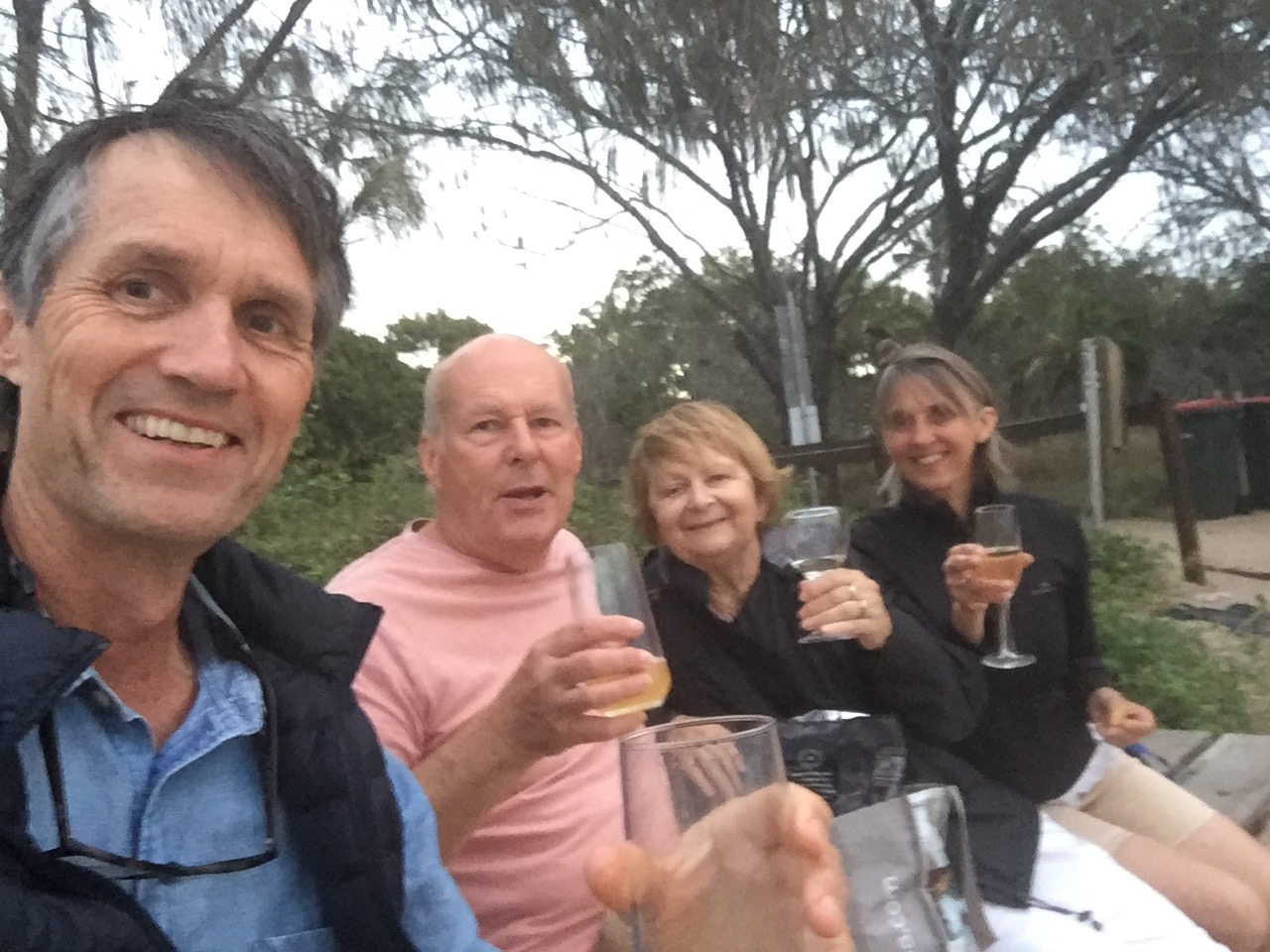
The clouds had largely dissipated by the time we were approaching Kingaroy, where we had to land to top up the fuel. Soon we were soaring towards Redcliffe and celebrating another good day out with a few drinks at the club bar.

Approaching Kingaroy

FNQ Safari Day 11 – Emu Park to Redcliffe

Day 11 of the FNQ trip was the proverbial washout. The good weather couldn’t last forever and so instead of enjoying a day in the sun at the Emu Park beach, we had a day in the rain. The forecast was for showers and thunderstorms in the morning and up to 30mm of rain in the afternoon and evening. We decided the best thing would be to take the local bus into Rockhampton for a look around. The rain mostly held off until lunchtime so we had a walk along the Fitzroy River bank and around the CBD.

Fitzroy River, Rockhampton

The river bank’s been done up quite well in recent times and there are a few historic buildings but after a few hours and lunch we’d seen it all (particularly as the art gallery is closed because of Covid19) so caught the bus back out to Emu Park.

Rockhampton Hotel

The rain got heavier as we headed out and it was pretty well bucketing down by the time we arrived. We headed back to the motel and had a night in, rather than the walk along the beach we’d planned. Some pretty impressive lightening lit up the skies through the evenings as the rain continued…

Day 12 dawned and it was dry. Well the ground was still wet but at least the rain had stopped! The forecast was for early fog clearing by 11am so the first thing I did was ride the bike out to the airstrip and inspect the runway. With the amount of rain we’d had I was concerned that the strip might be soft and result in a longer take off distance required. I rode up and down the length of it and, sure enough, it was damp but firm. Certainly no cause for concern. It slopes down slightly to the south and the east so seemed to have drained well. With a southerly breeze blowing it would be helpful to have a downhill takeoff run but overall it appeared we had plenty of length for our takeoff. So, feeling relieved that we would be able to head for home later, we relaxed and went for a walk along the beach before breakfast.

Emu Park is a great little town and we’d definitely like to return on a less rainy day. There is a really impressive Anzac memorial with some great artwork and gardens and information boards.

Emu Park Anzac Memorial

Having the airstrip so close to town makes it ideal as a flyaway stopover. After breakfast we checked out of the motel and rode out to the airstrip. The Endeavour Inn was a lovely motel smack bang in the middle of town and was ideal for us.

Endeavour Inn Emu Park – Accomodation Queensland – Endeavour Inn

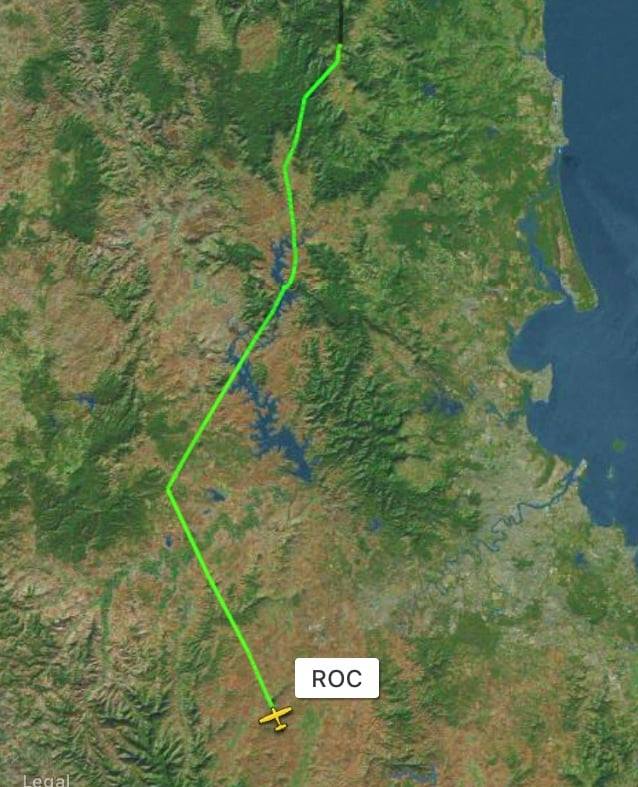
As we packed MSF the remaining clouds lifted and by 11 we could take off and fly the 15 minute hop over to Gladstone where we topped up with fuel. From Gladstone it was about 80 minutes back to Redcliffe.

We climbed to 9000 ft to get above the clouds but even then we had some cumulus to contend with so I added another 20 or so minutes of IMC experience on the way.

Kadanga Creek


A tailwind had been forecast but I was surprised to see our groundspeed reach 220 knots once we emerged from IMC and were flying above the remaining clouds.

Approaching Brisbane the clouds cleared completely and we had a clear view of the city as we descended into Redcliffe and another smooth landing.

FNQ Safari Day 10 – Cooktown to Emu Park

Day 10 of our FNQ trip and it was time to head back south. Our destination was Emu Park, a small coastal town south of Yeppoon. It had an airstrip on the edge of town that made it a great option for a fly in stopover on the way home. It also had beaches that would be good to relax on for a day.

Hillcrest Guest House

We had breakfast at the guest house then one last cup of coffee at the Driftwood cafe.

Ray drove us out to the airport again (that’s service for you) and we loaded the gear into MSF and topped up the fuel. The weather report was for cloud and rain from Cairns down to near Townsville so I prepared the flight notification with a VFR sector as far as Port Douglas so we could fly along the coast of the Daintree rainforest area and then convert to IFR to climb above the cloud from then on.

Climbing out of Cooktown there was only scattered cloud but it soon gathered, pushed up against the mountainous country along the coast.

Heading south

Soon it was clear we wouldn’t get much of a view of the coast after all so I requested Cairns approach for an early upgrade to IFR and we were cleared to 7000 ft. Climbing through the cloud we popped out into clear blue sky at about 5000 ft and continued over Port Douglas (no views) and Cairns (small glimpses). I’d hoped to get some views of the islands between Cairns and Townsville but the cloud only really cleared as we approached Palm Island and on over Townsville.

Townsville runway, Castle Hill, downtown and port area

Just south of Townsville we passed over the Ross River Solar Farm. Built on a 202 hectare site that was historically a disused mango farm the solar farm has the capacity to generate 116 megawatts.

It was smooth flying on over Ingham and Bowen but cloud gathered again as we approached Mackay.

We were in and out of cumulus and had to remain relatively high so instead of a straight in approach the tower put us onto a course over the airport so we could lose some height and join downwind for RWY14. We had to extend the downwind to allow a Virgin jet to take off and were then cleared to land, a Flying Doctor aircraft waiting patiently for us.

Mackay refuelling with the clouds we descended through in the background

After topping up the fuel we were off again, this time heading to Emu Park. There must have been some military activity going on at Shoalhaven Bay as ATC vectored us a bit further west of the restricted area (even though our flight planned track was already clear of it) and then Rocky tower cleared us down earlier than expected to overhead their aerodrome.

Rockhampton CBD and Fitzroy River

For those who don’t know the area, there are hills, including Mount Archer, to the east of Rockhampton and the highest peaks are about 2000ft. For some reason ATC sent us over this hilly region at “not more than 2500ft”. A few clouds made it interesting as we were well below lowest safe and after I told the controller that I’d have to manoeuvre to avoid cloud she said I could “manoeuvre as required”. We overflew Emu Park to check out the wind sock and then did a 500 ft overfly of the strip so I could inspect it and check its length. I’d spoken to the council and some local pilots about the strip condition beforehand but it’s always good to check for “unknowns”.

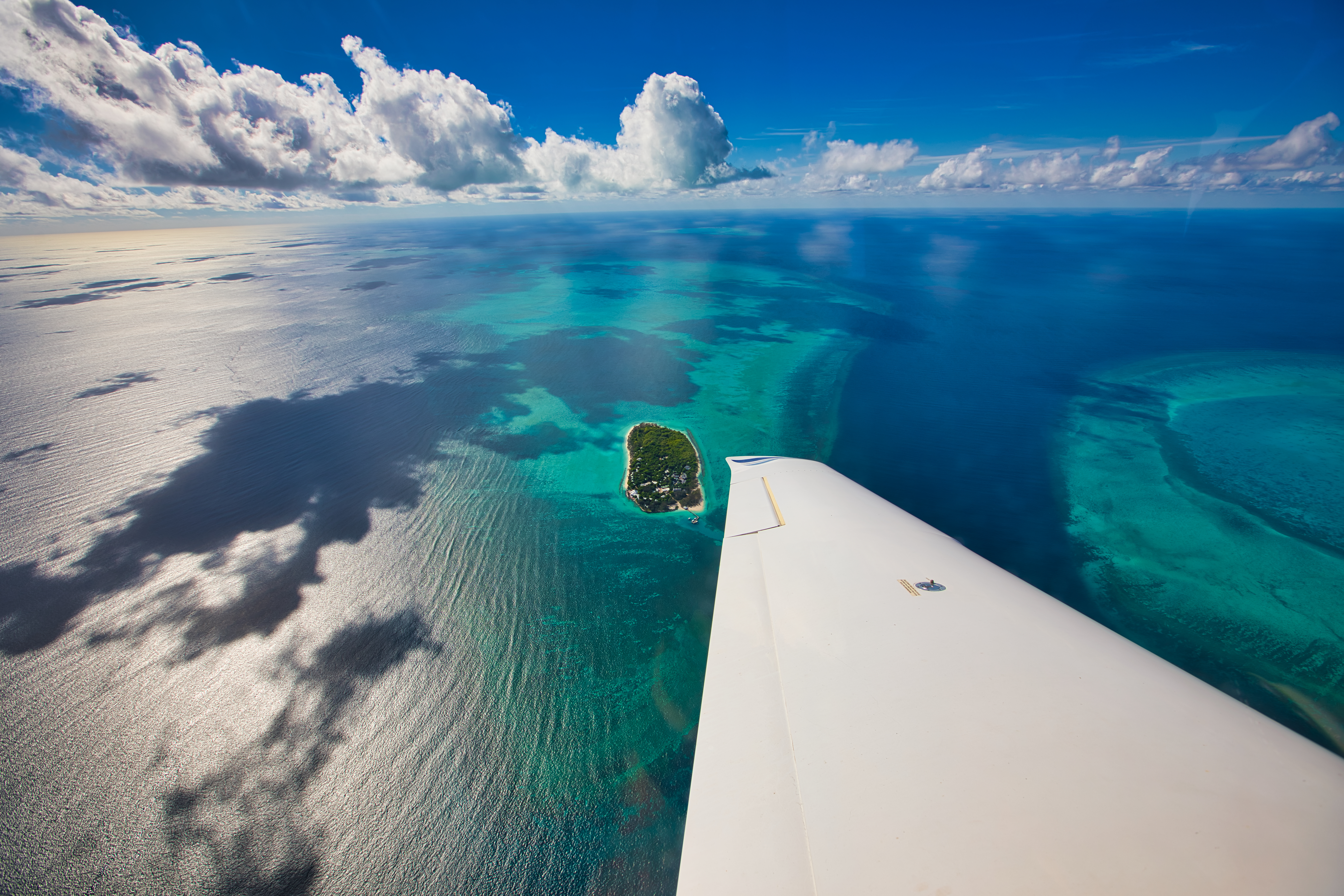
Emu Park with Great Keppel Island offshore

The runway slopes up gently to the north and lucky for us there was a northerly wind blowing. We touched down softly on the short dry grass strip and came to a stop about half way along. While we were unpacking and securing the plane for the night a local pilot drove up for a quick chat. I asked about the strip on Great Keppel but he said it’s still off limits. He only flies the owner of the (still out of action and apparently demolished) resort out there from time to time. The weather forecast had indicated a front with some rain would pass through the next day. I mentioned the forecast of rain the following day and he said not to worry, “it needs to rain for a few days quite heavily before the airstrip becomes soft. The runway slopes lengthways and crossways so it drains well”. That was reassuring. We shouldn’t have any problems getting out.

Riding to the Endeavour motel in the centre of town and 2 minutes’ walk from the beach took us 5 minutes. After checking it there was plenty of time to explored the esplanade and have a cool beer at the RSL with a view across the water to Wedge Island.

FNQ Safari Day 9 – Taipans and death adders on Mt Cook

Day 9 of our trip was our last day in Cooktown. A pre-breakfast walk down by the harbour prepared our legs for the ascent of Mount Cook, about 2km south of the town. We thought we’d plan ahead and attempt to have dinner again at the River of Gold Motel who really do the best coral trout. Riding past the motel we noticed a sign saying that the restaurant was fully booked out already. Luckily Mick the owner drove up (we met him on Monday evening) and, after a quick chat about how good we found the food on Monday and tales of our fishing expedition with Cody, Mick said he’d see what he could do. A couple of minutes later he rang me up – we would be squeezed in. No probs! Excellent!

We rode the bikes about 1km to the start of the walking track at the base of Mt Cook and parked them in the front garden of a very friendly local lady who makes sculptures out of waste concrete and plaster. She had a very impressive dragon and a giant dwarf! and told us about the crocodile she made for display next to the town’s art gallery.

As we left on our walk she said “Watch out for snakes! Especially taipans and death adders”. Damn, we had long pants and hiking boots back at the guest house but hadn’t thought of wearing them. This was winter after all. But winter in the tropics means snakes! Suitably forewarned but dressed in shorts and joggers we headed off up the track and before long we encountered a local girl on her way down from her daily walk up Mount Cook. She said she’d seen 3 snakes that morning as she does most mornings. Great!

Climbing up past the first lookout the track changed from a wide clear track to a narrow leaf littered one that wound through the jungle and provided plenty of hiding spots for those snakes. We met a few other people on the way up and didn’t see any other critters apart from a few lizards. Reaching the top after about 80 minutes walking Sigi suddenly noticed a black/grey snake about 2 metres from her. Quick check on the Iphone and Wikipedia indicated it was probably a death adder. Not to be trifled with. We made a bit of noise and it shot off. We also looked up a picture of a taipan just so we knew what they look like. Heading back down the hill I was soon startled by what looked pretty much like a taipan about 1.5m long shooting off the track into the undergrowth. Making lots of stamping and clapping noises we passed and were happily making good progress when about 5 minutes later another similar looking snake about the same size shot off the track in front of me. We were all eyes and ears from then on but happily didn’t encounter any more on the rest of the walk.

Collecting the bikes we headed back into town to the historic society where a lady gave an interesting talk about the gold rush days in Cooktown and we inspected the displays. We had wanted to go to the James Cook museum as well but that’s shut for renovations apparently.

Our tour of the town continued at the cemetery that houses many graves from the 19th and 20th centuries with clearly demarcated areas for presbyterian, catholic, jewish, and Chinese. Some were particularly tragic like the couple who lost 3 of their children as infants and a Mrs Watson who, along with her infant and a Chinese worker, died of thirst at sea after escaping from being attacked on Lizard Island following a misunderstanding with the local indigenous people.

There’s a memorial to her in the main street. Cooktown has lots of history and is well worth a visit for a few days. We’d gladly come back again as it’s such a friendly place. Oh and we finished off the day by having some more of that freshly caught local coral trout at the River of Gold Motel, expertly cooked by Mick’s wife Lee.

FNQ Safari Day 8 – Reef fishing

On day 8 of the trip we went fishing. With Cooktown’s reputation for fish, including coral trout and marlin, we asked for recommendations from Nick, the skipper of our boat cruise on Sunday evening. He gave us a couple of names and phone numbers, one of whom was Cody. Cody had fished for coral trout professionally for about 10 years and had grown up along the Daintree coast so we were told he knows where to go and how to catch fish. As novice fishers we thought it would be best to go with a local like that to give us the best chance of catching something, anything!

We booked a fishing trip with Cody sight unseen, over the phone, expecting some largish boat with a galley and toilet and cabin much like the one we’d had for the sunset tour the day before. And we expected morning tea with scones and jam – and lunch! It was not to be however. It was fishing, pure fishing. And the boat was just big enough for Cody, Sigi, John (another tourist) and me.

We reset our expectations as Cody drove up to the wharf in his boat, stepped off, and introduced himself. The boat was fit for purpose and hey it was a little bit of adventure wasn’t it? The wind had died off overnight so Cody checked whether we were brave enough to risk the waves out towards the reef. We could go fishing in the river he said but another boat had already headed off that way so he didn’t like our chances of finding a good fishing spot up river. If we could make it out to the reef without being too affected by the waves he recommended we go that way. We thought, oh well, we don’t get airsick so we should be able to handle a few waves and so off we went out past the river mouth and a couple of miles off shore to the south east. The south east trade wind was still blowing, albeit not very strongly, and the boat was rocking and rolling on the swell. We focussed on the horizon and pretended it was just a little turbulence from some thermals. And it worked. No nausea! There were a few big splashes along the way as we thumped down off the crest of the waves and Sigi was unlucky enough to be on the side where the water splashed. The rain jacket came in handy.

Out at the reef no sooner had Cody baited the lines and Sigi had thrown hers in but she had a nibble and hauled in a great little coral trout. This was looking promising!

Then John hauled one in but it was too small so back it went. Then Sigi caught another one. She was starting to like this fishing lark.

I was beginning to feel a bit left out with nothing biting on my hook. But suddenly Cody hooked a fish and handed the rod to me. And it was a big one!

For the next 2-3 minutes I wrestled with that 13kg monster, hauling it in part way, then letting it swim a bit, then hauling it in some more.

Cody tried to hook it with the gaffer hook but missed and it headed around the other side of the boat and we changed sides and the fight continued. Back and forth we went until the fish started to tire (I was exhausted by this stage) and I was finally able to haul it close enough to the boat for Cody to hook it and bring it aboard.

Wow! The heart was racing after that.

Cody said it was a Cobia or Black King Fish. What a majestic creature.

After that highlight we settled into catching a few coral trout and had about 6 good sized fish by the time we headed back into port.

Cody filleted them at the wharf and we took our share back to the B&B for Katrina to cook up for Ray and herself. That’s my kind of fishing.

We’d certainly engage Cody for another trip. If you are up that way try to call him. 0427 695 980

FNQ Safari Day 7 – Cooktown and Lizard Island

Day 7 of the trip was our first full day in Cooktown and we were amazed at what we found. We woke soon after first light and jumped out of bed, heading up Grassy Hill, the scenic lookout behind our B&B, to see the sunrise, making it just in time as the sun broke out of the Pacific Ocean.

There was a wonderful view over the Endeavour River as the sun rose.

Walking back down for breakfast Sigi suggested, given the fact the wind had died down, we go for a flight out to Lizard Island. I agreed we shouldn’t let a chance go by, and after checking the weather forecast on NAIPS, prepared to head back to the airport. Katrina, the owner of the B&B kindly offered to drive us out to the airport (her father and brother are private pilots so she is interested in aviation) after she’d run a few errands. First though we need a good coffee and she recommended the Driftwood Cafe in the main street. We cycled down the hill and had a chance meeting with Shelley Ross (from the day before) and her husband Peter at the cafe. We had a quick discussion about safaris and interesting places we’d been including Johnny’s camp.

Home (cooktowndriftwood.com.au)

Riding back up the hill to the B&B we found Katrina and she drove us out to the airport. The local RPT plane arrived as we untied the plane so I had a chat to the pilots who confirmed to me there was no turbulence and clear skies up north. It was a perfect morning. We took off to the east and did an orbit over the town before heading up the coast to Cape Flattery.

It was smooth flying as we climbed to 7500 feet and crossed over to Lizard Island. We flew over a few coral cays on the way.

Lizard was closed to tourists at the time due to Covid19 but it was great to fly over and around it and see the reef further out.

The airstrip on Lizard seemed in good condition. It has to be I suppose to bring in all the well heeled tourists in normal times.

The reef really is massive. Stretching as far as the eye could see north south with the channel between the coast and the reef that James Cook must have sailed up to escape the Great Southern Land in 1770.

Returning down the coast we passed over the Cape Flattery sand mine and port.

It was an amazing flight and we had a great view of Cooktown and the river mouth with the Daintree mountains beyond. On short final on RWY11 we had about 10 knots headwind. It really was a perfect day.

We tied down MSF, phoned Katrina and waited in terminal building.

She arrived 10 minutes later and drove us back into town (that’s what I call service) and soon after we headed off for a walk to the botanic gardens cafe for lunch, then on to Finch Bay at the foot of Mt Cook.

Avoiding the crocs, we followed a track along the coast to Cherry Tree Bay then back over Grassy Hill to town, just in time for a swim in the B&B’s pool to cool off. And how should we finish off such a perfect day? Some Coral Trout for dinner of course, straight off the boat.

We followed Captain Nick’ advice and sauntered up to the River of Gold Motel, only to be told that the restaurant was booked out that evening and the next. Luckily, as we pondered what to do, the phone rang and someone cancelled. We were in! I had the locally caught coral trout and it really was the best fish I’ve ever had.

Restaurant – River of Gold Motel Cooktown

FNQ Safari Day 6 – Laura to Cooktown

Day 6 of the safari was a short hop over to Cooktown. But first we had to do a flypast over Johnny’s camp.

It was a clear blue sky again as we lifted off and headed south west towards Quinkan Country. It had taken 1.5 hours by car but only 10 minutes by air.

Spotting the canyon wasn’t that easy as there are just soooo many of them out there! Luckily we had the GPS co-ordinates so the GPS took us straight there and after slowing down, and extending 50% flap so we could cruise at only 115 knots, we spotted the camp on the edge of the escarpment.

We did an orbit and waggled the wings a bit then retracted the flaps, added power and climbed out to the east over the tiger country, dodging a few puffy cumulus clouds as we went. We overflew Lakeland, where there were no lakes to be seen.

Descending into Cooktown the Endeavour River was winding its way to the Coral Sea ahead.

About 15 miles out of Cooktown I heard on the radio that a Cessna 182 was also heading there and was about 5 miles ahead of us. They landed on RWY11 and we followed shortly after with a strong and variable south easterly blowing. Although it was a cross wind as we overflew the airport by the time we were on final it was straight down the runway and as a result the touch down was one of those every pilot dreams of – smooth as silk.

Tying down the aircraft we discovered the pilot of the 182 was Shelley Ross, author and travel journalist who has the “Flying the Outback” website that I’ve drawn so many travel ideas from over the past 5 or so years. They were also on a bit of a tour through FNQ for a couple of weeks.

Flying The Outback | Flying light aircraft across the Australian Outback

Ray from the Hillcrest Guest House arrived in his troop carrier to take us into town. We needed a large car to take the bikes so we’d have some transport during out stay in Cooktown. I’d rung ahead from Laura and told them and they’d arranged the troop carrier specially for us.

Hillcrest Guest House – Accommodation Cooktown

After dropping our bags we were off around town on the bikes.

At 5pm we boarded a sunset river cruise and floated up the Endeavour River while Nick the captain told us tales of Cooktown and surrounds.

No crocodiles were spotted but we’re assured they are there, just waiting for the unwitting tourist who goes for an ill advised swim.

Sunset Cruise — Riverbend Tours

It was a great little trip, finishing off with canapes and the ubiquitous sundowners amongst the mangroves, listening to nature.

On the way back to the wharf I asked Nick where the best place is to have dinner and he said “The River of Gold Motel”. Really? Motel restaurants aren’t usually the best. But he assured me they specialise in fresh fish from the locals and the chef is excellent.

FNQ Safari Day 5 – Jarramali tour of Quinkan country

Day 5 started by lying in bed watching as the gathering light in the east dimmed out the starry sky above.

Our plan of doing some yoga on the escarpment was foiled by Erica having breakfast ready for us. They’d been busy in the kitchen again.

We sat on the deck taking in the view with a cup of coffee and some poached eggs, smoked salmon and avocado.

After breakfast Sigi and I headed off on our own back down to the Magnificent Gallery for a private viewing.

Back at camp Johnny said he’d drive us over to another collection of artwork he discovered only two weeks before. This one, about 30 minutes drive away, he calls the rainbow serpent gallery. He stumbled on it during one of his expeditions looking for new artwork. There are so many caves around the rim of the canyon that were used for shelter by the indigenous people during wet seasons for thousands of years that it’s really just a matter of time until he finds more examples.

Back to the camp for lunch and swapping more stories and then we said bye to Erica and the rest of the family while Johnny packed us into his 4WD for the trip back to Laura.

We had a little diversion on the way however. I’d mentioned to Johnny on the way in that my dad visited Laura a couple of times in the late 70s and early 80s to help a guy called Percy Trezice to photographically document indigenous artwork. Percy’s son Steve still lives nearby so Johnny suggested we drop in to see him. Steve was there with his daughter and grandson. When Johnny mentioned “Ric Arthur” to Steve he said “that name rings a bell” and started to tell some anecdotes he remembered about dad that demonstrated that he really did remember him, and fondly. We were gobsmacked.

Back on the track we crossed a creek where we caught up with the local policeman and his wife, a detective who is based in Cairns, plus their two children.

Back at Laura we said our goodbyes to Johnny and checked into the Laura Motel and, after checking that MSF was still in order, headed to the pub for dinner. Another great day.

Check out Johnny and Erica’s company here:

Jarramali Rock Art Tours | Aboriginal Tours | Cape York Australia

FNQ Safari Day 4 – Mareeba to Quinkan country

Day 4 of the FNQ trip was a big day. John drove us out to the Mareeba airport where MSF was lined up ready to fly.

We lifted off about 10am, climbing out to the northwest, bound for Laura, a small settlement on the Peninsula Development Road.

We passed over some pretty wild country on the way, not straying far from the main road, just in case!

Soon we were on final into Laura, an interesting strip that is half sealed and half gravel.

There was plenty of length in the sealed section for MSF and we backtracked and tied town next to a Cessna that belonged to the owner of the general store.

The strip is used by the Royal Flying Doctor and the terminal building has all necessary amenities.

From the strip it was a 5 minute walk into town. Laura is a small, mostly indigenous, community with a school, police station, pub with beer garden, general store and quite a nice motel. There’s also an indigenous interpretive centre but it was closed due to Covid.

We ordered a sandwich at the pub and settled down in the shade of some enormous mango trees.

Our reason for flying into Laura was to meet up with Johnny Murison from Jarramali Enterprises. Johnny is a very enterprising indigenous guy who has started a business as a guide for the rock art that is spread throughout the Quinkan or Palmer River Goldfields area to the south west of Laura. Johnny’s great grandmother grew up in the area and he is very passionate about keeping the history of the original inhabitants alive. The company has a lease over part of the land and has set up a base on top of an escarpment that overlooks a canyon that rivals Kings Canyon in the NT.

He takes private tours of the rock art some of which was made famous by Percy Trezise in the 1970s and 80s, and some of which Johnny himself has discovered. The largest example is one area called the “Magnificent Gallery”. It has an amazing array of rock painting dating back up to 20,000 years according to specialists.

Johnny met us along with his wife Erica and their three lovely children in their “truck”, a purpose built vehicle for traversing the rough tracks in the area. It was a 1.5 hour drive along a really rough track that was originally built as a stage coach route for the Palmer River gold fields. And I mean REALLY rough!

Johnny has built a little shack on the escarpment. He’s a carpenter by trade and knocked this up over the past year or so.

It’s basic but has everything they need to provide food and lodging to guests.

They all worked as a good team…

And turned out some pretty good food.

There is a variety of glamping tents on site.

We had the “Honeymoon Suite” with view directly out over the escarpment.

It is possible to drive in if you have your own four wheel drive and Johnny lets people set up their own tents if they wish. He and Erica then provide the tours and food to those who visit.

On arriving at the camp we met Erica’s brother and father, who were up from Sydney, and a gold prospecting mate of Johnny’s called Terrain, who has worked the area for a couple of decades. He was there with his mum and step father who went with us on a tour of the Magnificent Gallery.

This art site is only a 10 minute walk from the campsite. Johnny gave us detailed description of the hundred or so artworks that spread across this cave mouth.

Then it was back to our glamping tent with view over the escarpment and a nice sundowner.

Dinner was around the campfire where we swapped stories and enjoyed the starry sky.

FNQ Safari Day 3 – Atherton Tableland

On day 3 of our FNQ trip Pat and John showed us around the Atherton area starting at Yungaburra where they live on the edge of Lake Tinaroo.

It was a chilly start to the day with some frost on the grass and mist rising from the lake.

We started the day by spotting a platypus in the water at the bottom of their garden.

From Yungaburra it was a short drive to the “Curtain Fig” a massive fig tree.

Not far away we stopped at Lake Eacham, a crate lake and walked 3km around its perimeter. Sigi had to cool off with a quick swim after that. The rest of us watched.

From there it was a short drive to Lake Barrine, another crater lake, for lunch at a cafe that’s been run by the same (Curry) family for almost 100 years.

It has a lovely deck overlooking the lake. More info here:

The Teahouse Cafe – Lake Barrine Teahouse and Rainforest Cruises

Then it was on to the Nerada tea plantation, where they have a tea room and tree kangaroos. Yes these interesting animals are native to the area and live high up the trees on the property. So we saw our first tree kangaroos right up high in the trees and surprise, surprise, had a devonshire tea!

Nerada Tea » Nerada Tea Rooms | Visit Australia’s largest tea plantation

A bit further we visited the Mt Hypipamee crater and Dinner Falls on the upper reaches of the Barron River.

We finished off the day with more platypus spotting at Peterson Creek just around the corner from John and Pat’s.

Then it was back to their place for – you guessed it – some sundown drinks on the deck.

FNQ Safari Day 2 – Old Station to Mareeba

After a hearty breakfast we said bye to Helen and Ron and departed from Old Station, avoiding the Brahmans at the far end of the strip. We were flying IFR again, and ATC directed us out to the coast to avoid some traffic south of Rockhampton.

We passed to the east of Rockhampton and tracked northwards to the west of Shoalwater Bay military zone towards Mackay, where we refuelled.

Rockhampton

After refuelling it was a short taxi and we took off, climbing out of Mackay and settling into our next leg at 8000ft.

We passed over Lindeman Island, with its grass airstrip, and Shaw Island.

From there it was directly overhead Hamilton Island where we turned and passed over Shute Harbour with its airstrip nestled between the hills.

The country started to green up as we headed into the tropics with its sugar cane farms.

We flew over Townsville and had a good view of Magnetic Island.

Tracking inland for the Atherton Tableland we flew over Lake Koombooloomba…

and were soon over the lush rolling hills of the Tableland, descending over the town of Atherton into Mareeba airport.

Atherton

Lush green rolling hills surrounded Mareeba, where we landed and were met by John and Pat, our former neighbours, who took us to a local cafe for a decent cup of coffee.

The weather was so good we just had to offer Pat and John a flight around the area. They jumped at the opportunity so we headed out to the airport again and were soon rolling down RWY10 and skimming over the volcanic scenery around Atherton where they live. Amazing country from the air. This is a very scenic part of the country.

After our little joy flight we tied MSF down and headed to Yungaburra, a lovely little village located on the shores of Lake Tinarro, where John and Pat have lived since they retired and left Brisbane for the quiet life. Their wonderful pole house is situated on one of the arms of the lake with wonderful views into the surrounding nature. Needless to say, we enjoyed a couple of glasses of wine as we watched the sun go down from the deck.

FNQ Safari Day 1 – Redcliffe to Old Station

This trip covered so much territory and had so many highlights I decided to split it up into a different post for each day, to make it a bit more digestible for you.

Following our aborted attempt to fly to FNQ in 2019, Sigi and I decided to make another attempt in July 2020. We’d planned to fly to the Kimberley but that was “out of bounds” due to Covid border closures so we resurrected our itinerary from 2019 and tweaked it slightly. We’d already been to Bowen and Undara Lava Tubes so this meant we could head straight up to the Atherton Tableland and Cooktown.

With only the two of us in the plane we loaded the folding bikes into the back seat so we’d have transport at our various destinations. The bikes only weigh about 12kg each so don’t give us any problems with the weight and balance and when folded only take up one of the rear seats so we could even take a third person if need be. And they only take a couple of minutes to unload and unfold so a really good local transport option negating the need for taxis.

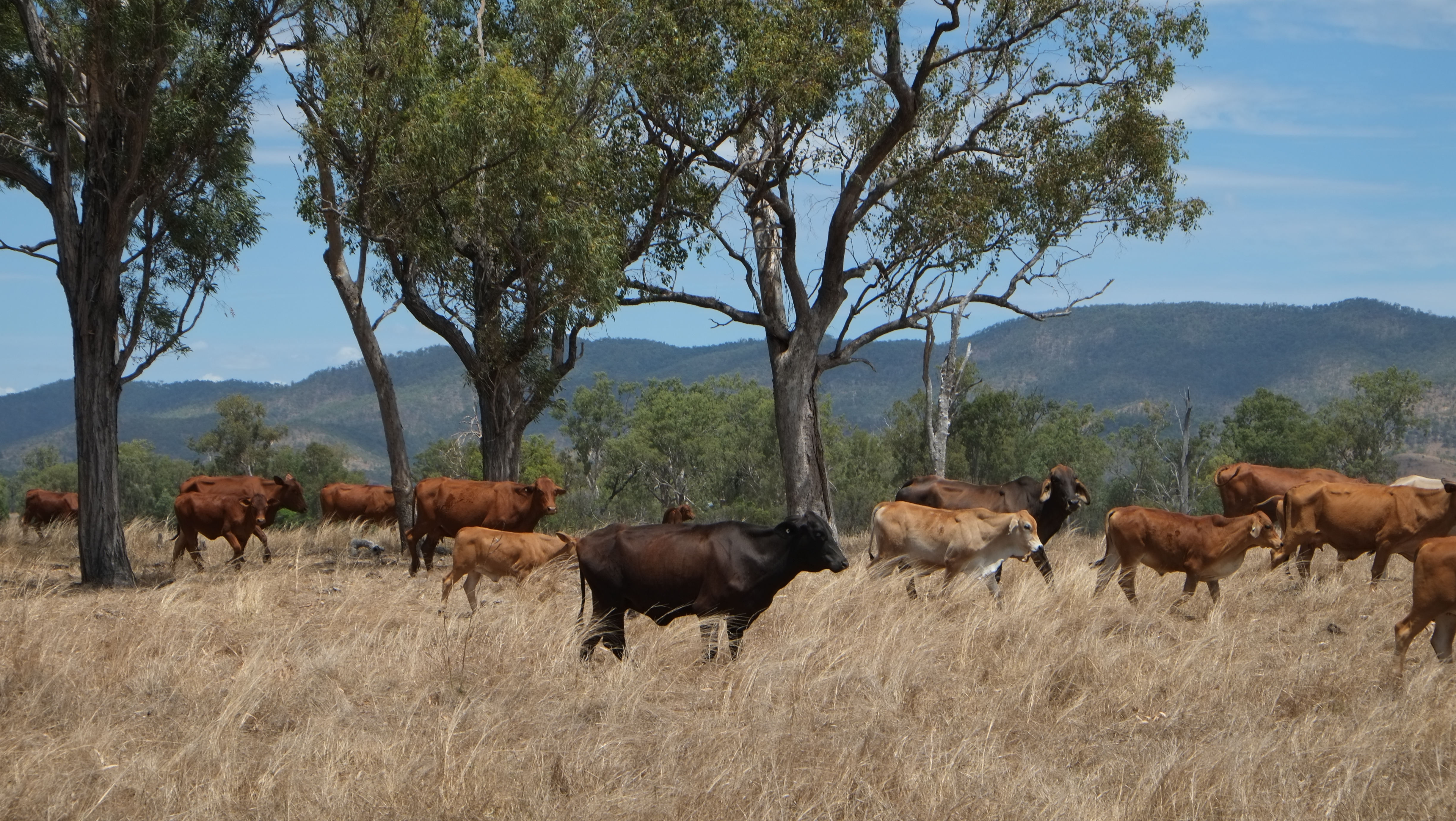
On day 1 our destination was The Old Station, a cattle station owned by the Creed family, west of Gladstone. It is actually a working Brahman Cattle Station encompassing ‘Langmorn Station’ & ‘The Old Station’, and has been owned by the Creed family since 1869. Located in a scenic valley near Raglan, Queensland, Australia, the property caters for tourism in true Australian country style. We’d stopped there before but it’s such a great overnight stop we had to go again. First stop though was Monto to check out their new murals. We took off from Redcliffe into clear blue skies and headed direct to Monto, IFR. Typical SE Queensland winter’s day.

Not long and we were approaching Monto, where some mural artists had recently finished painting some of the grain silos just south of the town.

We did a couple orbits over the silos to have a good look at them.

We landed at Monto on their recently upgraded runway and taxied to the apron.

A quick trip to the toilet introduced Sigi to the local native wildlife.

The folding bikes got us into town in about 10 minutes. We passed a few farms along the way…

and were exploring the town, with a ride down the main street…

and inspection of some of the murals.

It’s a pretty little town with some historical buildings. While we were enjoying a good coffee on the footpath of the main street a former colleague of mine just happened to saunter past. He grew up in Monto and his parents still live there on a farm. Amazing who you run into.

We rode the bikes back to the airport, passing some more murals on the way.

Soon we were back at the airport, the bikes were stowed securely and we were ready for the 20 minute hop to Raglan.

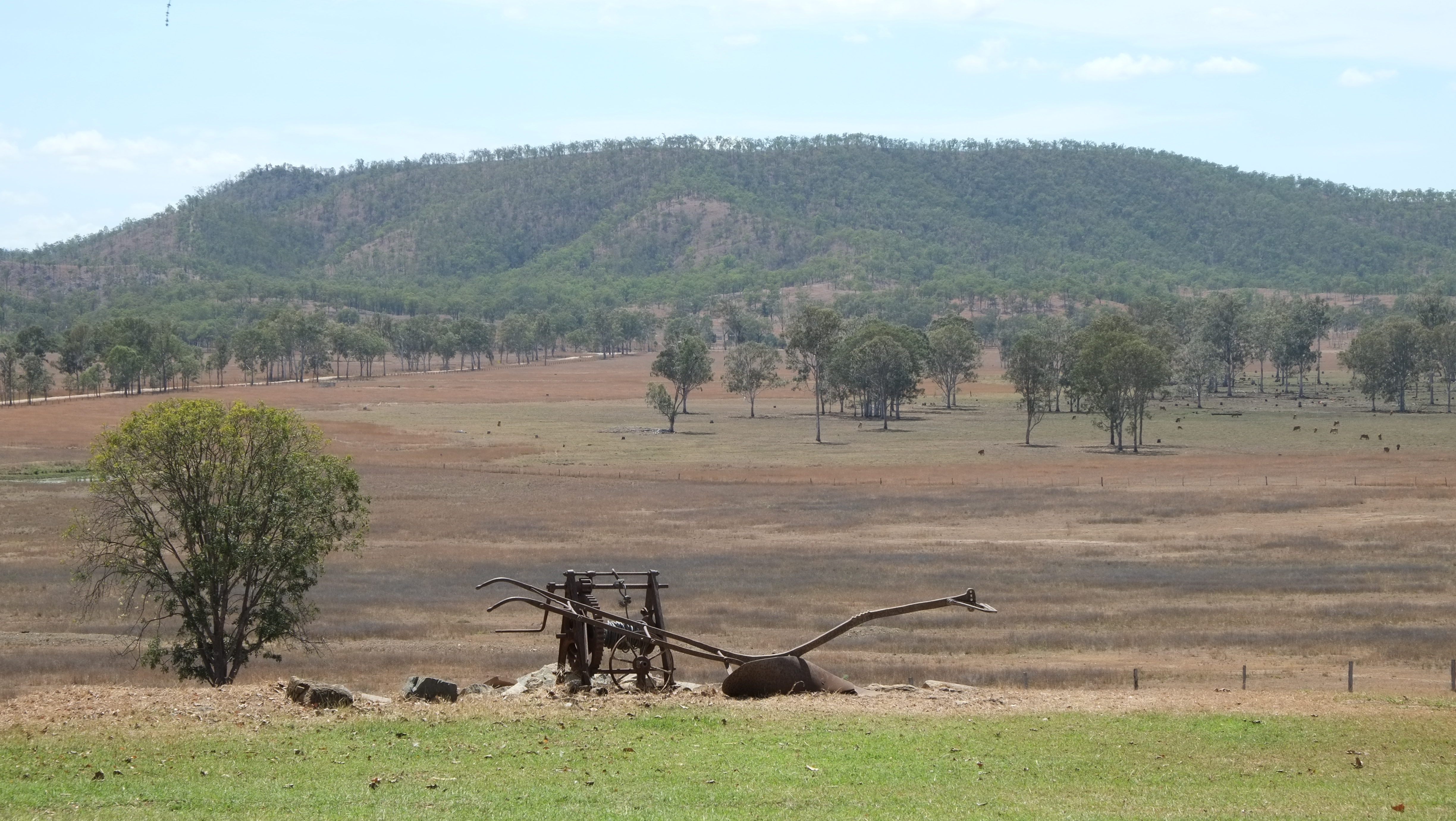
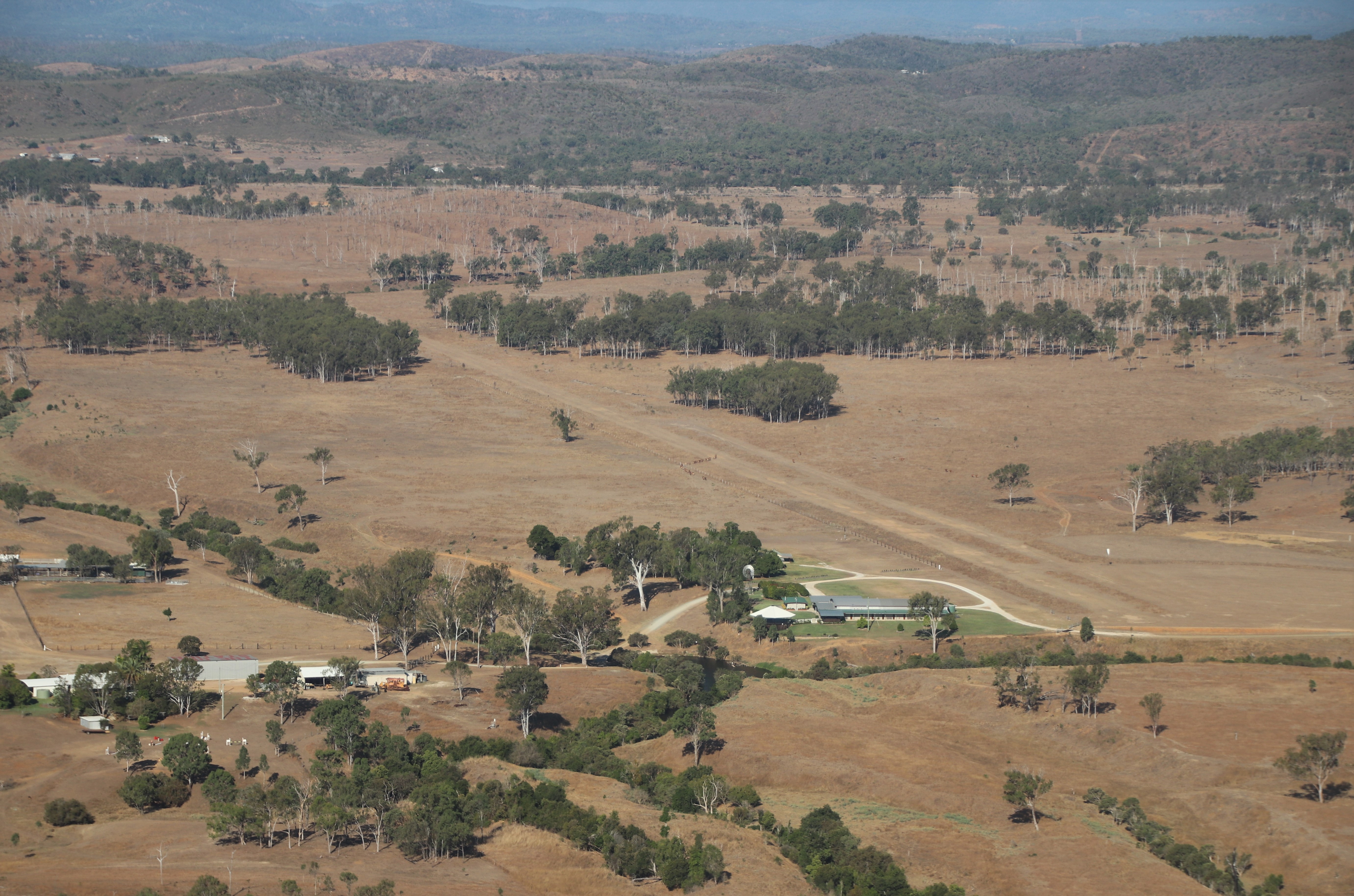
The Old Station is the home of Helen and Ron Creed. It’s a 42,000 acre cattle station surrounded by the rolling hills of the great dividing range. We did an overfly to check out the stock situation and spotted some cattle but they were at the far end of the 2km long grass runway so didn’t pose a hazard.

Touching down we taxied towards them and they slowly moved out of the way.

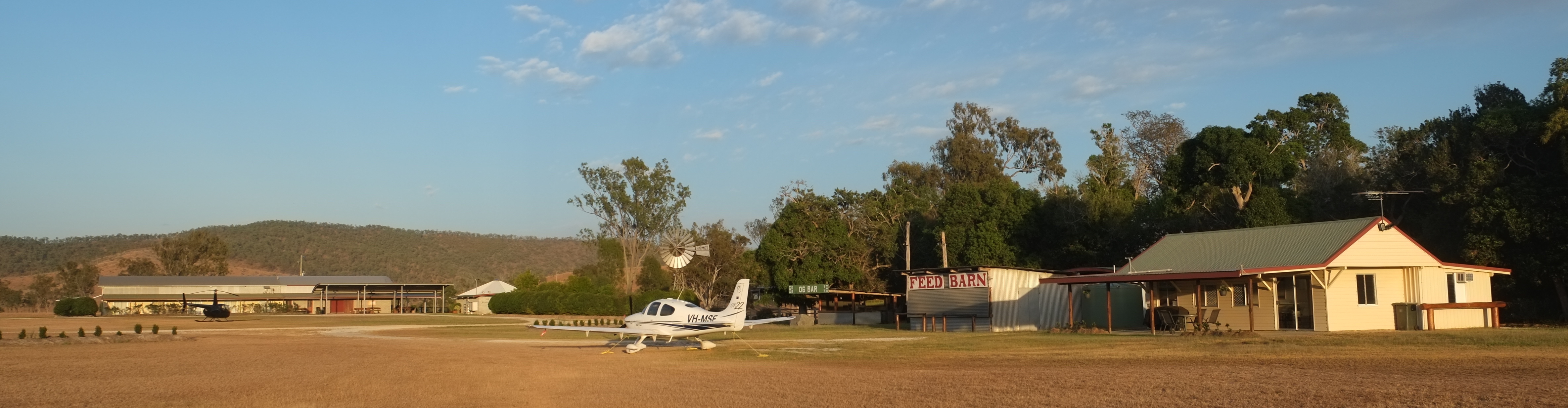
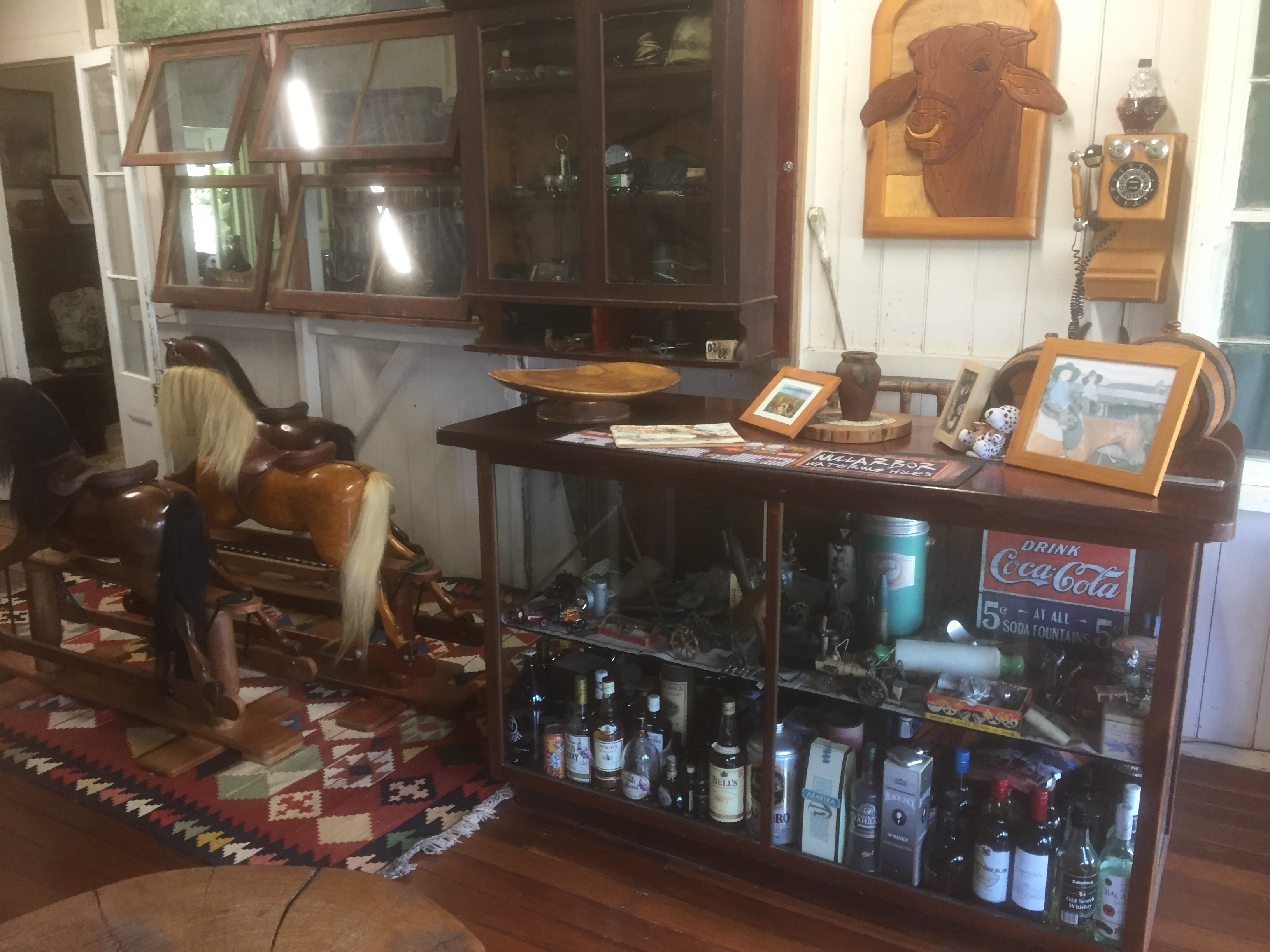
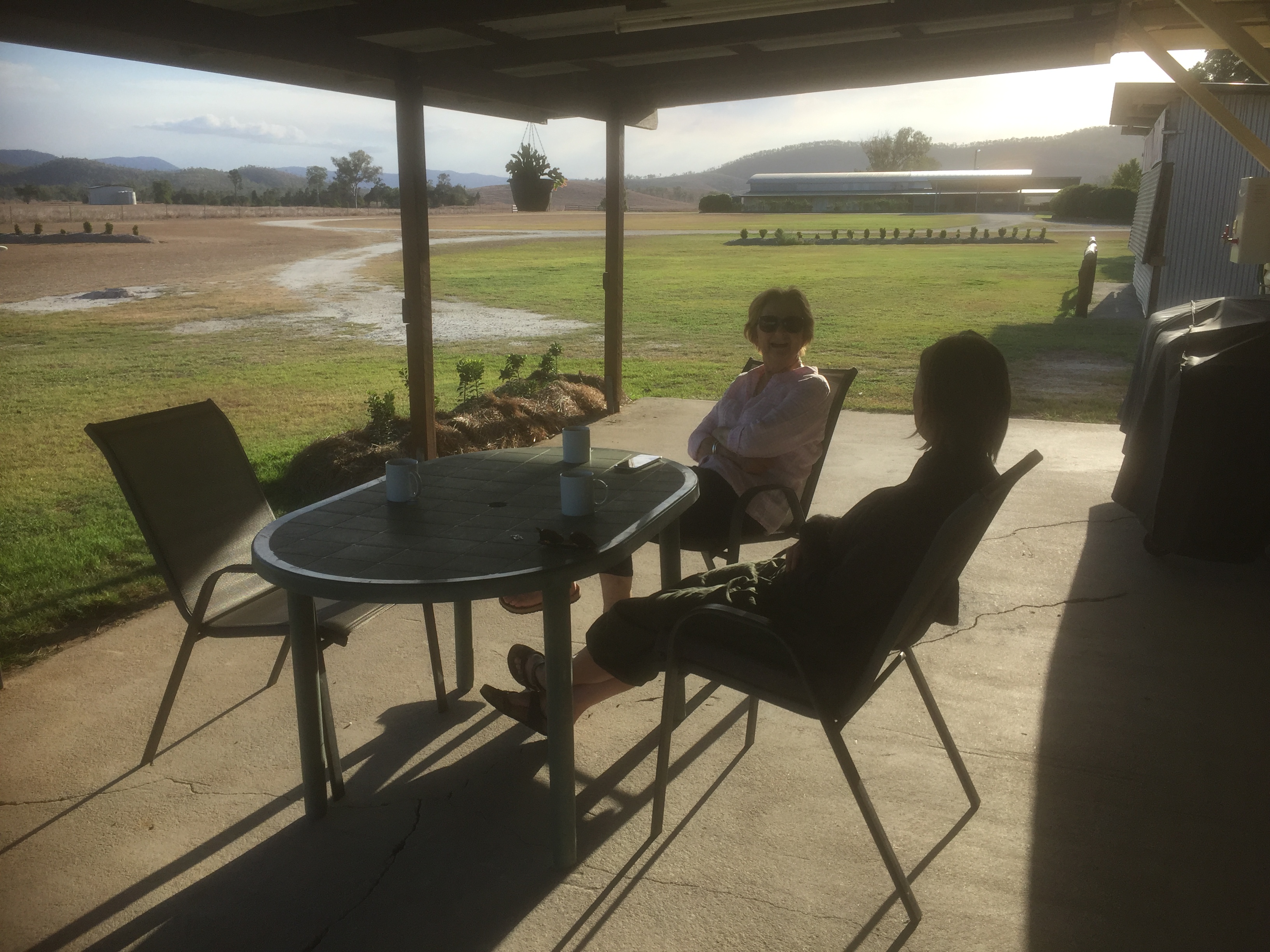
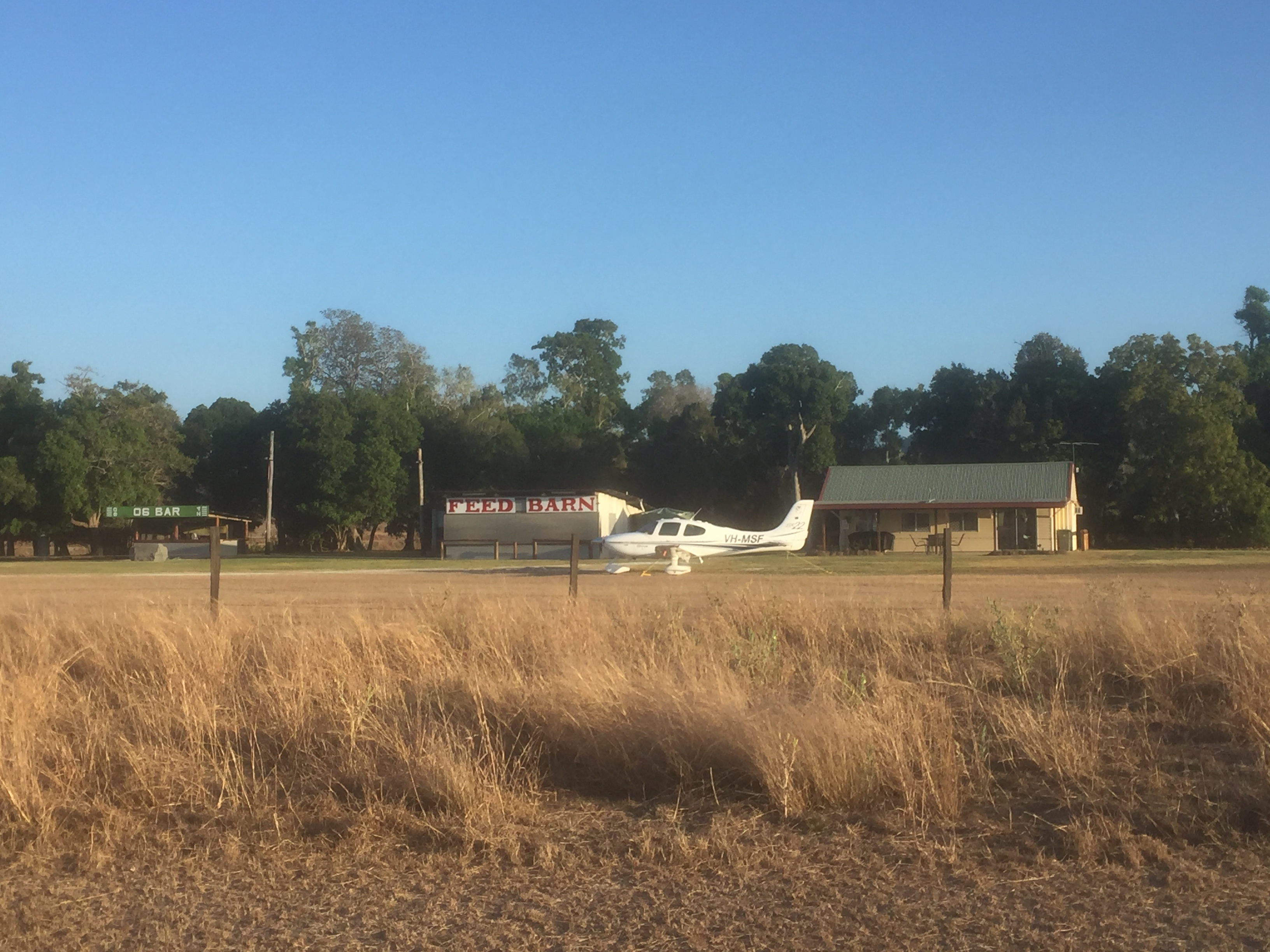
Helen was waiting for us and directed us to park next to the “clubhouse” that would be our accommodation for the night. It has a double bedroom, lounge, kitchen and lovely verandah with view across the airstrip to the hills beyond. Idyllic!

She had knocked up some afternoon tea for us so we chatted over that and learned a bit about the property and its 5000 head of Brahman cattle. It’s a beautiful spot and has been developed into a very successful beef cattle business with tourism as a sideline.

While Ron and his brother and his wife focus on the Brahman cattle herds, Helen looks after the finances and the tourism side hosting bus loads of overseas visitors during normal times, weddings, conferences and itinerant fly-in visitors like us. In addition to the “clubhouse” they have a purpose built “hangar” that houses a commercial kitchen, large dining area and about a dozen “motel type” rooms. It’s all very tastefully done.

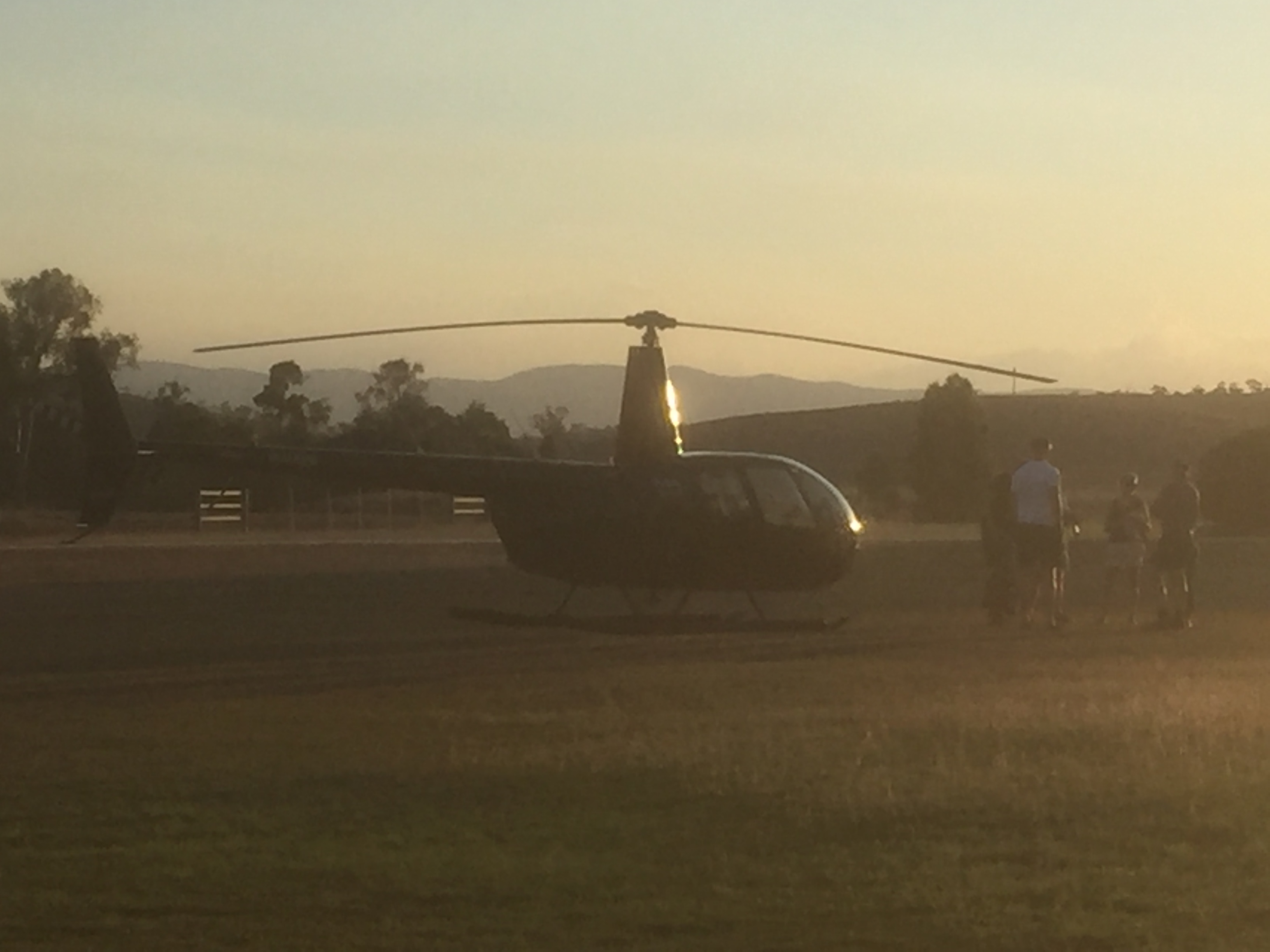
Ron also keeps his collection of aircraft at the other end of the hangar, making it an interesting spot for aviators. He flies both fixed wing and helicopter but mainly used the helicopter for droving cattle these days. His father built the airstrip and started the aero club in the 1970s and they have been developing it to a more commercial hospitality location for the past 20 years. They have held a few airshows there over the years including performances by the RAAF formation teams. You can find out more about the property here:

Creed Grazing Tourism

Helen and Ron invited us for dinner at the homestead. We were met by “Kiwi”, one of their friends who lives on the property. He picked us up on a quad bike and drove us over to the homestead across the creek from the airstrip. Kiwi is also a pilot and aerial photographer as well as a LAME who works in Gladstone so there was plenty to talk about over dinner.

We wandered back over the creek to the clubhouse and marvelled at the starry sky as we went.

Biggenden for lunch

20th July 2020 was a great Queensland winter’s day – cloudless blue sky, no wind to speak of, 25 degrees and endless visibility. A must fly day. With a brief phone call I persuaded my sister Liz and her husband David to go for a flight up the coast to Fraser Island and inland to the north Burnett, stopping in the not quite so bustling town of Biggenden. It may not be big but Biggenden (a Gulbi Gulbi indigenous word meaning place of stringy bark) is a great Queensland country town in the Great Dividing Range that lies in the shadow of “the Bluff” and is home to an annual Rose Festival. It has a well maintained grass strip that’s an easy walk into town, making it ideal for a lunch stop.

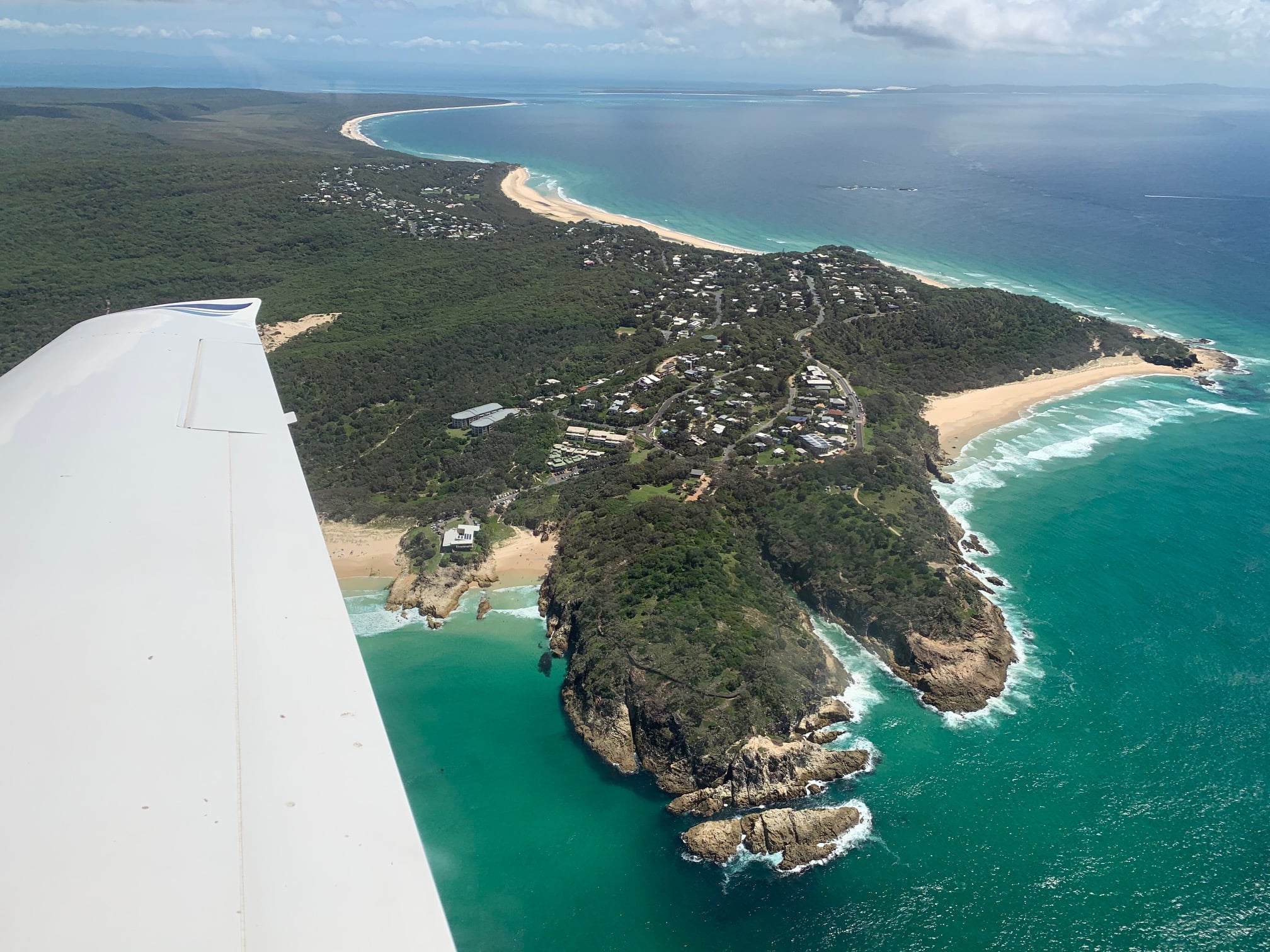
We flew out of Redcliffe over Bribie Island and up the Sunshine Coast to Noosa Heads, and on to Double Island Point.

From there it was on up the east coast of Fraser Island, passing over Lake MacKenzie…

and to the south of Hervey Bay and north of Maryborough across to Biggenden.

Despite the warning from the local council that there may be “animals” on the runway a 500ft overfly proved that there weren’t any.

A 10 minute walk brought us into the main street and a great little cafe, the Coffee Pozzee, just off the main street.

After lunch we strolled back to the airstrip and prepared MSF for the flight home.

Taking off we climbed out over the Bluff and headed for Redcliffe via Kenilworth, Maleny and the Glasshouse Mountains. A very scenic way to get back home.