
In August 2025, after a weekend of Cirrus presentations, tours and events around Darwin as part of the biennial Cirrus Life event, Brett Silvester and I flew MSF from Darwin back home to Redcliffe. I replaced Mike Cahill who had flown up to Darwin in MSF but didn’t want to fly home in the Cirrus. So Sigi and I had flown up to Darwin with Qantas and I was to fly home with Brett, who had flown up to Darwin with Mike.
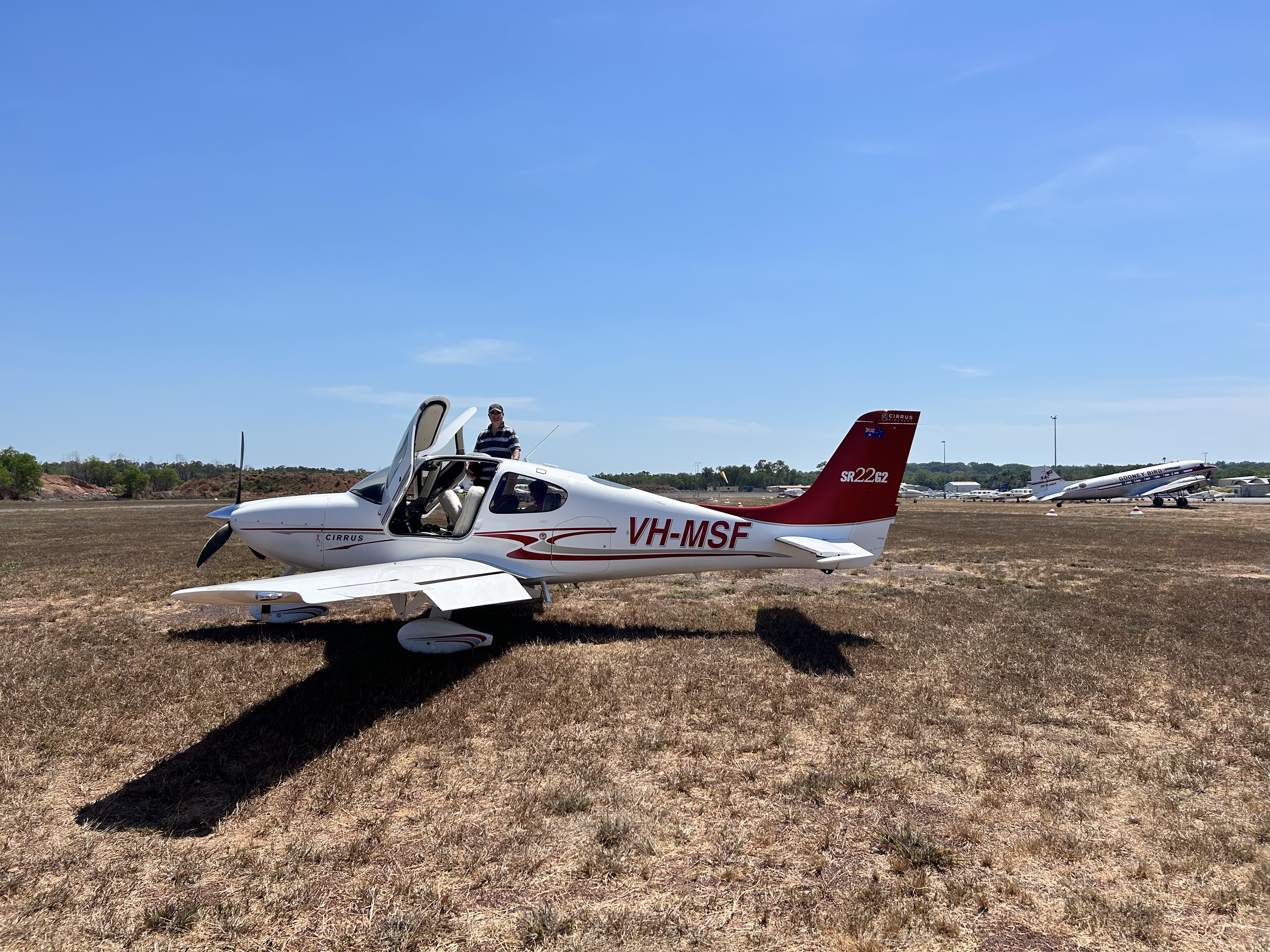
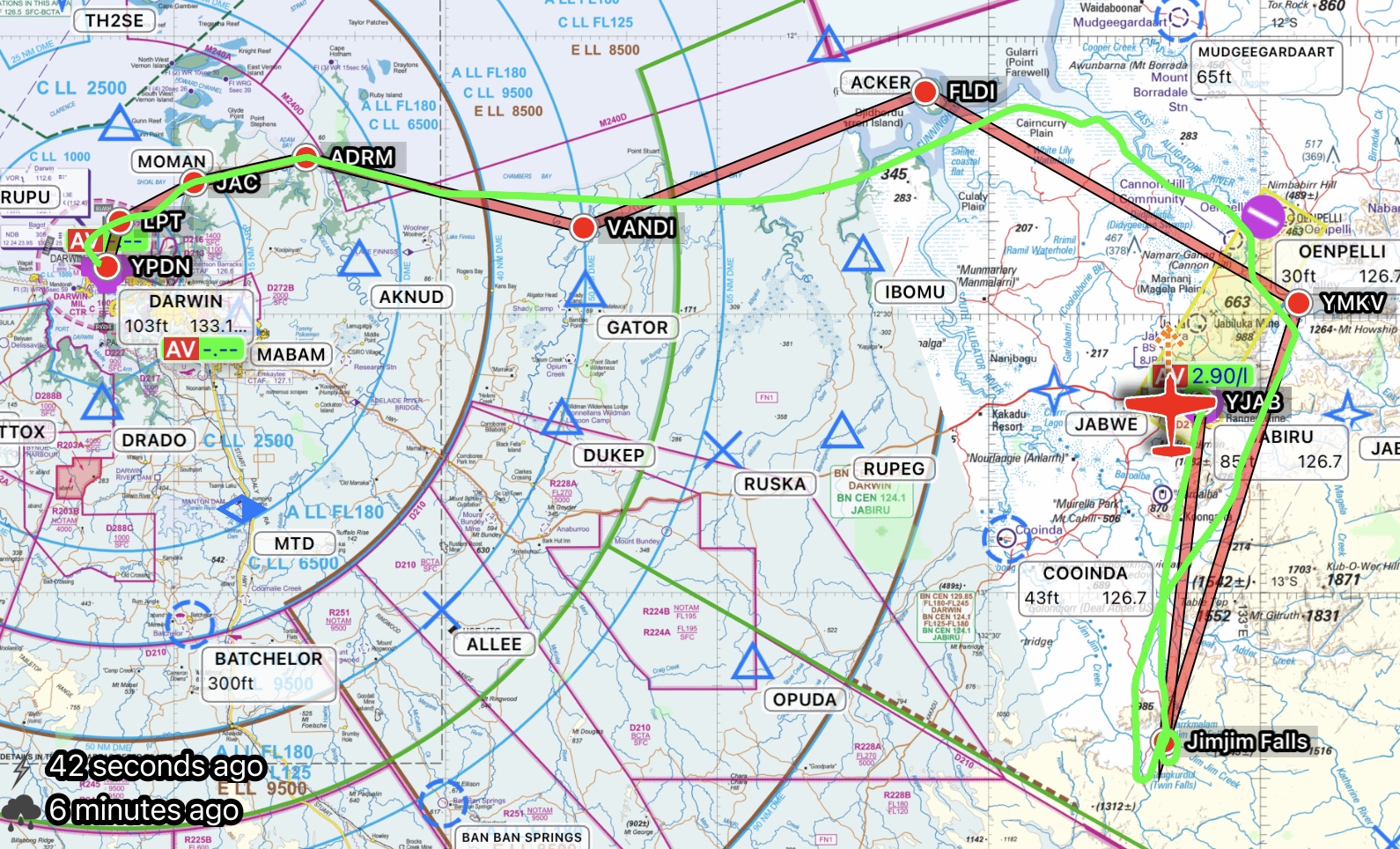
On Day 1 Sigi joined us for a shortish VFR hop from Darwin to Jabiru on the edge of Arnhem Land, leaving controlled airspace behind us and flying at 2000ft along the coast past the Adelaide River mouth, Mary River and South Alligator River before tracking inland along the East Alligator River to Oenpelli.

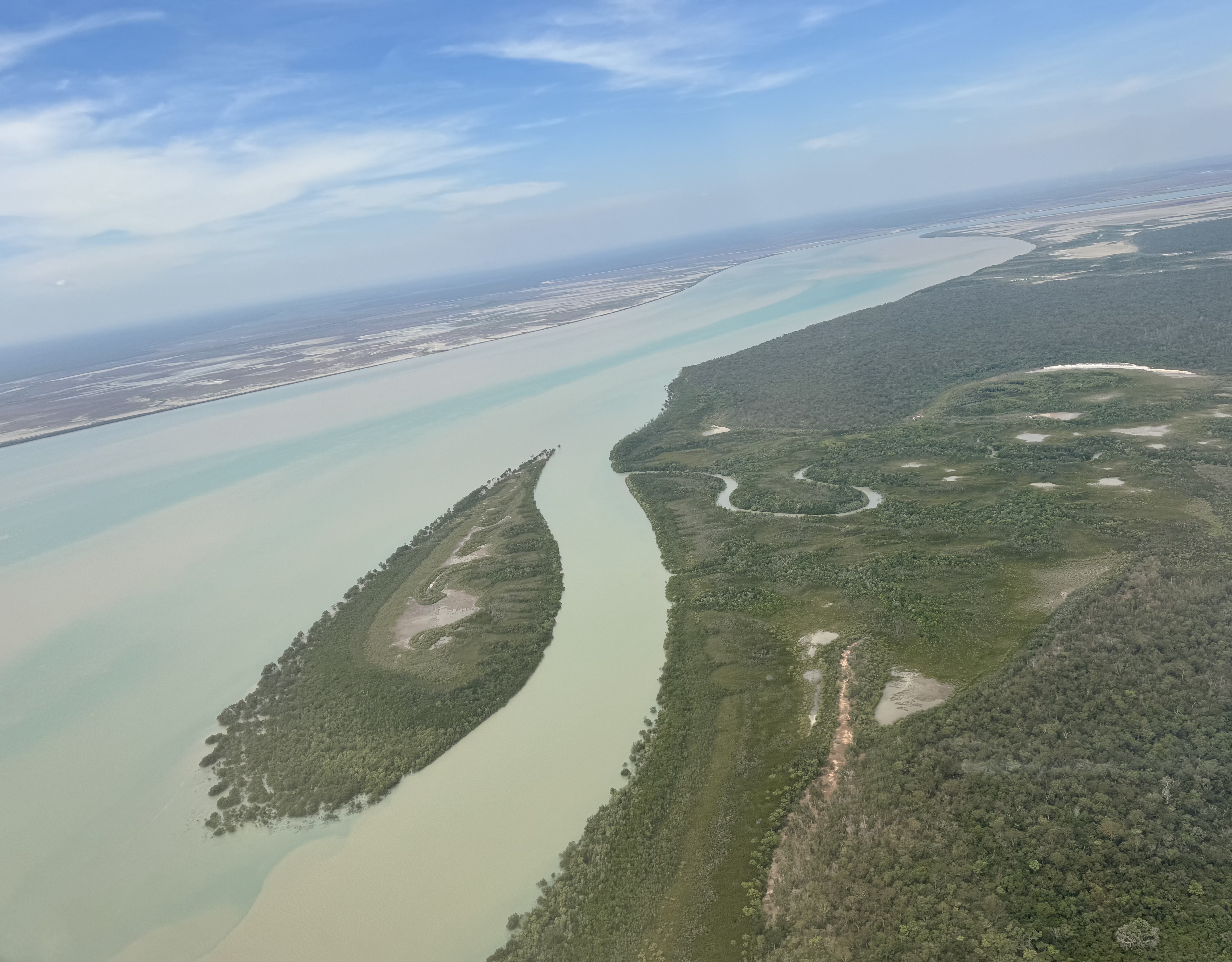
The country went from dry to bright green as we passed Oenpelli.

From there we followed the Arnhem Land escarpment.
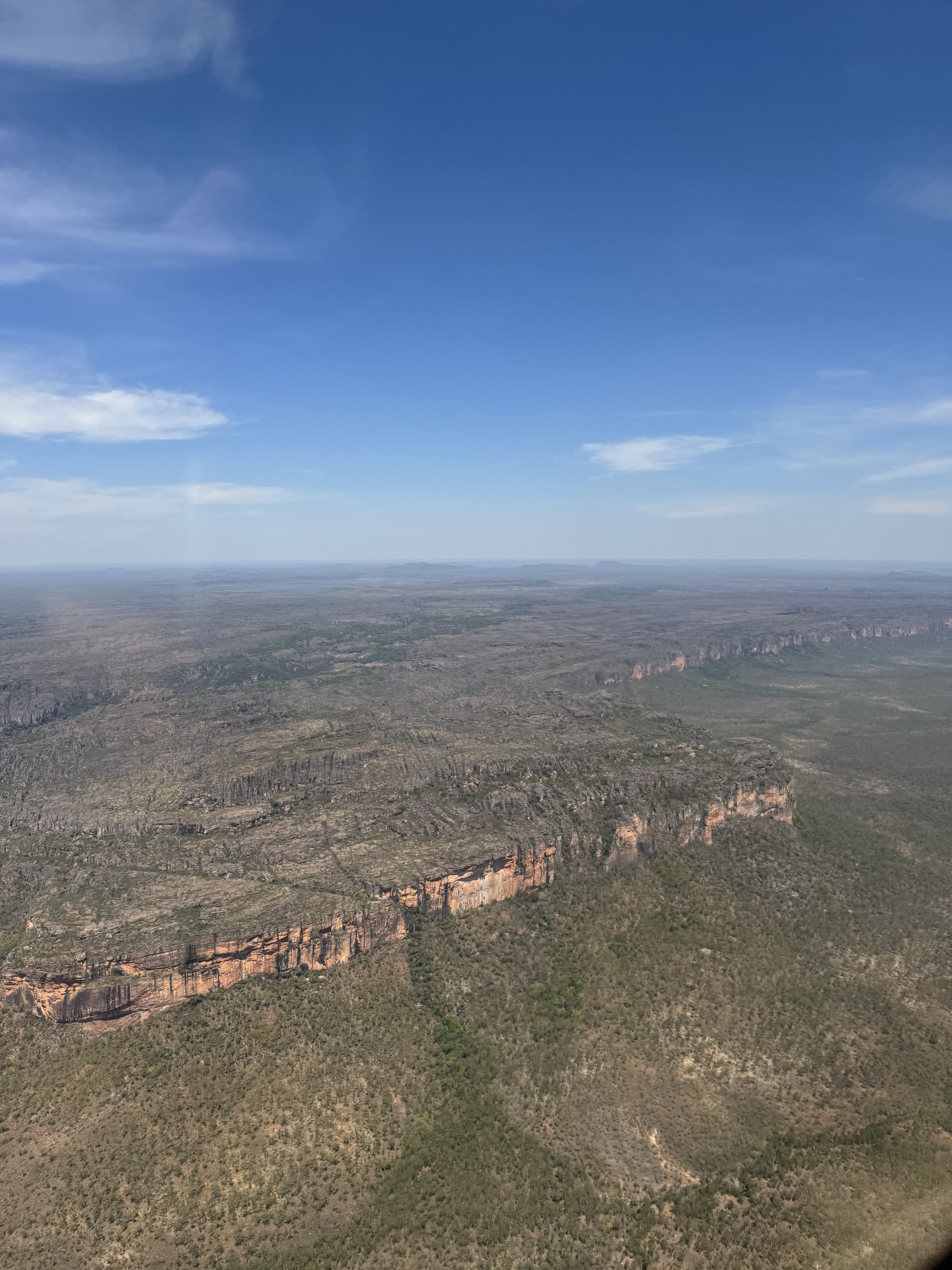
Our aim was to reach Jim Jim Falls and Twin Falls that are supposed to be very impressive in the wet season but given that it was nearing the end of the “dry” there wasn’t much water in them.

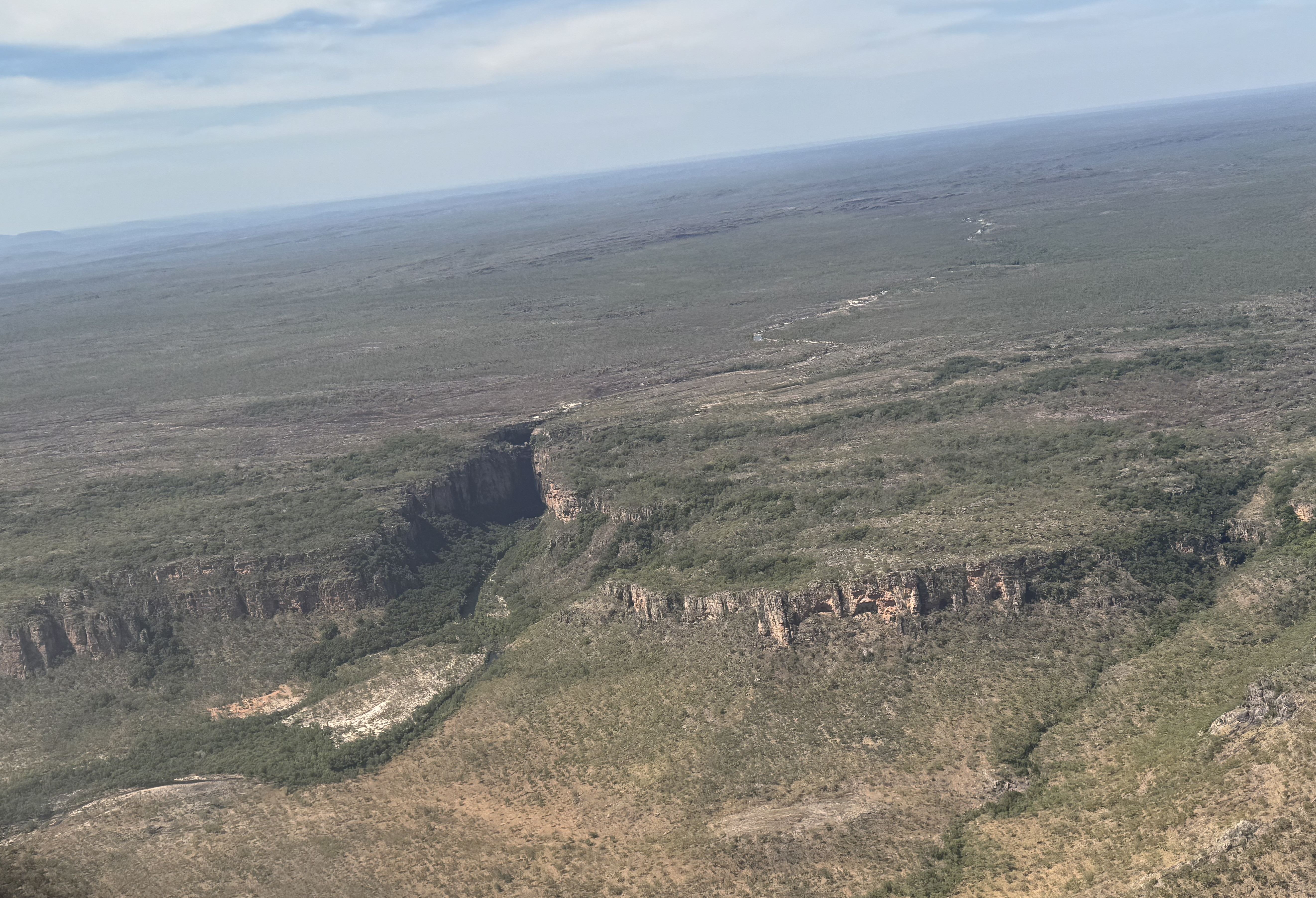
From there we backtracked to Jabiru where we stayed for two nights. We overflew the now decommissioned Ranger uranium mine on the way in.

We thought we’d be quicker getting to Jabiru than Mike and other non-flyers who were driving by car however we were “off the blocks” not long after they left and they arrived just in time to pick us up from the airport in Jabiru. We did spend a lot of time taxying and waiting for departure at Darwin and doing detours to interesting places and of course refuelling. But the old saying came to mind – “time to spare? go by air!”
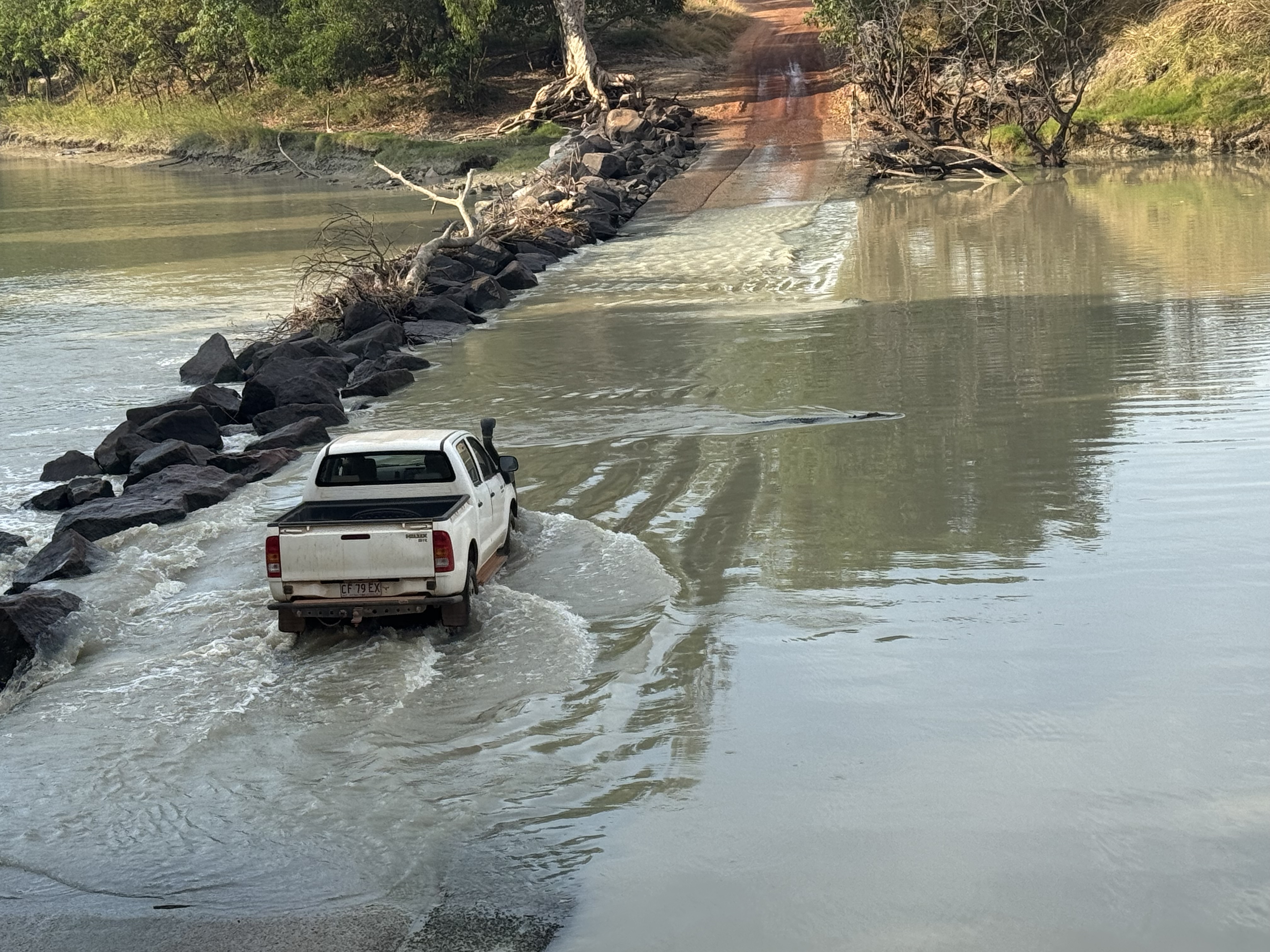
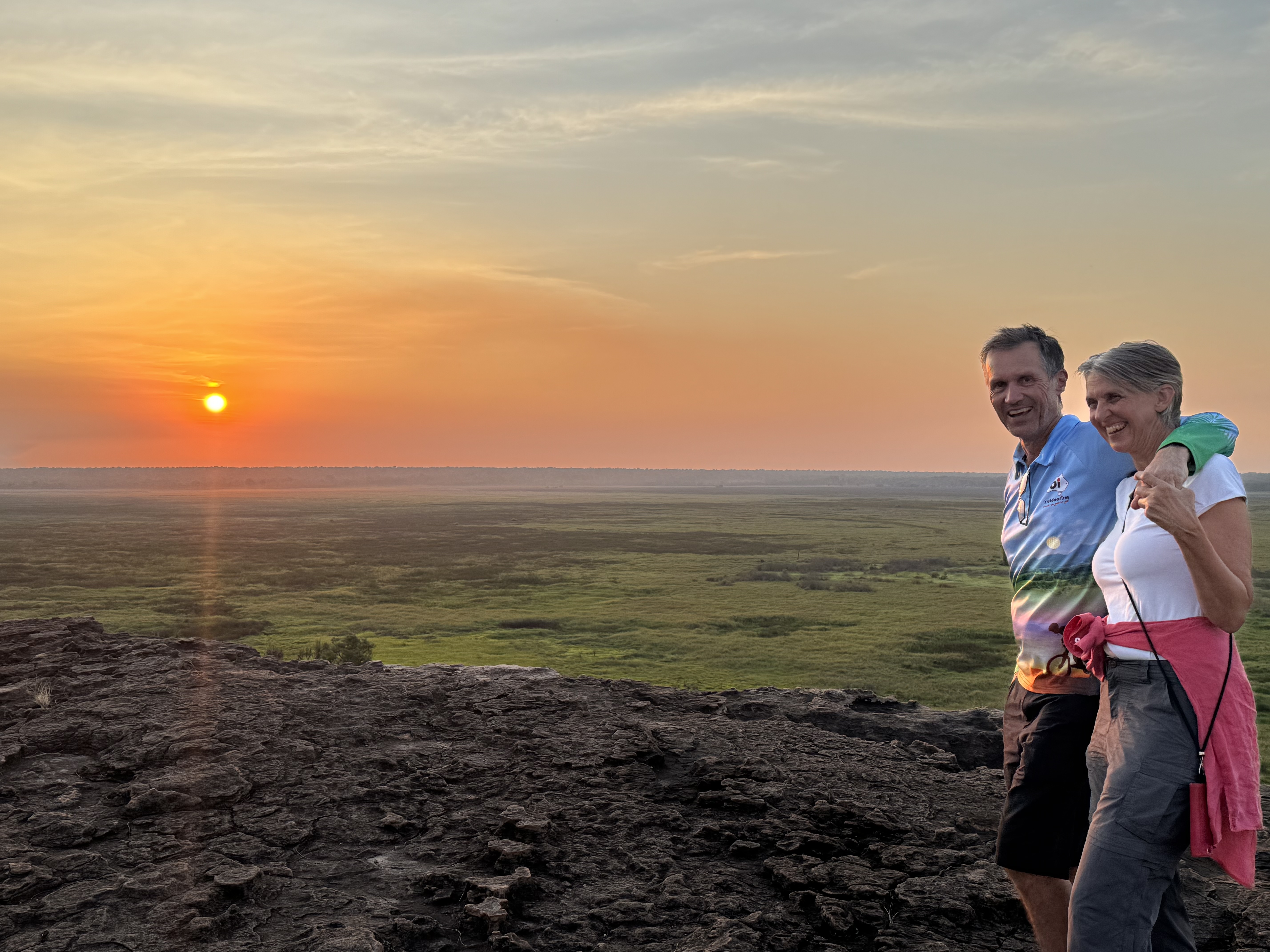
The next day we explored some indigenous cave art near the escarpment in the morning and late in the day headed out to Cahill’s Crossing, the entrance to Arnhem Land, and watched the man eating crocodiles waiting for a feed before driving over to Ubirr for some more cave art and a beautiful sunset.


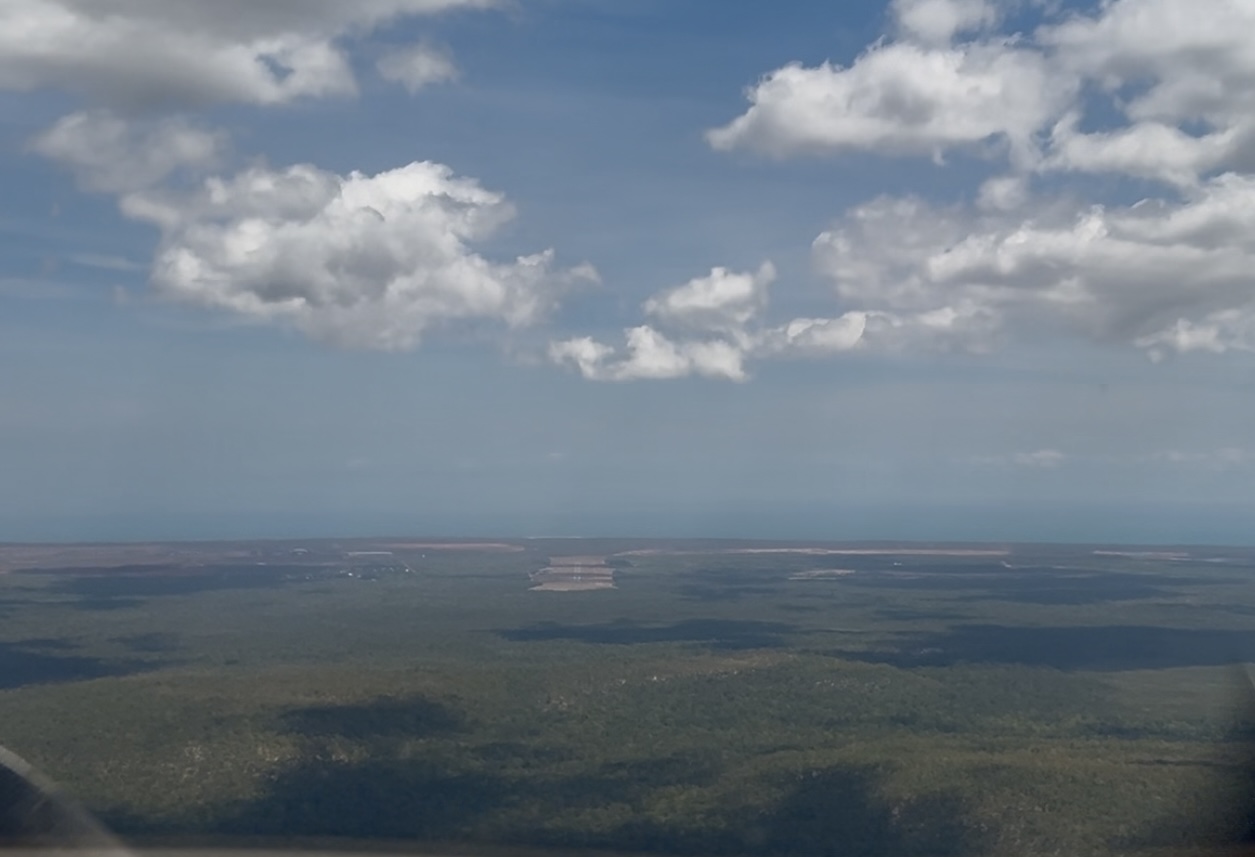
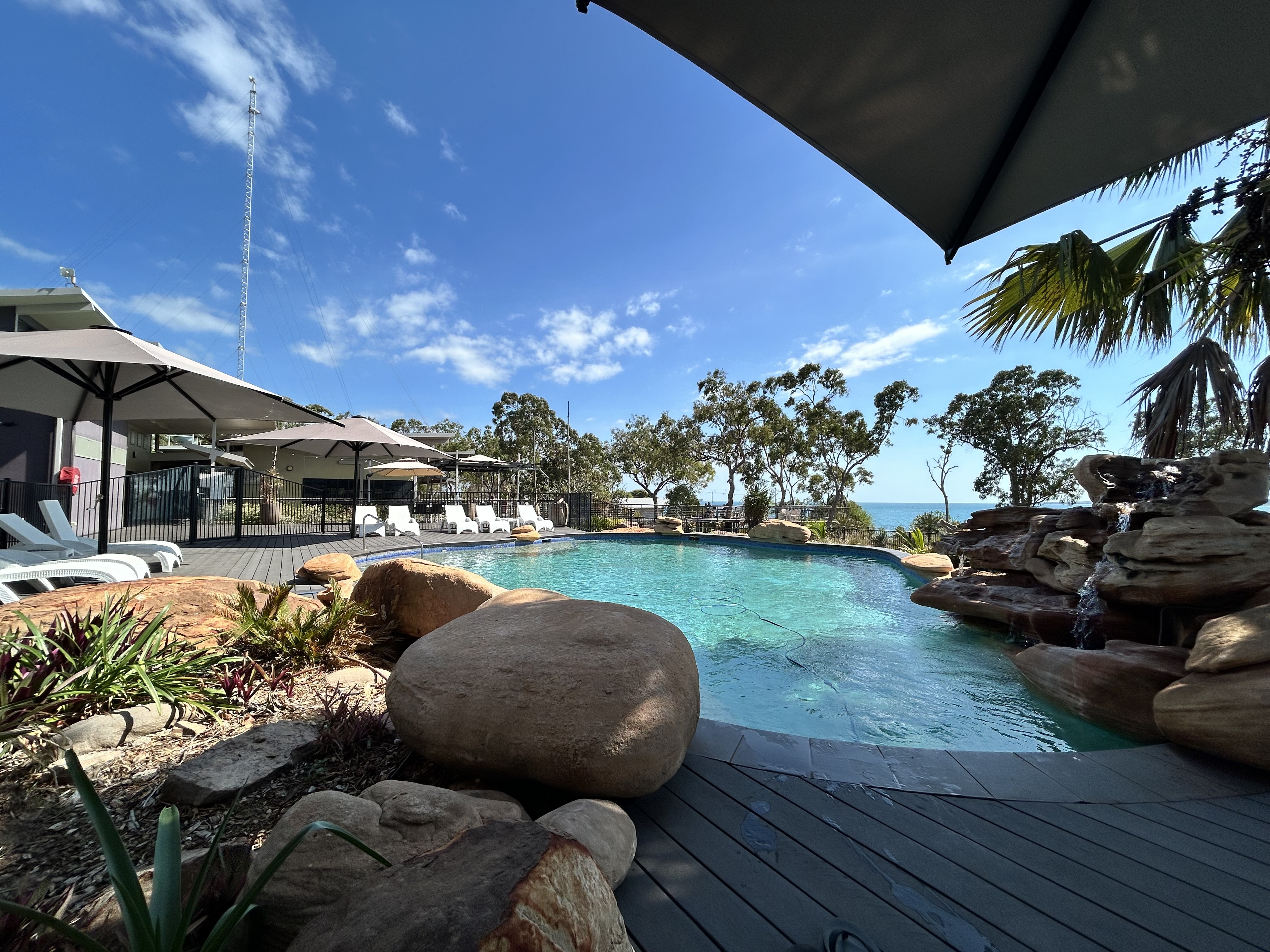
On Day 3 Brett and I said goodbye to the others and flew up to the north coast over Arnhem Land and followed coast before cutting down to Groote Eylandt off the east coast. Brett did a practice RNP approach that took us right out to the eastern edge of the island before turning west again for a 10 nautical mile long final.


By chance Brett had met the owner of the company that manages the airport at Groote Eylandt at Cirrus Life so he’d kindly organised one of his guys to run us into town and pick us up the next morning. The lodge was very pleasant. Recommended.

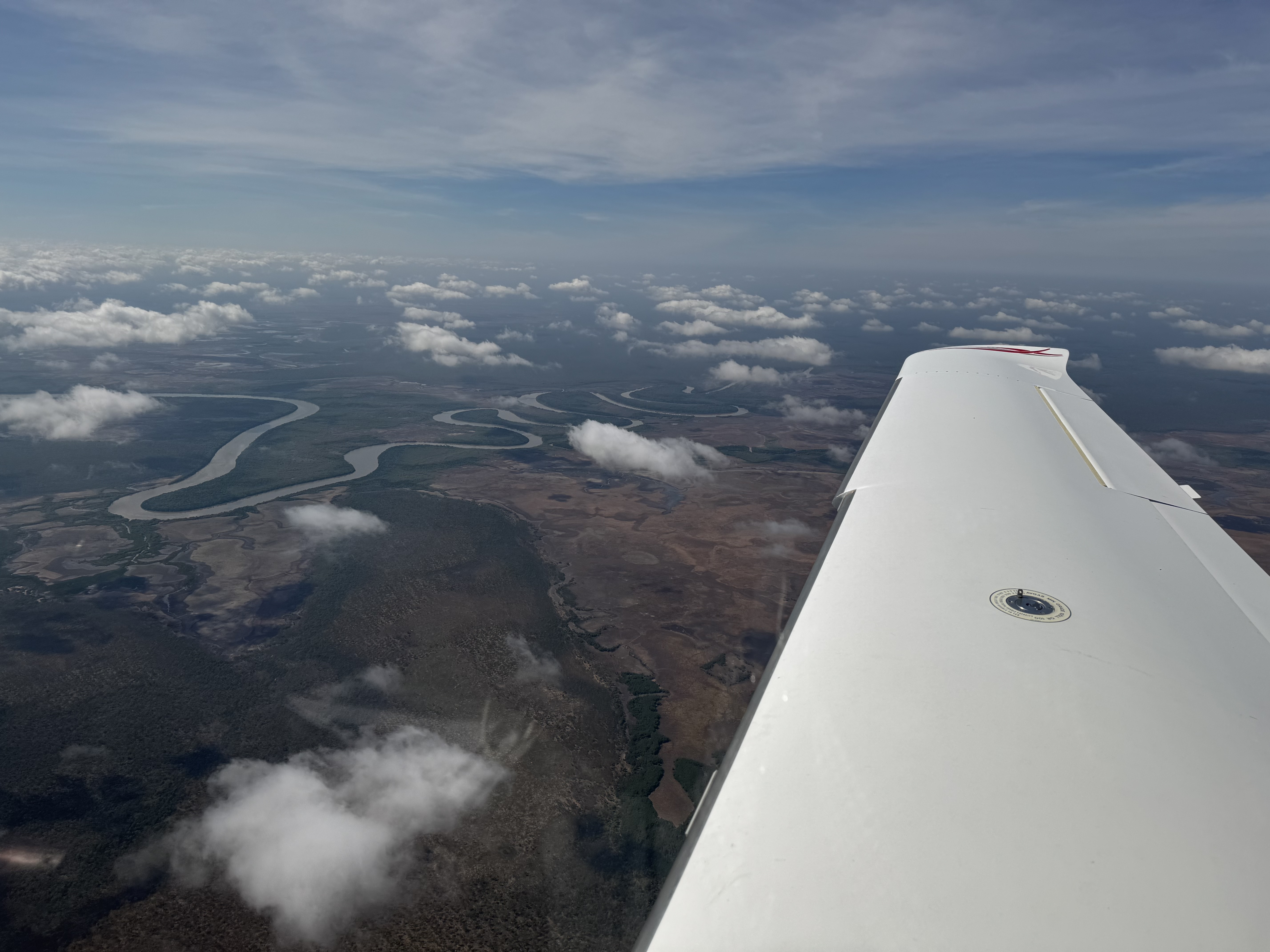
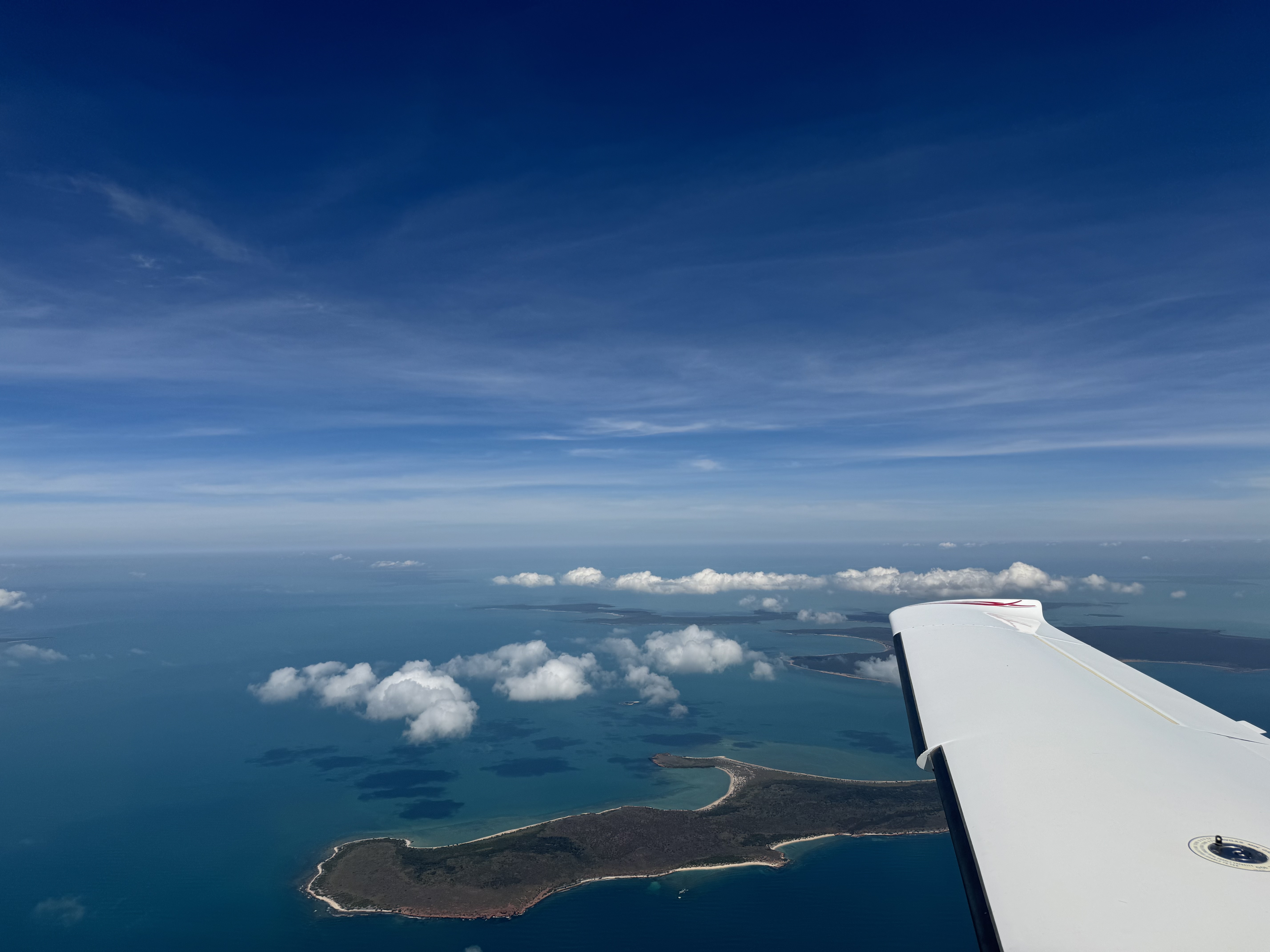
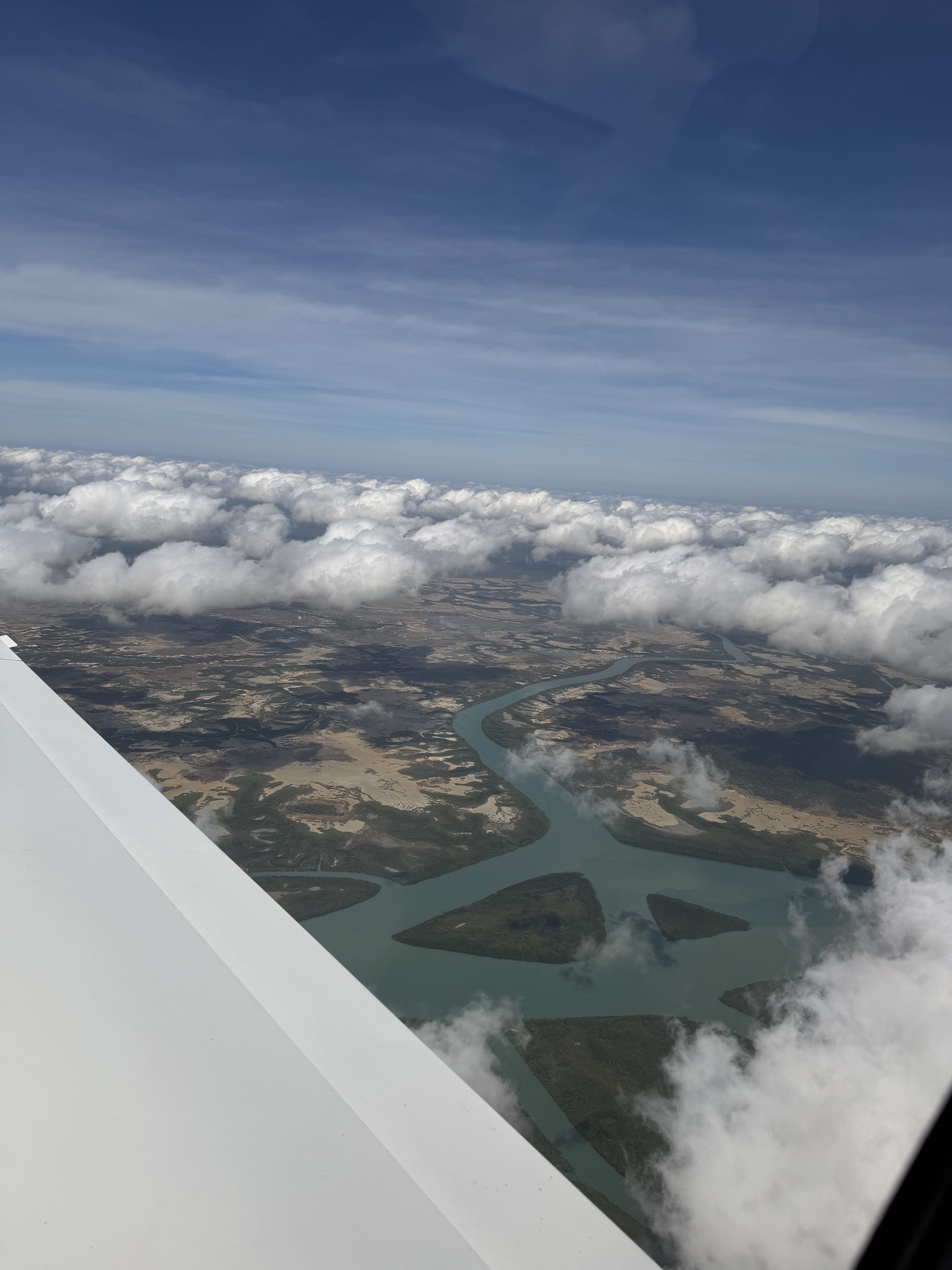
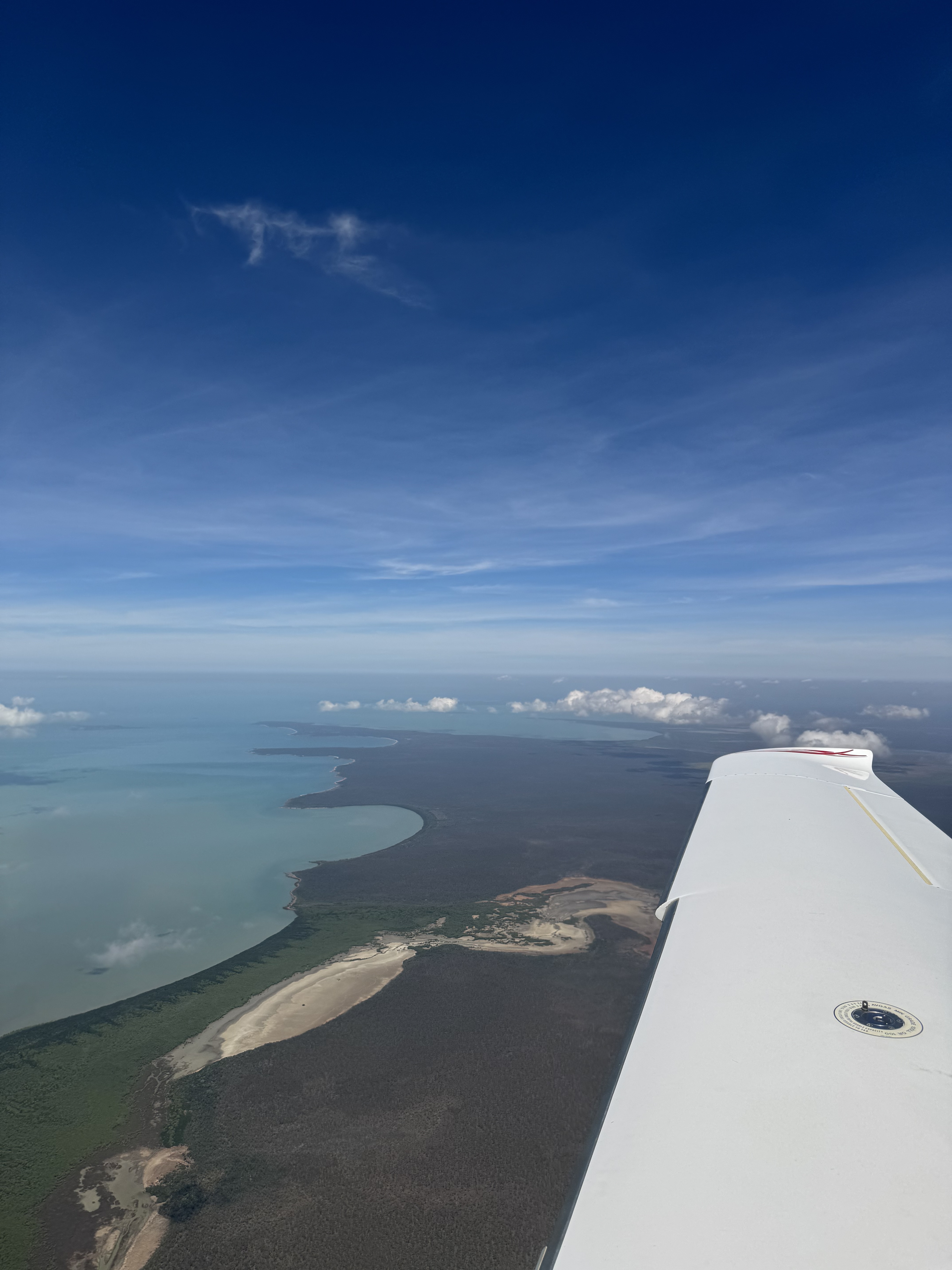
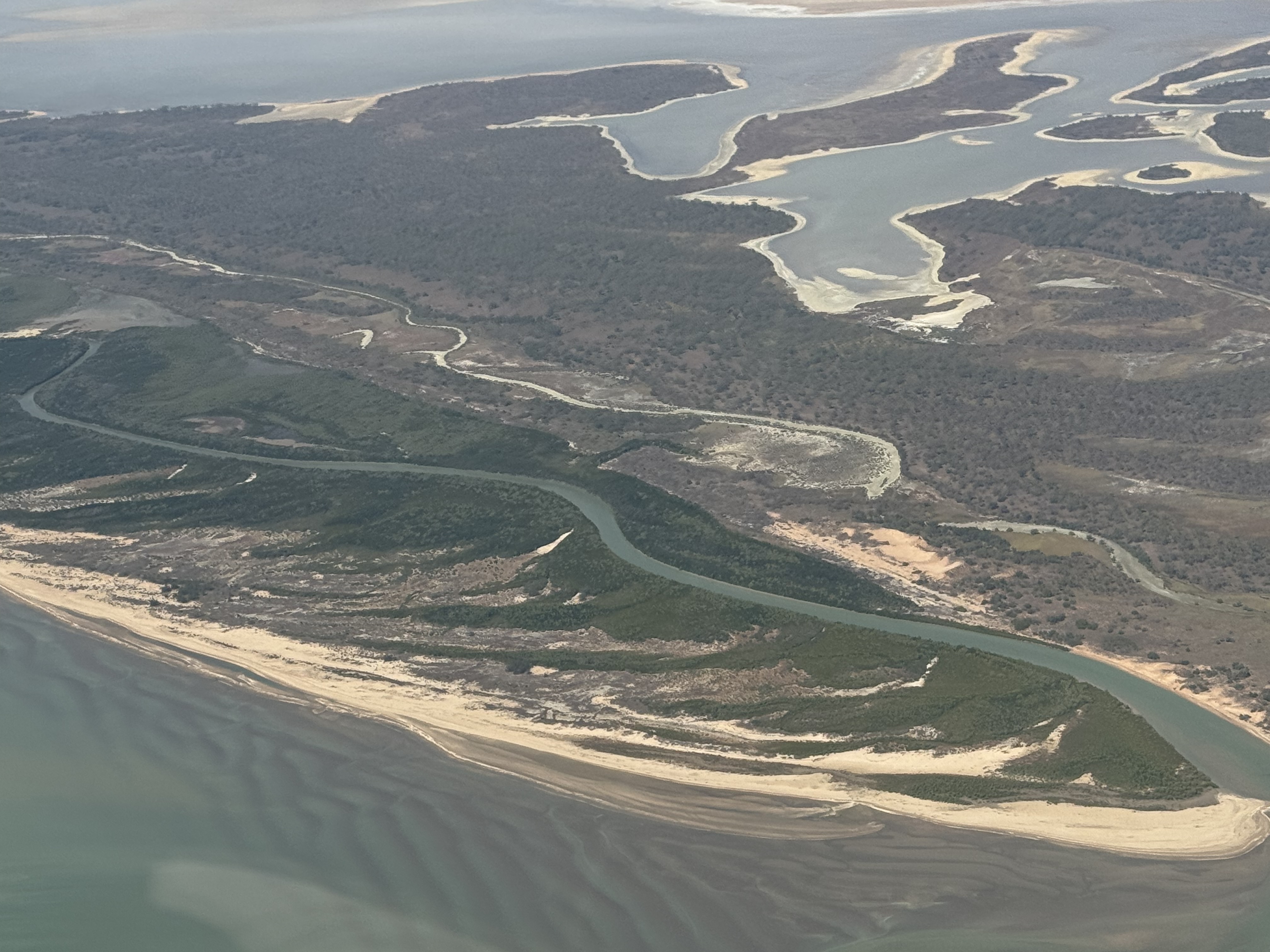
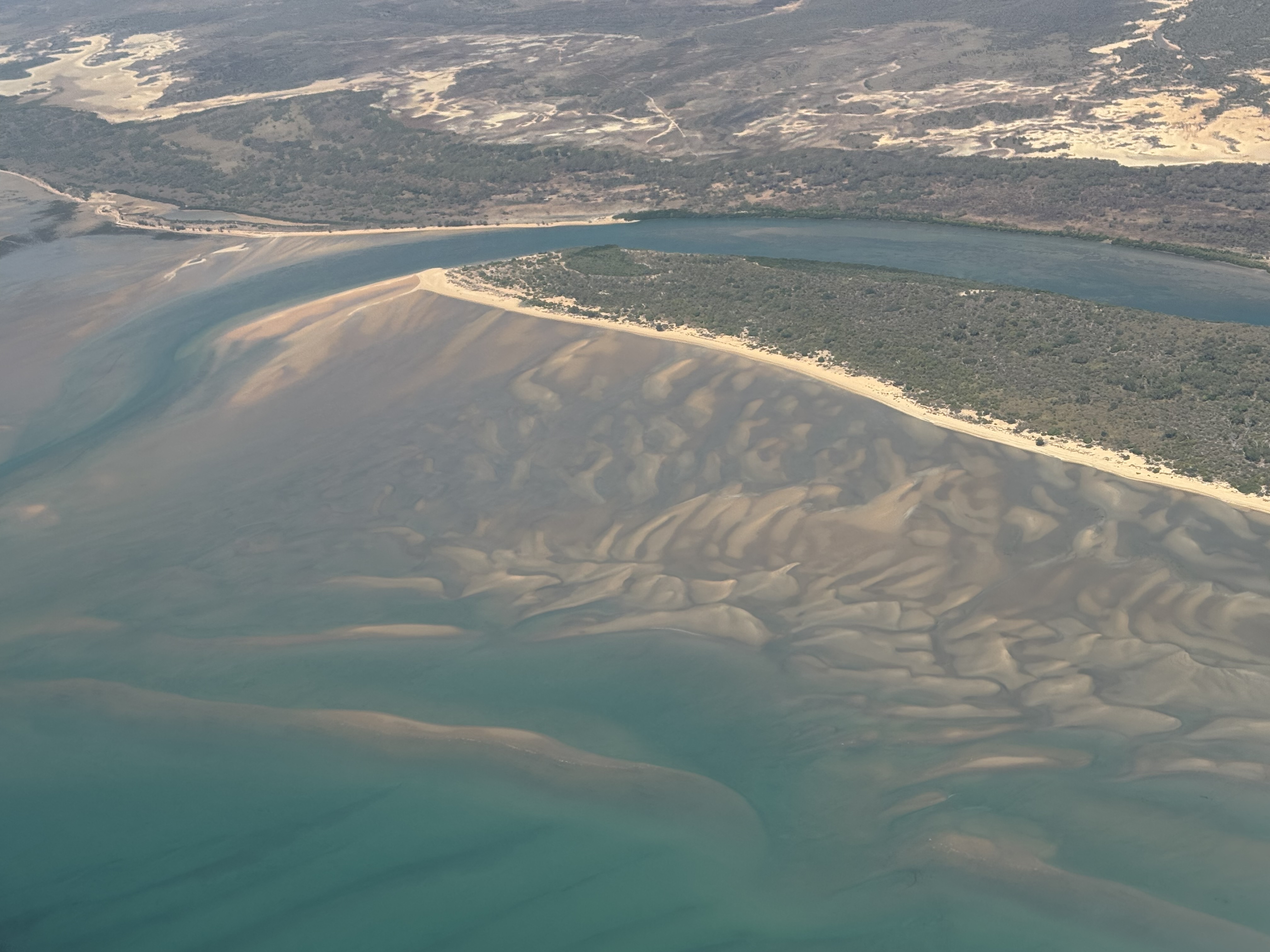
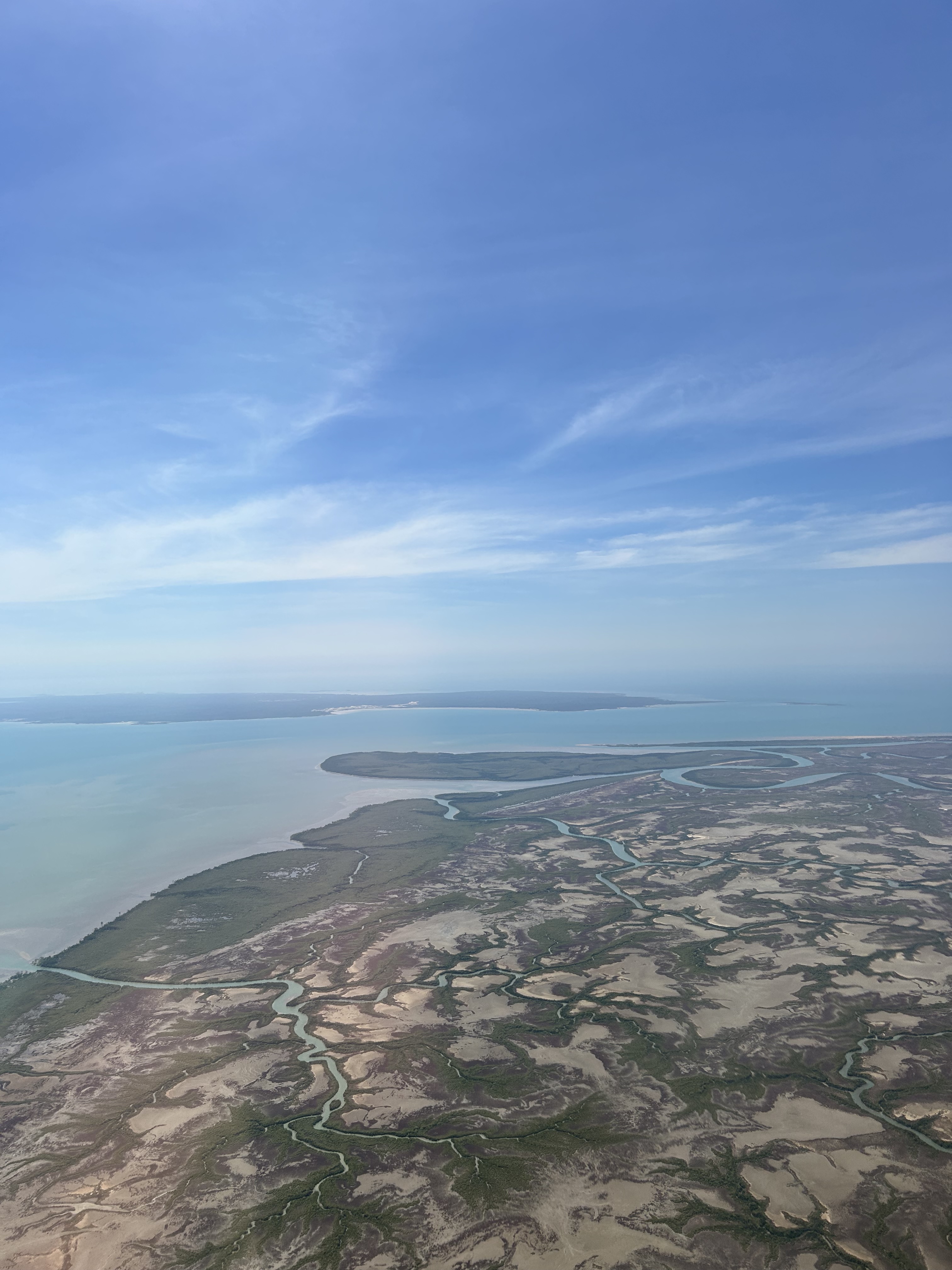
On Day 4 I flew us IFR along the coast of the Gulf of Carpentaria. This picturesque part of the coastline is known for the multitude of meandering rivers that make their way over the gulf country and empty into the gulf itself. Home of salties galore, this was the coastline that Burke and Wills were making for on their tragic transcontinental trek. You learn something every day on these trips and on this leg Brett, who was radio operator for the day, demonstrated how to fly with a bit more flexibility while flying IFR. He wanted to take photos of the coast from 2500ft and not have to fly straight lines between waypoints as you usually do under the instrument flight rules. He asked to fly “coastal not above 6000ft” and ATC cleared us a block of airspace basically from surface to 6000ft and 20 nautical miles either side of our planned IFR track. There was no one within a couple of hundred miles so we didn’t even need a discrete code. It allowed us to follow the coast all the way from near Groote down to Burketown and Brett snapped all of the photos below as we went.
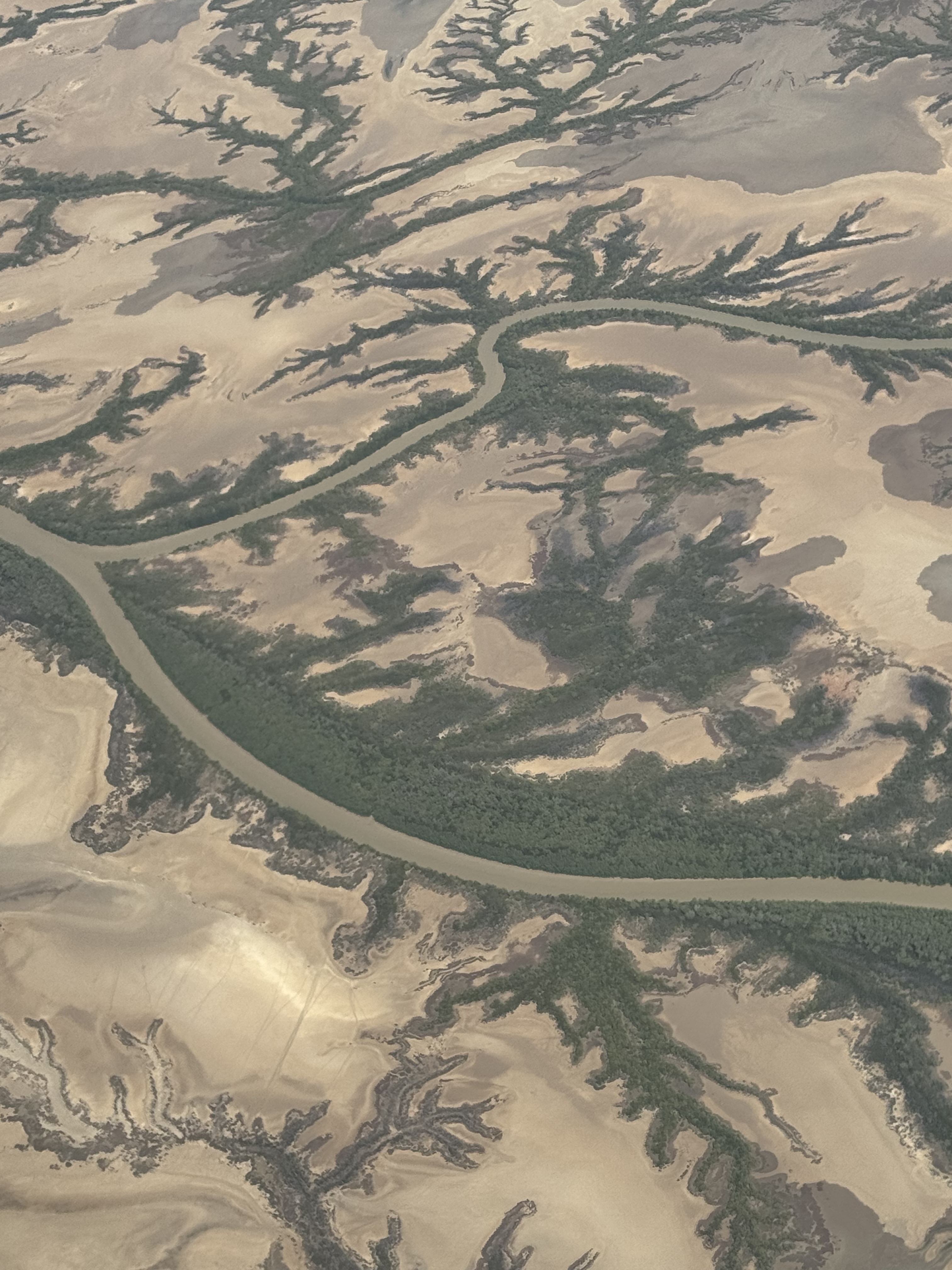

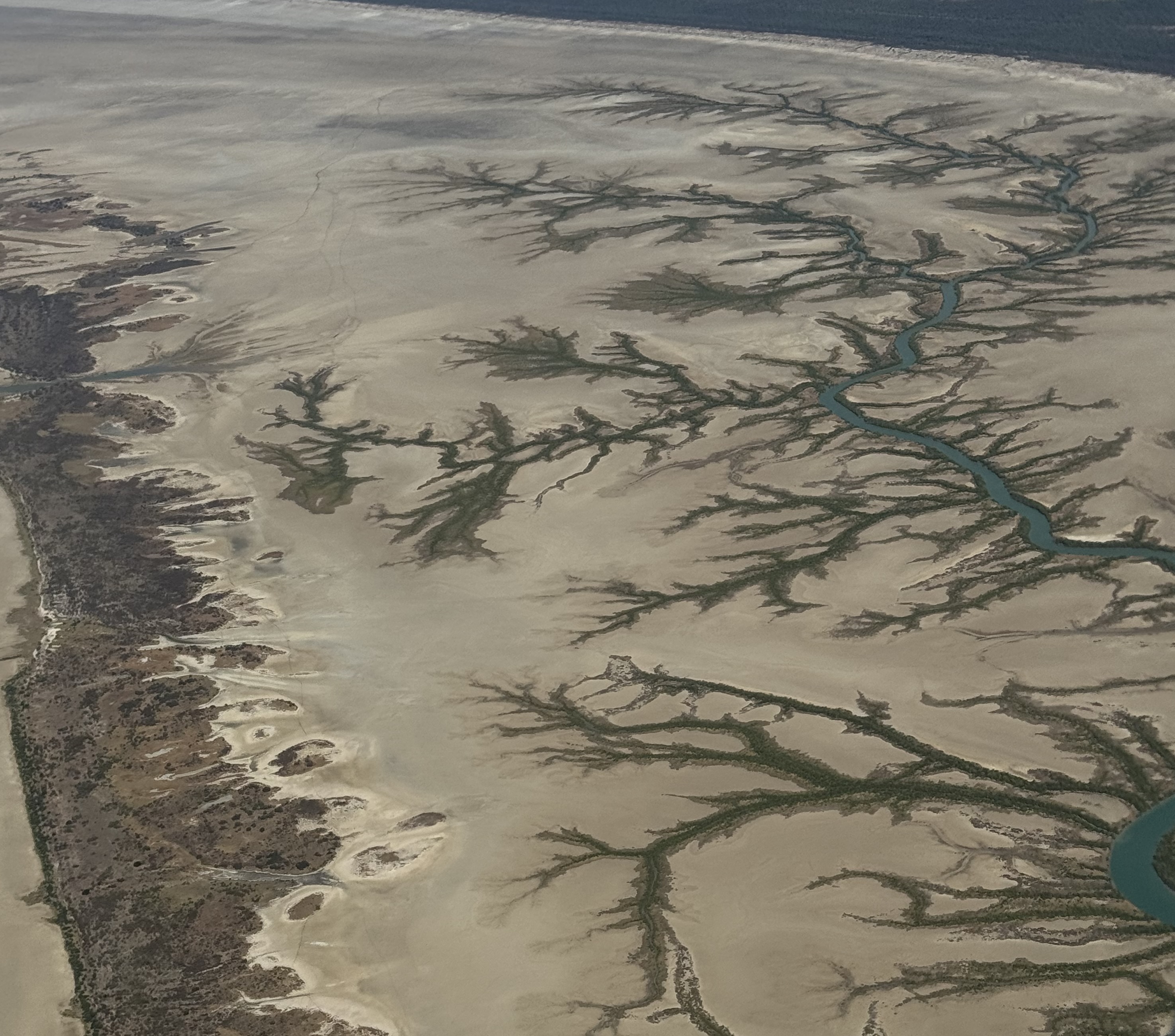
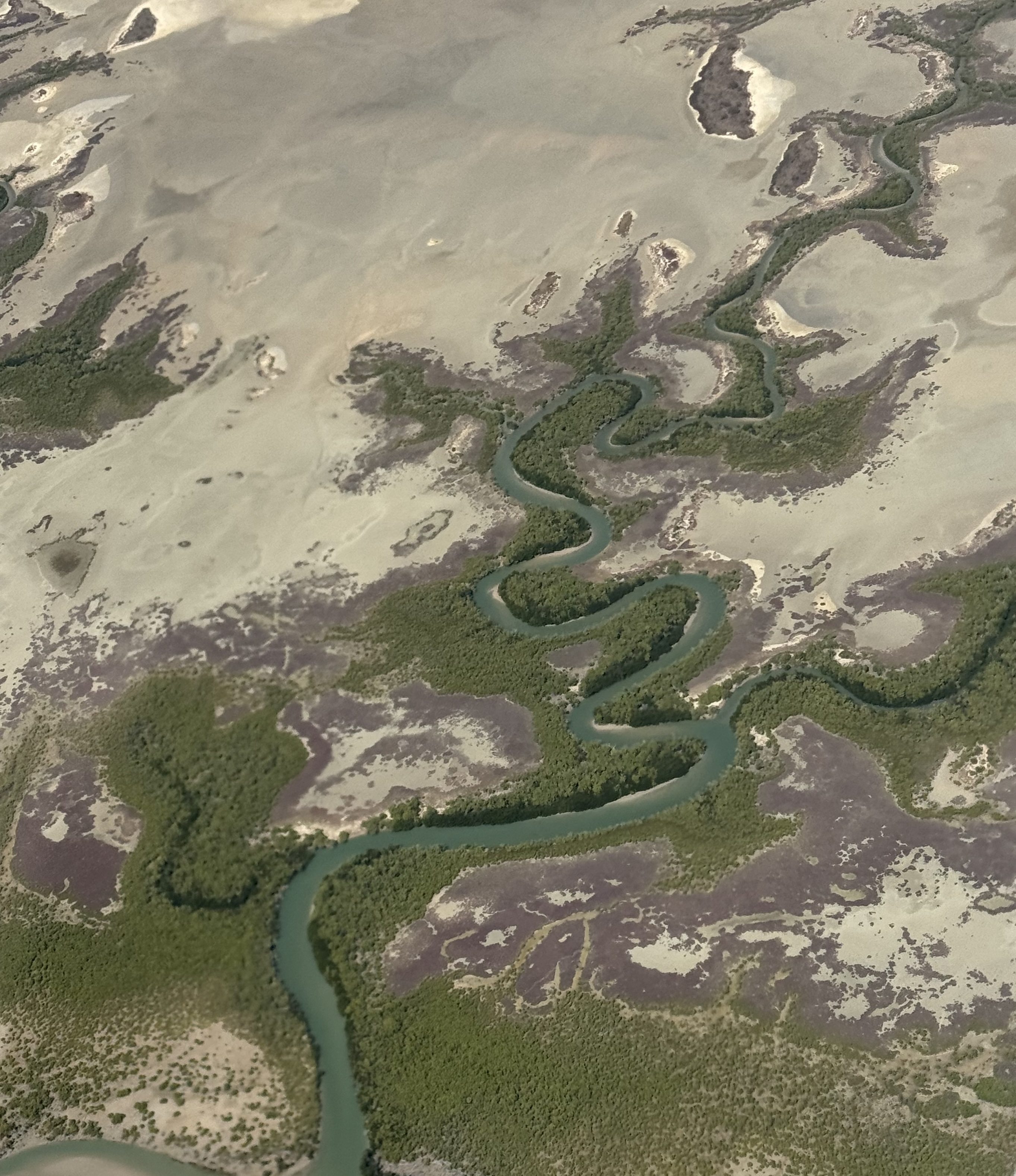
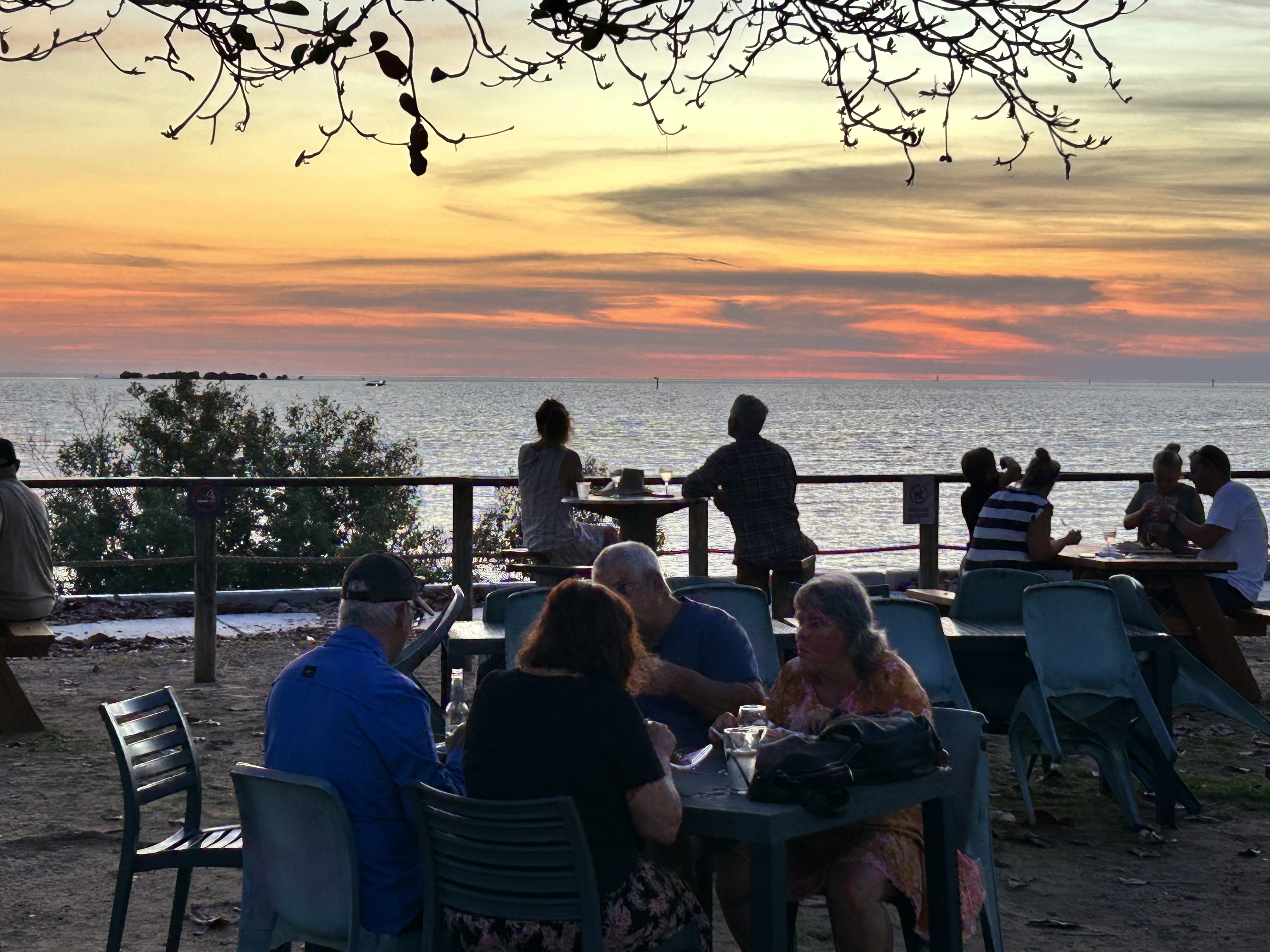
After about 2 hours in the air I made an RNP instrument approach into Burketown and we had a quick stop to stretch our legs before heading off to Karumba for the night. It was my second time in Karumba and the Karumba Sunset Tavern and Bistro next to the End of the Road Motel is a great spot to watch the sun go down.
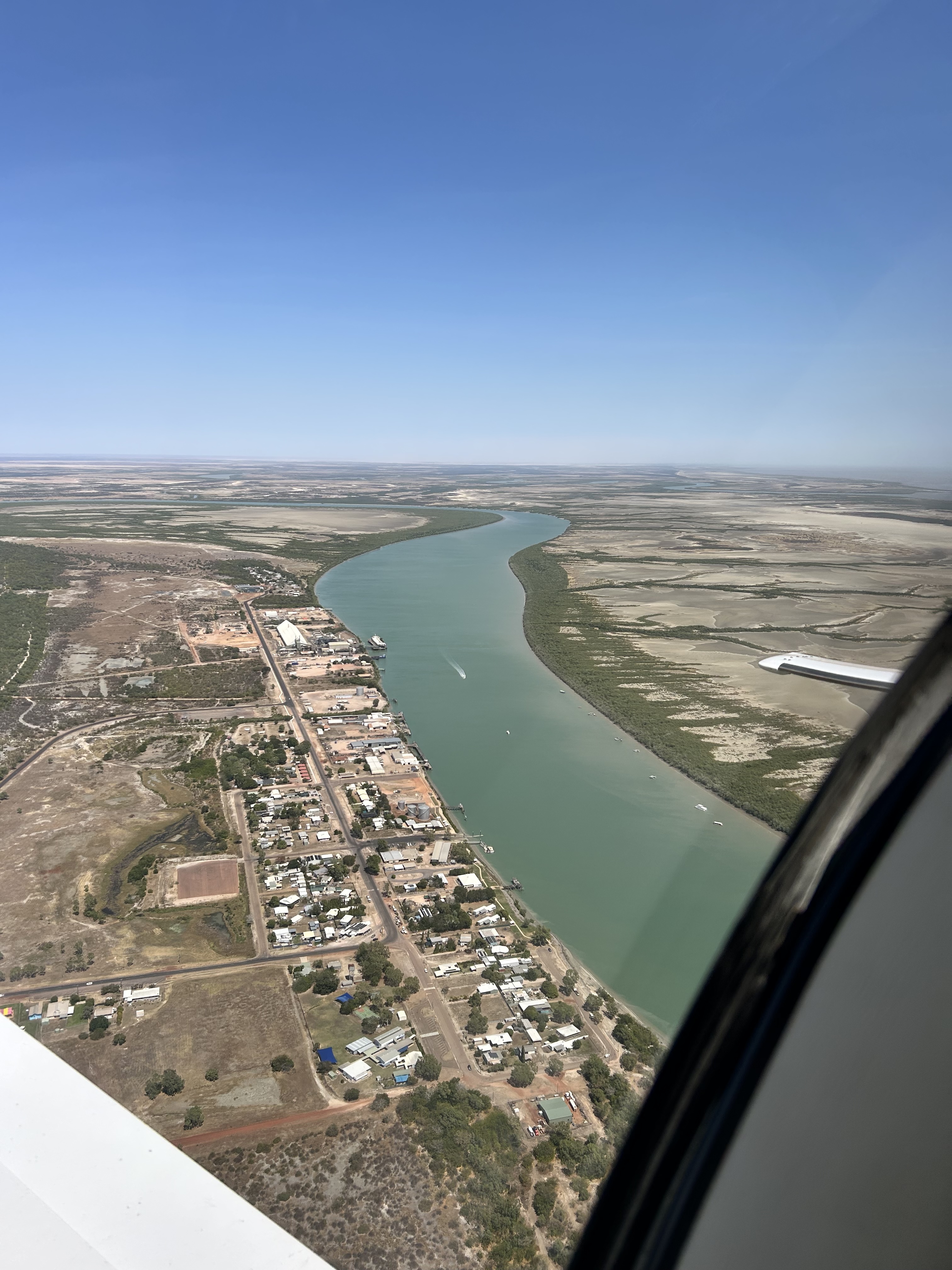
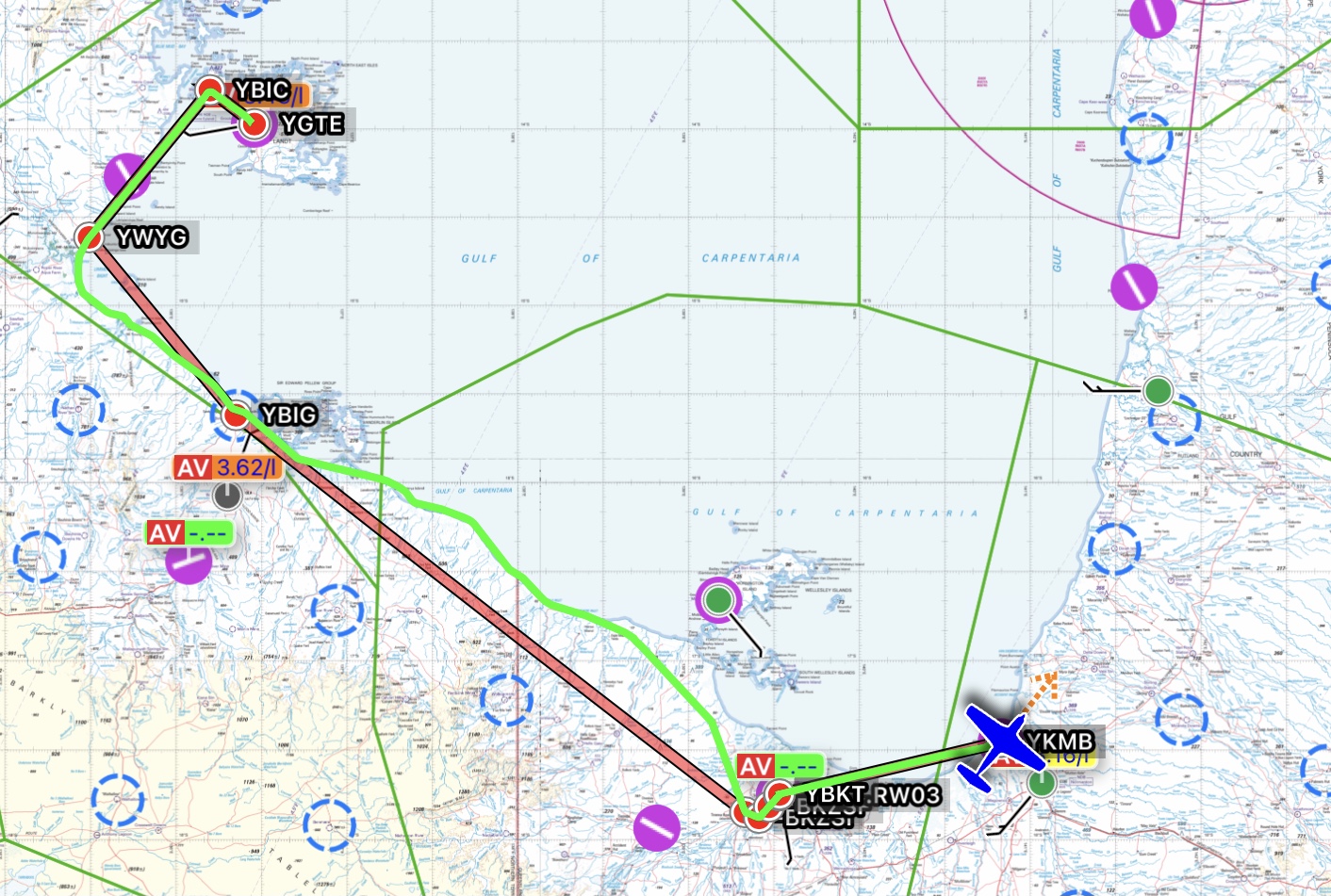
On Day 5 we headed south for Emerald, with Brett back in the left seat as PIC, stopping only at Hughenden for some avgas. It was a pretty mundane trip flying over the outback and reconfirmed to me that I’ve really had enough of outback flying and will in future focus on flying coastal.
On Day 6 it was a quick flight back to Redcliffe, made more interesting by a couple of practice RNP approaches, one at Theodore and another one at Gayndah, each time carrying out a missed approach. The country became more interesting the further south we went and soon we were back in the old stomping ground close to Brisbane. We touched down in Redcliffe and put MSF away until the next trip that was to be to Sydney, Wollongong and the Hunter Valley and promised to be a good one.
 PrivatierAir