In August 2025, after a weekend of Cirrus presentations, tours and events around Darwin as part of the biennial Cirrus Life event, Brett Silvester and I flew MSF from Darwin back home to Redcliffe. I replaced Mike Cahill who had flown up to Darwin in MSF but didn’t want to fly home in the Cirrus. So Sigi and I had flown up to Darwin with Qantas and I was to fly home with Brett, who had flown up to Darwin with Mike.
Preparing to leave Darwin
On Day 1 Sigi joined us for a shortish VFR hop from Darwin to Jabiru on the edge of Arnhem Land, leaving controlled airspace behind us and flying at 2000ft along the coast past the Adelaide River mouth, Mary River and South Alligator River before tracking inland along the East Alligator River to Oenpelli.
Adelaide RiverEast Alligator River
The country went from dry to bright green as we passed Oenpelli.
From there we followed the Arnhem Land escarpment.
Escarpment
Our aim was to reach Jim Jim Falls and Twin Falls that are supposed to be very impressive in the wet season but given that it was nearing the end of the “dry” there wasn’t much water in them.
Twin FallsJim Jim Gorge (with no waterfall)
From there we backtracked to Jabiru where we stayed for two nights. We overflew the now decommissioned Ranger uranium mine on the way in.
We thought we’d be quicker getting to Jabiru than Mike and other non-flyers who were driving by car however we were “off the blocks” not long after they left and they arrived just in time to pick us up from the airport in Jabiru. We did spend a lot of time taxying and waiting for departure at Darwin and doing detours to interesting places and of course refuelling. But the old saying came to mind – “time to spare? go by air!”
Screenshot
The next day we explored some indigenous cave art near the escarpment in the morning and late in the day headed out to Cahill’s Crossing, the entrance to Arnhem Land, and watched the man eating crocodiles waiting for a feed before driving over to Ubirr for some more cave art and a beautiful sunset.
On Day 3 Brett and I said goodbye to the others and flew up to the north coast over Arnhem Land and followed coast before cutting down to Groote Eylandt off the east coast. Brett did a practice RNP approach that took us right out to the eastern edge of the island before turning west again for a 10 nautical mile long final.
Long final into Groote
By chance Brett had met the owner of the company that manages the airport at Groote Eylandt at Cirrus Life so he’d kindly organised one of his guys to run us into town and pick us up the next morning. The lodge was very pleasant. Recommended.
Screenshot
On Day 4 I flew us IFR along the coast of the Gulf of Carpentaria. This picturesque part of the coastline is known for the multitude of meandering rivers that make their way over the gulf country and empty into the gulf itself. Home of salties galore, this was the coastline that Burke and Wills were making for on their tragic transcontinental trek. You learn something every day on these trips and on this leg Brett, who was radio operator for the day, demonstrated how to fly with a bit more flexibility while flying IFR. He wanted to take photos of the coast from 2500ft and not have to fly straight lines between waypoints as you usually do under the instrument flight rules. He asked to fly “coastal not above 6000ft” and ATC cleared us a block of airspace basically from surface to 6000ft and 20 nautical miles either side of our planned IFR track. There was no one within a couple of hundred miles so we didn’t even need a discrete code. It allowed us to follow the coast all the way from near Groote down to Burketown and Brett snapped all of the photos below as we went.
After about 2 hours in the air I made an RNP instrument approach into Burketown and we had a quick stop to stretch our legs before heading off to Karumba for the night. It was my second time in Karumba and the Karumba Sunset Tavern and Bistro next to the End of the Road Motel is a great spot to watch the sun go down.
Screenshot
On Day 5 we headed south for Emerald, with Brett back in the left seat as PIC, stopping only at Hughenden for some avgas. It was a pretty mundane trip flying over the outback and reconfirmed to me that I’ve really had enough of outback flying and will in future focus on flying coastal.
On Day 6 it was a quick flight back to Redcliffe, made more interesting by a couple of practice RNP approaches, one at Theodore and another one at Gayndah, each time carrying out a missed approach. The country became more interesting the further south we went and soon we were back in the old stomping ground close to Brisbane. We touched down in Redcliffe and put MSF away until the next trip that was to be to Sydney, Wollongong and the Hunter Valley and promised to be a good one.
Gold Coast – Forster/Wallis Island – NSW coast – Sydney Harbour – Victor 1 – HARS Museum – Blue Mountains – Hunter Valley
On the morning of Sunday 21st September 2025 I was dropped off at the General Aviation area at the Gold Coast International Airport. I was due to meet Mike Cahill and Brad Green there who were about to arrive from Redcliffe in VH-MSF, as I was to join them on the annual Redcliffe Aeroclub flyaway. We’d land on an island, fly along the beach past the RAAF base at Williamtown, do orbits at 1500ft over Sydney Harbour, fly the “Victor 1” VFR route at 500ft along the coast past Bondi and Coogi beaches, spend a whole day marvelling at the collection of historical aircraft at the HARS museum near Wollongong, fly past the Three Sisters in the Blue Mountains and have a day of wine tasting in the Hunter Valley. What a program!
Flyaway Route
Five other aircraft with 12 other club members and families/friends had departed the previous day for Wallis Island, a grass airstrip near Forster, north of Newcastle, and we were to meet up with them there. MSF landed and after a short discussion of our flight plan we climbed aboard and, with Mike as PIC, took off to the south.
Gold Coast apron
It was a perfect blue-sky day as we flew coastal at 2500ft so we had amazing views of the beaches and river mouths and inlets, heading first past Byron Bay for Ballina.
Richmond River at Ballina
A few minutes later we were passing Evans Head.
The Evans River flows into the sea at Evans Head
The RAAF bombing range south of Evans Head was inactive so we could continue to fly low along the beach and were soon were passing Yamba.
Clarence River mouth at Yamba
The beaches and river mouths were just stunning as we headed further south past Wooli.
Wooli Creek
At Red Rock we obtained a clearance from Coffs Tower to transit the Coffs Harbour controlled airspace and passed Woolgoolga.
Woolgoolga with blueberry fields on the hills behind
Bringing us to Coffs Harbour, where we had a great view of the town and airport as we passed.
Coffs Harbour with airport on the left
The spectacular views just continued with Nambucca Heads being next on the list.
Nambucca Heads
Further on we passed Port Macquarie and Diamond Head, one of the many picturesque headlands that jut out into the sea.
Diamond Head
There was virtually no wind and no clouds the whole way so we had amazing views of the coastline with its myriad lakes, rivers and inlets and just so many deserted beaches. We really are fortunate to have such a great coastline in New South Wales and Queensland.
After about 90 minutes of simply amazing views we descended into Wallis Island, where we were planning to park the plane overnight.
On approach into Wallis Island with Forster in the background
Landing on the smooth grass strip and were met by John Tkalec, the owner. John’s a builder/developer who lives in Cessnock in the Hunter Valley but is planning to develop the land on the island into a small resort/venue as a “retirement project”. He has a Beechcraft Bonanza that he flies between Cessnock and the island and has a small boat that he used to ferry us across to the Forster jetty. We checked in, explored the town centre and met up with the rest of our party surprise! surprise! at the local boutique brewery, later enjoying delicious Italian food at the Sicily Restaurant. A great start to the trip.
Screenshot
Monday 22nd September we watched the sun rise over breakfast at a Forster beachside café at 6am.
We met John at the town jetty at 7am for our 5 minute ferry transfer back to Wallis Island.
Once again, the weather gods were being kind and we had blue sky with minimal high-level cloud and not much wind. John delivered us to the airstrip and after preflighting the aircraft we we started the flight to Warnervale.
Wallis Island had commercial flights last century
Taking off we followed the coast to the south.
Departing Wallis Island
On this leg we flew past the Williamtown RAAF base so had to obtain a clearance to fly along the VFR route that begins at 2000ft at Sugarloaf Point. MSF was cleared to fly at 1500ft from Ana Bay to Nobbies Headland in Newcastle, that gave us a great view of the RAAF base and runway as we passed.
There was no obvious activity at the airport so I think the ATC were happy to have something to do and were very accommodating.
We flew along the wide Stockton Beach that led to the mouth of the Hunter River at Newcastle.
Leaving the RAAF’s controlled airspace we passed Newcastle.
Climbing to 2500ft we flew over Lake Macquarie Airport and the lake itself, touching down in Warnervale about 30 minutes after departing Wallis Island.
Short Finals Warnervale
Our stop in Warnervale was an opportunity to add some fuel for the next leg to Shellharbour near Wollongong and to chat with the instructors and students of the local aero club.
Waiting at Warnervale
We were planning to ask for a clearance for the Sydney Harbour Scenic, which allows light aircraft to fly at 1500ft over the harbour next to the Harbour Bridge and the Opera House. Whether you obtain a clearance is dependent on weather, the amount of traffic in the area, the direction that the Sydney International jets are departing, and the workload of the air traffic controllers, so the planets had to align for all six of our aircraft to be cleared. If the jets are taking off to the north some can pass low over the harbour as they turn to the east, so ATC rarely let you do a harbour scenic in that case. It’s best to attempt the flight when the wind is from the south and the jets are departing to the south. Paul Smeath, who had organised the flyaway, had been talking to ATC in the Sydney tower for a few days leading up to our visit and in a phone call early that morning they’d advised him that the wind would change from northerly to southerly around 11am so if we arrived after 12 noon the jets would most likely be taking off to the south and it would give us the best chance of a clearance.
So, we unpacked and tried on our life jackets (needed for low level flying over water) sat in the sun outside the aeroclub office and drank coffee and chatted and waited until 11:30 when Paul confirmed that ATC had indeed changed the runway direction. That was the signal for MSF as lead aircraft to start up and taxi out.
We’d agreed the order in which the others would fly and that we’d delay take-offs to provide about 15 minutes separation between each aircraft. That would allow each aircraft to vacate the Harbour Scenic route before the next one asked for a clearance.
Brisbane Water near Gosford
MSF took off at 11:45 and ten minutes later we passed over Brisbane Water and the mouth of the Hawkesbury River at Barrenjoey Head on our way to Long Reef where we’d ask for our clearance. Listening out on the Sydney ATIS we obtained the local QNH and then called up Sydney Tower for the clearance. They gave us a squawk code and then flicked us to Sydney Approach who almost immediately cleared us from Long Reef for Harbour Scenic 1. We’d done it!
Harbour Scenic Route
Tracking directly for the harbour bridge we passed over the Spit Bridge and were soon over Kirribilli and going into the first of two orbits. We had a spectacular view of the bridge, the opera house and the entire CBD.
Just as quickly as we’d arrived, we were heading back out to North Head where we requested a clearance to leave controlled airspace on descent at Manly and turned south, entering the Victor 1 South at 500 ft at North Head.
North Head with view to the CBD
Next came South Head and some amazing houses in Vaucluse that are perched on the edge of the very high cliffs.
Vaucluse
Just around the corner was Bondi Beach, then Coogee Beach and eventually Botany Bay, with the big jets taking off overhead.
Bondi
After leaving Victor 1 we could climb to 2500ft and had great views of the wilderness area that is the Royal National Park, Australia’s first national park, with its limestone cliffs and the Sea Cliff Bridge.
Seacliff Bridge
A few minutes later we were at Wollongong.
Wollongong
At Port Kembla we turned inland and headed for Shellharbour Airport, our final destination for the day.
Shellharbour Airport
On landing we were met by Steve, one of the volunteers from HARS (the Historical Aircraft Restoration Society), who turned out to be retired Cathay Pacific 747 captain, and introduced ourselves to the local ARO who told us where we could park on the apron in front of the HARS museum and its 747.
One by one the other five aircraft landed and after a meet and greet we noticed the wind was picking up and some gusts and showers were forecast so we decided to move the aircraft and park on the grass where we could tie them down.
A two-minute Uber ride delivered us to the Oaks Motor Inn just down the road where in the evening we celebrated the fact that all six of our planes had made it not just down Victor 1 but had also all been cleared for the Harbour Scenic 1. What an achievement!
We had a lazy start on Tuesday 23rd as the HARS museum tour wouldn’t commence until 10am. It was only a 20-minute walk from the motel to the museum that is located right next to the Shellharbour airport terminal.
The HARS Aviation Museum is an all-volunteer group of aviation professionals and enthusiasts. Many are active or retired aviation personnel, but all someone needs to volunteer is dedication and a love of aircraft and history. They don’t receive any government funding and rely mainly on entrance fees and donations to fund the operation of the museum and the aircraft.
The idea for the museum originated in the 1990s when volunteers took a derelict Lockheed Super Constellation (Connie) from the Davis Montham aircraft graveyard near Tucson Arizona and restored it from almost nothing to beautiful flying condition and flew it across the Pacific to Shellharbour.
In addition to the Constellation the collection includes a 747-400 that flew both the longest flight and the shortest flight for any 747. The longest was its non-stop delivery flight from London to Sydney and the shortest was when it flew from Sydney to Shellharbour for its inclusion in the museum. And there are many other aircraft as can be seen in the photographs.
When we arrived, we were met by Peter Smith, who’d arranged the day’s tour for us and had just arrived back from the USA where he’d been dismantling the Boeing 707 that John Travolta has “donated” to the museum. It’s a big job but they hope to have it back in Australia sometime next year.
Our party was split into two groups. Peter led one and Steve led the other. What followed was a full-blown tour of the whole collection of restored and operating aircraft.
Two hours in we broke for lunch at the airport terminal cafe and then continued at 1pm for another two hours. What a day!
That evening was a quieter affair as we discussed the different routes we’d take to Cessnock the next day. Some would fly via Katoomba in the Blue Mountains while others would fly via the Richmond RAAF base.
On Wednesday 24th the weather indicated winds of up to 40 knots over the Blue Mountains so we could expect to encounter turbulence and mountain waves if we were flying too low. So, I planned for 6500ft and we took off, climbing over Dapto to almost that level before heading west towards Mittagong.
Dapto
Turning north at Mittagong we flew over the Blue Mountains, with just a little bit of turbulence caused by the wind blowing over the peaks below us.
At Katoomba we tried, and failed, to spot the Three Sisters (but you may be able to spot them on the photo (thanks Sam). It was a bit bumpy but still a very scenic flight.
Katoomba
Tracking for Putty we continued over the Blue Mountains and were amazed at the extent of wilderness that is located so close to Sydney. The inhospitable country of the dividing range west of Sydney forms a real barrier and it became clear to us why it took the early explorers so many years to find a way through to the western plains.
Descending though the turbulence into Cessnock in the Hunter Valley we heard a bit of traffic that could have led to some conflicts but Mike was on the radios making sure that everyone else knew where we were and what our intentions were while we had some idea of what the other pilots were up to.
Screenshot
On approach there was a bit of turbulence and I decided to go around which was inconvenient given that there were already four other aircraft in the circuit or wanting to join it. But it is what it is and when you don’t like your approach/landing you just go around. The second approach was much smoother and we landed successfully. We’d made a booking at Peterson House Restaurant (thanks for the tip Len) about 20 minutes’ walk from the apron, and at 1pm we were sitting down to some glasses of local wine and what was undoubtedly the best meal I’d had in a long time.
Peterson House
At 3pm we were transported to the Rydges Hunter Valley Resort, just across the road from the airport, where we spent two nights. It was great accommodation, a bit more upmarket than the Oaks in Shellharbour with a massive pool with kids water play area, an “adults only” lap pool, its own brewery, golf course, spa, conference rooms, tennis and pickle ball courts.
Thursday was a chance to sample the Hunter Valley wines on a winery tour in a bus. It was a lovely day enjoying the views in the sunshine of the Hunter Valley.
Friday 26th September it was time to head for home so we checked out early and were taking off from Cessnock by 9am. This time I elected to go IFR at 7000ft but first had to obtain a clearance to fly through the Williamtown RAAF controlled airspace. So we tracked towards Scone for about 10 minutes after take-off until the clearance became available and then turned and flew direct to Kempsey.
On this leg Louise Hoey had joined us, as her pilot Garry had decided to part company with the rest of the company and head for Rylstone Airpark where he’d meet his brother. So, with an extra passenger we couldn’t load more than 180 litres of fuel due to the weight limitations and had to stop at Kempsey to top up the tanks. A practice RNP approach led us straight in on RWY04.
Mike flew the last leg from Kempsey to Redcliffe via Coffs Harbour to Ballina and Byron Bay.
Cape Byron
From there we flew over Pottsville and Tweed Heads.
A few minutes later we were over the Broadwater at the Gold Coast.
ATC cleared us to fly directly over the Brisbane CBD with view to the coast and Brisbane International Airport.
At 12 noon we touched down and put MSF away in the hangar. The end of another great flyaway.
On Thursday 1st August 2024, after two days flying in the mountains out of Denver and two days flying out of Milwaukee, I had my fifth day of flight training in the US. Brett Silvester and I flew an SR20 along the coast of California accompanied by an instructor. We’d scheduled a one-day stopover in LA on our way back to Brisbane and, given how easy it’d been to arrange a flight with Pilotsmith at Milwaukee the previous week, we decided to attempt something similar in LA. At first, I’d thought of arranging a flight in a High Wing Sling, as I’d been impressed with the one I’d seen in Oshkosh, and they have a training school in LA. However, there wouldn’t be a high wing available that week, and Brett was keen to fly a Cirrus again, so I hunted around on the internet for a Cirrus flight school instead. I found Calair, who are based at Hawthorne airport, only about 10 minutes by taxi from LAX and when I emailed them they said there’d be no problem arranging a flight with an instructor that day. So we were set.
Brett and I stayed overnight in a hotel in Hawthorne and turned up at 9am for our flight with Dana, a young, keen as mustard instructor, who was only too keen to let us take her for a flight up the coast. As with the other instructors in the US, we’d let Dana do the radios and we’d focus on flying the plane. We discussed our options for a flight plan and agreed to fly up the coast past Santa Monica, Malibu and Santa Barbara to San Luis Obispo.
Flight route taken
It was a fine day with blue skies as we taxied out to the runway, which is in the middle of suburbia, jammed between a road and a line of office buildings and warehouses.
Hawthorne runway left with LAX in the distance on the top right
I flew the outbound leg, Dana instructing me to climb out of Hawthorne Airport and turn left, heading south west until we reached 4500ft. Once at that altitude we were above the controlled airspace over LAX so could turn and head north, passing right over the top of it.
Unfortunately, the coast and most of LAX were covered in sea fog so we didn’t get much of a view of the activity on the ground there.
Santa Monica
The fog continued up the coast further on, blanketing Santa Monica and Malibu so they were almost invisible but we had great views of the Malibu hills. We also glimpsed some islands off in the distance poking out of the clouds.
Further out the fog burned off so we had great views of Ventura and Santa Barbara.
It took us about one hour until we started our descent into San Luis Obispa.
We pulled up on the apron and wandered past a few slightly larger planes on our way to the impressive FBO.
After checking out the FBO facilities I climbed into the back seat and Brett climbed into the front for the return flight. The fog had cleared by that time so we had good views, for example of Santa Maria below.
Santa Maria
Dana asked whether we’d like to fly past downtown LA so we did so, at 1500ft, before passing under the jets approaching into LAX and landing back at Hawthorne.
You can just make out the Hollywood sign on the hills in the distance
Hamburgers at the airport bar with a view of landing aircraft were followed by a short walk down the street to SpaceX, who apparently launch their rockets not far from San Luis Obispo, before we caught an Uber to the BIG airport. Our US adventure was over.
I’ve loved the Alps ever since my first visit to Europe in 1978. The mountain scenery is just spectacular and the villages dotted around make it look like something directly out of a story book. It’s a tourist’s paradise. Of course, the best way to see the mountains is from up high, either by hiking up them ….. or flying. I remember many a flight in a commercial jet high up over the alps, looking down and wondering what it’d be like to fly at low level amongst them. Ever since my friend Peter Hastings went gliding in Austria some years ago, I’ve pondered how I could arrange my own light aircraft flight in the Alps.
If you want to fly in another country you can usually have your Australian licence converted to a local one by doing a theory test and a few hours of flying with a local instructor but I’ve grown to like the idea of simply flying “dual” with a local instructor or safety pilot. First, it avoids the paperwork and cost of transferring my Australian licence to a local one. Second, the local pilot can act as “tour guide”, pointing out places of interest to fly to while transferring their knowledge of the local area. Third, they can look after the radio communications, that differ slightly in each country, leaving me free to fly the plane and enjoy the scenery.
In addition, for a challenge like mountain flying you really need some training in the special procedures and dangers of flying in the mountains and valleys. So for my first experience in the mountains in 2023 I did an actual three day mountain flying course in the New Zealand Alps and learned the basics of what to do and what not to do when flying in the mountains. That story is here: https://privatierair.com/2023/04/01/mountain-flying-in-new-zealand/
In 2023, encouraged by my friend Hans “Septimus” Geitner, I also arranged a couple of flights with a flight instructor in northern Germany along the Baltic Sea coast. I didn’t need any particular training for that. The instructor merely acted as a “safety pilot”, sitting in the right hand seat while I flew the plane. If you’re interested in that story here’s a link: https://privatierair.com/2023/08/21/a-scenic-flight-along-the-baltic-coast/
Then in 2024 I did a couple of days of mountain flying with a flight instructor in the US Rockies out of Denver that further impressed on me the spectacular views when flying around the mountains and improved my skills in landing and taking off on short runways at altitude, while also highlighting how dangerous the mountains can be if you don’t know what you’re doing. Refer to: https://privatierair.com/2025/01/18/mountain-flying-in-the-us-rockies/
So, when Sigi and I planned a visit to Bavaria in June 2025 I thought I’d try to arrange a day or two of mountain flying in the Alps. It would be early summer so there’d be long days and reasonably good chance of fine weather, albeit with a high risk of afternoon thunderstorms. I reasoned that if I allowed three days I should be able to fly on at least one day and probably two, weather dependent.
First, I contacted a flight school in the Algau region of southern Bavaria but they weren’t too helpful or interested. I had more luck with Michael Hochenrieder, who works at the AirLink Flight School in Salzburg, just over the border in Austria. Although Salzburg is a major airport with international flights it’s not too busy and the Alps are literally right there on the doorstep so there’d be no flight time required to transit to them, so was an ideal place to be based for a few days. AirLink have a few Cirrus aircraft in addition to a Cessna and Piper. Michael is an “EASA & FAA Flight Instructor (Airplane + Helicopter), an EASA Flight Examiner and Platinum CSIP” There’s a variety of mountain flying training info on the Cirrus Training website including a couple of articles on mountain flying published by Michael.
It turned out that Michael and the other Cirrus instructors weren’t available in the last week of June but a Cessna 172 was, along with alternative instructors. Michael put me in contact with David Bekhit, who has a background as an aviation mechanic (LAME). He was available on the Thursday morning and all day Saturday. David put me in contact with Thomas, who was available on Thursday afternoon, and also onto Reinhard, who was available on the Friday. Thomas was originally a musician in the Austrian military band until he became a pilot and now flies corporate jets for Porsche out of Salzburg. Reinhard was a sound engineer with the Austrian equivalent of ABC radio, who learned to fly when he was 18 and since retiring from the “Rundfunk” is the chief flight instructor with a local aero club. He freelances for AirLink when they need additional pilots. So, with these three interesting guys I thought I may be able to fly on three separate days in various directions out of Salzburg. I just had to agree with them where we’d go and when.
I drove the three and a half hours down from Sigi’s sister’s place near Amberg on the Wednesday afternoon so we could get an early start on Thursday. The weather forecast for Thursday was for a clear morning but a gradual build-up of cloud in the afternoon followed by thunderstorms from about 3pm on. So, we wanted to get going sooner rather than later.
I’d booked into a family BNB “Gasthof” in a village just over the border in Germany, about 20 minutes drive from the airport. It was a very comfortable and reasonably priced place to stay for a few nights.
Gasthof Gumping in Ainring
The village was set amongst farms with views to the mountains.
I arrived at the airport at about 7:30 on Thursday morning and David led me through their hangar full of a variety of propeller and jet aircraft. He had already fuelled and preflighted OE-KAL, a 2005 Cessna 172SP with a mix of gauges and electronic displays, that was fitted out for IFR and had a nice autopilot that would make taking photos while flying much easier.
David pointed out that, although the plane was IFR rated, if we were confronted by cloud we probably wouldn’t be able to switch to IFR because radio contact with the Vienna Central air traffic control is limited. The mountains shield the radio reception unless you’re flying really high. So therefore, you have to plan to fly VFR in a way that you don’t get caught out by cloud or weather. Up to date weather reports, personal observations and experience in the mountains are therefore essential to fly safely.
Although the aviation radio communication all over Europe is in English they do use some slightly different terminology so, as we did during my flights in New Zealand and the US, we agreed that David would look after the radios while I flew the plane. Another advantage of having a local sitting next to you in a foreign environment.
David introduced me to the Austrian flight planning website that they use to check weather, submit flight plans etc.
After discussing the weather forecast and a few flight options, we decided to fly to Mauterndorf, Austria’s highest elevation airfield. Surprisingly, it’s only 3642ft MSL, so not much higher than Armadale in New South Wales. I suppose the mountains are so steep in Austria there aren’t many level fields where you could construct any airfields higher up. It’s very different topography from that in the US Rockies where the mountains aren’t so steep and there are plenty of high altitude plateaus that allow you to land at up to 10,000ft MSL.
Thursday morning’s flight route
We taxied out to RWY15 did our runups, were cleared to enter and lined up.
Taking off to the south we climbed over Hallein, following the Salzach River as it wound its way through the spectacular mountain scenery.
Making our way over a couple of passes and along various valley our 30-minute flight to Mauterndorf took us via Obertauern, a ski field that each year has the longest ski season of anywhere in Austria. It was the location of ski scenes filmed for the Beatles film “Help” back in the 1960s and was the scene of a rather embarrassing collision (not on the ski slopes but on the dance floor) between Sigi and me soon after we first met that led to a late night emergency trip down the mountain to the casualty department of the local hospital. But I digress…
Descending into Mauterndorf we had to do a very wide left hand circuit around an inconveniently located mountain to land. Coming around the corner the grass runway appeared in the distance and we floated down a rather long final for a soft landing.
I originally had wanted to do a touch and go but it wasn’t possible. First of all because it’s a one-way airstrip. You land from the east and take off to the east, due to close proximity of mountains to the west. Another reason why a touch and go wasn’t possible was because I had to pay the landing fee. You see in Austria, as in Germany, all the airfields have to be manned by a radio operator who provides information on weather, wind, the status of the airstrip etc and collects the landing fee. He may also sell you a cup of coffee if you’re lucky. In this case the guy was from Frankfurt and his summer job was working as the radio operator at the airfield. With only about 20 aircraft a day on a busy day it was a pretty cruisy job and he wasn’t complaining. He did have to mow the grass airstrip at least three times per week through the summer though.
He was very chatty and was a bit concerned whether we’d calculated our take off distance correctly because there’d been a few aircraft that had flown in but couldn’t fly out again with the passengers they brought due to the altitude and weight limitations. Some passengers had to return to where they came from by train! We assured him that we’d done our calculations and the 172 would get us off the ground before we reached the end of the runway. Nevertheless, he advised us to get a bit of a run up and not stop at the end of our backtrack but to continue to roll around to the threshold so we’d need less runway distance to take off.
By taking his advice and also using the “soft field” technique, remaining in ground effect until we had enough speed to climb, we were well above the ground by the time the 820-metre-long runway disappeared behind us.
We were off to Gmunden, where the airfield has a 500-metre-long runway, located on the northern edge of the mountains. On the way we passed numerous scenic spots like the Dachstein mountain, Hallstaettersee and Wolfgangsee.
Dachstein MountainHallstätter SeeWolfgangsee
On final approach into Gmunden we had to approach at an angle and fly over some houses and trees on short final, making it a bit more challenging than your average landing. A bit like at Shute Harbour in the Whitsunday Islands but, at only 500 metres, a much shorter runway.
This airfield also had an operator in the control tower who happily took my landing fee and told us about two motorised gliders of Australians who visited recently on their way from England to Ukraine as part of a fund-raising exercise. He was definitely a local Austrian as I couldn’t understand what he was saying to David and he had to switch to “Hochdeutsch” to explain things to me.
Payment made, we climbed back into KAL and headed back to Salzburg, passing the Schafberg mountain on the way. This mountain has a large hotel/pub at the top, perched on the edge of a precipice.
If you’re energetic you can hike there from the valley below or if you’re not so energetic you can take a funicular railway. Once at the top you can enjoy lunch with a magnificent view of the surrounding mountains and valleys. And you can stay overnight if you want to enjoy the sunset and sunrise from the mountain top. We flew an orbit around the hotel and waved to the people lined up along the viewing platform.
From Schafberg it was only about 10 minutes back to Salzburg where we were instructed by the air traffic controller to do a “scenic circuit”, joining right downwind for RWY33 on the eastern side of the downtown area providing us with an excellent view of the old town and the fortress on the hill.
Back on the ground David handed me over to Thomas, who would take me on the afternoon flight.
Originally, we’d planned to fly to Innsbruck in the afternoon but the time had got away and the forecast thunderstorms were getting closer so we decided we’d better head off straightaway and only fly as far as Zell am See, about 20 minutes to the south west.
This was another very scenic flight, taking off to the north from RWY33 before turning to the south to pass over Hallein as in the morning.
Thursday afternoon flight route
In this case though we turned right towards Saalfelden via a variety of valleys. We turned left at Saalfelden and passed over the Zeller Lake from the north at 4000ft to avoid outbound traffic that should be at 3500ft. Thomas instructed me how to fly the correct approach descending from the middle of the lake. We passed low along the edge of the mountain so that we could almost touch the cattle grazing in the meadows below.
Thomas checks the weather on the ground at Zell am See while storm clouds gather on the horizon
We had planned to stop for a cup of coffee but as we walked around the aircraft, we felt a few drops rain and the sky looked suspiciously stormy to the west. The bad weather was approaching. So, we cut short the visit and were soon climbing out over the Zeller Lake to the north.
Climbing out of Zell am See airport
For the next part of the flight Thomas had arranged a “low level” valley traverse, simulating what we’d need to do if there were low cloud and we had to fly back to Salzburg via the Saalach Valley. Due to the topography and the fact that it’s often cloudy in the Alps there are “GAFOR” maps showing the weather conditions expected for the next 6 hours along all the main VFR valley routes in the country. This is a special requirement for such alpine regions, where VFR routing between mountains higher than the physical performance of pilots (oxygen) or the aircraft are common. A “reference altitude” is nominated for each valley and as long as you remain above that altitude, the valley should be wide enough to turn around for its entire length (as long as you’re flying slowly enough and on one side and not down the middle). You also need to ensure the cloud base is sufficiently high above the reference altitude that you avoid flying into cloud. Depending on the height of the cloud base and the visibility each valley is classified as open, difficult, marginal or closed in real time for each 2 hour period in the coming 6 hours. This takes a lot of guesswork out of whether to fly a particular route or not on a particular day. On that day the Saalach Valley was rated “open” so we had no trouble flying through it to the other end.
GAFOR Austria Map
Thomas demonstrated how to fly along the edge of a valley. The idea is to fly as close as possible to one of the valley walls. If you fly close to the “outer” side of the valley in each bend you have the best possible view around the corner each time. So if the bend is to the right, you fly on the left side and vice versa. This technique gives you the best chance to see whether any aircraft are approaching from the opposite direction, as well as any cloud that could be blocking your way forward.
As we flew around each bend I switched to the other side of the valley to see around the next bend. In a situation of low cloud you’d know if the valley ahead was blocked by cloud and that you’d have to do a 180 turn and head back the way you came. Of course, this was just an exercise that Thomas demonstrates with all his students as part of their mountain flying training. In our case the cloud base was well above the 3500ft MSL that we were flying but it showed me how you’d act in situation with lower cloud.
Flying along the wall of the Saalach Valley
As the valley opened up at the far end, we crossed the border into Germany and, after skirting around the edge of a German military training area, we were back in the open. Crossing back into Austria we joined downwind on the western side of the airport for another landing in Salzburg, this time via the right circuit for RWY15.
Not long after we landed the first drops of rain fell and a half hour later there was the first clap of thunder. We’d made the right decision to only fly to Zell am See and not to wait too long before heading back. Today’s takeaway: get out early in the day and read the up to date forecasts and the sky. The weather can change quickly in the mountains.
I left Thomas and drove over to Hangar 7, the Red Bull aviation museum, located on the other side of the airport. It’s an impressive piece of architecture. I had a good look around while heavy rain fell outside and thunder claps reverberated around the building. It has a great collection of aircraft, cars and motorbikes. It also has a very swish bar and restaurant but they were both booked out for private functions so I wasn’t able to have a drink to celebrate the day’s flying threre.
Hangar 7 interiorHangar 7 on the right, viewed from the circuit
On my way back to the BNB I did manage to find a pub (Gasthaus) located just next to the border. It was called the “Customs House” and had a lovely beer garden but since the rain had started I had to settle into the very cosy restaurant for a beer and dinner.
On Thursday the weather report for Friday had indicated it would fine up in the afternoon but by the time I woke up on Friday morning it had changed, with showers forecast in the late afternoon, so I sent a WhatsApp message to Reinhard and we agreed to meet at 11am rather than 1pm. As we hadn’t made it to Innsbruck on Day 1 we made a plan to fly there and return via St Johann in Tirol where we could land and have a coffee.
Friday’s flight route
I preflighted the plane and watched it being refuelled from a truck while Reinhard finalised the flight plan. I was surprised when a guy came over and started to clean the windscreen. That’s normally a job that I have to do but here was a guy who was paid to do it. And then he started to clean the bugs off the leading edges of the wings and mumbling about how he really needed more time to do the job properly and apologising for not being there earlier. What service!
Taking off we first crossed the border into Germany and passed over Bad Reichenhall before crossing the border back into Austria and heading towards St Johann for a bird’s eye view of where we’d land later.
St Johann airport
More amazing mountain scenery appeared as we entered the Inn River valley at Woergl and following it upstream to Innsbruck.
Approaching Innsbruck we had to hug the mountain slopes on the southern side of the valley so that we’d stay clear of any IFR aircraft approaching us from behind for a straight in landing to the west.
Approaching Innsbruck
We were to land into wind from the west so we had to join right downwind for RWY08 and fly past the city on the way. A Eurowings jet was taxiing out, so we continued a long downwind until he’d taxied out, back tracked and turned ready for take-off.
View towards Brenner Pass and Europa Bridge
Then we obtained our clearance to turn base and then had a long final, landing early to avoid “wake turbulence” from the departing jet, and therefore had an equally long taxi to the far taxi way. But there were no other planes around so it didn’t matter. A “follow me” van appeared and we followed it to the apron. A man with bats waved us into our parking position. That was a first for me!
After a quick briefing for our next leg, we took off to the east, making a right turn just after take-off to avoid downtown Innsbruck, and passed over the Olympic ski jump and then turned left to track east. Flying alongside the mountain on the southern side of the valley, we climbed to 7000 ft so we could fly over a pass into the Zillertal (valley). The valley took us to the east, with views to the Gross Venediger mountain and the main ridgeline of the Alps and some glaciers to the south. The mountain tops were hidden in the clouds.
Just west of Mittersil we turned north and were soon passing over Kitzbuehl, famous for its annual downhill skiing championships, and descending into the circuit for St Johann. Following a motorised glider in we extended downwind to give him time to land and vacate the runway.
On the ground we walked over to the terminal building and I paid the landing fee then had a coffee with Reinhard in their very pleasant outdoor café. The restaurants and cafés are done very well at German and Austrian airports. Much simpler than in the US but a very enjoyable place for pilots, passengers and plane spotters to sit and enjoy the comings and goings.
As we taxied out again the motorised glider was taking off in front of us, so when we took off I kept a close eye on it to ensure we didn’t get too close. It was also heading in the same direction and seemed to be flying/climbing at the same speed as we were. Those motorised gliders are pretty fast. Our route took us past the famous Watzmann mountain on the German/Austrian border and then past the Kehlsteinhaus aka Hitler’s “Eagles Nest” and Berchtesgaden before descending back into Salzburg.
As we approached Salzburg the air traffic controller directed us to fly a “tight right base” for RWY15 and get a move on as a jet was on approach and would land soon after us. So, we cut the corner and dived in and were soon on the ground. Reinhard told me to “add some gas” as we taxied along the runway to the first exit. Leaving the runway we turned and saw the jet about 100 feet above the ground just about to touch down where we had been about 30 seconds before. That’s the closest I’ve come to forcing a jet to do a go around. In hindsight maybe the controller should have told us to do a long downwind so the jet could land in front of us. But it worked out ok.
A team arrived to put the plane away while we went upstairs to do the paperwork and the first few drops of rain began to fall. It was good timing once again.
David turned up while we were in the office and, although I hadn’t expected to be able to fly on all three days it looked like we may be able to even fly on the Saturday as well, so I arranged to meet him at 11am. He was a bit concerned about the weather forecast, so we agreed to WhatsApp at 8 in the morning to finalise our plans.
I drove back across the border to Ainring and found another pub in the village that had a great beer garden where I could enjoy a schnitzel and a glass of local wine.
On Saturday morning I woke to an overcast sky but the TAF for Salzburg indicated that the cloud would clear by midday so David and I agreed to meet at 11, make a plan and get away about 12. David asked whether his friend Mary could come with us for the ride so of course I agreed. Why not have someone else enjoy the flight?
When I arrived at the airport it turned out that Mary also has a private pilot licence and had obtained her licence at the same time as David but only flies as a hobby. She hadn’t flown much so far but was keen to fly as often as money allowed. A gratis flight as passenger was just perfect for her. She’d sit in the back and take photos.
First, I suggested flying to St Johann again but Mary said that they close the control tower for lunch so we could fly in but would have to wait until 1:30 when they opened again to pay our landing fee and fly out. That timing wouldn’t work so we agreed to fly to Zell am See, and have a coffee and something to eat there. We’d assess the cloud as we went and decide exactly what route we’d take. On the way, I wanted to fly over Lake Koenigsee and try to see the Kehlsteinhaus from the other side.
Saturday flight route
This time we took off to the north, turned left and tracked downwind and on further to Hallein. A that point we headed west into one of the first valleys towards Berchtesgaden.
RPT apron left and GA apron on the right from downwind
Lake Koenigsee (King’s Lake), at 190 metres deep, is one of the deepest lakes in the alps with sheer cliff sides that apparently plunge far under the water’s surface. There were legends of Nazi treasures dropped in the lake at the end of WW2 but as far as I’m aware none has been found to date. In 1997 they did discover a Volkswagen Beetle at the bottom however, complete with driver. Apparently one wintry night in 1968 the unfortunate driver drove his Beetle off the frozen surface of the lake into the water and drowned.
The scenery was quite spectacular, with the clouds hanging around the tops of the mountains that surround the lake making the landscape look a bit surreal. We flew to the far end of the lake and did a 180 degree turn allowing us really great views of the lake and the mountains.
On the way out of the valley we spotted the Kehlsteinhaus up on top of the mountain way above us.
Out in the main valley again we continued south and over another pass before tracking west towards Zell. On Thursday afternoon we’d approached from the north so this was a different approach but I already knew the pattern to fly to join downwind. We flew over the lake again and hugged the side of the mountain, passing only a couple of hundred feet above some farm houses and were almost able to say hello to the cattle grazing peacefully in the meadow beside us.
Turning base early enough to avoid two paragliders we continued our turn onto final for a smooth touch down.
This time we had time to visit the restaurant and pay the landing fee. Mary kindly paid the landing fee for me as a thank you for taking her along. And David shouted us coffee and cake while we sat outside on the patio with a view over the apron. A top spot. A Beechcraft Bonanza flew in and out a few times taking tourists for scenic flights. Zell am See is a very popular destination for private pilots so the apron and restaurant can sometime be overrun on weekends but it wasn’t a problem for us. Probably the amount of cloud had kept the fine weather aviators away.
After about 45 minutes we headed out to the plane again and took off to the east then turned to the north and flew over the lake again.
We retraced our route from Thursday afternoon, flying along the Saalach Valley at 3500ft until we popped out at Bad Reichenhall.
Then it was a short flight to join the left base for RWY 31 at Salzburg. This time it was a “firm” landing and we taxied back to the hangar. David told me that if I go back he’d sign me off for my European licence conversion. Meanwhile I assured him that I’d happily be his safety pilot if he comes out to Australia for a visit sometime.
After completing the paperwork and taking my leave from Mary and David it was time to jump in the car and drive the three and a half hours back to Amberg.
It’d been an amazing three days of flying and had way surpassed my greatest expectations. I can’t recommend AirLink too highly as a flying school to visit if you want to do any mountain flying in Austria. I’d been to Salzburg and Austria quite a number of times before so wasn’t interested in the normal tourist things there but if you haven’t you could combine some mountain flying with a visit to one of Europe’s loveliest cities too. And the surrounding country is great to explore on the ground as well if you haven’t done so already.
Finally, if you’ve made it this far you are either really keen on flying in the mountains or just super interested in what it’s like to fly there. You can learn a lot more from a mountain flying instructor like those I’ve had the pleasure to fly with in New Zealand, the US and Austria. Meanwhile, to get a taste of what’s important take a look at a couple of excellent online presentations Michael Hochenrieder presented for the Cirrus Owners and Pilots Association (COPA) in April and May 2021. The first is about VFR flying in the mountains and the second is about IFR mountain flying.
The VFR presentation relates to a fatality near Innsbruck while the IFR one relates to one at Zell am See. My experience in the mountains so far has only been under the VFR. IFR flying in the mountains is a different thing altogether as you’ll see in that presentation. I’m not sure I’d want to do it (you wouldn’t get any views of the mountains for a start) but some people need to do it for business or other reasons. It requires a different or extra set of skills that are addressed in the IFR presentation. Things like ensuring your aircraft has sufficient climbing ability for the given set of circumstances. I recommend you have a look at both presentations.
To add a bit of spice to our week at Oshkosh AirVenture 2024, Brett Sylvester and I managed to arrange a flight from Milwaukee to visit the factory where Cirrus aircraft are built in Duluth, just over the border from Wisconsin in Minnesota. It was an “out of the blue” opportunity that started with us talking to the Cirrus reps at Oshkosh. Initially they said they didn’t organise visits to the factory in the AirVenture week because they’d be overrun with requests but after a bit more poking we were accepted for a visit on the Wednesday, so midweek of AirVenture. The next challenge was to arrange someone to fly us there. Luckily we ran into Ben Retzlaff from Pilotsmith who we’d hired for our flight to Chicago and Green Bay the previous week. He was spending a day at AirVenture and after some arm twisting his manager gave approval for him to accompany us from Timmerman Airport at Milwaukee out to Duluth in the SR20.
It was about a 90 minute drive to Timmerman from our AirBNB north of Oshkosh and was overcast when we arrived. Not as good as the day we’d flown the previous week.
However it gave us the chance to see how IFR works in the US. Taking off at 9:30 I flew us IFR with Ben taking charge of the radios as he’d done the previous week so I could focus on flying the plane.
The clouds gradually cleared so we could see something of the ground below.
It was partly IMC abeam Oshkosh, where between the clouds we could see numerous planes flying in for AirVenture. It was quite a procession!
Our midway stop was Taylor County where they had a very friendly caretaker but a somewhat less salubrious FBO. We made his day by being the first Australians he’d ever met!
Brett flew us to Duluth mostly in IMC and flew the ILS into the more than 3000 metre long runway (it’s a military base). The factory is adjacent to the GA apron so very handy to visit and for them to delivery planes to customers.
We learned quite a bit about the manufacturing process at the factory tour before heading to lunch at a nearby grill bar.
Climbing back into the Cirrus we had a bit of a wait for traffic to land and take off.
I flew us over miles and miles of forest, lakes and pasture in clear skies to Marshfield for another switch.
After a short break we took off again and Brett flew us back to Milwaukee.
Departing Marshfield
There wasn’t a lot happening at Timmerman and was dead calm so the tower guy told Ben we could land which ever direction we wanted to so we’d have the shortest possible taxi to the hanger. How kind.
Turning base for RWY 04L
After parking the plane and collecting our things we bid a final farewell to Ben and climbed into the car for the one hour drive back to Oshkosh for the Wednesday evening airshow.
Brett Sylvester and I arrived in Wisconsin a couple of days prior to the 2024 EAA AirVenture and wanted to go flying. Specifically I wanted to fly along the shore of Lake Michigan past the Chicago skyline and up along the shoreline to Green Bay and maybe even over the top of Oshkosh itself. We didn’t have the time or inclination to obtain a US licence so decided we’d look for a local instructor who could accompany us. So we could fly under his watchful eye while he could sit back and enjoy the ride.
I contacted a couple of flight schools in and around Chicago in the months leading up to AirVenture and was keen on flying in a Cirrus. I received a positive response from Pilotsmith, a company that fly Cirrus and that’s based in Green Lake north of Oshkosh but has a second based at Timmermann Airport in the north of Milwaukee. That would be easy to access on our way into Oshkosh so I signed up for a day with one of their instructors. Brett was keen to fly as well so we agreed to go half half with him flying part and me flying part. Closer to the date Ben Retzlaff from Pilotsmith contacted me by WhatsApp and we arranged to meet at the airport around 6:30 on Friday 19th July. He said we’d be flying in an SR20 which was fine with us for the scenic flight we were planning.
We arrived on Thursday 18th July and checked into our AirBNB. The weather forecast for Friday was good with some cloud but generally fine. Ben confirmed we’d meet at 6:30 and gave us some directions. We headed off to a nearby sportsbar for dinner.
On Friday 19th we arrived at the airport and Ben had already preflighted the plane and was pretty much ready to go. After brief introductions when we explained our individual experience in Cirrus aircraft we discussed our flight plan and who would fly the different legs. The main difference between flying in the US and Australia are some of the radio procedures so we asked Ben to look after the radios so we could focus on flying the plane. We didn’t want to learn to fly solo in the States anyway so what use was there in confusing ourselves with their particular radio procedures. As it turned out there wasn’t a great deal of difference but it certainly made the flying easier and I’d recommend it to anyone else who wants to have a similar experience.
After tossing a virtual coin, we agreed that Brett would fly us out of Timmerman to the shoreline and past the Chicago skyline to Gary Indiana and I climbed into the back seat to enjoy the view.
Timmerman
It was very quiet at Timmerman with no other activity on the airfield as we taxied and lined up for take off to the south. The first thing we noticed climbing out was the sheer size of Lake Michigan. It’s really like an ocean and at 3000ft despite great visibility we couldn’t see the other side. I’d never been to Chicago so was impressed by its layout on the shore of that gigantic lake.
Chicago skyline
Continuing south along the shoreline to Gary, we landed for a short break at the FBO. Gary was home to US Steel’s largest steelworks back in the 1980s and was also the first plant to buy a licence for the OBM steelmaking process developed in Sigi’s hometown in Bavaria. I’d heard about it a lot in the 80s while I was working in the Bavarian steelworks .
Descending into Gary past the steelworks
The FBO (Fixed Base Operator) facility at Gary was impressive to say the least. They really do things to a different level in the US. I suppose that’s what you can do when you have so many light aircraft flying around the place.
Gary FBO lounge
We swapped over piloting duties for the next leg so I flew us back up along the shoreline past Chicago and into Waukesha, another airport not that far from Milwaukee. There are so many airports around there and they all have these amazing FBOs.
Approach into WaukeshaWaukesha FBO
Brett climbed into the left hand seat again and I got back into the back seat for the next leg up the coast to Green Bay where we landed at Ephraim to refuel and have a for lunchbreak. As we passed abeam Oshkosh we could hear various aircraft on the radio practising their routines for the airshow.
We were able to borrow a car from the FBO there (another amazing place) and drove into town for lunch at a pleasant waterside hamburger joint.
Ephraim is a very picturesque village nestled into Eagle Bay at the northern end of the peninsula that separates Green Bay from Lake Michigan. It was the perfect place to stop for lunch and something told me that Ben had already taken a few other people there!
After lunch I was back in the left hand seat and we headed back to Timmerman passing about 20 miles east of Oshkosh. Although I’d originally hoped to fly over the top of Oshkosh Ben had sensibly advised us to stay well clear of it to avoid the heavy traffic there. Oshkosh is the world’s busiest airport for the week of the AirVenture each year so it’s best to avoid unless you’re actually flying in or out. On the way back we spotted various formations practising their routines for the airshows at AirVenture anyway.
Arriving back at Timmerman we had another smooth landing and bid farewell to Ben, not knowing that we’d actually see him at Oshkosh and arrange to fly with him to the Cirrus factory in Duluth MN a few days later. But that’s another story.
On Thursday 26th September 2024 my wife Sigi and I, together with Mike Cahill and Brett Silvester, took off in Mike’s Cirrus MSF in company with four other aircraft for Carnarvon Gorge, the first stop on the Club’s outback flyaway. Sam Keenan flew Piper Cherokee BHN with his daughters Georgia and Ava as passengers, Paul Sneath was accompanied by Lisa in C182 ROC and Bryan Galvin and Garry Ayre took turns at flying C172 RAQ. Originally planning to refuel in Roma at lunchtime, the group decided at a Teams planning meeting the day before departure to depart early and fly further north via Thangool. This route was taken to avoid a band of weather that would deliver significant rainfall to Brisbane over the following weekend. It was a good decision as all we saw was a bit of cloud and shows what a bit of forward planning can achieve.
Our route
After refuelling at Thangool we continued to Ingelara, a cattle property near Carnarvon, that has its own airstrip. On the way we passed over the Moura coal mine.
Moura coal mine
At Ingelara we made sure that the cattle had cleared the runway prior to landing and parked the aircraft on the “apron” in the paddock next to the runway paddock.
Final at Ingelara
I walked up towards the homestead to make a phone call to cancel my sartime via their wife (no mobile coverage out there) and saw a large python cross the track about 30 metres ahead of me. it was as long as the track was wide.
After a bit of rain overnight, the next day dawned as a blue sky day and Michelle took us on a 16km guided walk along the gorge visiting various scenic spots. She was a fountain of knowledge and great tour guide.
On Day 3 of the flyaway Michelle dropped us back at the airstrip after breakfast and we took off for Charleville. First though was a small incident with MSF’s pilot door opening slightly as we lifted off. Cool as a cucumber the captain advised he was returning to land and after a perfectly executed circuit we touched down again gently, demonstrating that an unclosed door is nothing to be concerned about.
After ensuring the door was really closed this time we departed once again for Charleville, enjoying views of the ranges and making it there with no further incident.
Carnarvon GorgeOn final at Charleville
At Charleville we joined in on the ‘Wings Over Warrego’ celebrations and visited the recently completed WW2 secret base museum that tells the story of how 3500 USAF personnel were stationed in Charleville in 1943. After checking into the Mulga Country Motor Inn we settled into the famous bar at the Corones Hotel to watch the Brisbane Lions play a really skillful game against the Sydney Swans. We all know how that ended!
Corones Hotel Bar
Day 4 of the outback flyaway saw us departing Charleville for Lightning Ridge heading for Hebel, a tiny settlement just north of the NSW/QLD border, where we had lunch.
Departing Charleville
The owner of the Hebel Hotel and General Store went broke during COVID and shut it down but a local grazier bought it in 2022 and resurrected it, complete with new cabin type accommodation. They picked us up from the well maintained airstrip that’s about one km out of ‘town’ and dropped us back again. Very atmospheric, great service and a good selection of food.
From Hebel it was a 15 minute hop down to Lightning Ridge, home of the elusive black opal and not so elusive street art. We were picked up by Black Opals Tours, who provided our shuttle to the Lightning Ridge Outback Resort where we were to spend two nights.
For dinner we walked up the road to the Lightning Ridge Bowling Club, an impressively large establishment with reasonable food and wine.
On Day 5 we were taken on a tour of the Ridge by Black Opal Tours. We visited various sites of interest around the town including a house made out of old bottles, a castle erected by an Italian immigrant nicknamed Amigo who didn’t find much opal and turned his hand to stonemasonry, a cactus garden, and an art gallery owned by John Murray, who also painted a lot of the murals around town. We also learned about ‘ratters’, ne’er-do-wells who break in and steal opal from other people’s claims and the horrible fates that they face if they’re caught.
After a sandwich lunch we visited the Chambers of the Black Hand opal mine, where the owner carved 900 sculptures into the sandstone walls 12 metres underground by hand, using a single butter knife. We could then compare his artwork with a number of weird sculptures made out of scrap metal at the yet to open Puttputt place nearby.
As the day drew to a close we relieved any muscle aches we had with a 10 minute dip in the very hot thermal baths before retiring to the pub for a drink and a decent feed.
Day 6 saw us heading for home. After a quick breakfast at the Opal Street Cafe we were dropped at the airport by the Black Opals tour bus. With Sam Keenan leading the way we flew 40 minutes to Moree to top up with fuel. On the way MSF overtook RAQ, ROC and BHD. It’s really difficult to spot other aircraft, even if they’re only a couple of miles away but we managed to track them on OzRunways and AvTraffic so were able to maintain a safe distance while passing.
Passing RAQ
Brett did an overfly of the Moree airport to check the runway for roos leaving it clear for BHD to land first.
Moree
From Moree it was 90 minutes to Redcliffe, passing over miles and miles of green pastures, a new wind farm still under construction, Texas, Warwick, Cunningham’s Gap and Amberley. A C17 Globemaster was doing circuits at Amberley below us so, even though we were at 7000 feet, ATC guided us to the north of their airspace.
There were great views of the city as we descended into Redcliffe.
As we put MSF awa, we removed the last vestiges of the cattle that had been roaming around the runway at Ingelara. It was the end of the outback adventure.
After doing a few days of mountain flying in New Zealand in 2023 I was keen to do some more and learn a bit more about what to do and what not to do when flying at altitude amongst the mountains. There’s no place to do it in Australia but I knew that it’s possible in the Rocky Mountains in the US. I’d also wanted to fly in the US for a while and had plans to visit the EAA Airventure in Wisconsin in 2024 so, wanting to make the most of my trip to the US, decided to add a couple of days of mountain flying training to my itinerary prior to arriving in Oshkosh.
I contacted a few flight schools by email to find out pricing and the types of aircraft they used and decided on flying with Matt Beyer who is based at Rocky Mountains Metro Airport, about 30km north of the Denver city centre. Matt had three days available in the week before AirVenture so I booked two, with the third held in reserve in case of bad weather.
On the ground at Leadville, the highest airport in North America
Matt is about my age and grew up in Denver where he’s spent most of his life. He’s flown around the Rockies since about 1990 so knows the area really well. And he’s survived that long in the mountains so I reckoned there’d be a good chance he’d be safe to fly with. As it turned out he’s also the chief safety officer for the Rocky Mountain Flight School.
So, in early July Brett Silvester and I flew from Brisbane to Los Angeles. I’d originally planned to fly commercial from LA to Denver but after telling Brett of my plans he suggested we do a road trip. As a result, we drove the 1,600km over four days, arriving in Denver the afternoon of the day before the first flying day. That gave us the advantage of getting over jet lag and seeing some amazing country that we’d otherwise never experience.
The first lesson we learned for flying in the mountains was to fly early because the weather often deteriorates in the afternoon and storms build up, so we’d arranged to meet Matt at 6:30am on Day 1. He had the C182 fuelled up and ready to go so after a quick preflight I climbed into the left hand seat with Matt in the right and Brett in the back. Situated at 5670ft MSL as they say in the US the air at Rocky Mountains Metro has a fairly low density, even on a cool morning, so after taxiing to the runup bay I had to lean the mixture to obtain the maximum RPM. This is to ensure the maximum power for takeoff.
RWY30L at Rocky Mountains Airport
We took off to the north west into the clear morning air and climbed slowly to about 12,000 feet. We had to climb that high to cross over the continental divide on the eastern side of the Rockies so we could reach the vast array of mountains to the west. You could tell the 182 was struggling a bit to climb in the thin air with the three of us on board.
Crossing over the continental divide
Surrounded by beautiful mountain scenery we descended into the ski resort of Steamboat Springs, passing over a number of chair lifts that service the ski area.
Short final at Steamboat Springs
The airport had a pleasant FBO (Fixed Base Operator) where I had a good coffee that was even free! The FBO’s are of varying qualities but all have great facilities for itinerant pilots.
After our break at Steamboat we flew over amazing mountain scenery to our next destination. Eagle County airport, that services the Vail ski resort, nestles in a valley next to the I70, the trans Rockies interstate highway. I did a touch and go on the incredibly long runway.
Eagle County Airport
From there it was a short hop over some more mountains to Leadville for another full stop. Leadville is North America’s highest airport at 9934ft MSL and was the site of a lead mine and smelter in earlier days, so two points of interest for a metallurgical engineer turned pilot like me.
Short final at Leadville
I was amazed at how vast the mountainous area is and how much wilderness there is. There are certainly a few towns and ski resorts scattered around and some farming in particular areas but the vast majority is pure wilderness. Amazing!
After obtaining my commemorative certificate for flying into the highest airport, and buying the mandatory t-shirts we made our way back to Denver.
On the way we passed over more wild country and also some grazing land where one of Matt’s friends has a farm with its own strip. Landing just before noon we all agreed it’d been a great morning. There’d been little wind so not much opportunity to practise how to avoid mountain waves and downdrafts but at least the flying had been very smooth. Clouds were forming over the mountains as we tied down the plane and by 3pm that afternoon a major thunderstorm hit with some torrential rain. We were glad we were back out of the mountains.
Day 1 flight plan and actual route
The next day we met Matt at 6:30 again. We took off to the south west this time, once again climbing to about 12,000 ft to make it over a different pass for a flight into Aspen.
Passing over the peaks enroute to Aspen
Now Aspen is really where all the rich and famous hang out and there was a $50 landing fee if you stopped and visited the FBO so we decided to give it a miss.
Ski slopes on descent into Aspen
As I did a touch and go we could see all the private jets lined up along the apron. It was really quite a sight.
From Aspen it was a short hop over to Glenwood Springs where we did a full stop to check out the facilities. On descent our course took us around one mountain and I had to turn to avoid another, negotiating our way down through a valley, and flying past a theme park that was perched high on the side of the mountain we had to avoid. Wouldn’t be good to park the plane in a Ferris wheel on a mountain side would it?
Glenwood Springs
The next leg took us over some real wilderness country and another pass towards Crawford, a short ‘one way’ grass airstrip that belongs to the owner of a private bed and breakfast. On the way Matt suddenly suggested we do a touch and go at Paonia, a short runway plonked on top of a mesa (or jump up), that happened to be on our way. I had to orbit a couple of times to descend a few thousand feet a bit earlier than expected and then headed for the mesa. It was a great experience and what was really interesting was that the runway has a slight kink at each end to enable it to be as long as possible on the surrounding topography.
Paonia
From Pionia it was about 10 minutes to Crawford, where the ‘piano keys’ of the grass strip are located on the edge of a small canyon, making for interesting updrafts on short final. Touching down it was a slight uphill to the BNB at the end. We didn’t have time to stop and chat so turned around and barrelled back the other way to take off over the canyon.
Crawford
Our route then took us over Black Canyon, a smaller version of the Grand Canyon in Arizona, where Matt had taken his family hiking in the past. There were impressive views down the sheer cliff sides to the river below and I could imagine it being a great place to explore on the ground.
Black Canyon
The last stop for the morning was Gunnison, where we checked out the impressive FBO and had a chat to a young refueller who was attending university there. It’s a very outdoorsy university with lots of courses in sports related activities and environmental science etc.
Gunnison
On our way back to Denver we crossed more amazing country with varying amount of wilderness and farmland and forest.
On our return to Denver there was lots of traffic in the ‘pattern’ (ie circuit) so we made a snap decision to do a 10 minute detour around the CBD to kill some time and have some great views of the city centre.
Approaching the Rocky Mountains Airport again the traffic situation hadn’t improved so I had to fly an incredibly long downwind waiting for a ‘slot’ to fit in. The controller sounded like a race caller, issuing non-stop directives to numerous planes taking off and landing. An incredible feat of professional air traffic controlling.
Joining downwind RWY12R at Rocky Mountain Airport
Just as I thought we would have to turn to avoid the mountains ahead he told us to turn base and we followed three other planes in on final. It turned out that the controller had been one of Matt’s students in the past and Matt congratulated him on a job well done after we’d landed.
Day 2 flight plan and actual route
We taxied back to the flight school and celebrated with a group photo. It’d been another great day.
Back at the flight school I paid the bill and noticed a white board showed the variety of aircraft for hire and the surprisingly cheap rates. But they were generally a lot older than the RAC fleet.
Before heading off on to continue our long drive to Wisconsin we reviewed what we’d learned about flying in the mountains. The following are the main tips I brought away.
Weather is even more critical in the mountains. Weather is always a paramount consideration before we go flying but in the mountains the conditions can deteriorate rapidly. It helps to fly early in the day. On both days we flew we had clear blue skies when we arrived at the airport. We took off before 7am both days and flew for over 4 hours each time so were back before 12 o’clock. The weather forecast clouds and storms in the afternoons and sure enough on the first day about 3pm a thunderstorm hit Denver. As we returned from our flight the next day we could see the clouds building in the mountains behind us. You don’t want to be in the mountains once storms start to develop.
Fuel planning is, as always, really important. Matt told us of one recent experience of a pilot who hired a plane from the flight school for a ‘short flight’ that ended up being extended due to weather. The diversions meant he burned a lot more fuel than he expected. By good fuel management he was able to make it back to the airport but only had about 5 litres left in one tank and basically nothing in the other tank when he did touch down! Matt filled up with fuel on both days so we had plenty plus some more for our flights.
Density altitude becomes critical at high altitudes. You need to consider what actual lift you can achieve given the ambient conditions. Both the measured air pressure and air temperature affect the amount of lift you’ll achieve. At higher temperatures the air is less dense so you lose lift. In summer you won’t get as much lift as in winter. You need to calculate whether you will be able to take off from a runway that may be fine on a high pressure day in winter and may not be long enough on a hot day in summer. It may be fine to land but will you get out again?
Lean the engine for best performance prior to take off at high altitude. Denver is at about 5700 ft above sea level so the low air pressure means that there’s not as much oxygen available as at sea level. At full rich mixture it’ll be over rich and the excess fuel will reduce the power delivered by the engine. So, during your run ups lean the mixture and watch as the RPM increases to a point where there’s maximum RPM then enrichen it a couple of complete turns to get it a bit rich of peak RPM. This process ensures you can take off in the minimum distance. Not so critical on a long runway like at Rocky Mountain Metro or Aspen but certainly at short strips like at Crawford.
Recognise pockets of air that have the best lift to help you climb. You need to fly at maximum power the whole time anyway but the higher you go the slower you climb. So, just like in a glider, you need to hunt for those spots with maximum lift and stay away from areas with sink. Work out which way the wind is blowing (from the forecast, looking at the surfaces of lakes, smoke) and then stick to the upwind side of the mountain where the air is rising. If you’re flying along a valley don’t fly up the middle. Fly as close as practical to the upwind side to take advantage of the lift. It will also allow you the maximum radius for a turn if you need to return back down the valley – just in case you can’t make it over the pass at the end.
Approach passes at 45 degrees so that if you can’t make it you have only a 90 degree turn to get away from the mountain. You don’t want to have to negotiate a 180 degree turn in a tight spot.
Watch out for downdrafts and mountain waves. We had minimal wind on the days we flew so there were no major downdrafts and certainly no mountain waves and minimal turbulence. The downside was that there was also minimal lift but that just meant we had to hunt a bit harder to find the lift we needed to get over the high passes.
There is a limit to how high you can fly with a given engine. At high altitude the ‘thin air’ (low oxygen partial pressure) results in lower engine performance. A Cessna 182 at maximum weight has real trouble climbing when you get up over 13,000ft like we did.
Keep an eye on your airspeed and decide on the minimum speed you’ll accept to stay above the stall speed. Matt specified 70 knots for the 182. If you can’t climb over a pass without reducing the speed below that then turn around and try another pass (or go home).
Know your aircraft. A Cessna 152 has much less power than a 182 or a 172 so is not really suited to mountain flying. They are cheap to buy and operate however, so flight schools still use them for routine training. Rocky Mountain Flight School owns one C152 in which the second seat has been taken out to minimise its weight so student pilots can build the 1500 hours minimum they require to apply for jobs at the airlines as cheaply as possible. But it’s not intended for flying in the mountains. Matt told us the story of one student pilot who did take it to the mountains on 4th July this year (just two weeks before our flights) and very nearly killed himself trying to fly over the continental divide near where we flew over it. The location was where we were but we decided to fly over a different pass a bit further to the north as we couldn’t get enough lift to get over that particular pass in our 182. The student’s resultant stall and nose dive followed by miraculous escape were captured on mobile phone video taken by a family that was hiking nearby (see screenshot below) and went viral on the internet.
Matt shared with us a video posted by one of his ‘favourite YouTube people’ that you can access via the QR code or the link below. He analyses the video and talks about the incident. As Matt said, ‘It’s just nuts.’
Another useful hint Matt gave me that’s unrelated to mountain flying is keep to one side of the centreline of a sealed runway when backtracking rather than taxiing down the centre. When you’re off centre you’re more likely to be spotted by any aircraft who may be on approach.
I can’t recommend Matt highly enough. If you’re in the US and want to improve your mountain flying skills get in contact with him.

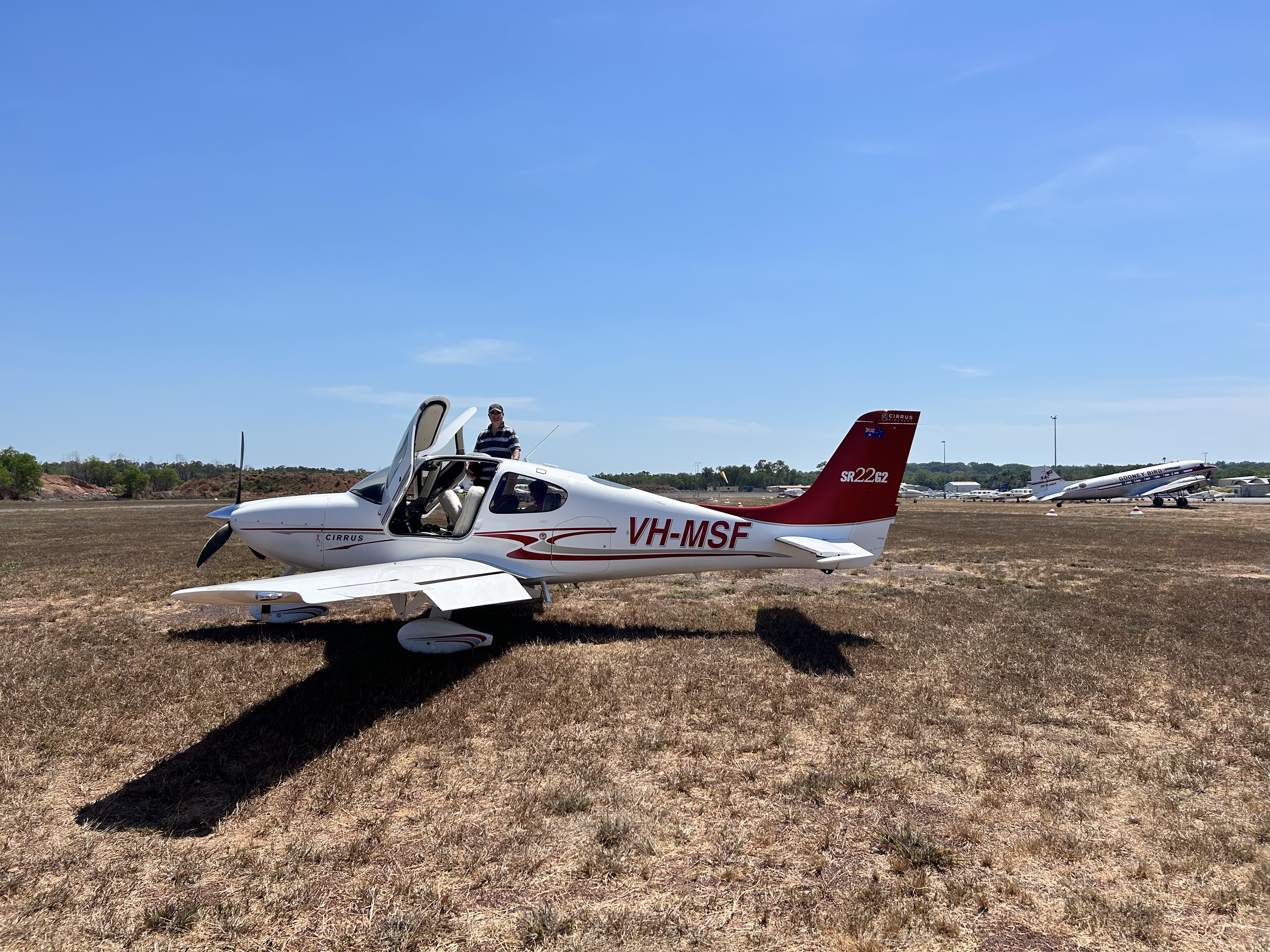

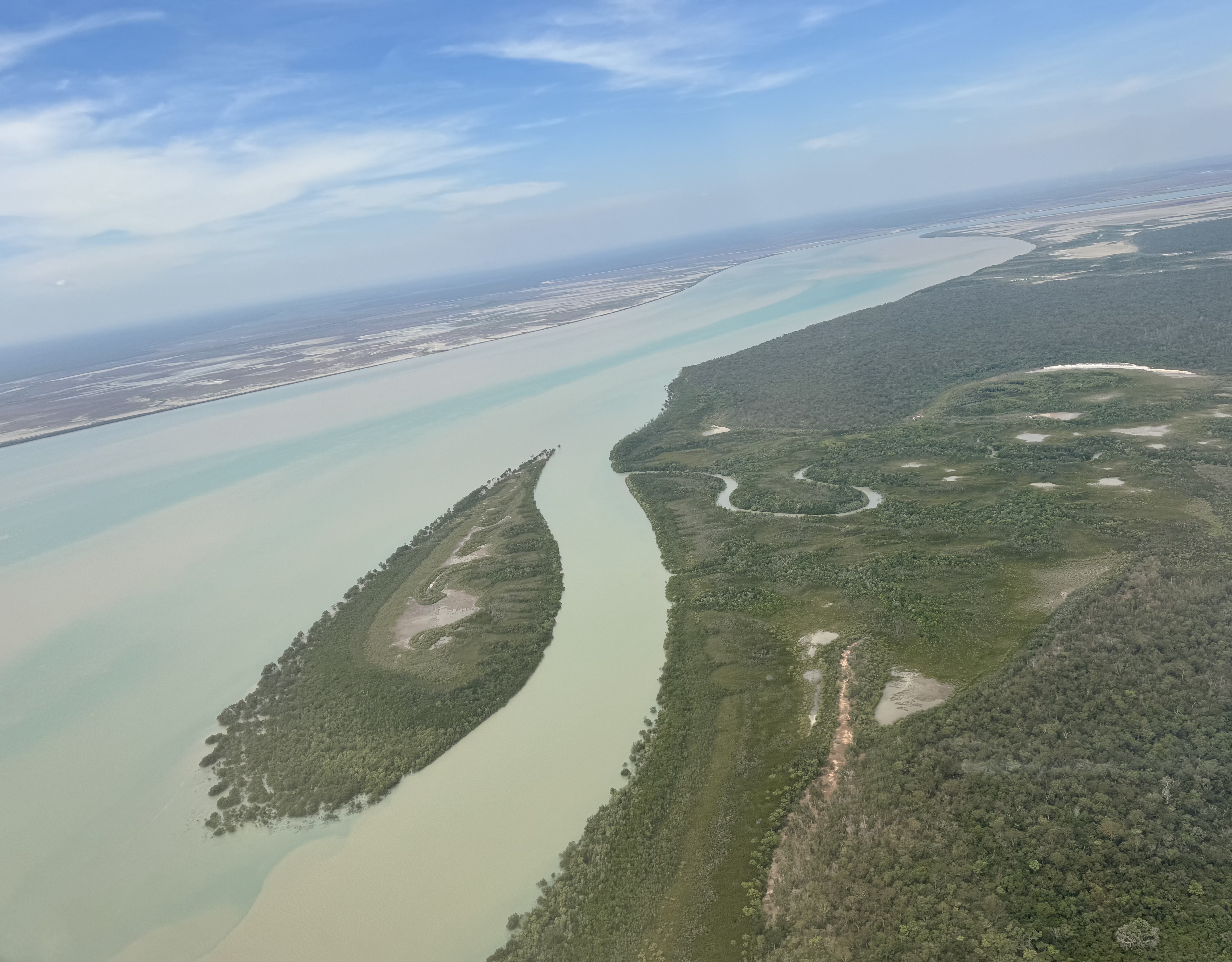

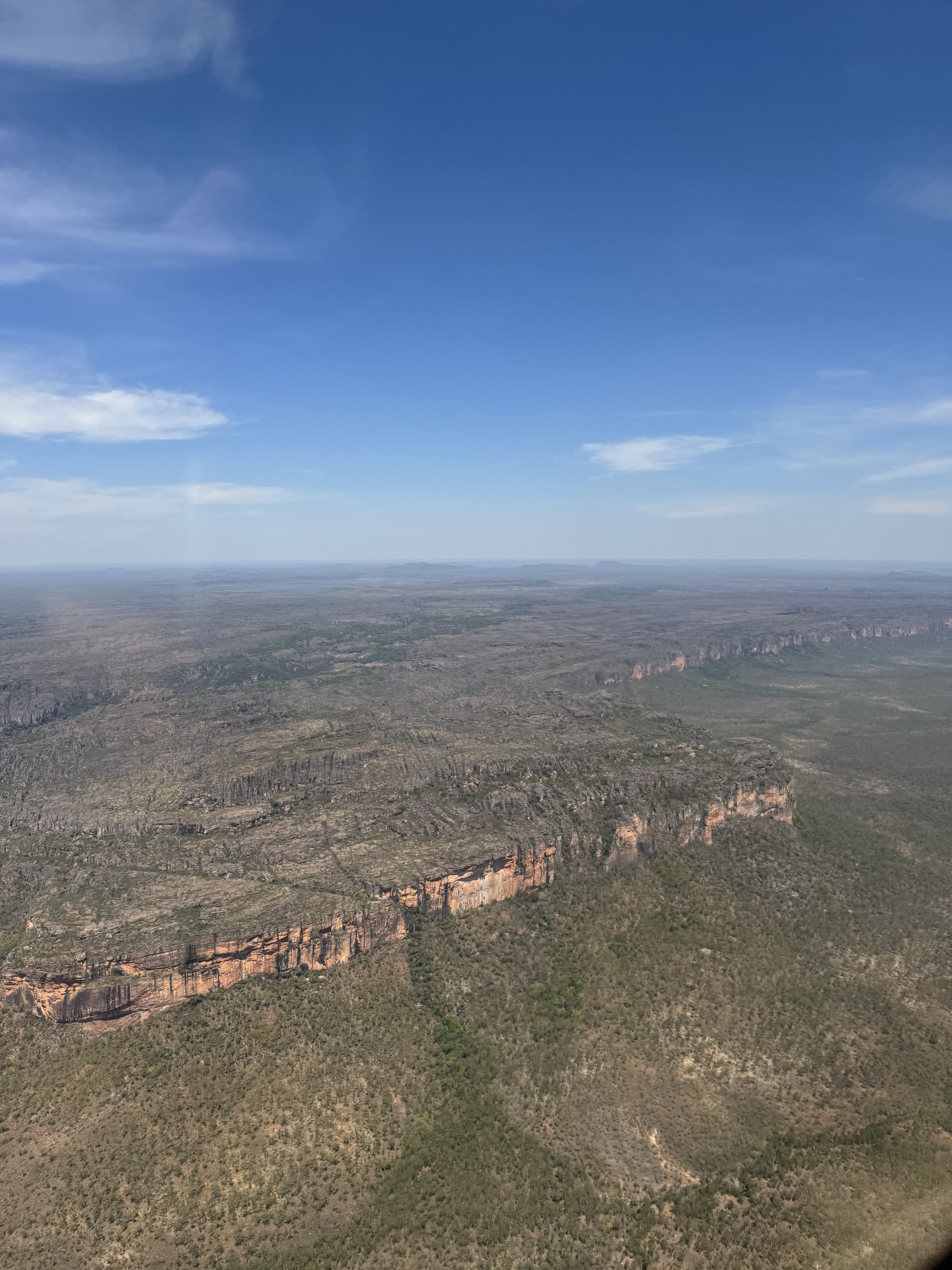

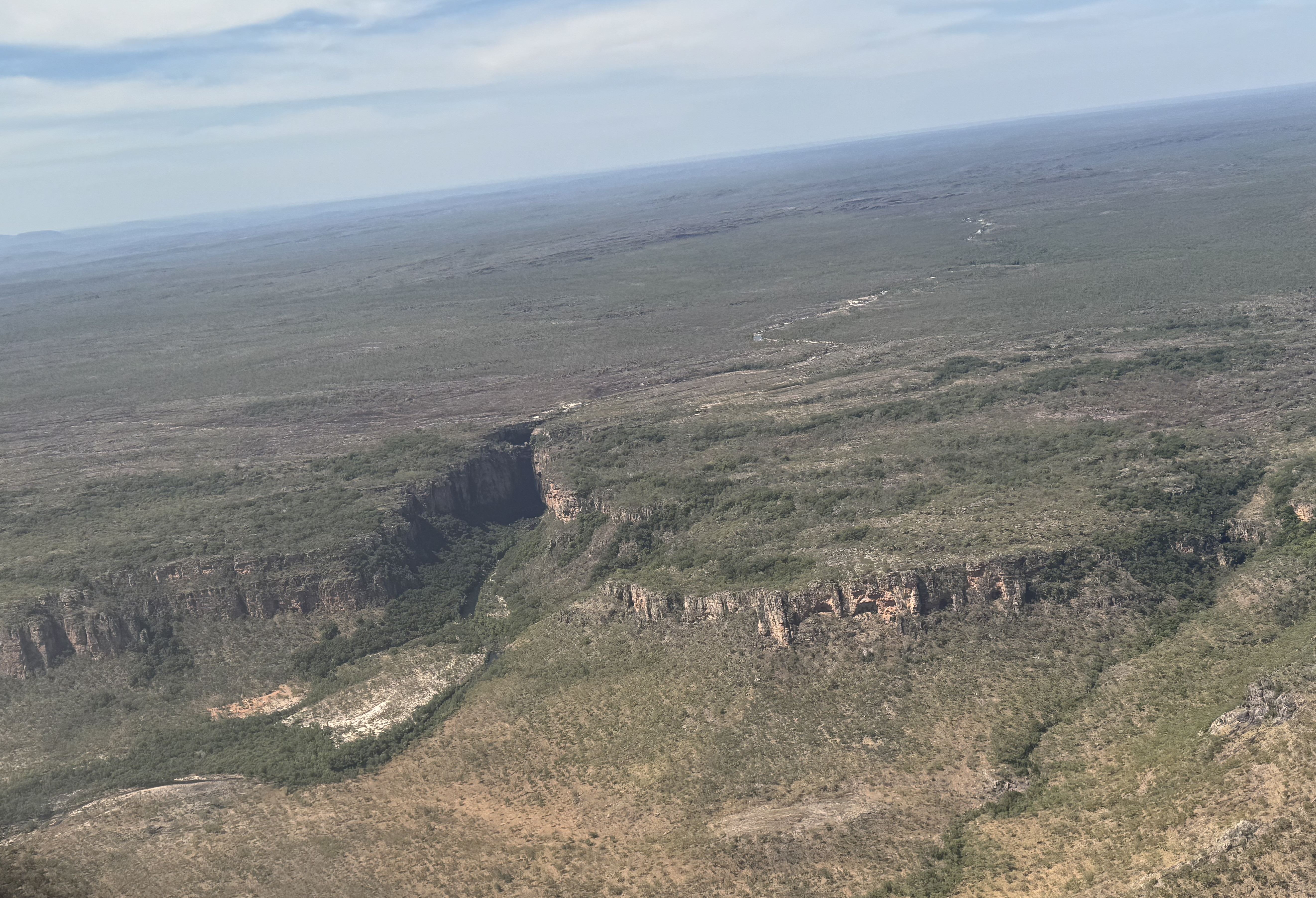

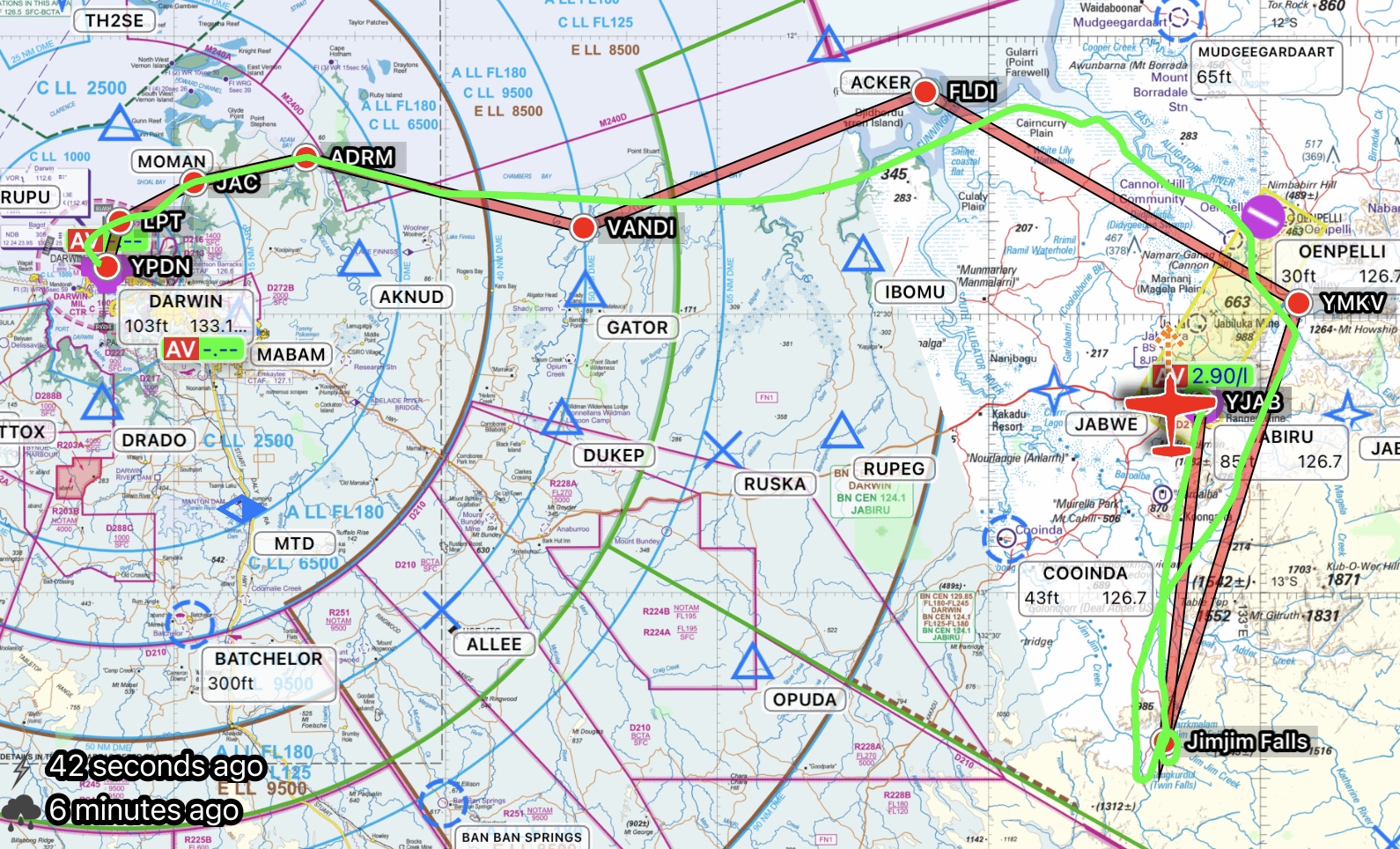
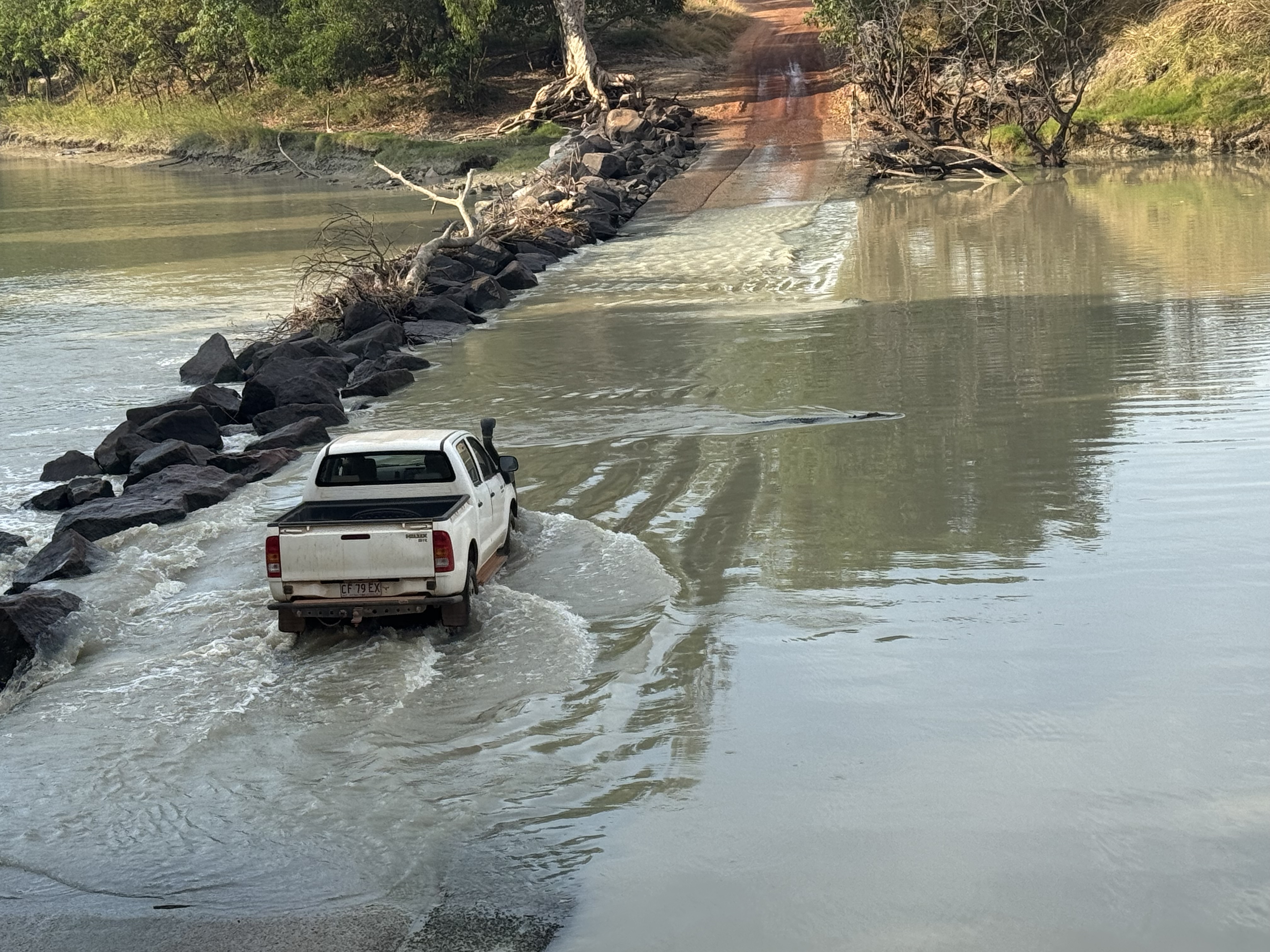


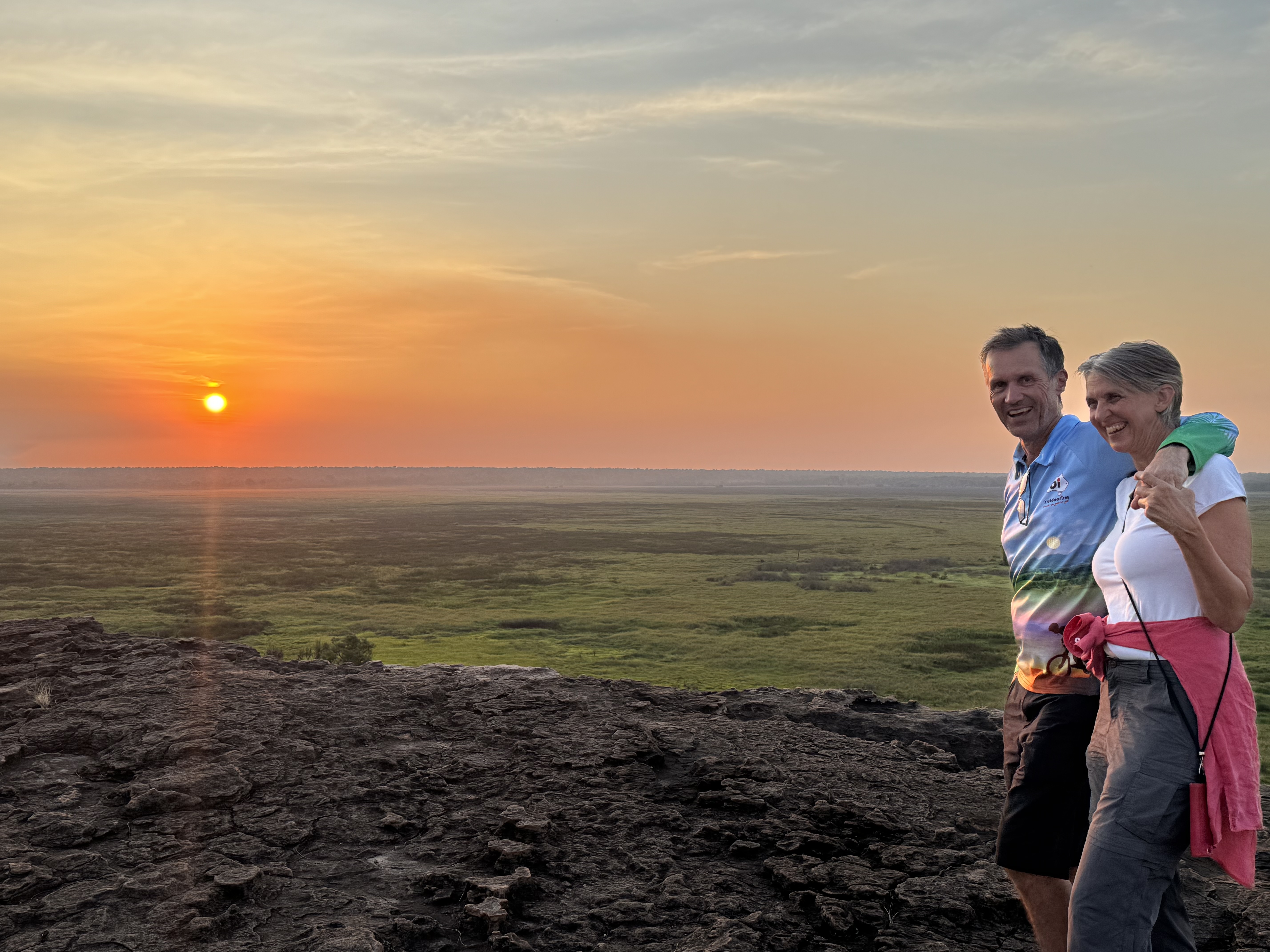
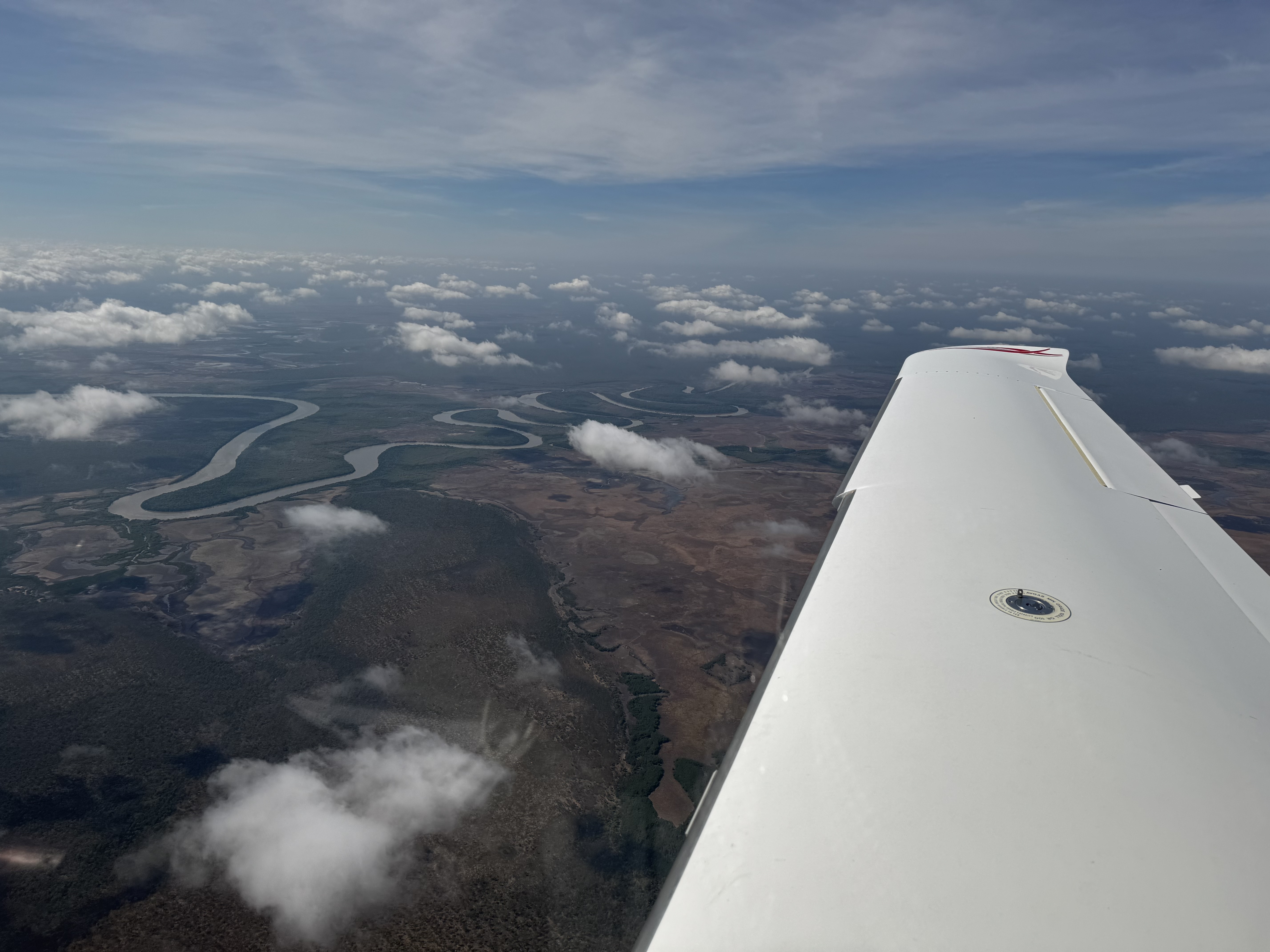

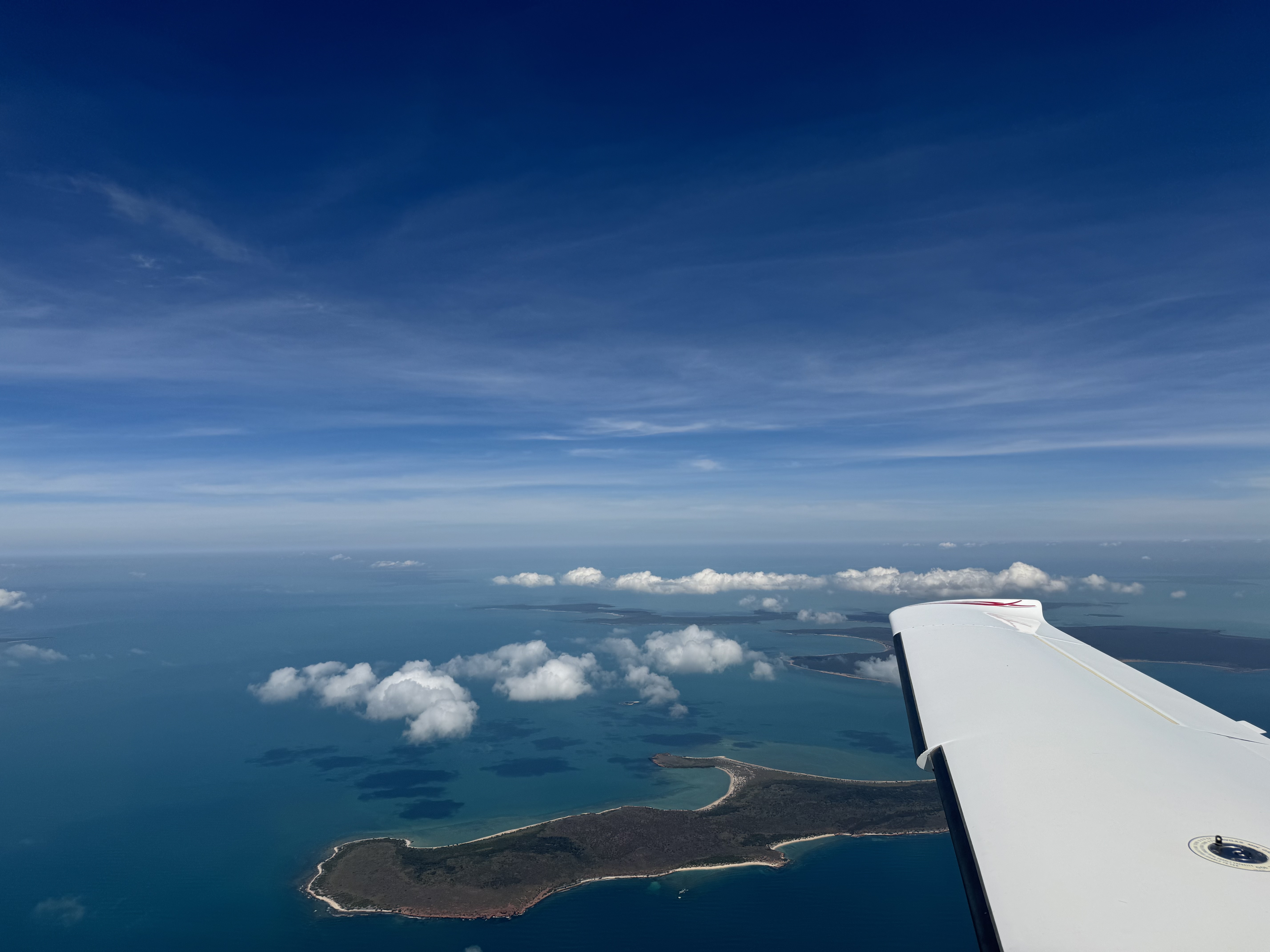
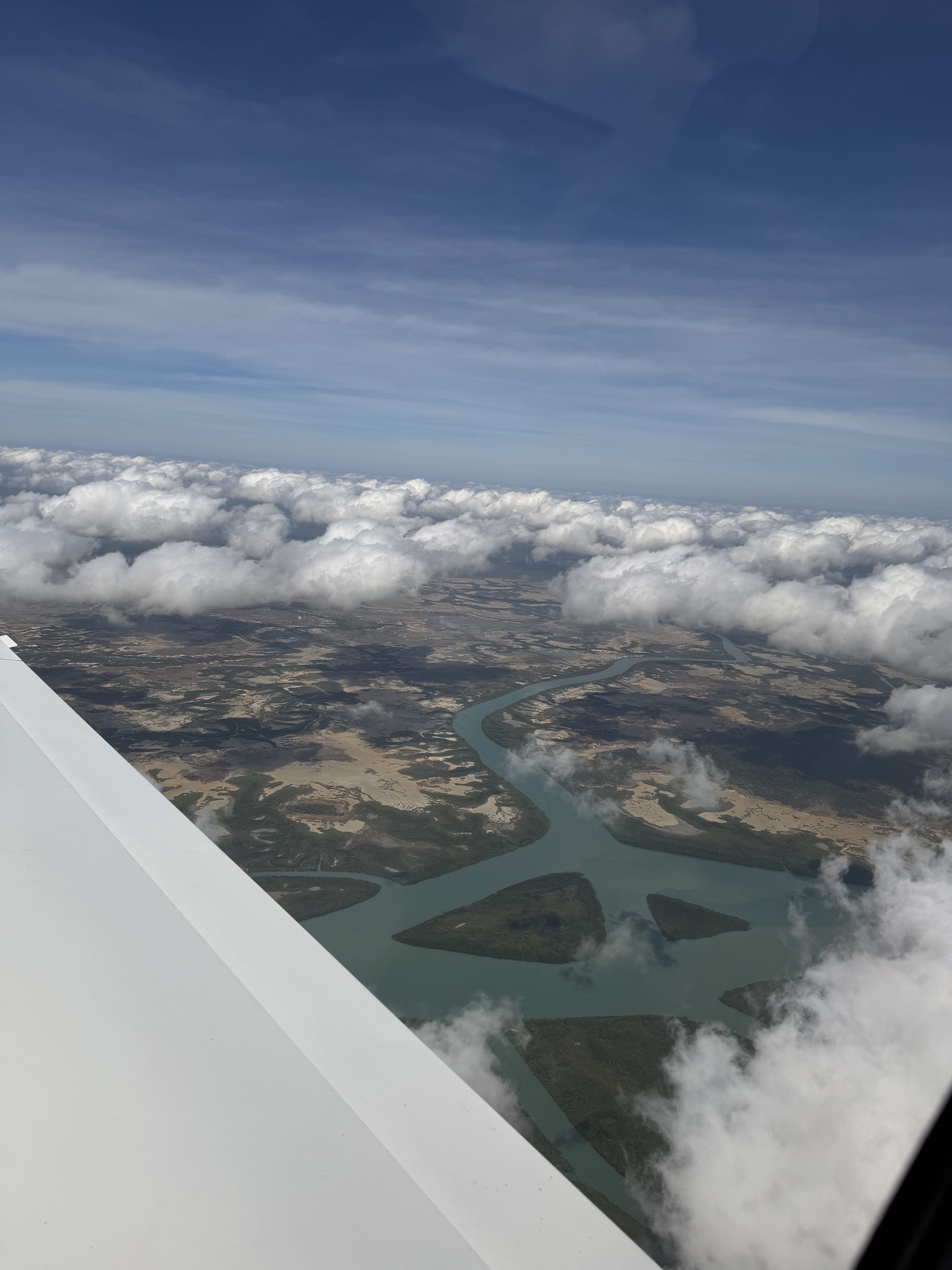

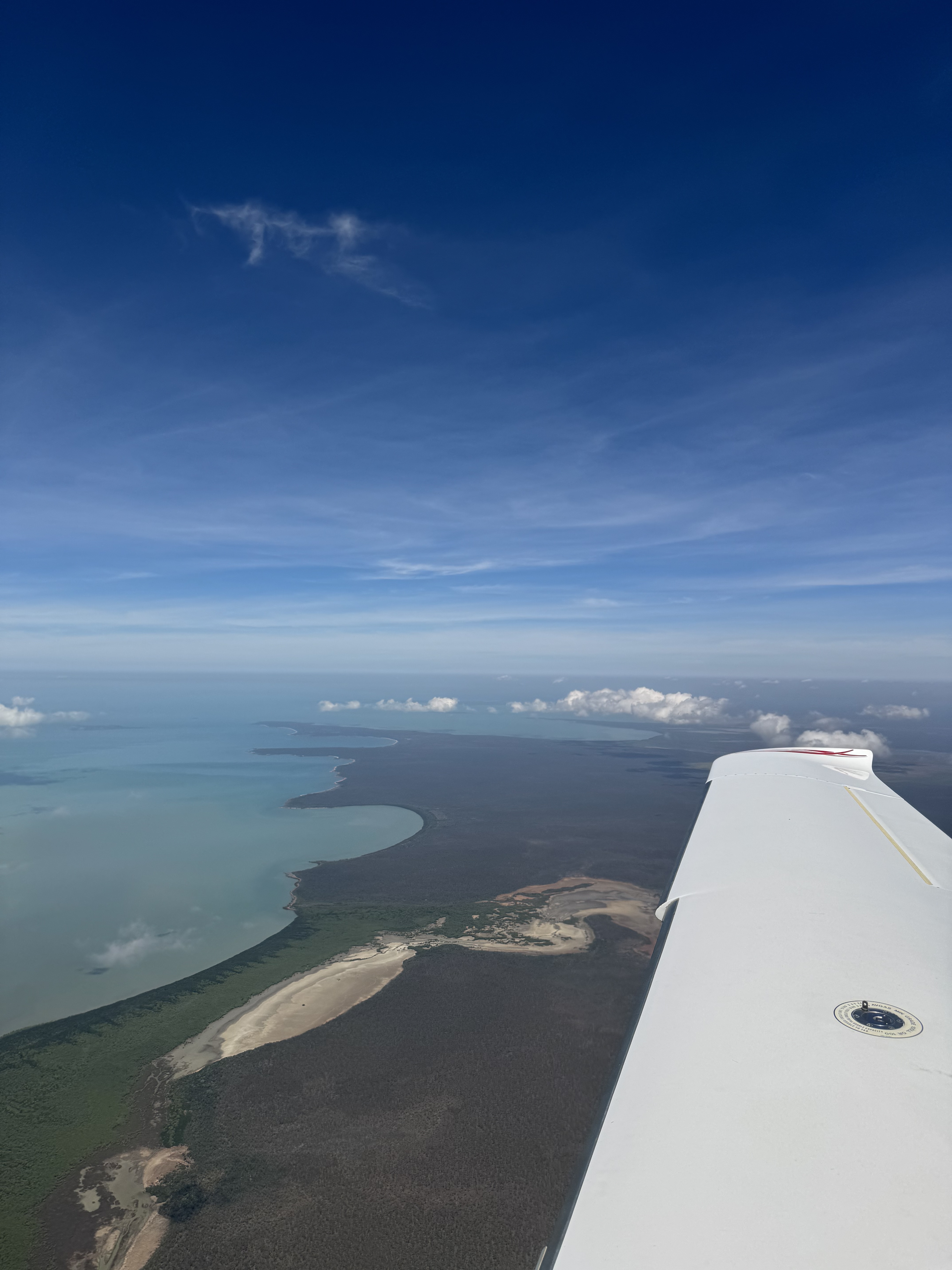
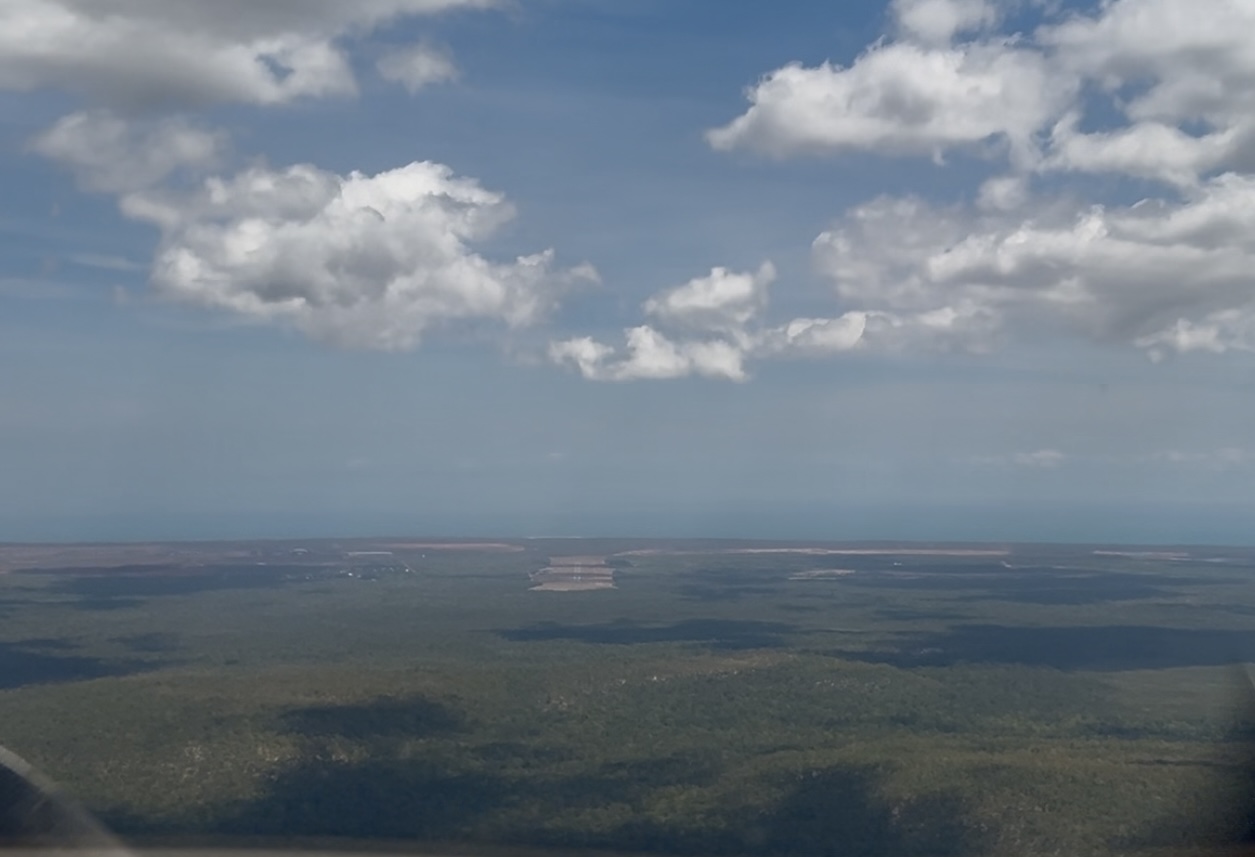
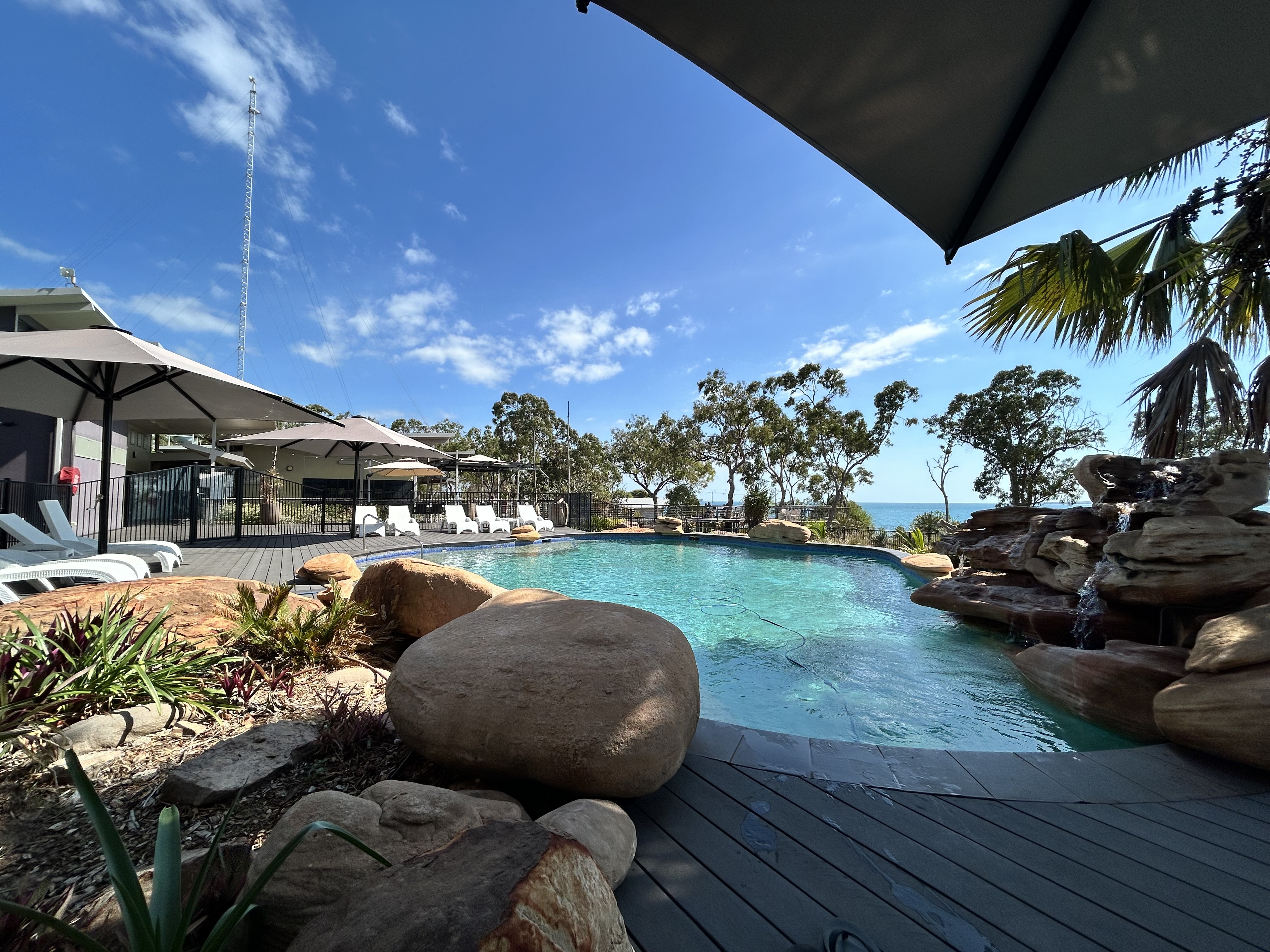

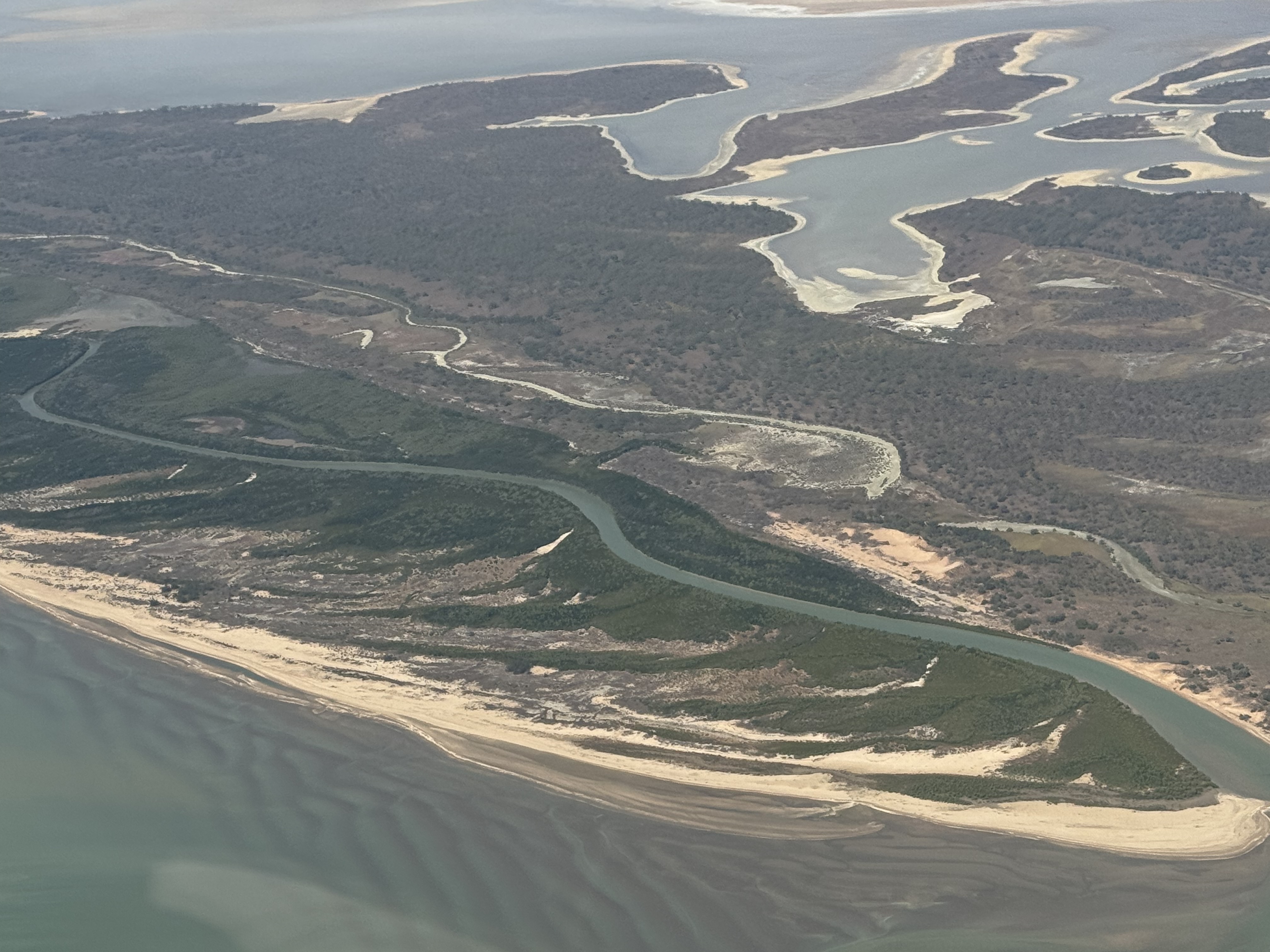
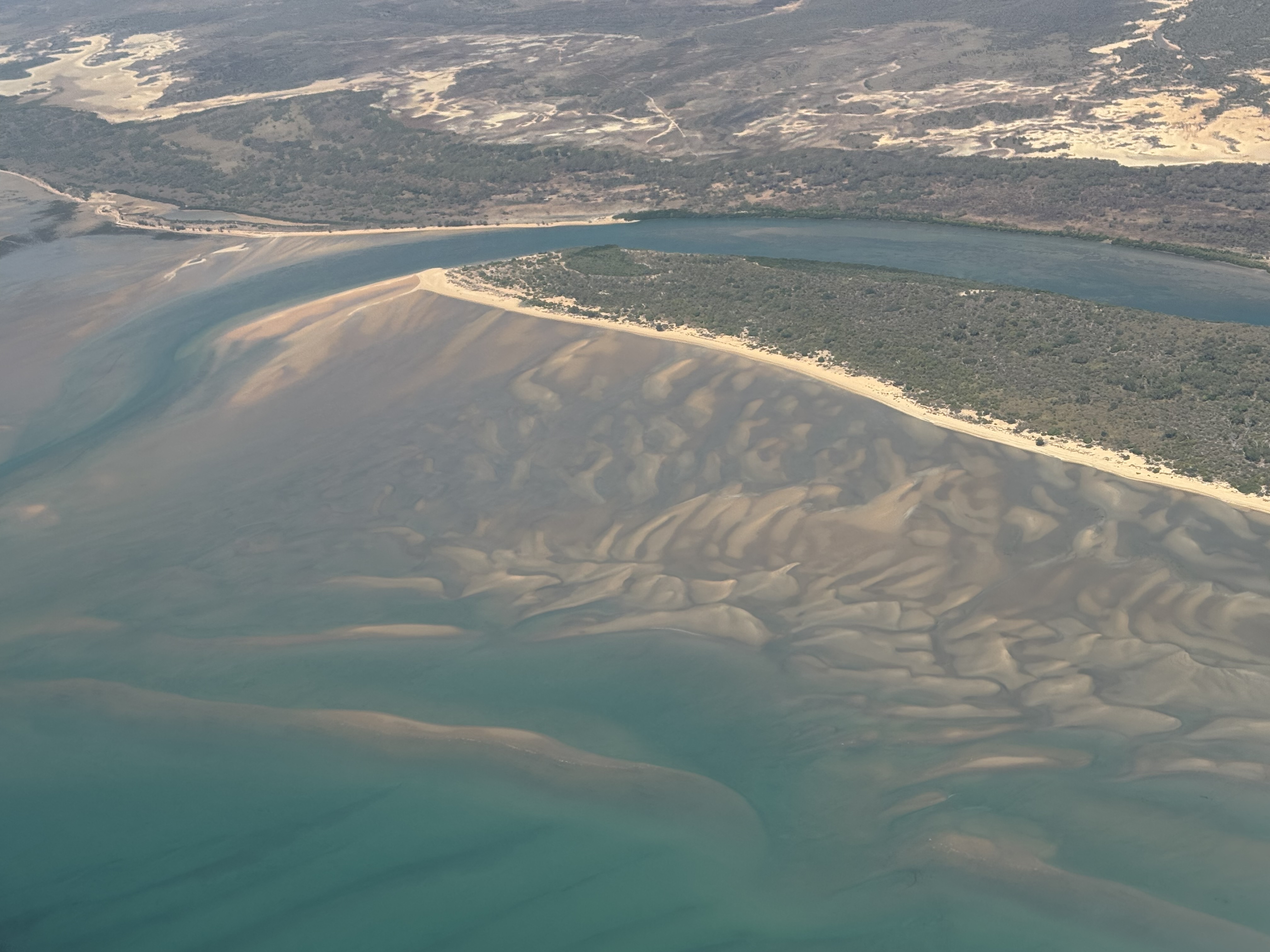
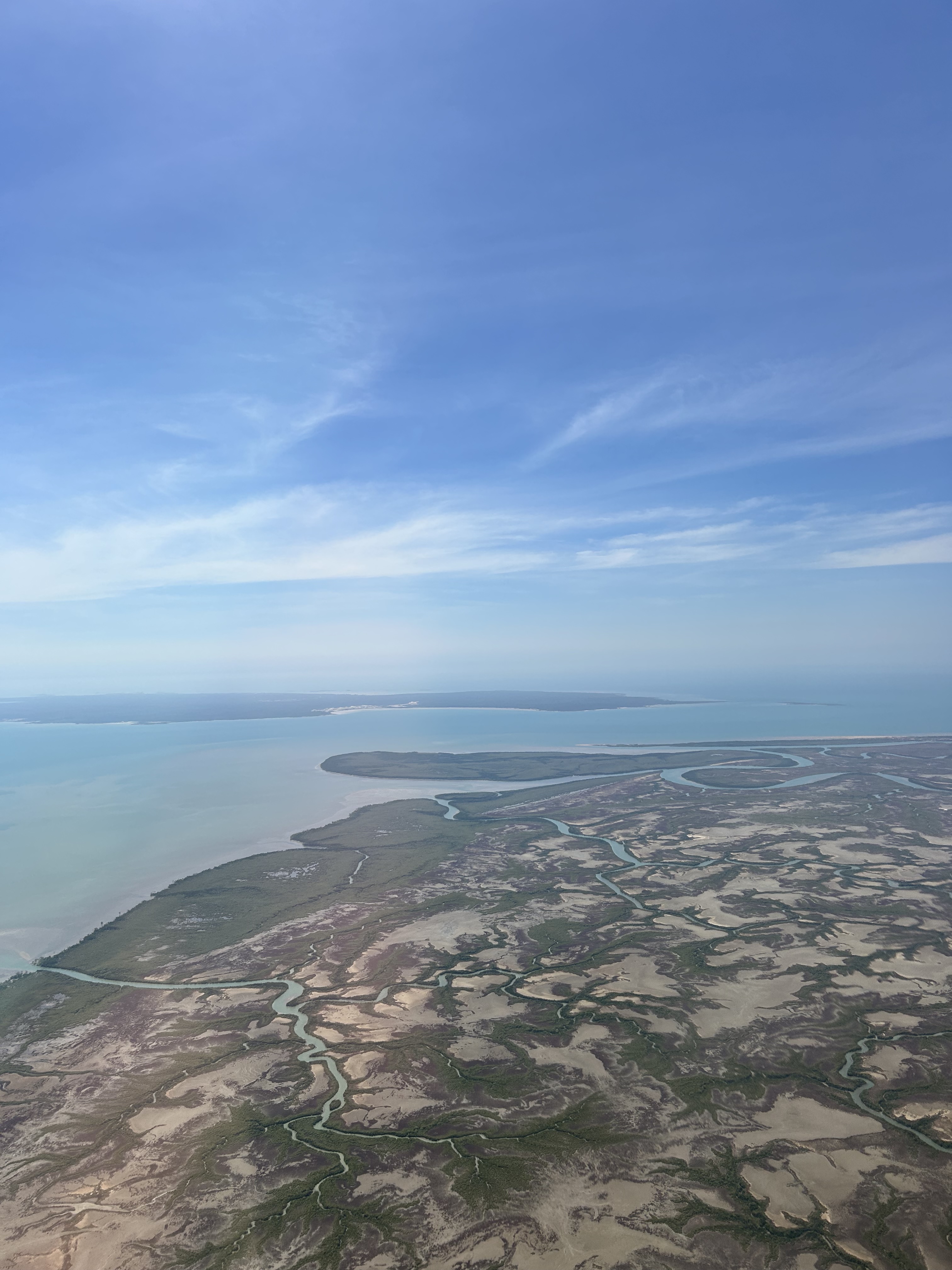
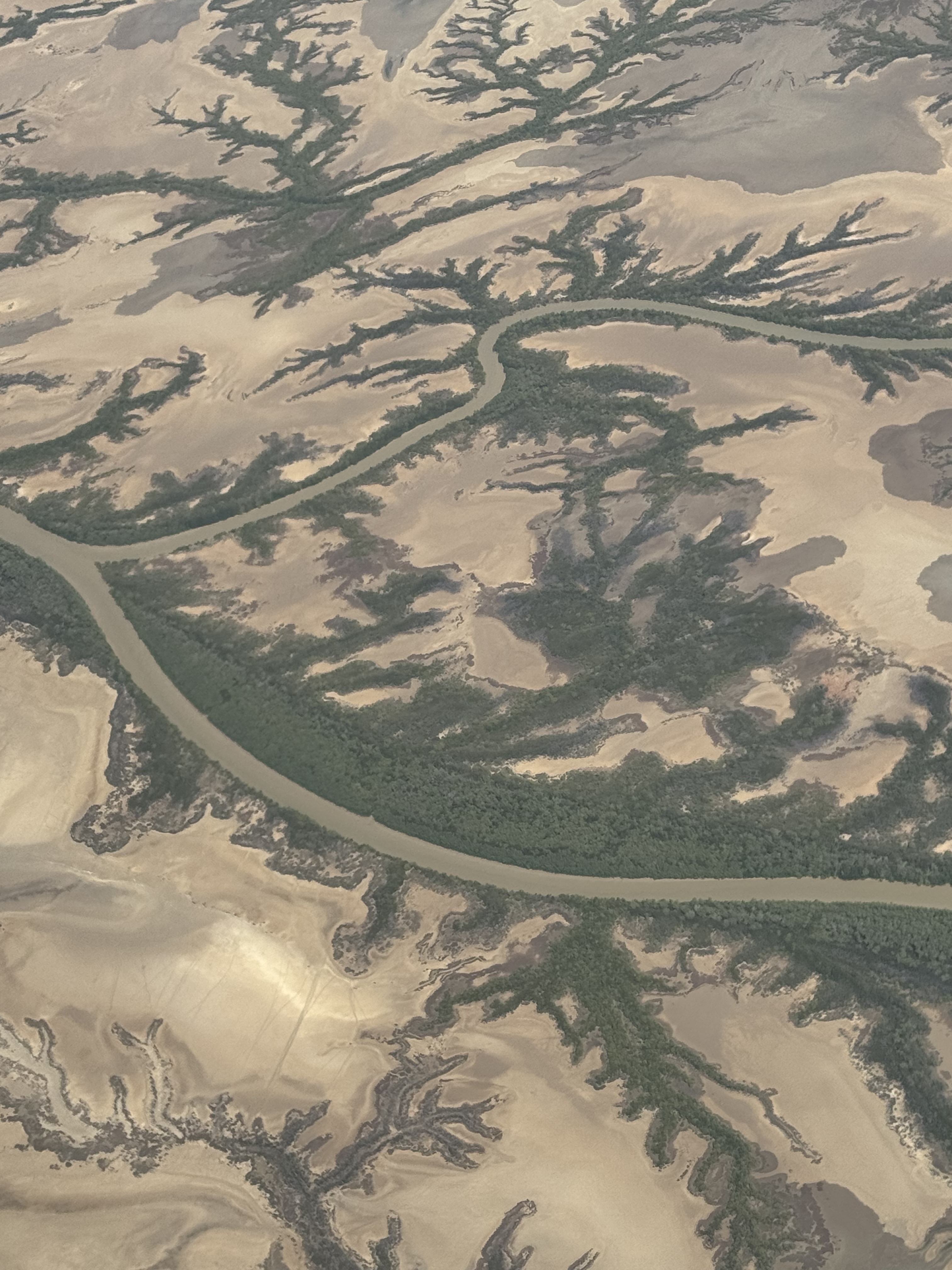

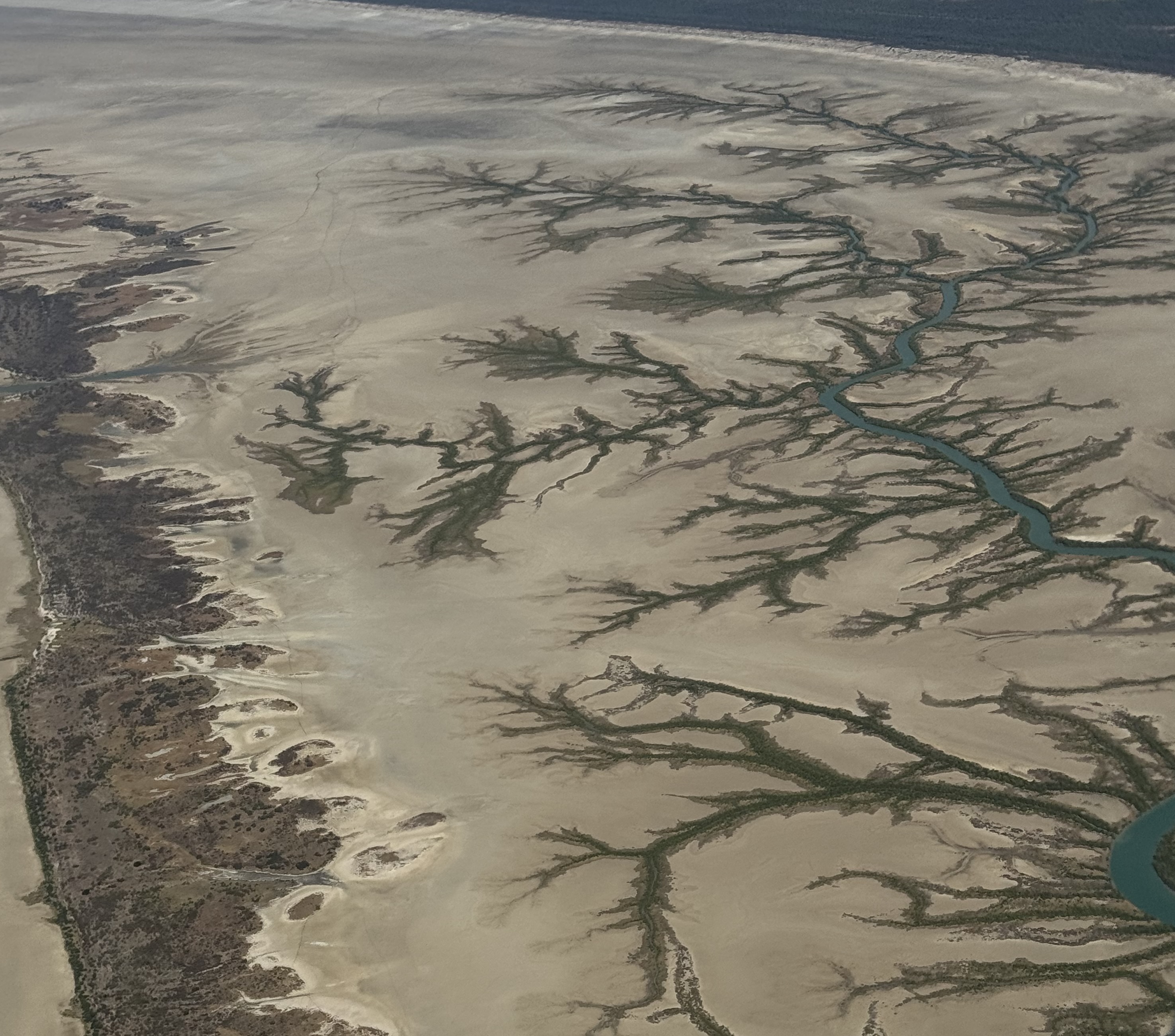
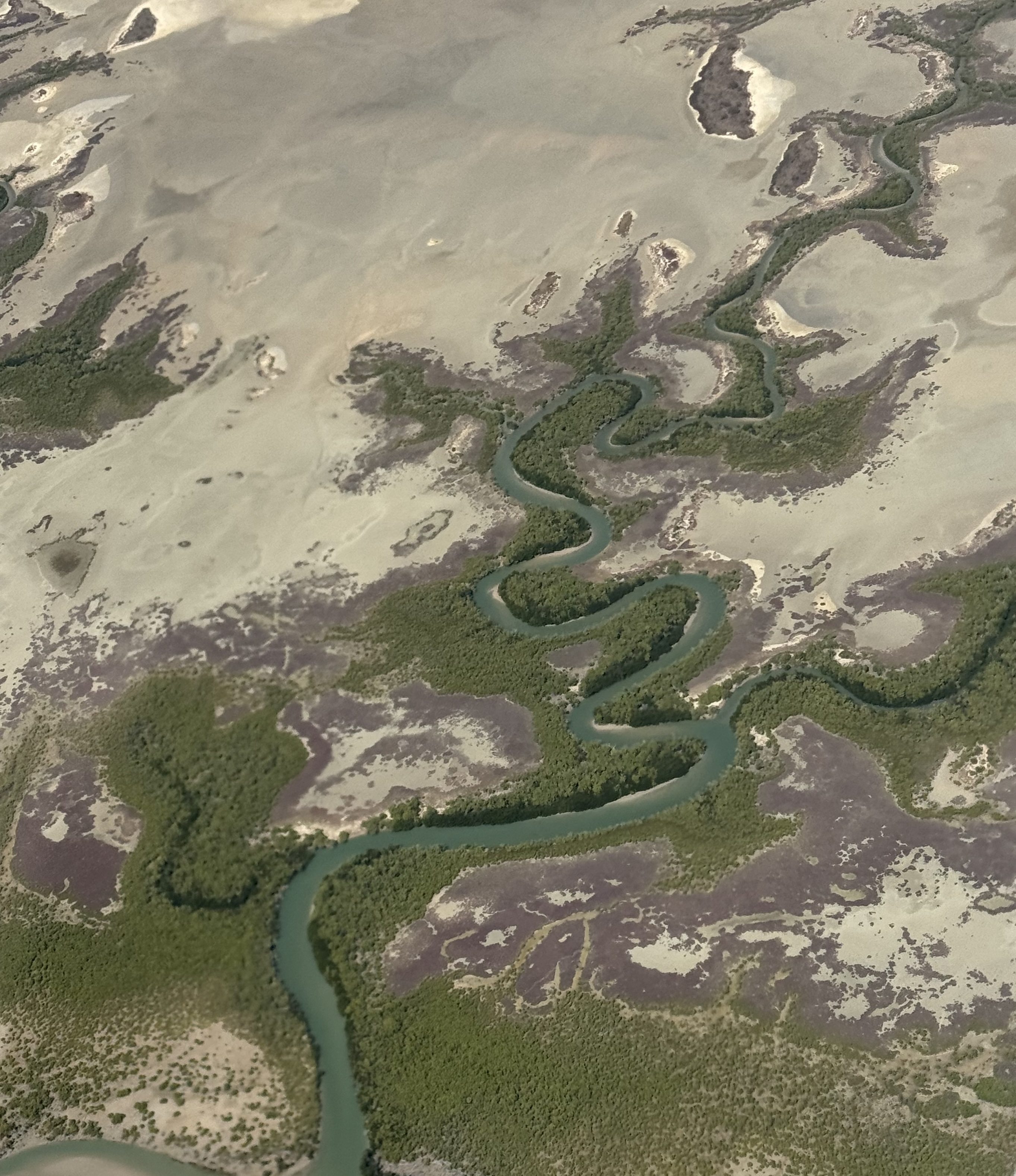
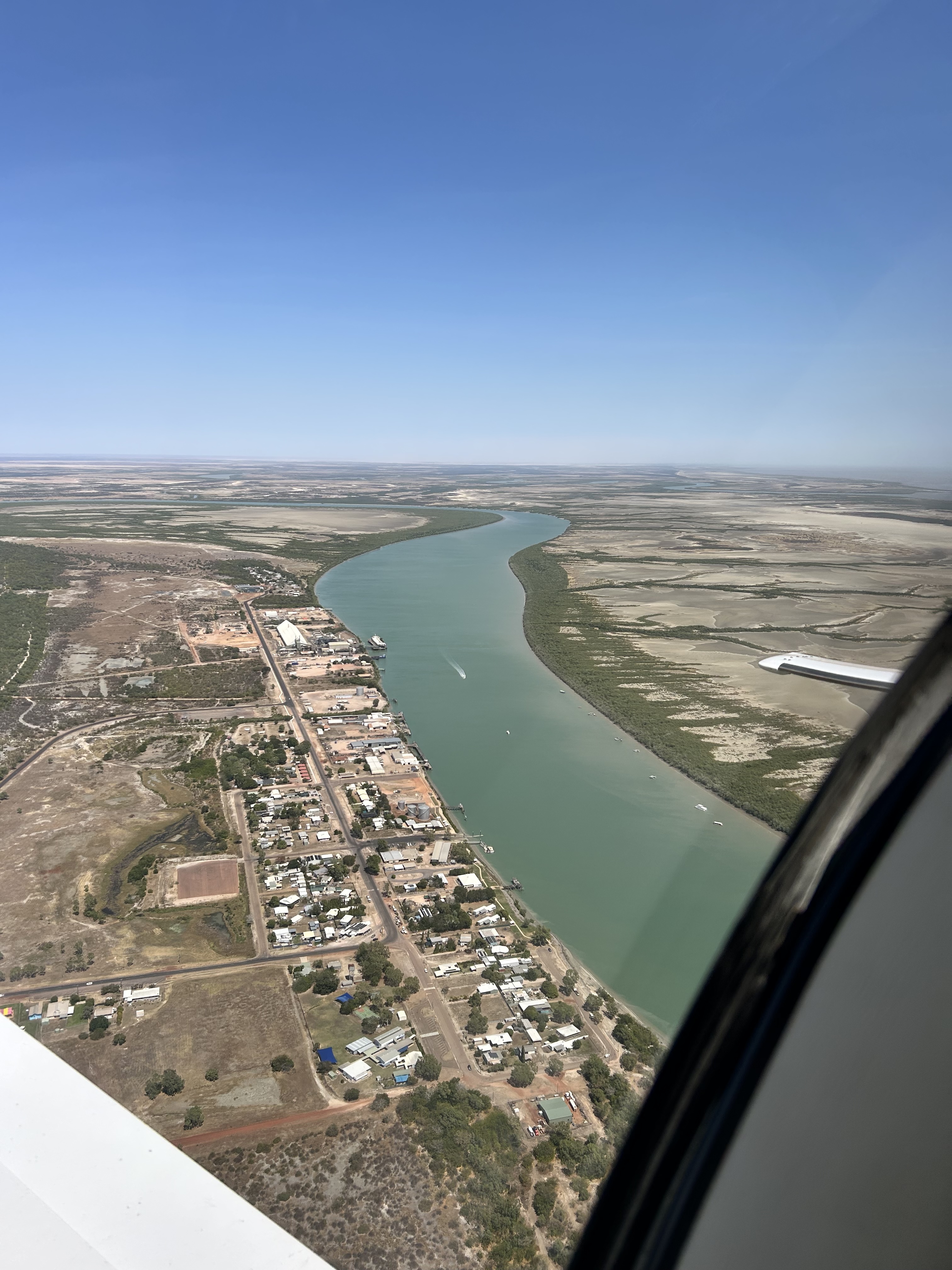
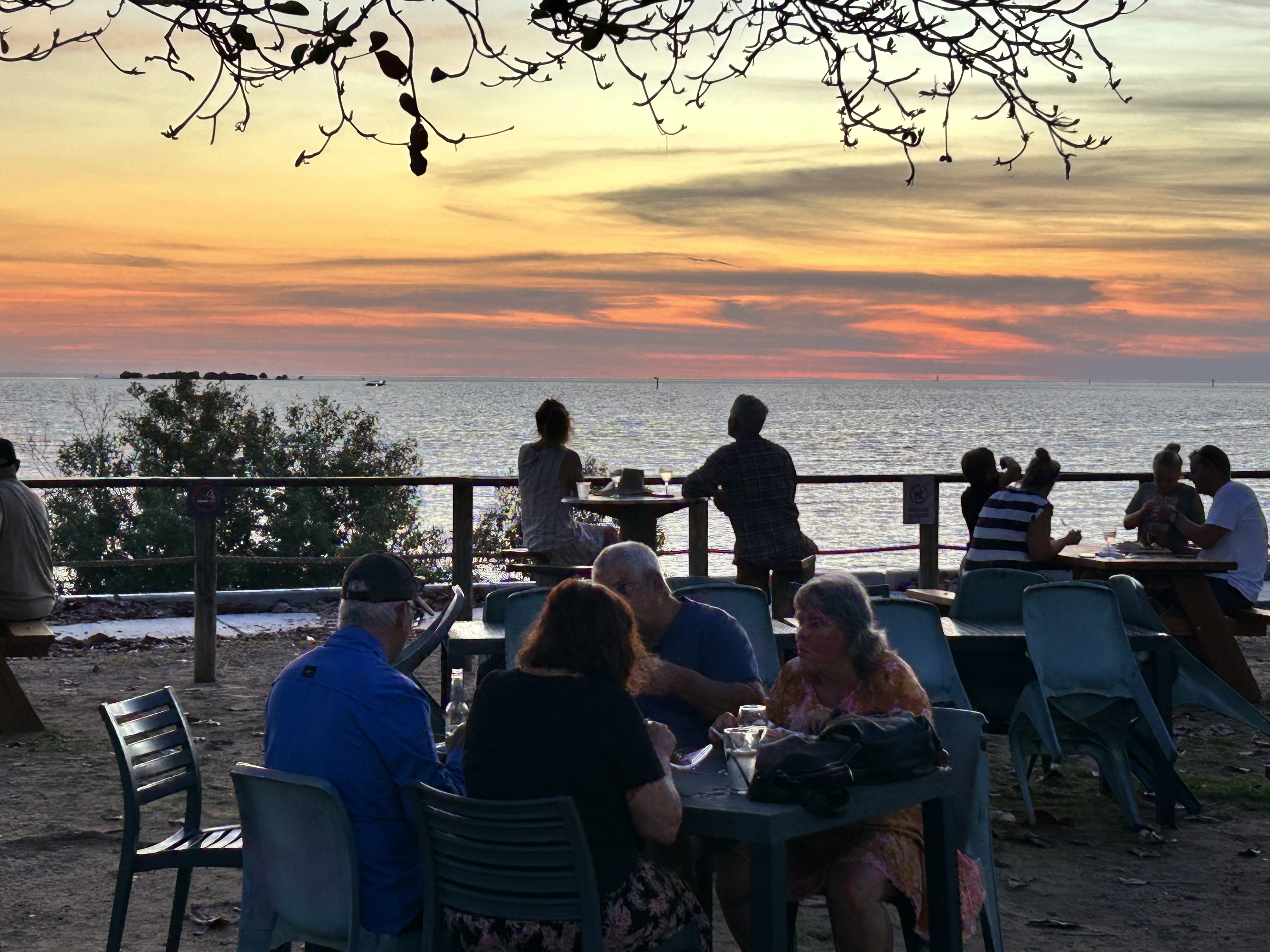
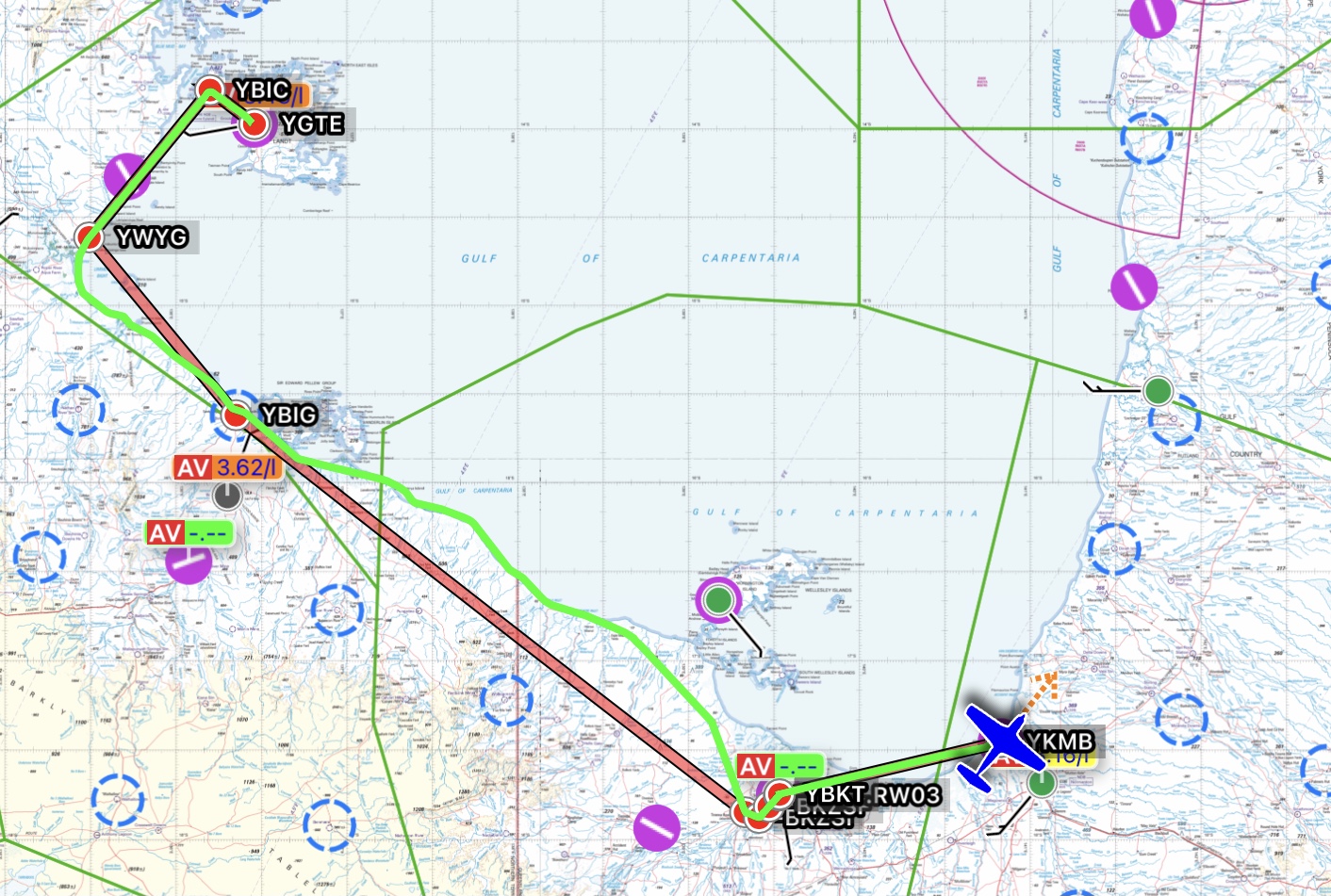
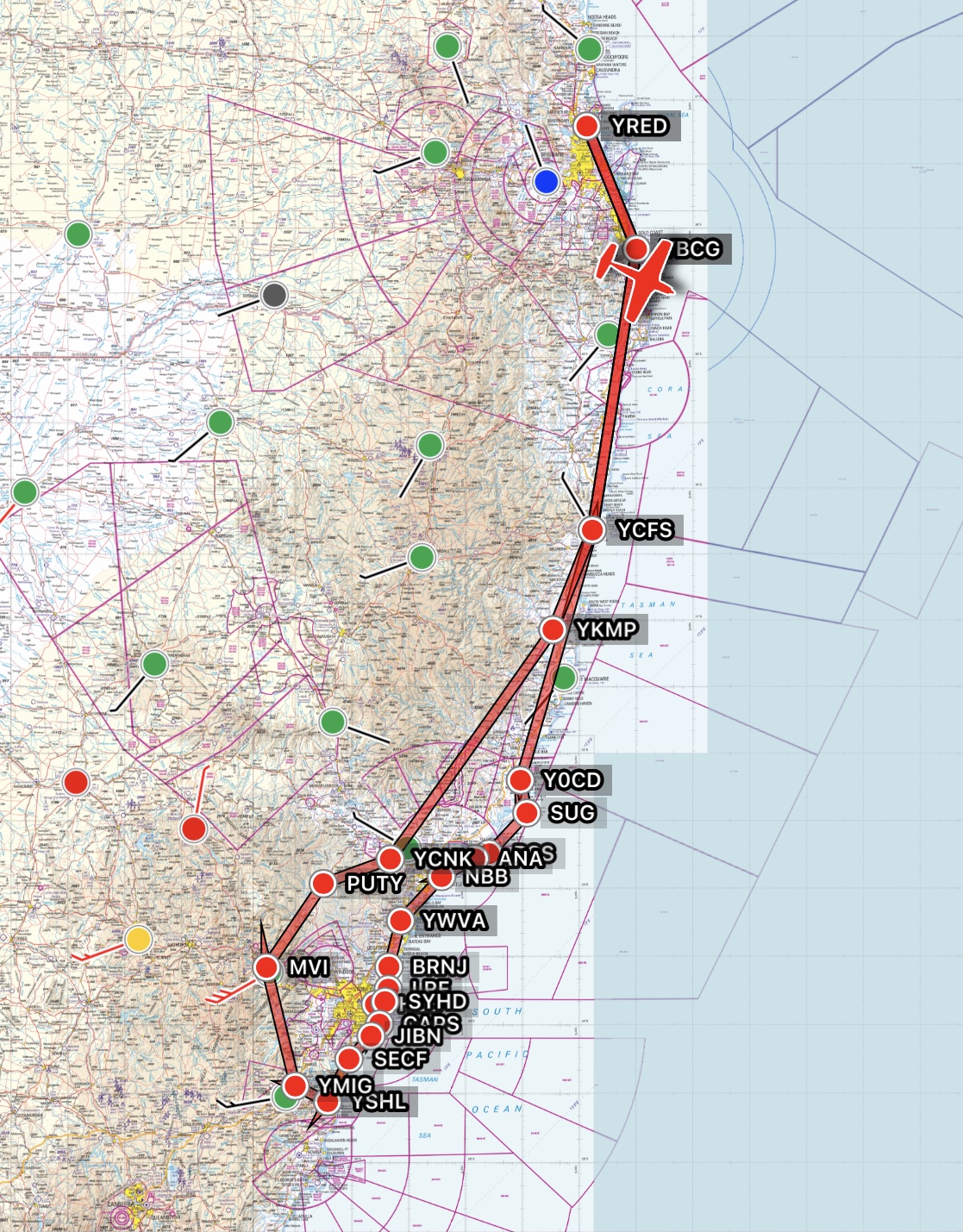
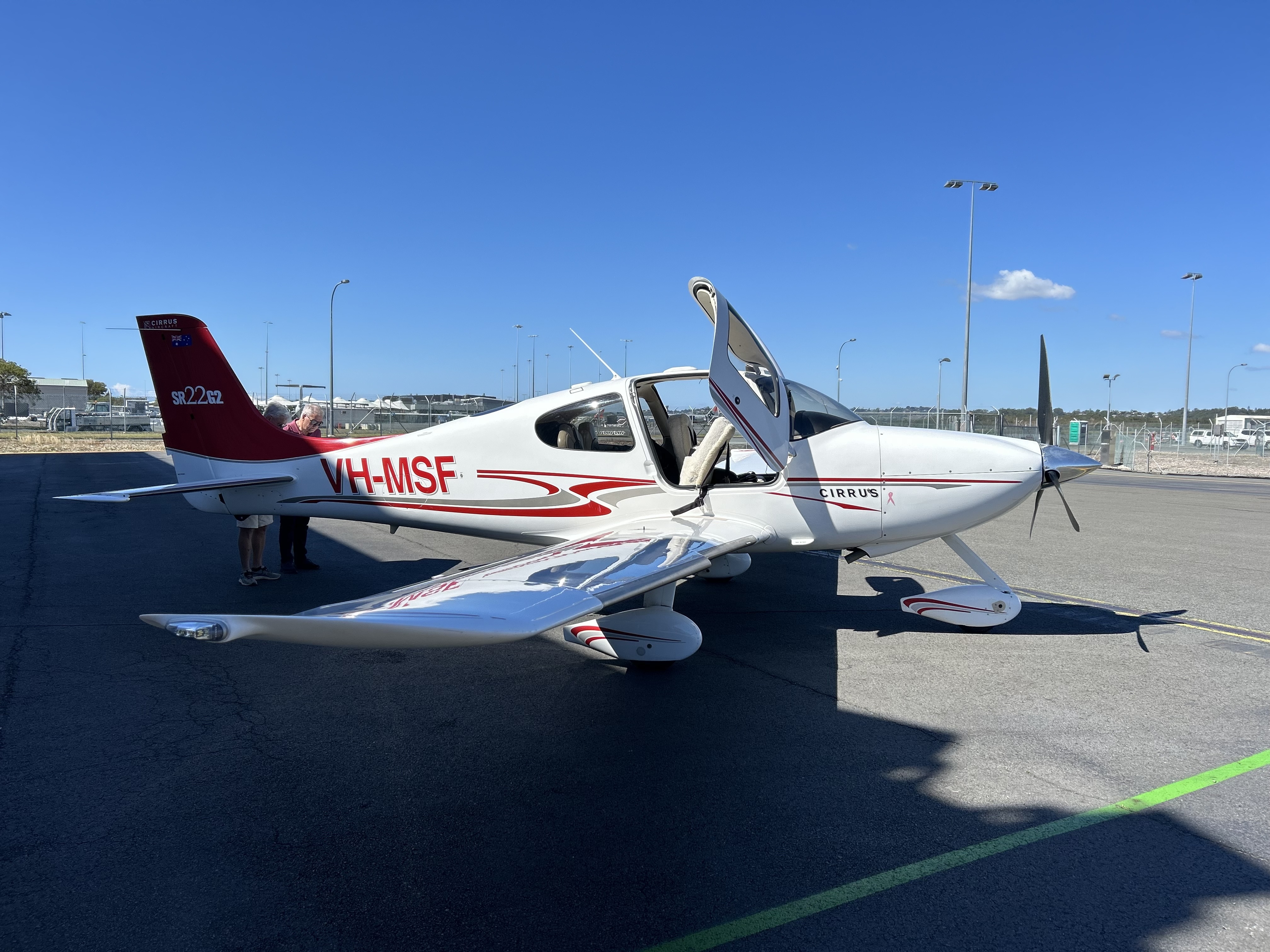


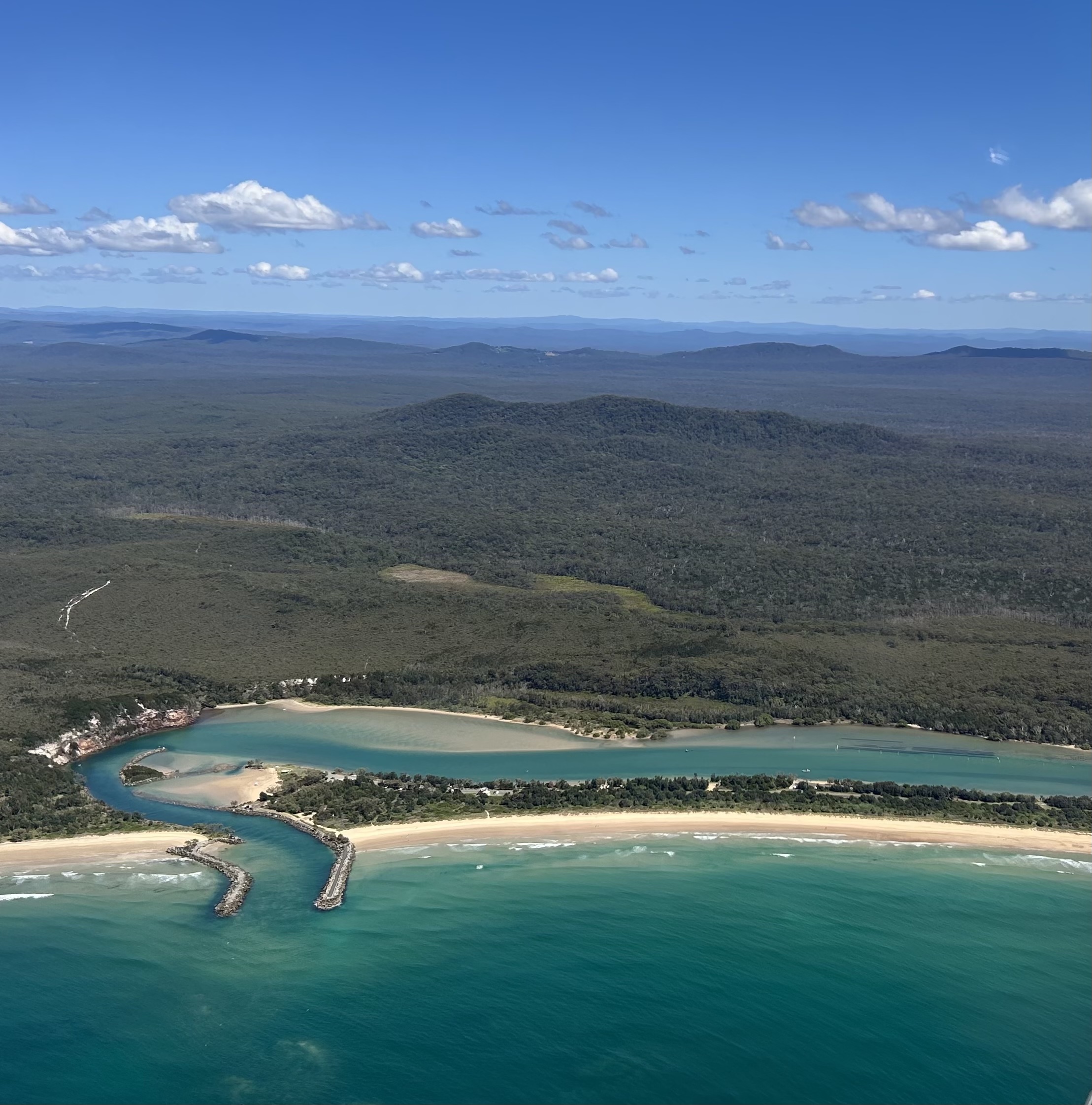


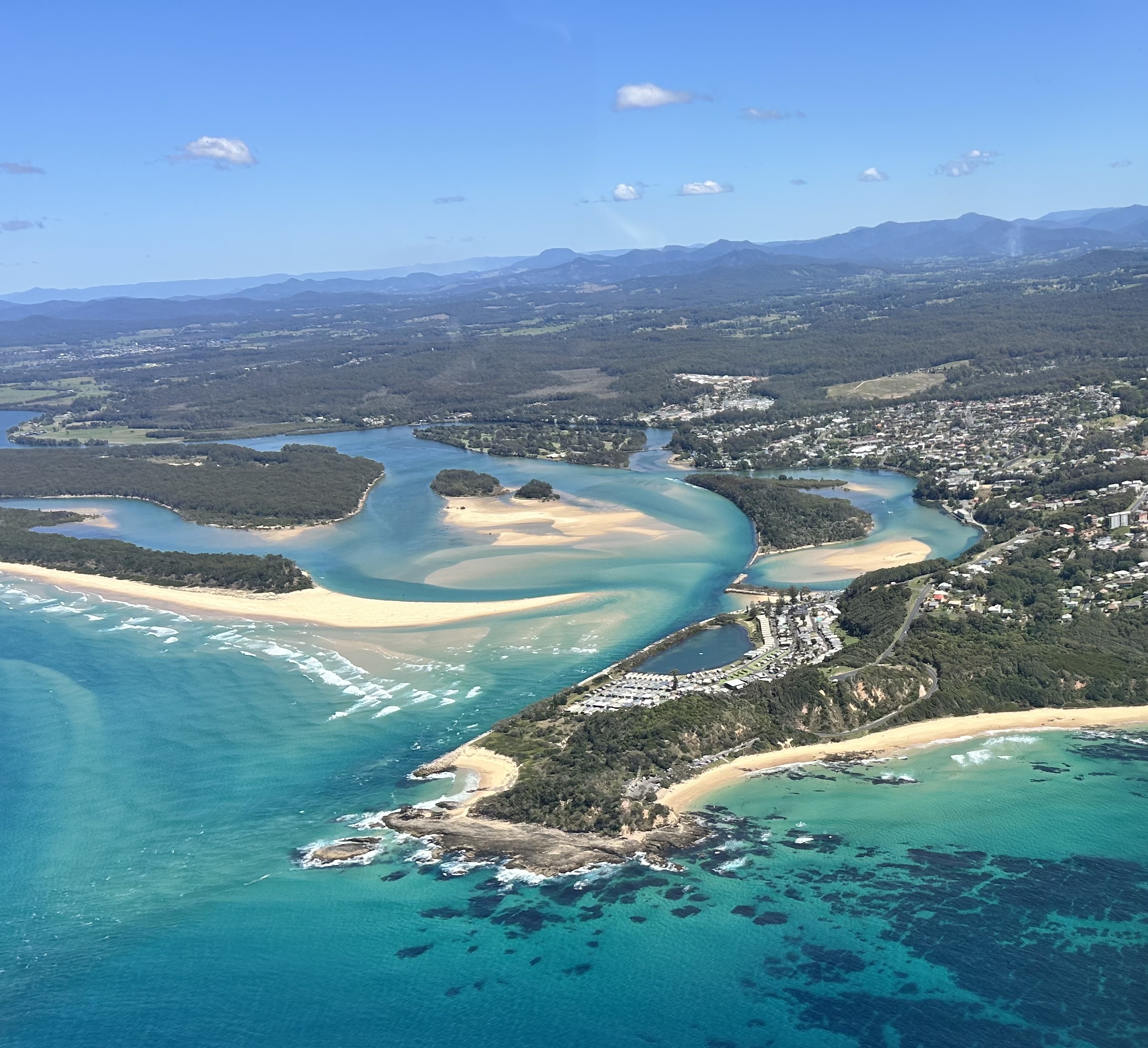

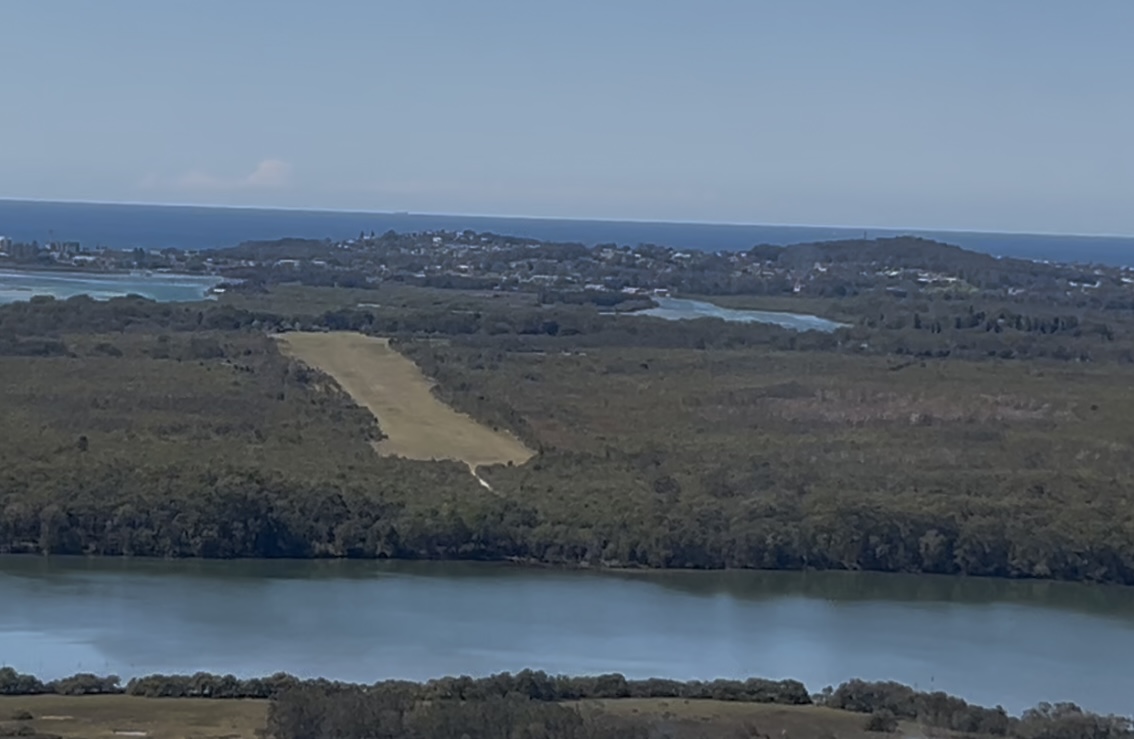

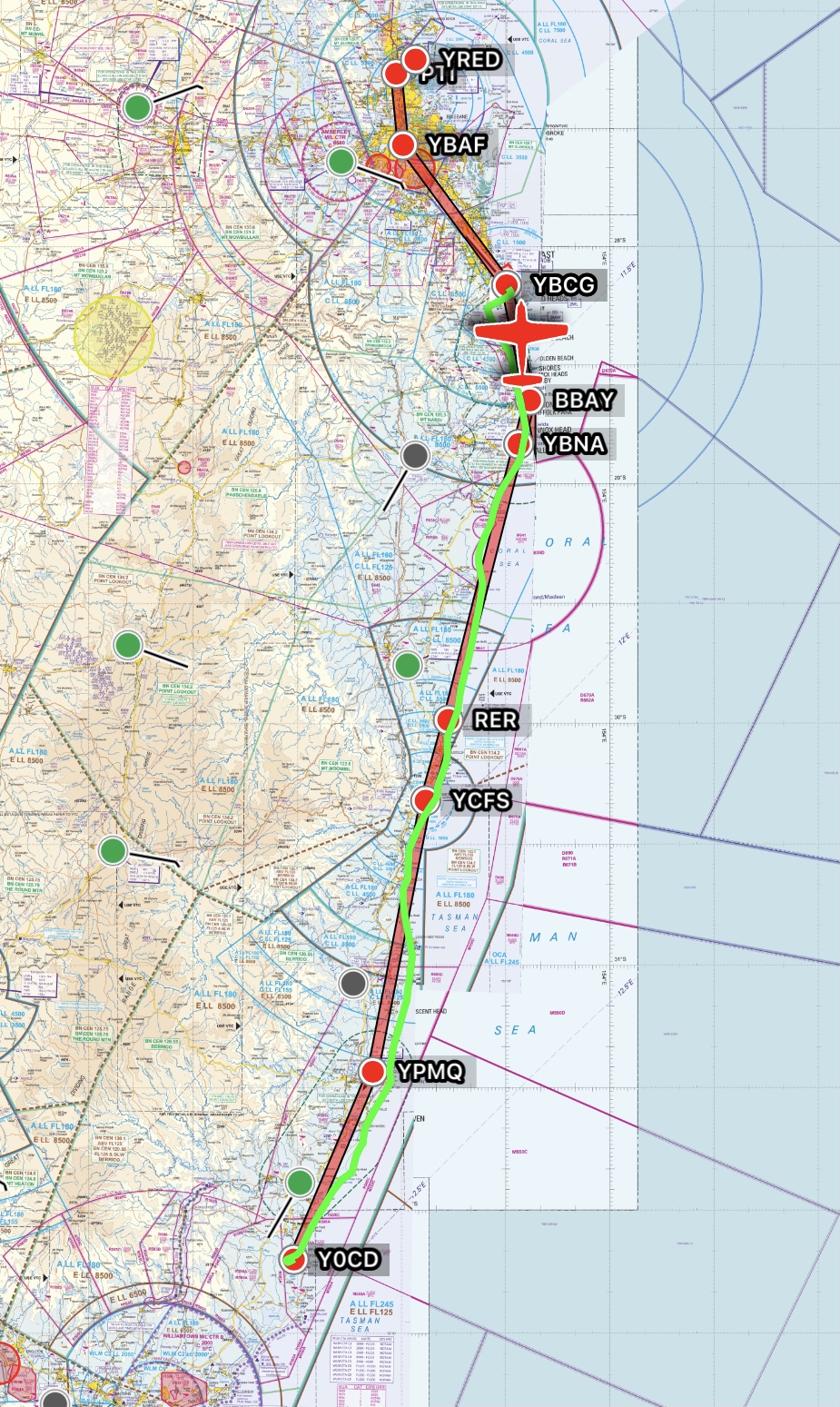
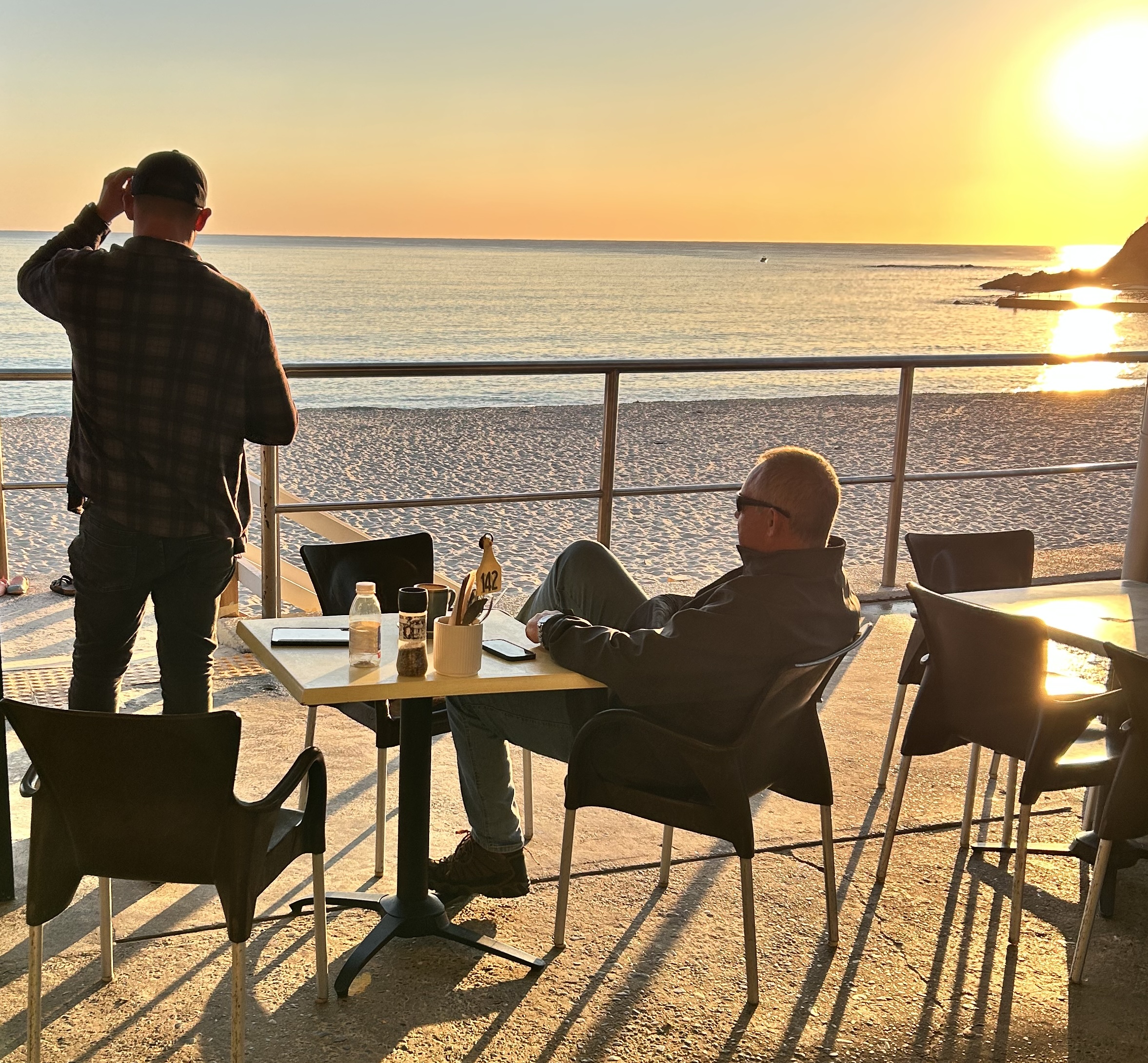


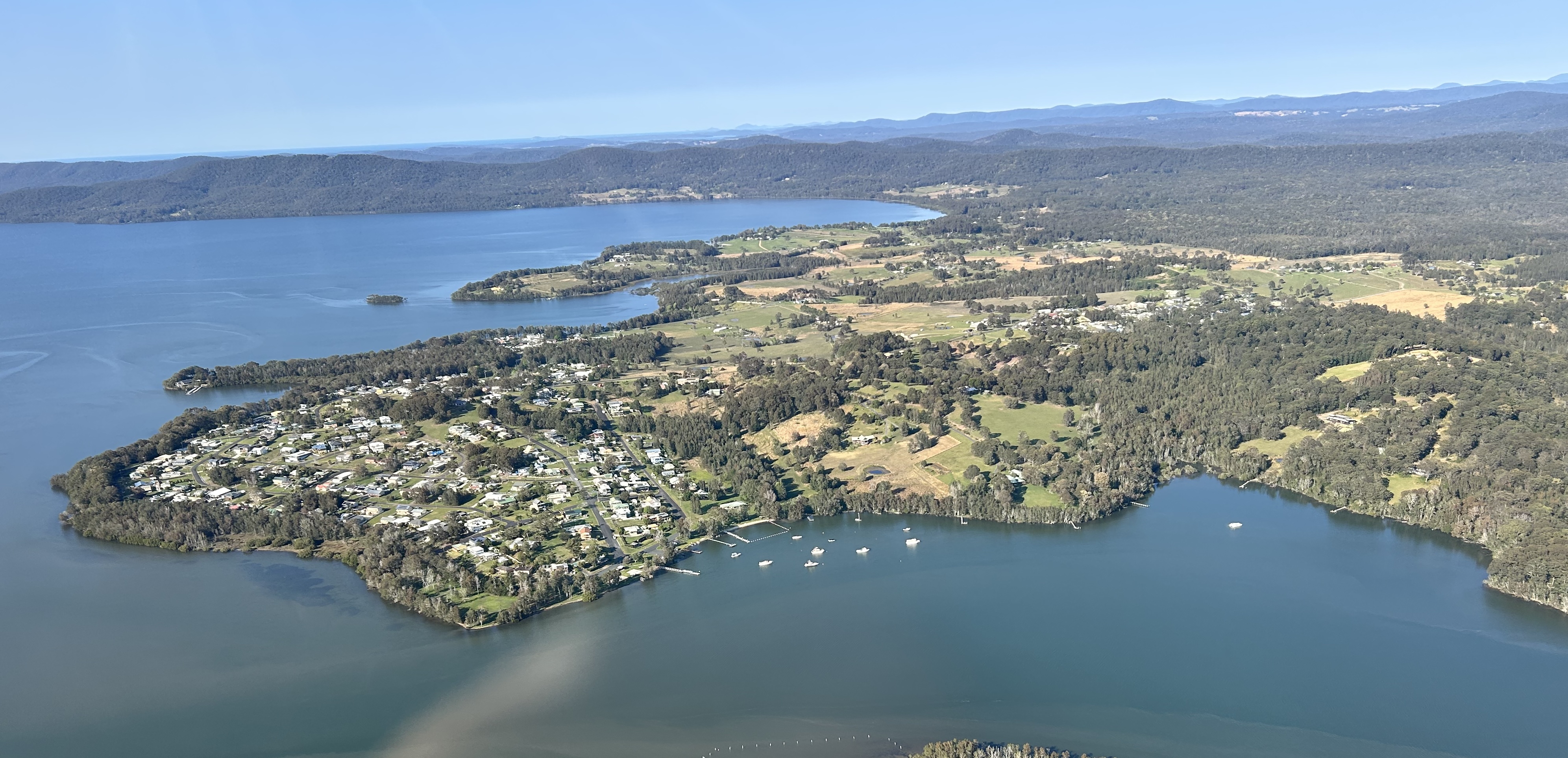

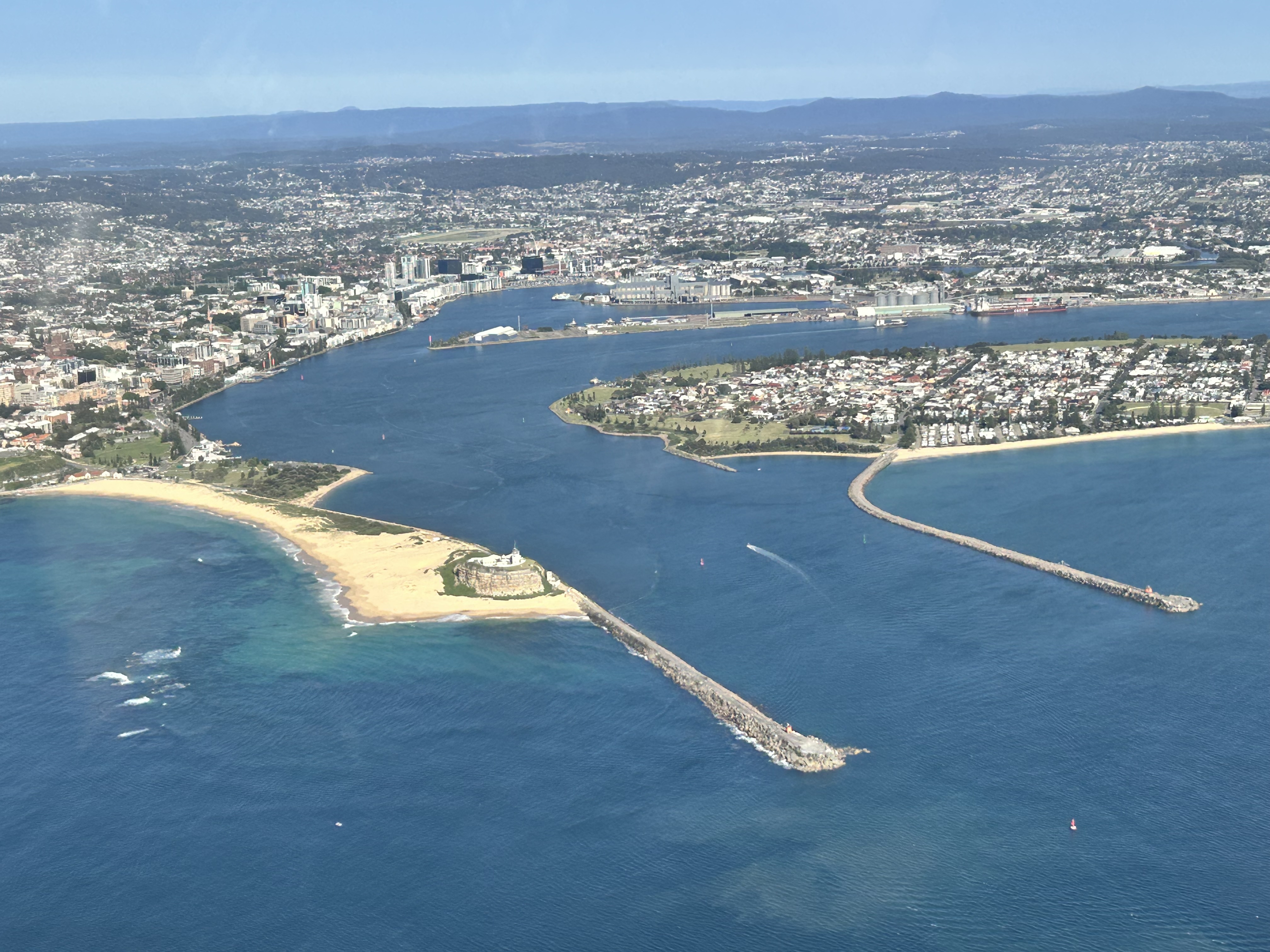


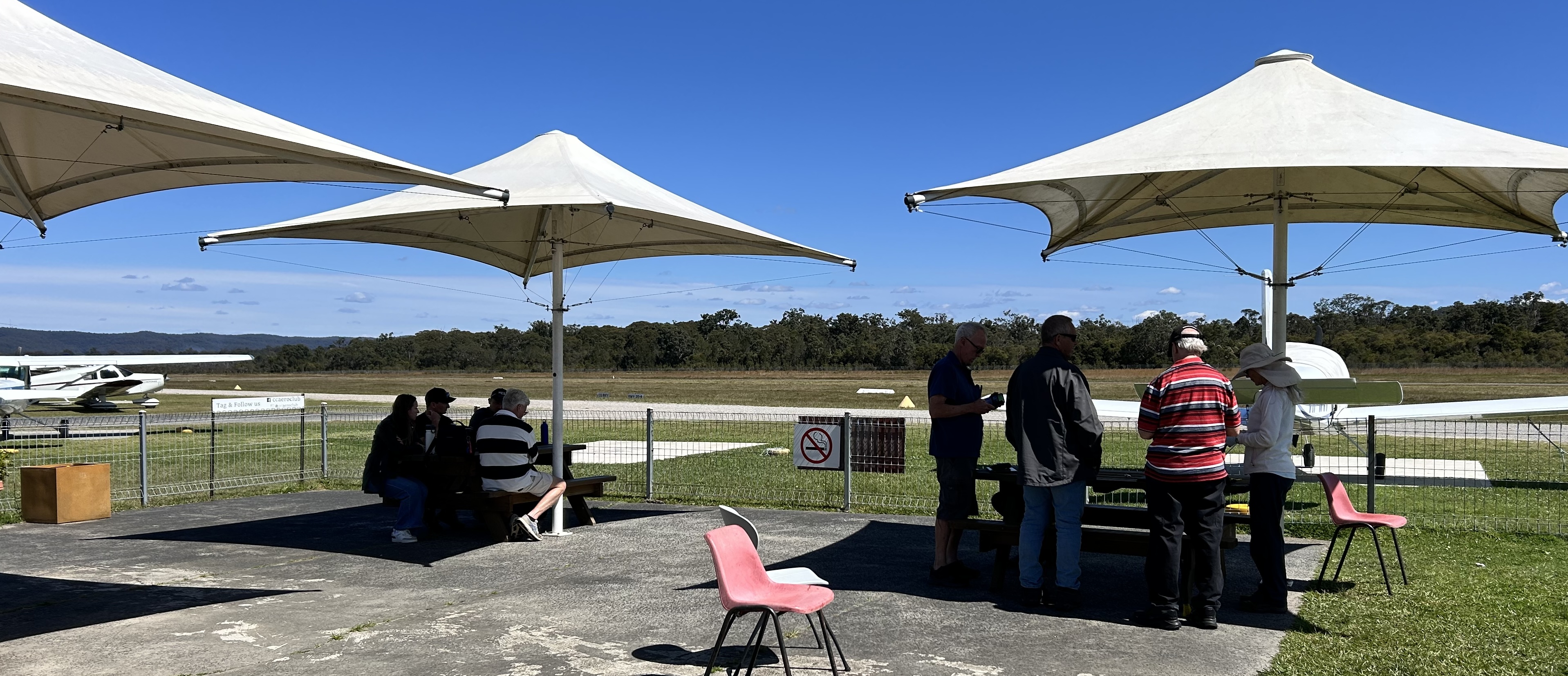
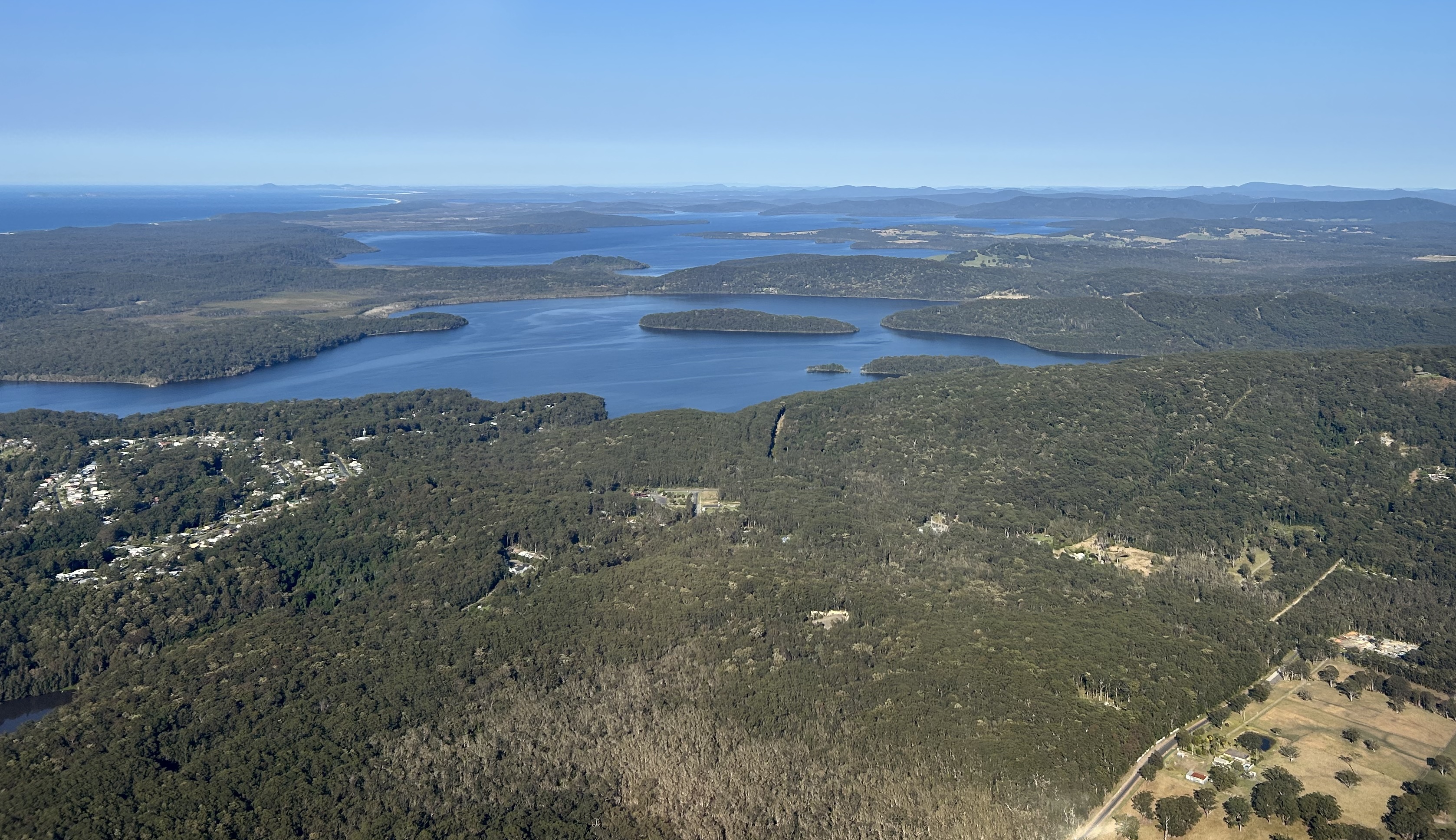
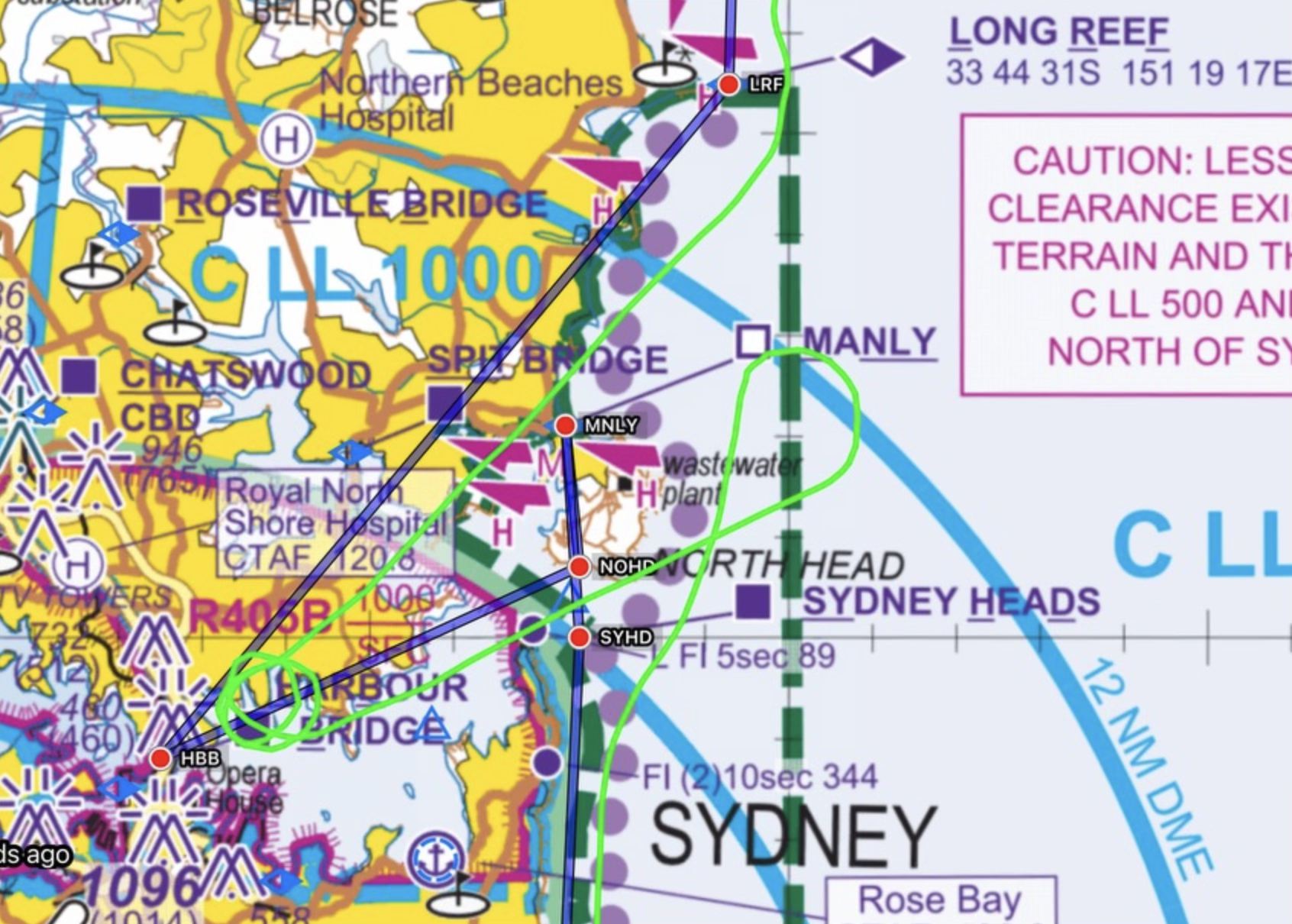
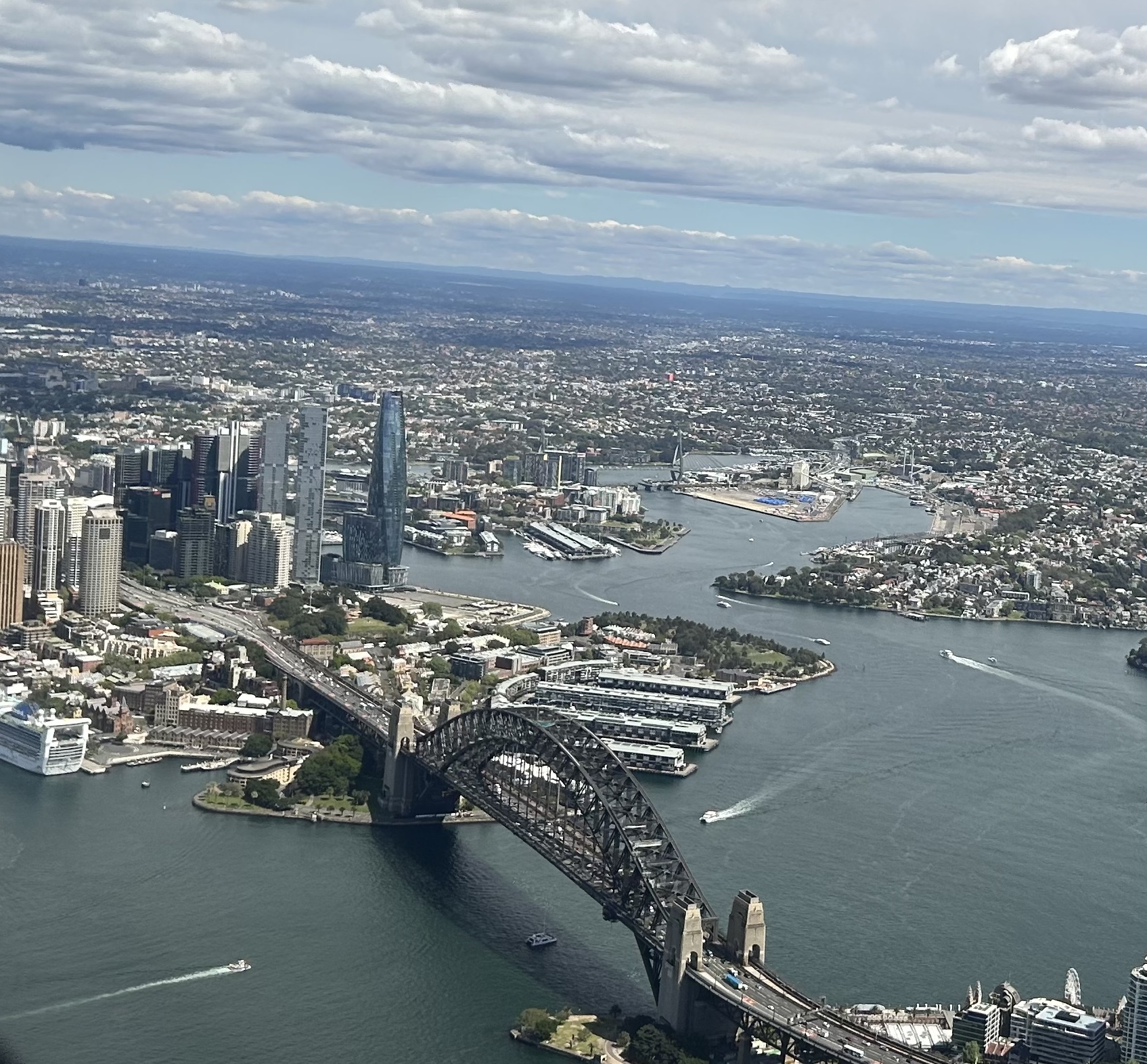

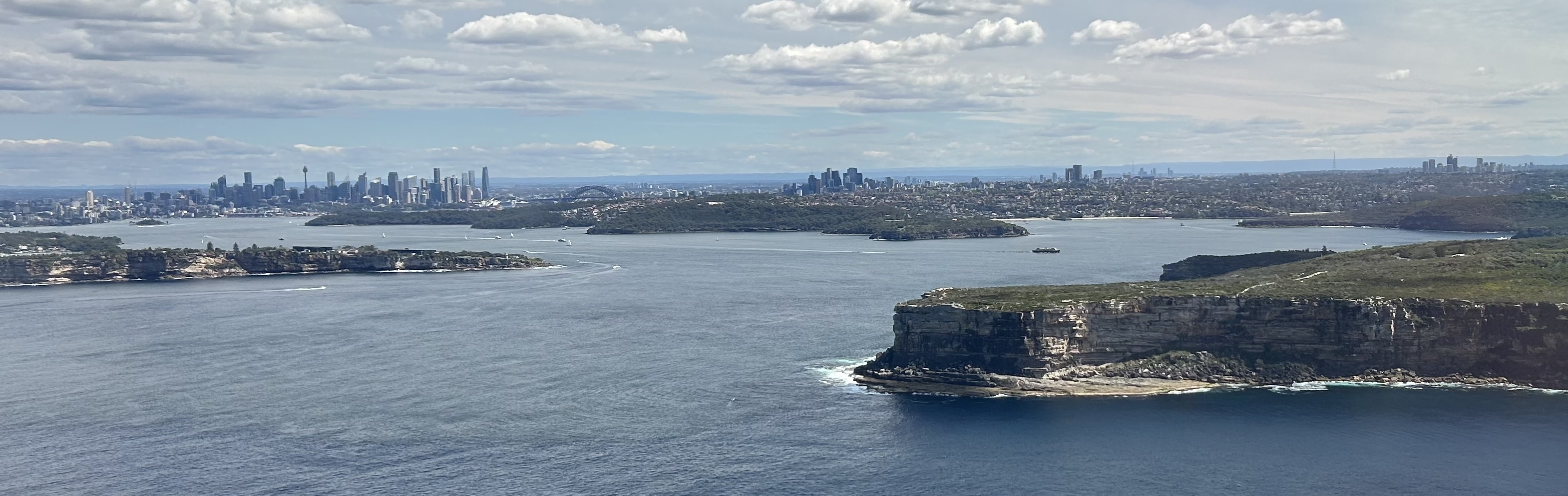


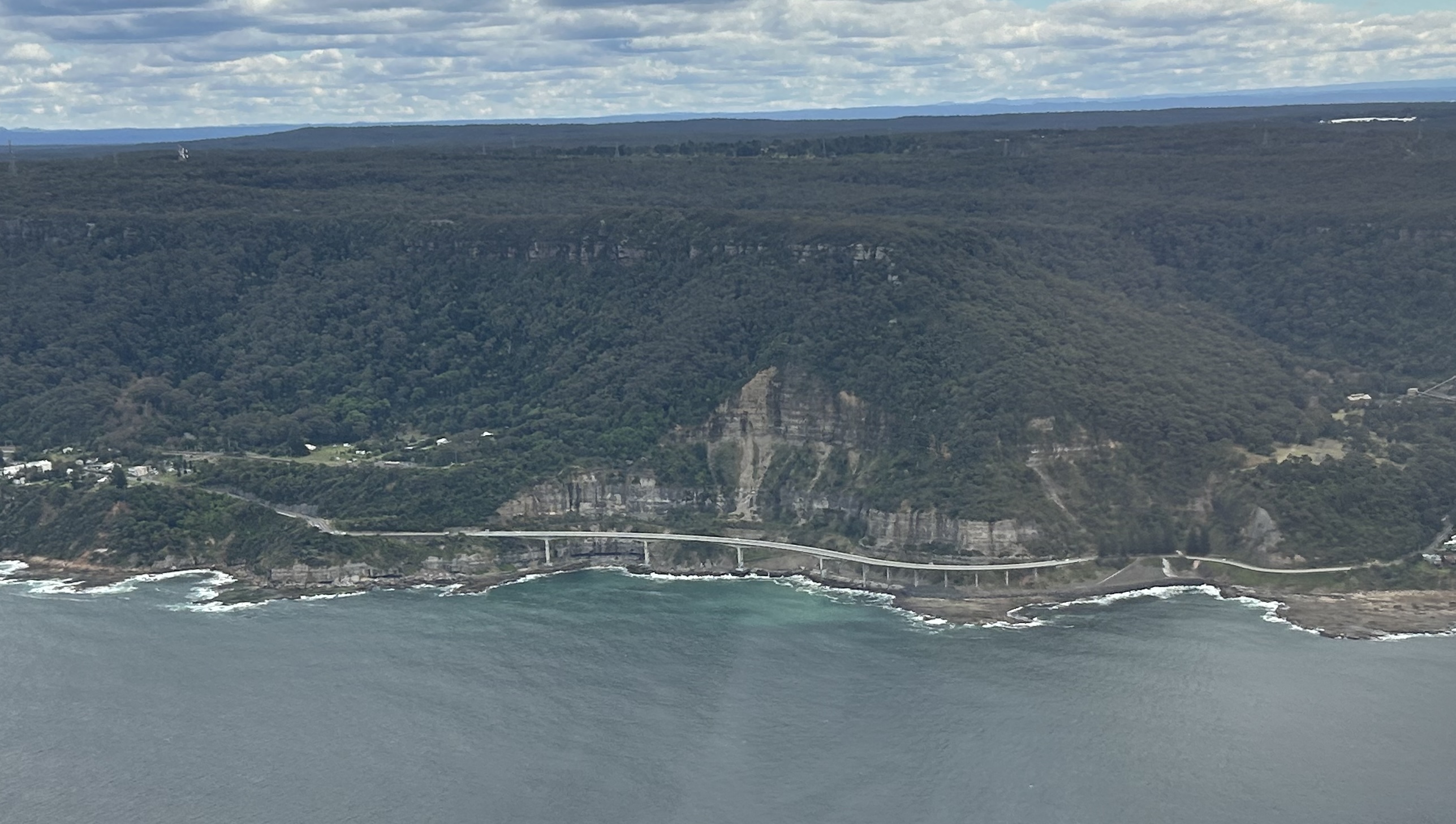
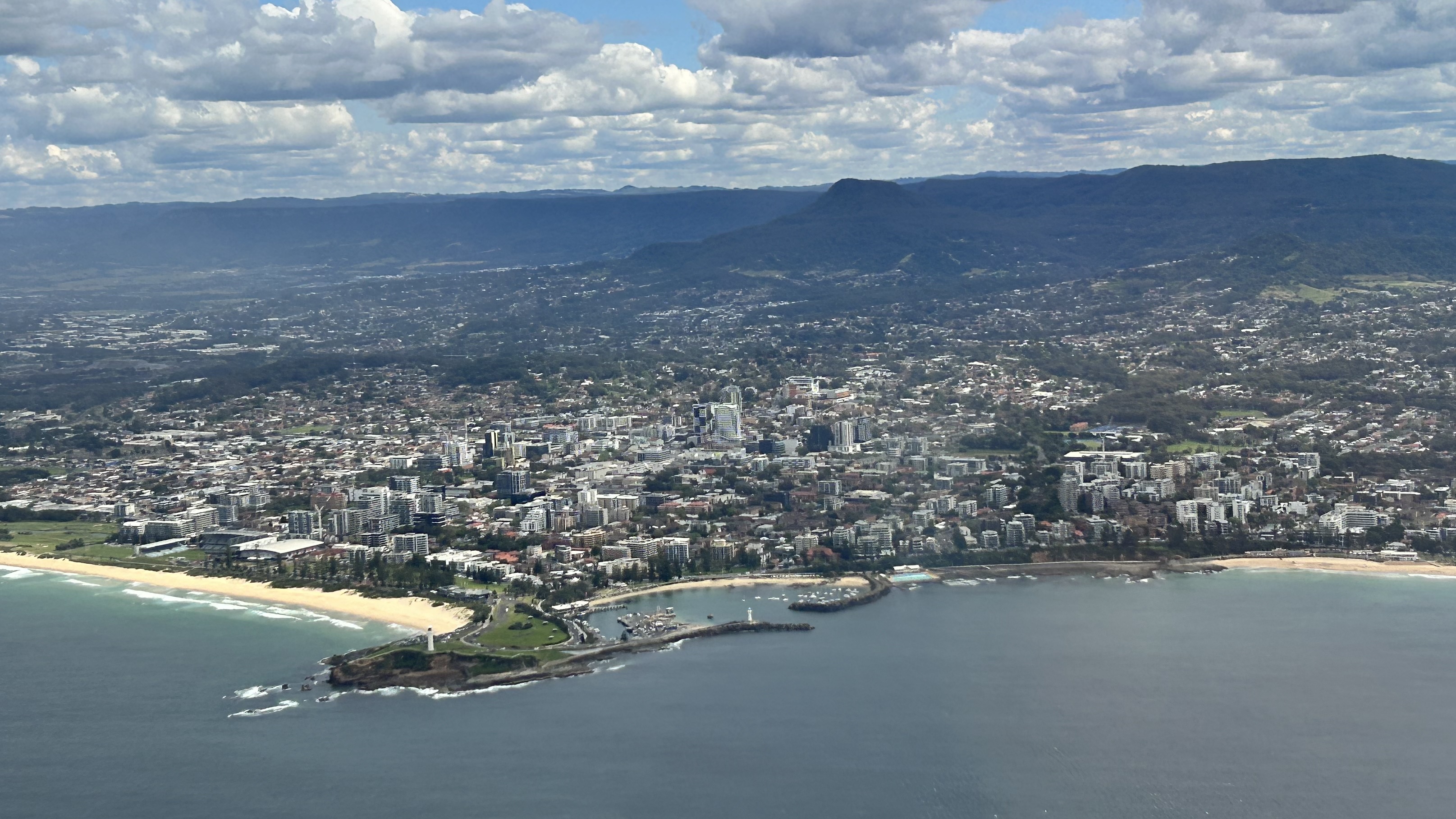
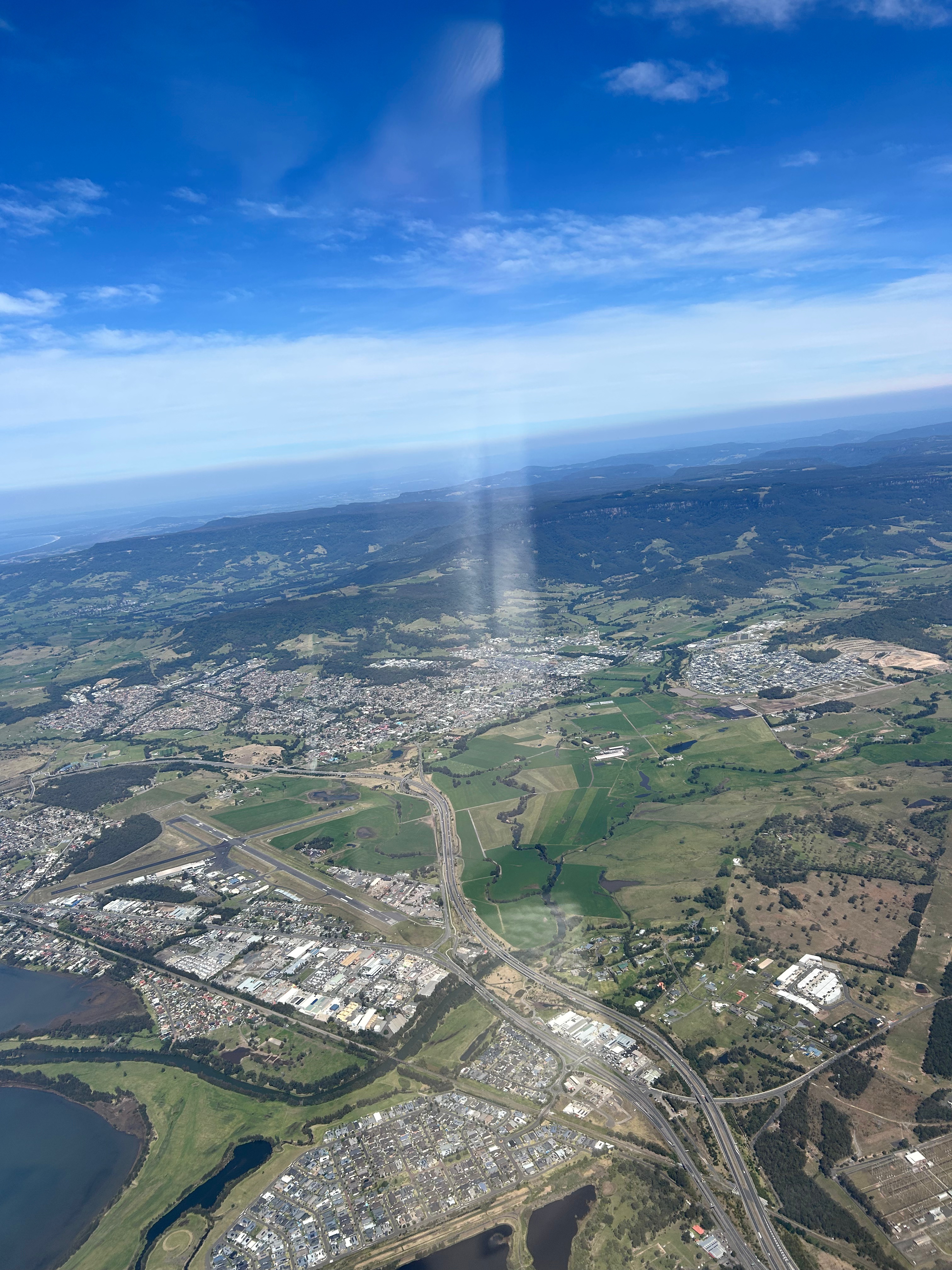
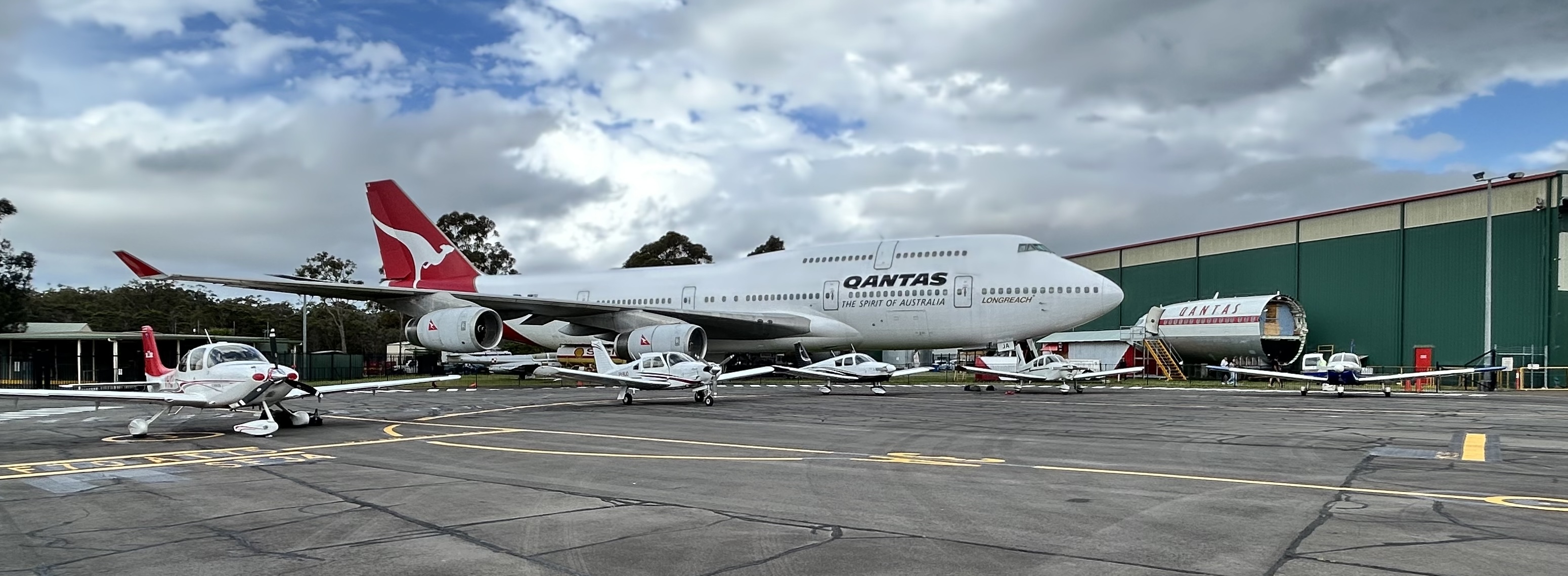

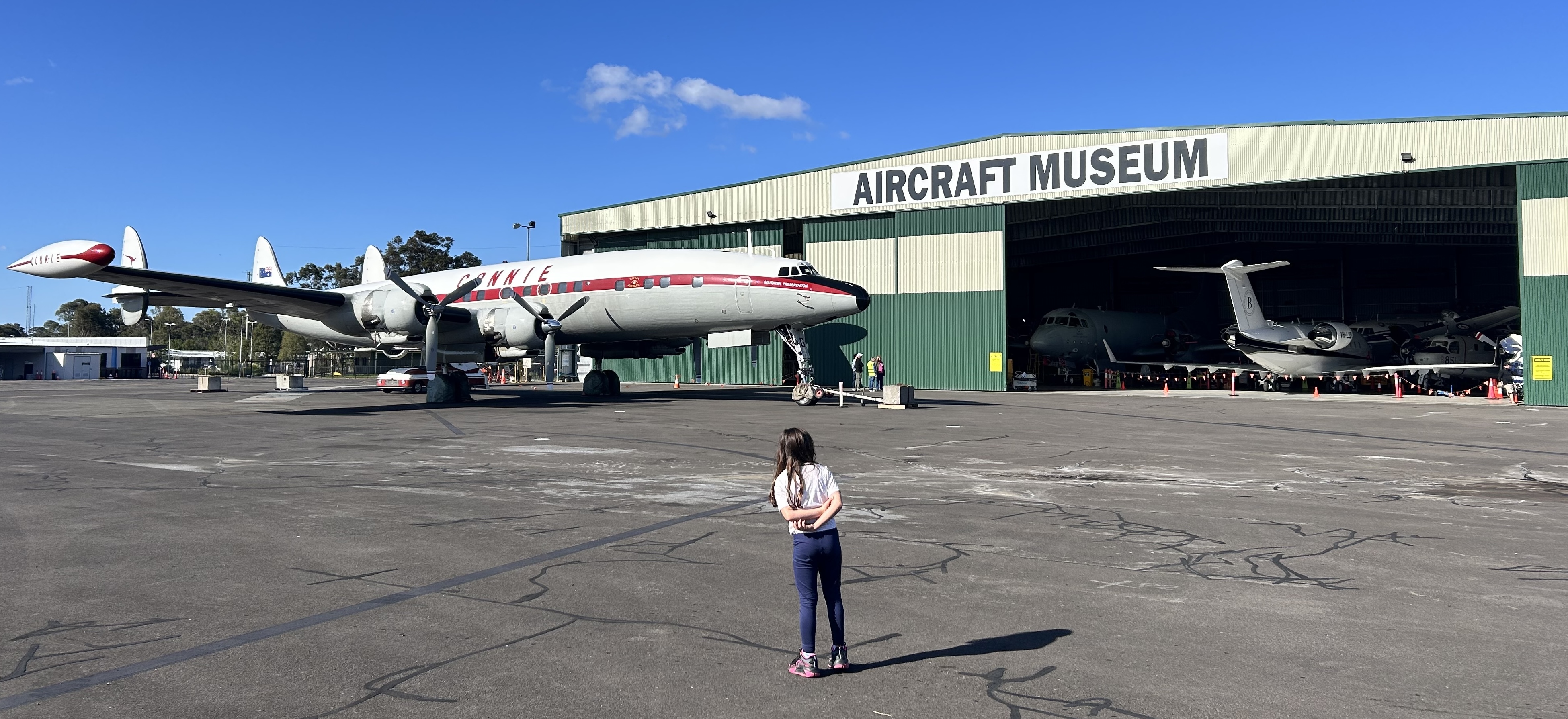
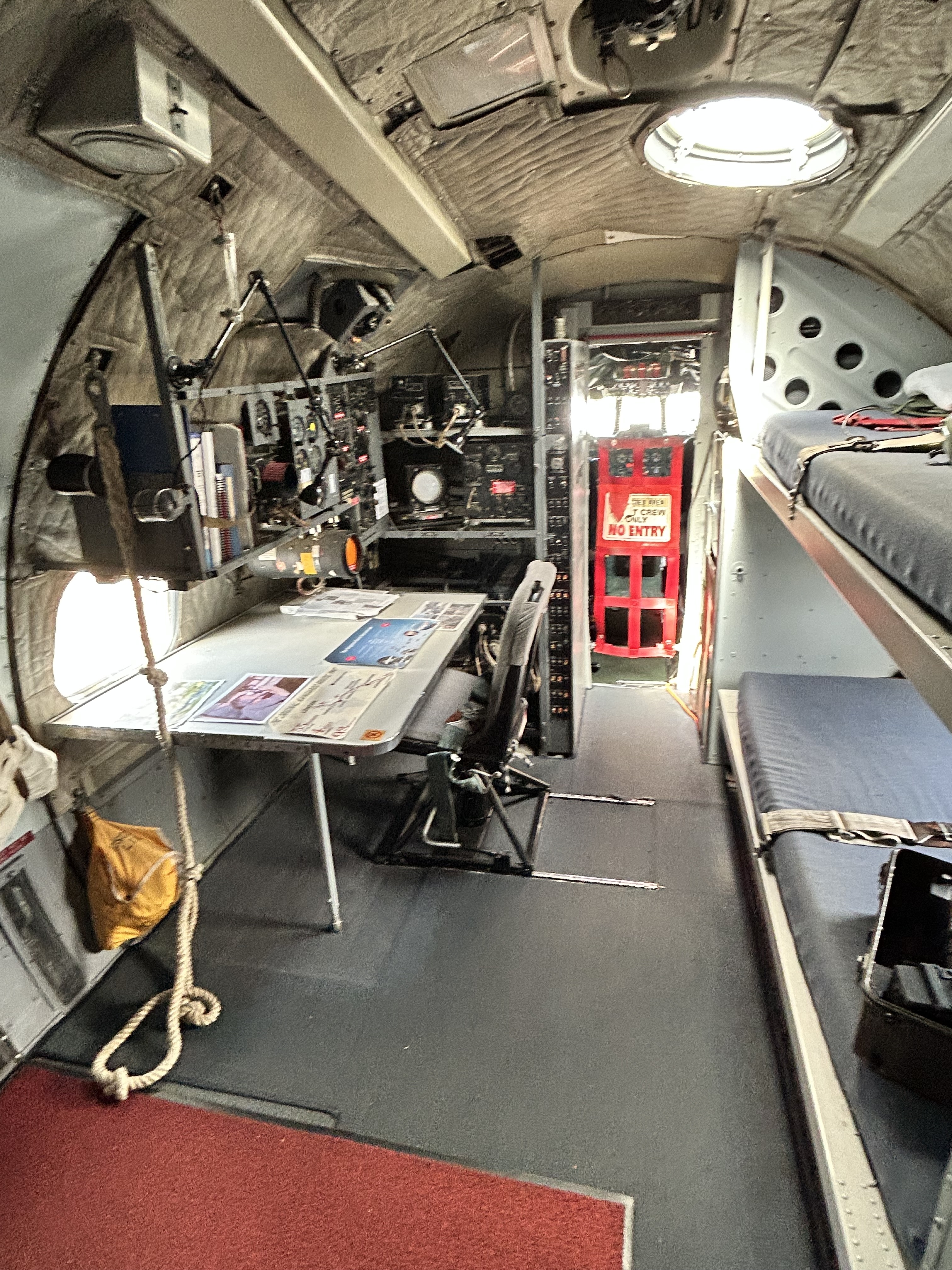
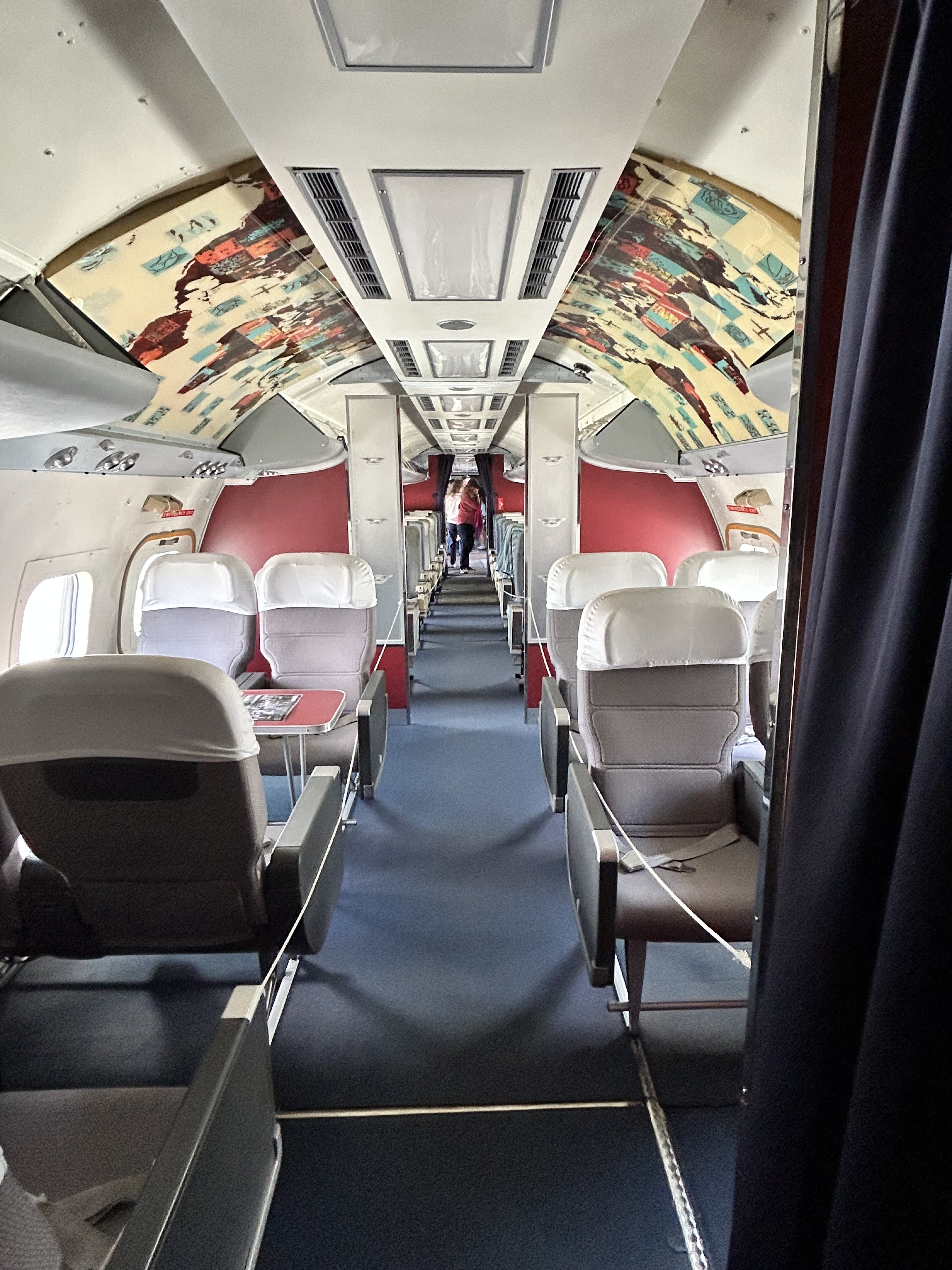
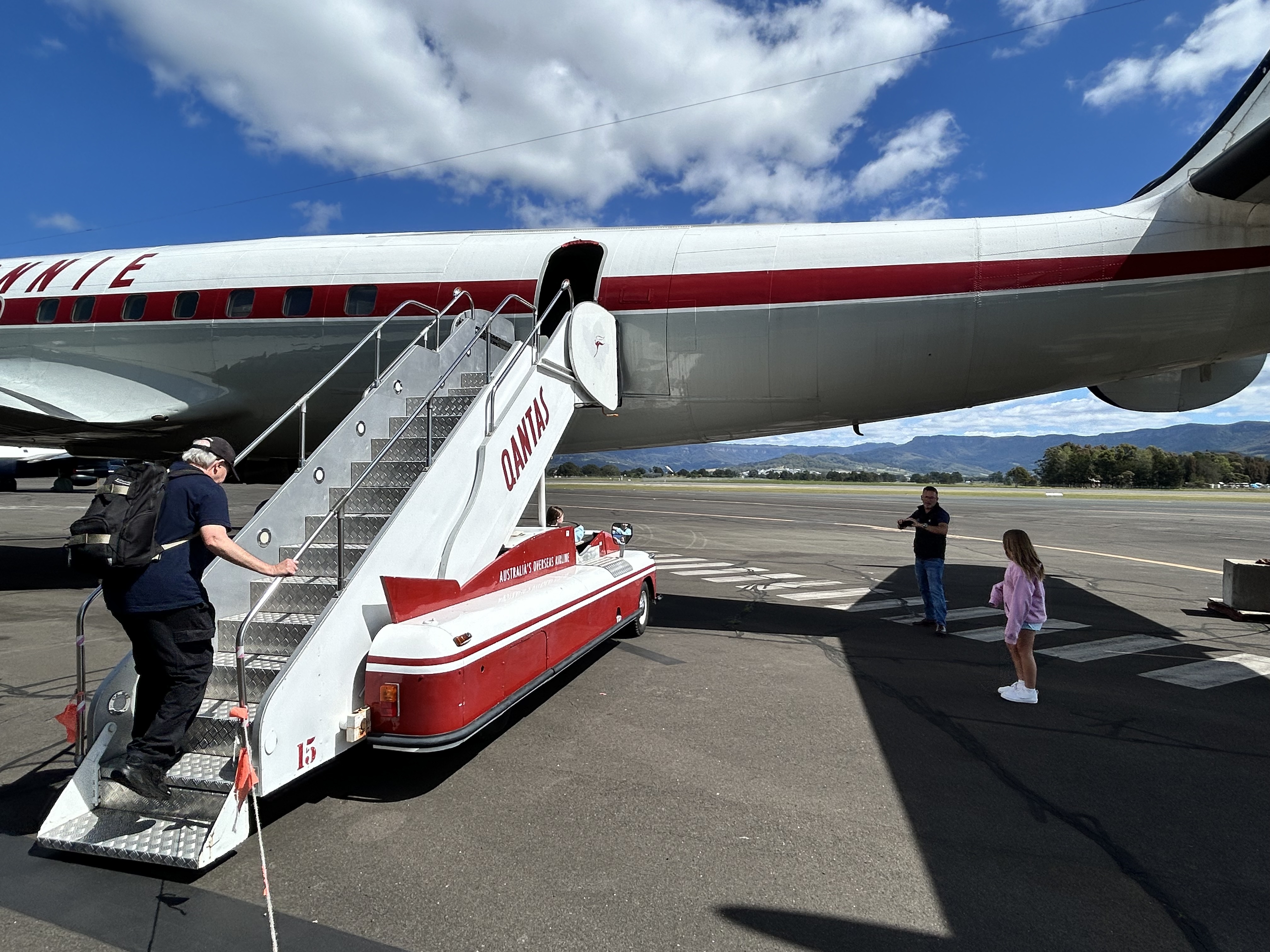
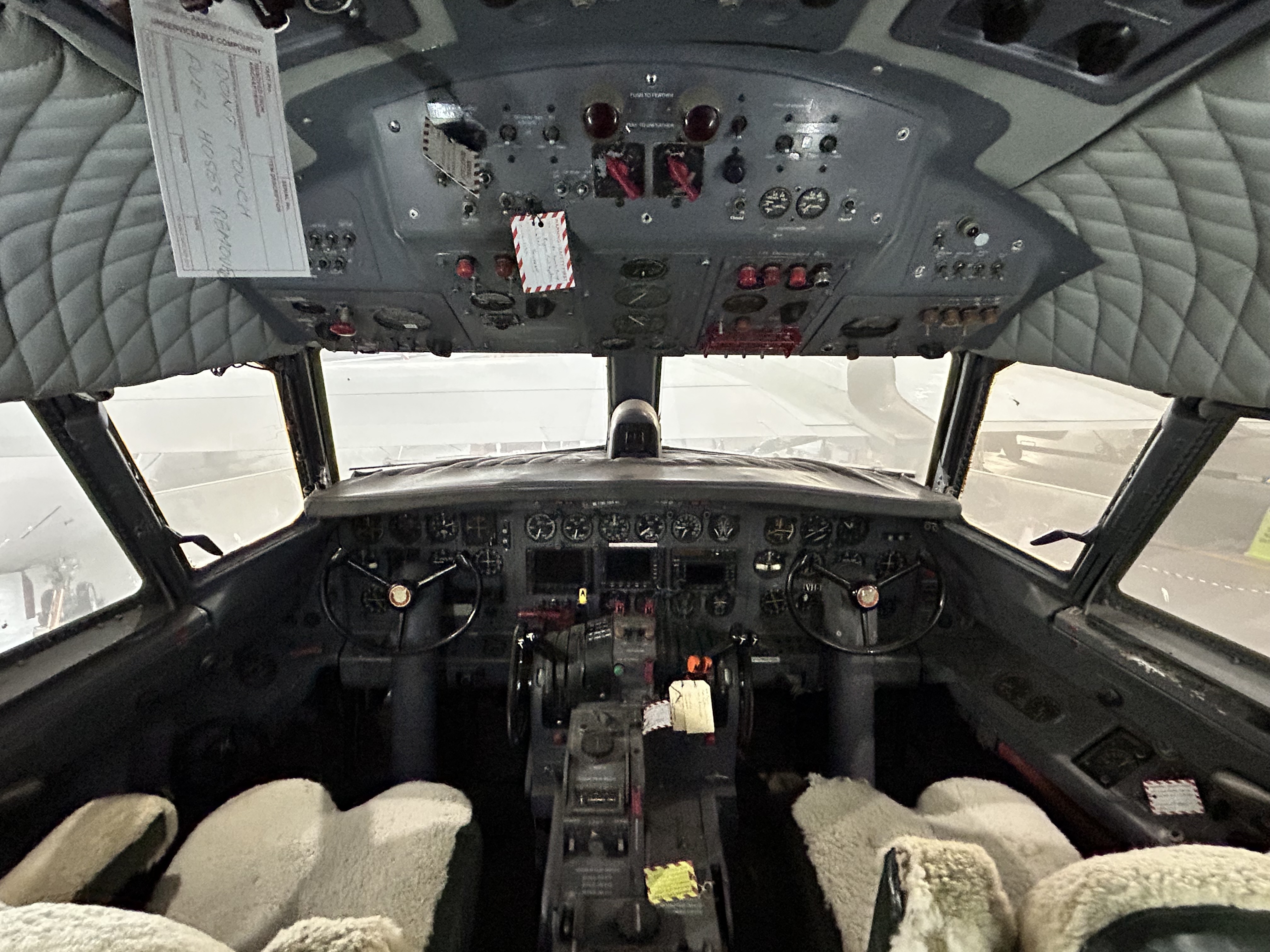


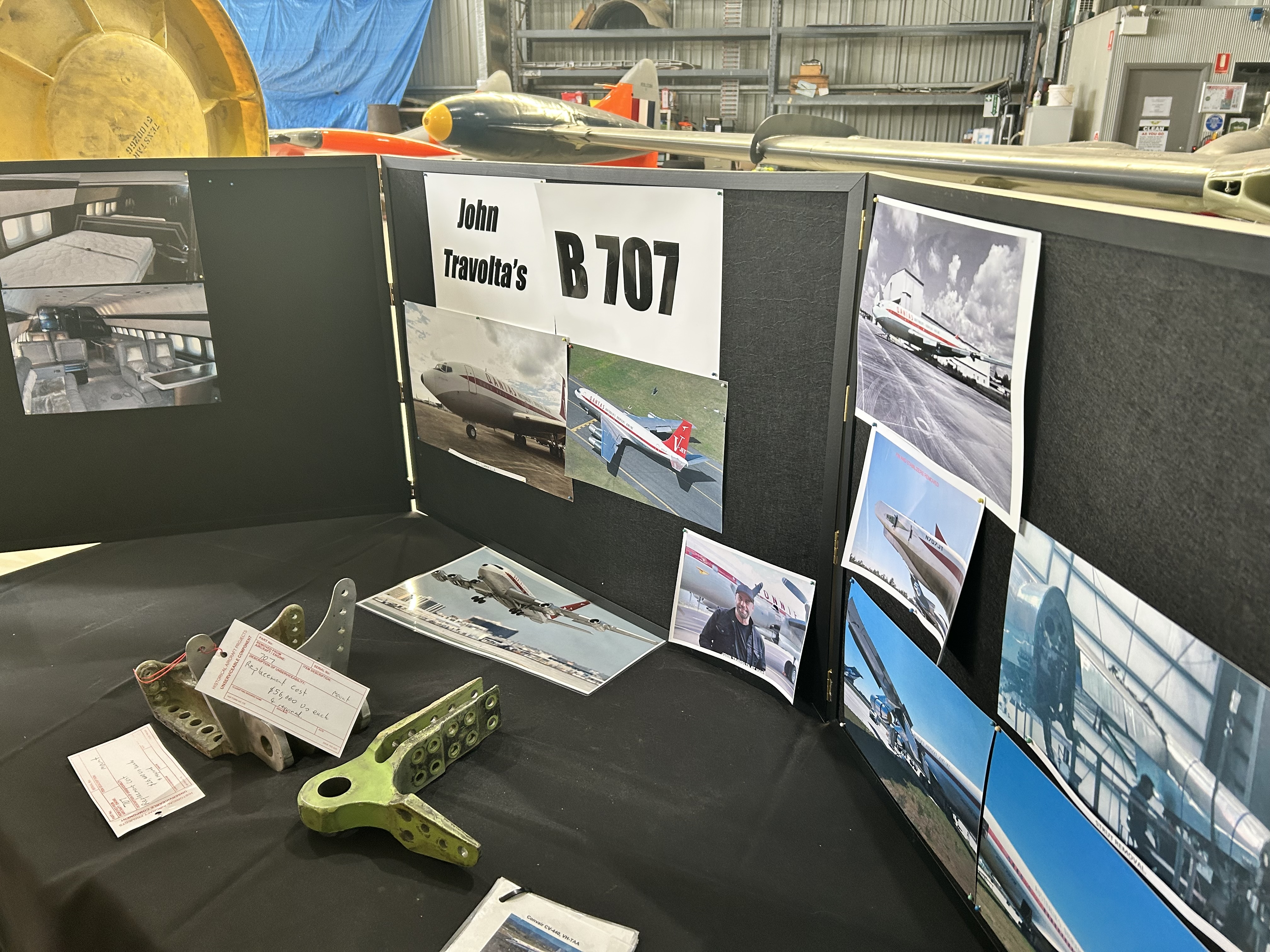

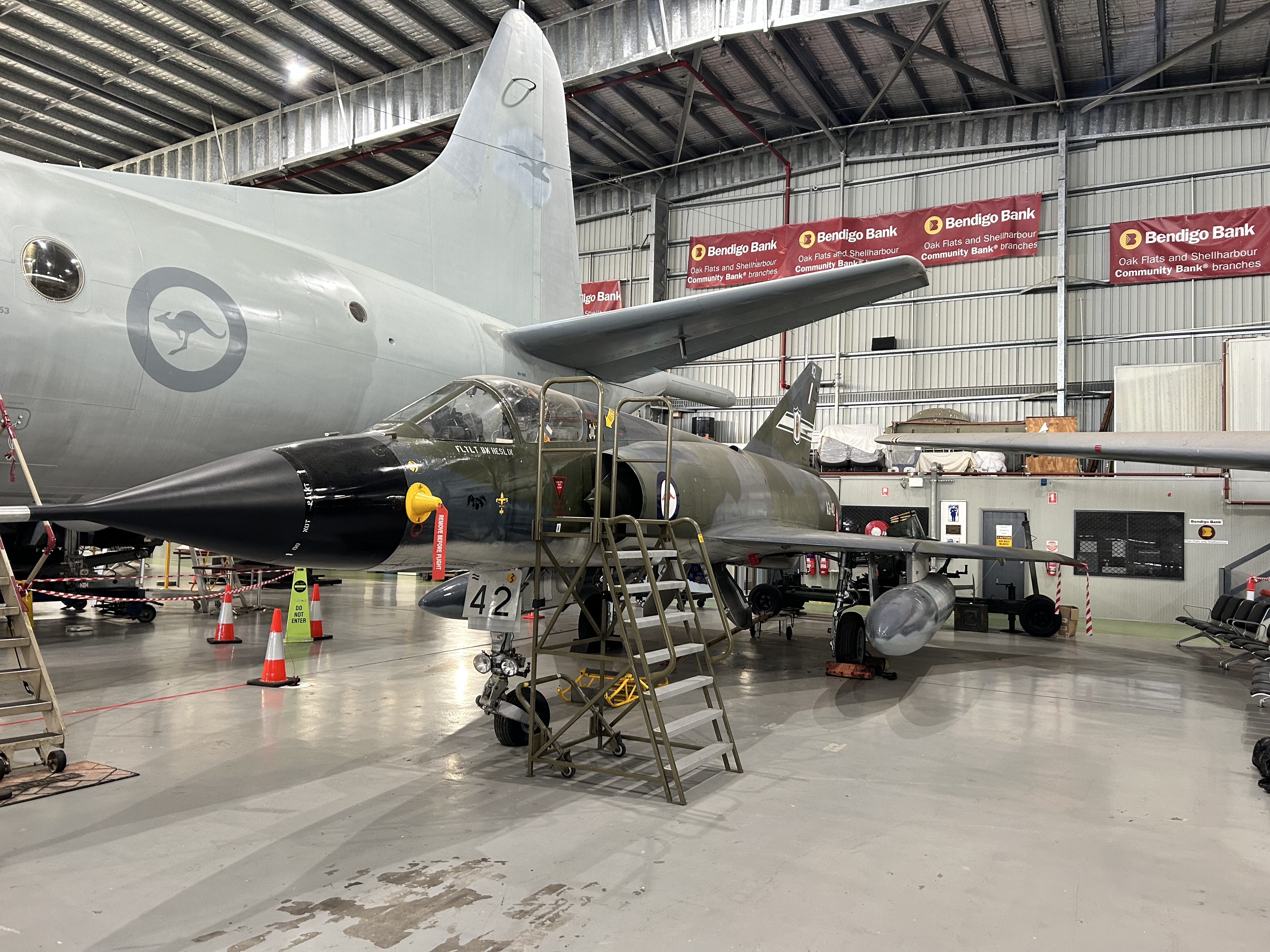
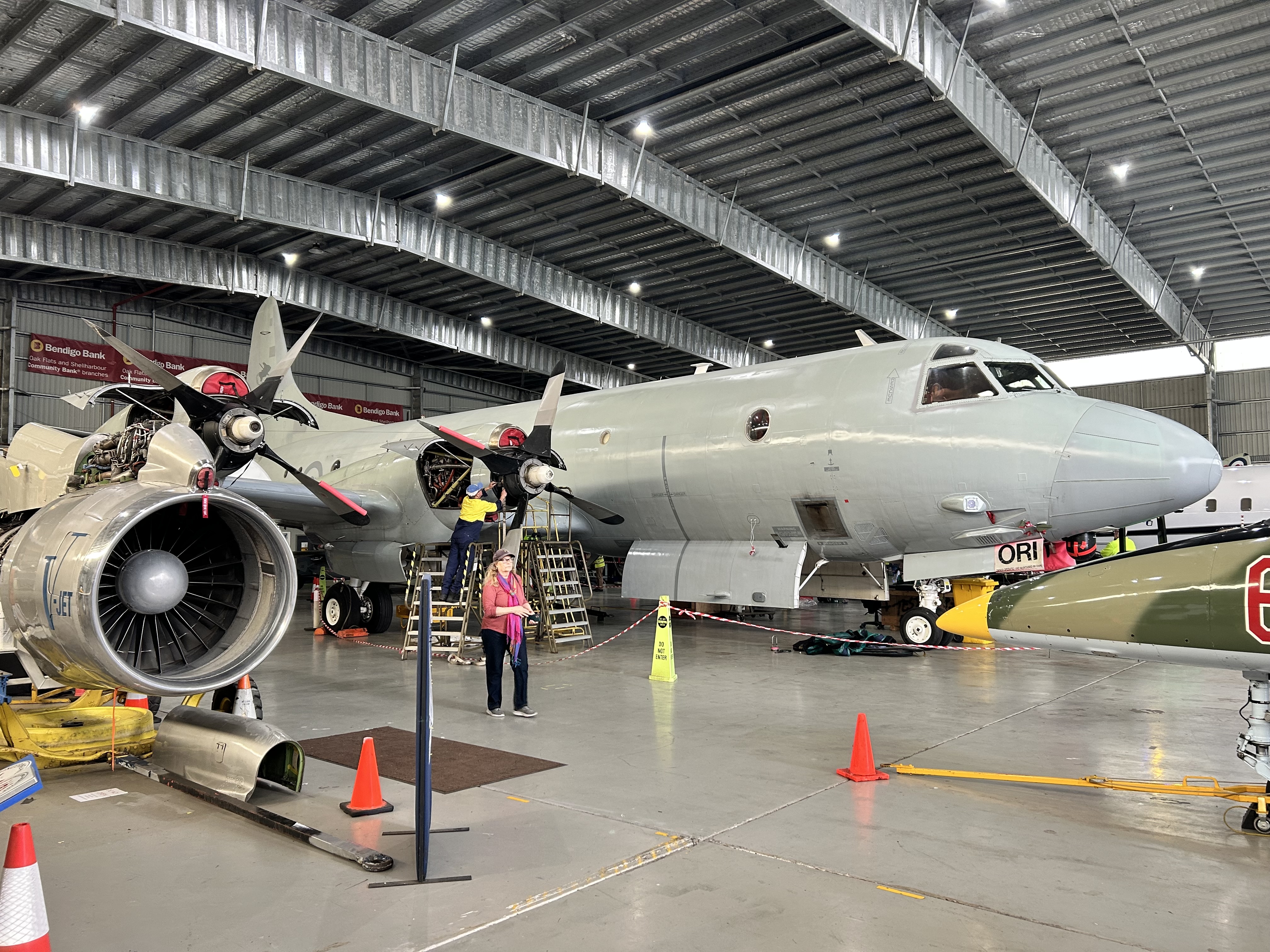
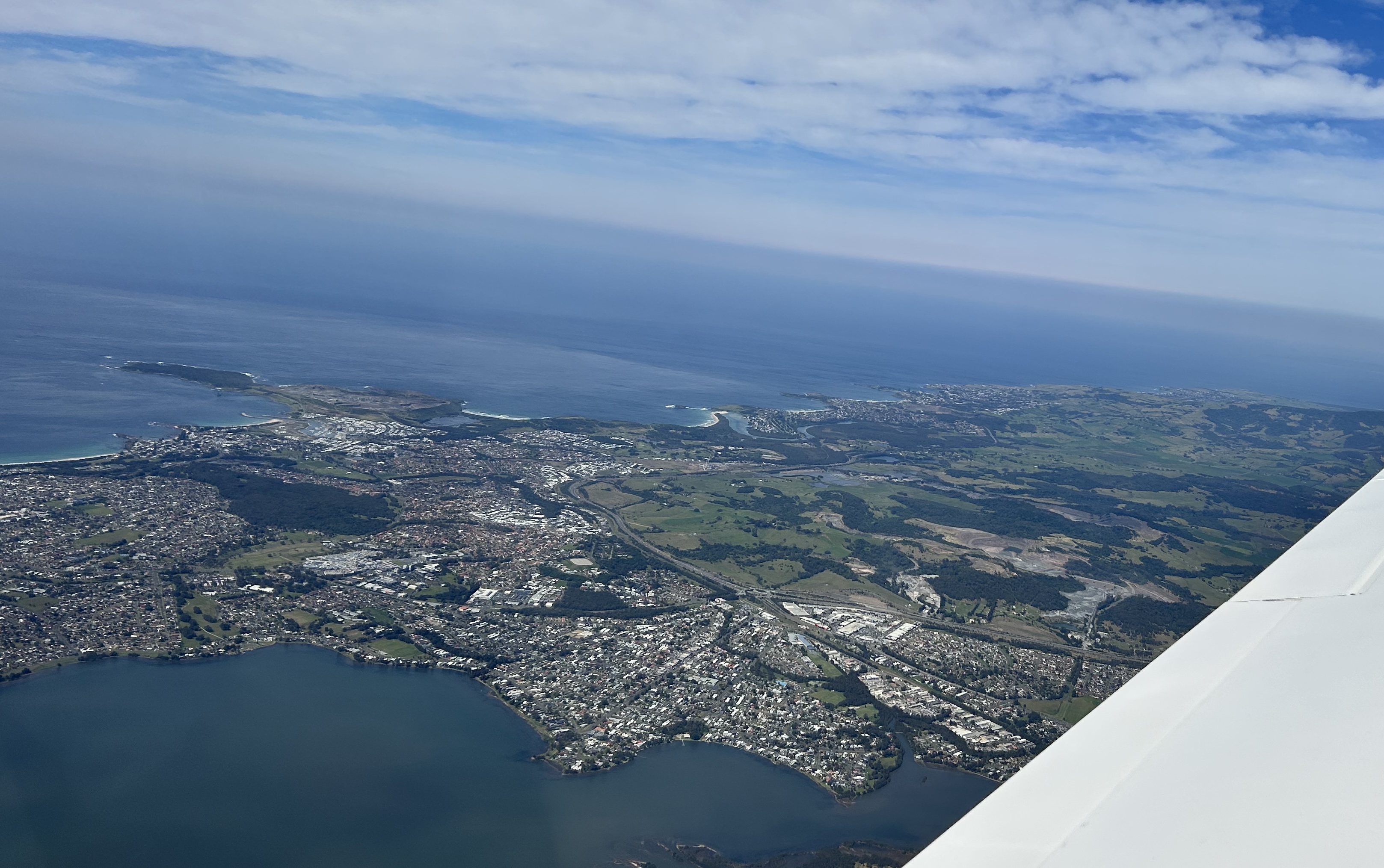
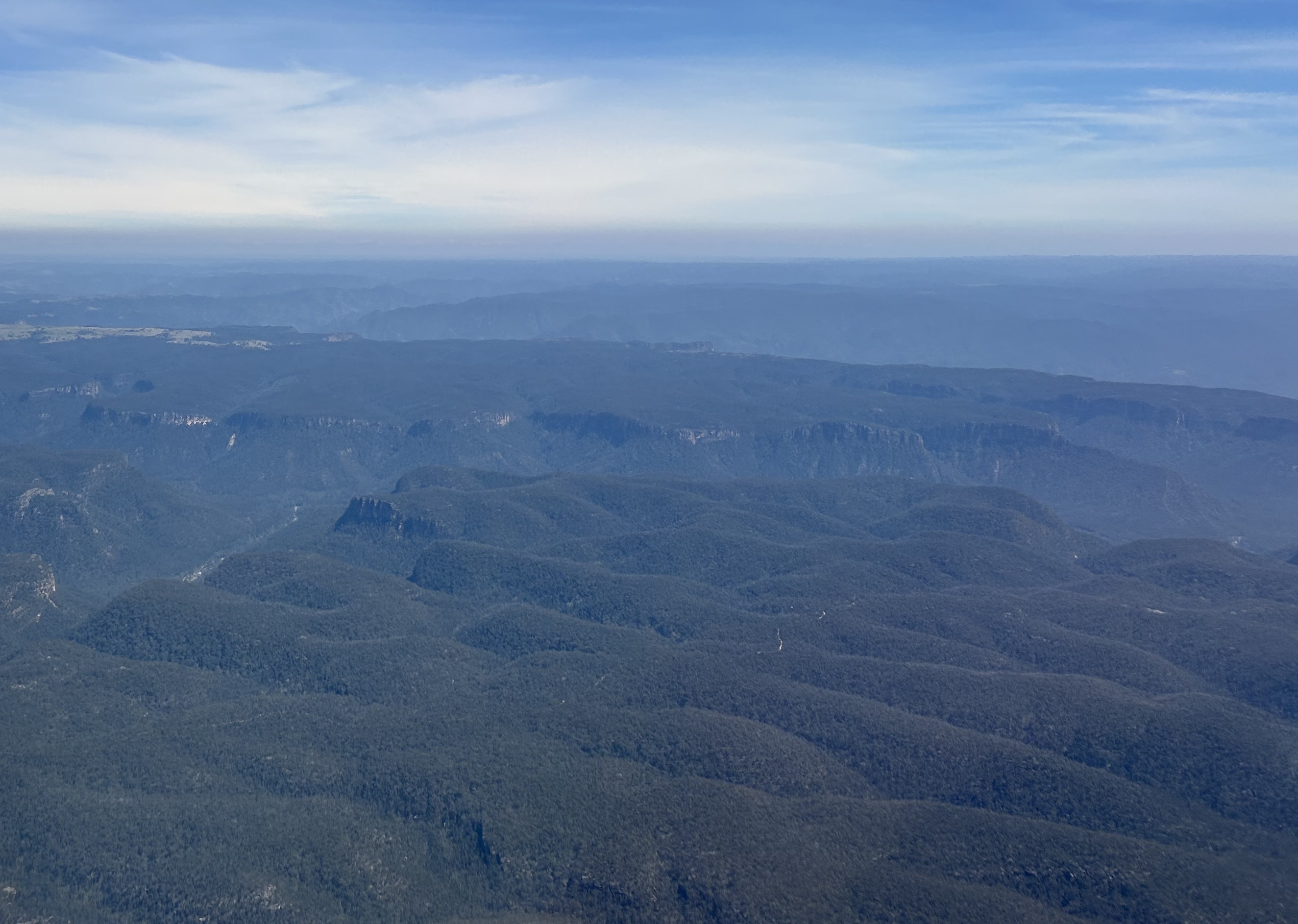
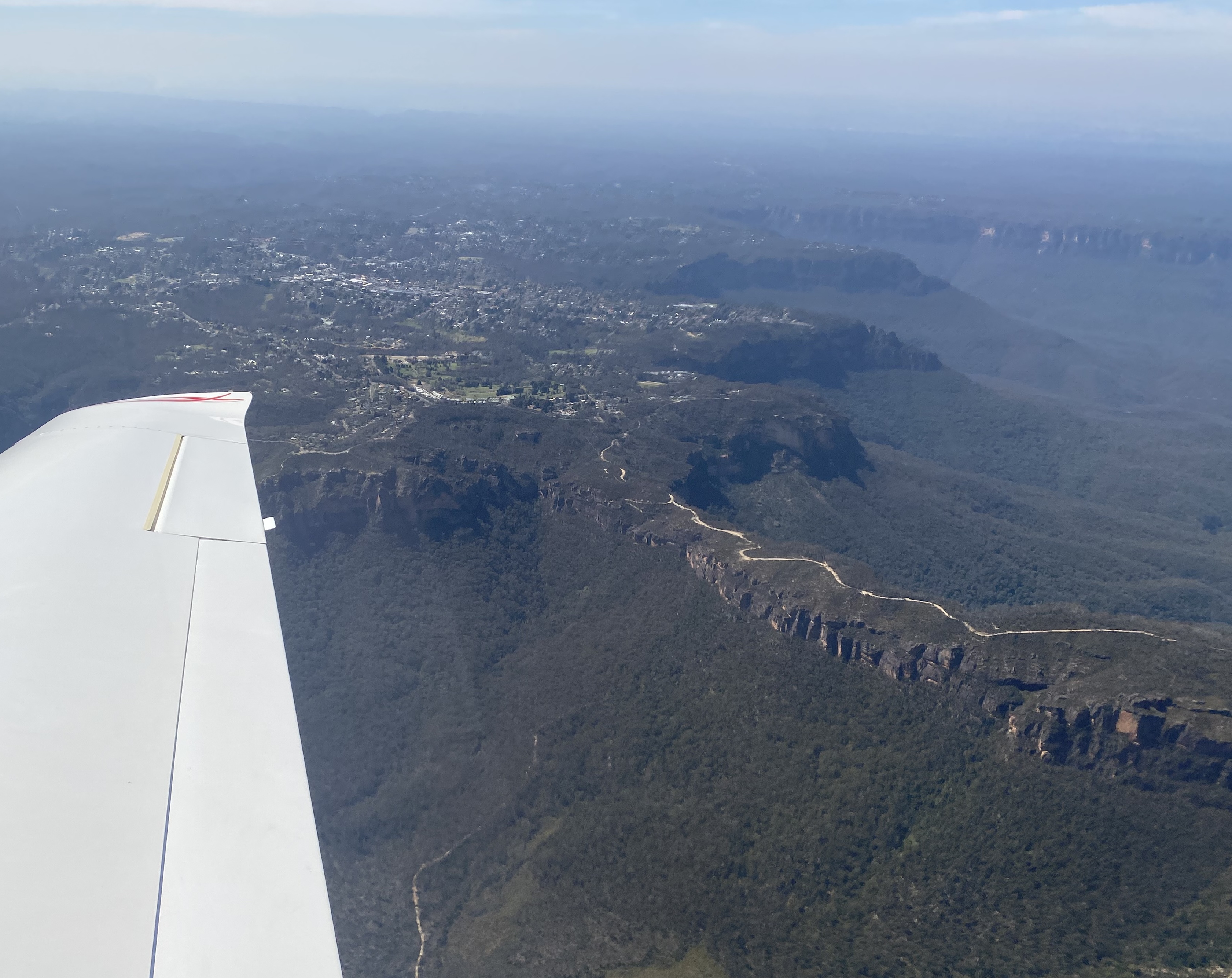
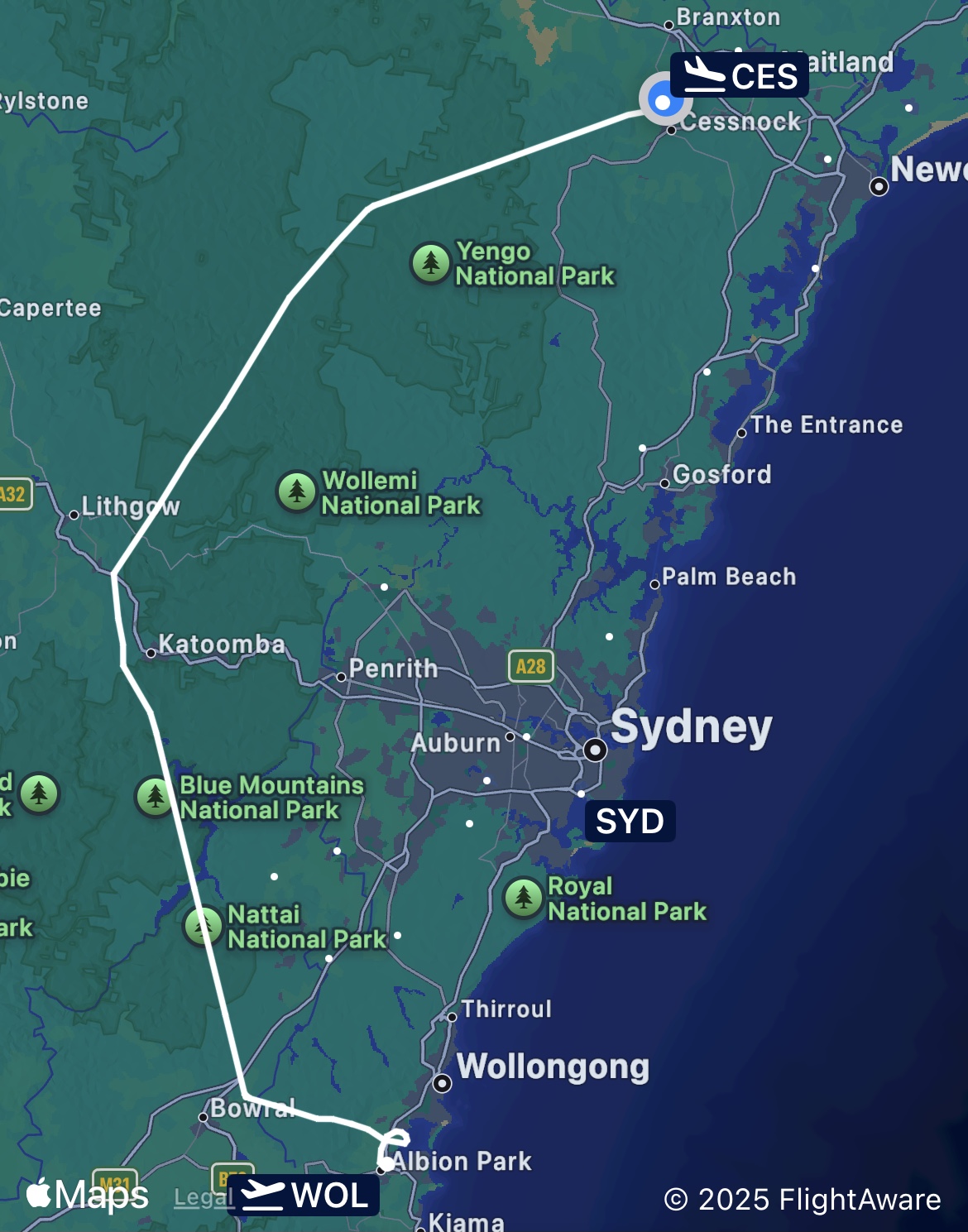

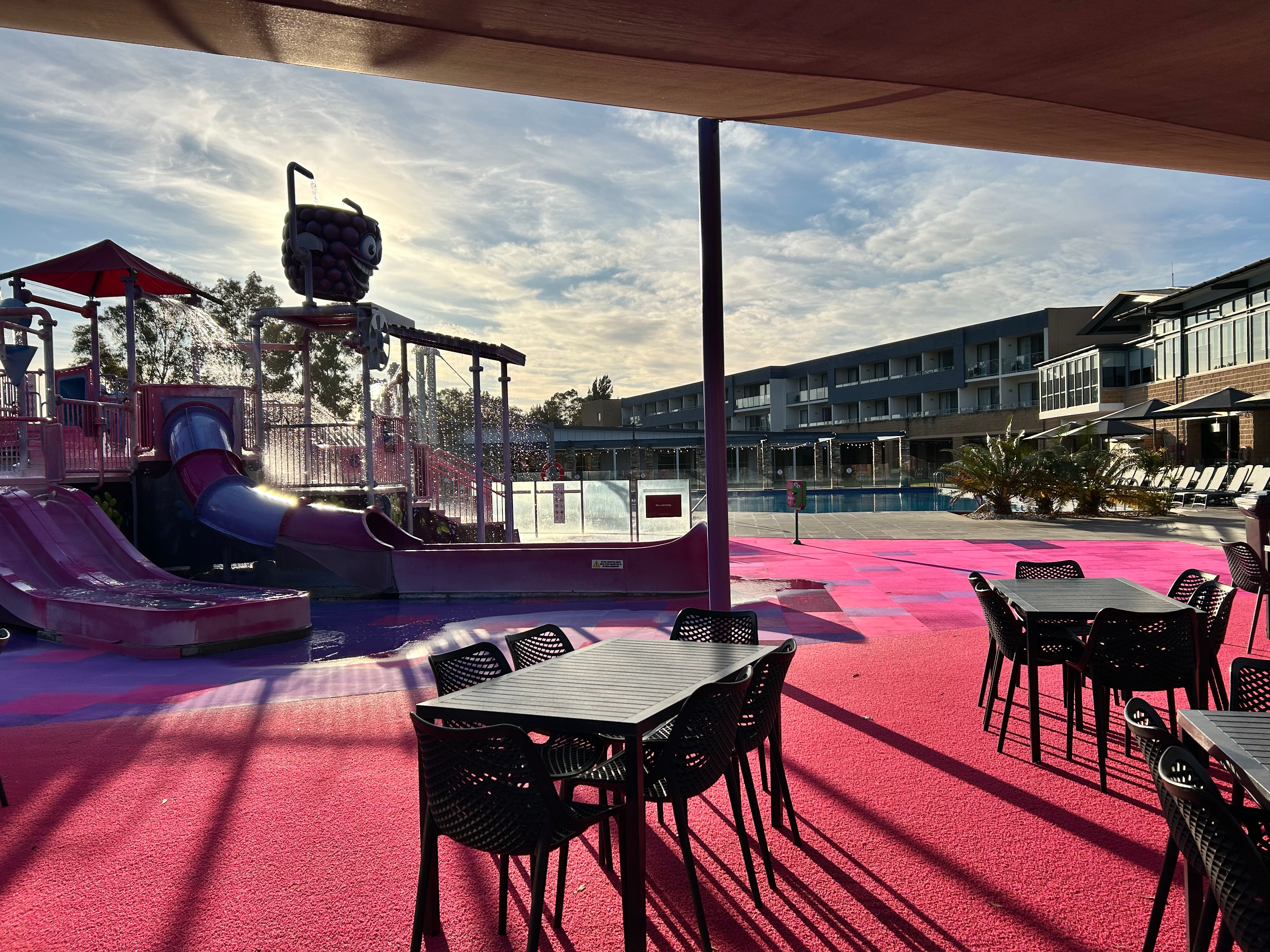
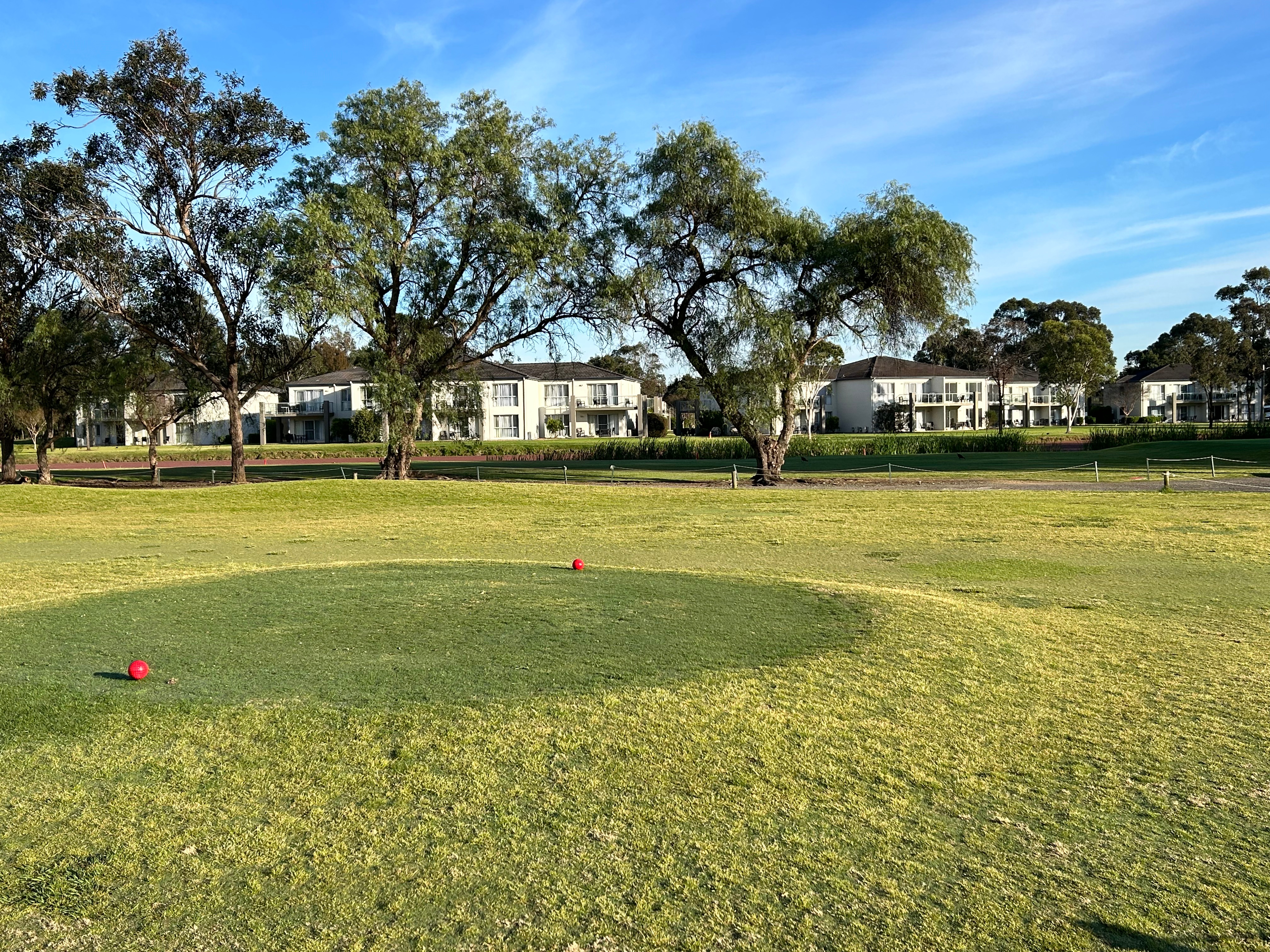
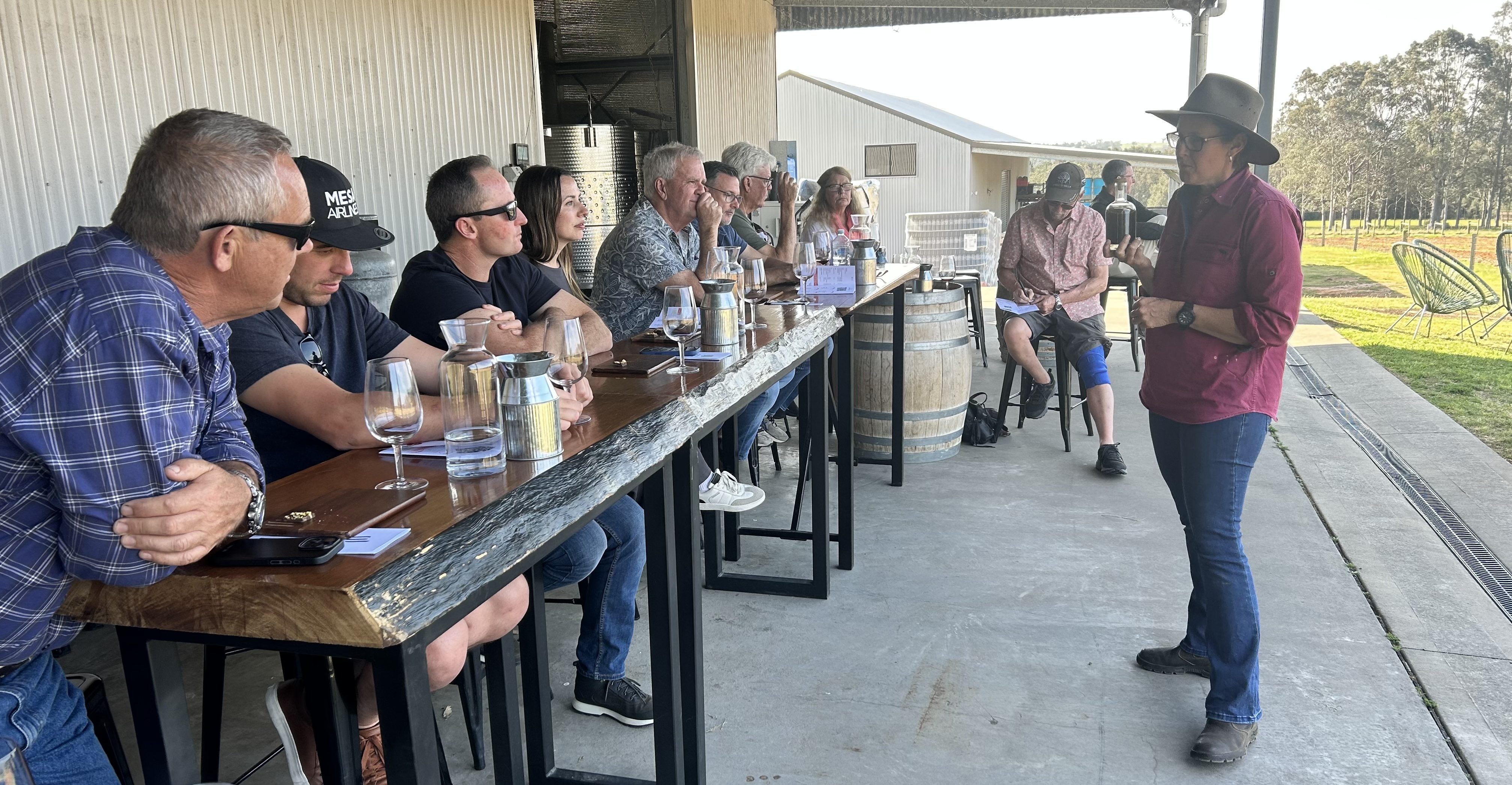
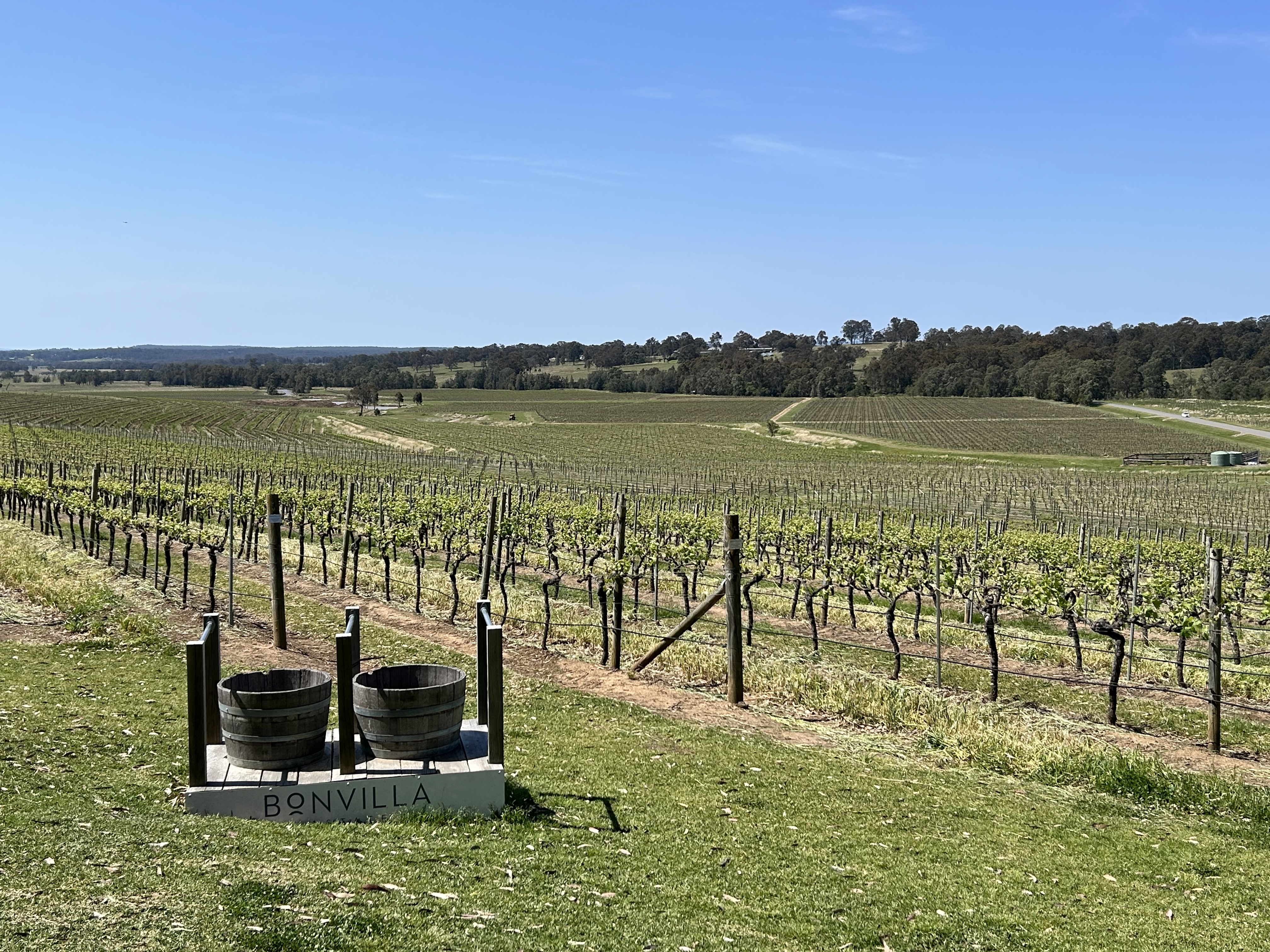
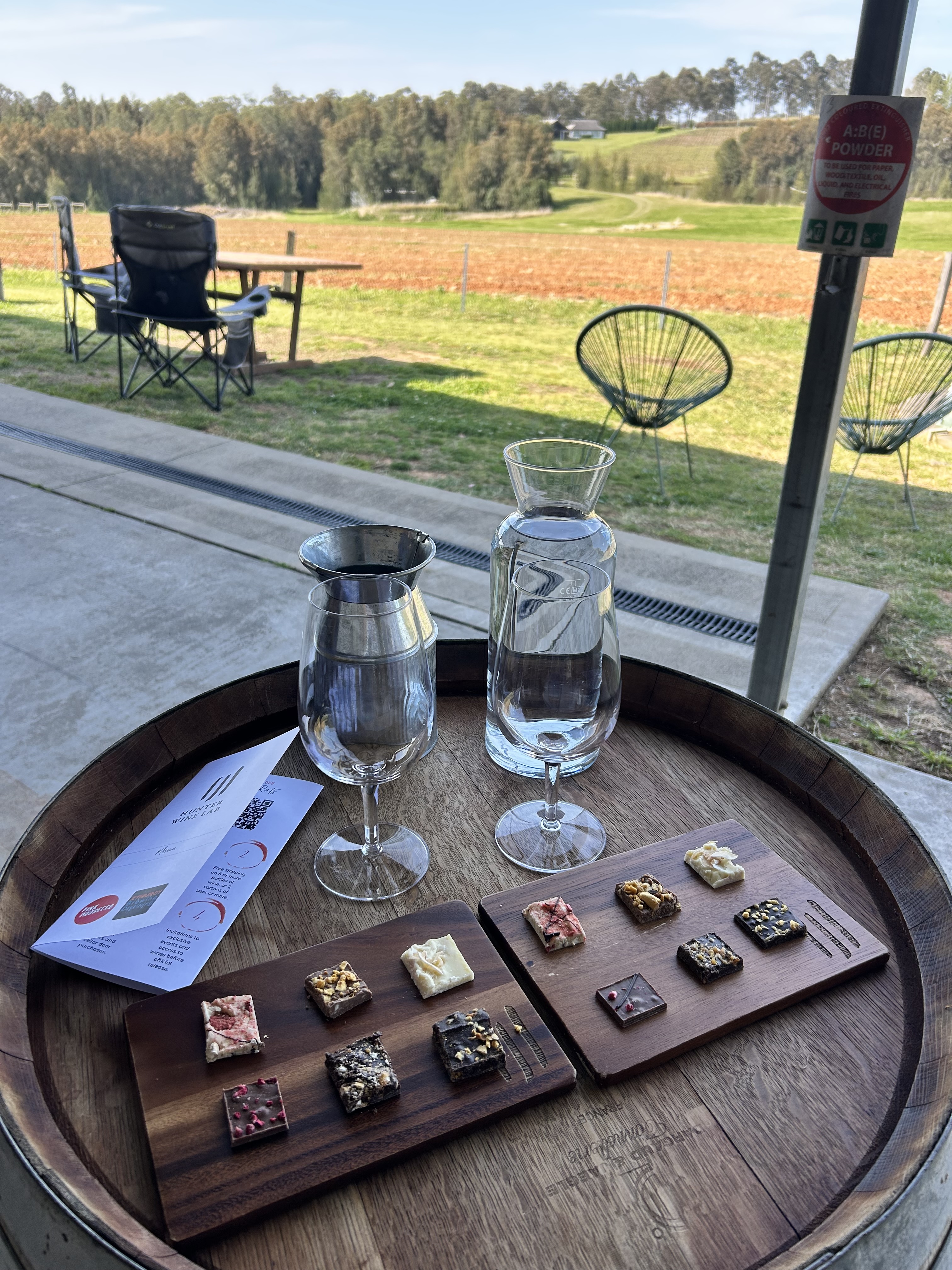
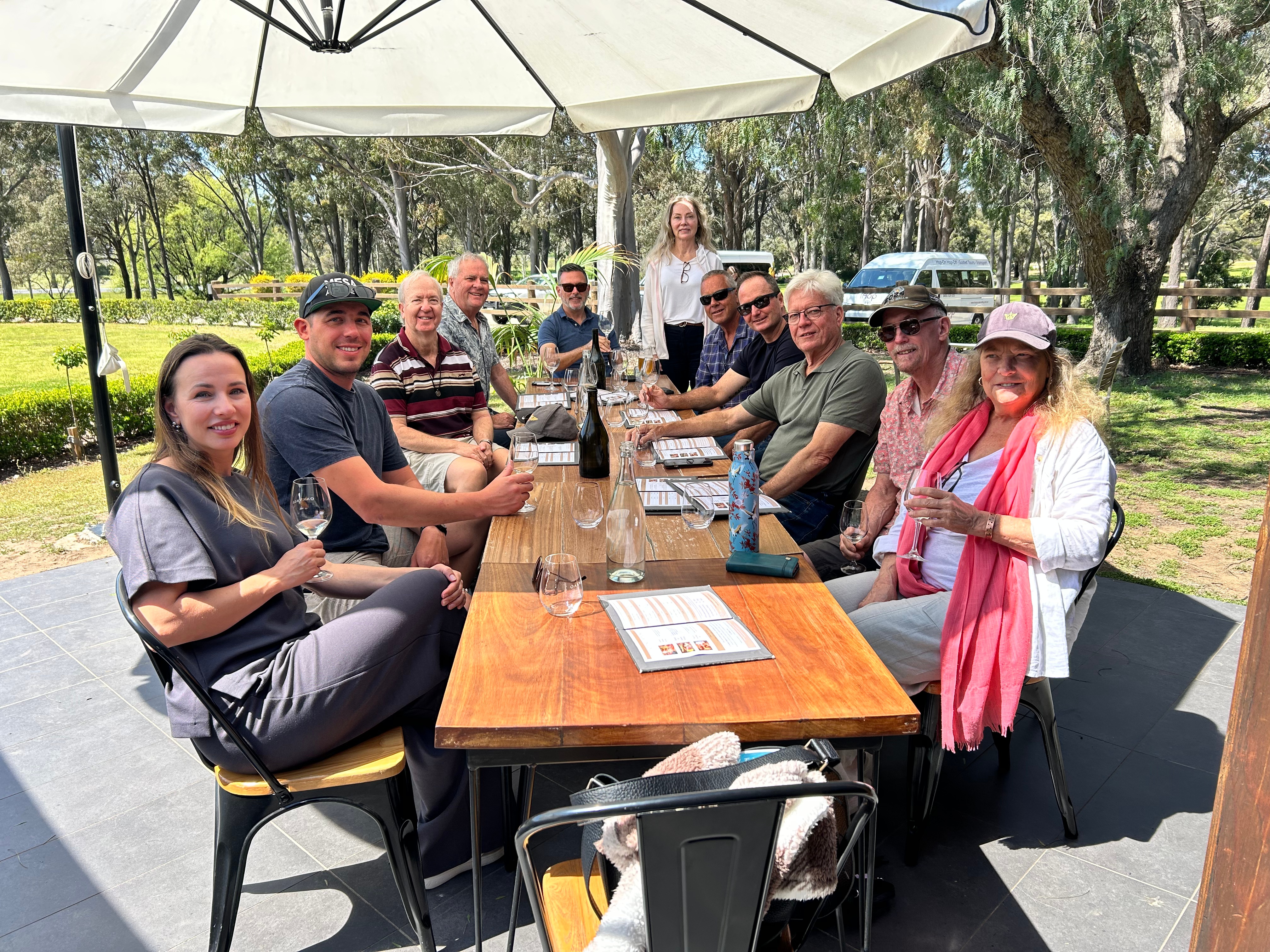
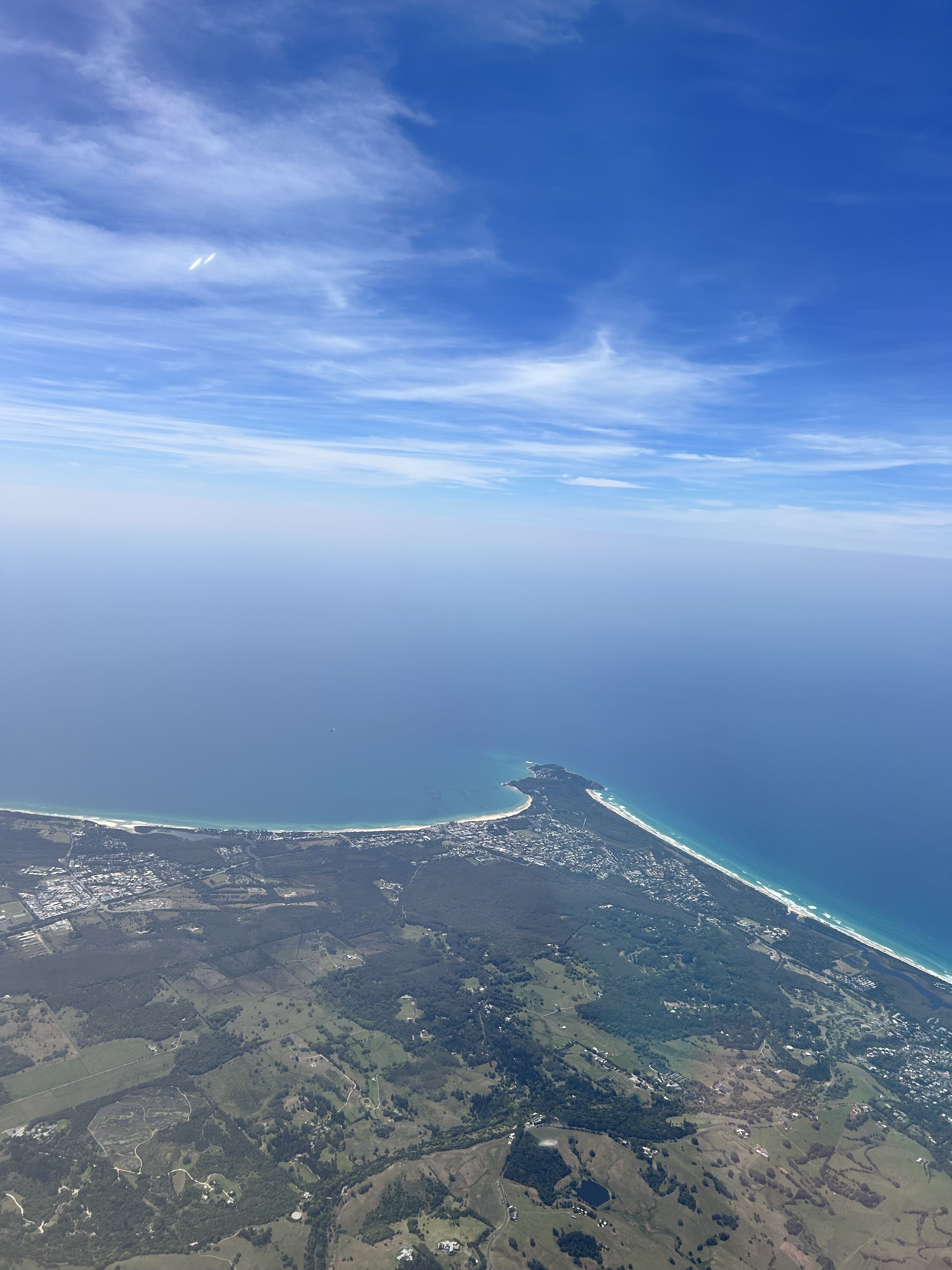
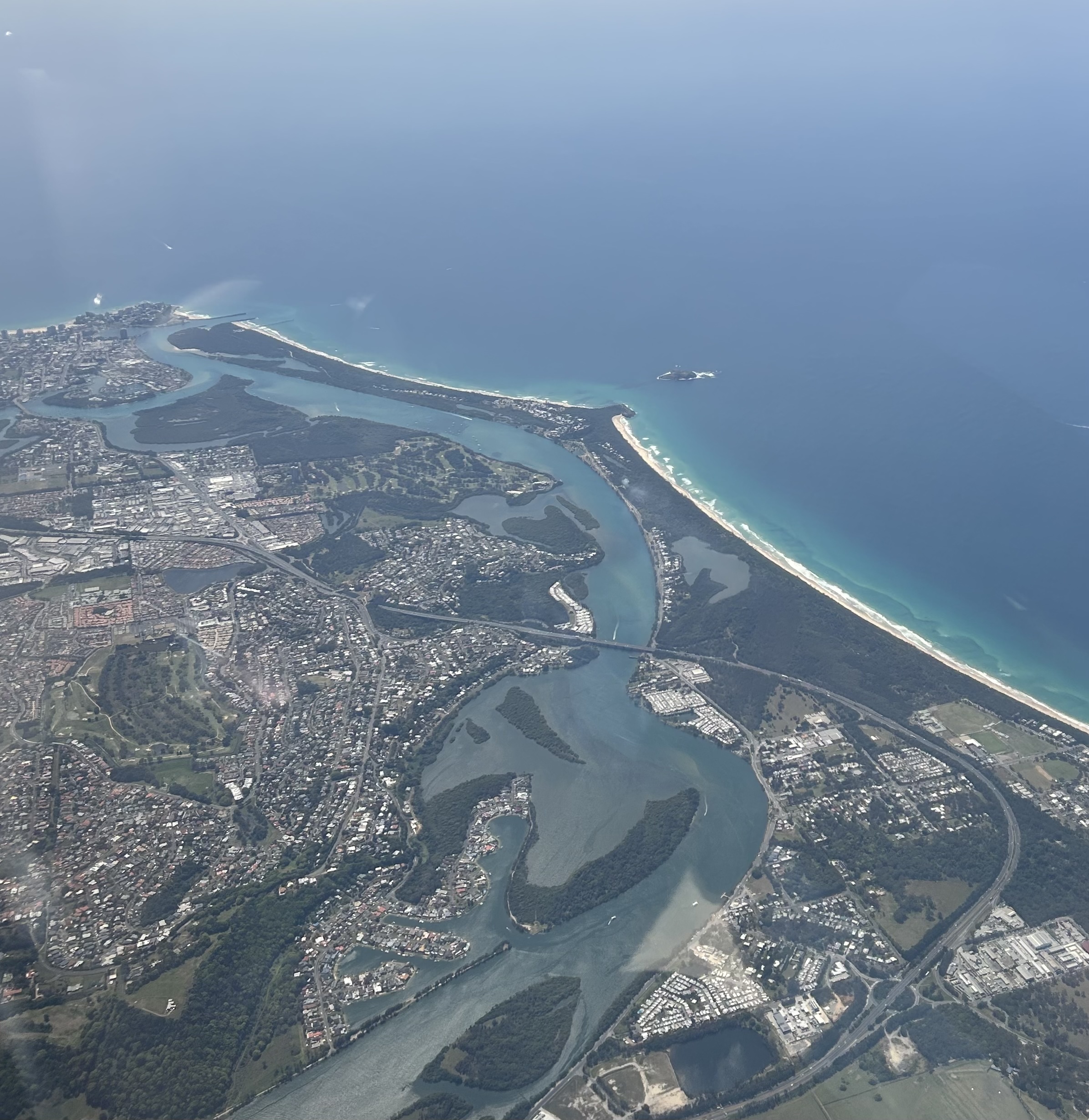
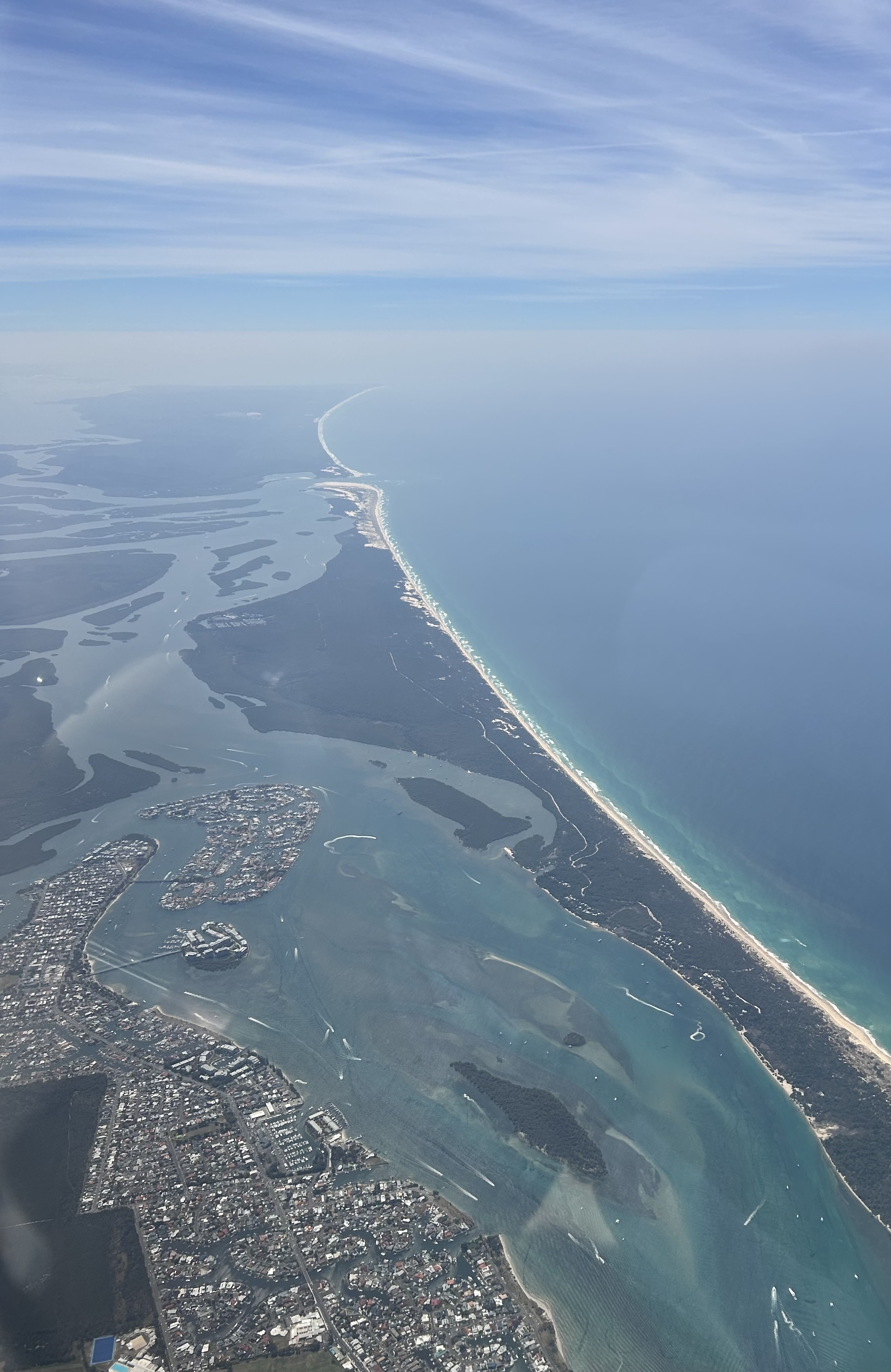
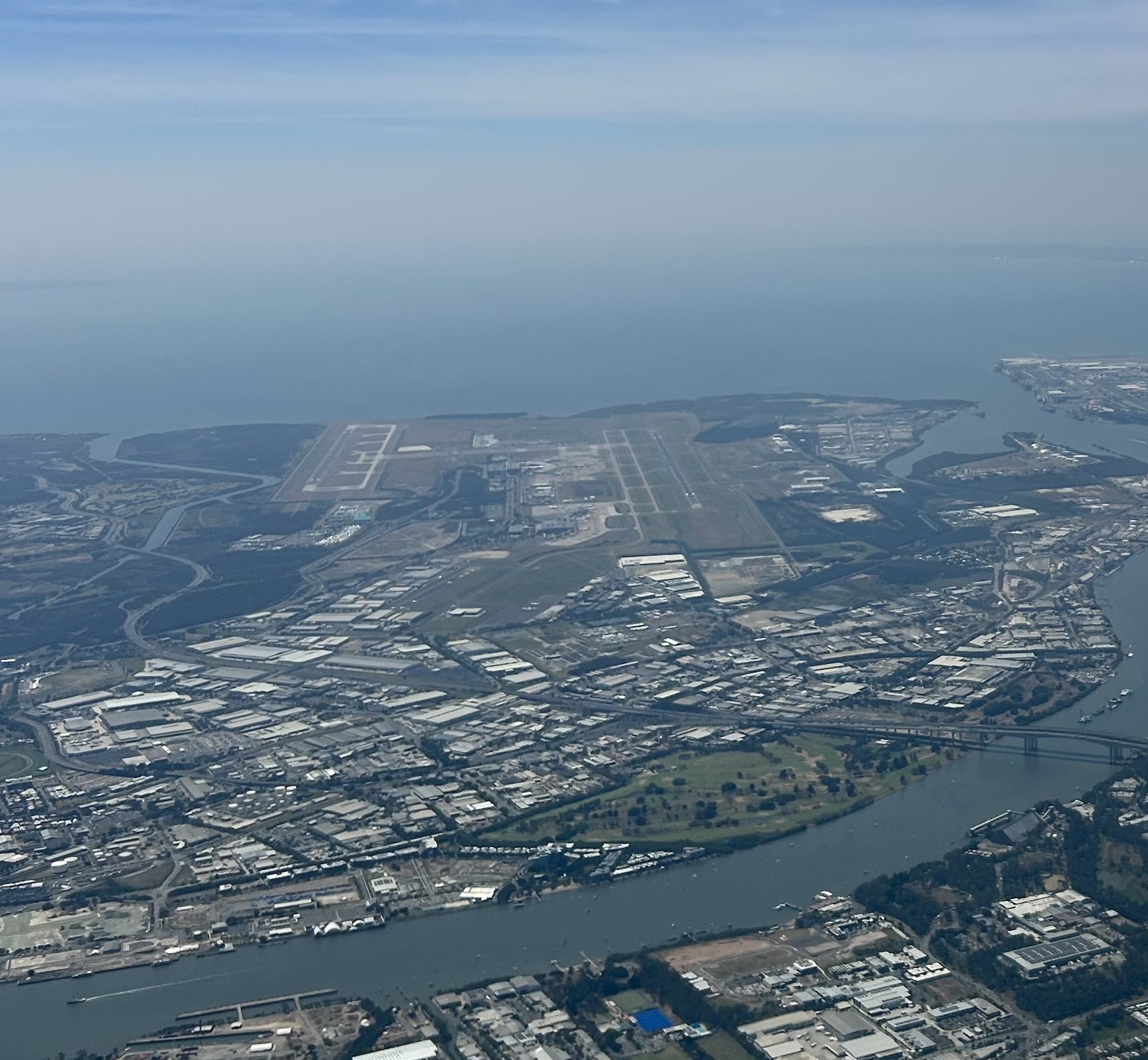


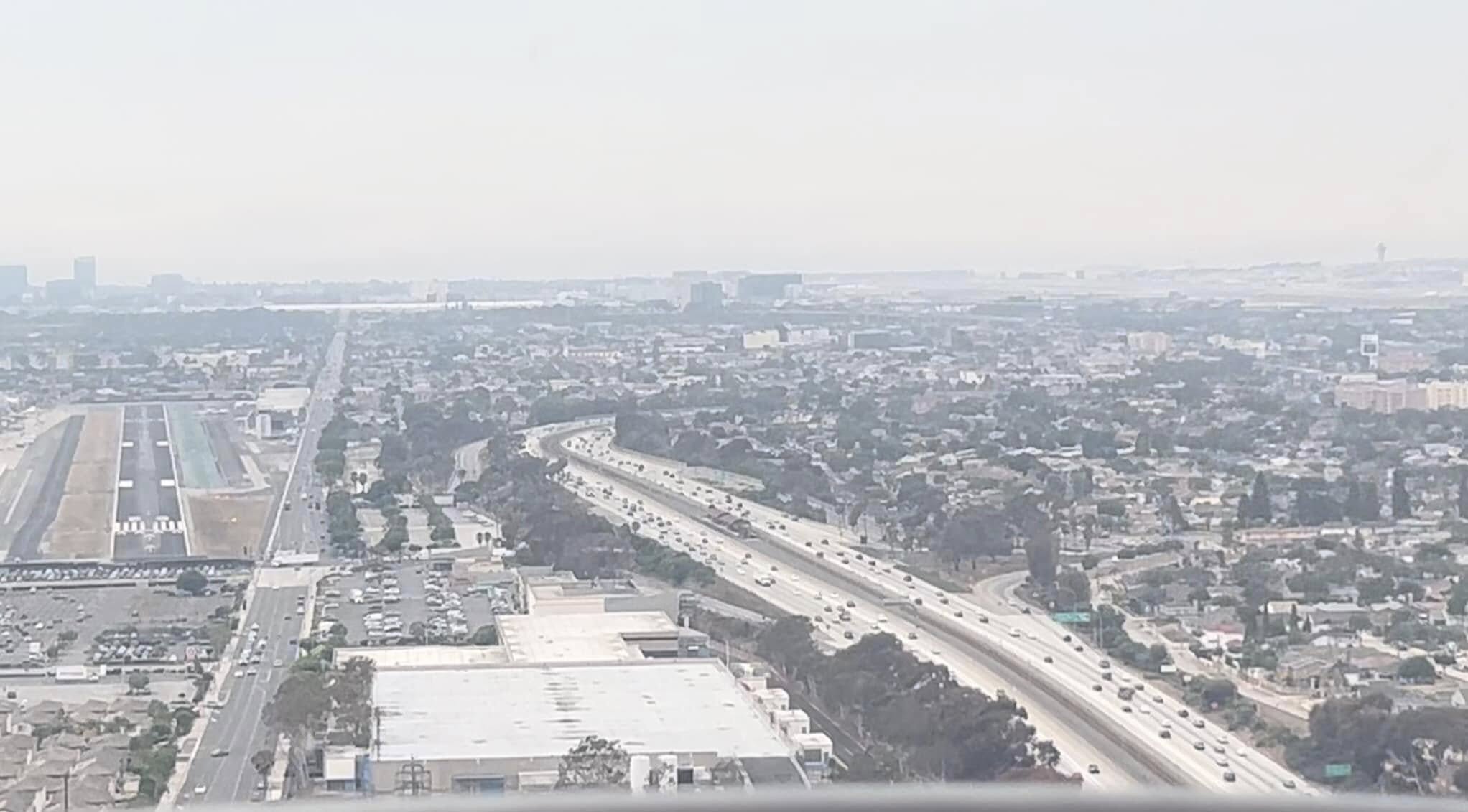
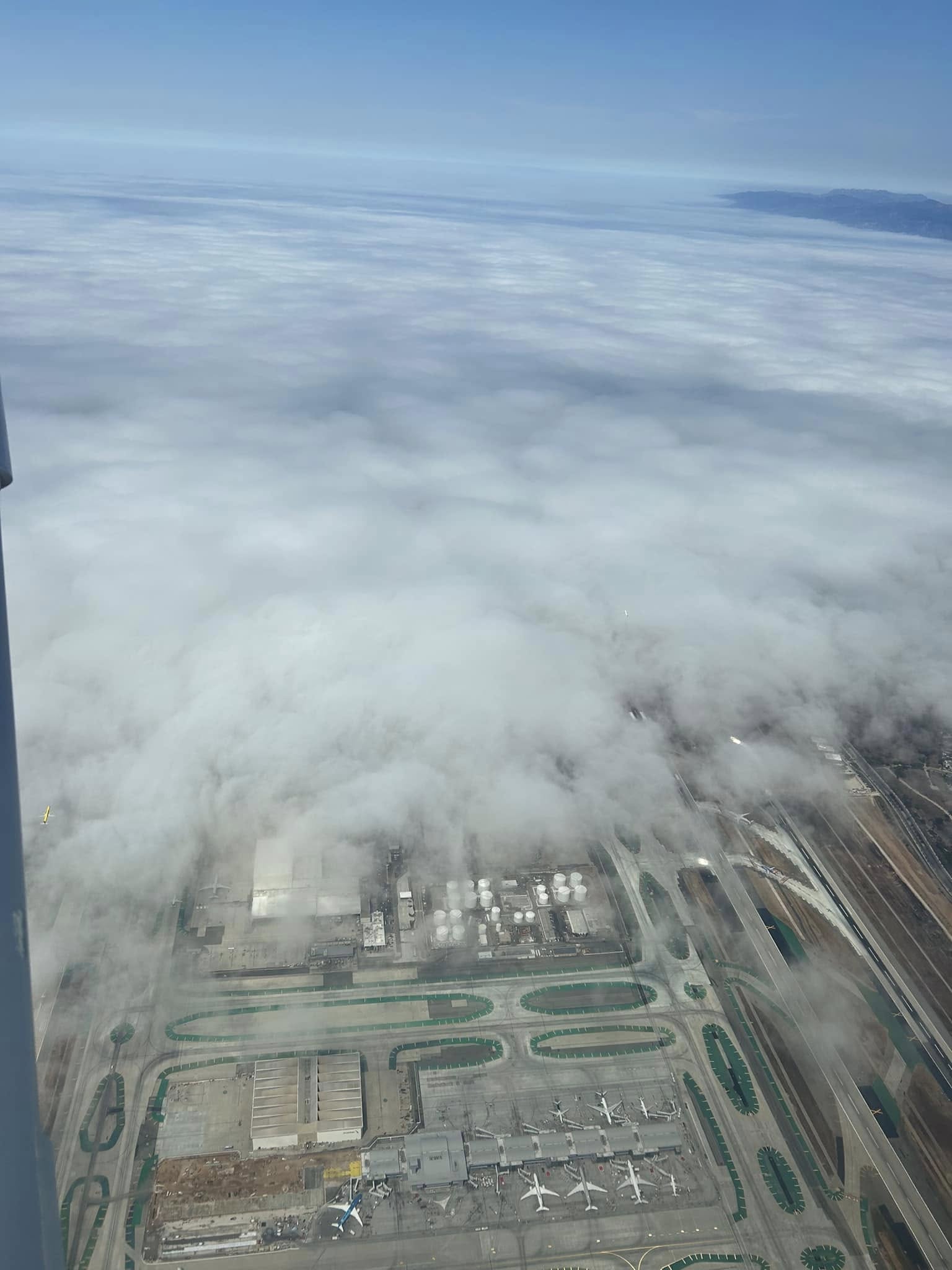
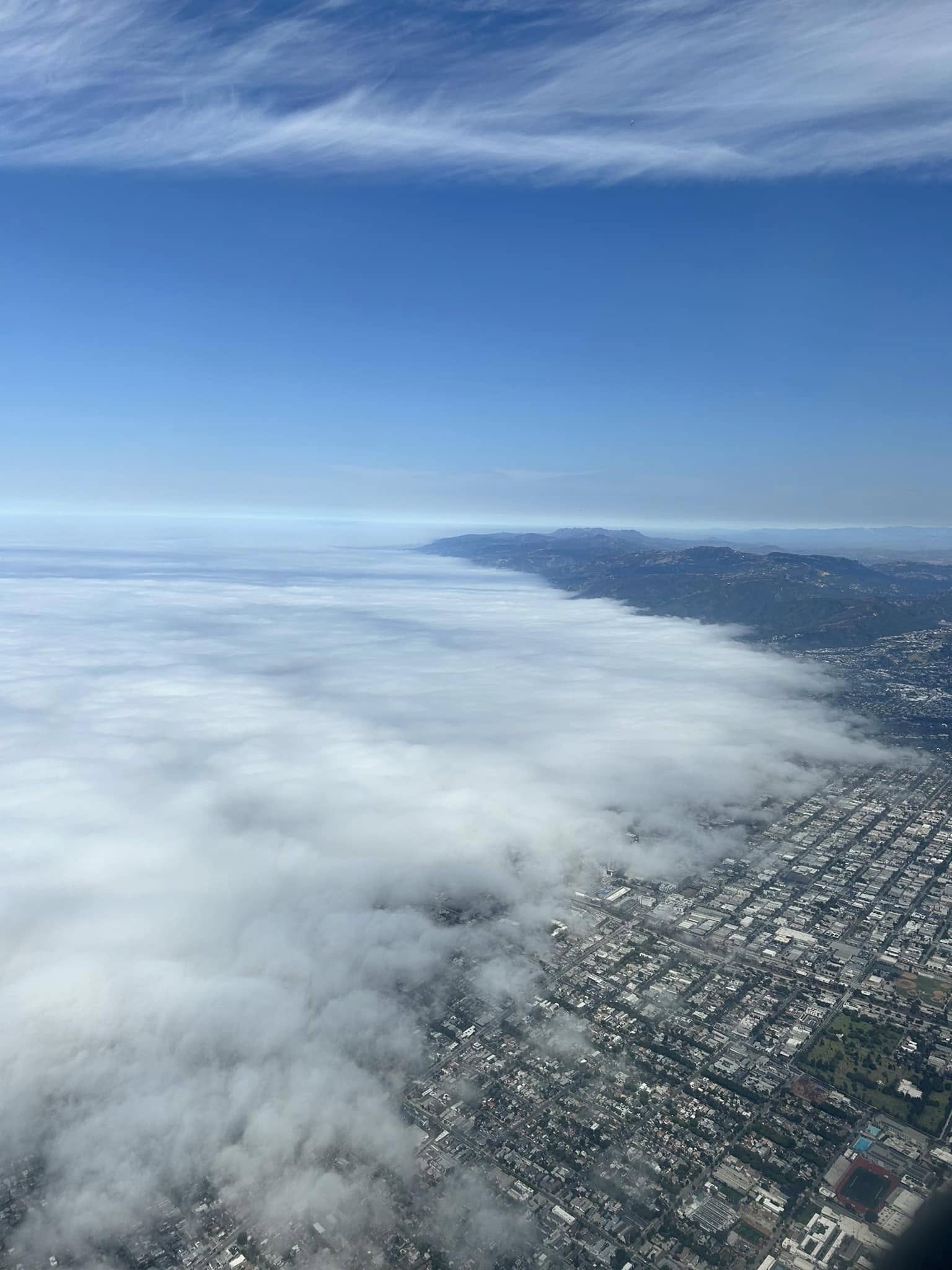
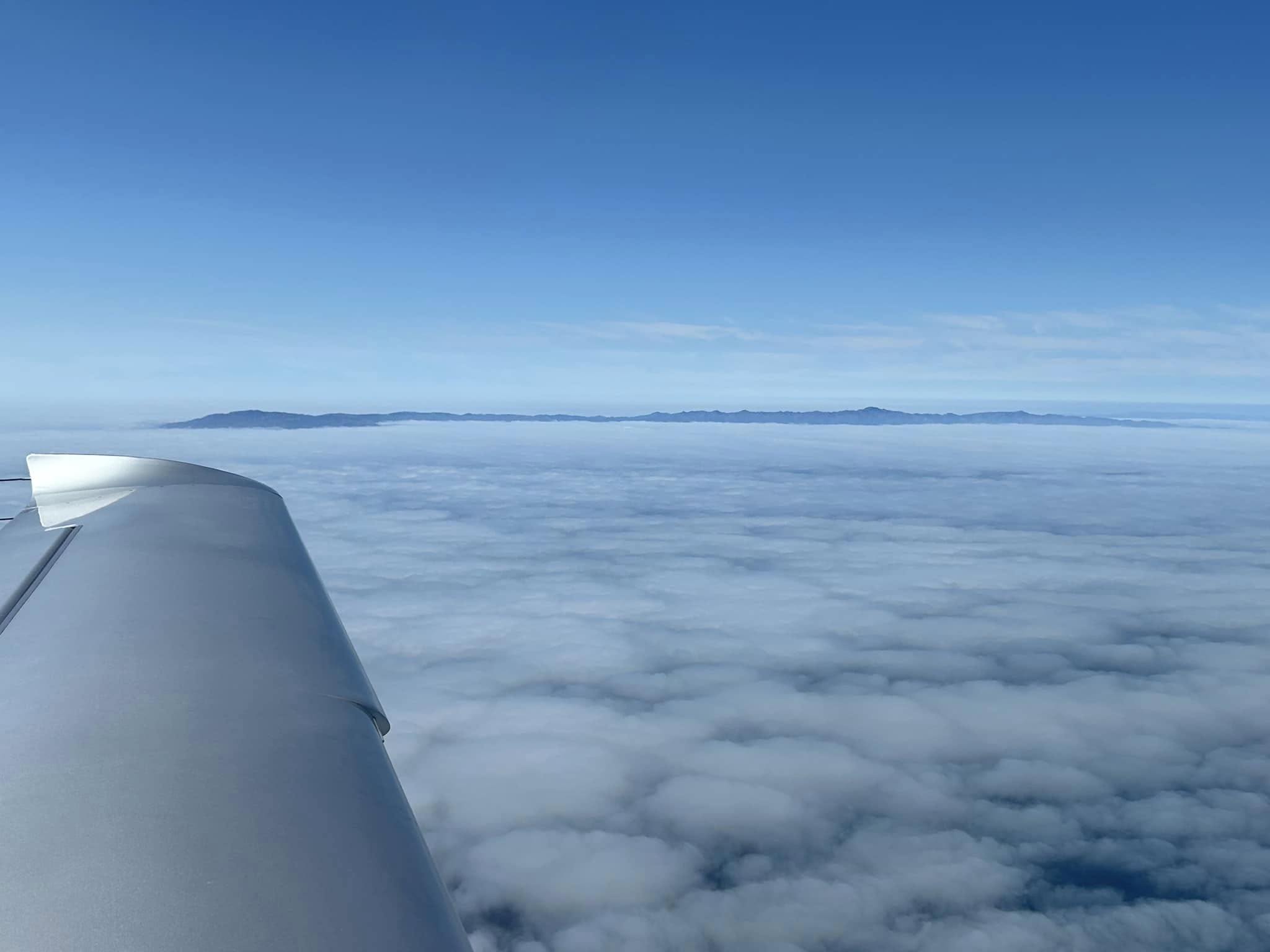
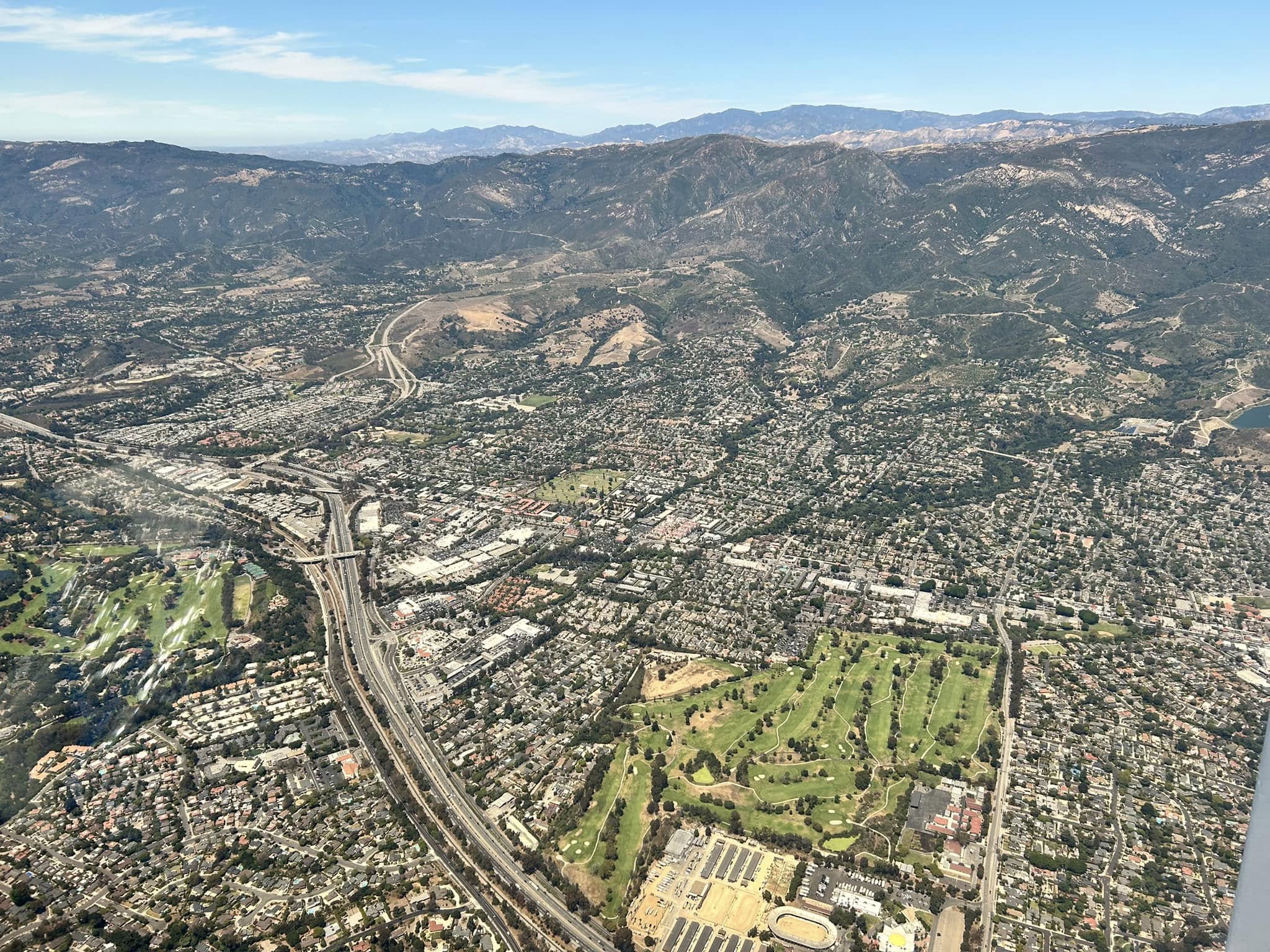
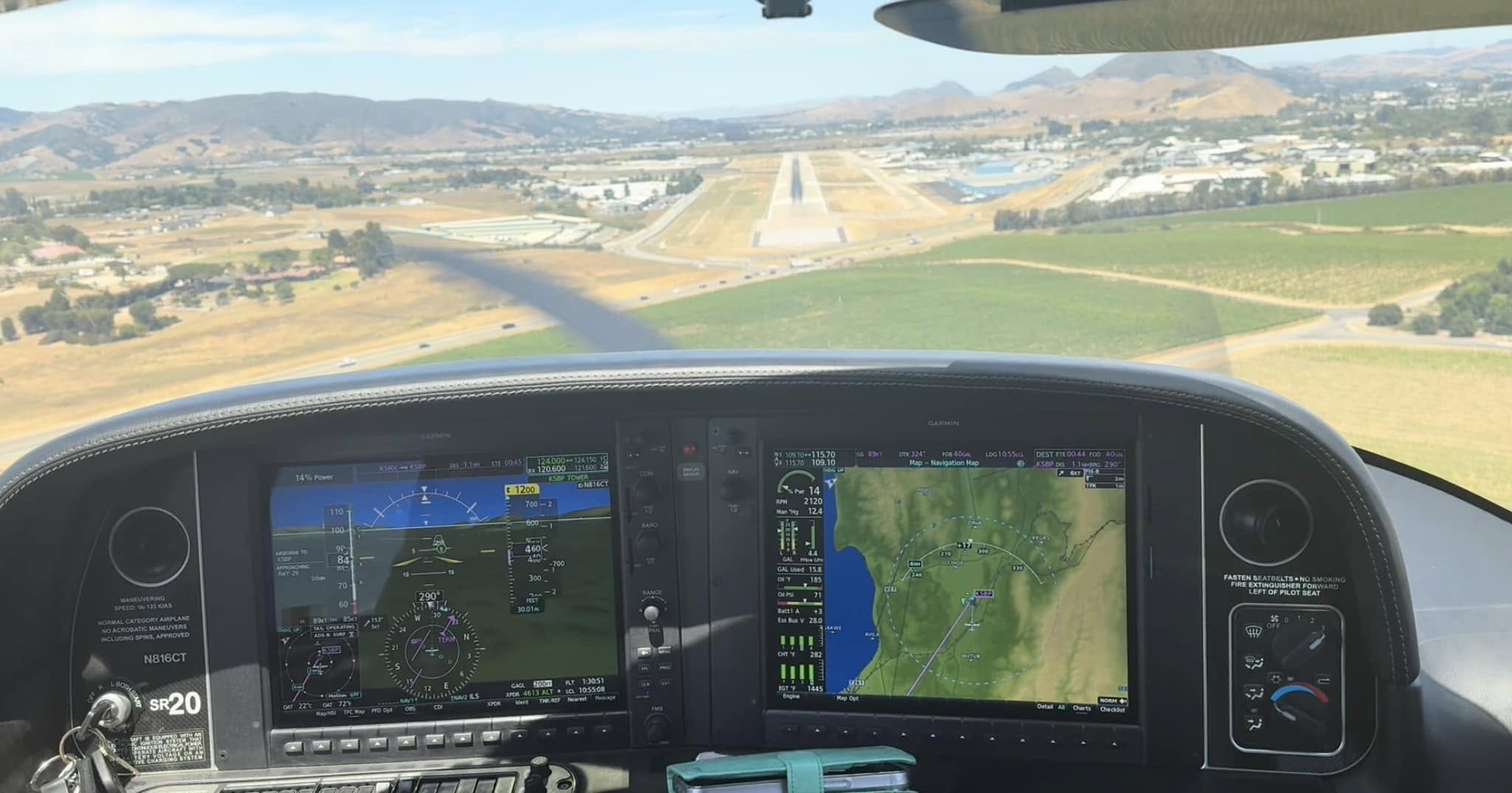
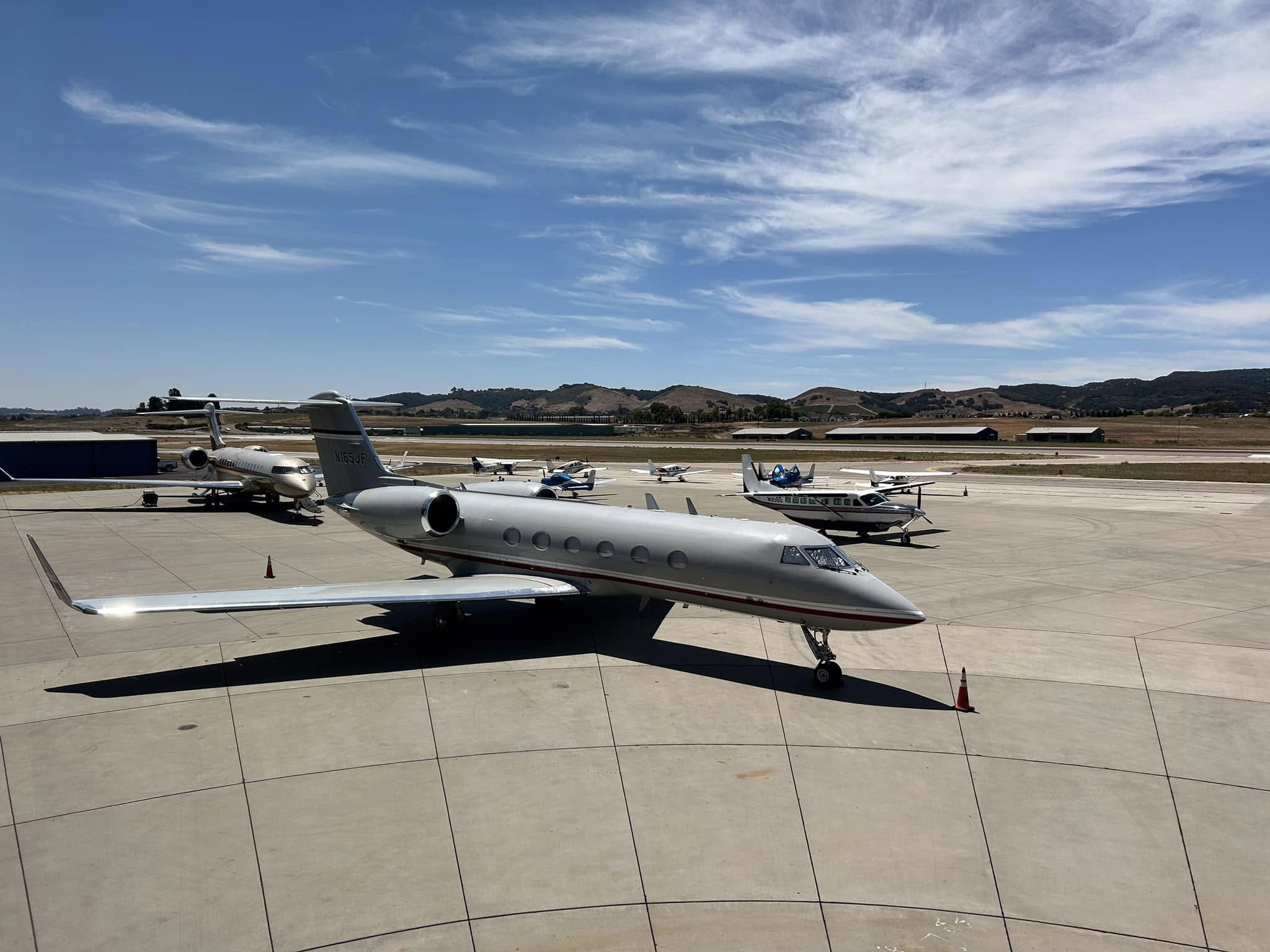


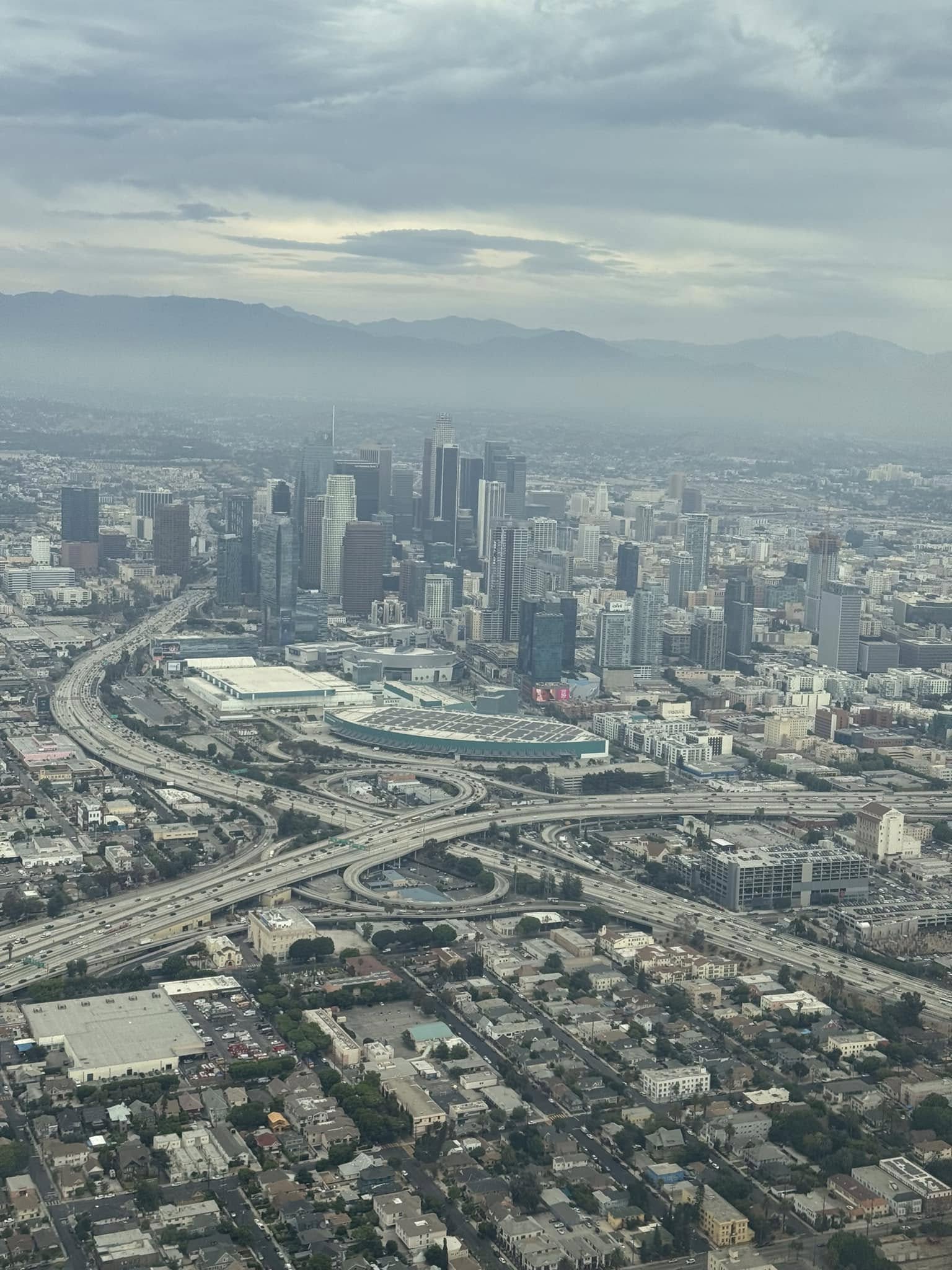

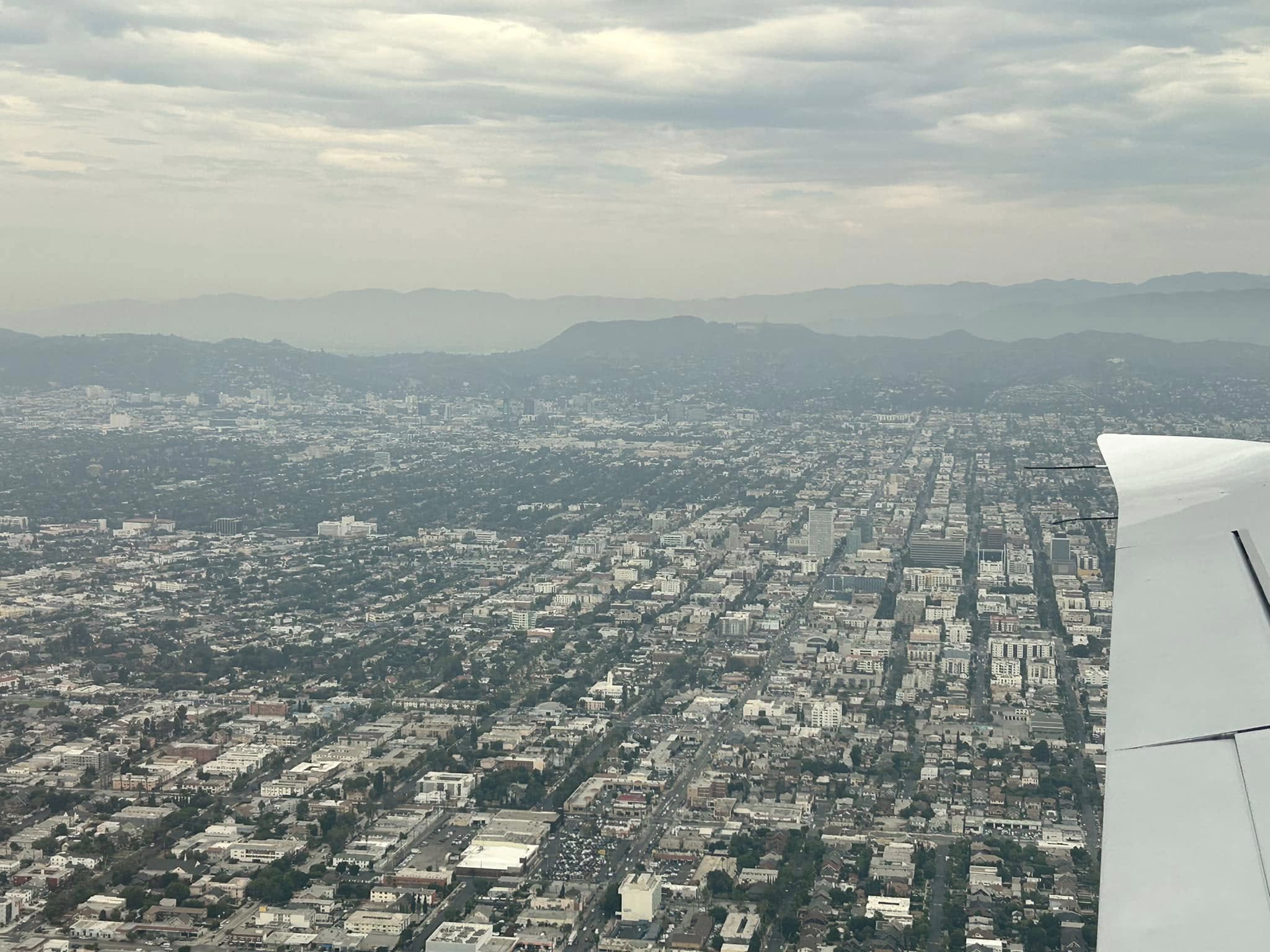
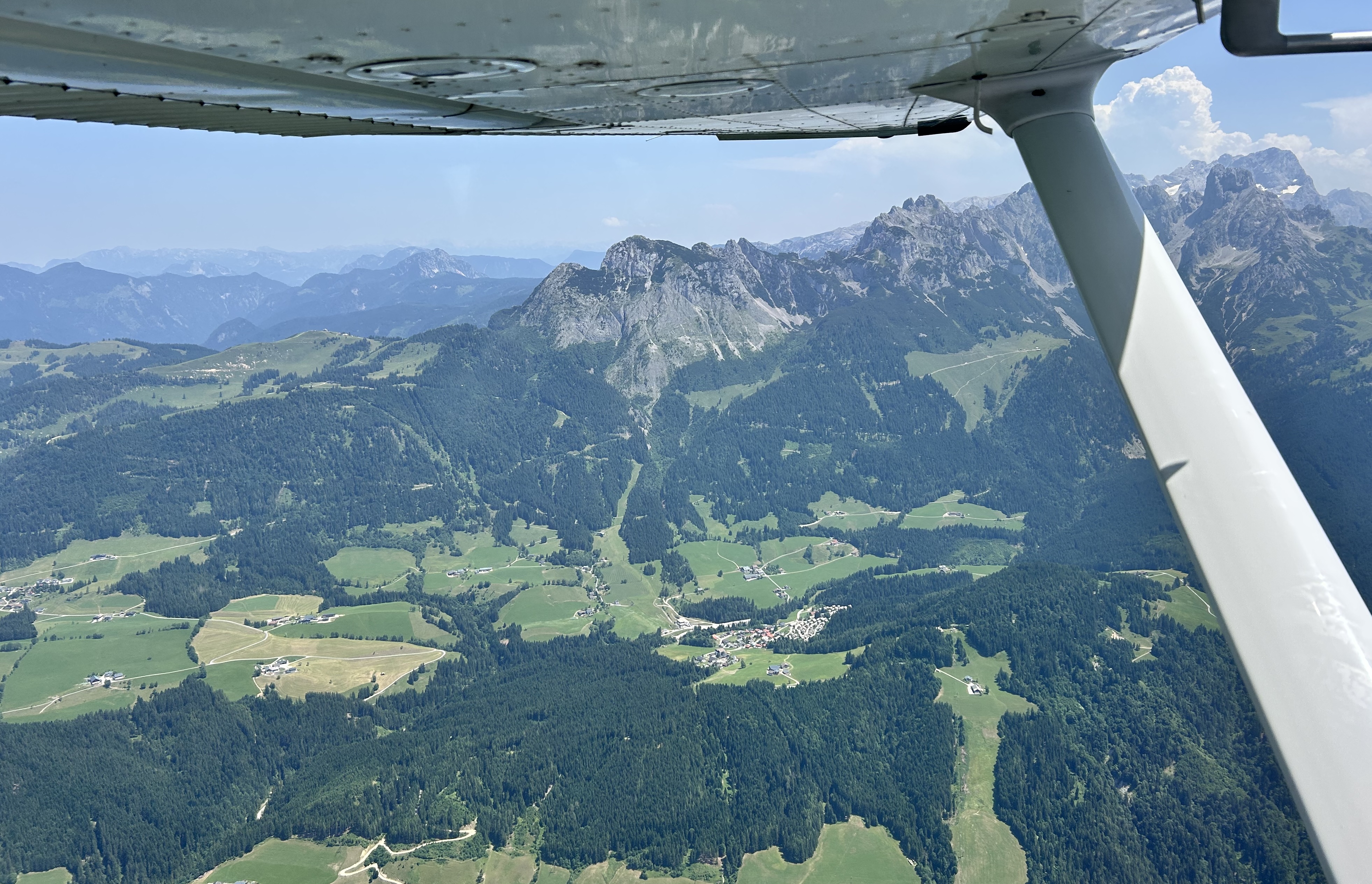
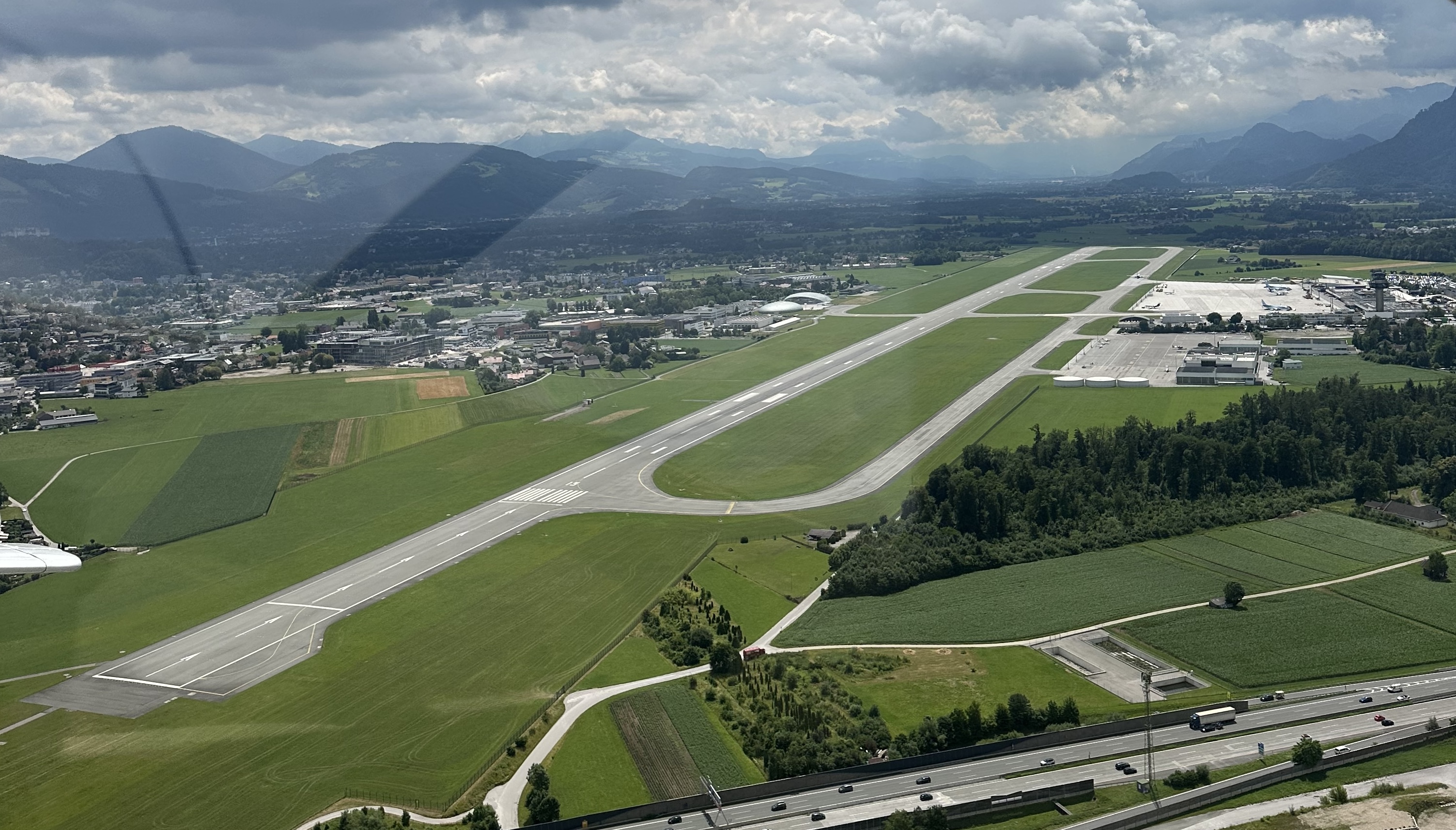


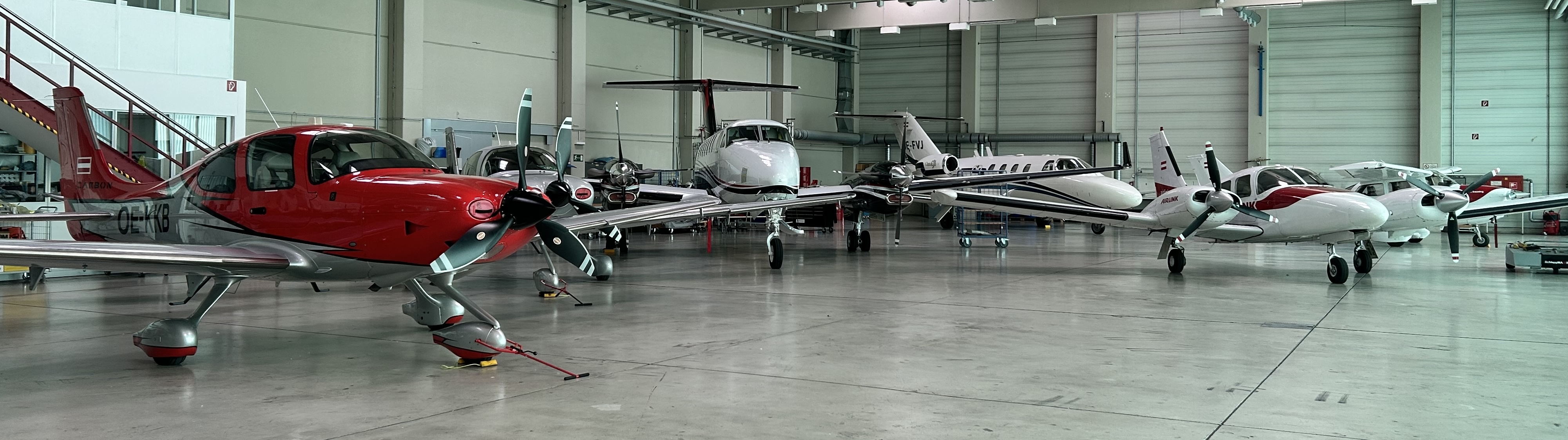
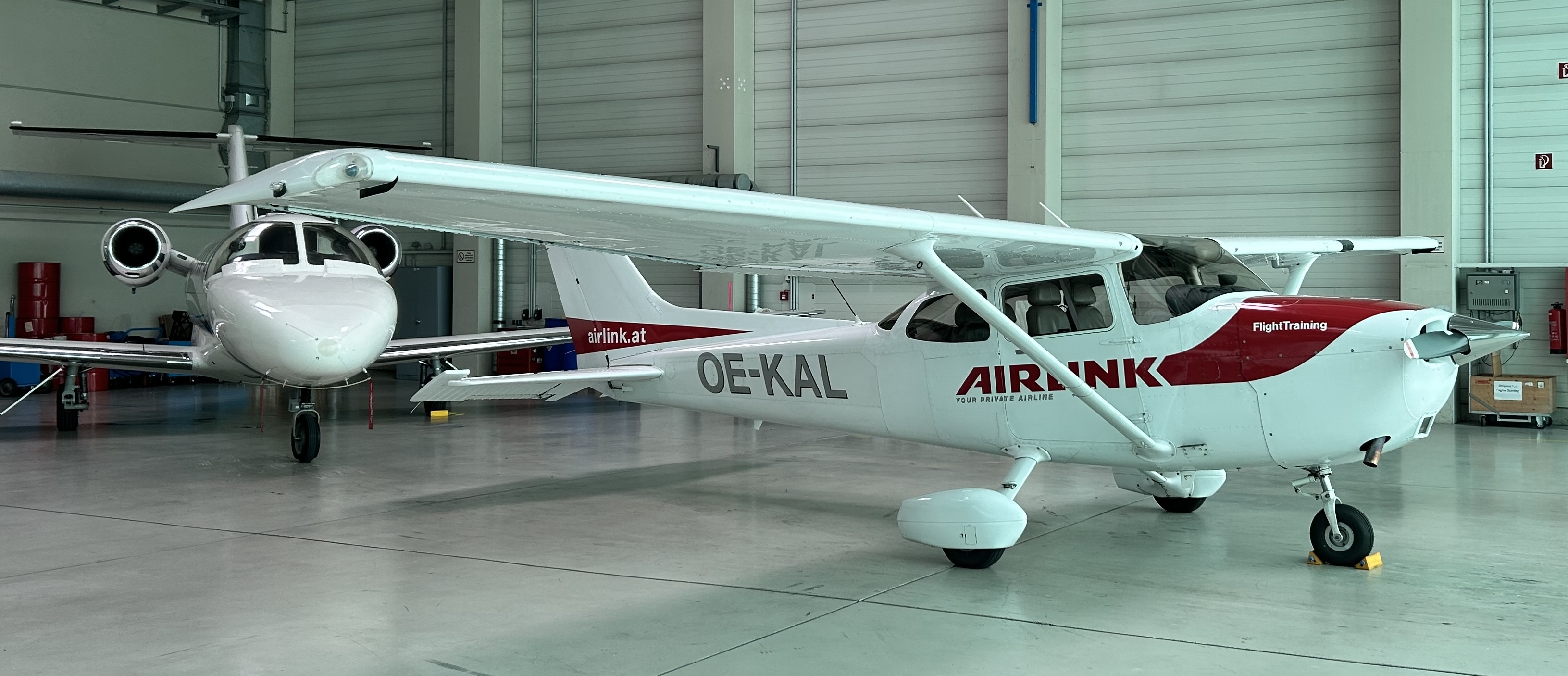
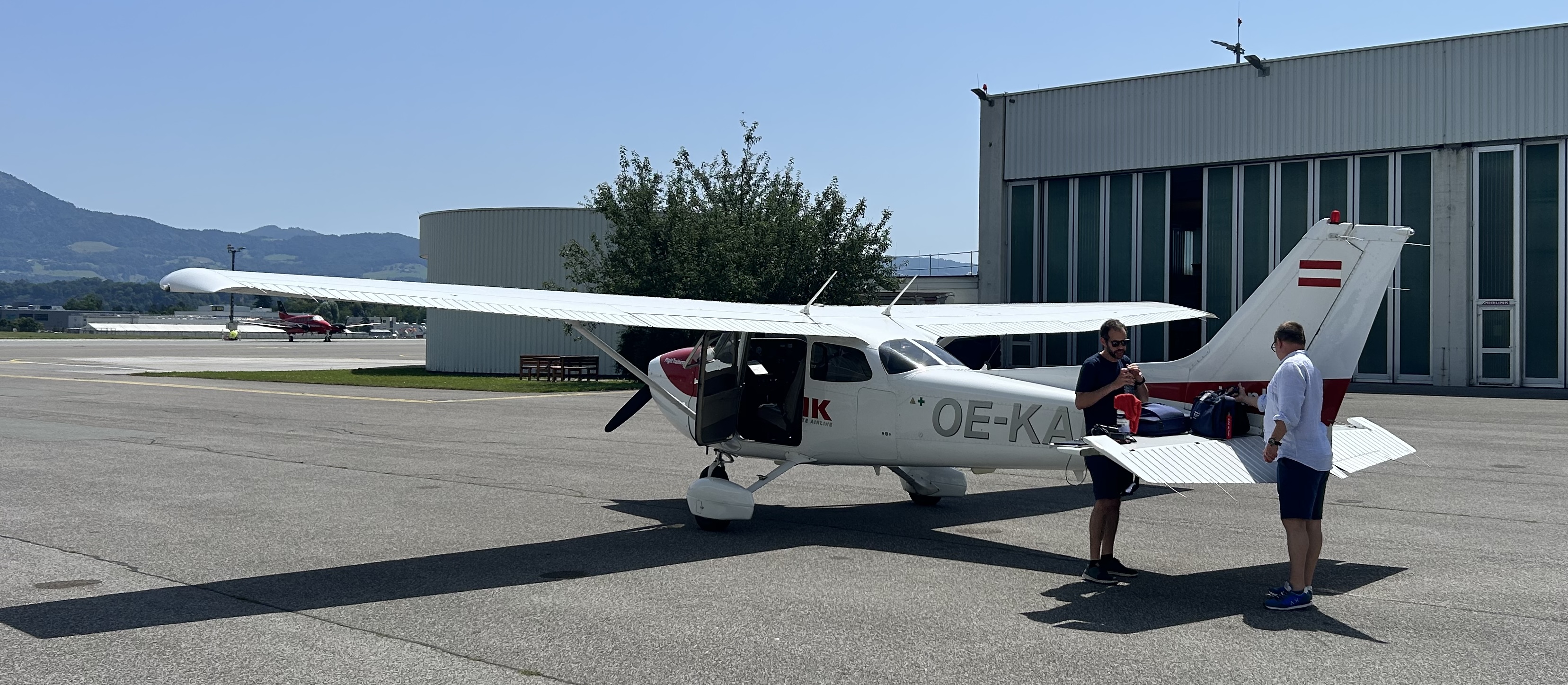
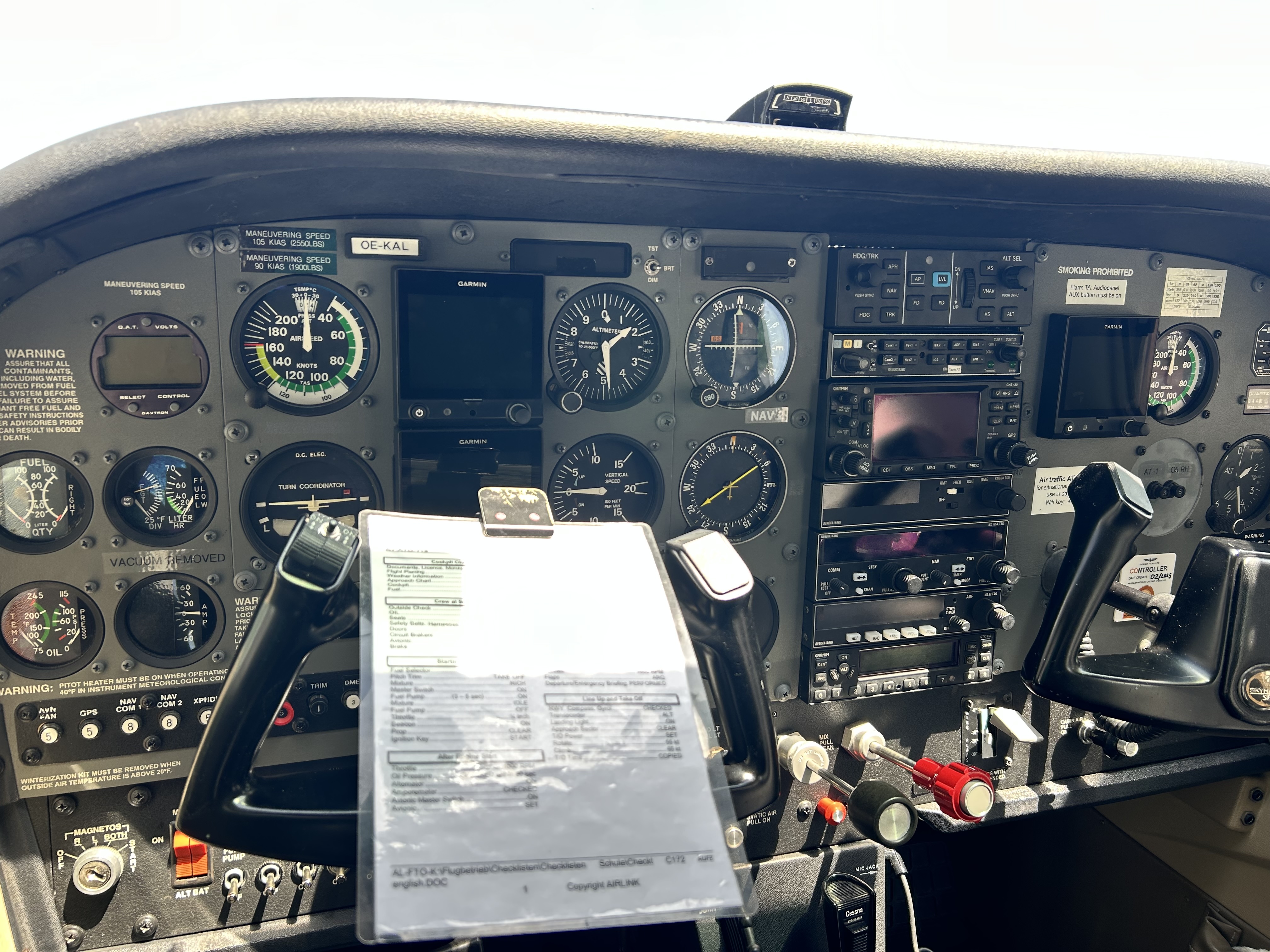

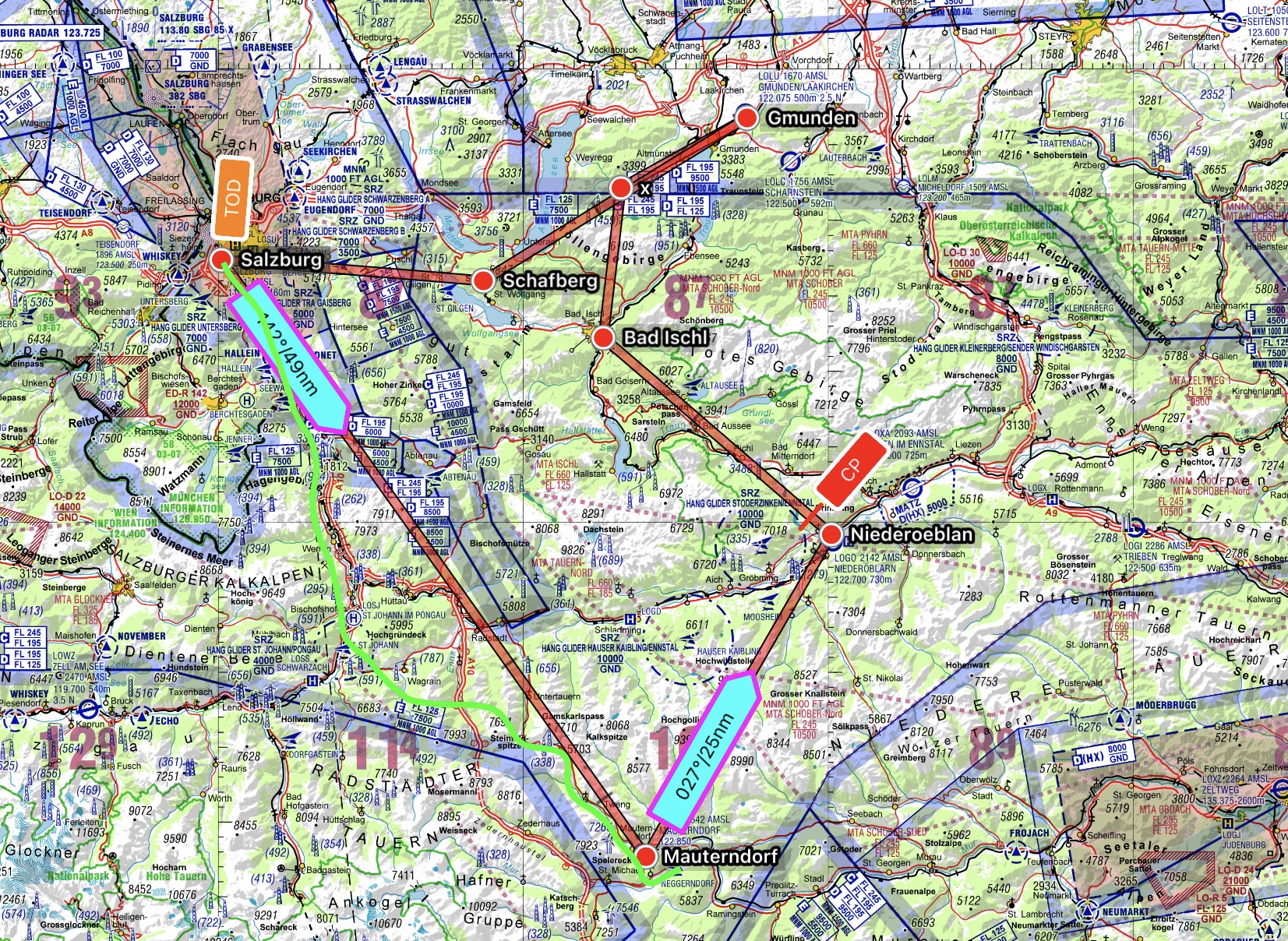

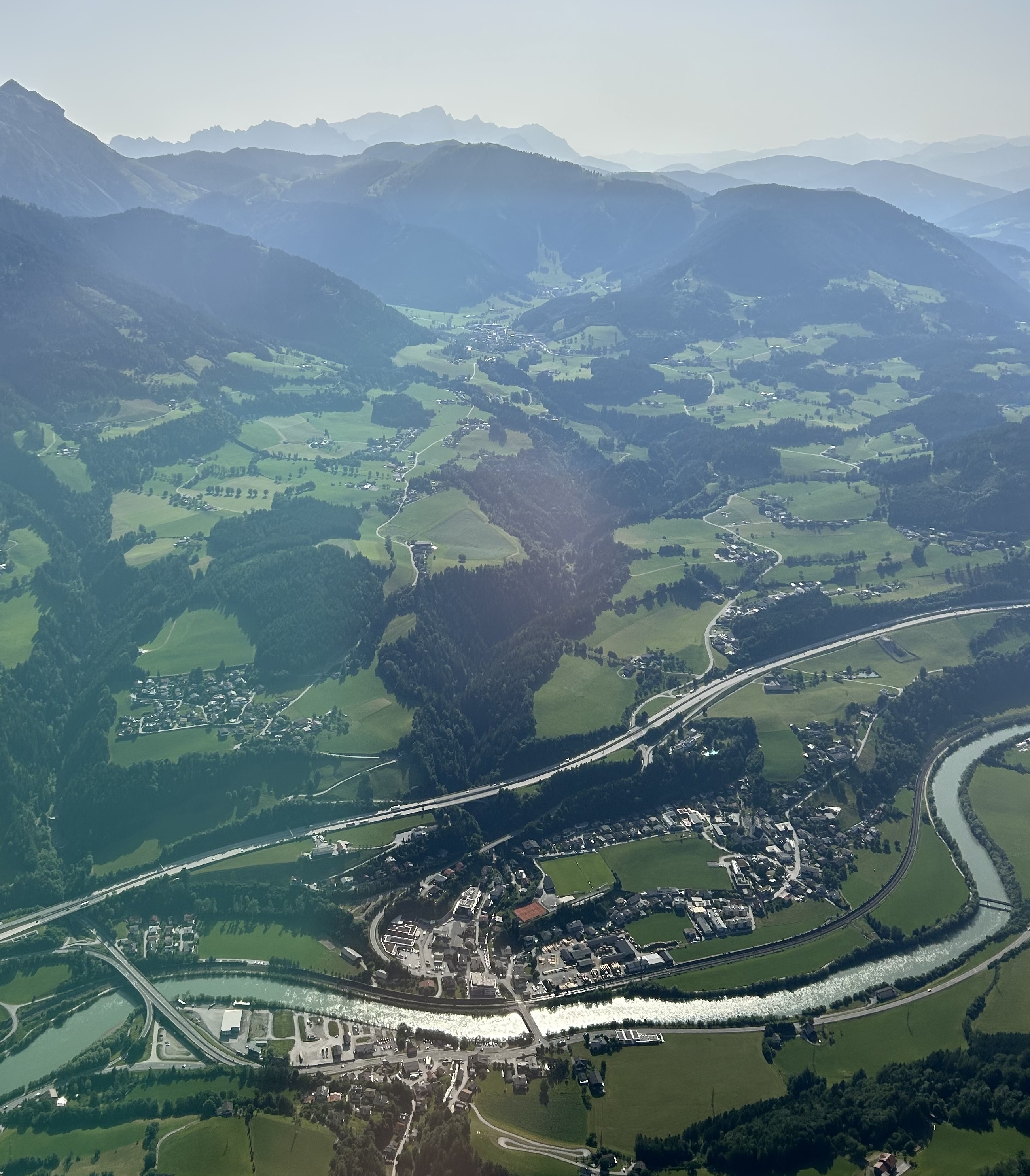


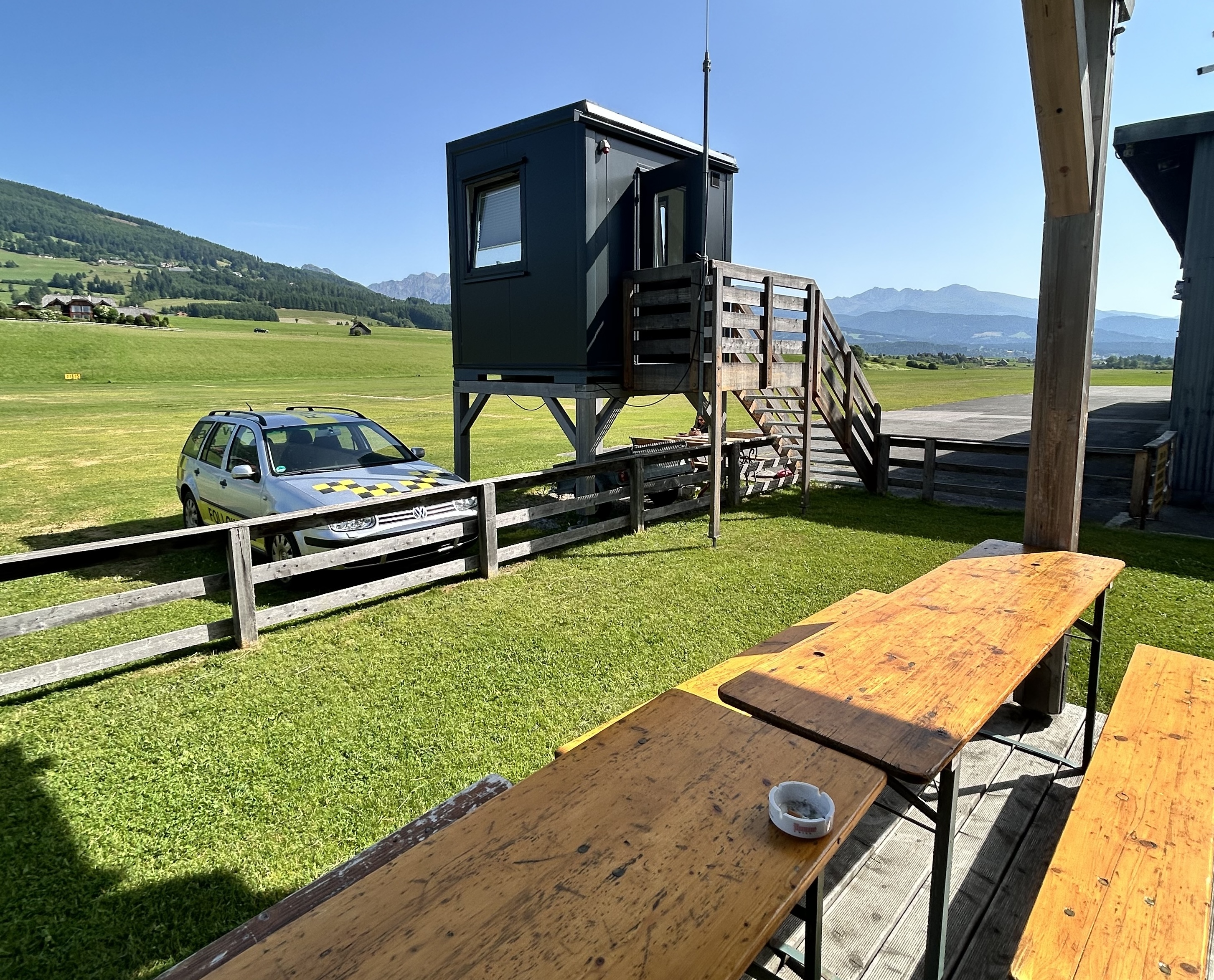
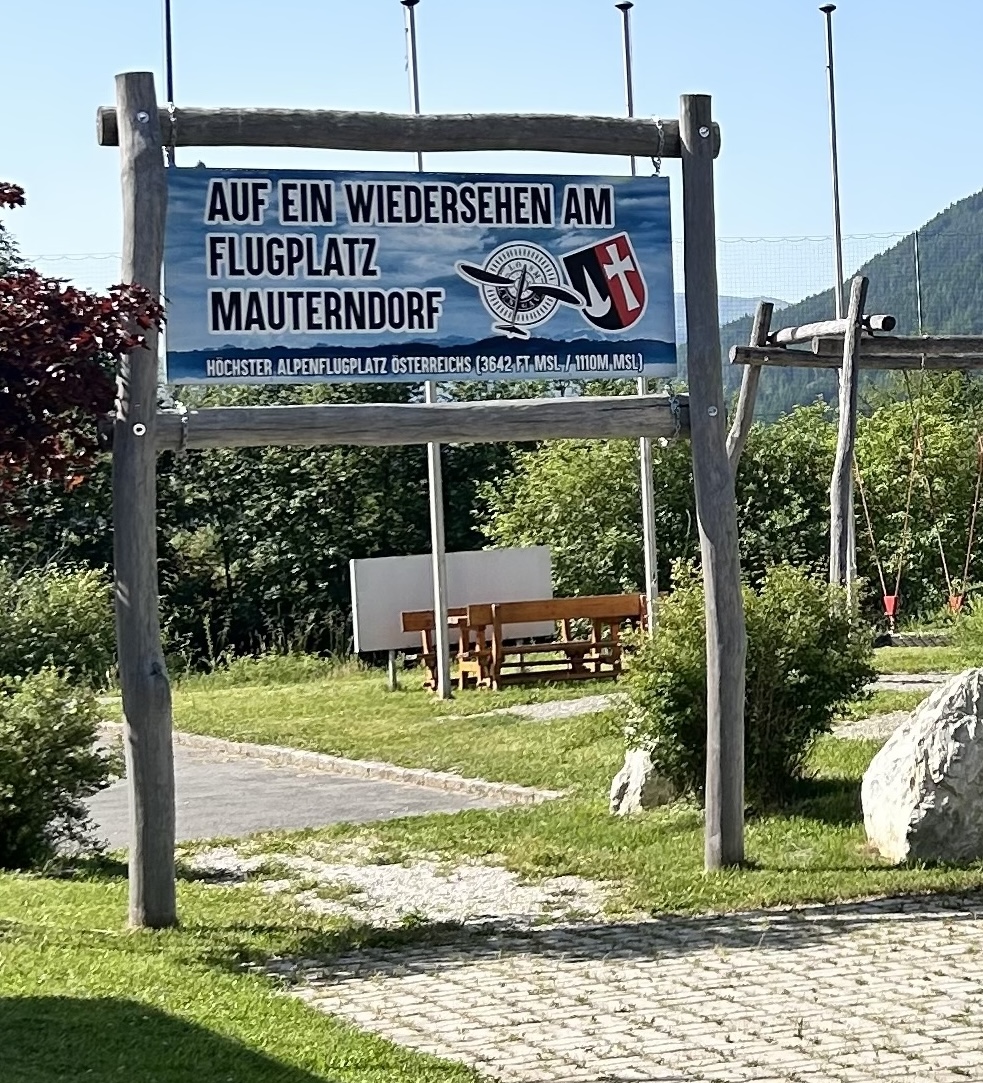
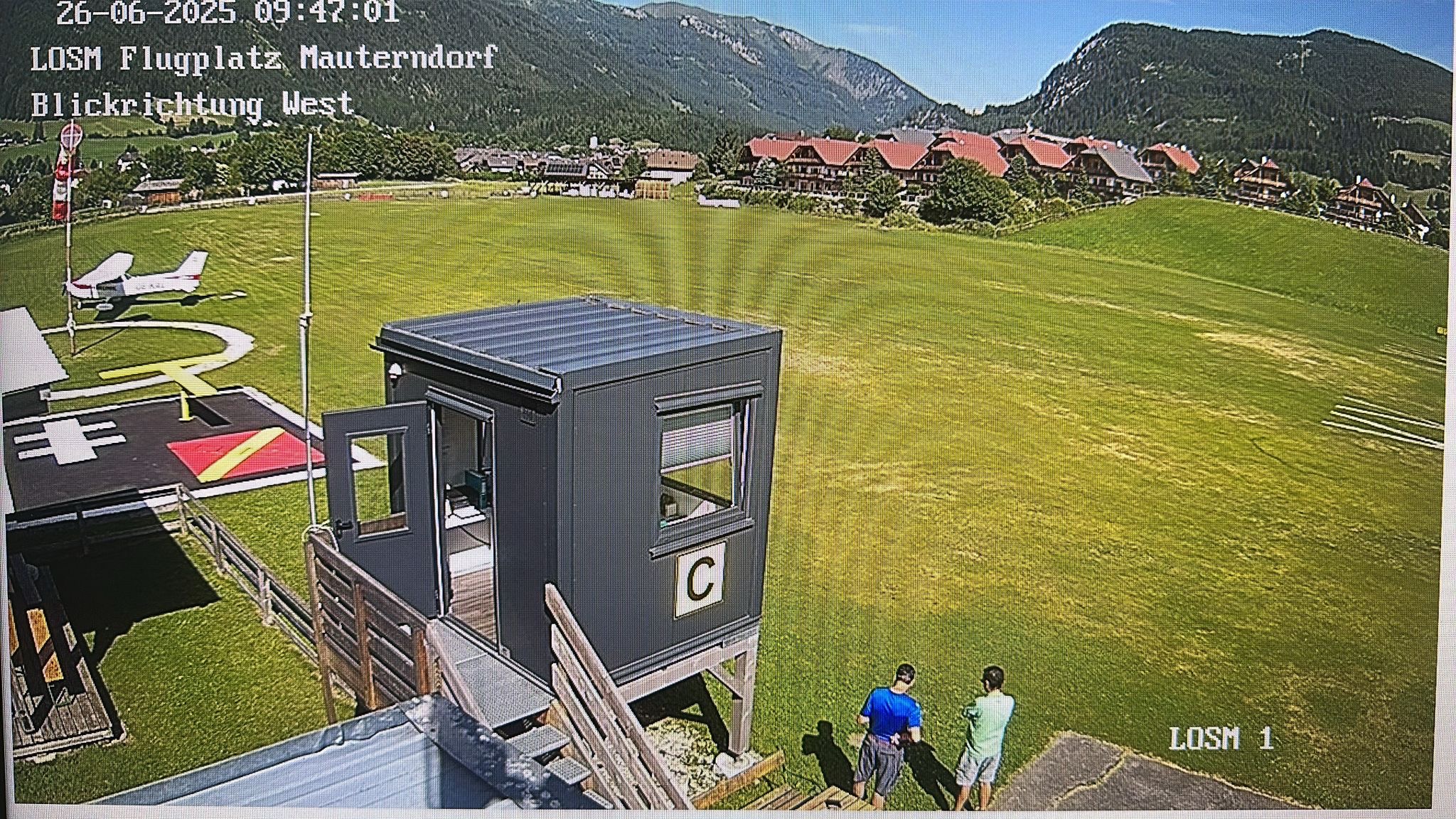
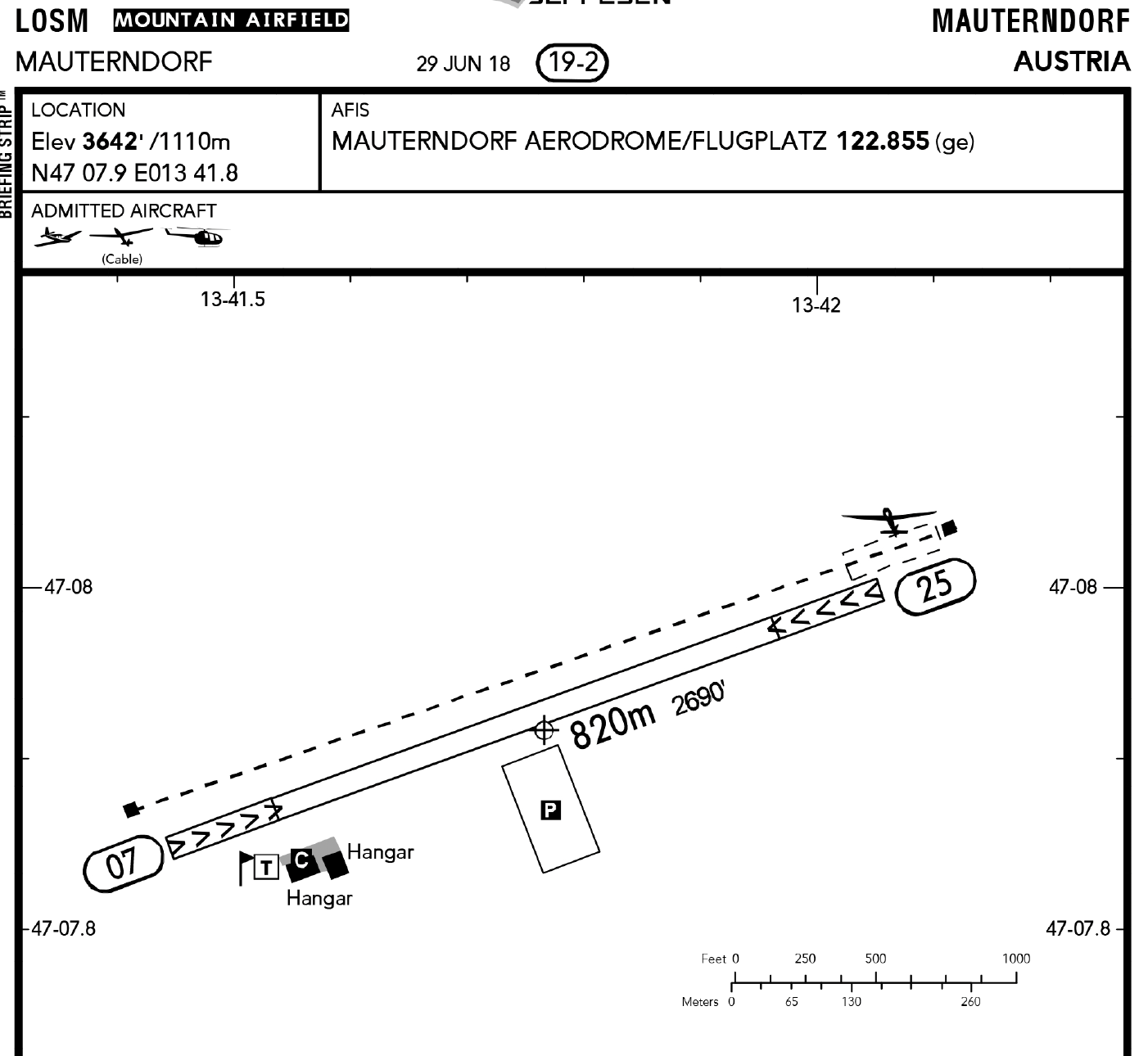

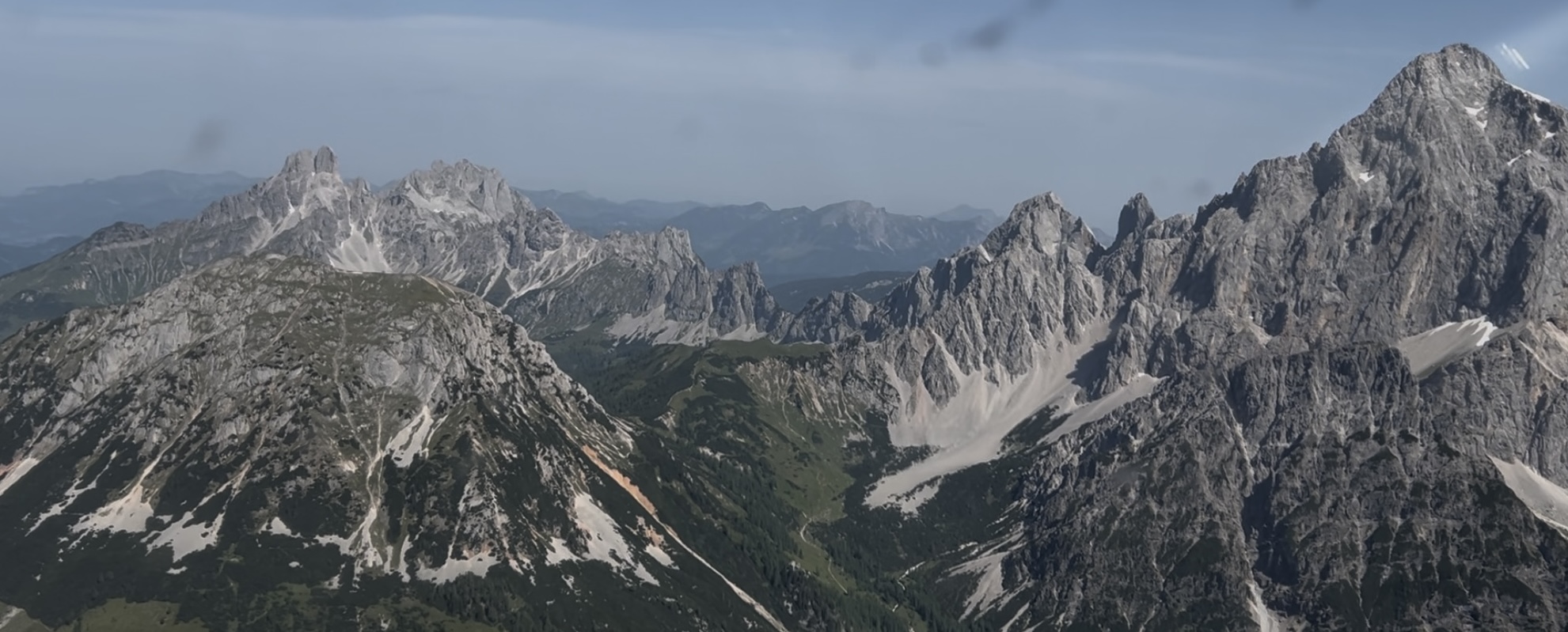


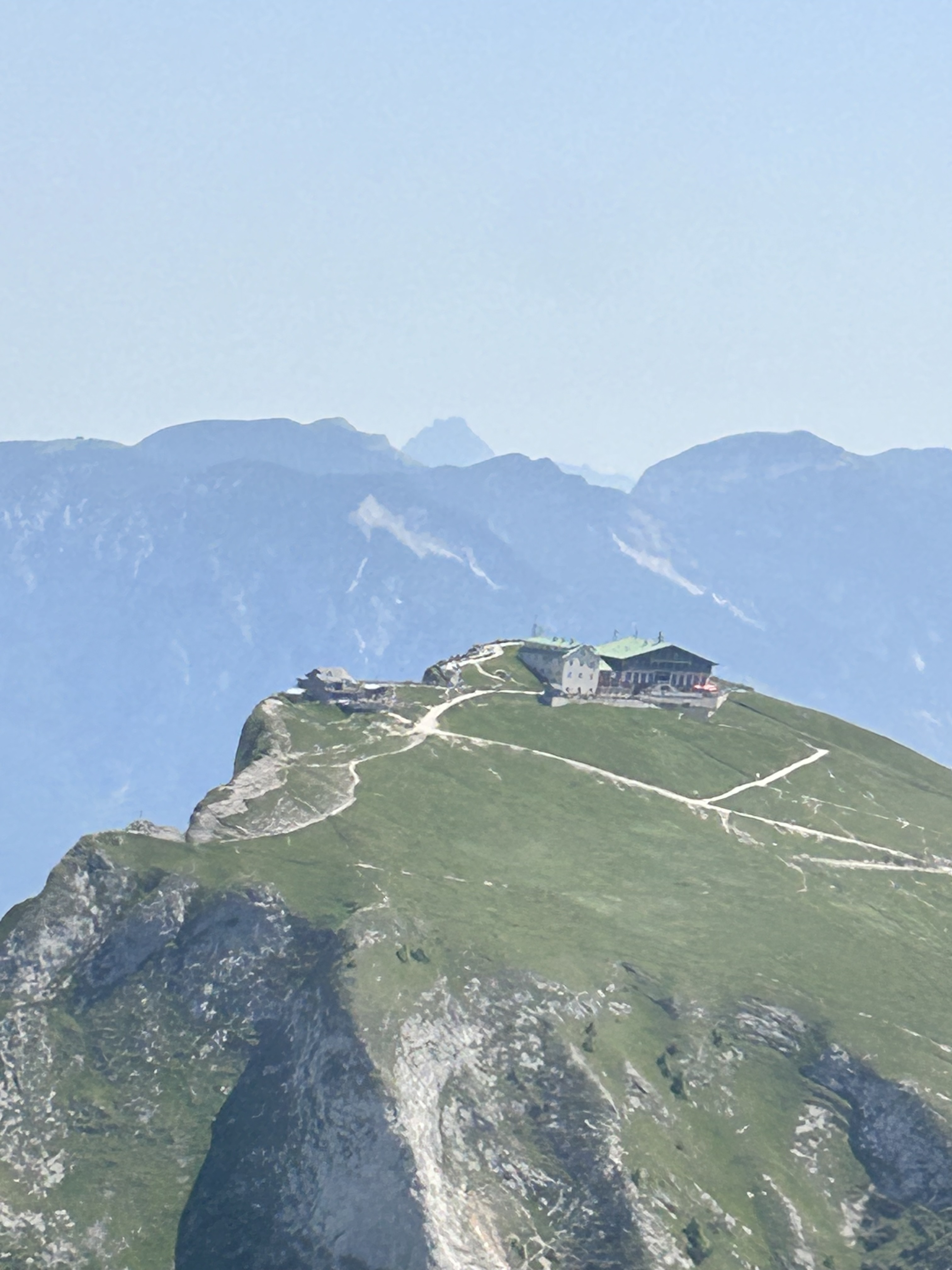
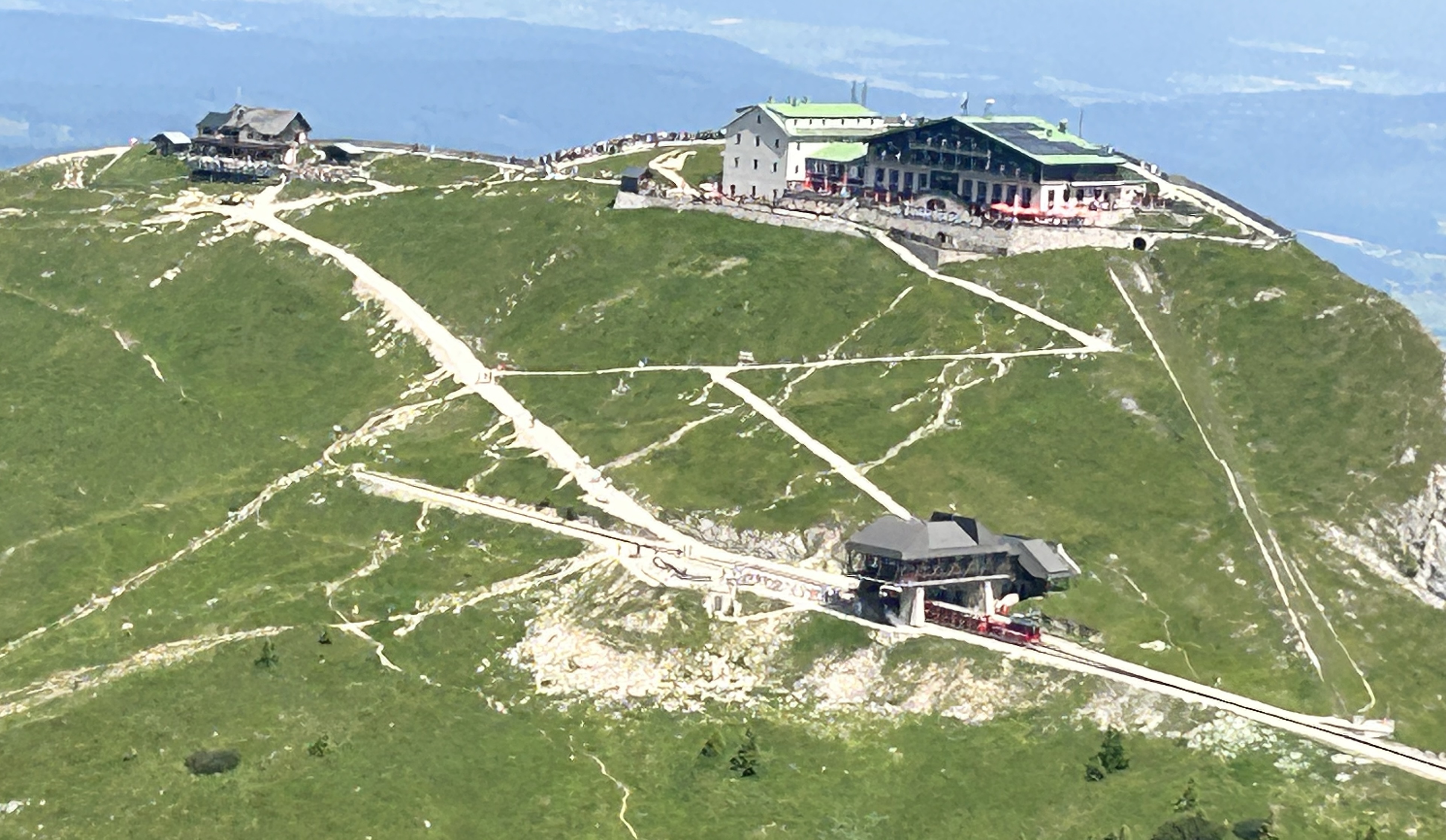

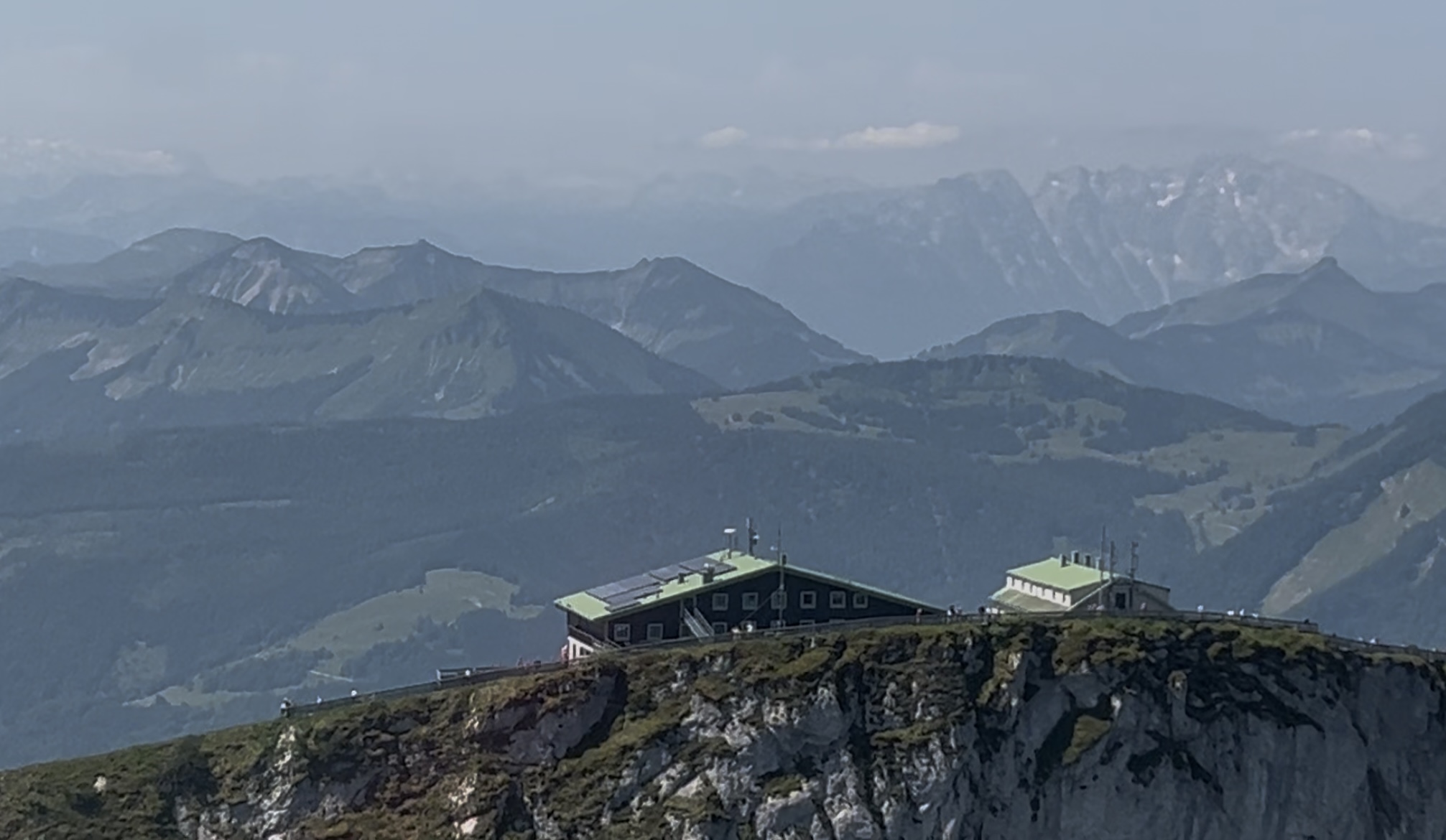

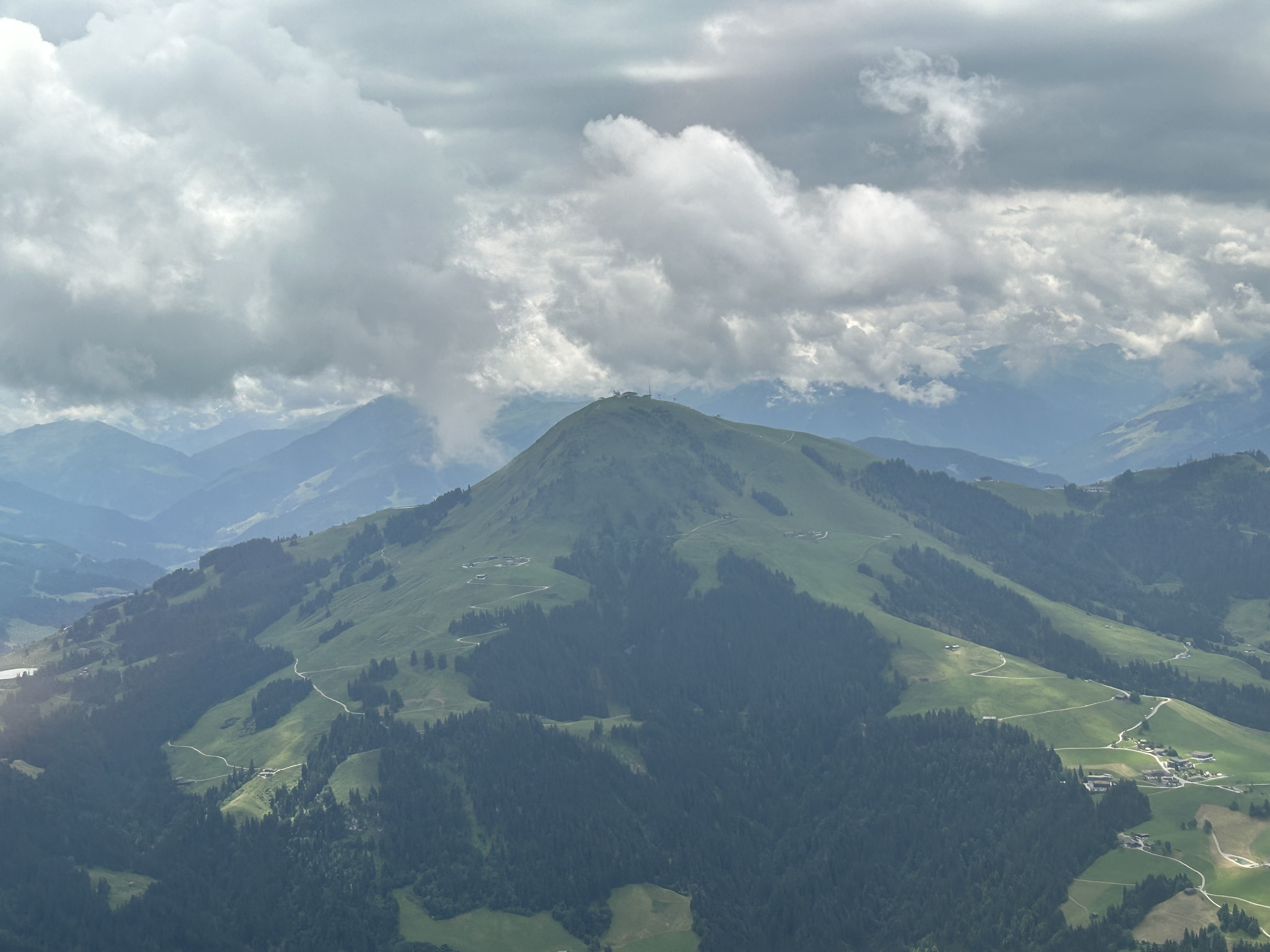


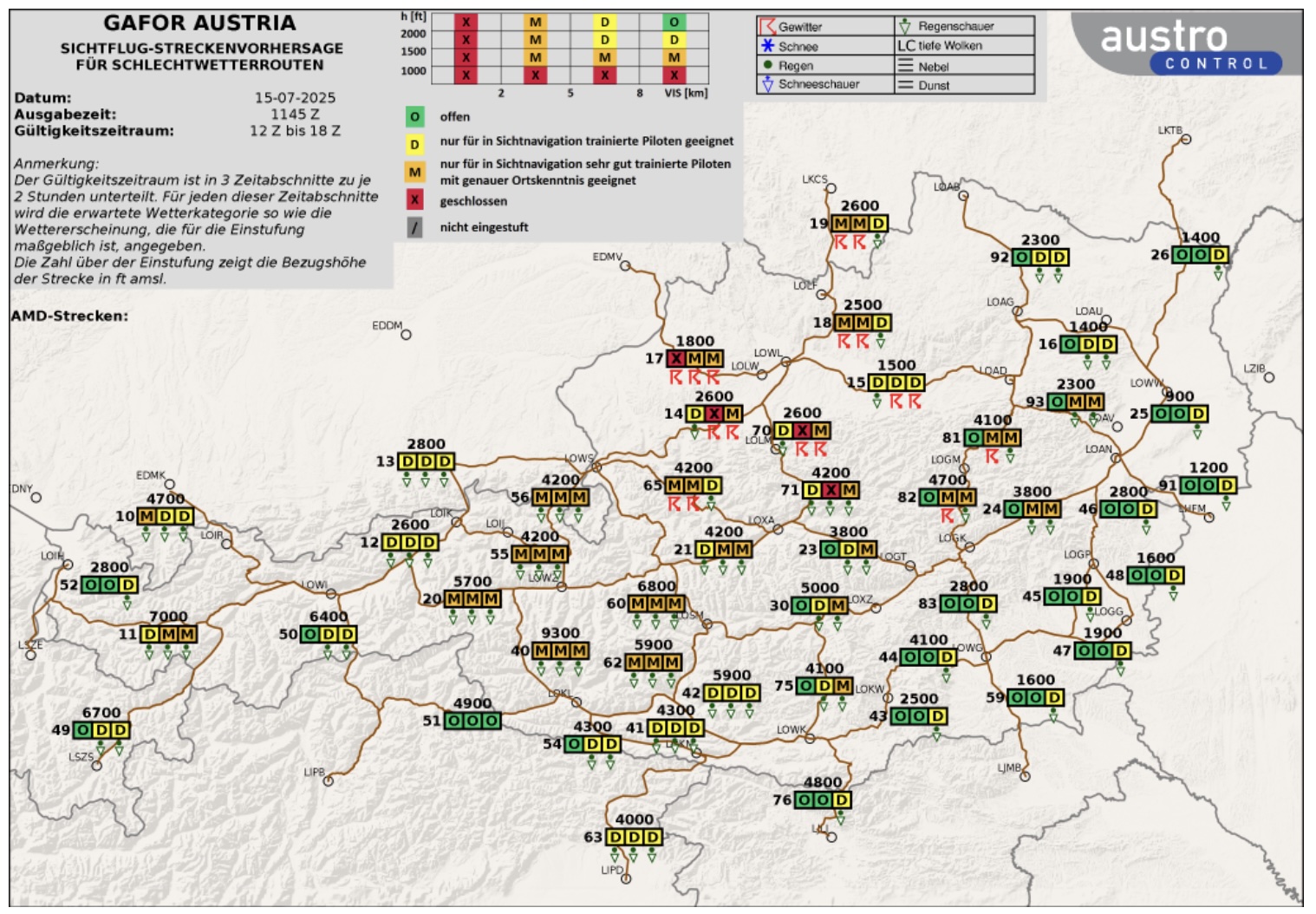
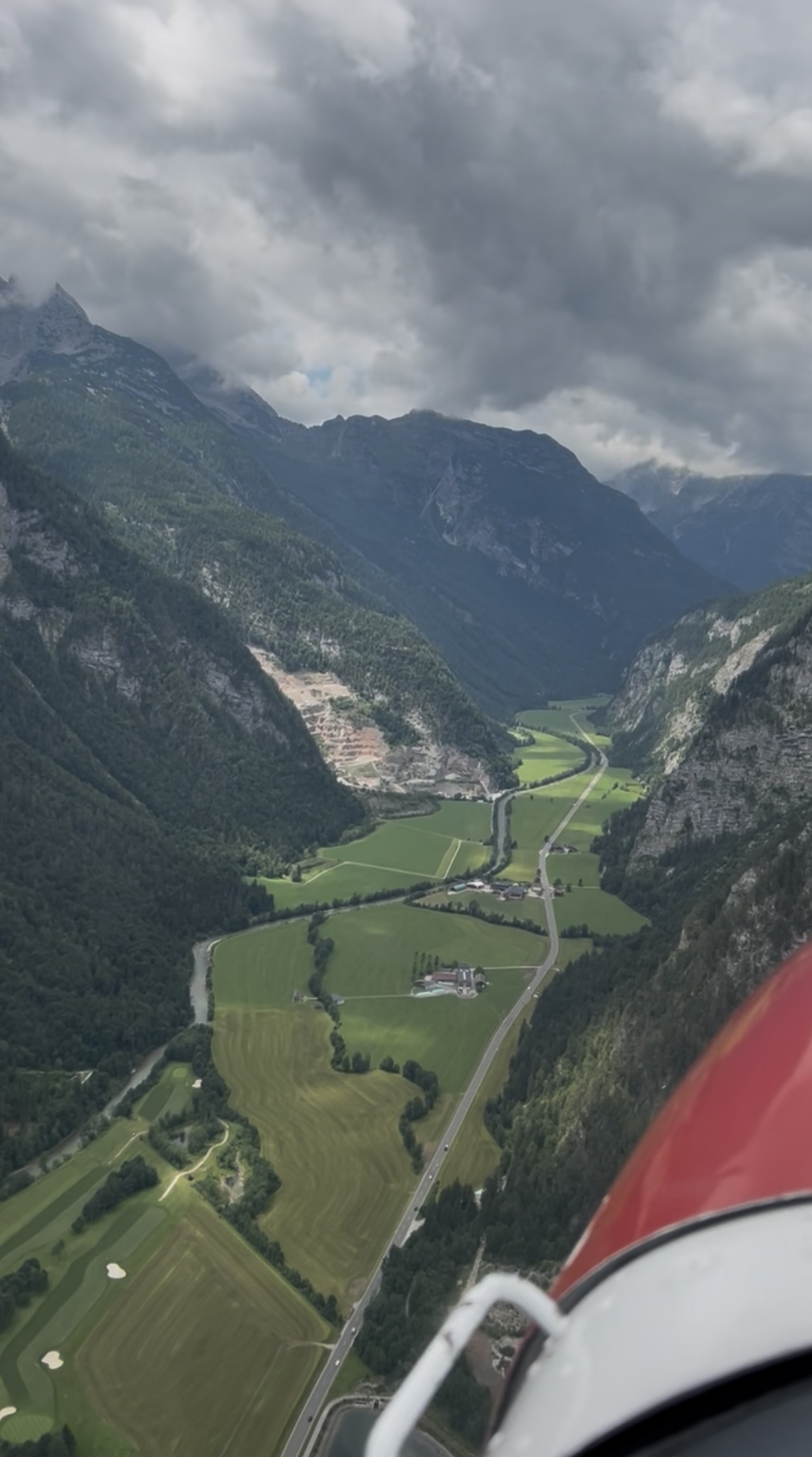
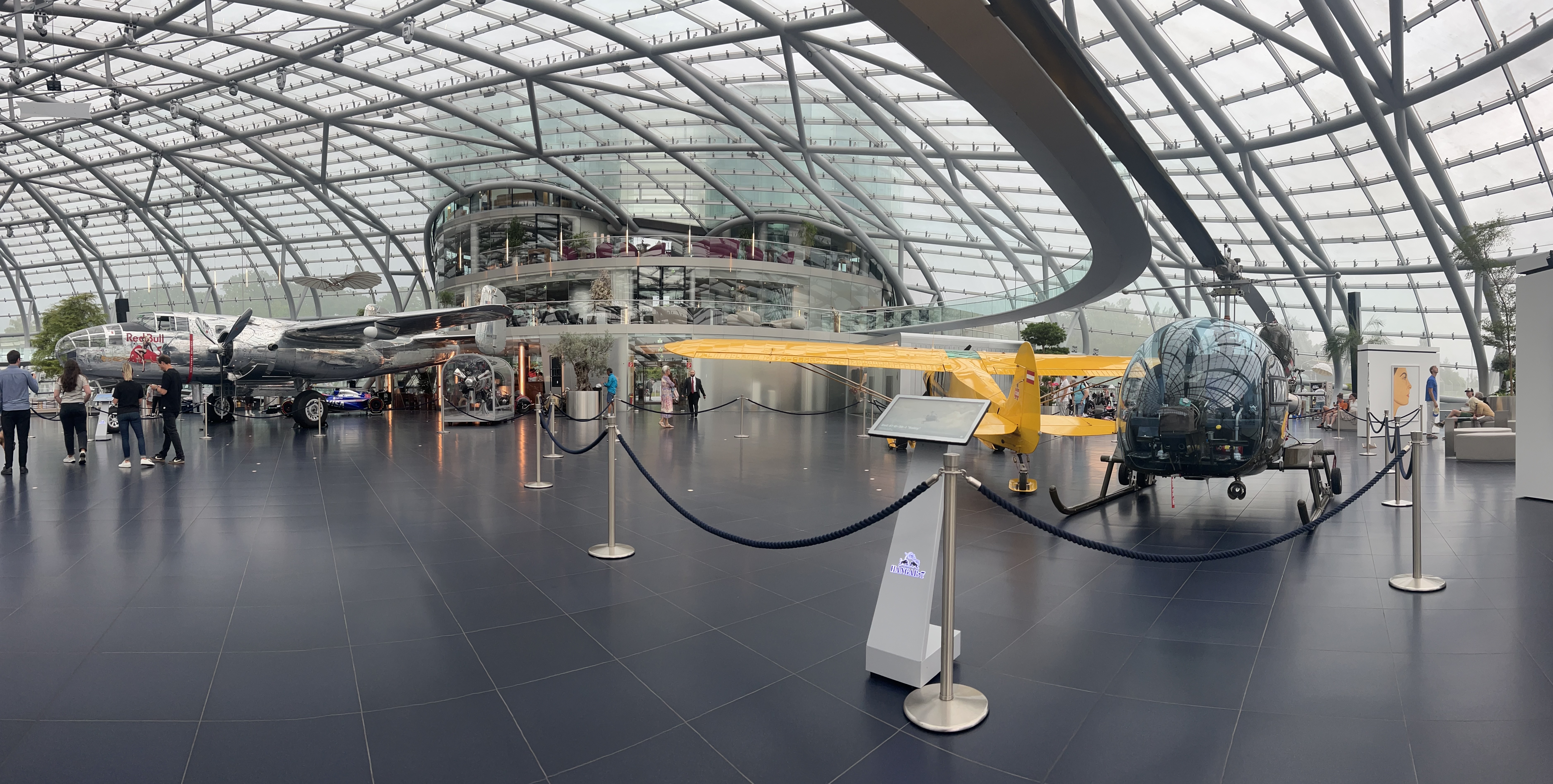

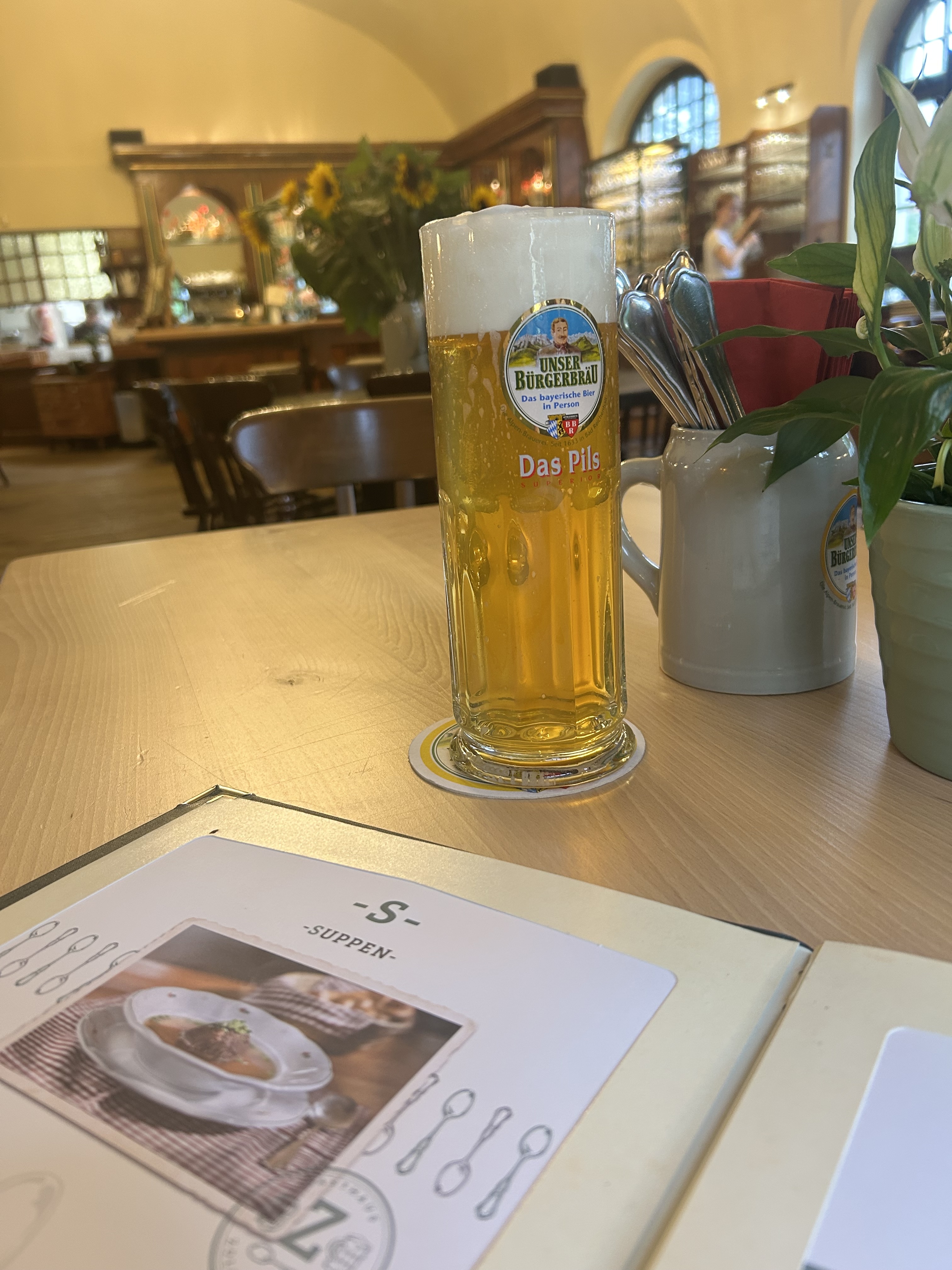
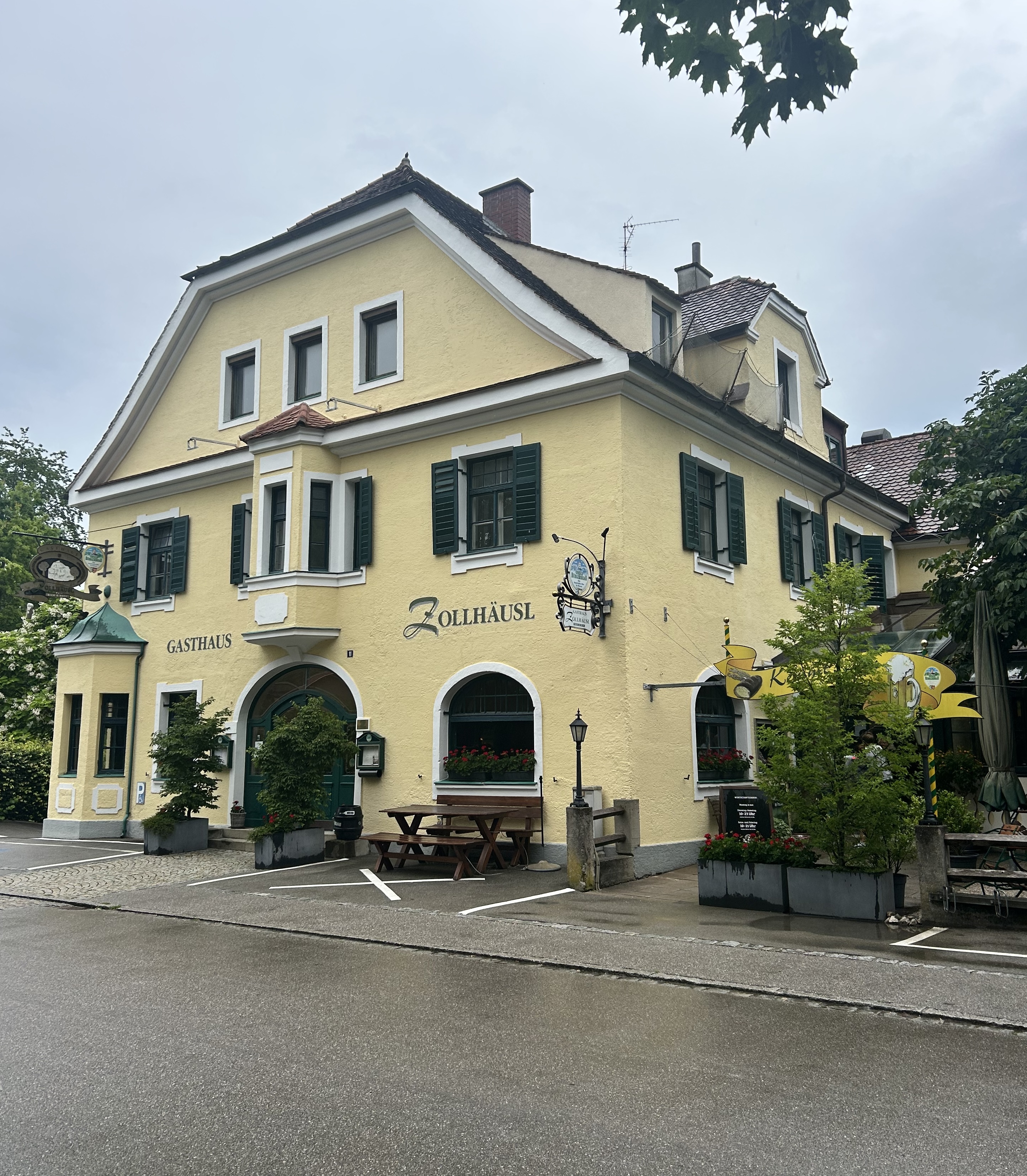


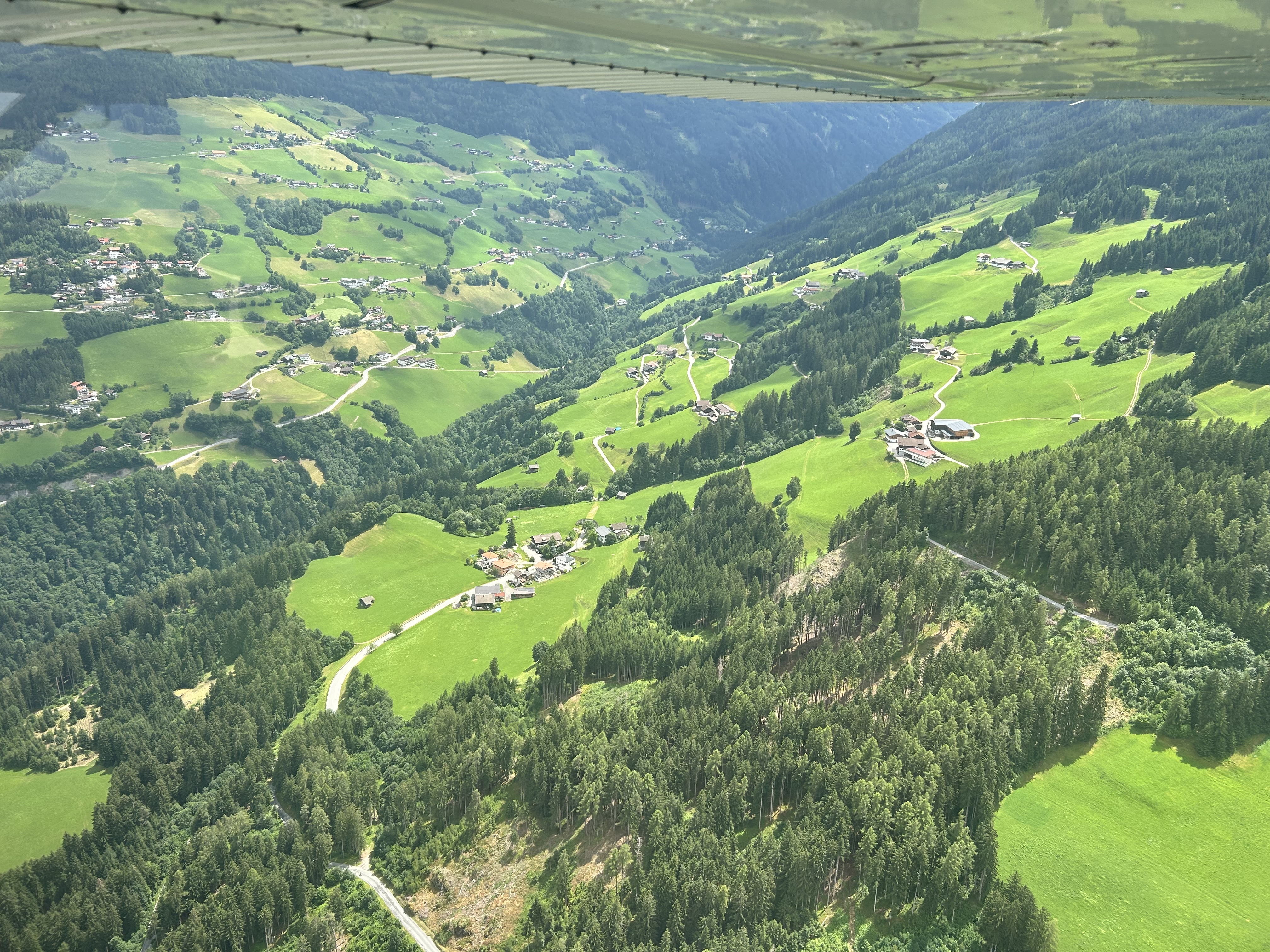


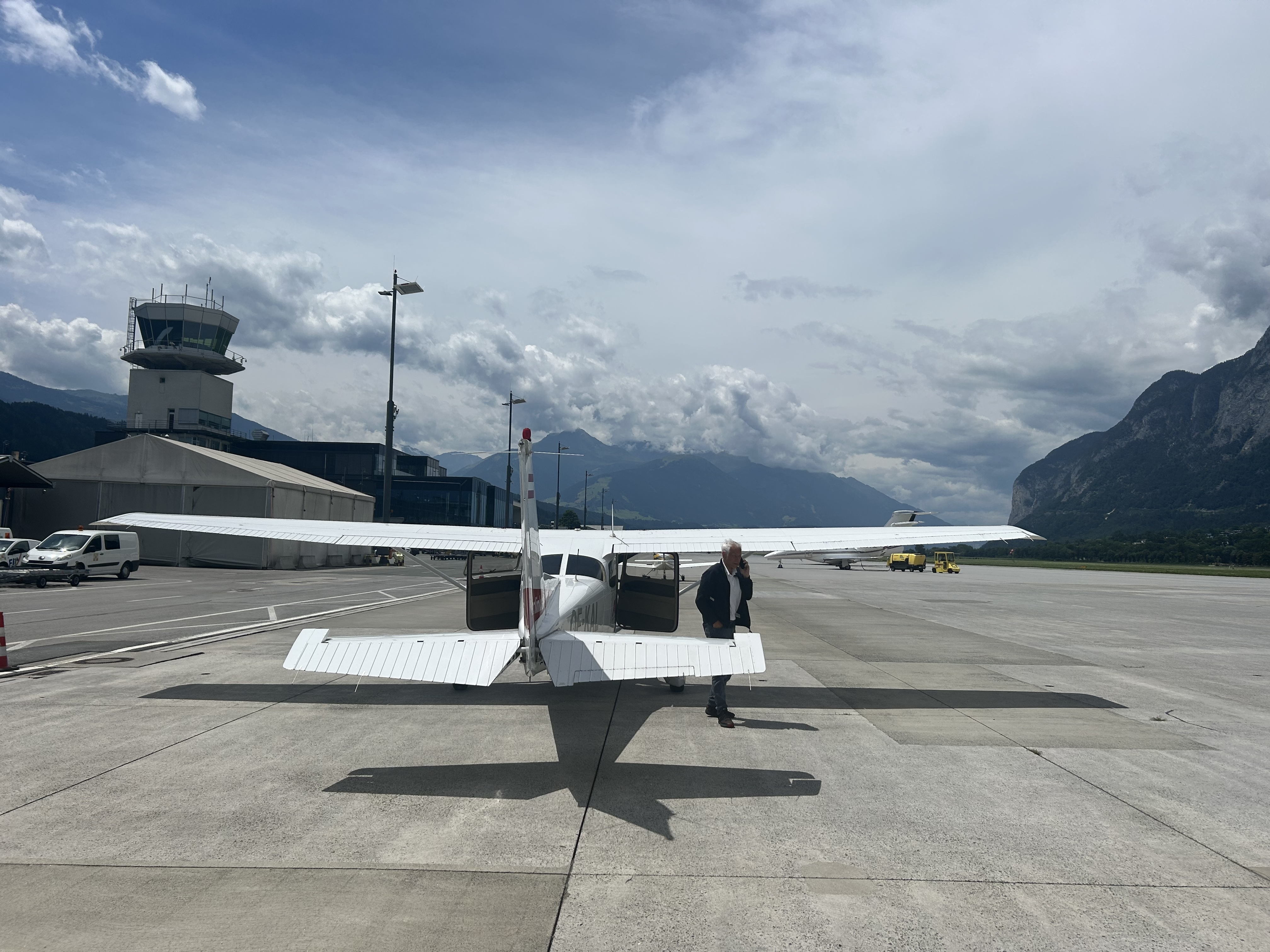

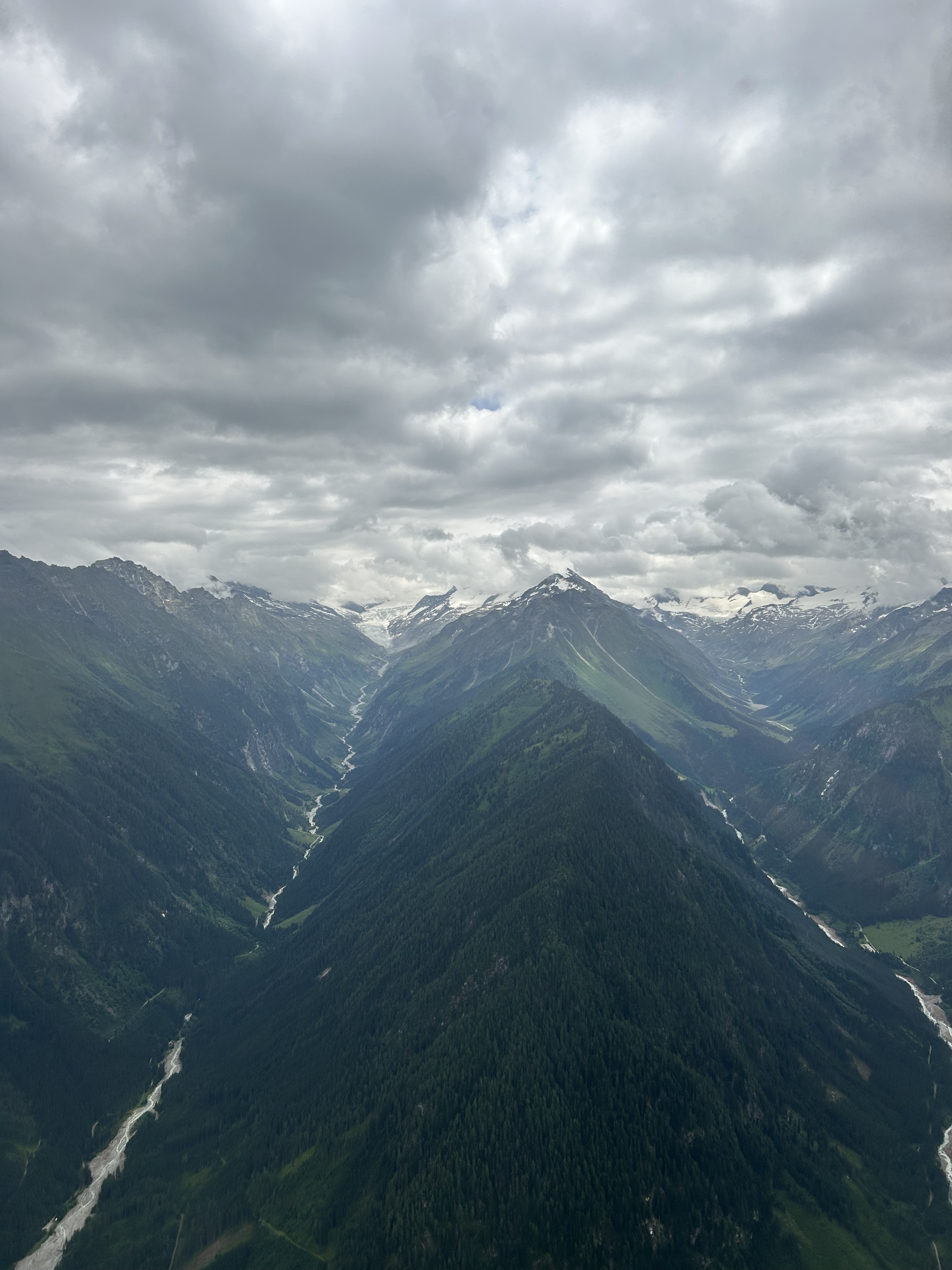

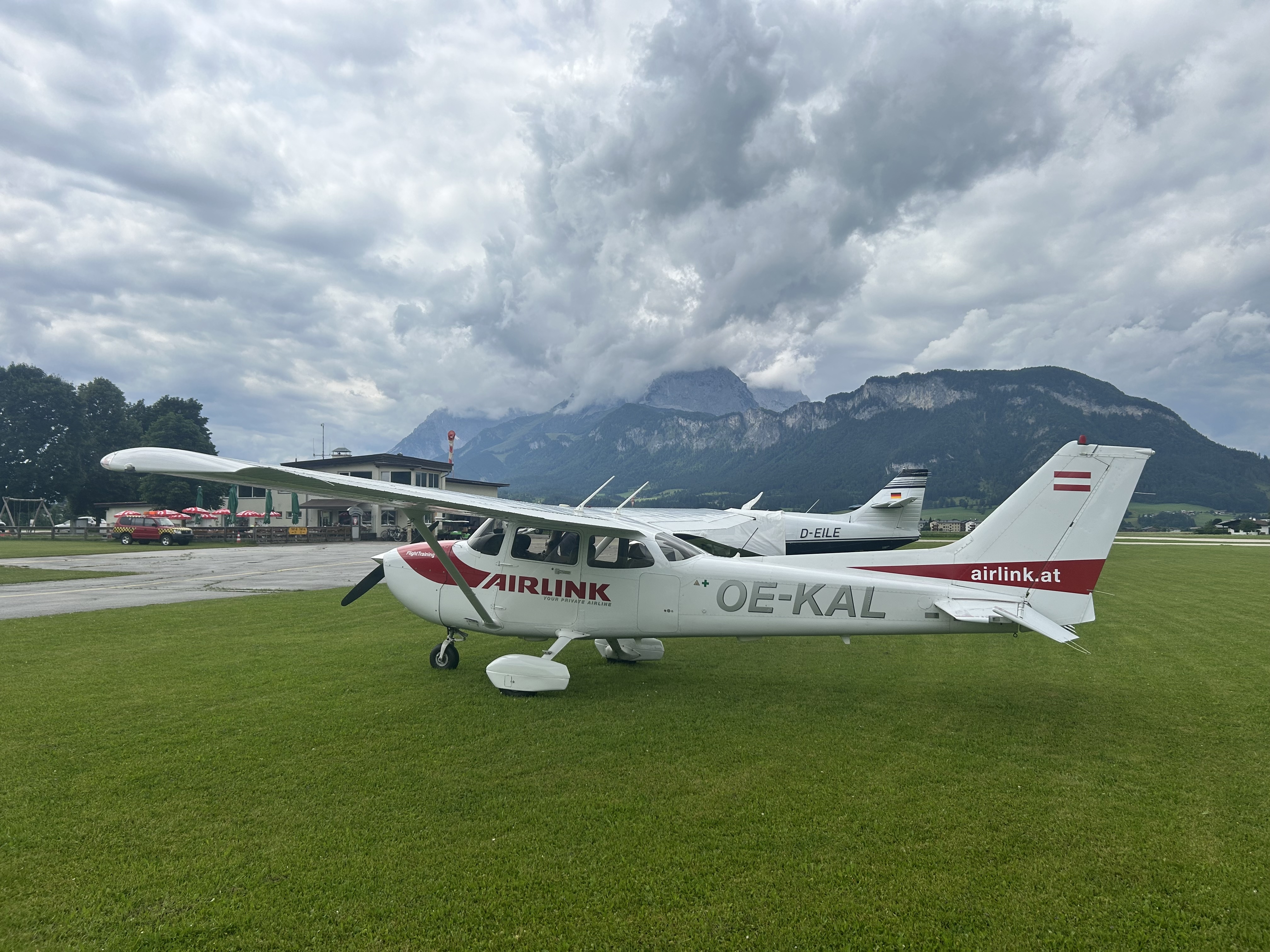


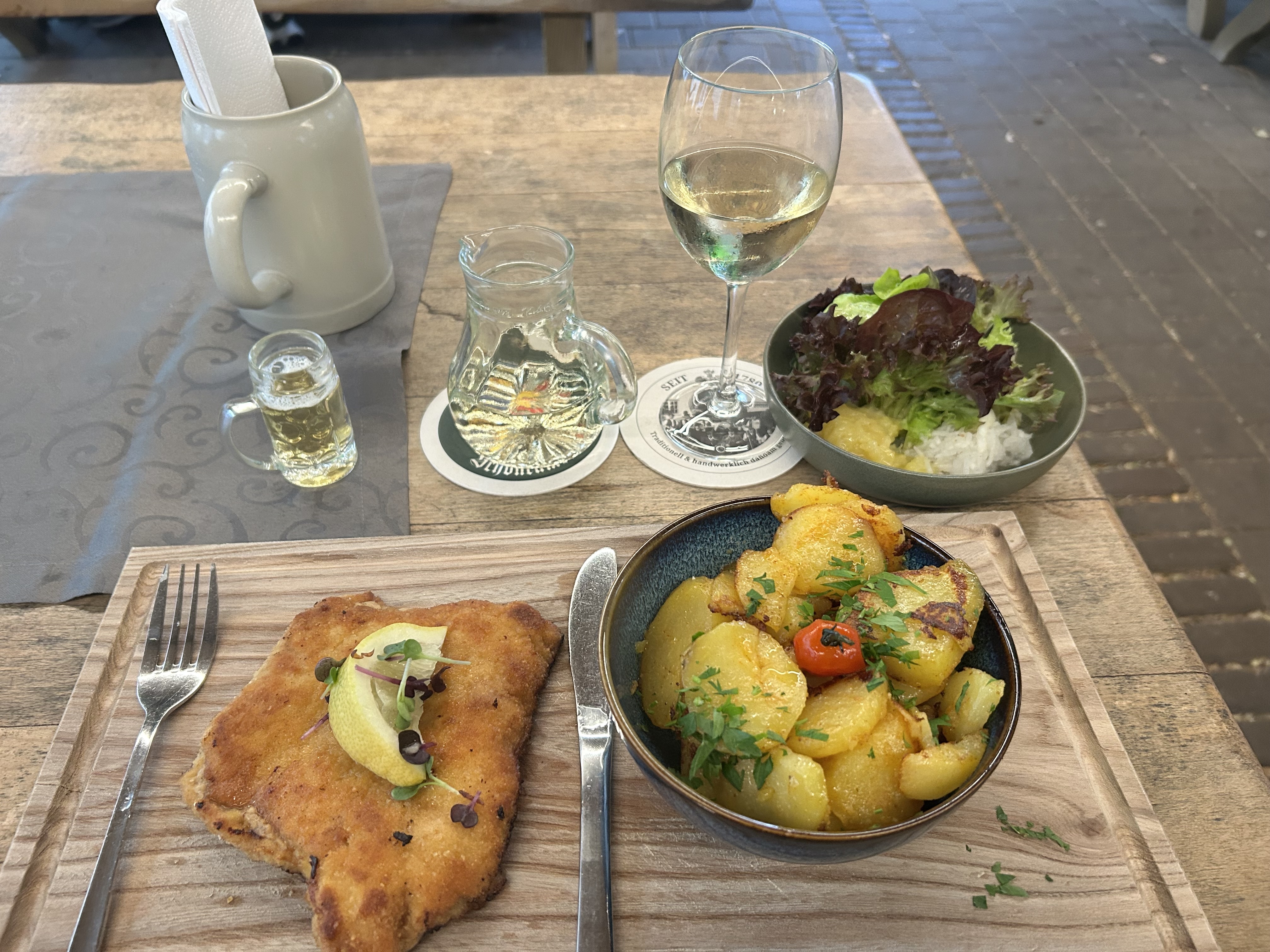

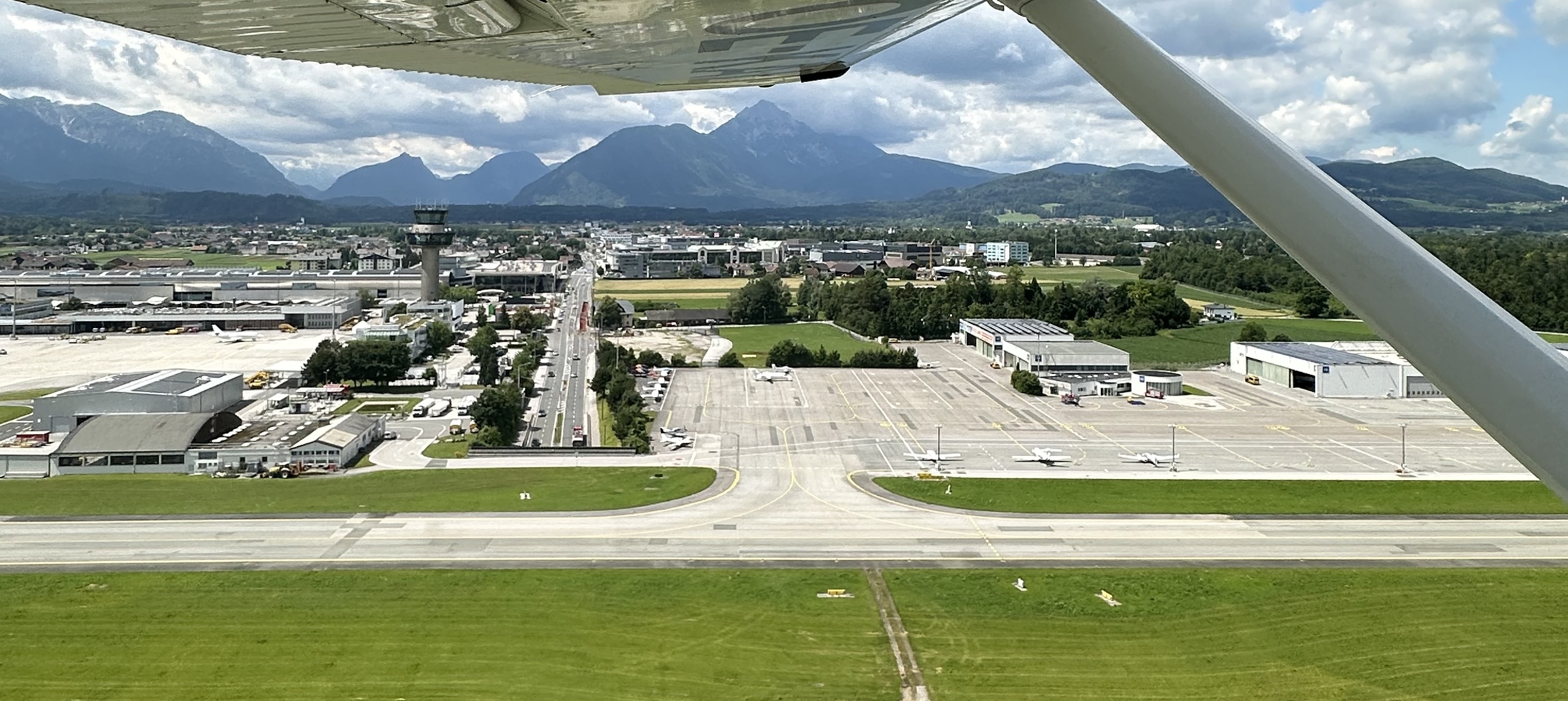
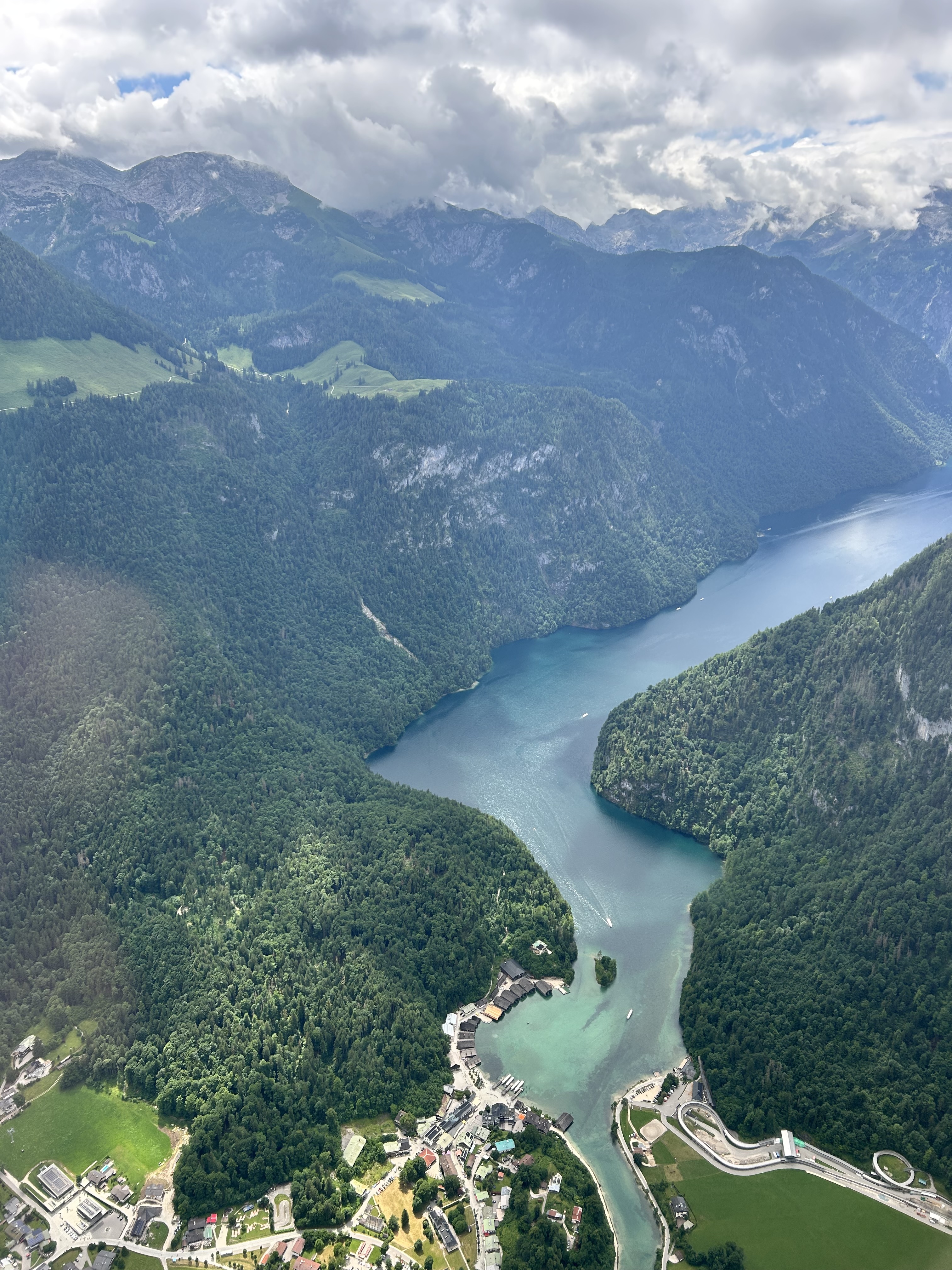

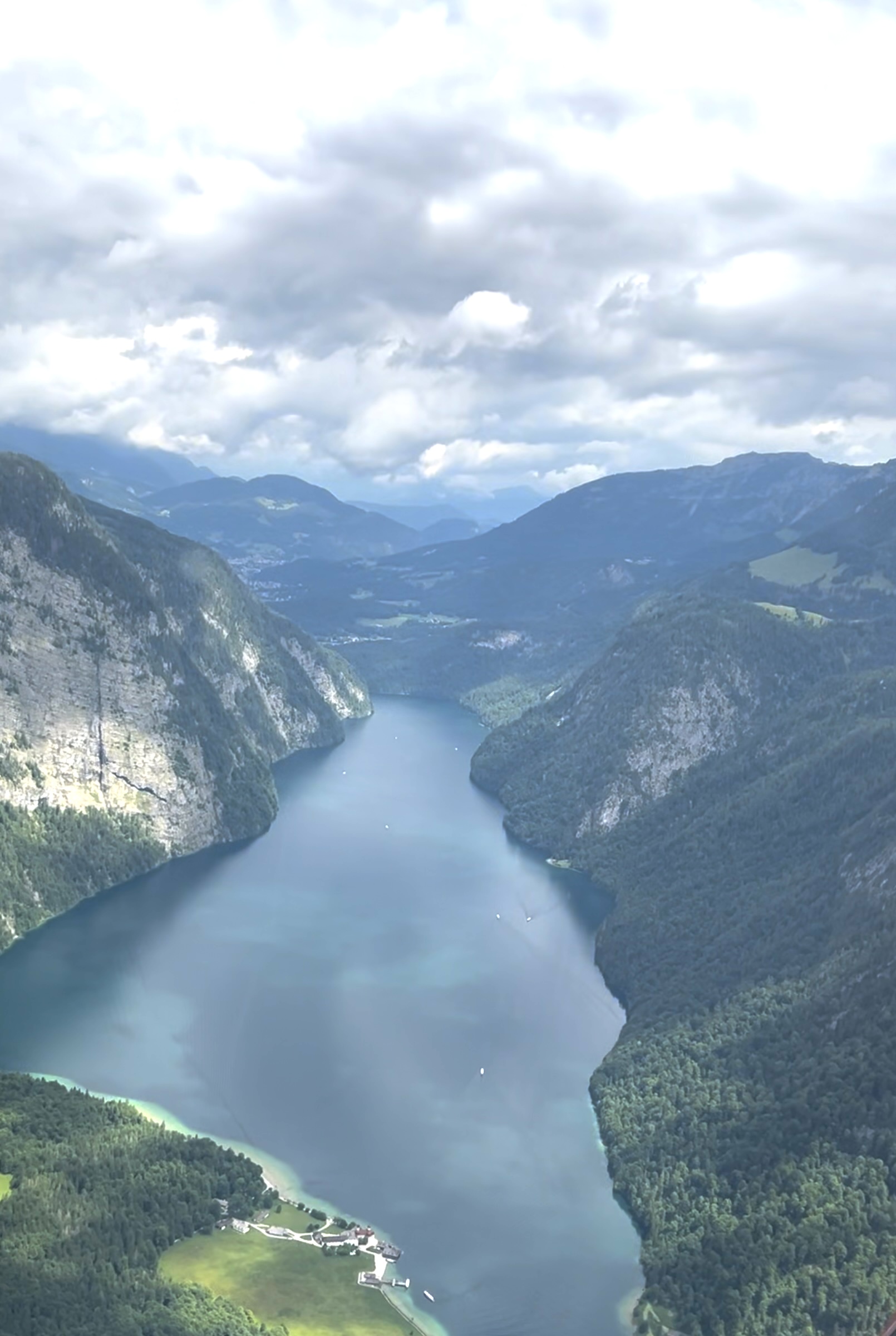

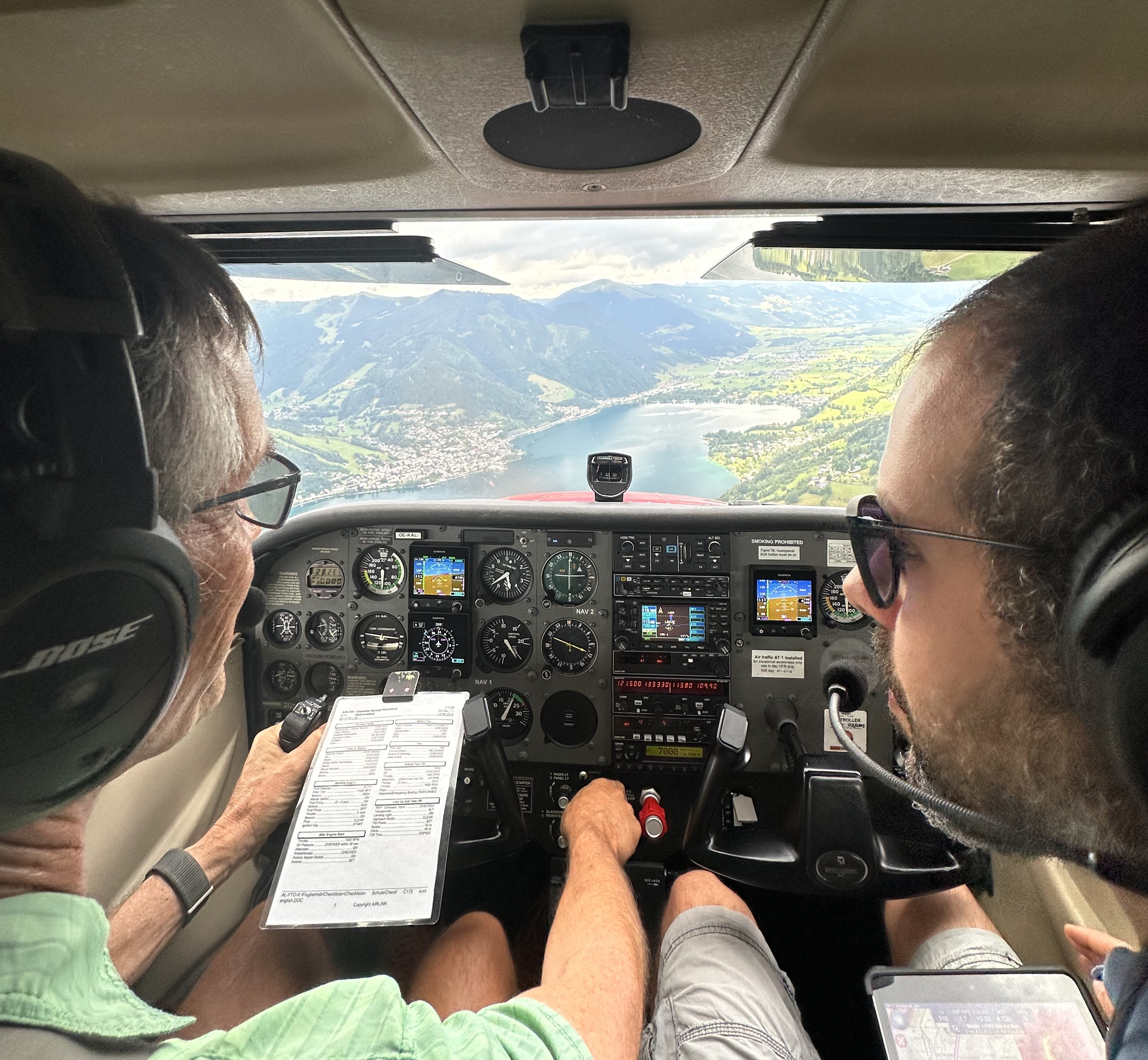
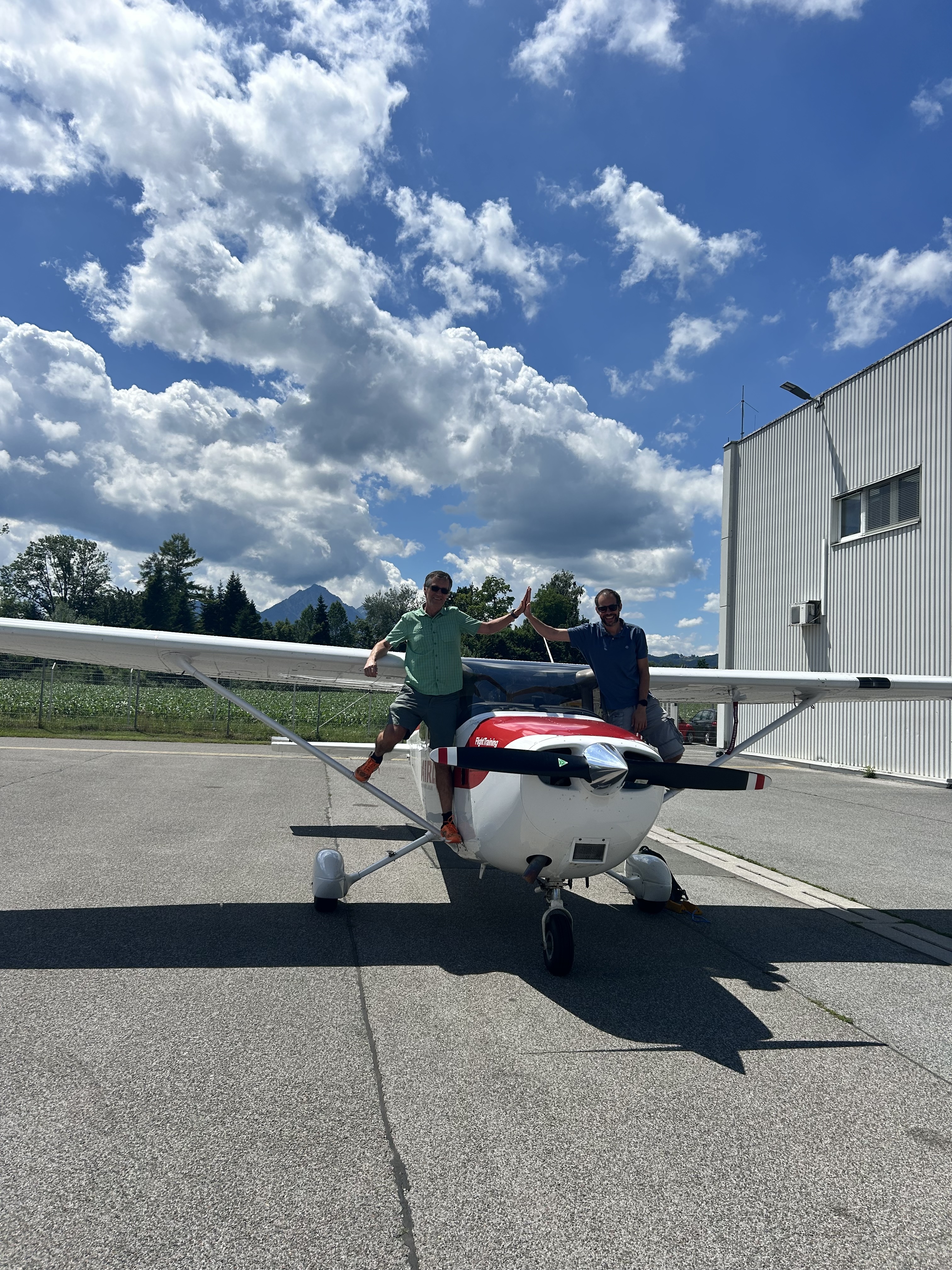


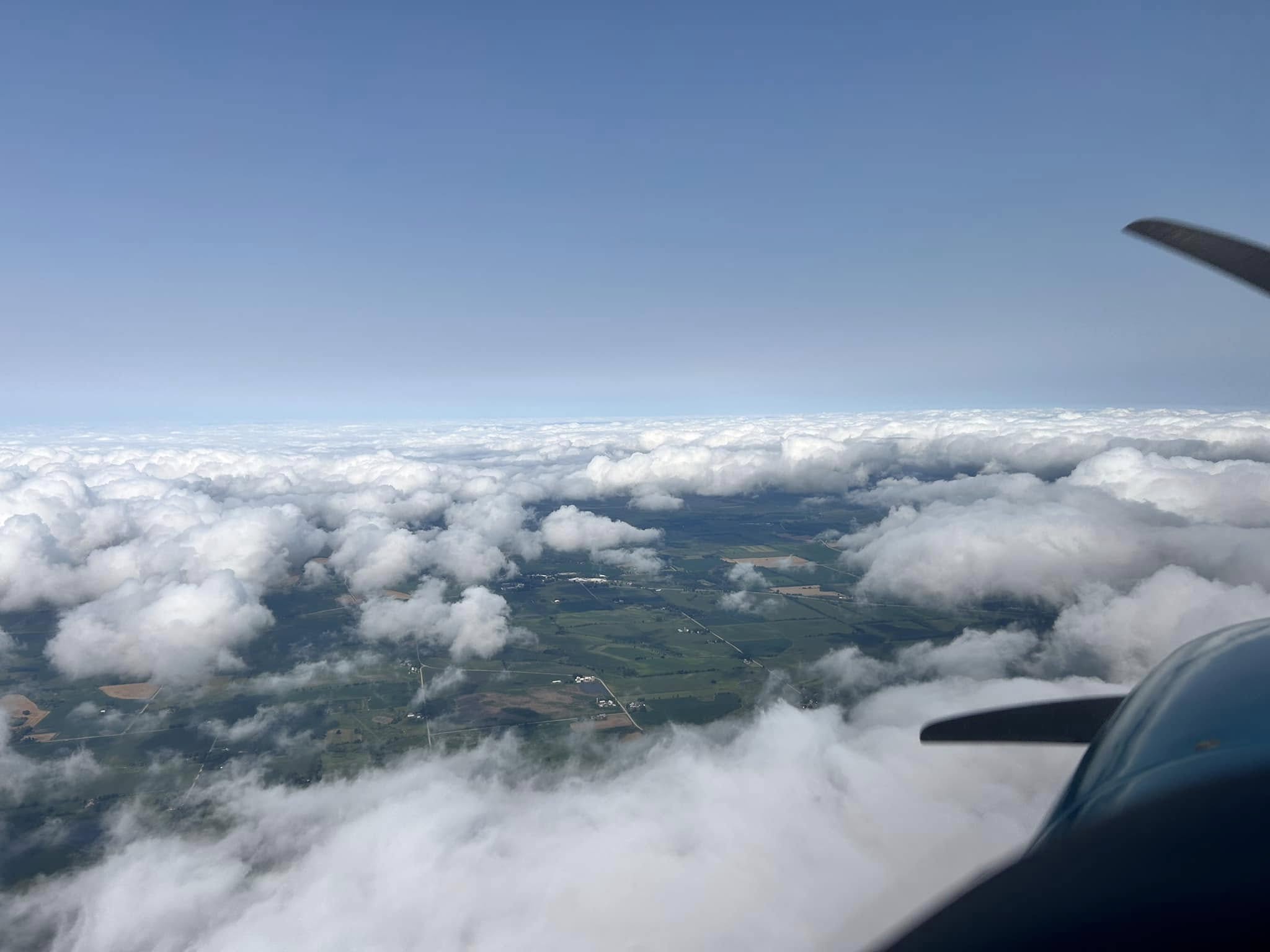


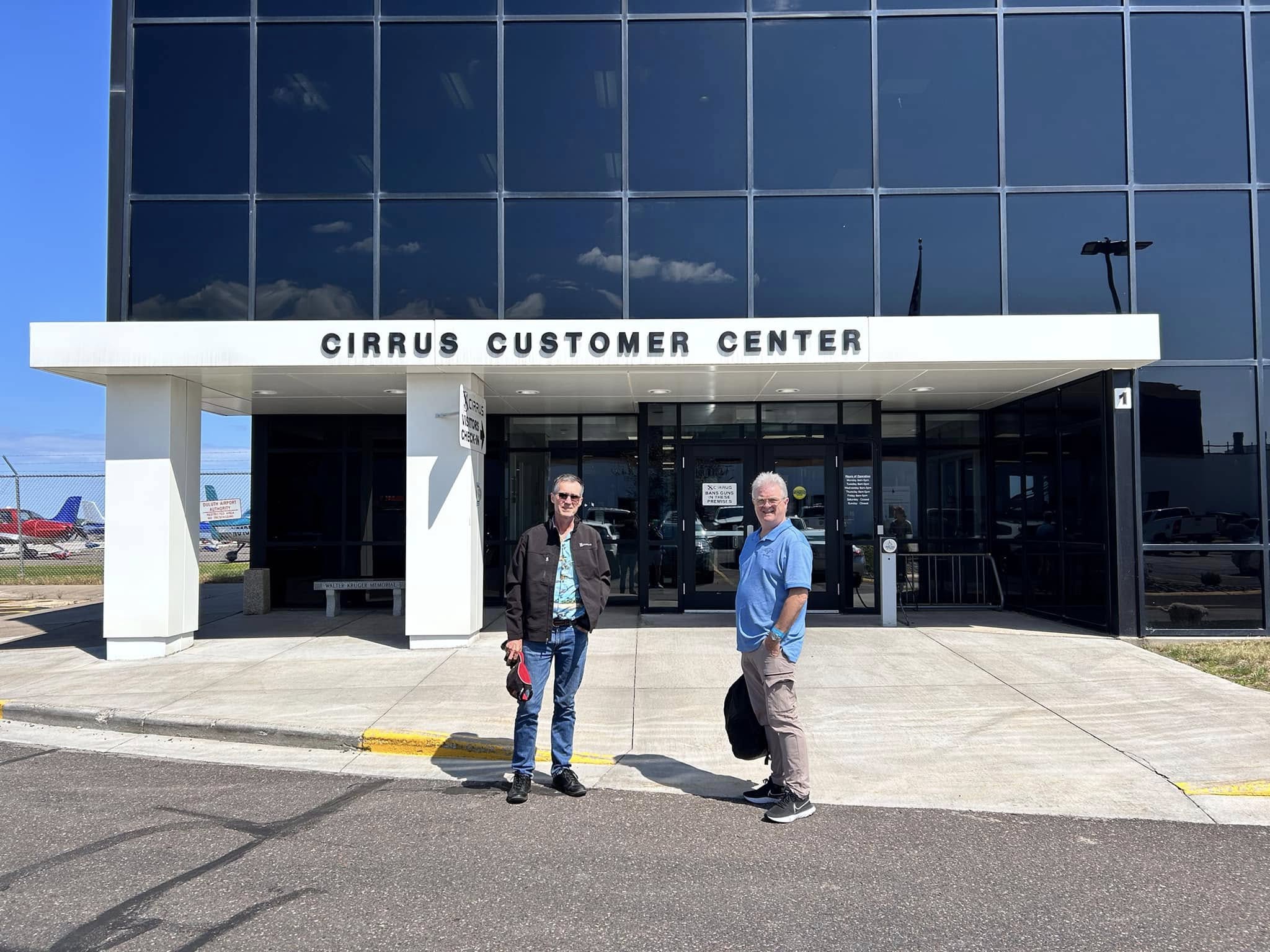
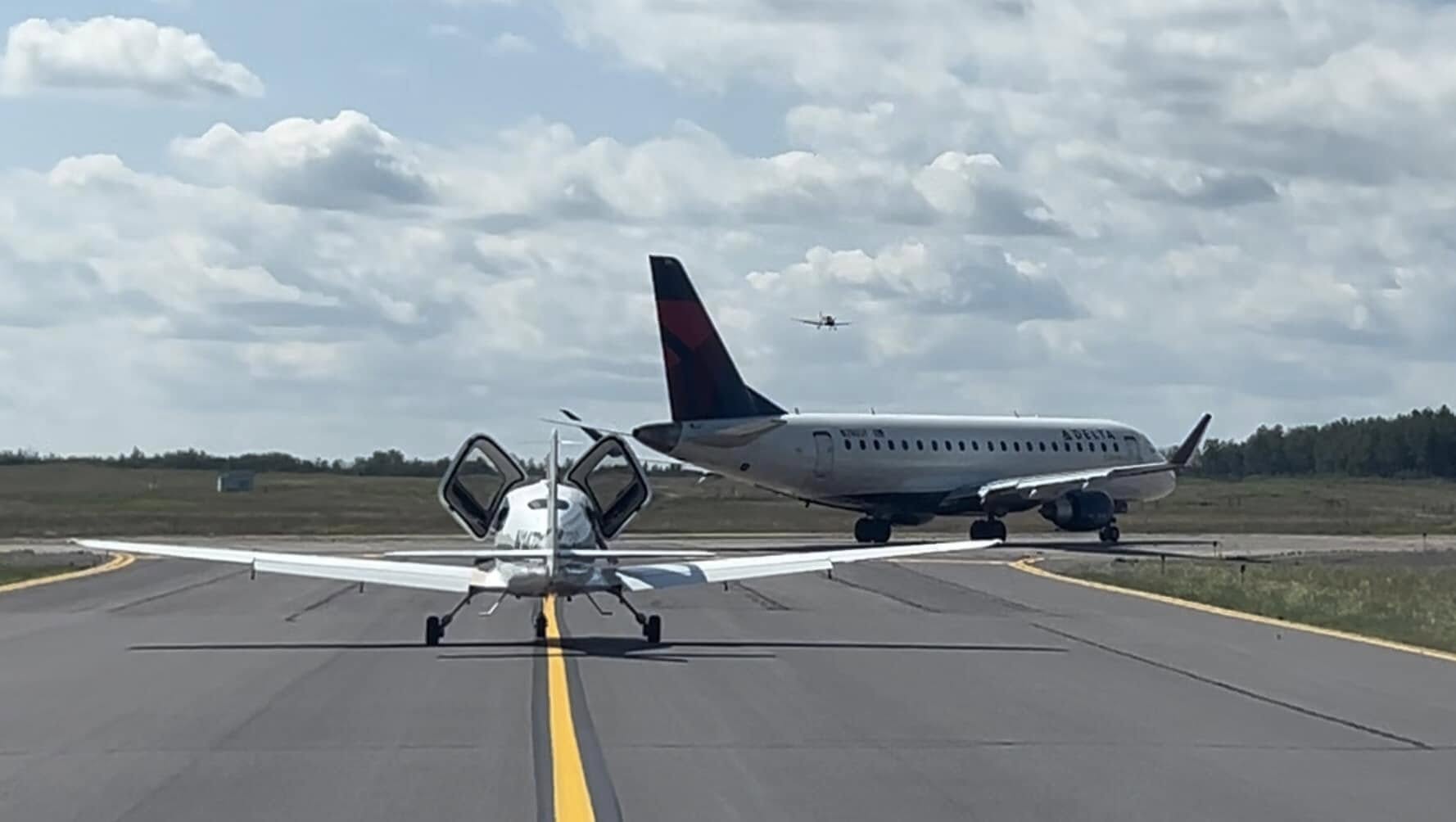
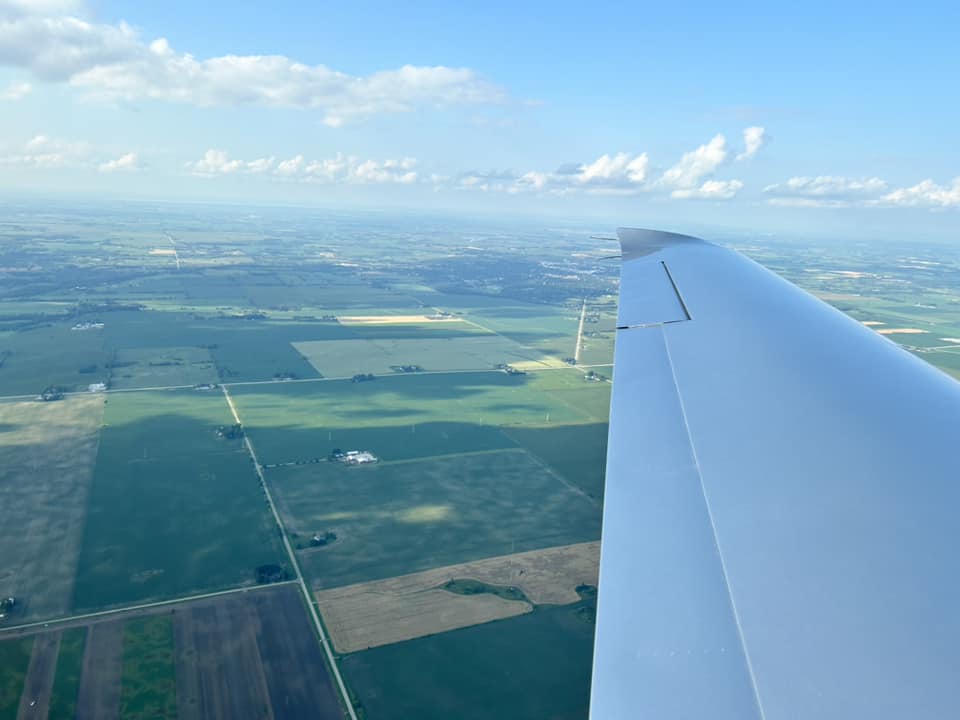
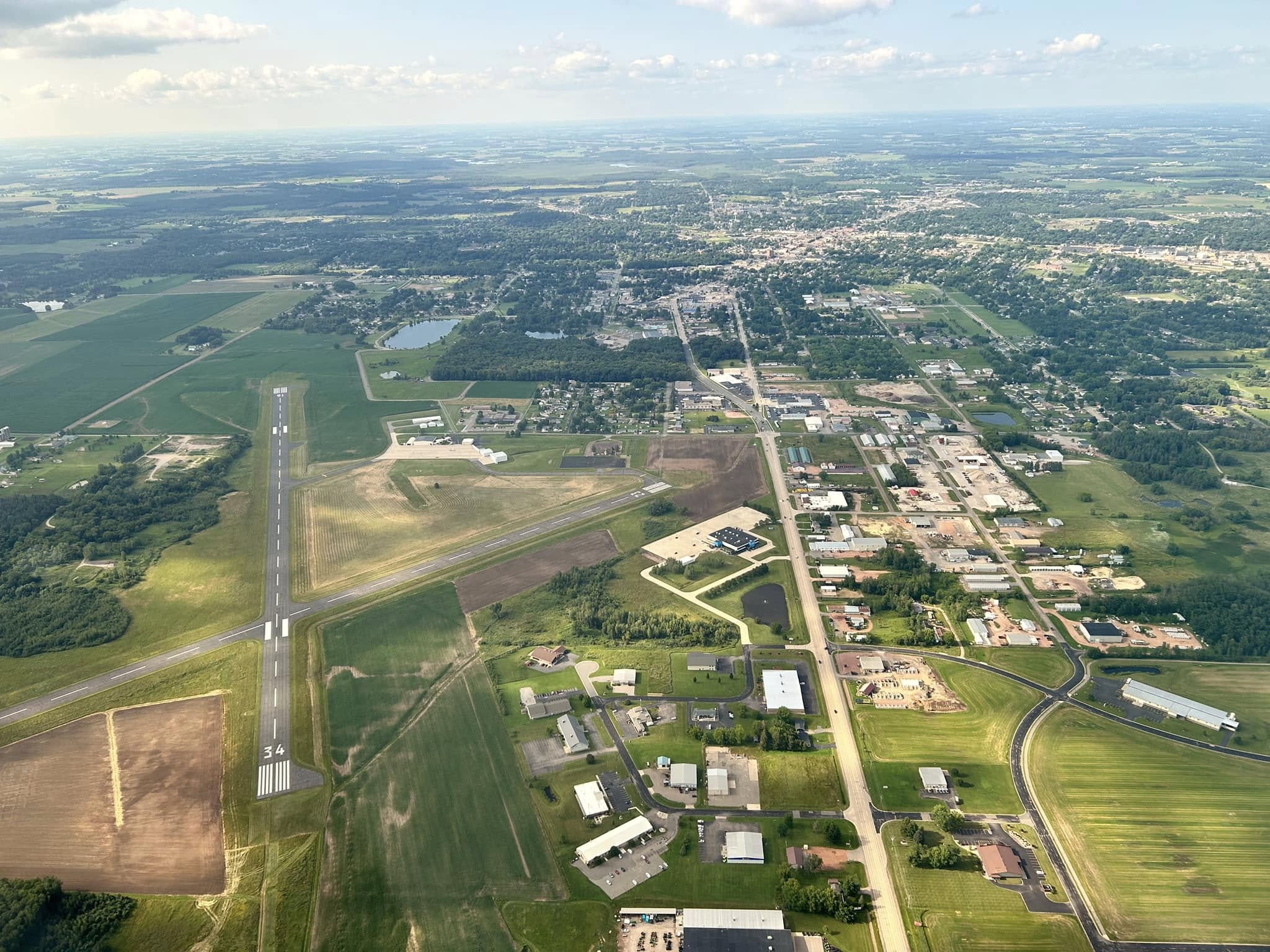
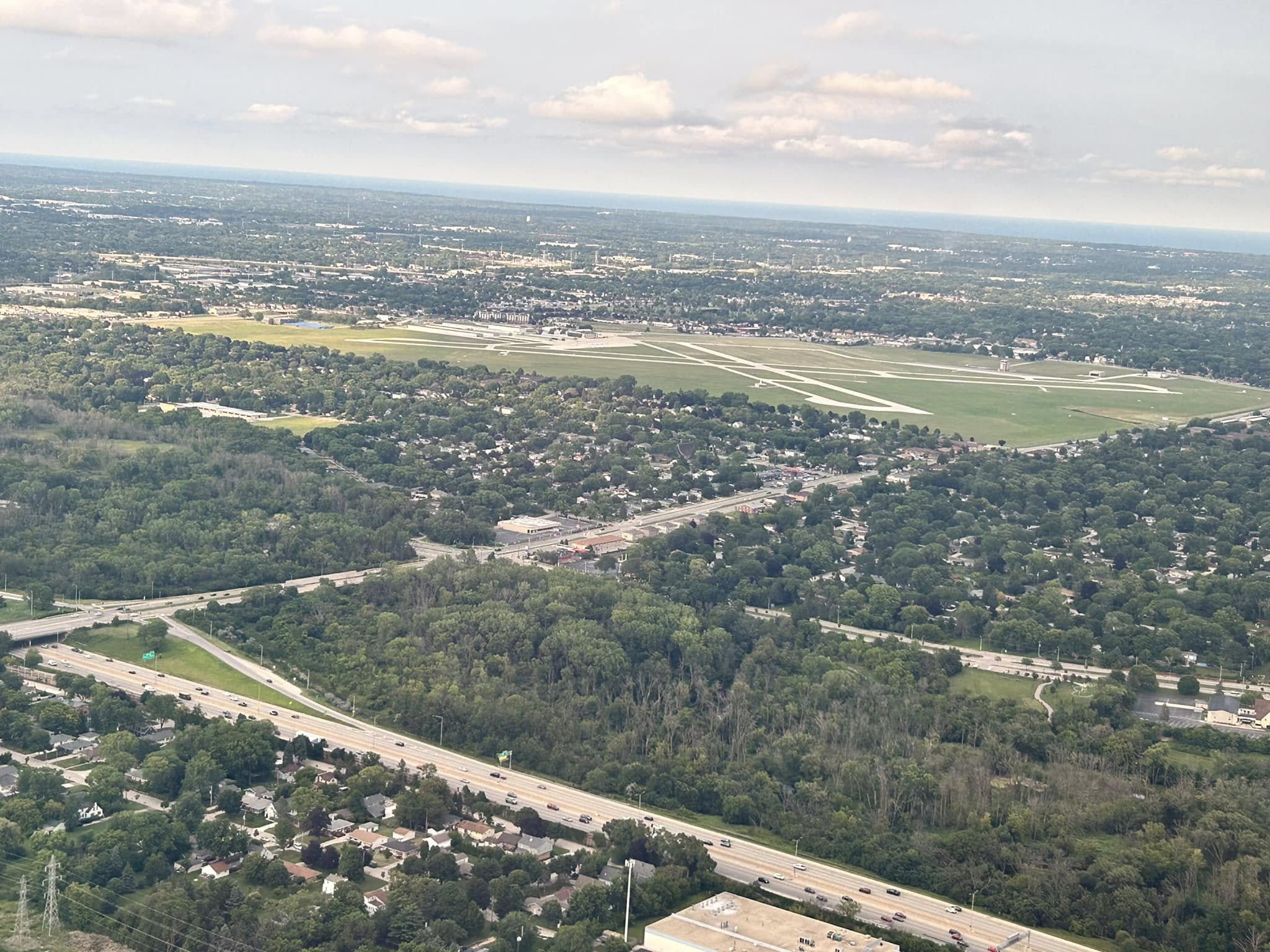

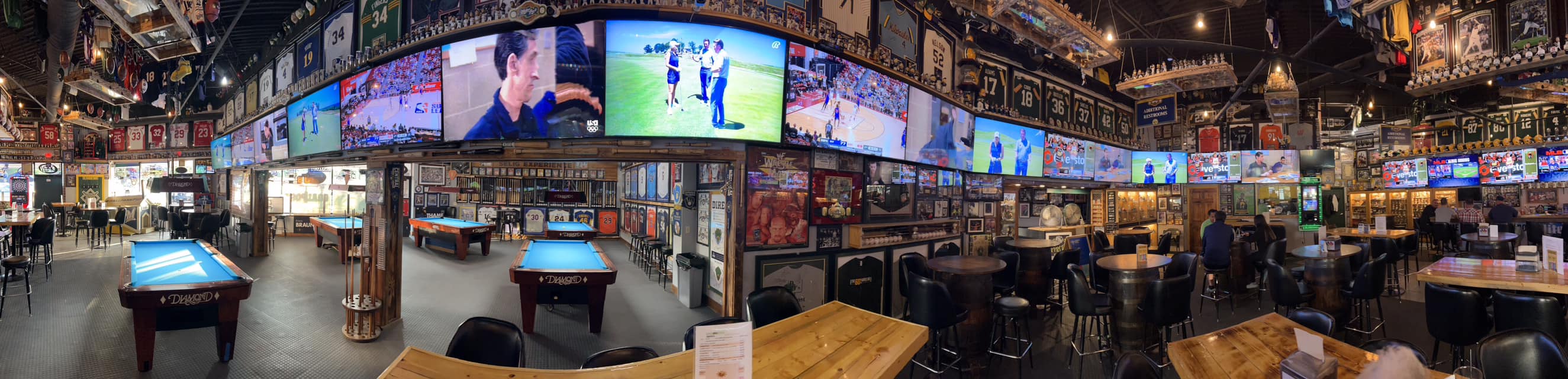
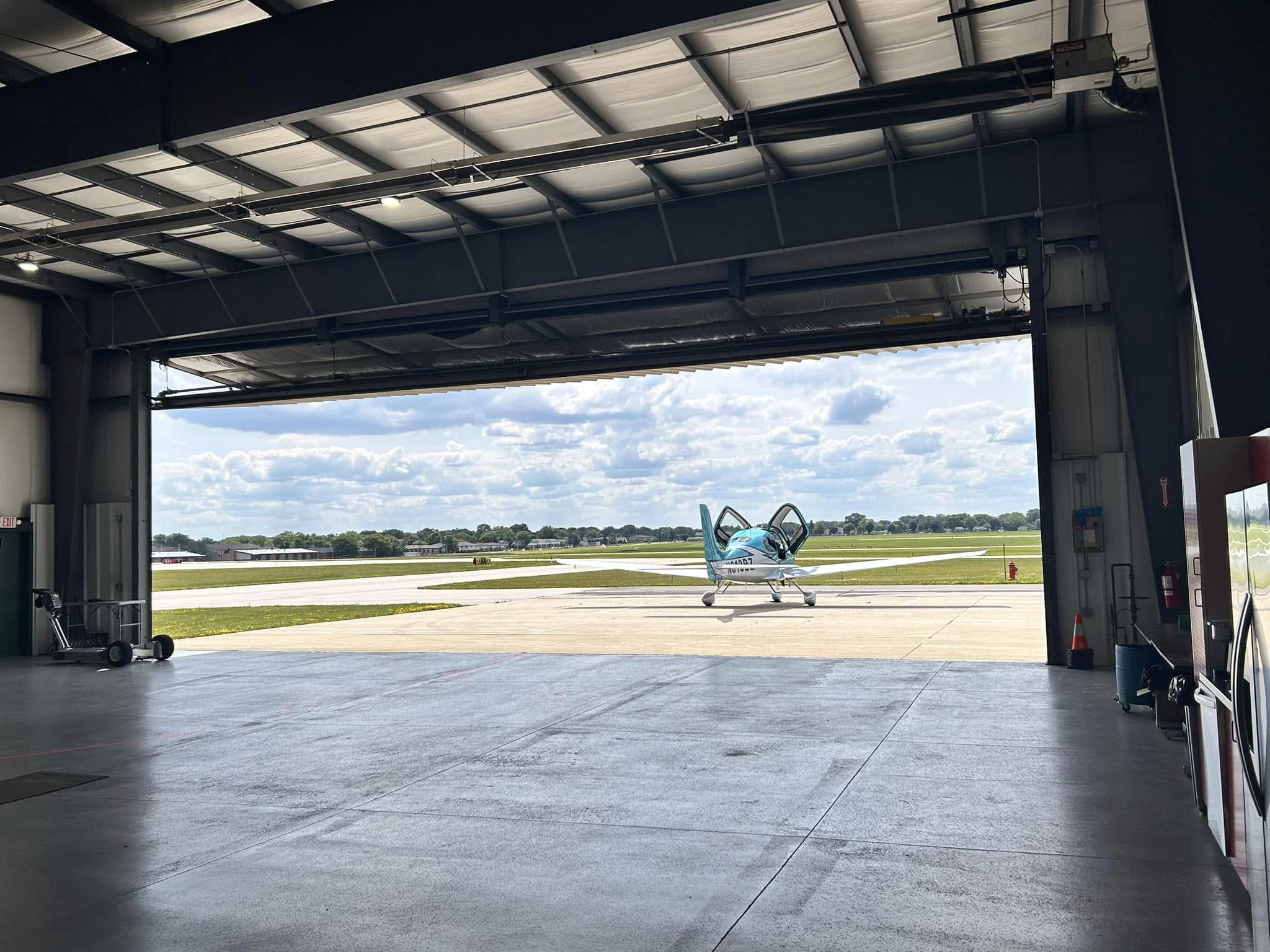

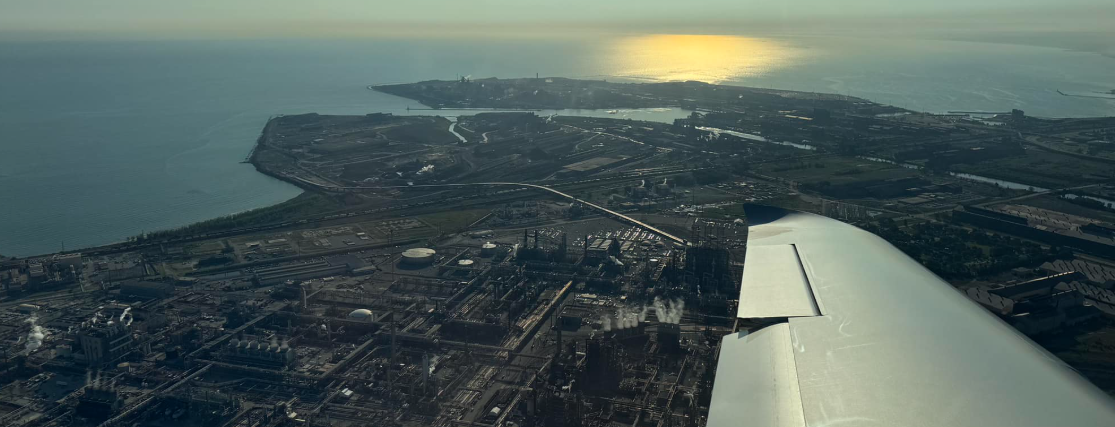
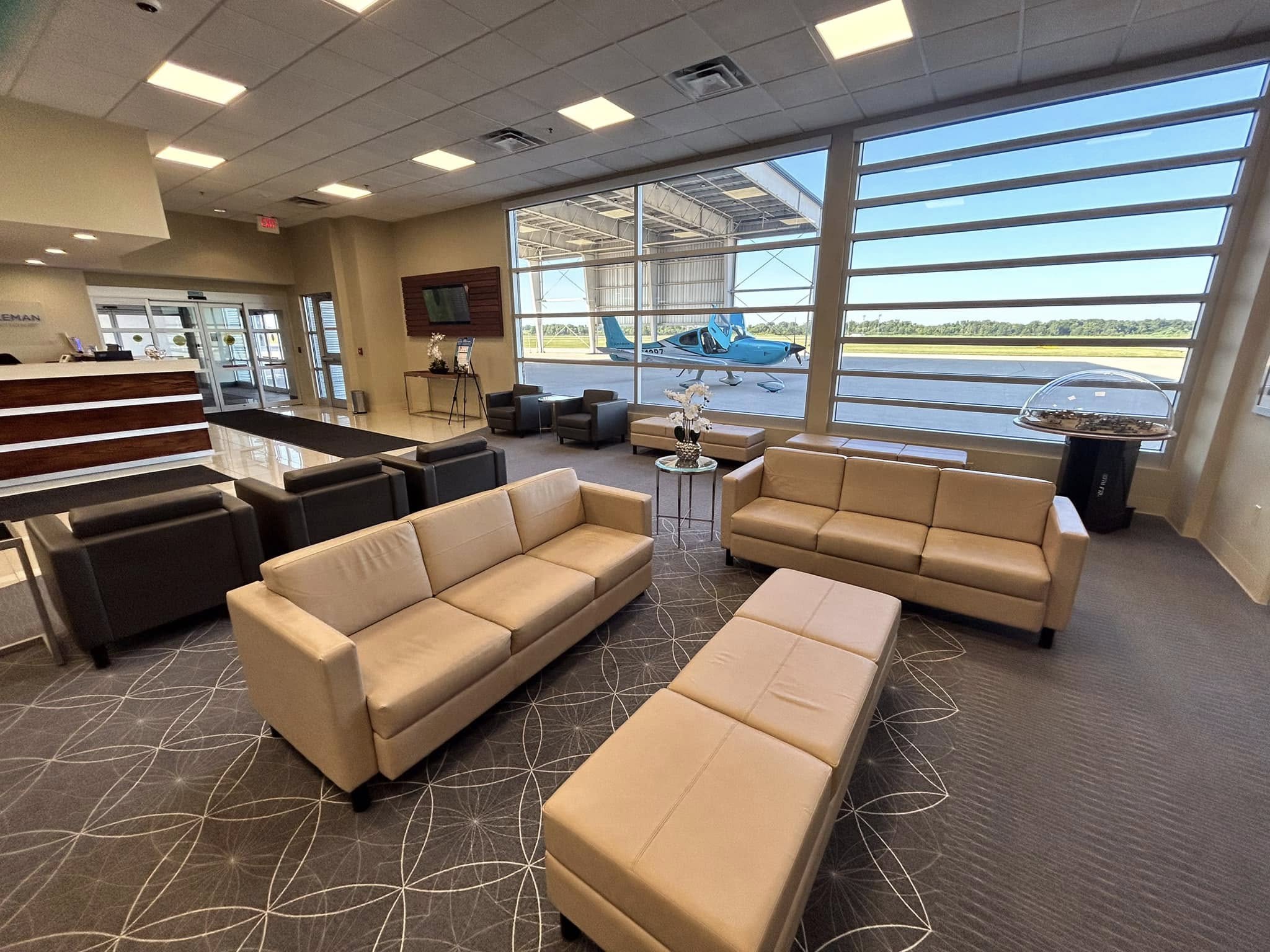

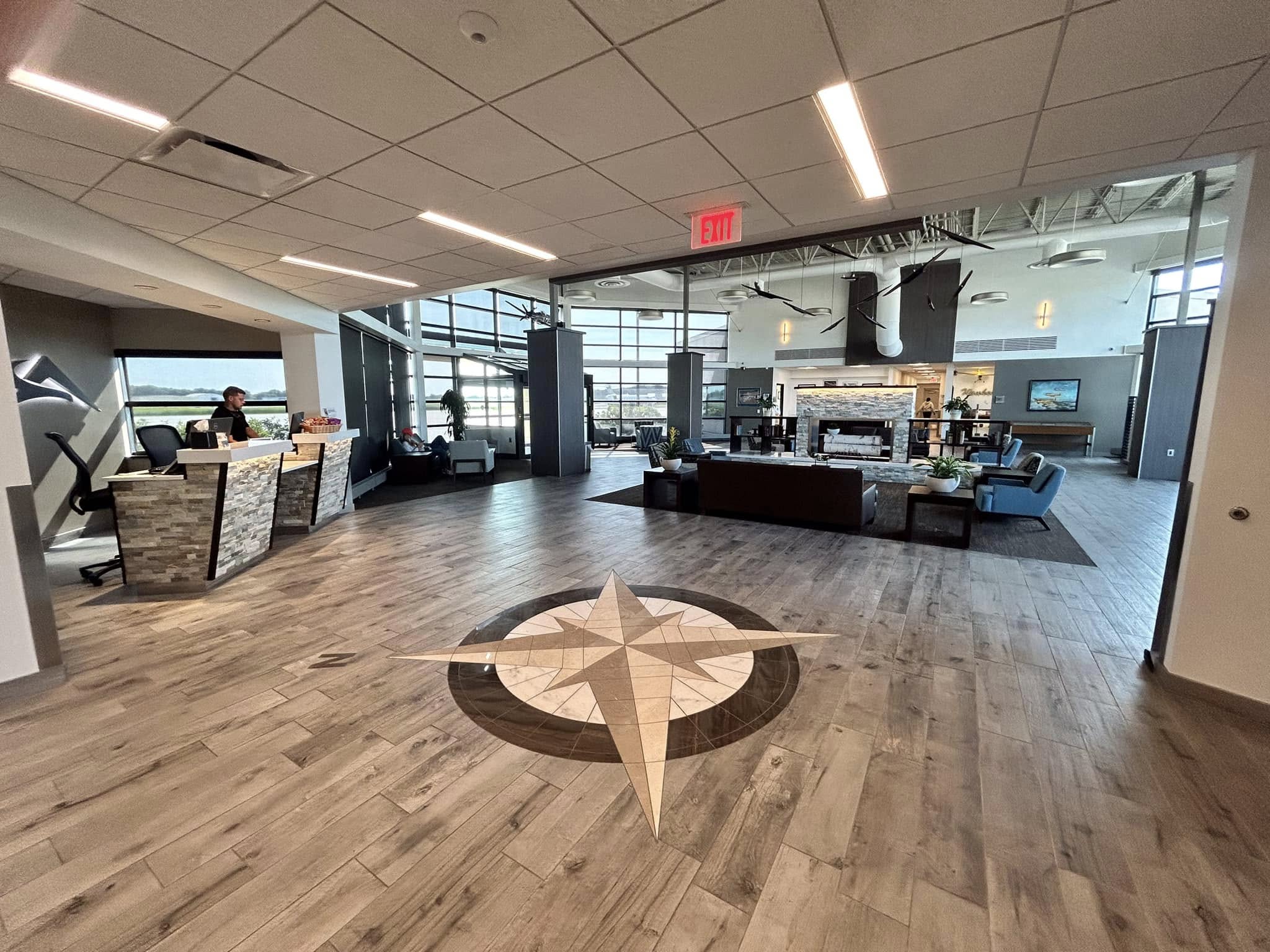
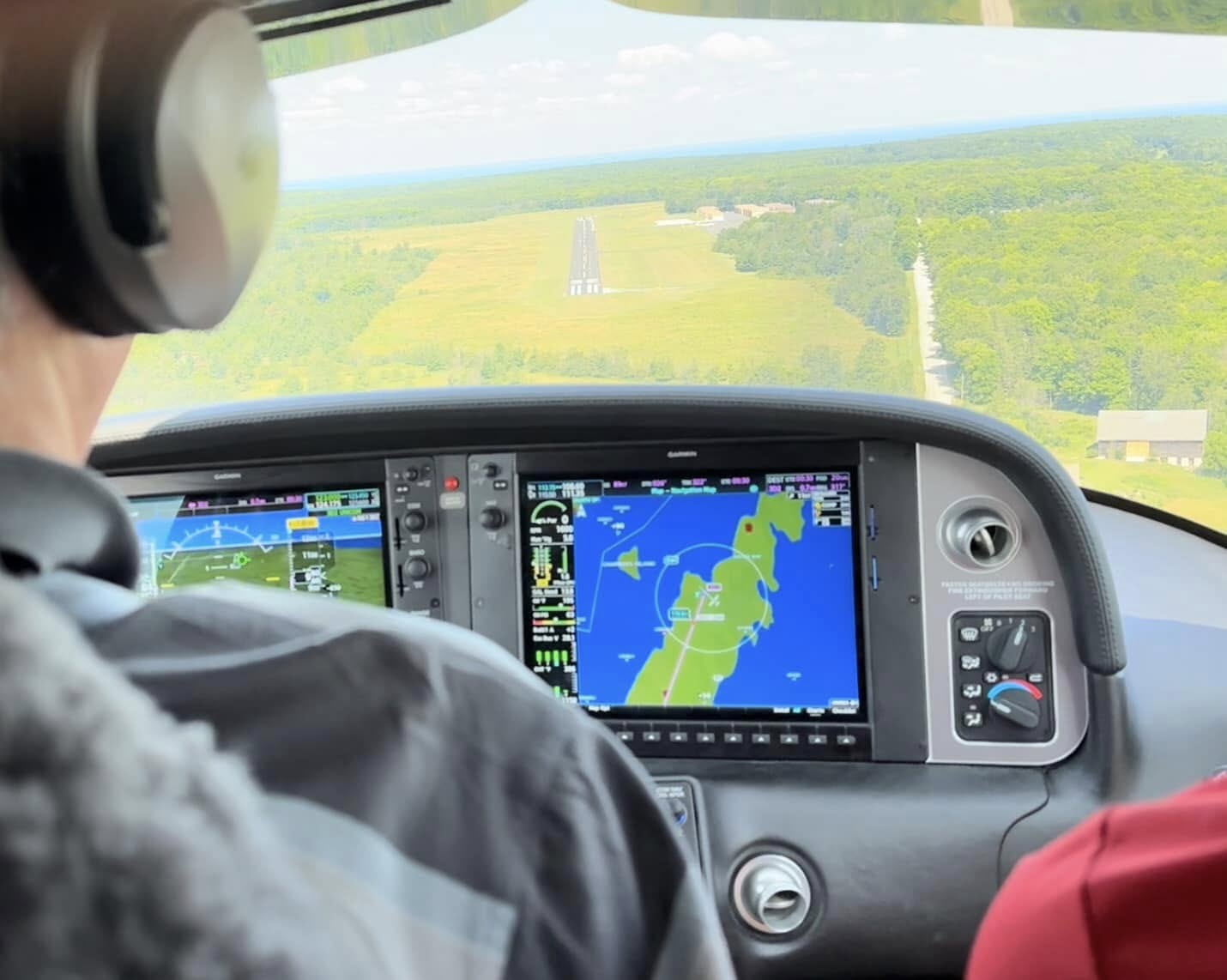


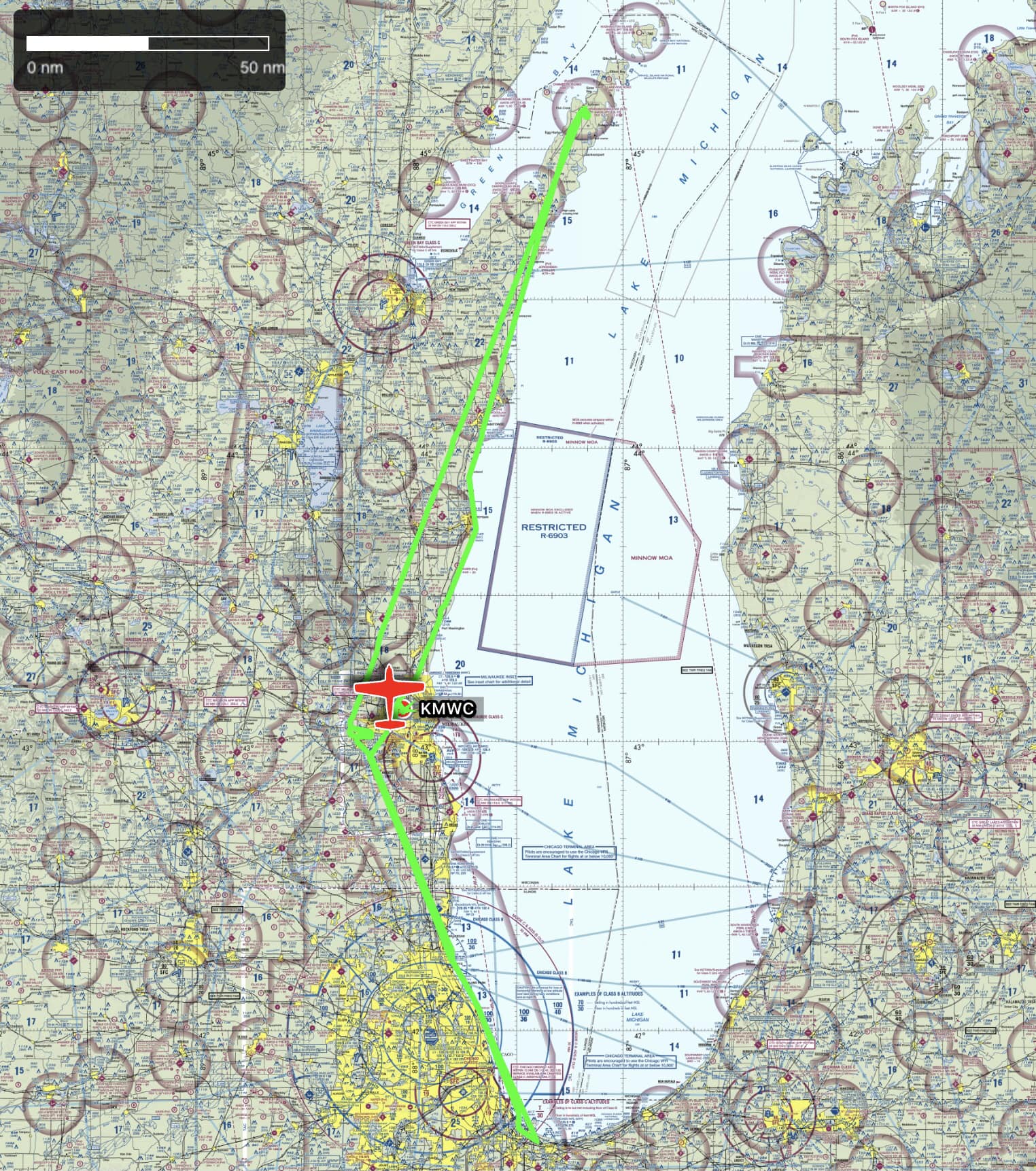
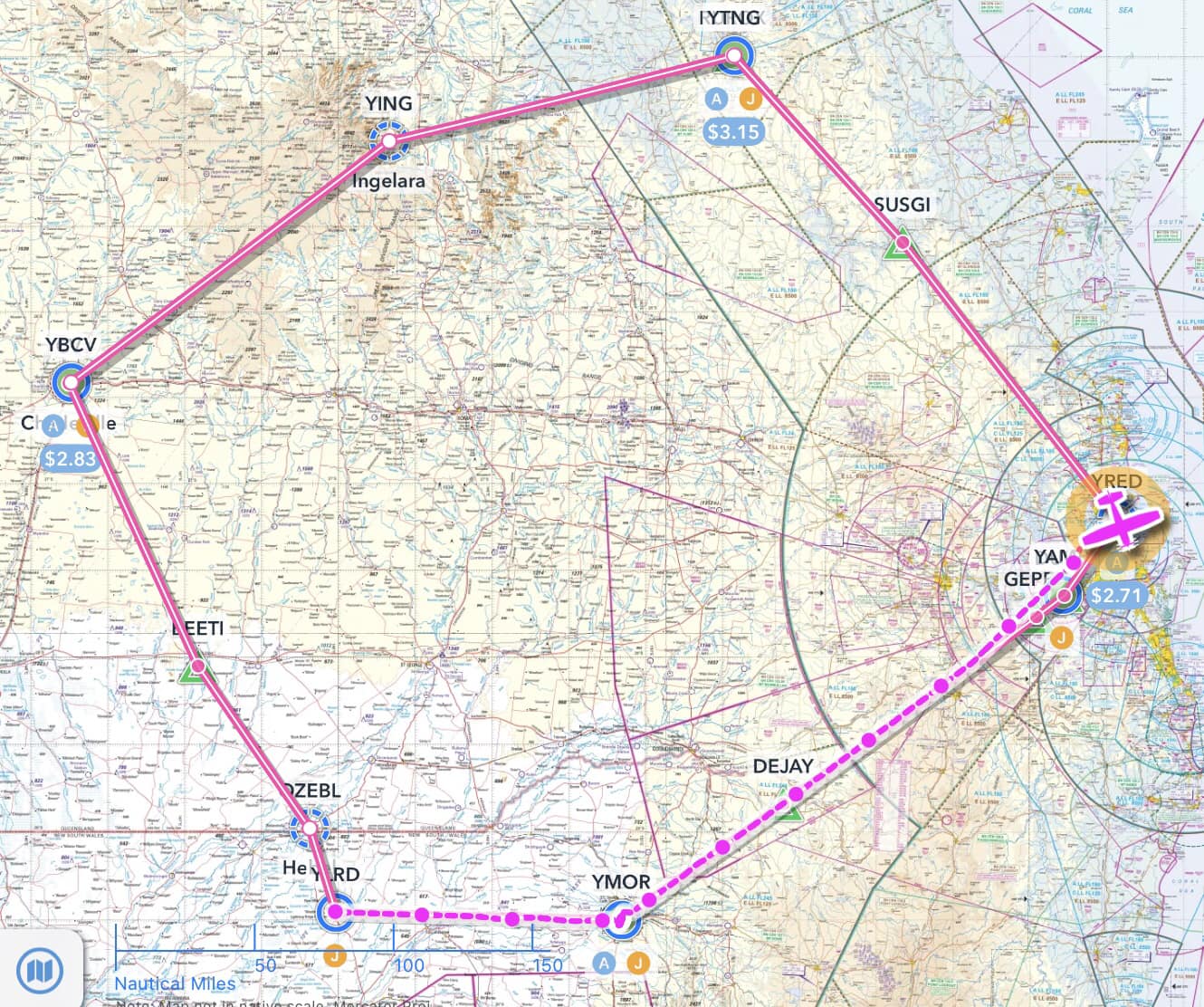
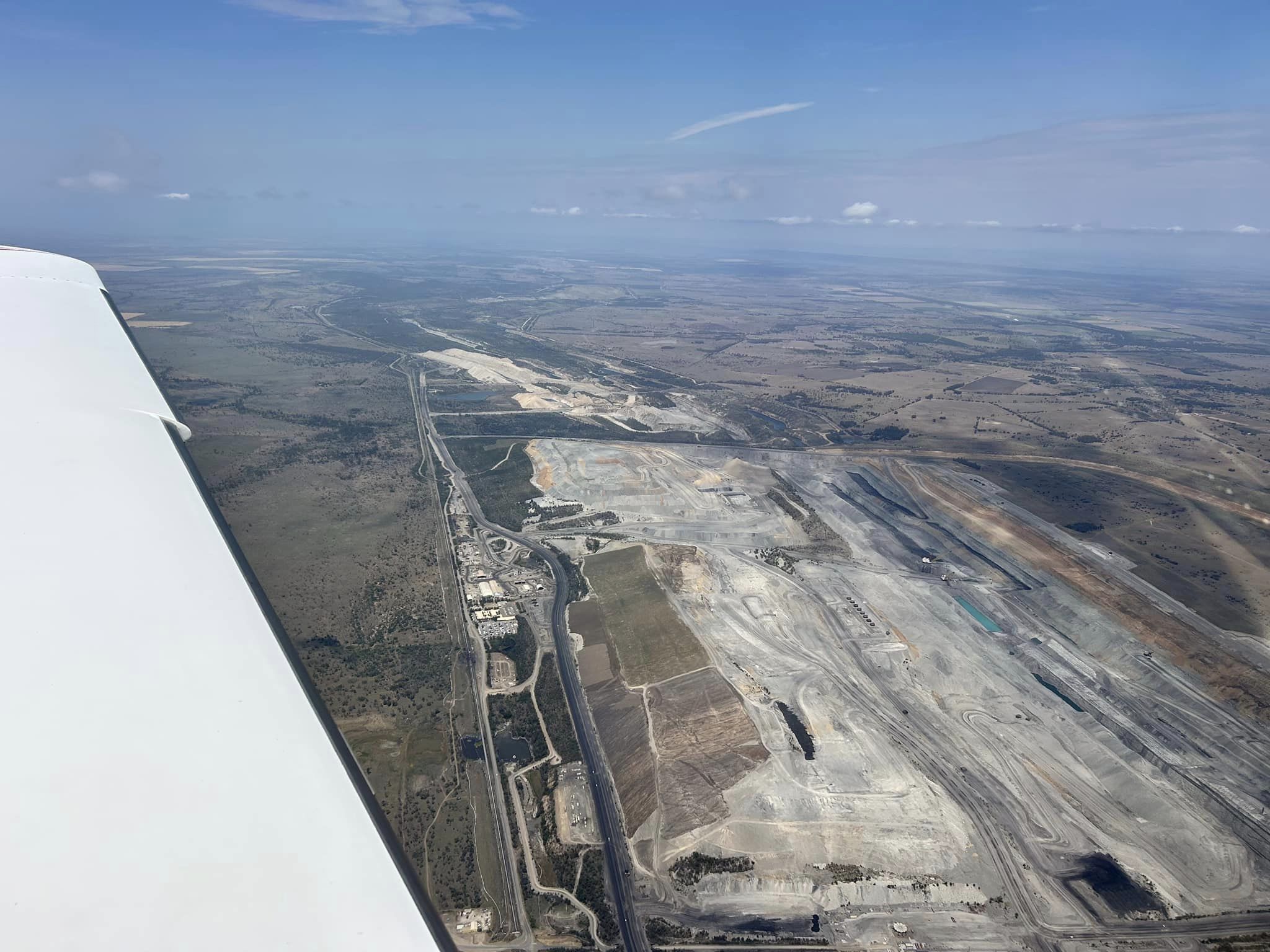


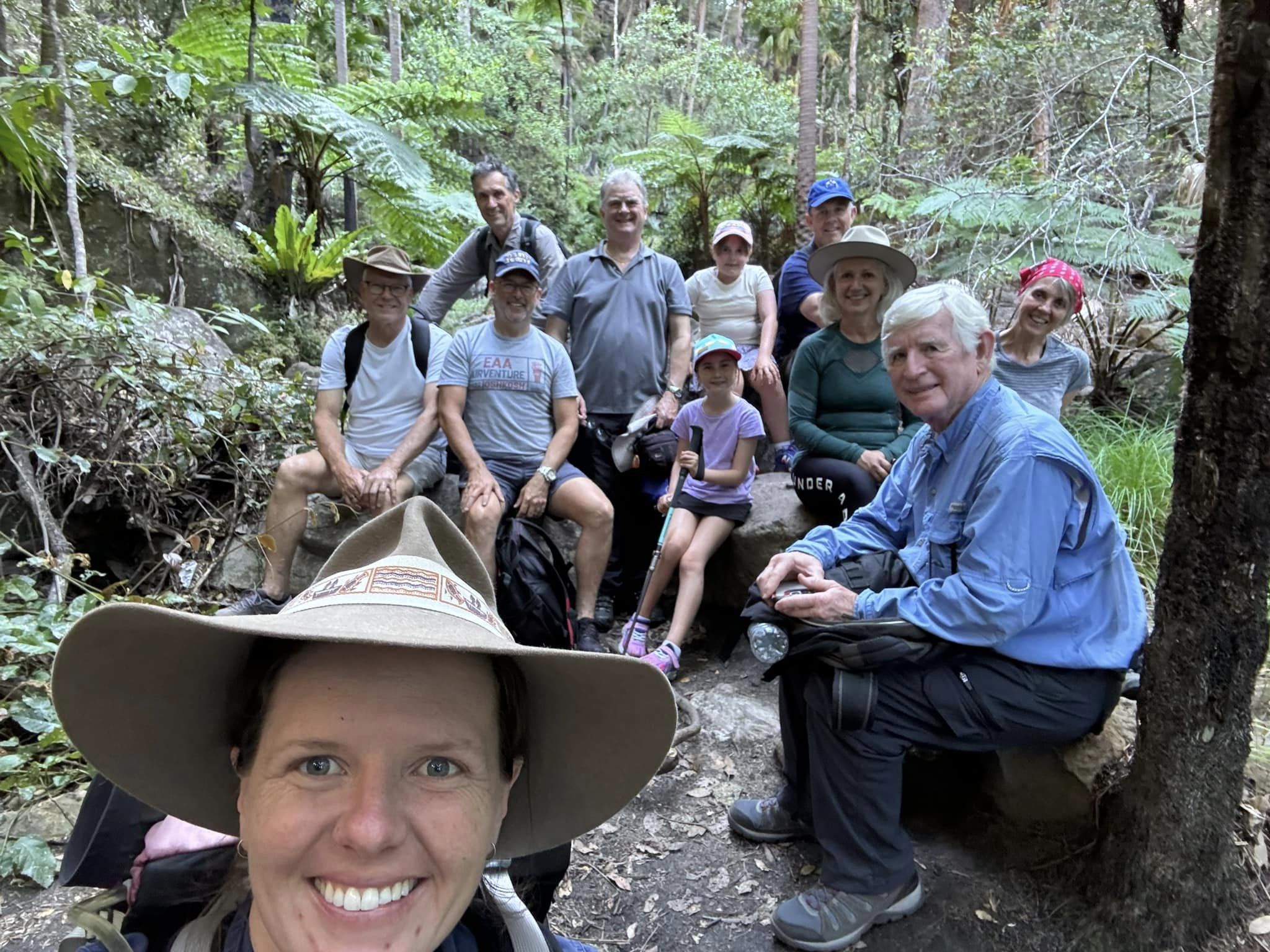
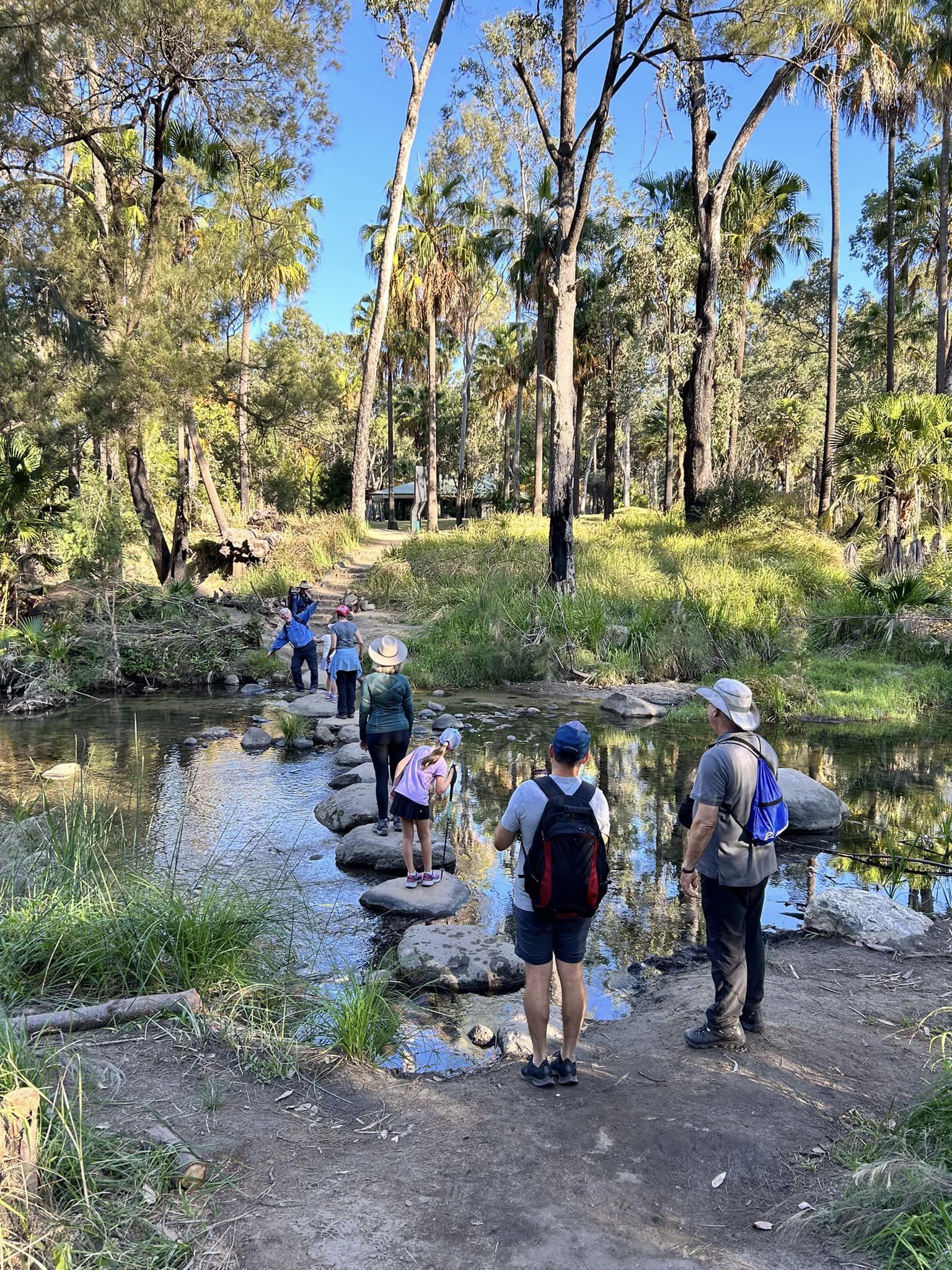


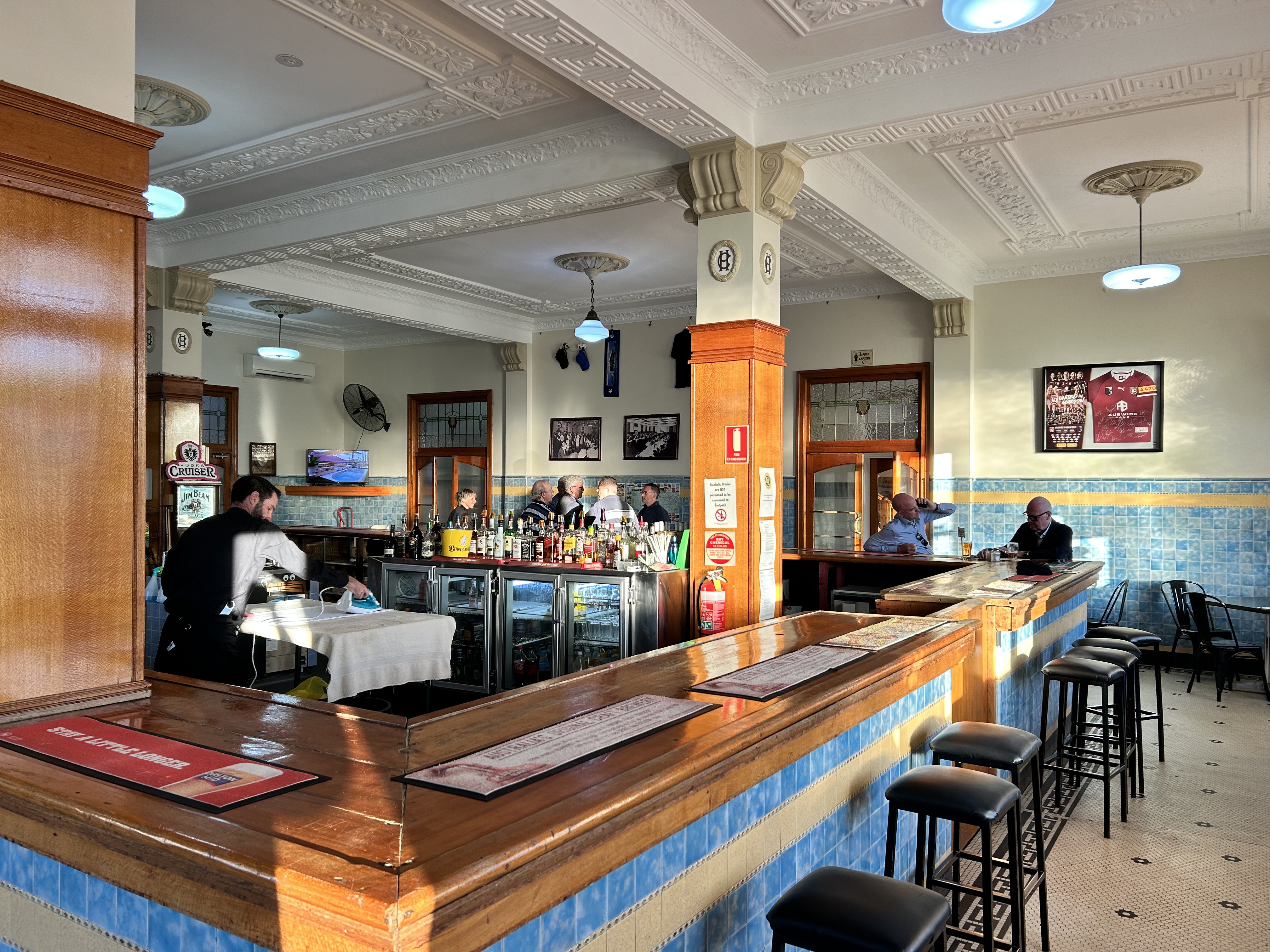

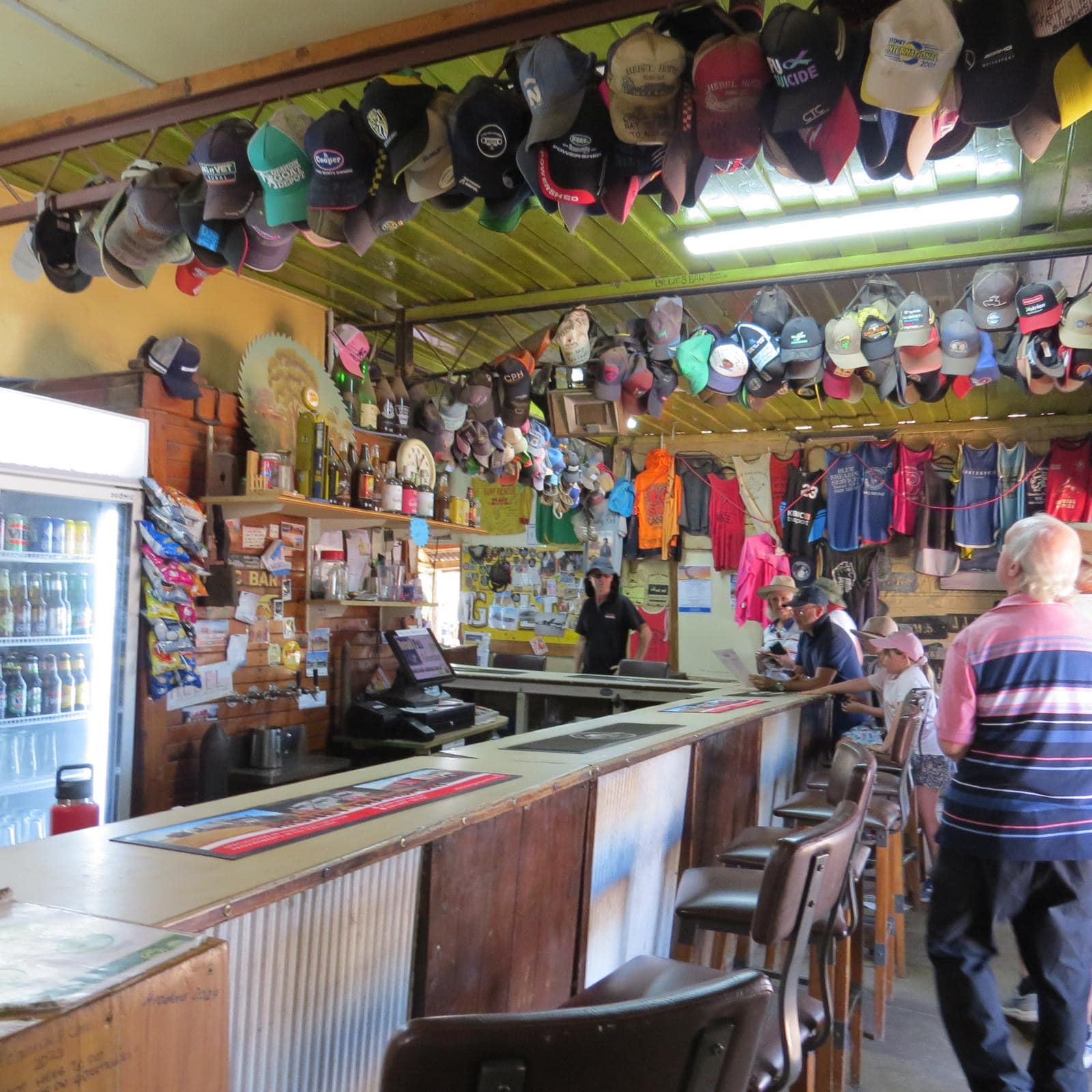
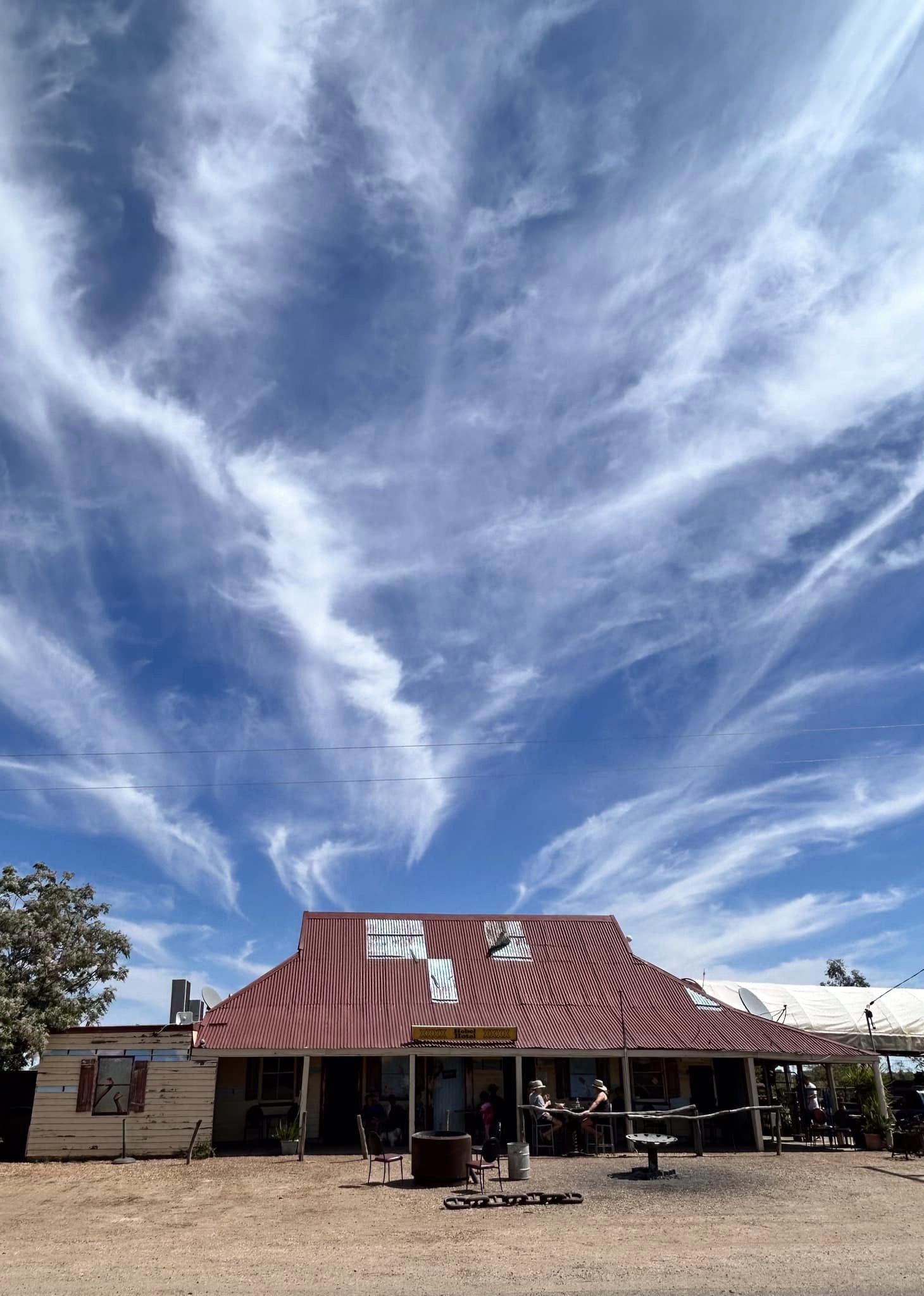
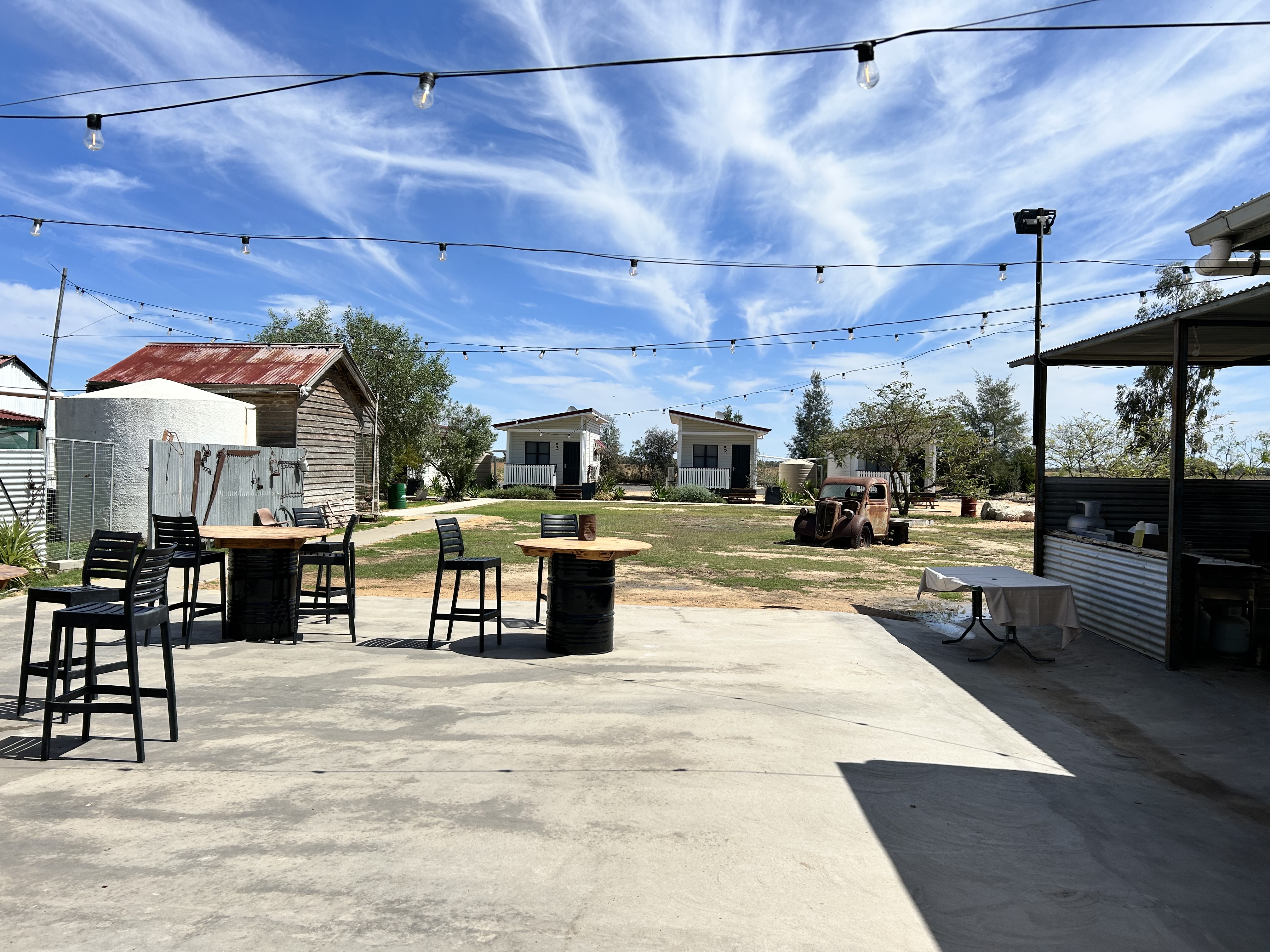
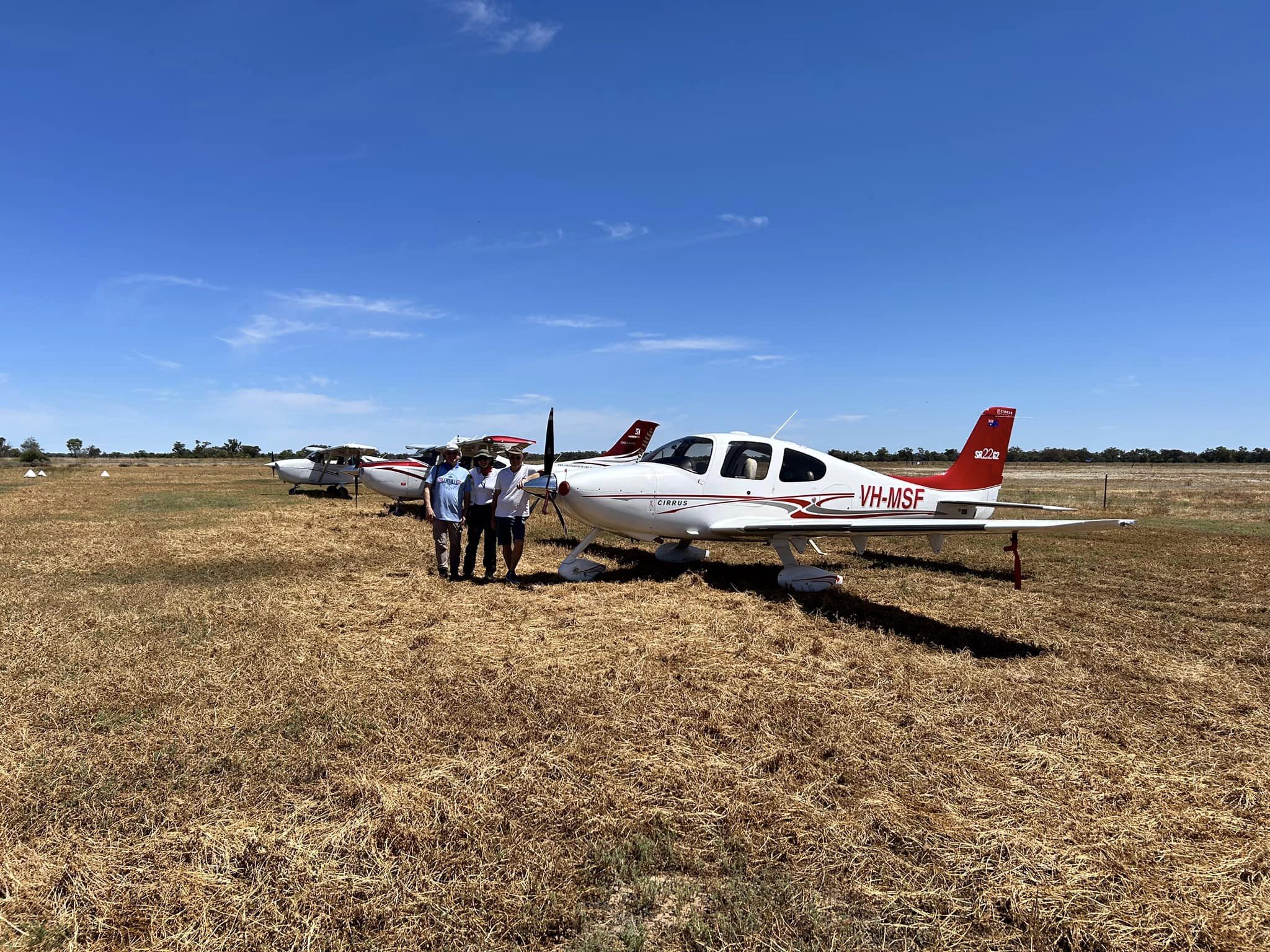
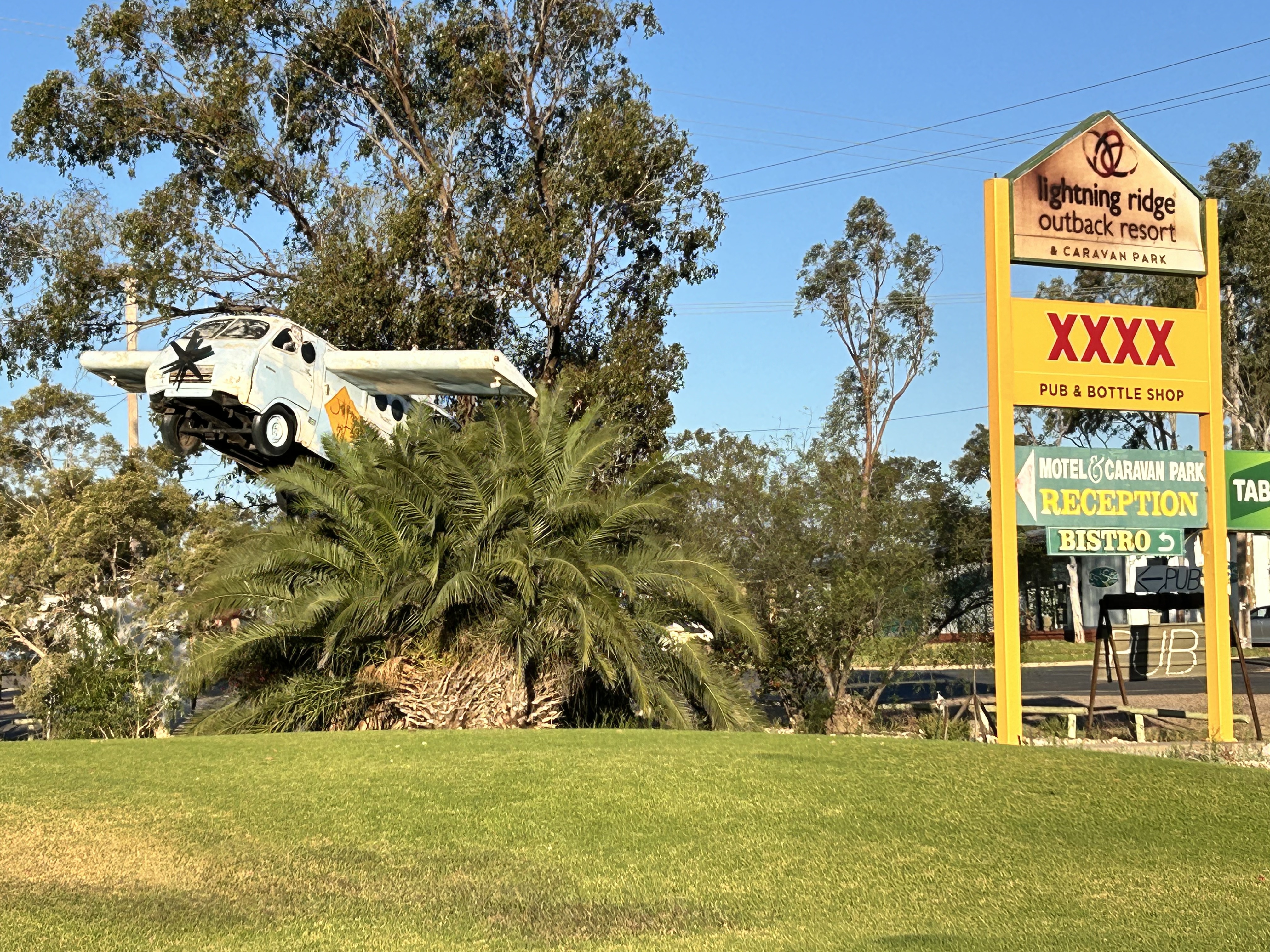


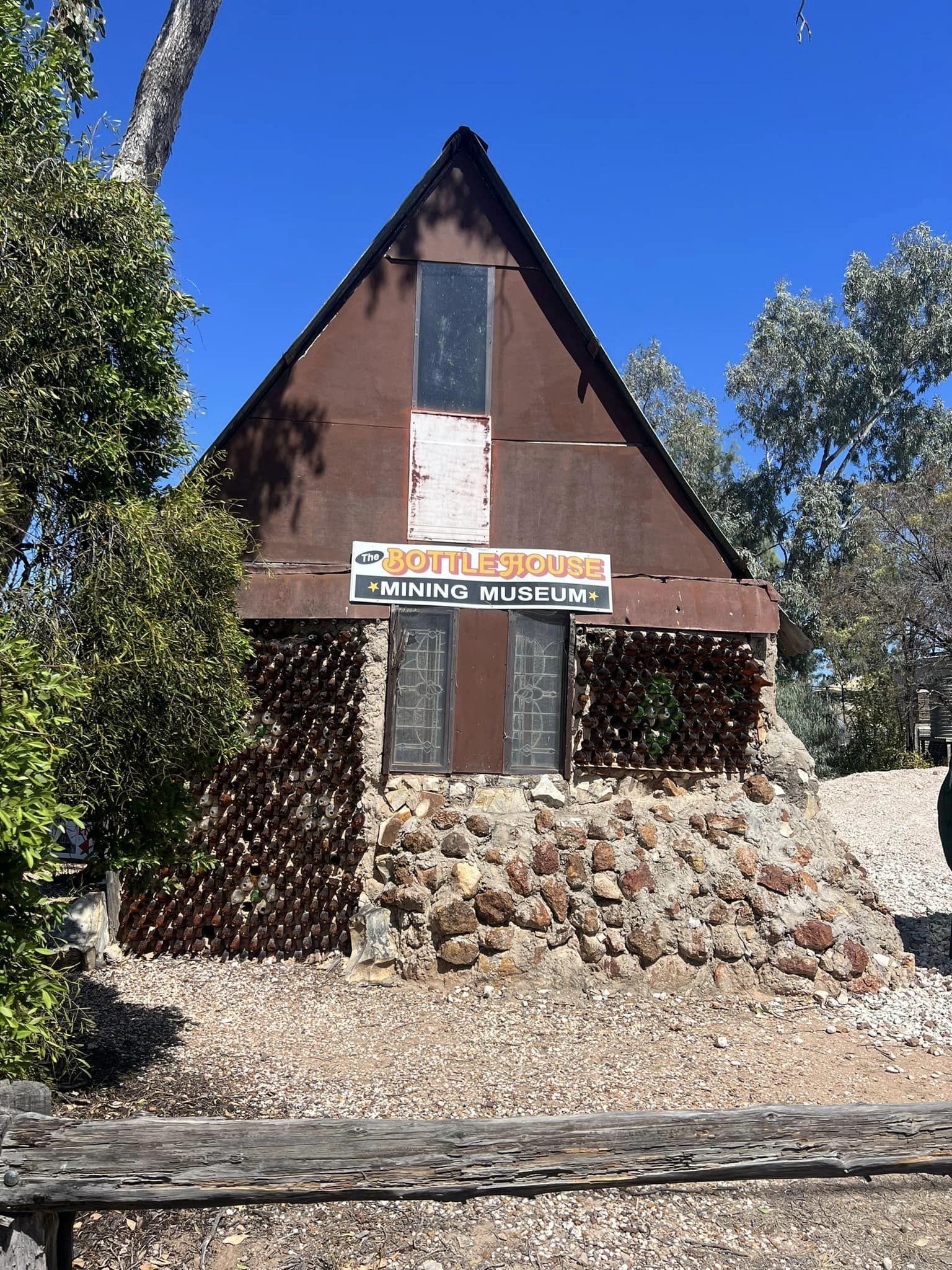

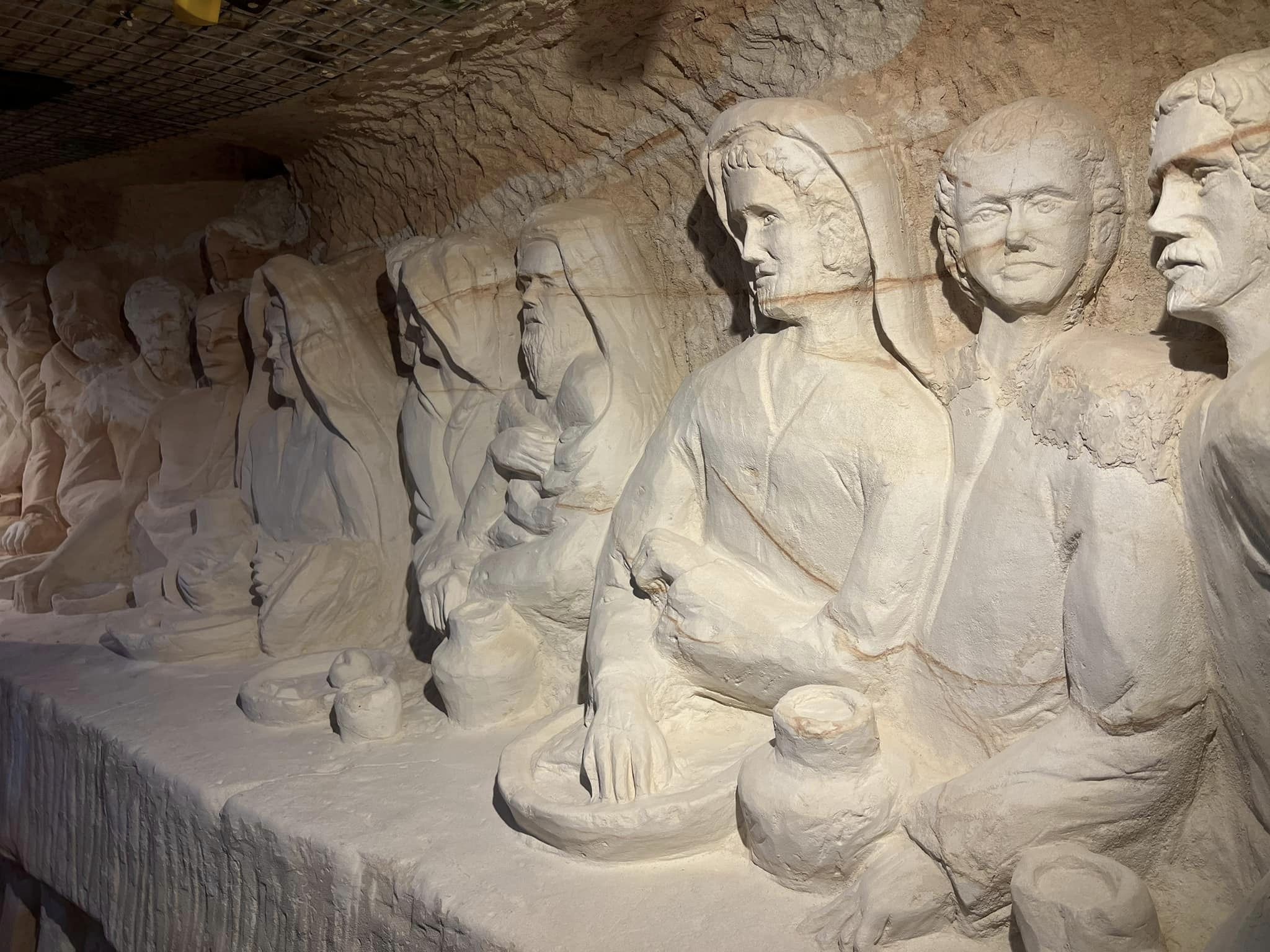
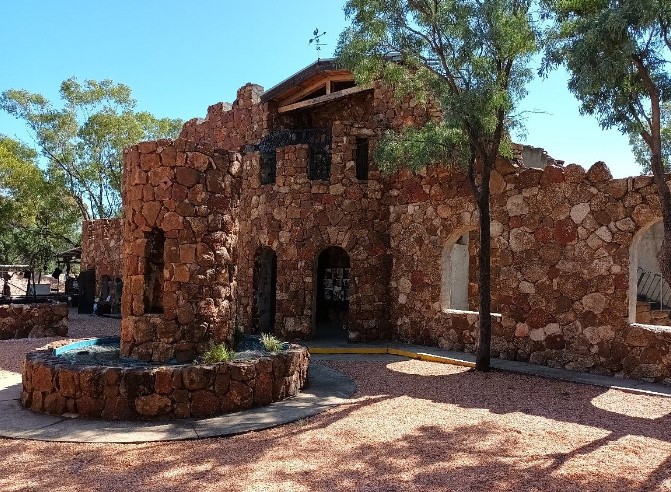

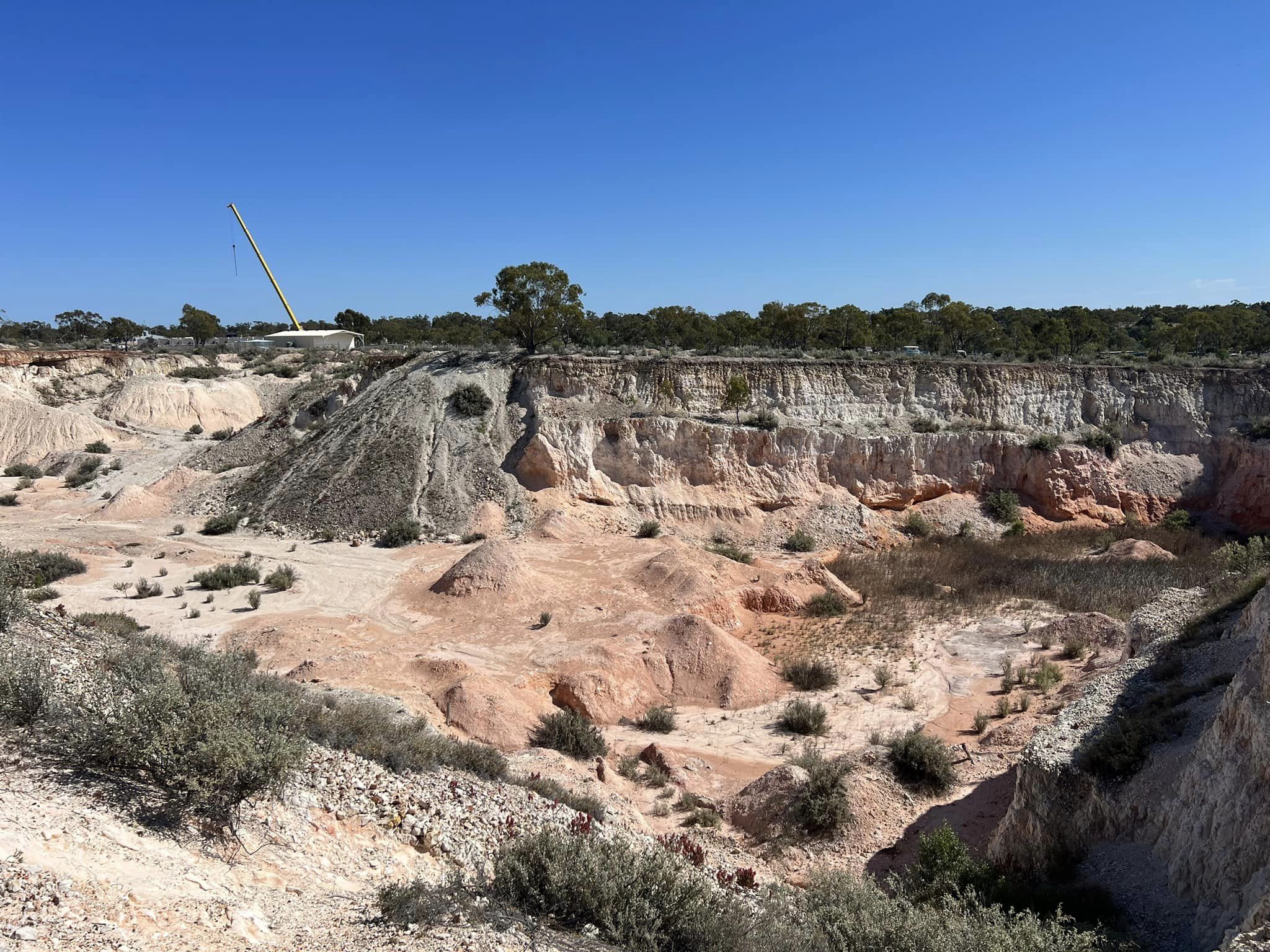
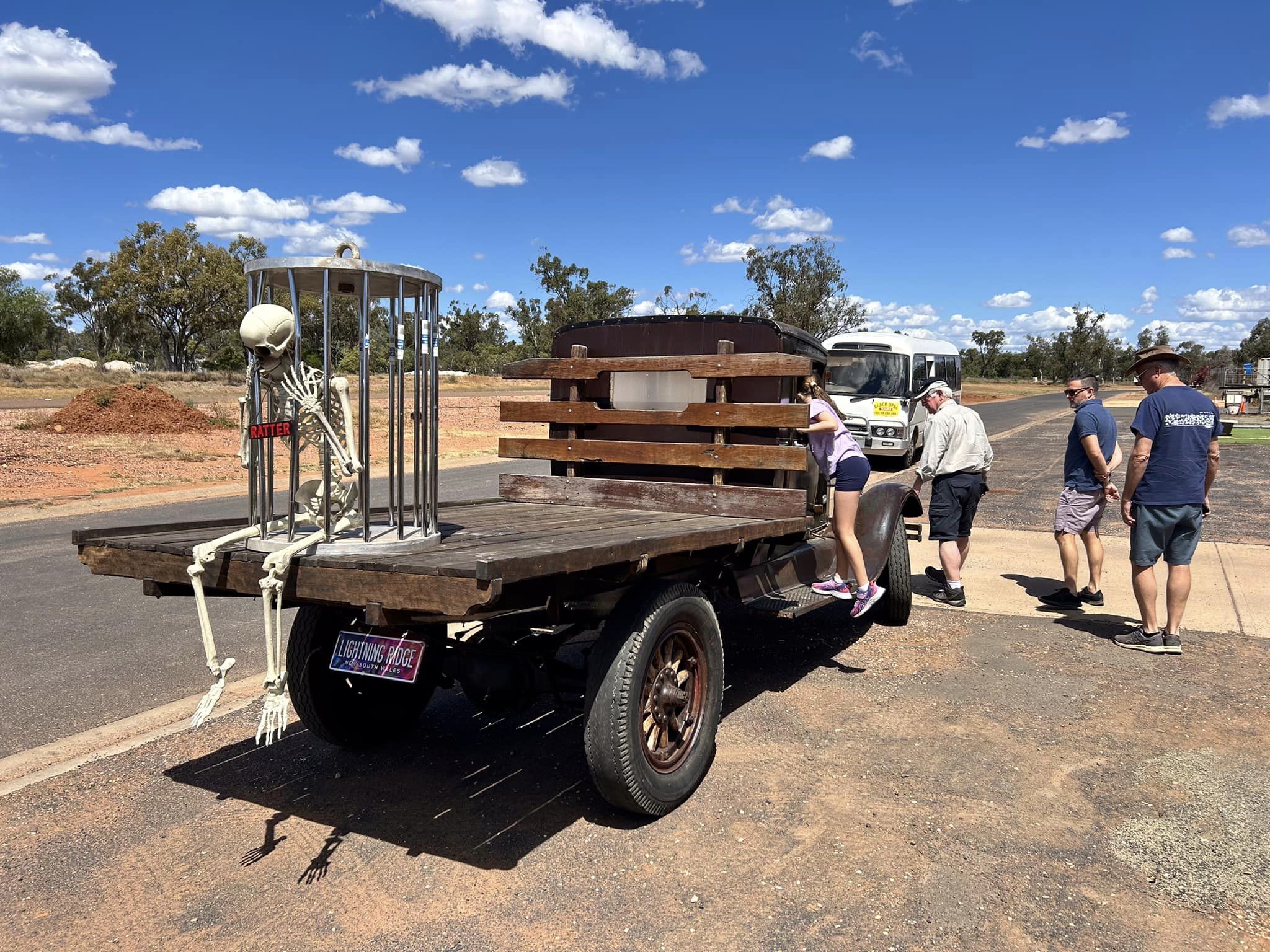
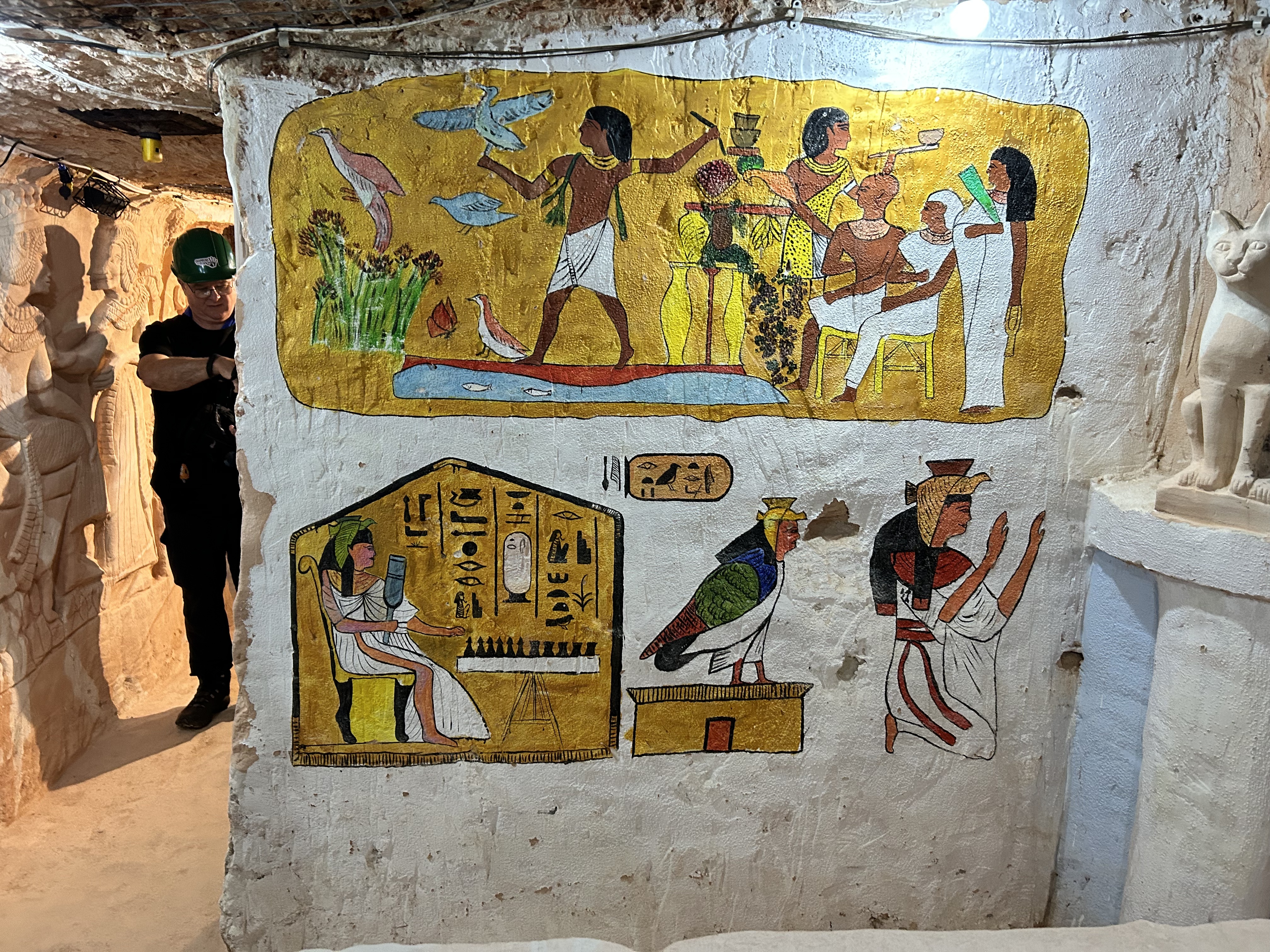
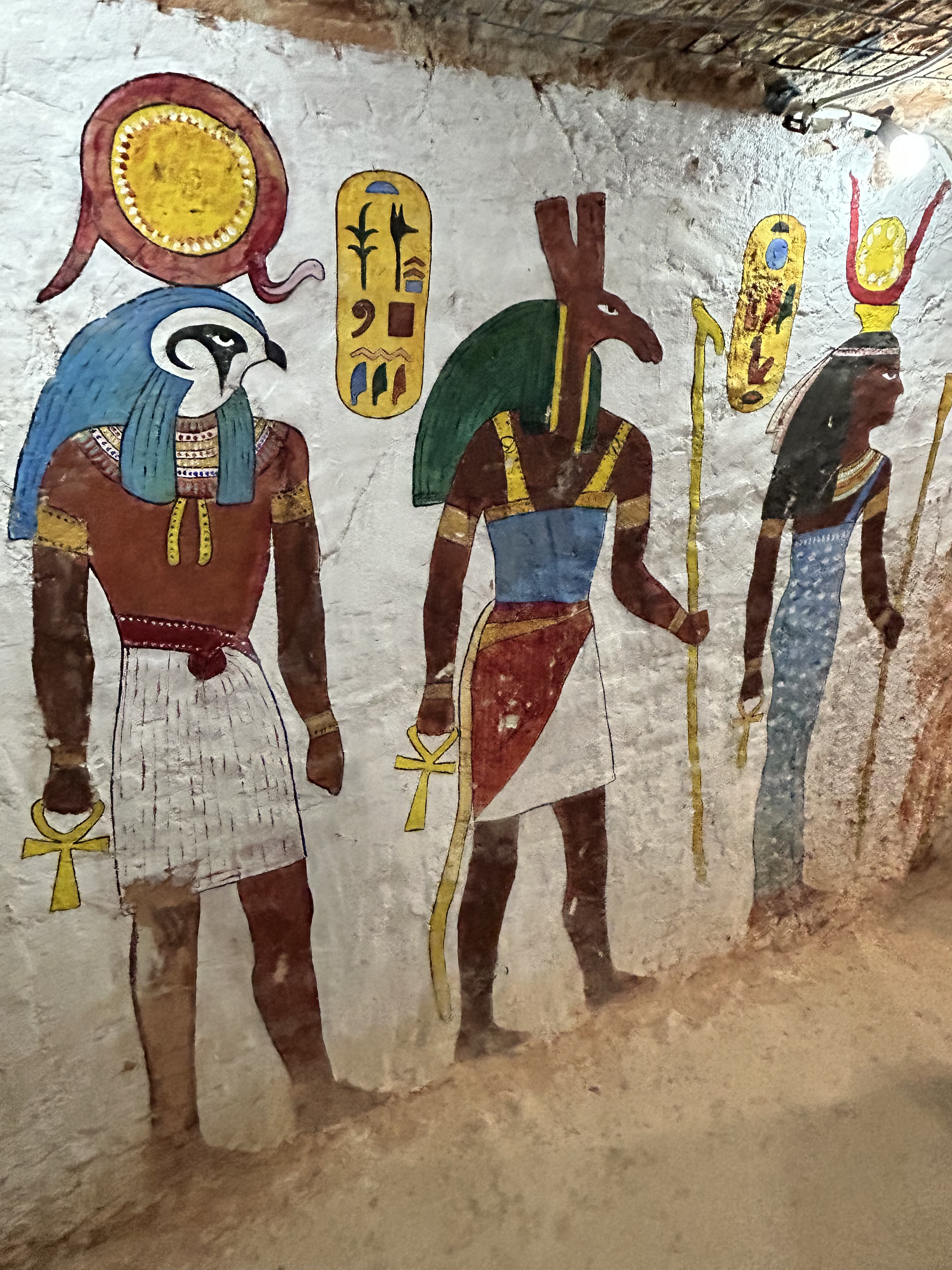
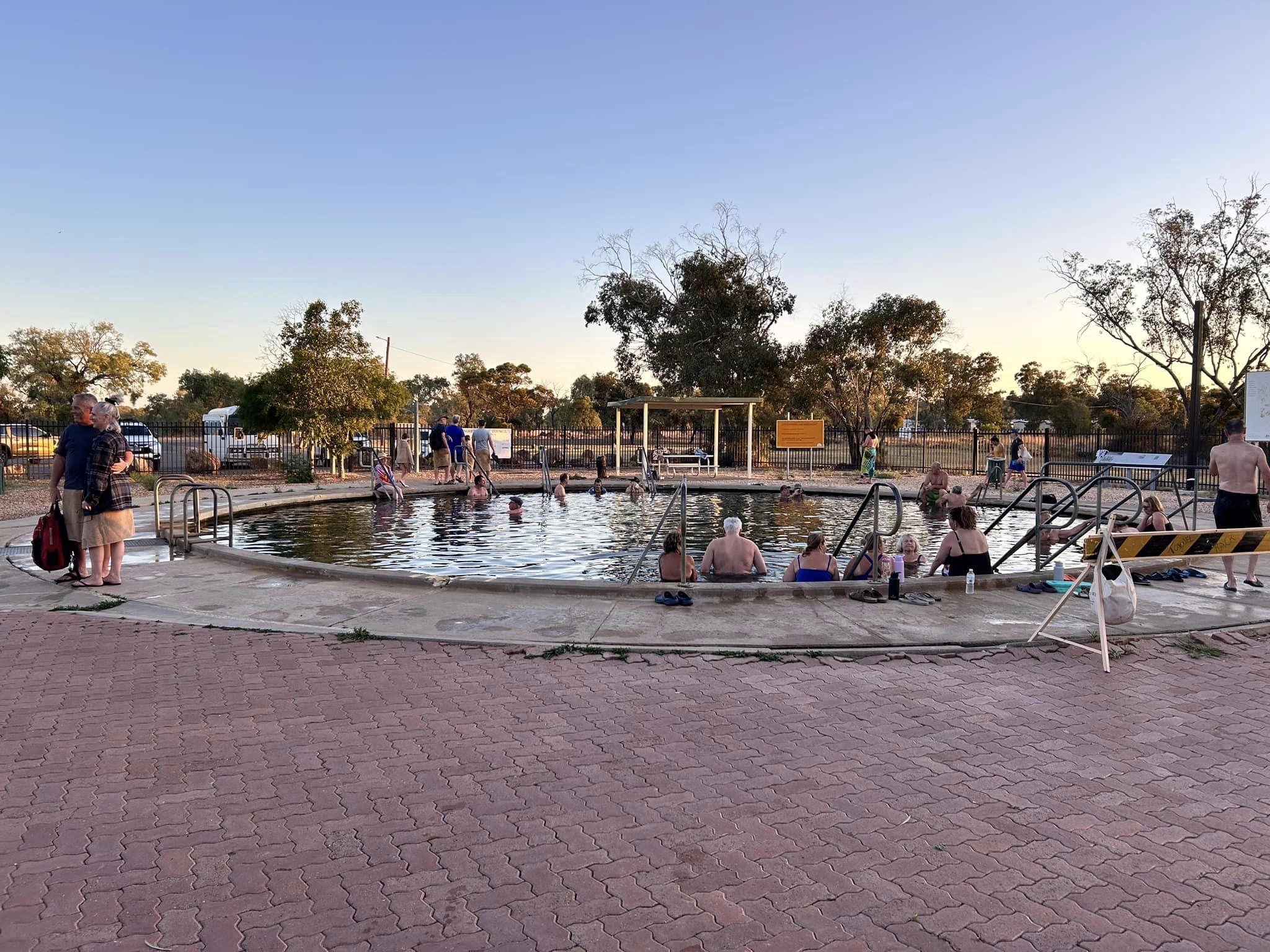
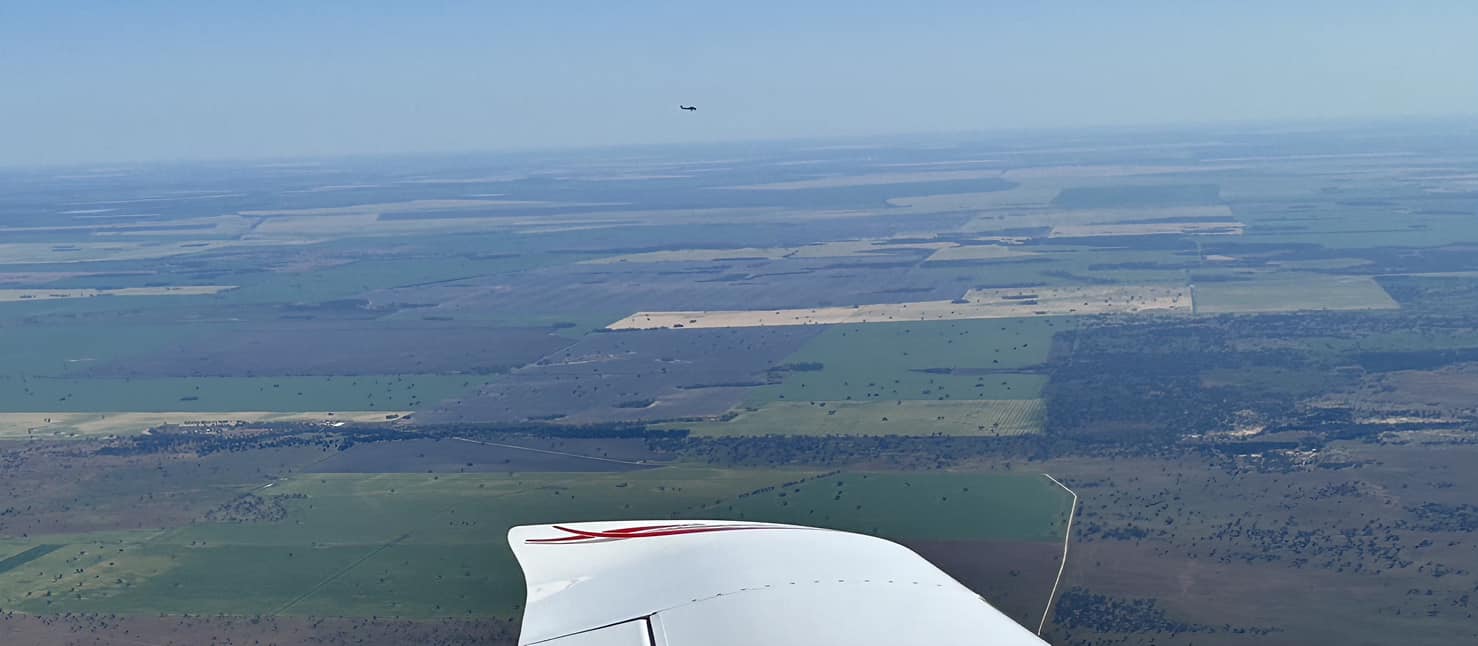

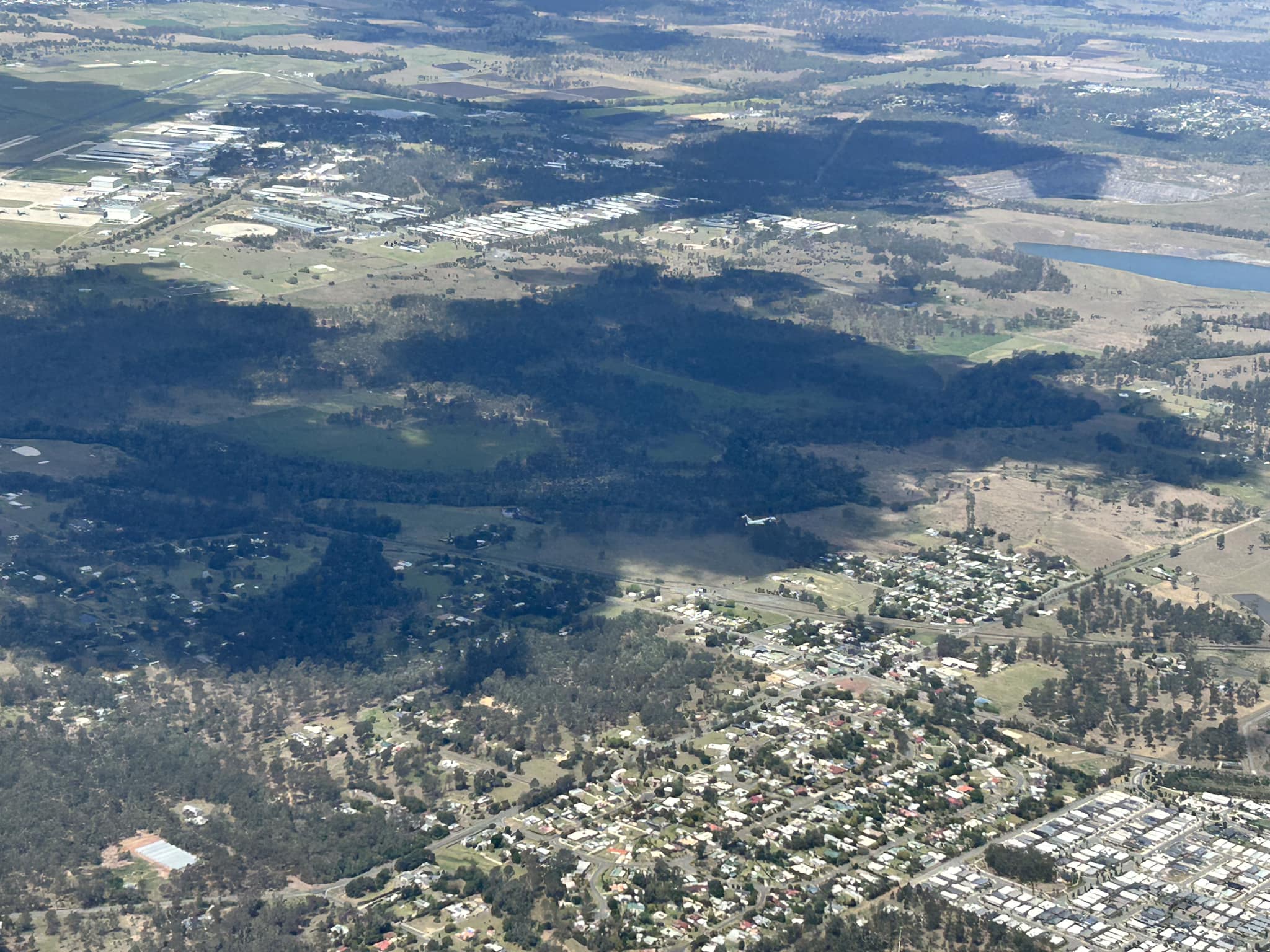

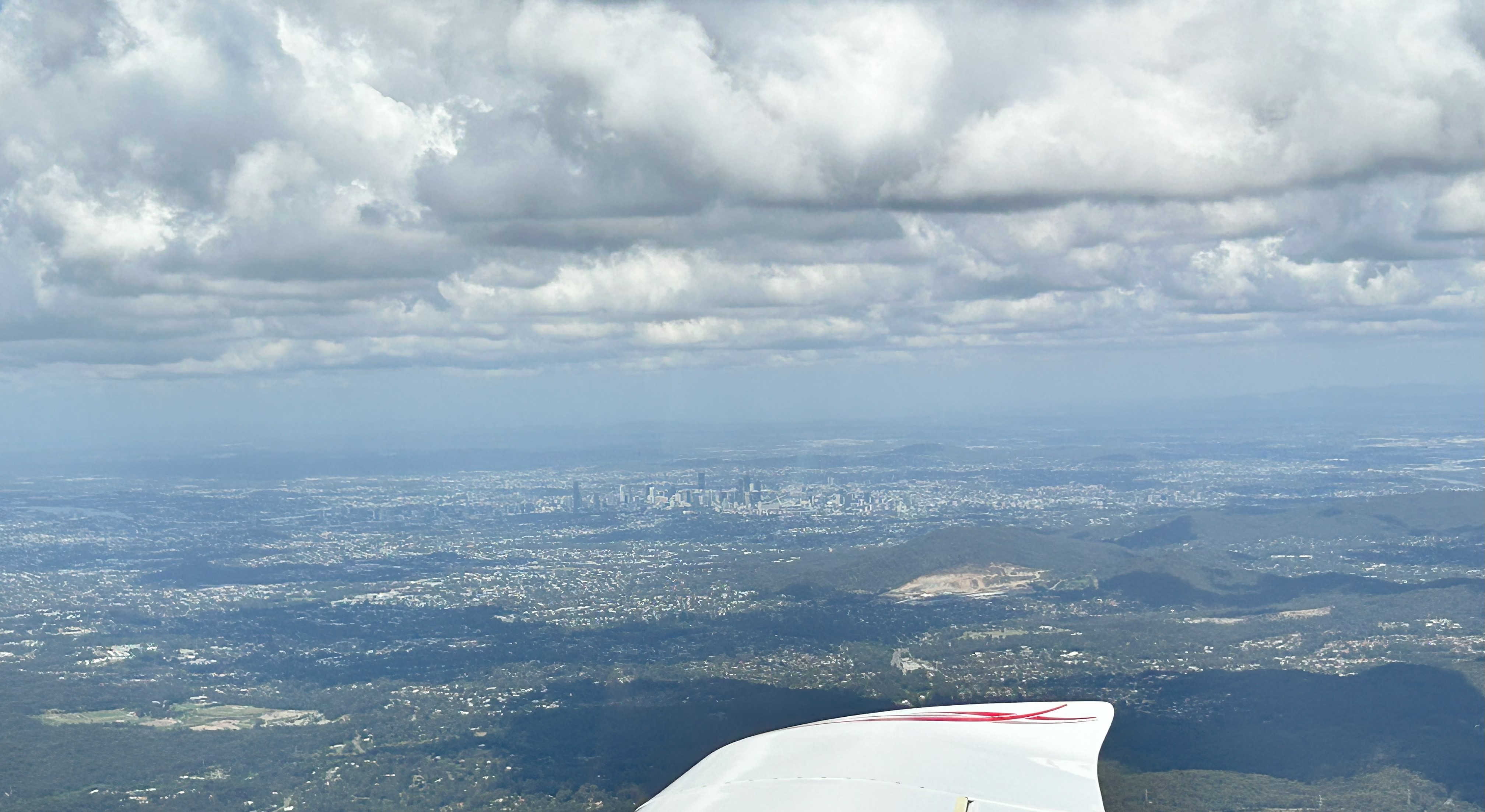
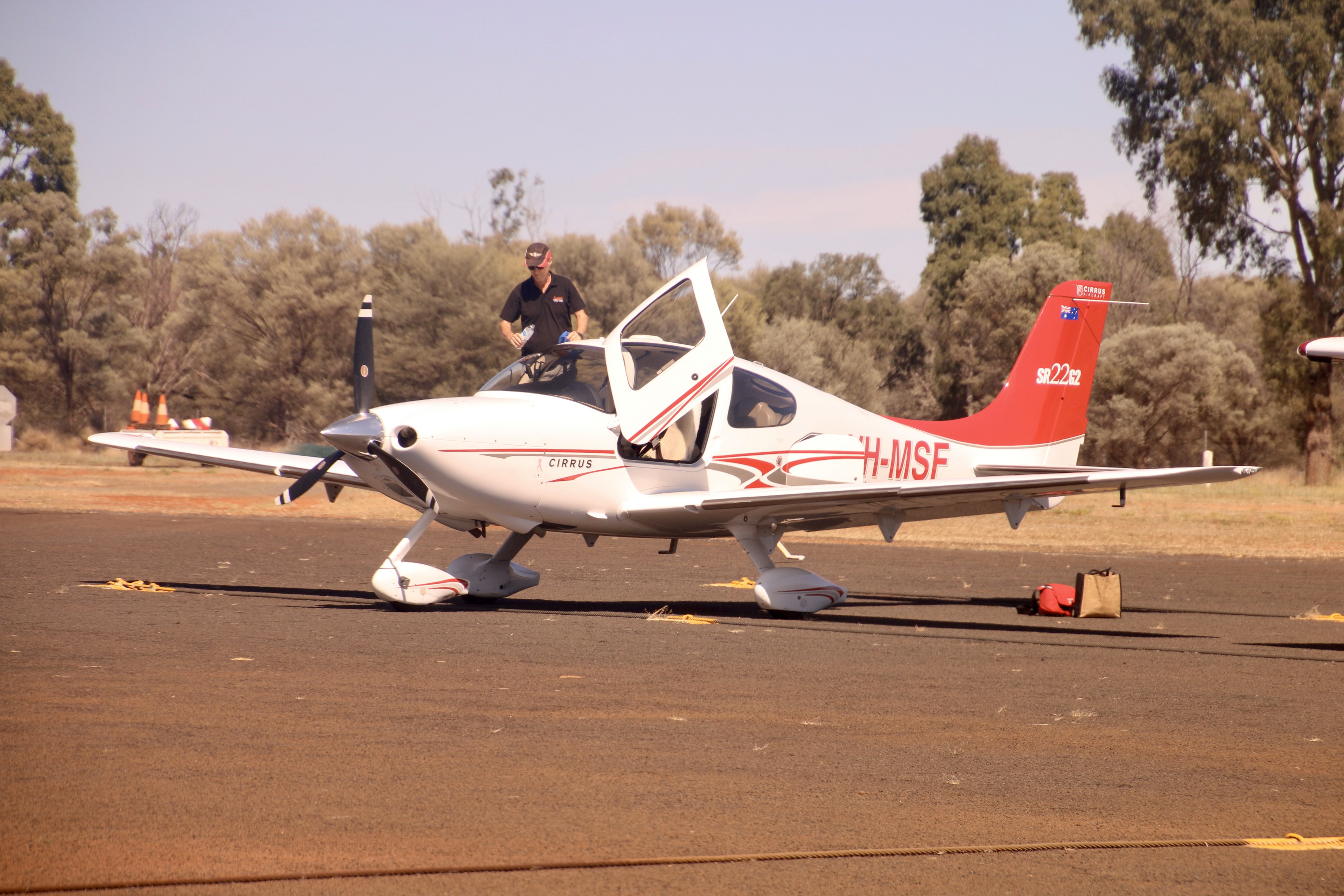

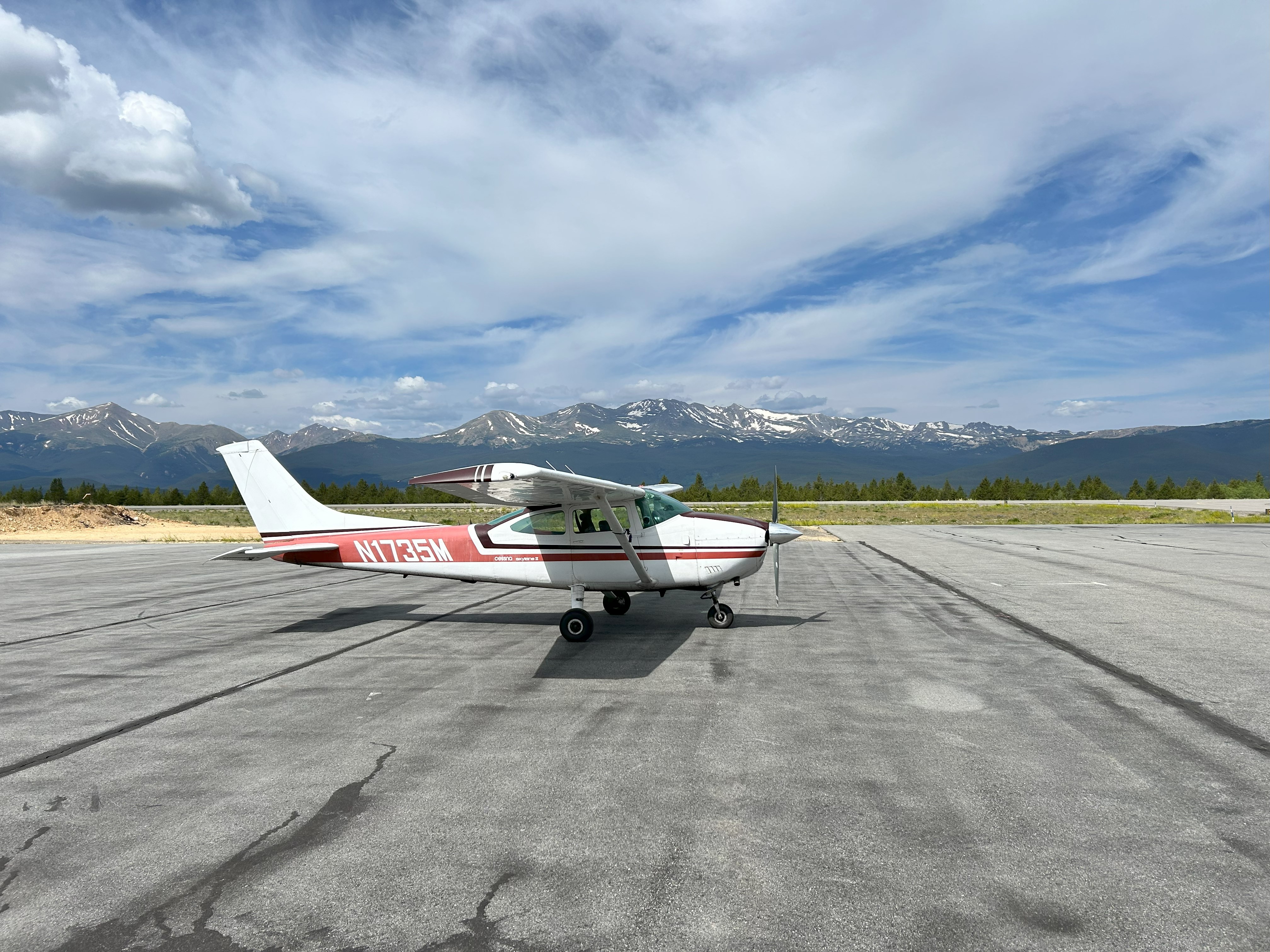


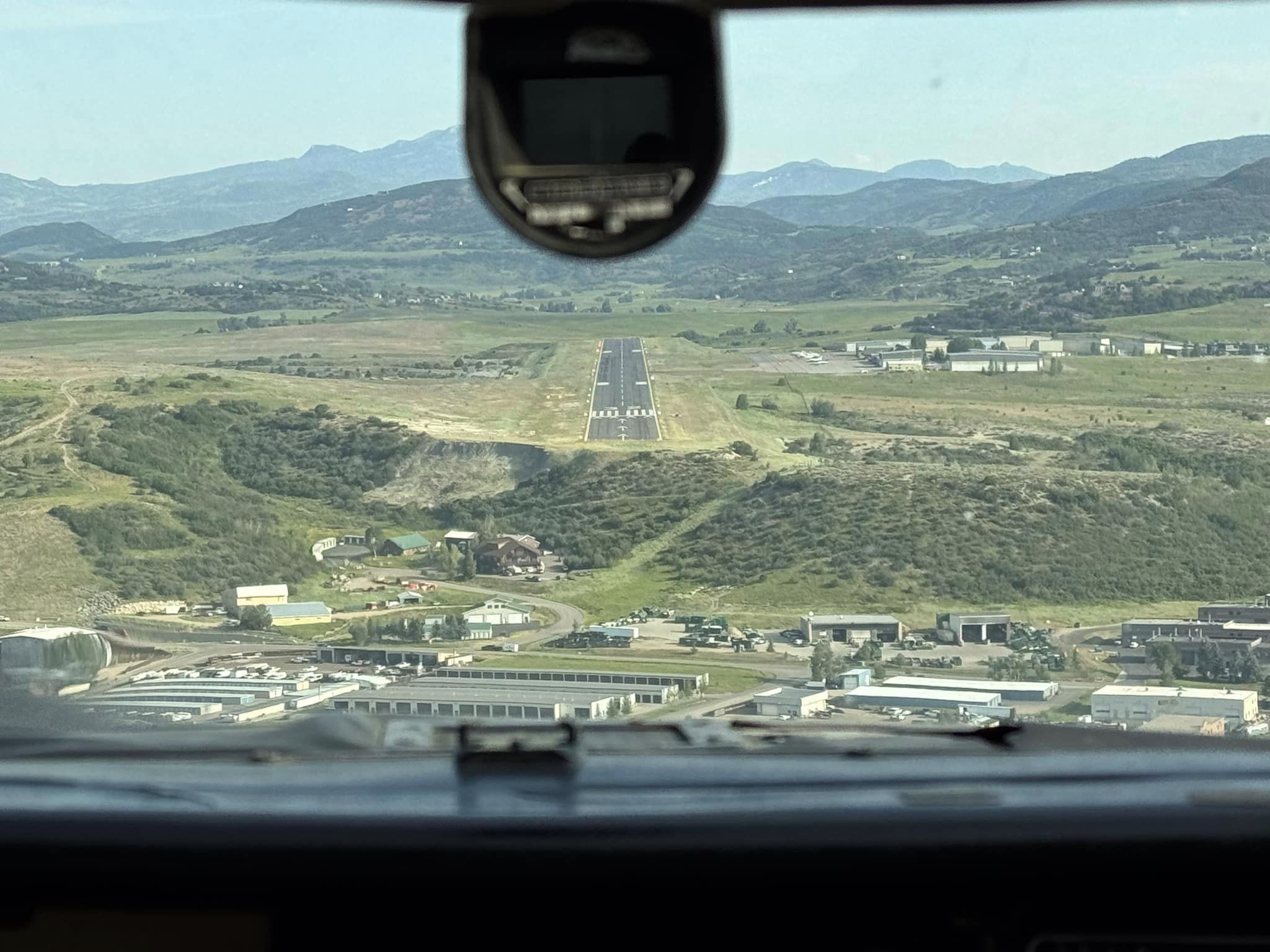
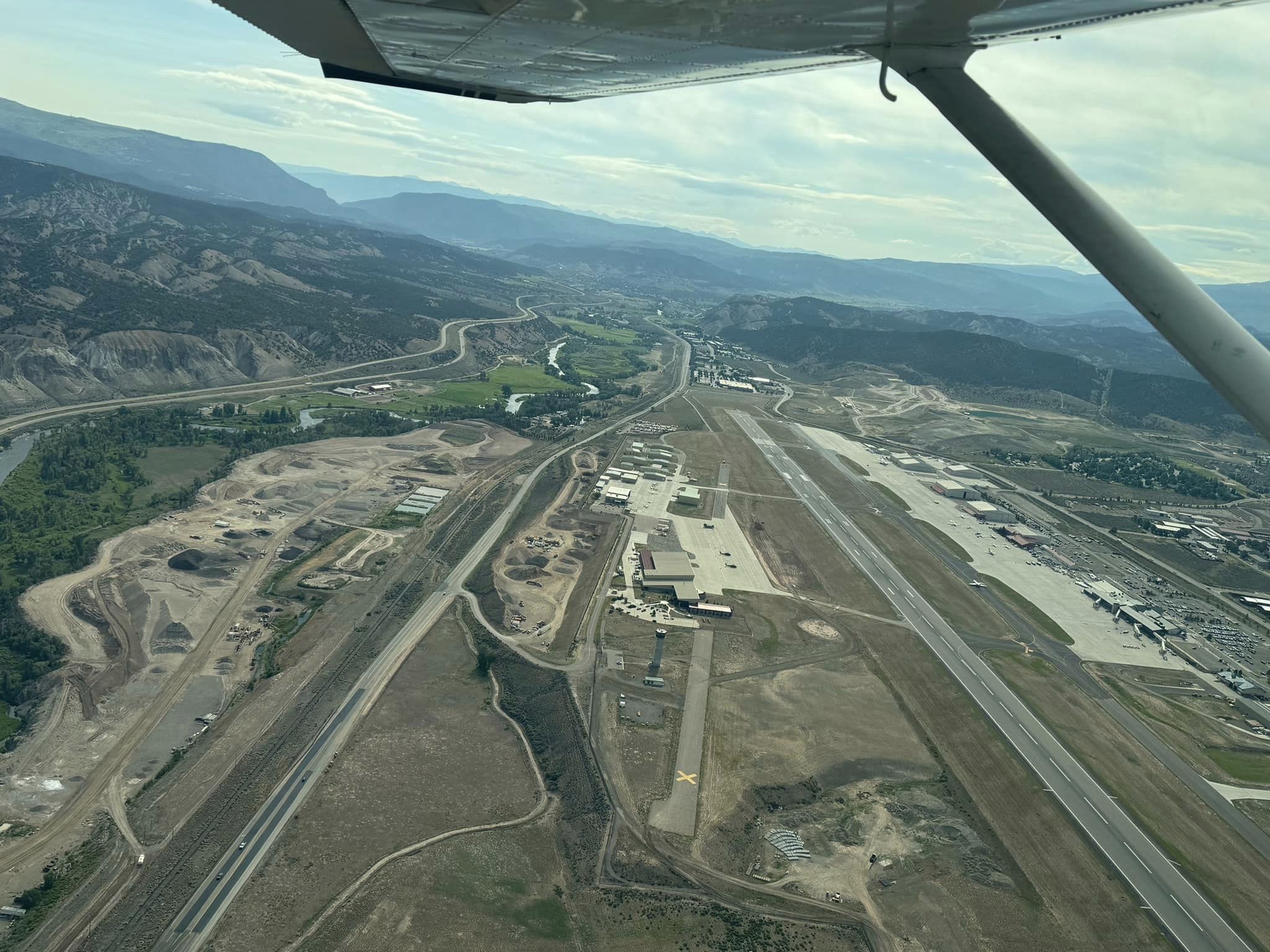
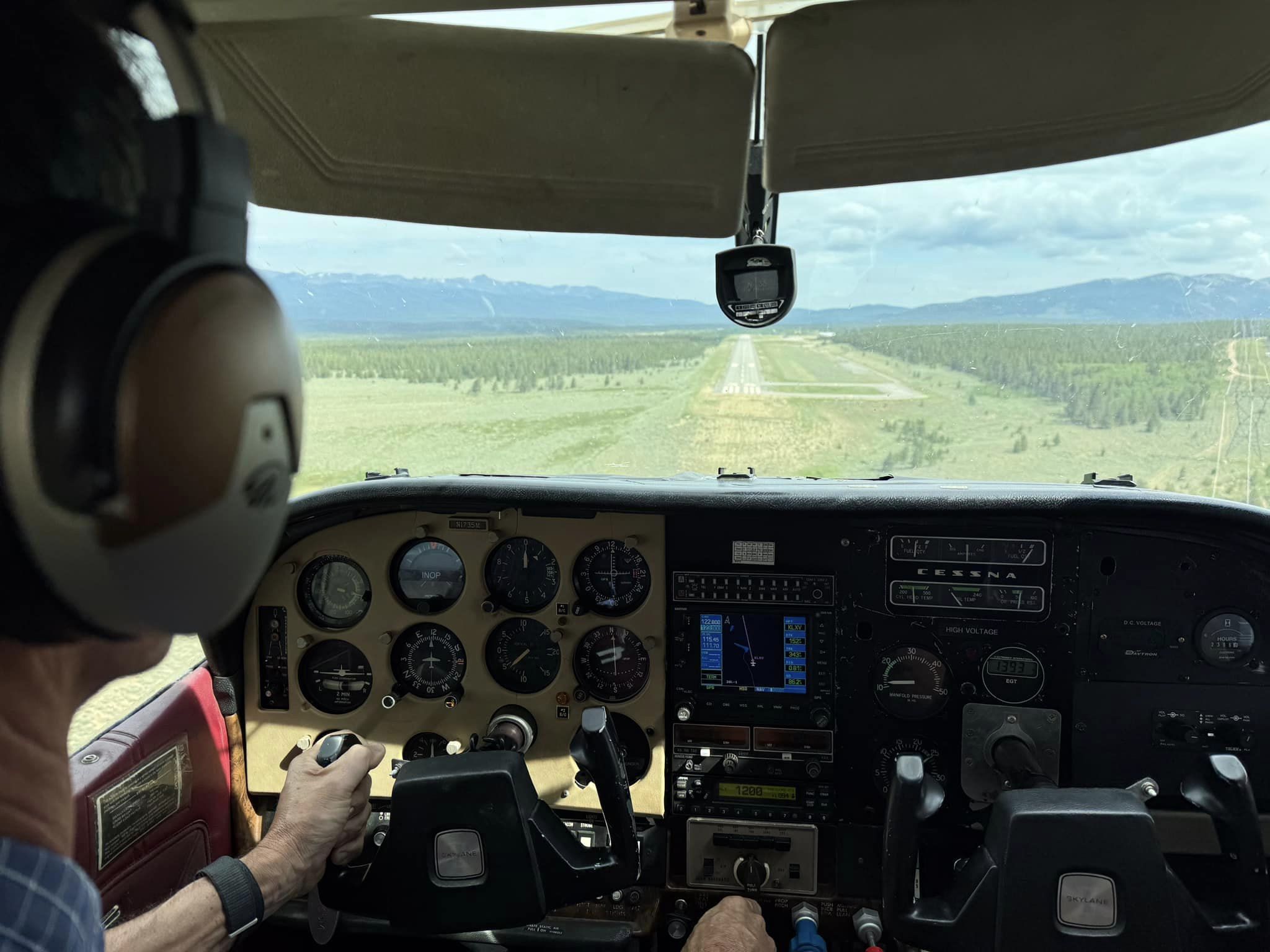
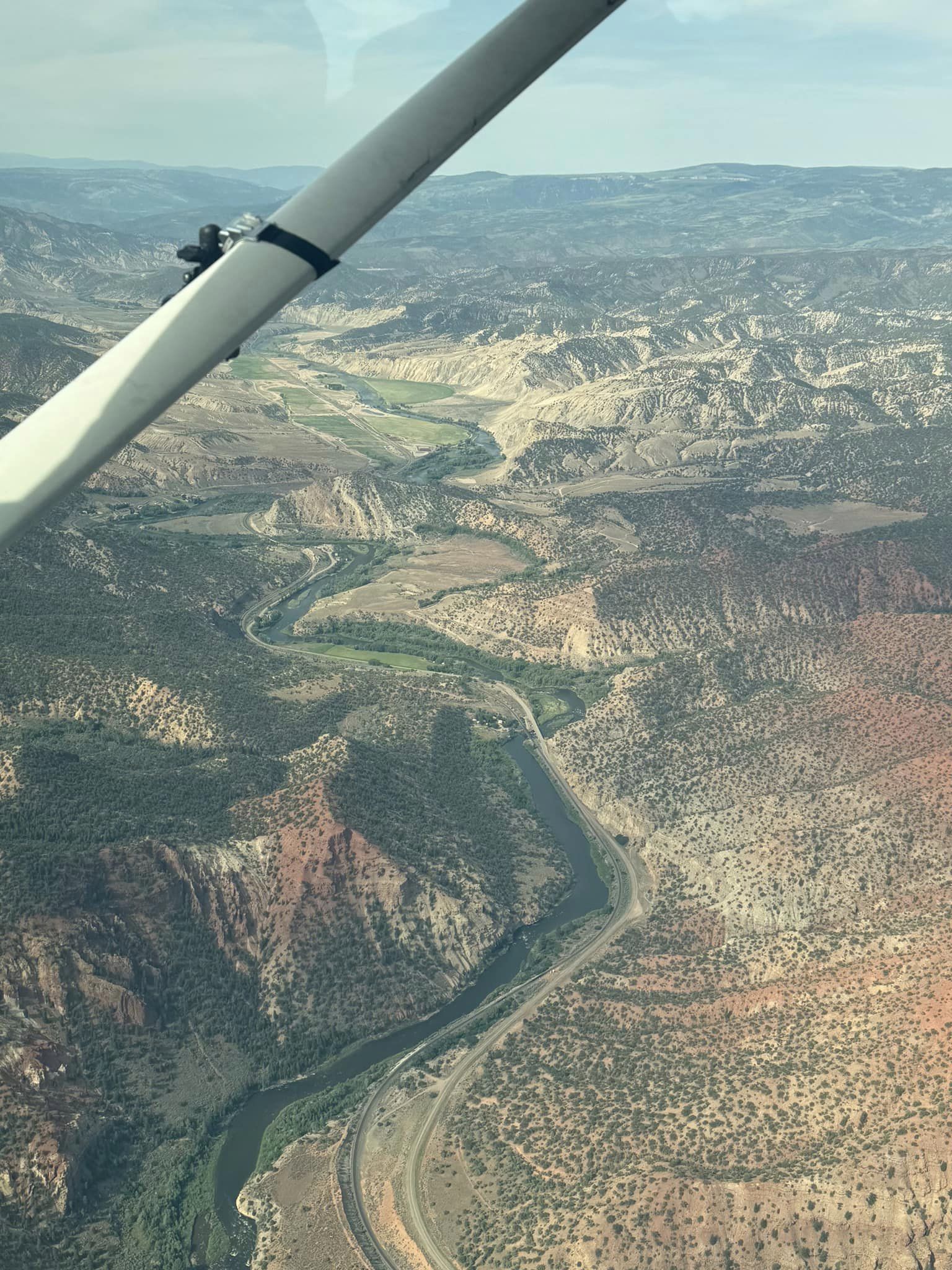
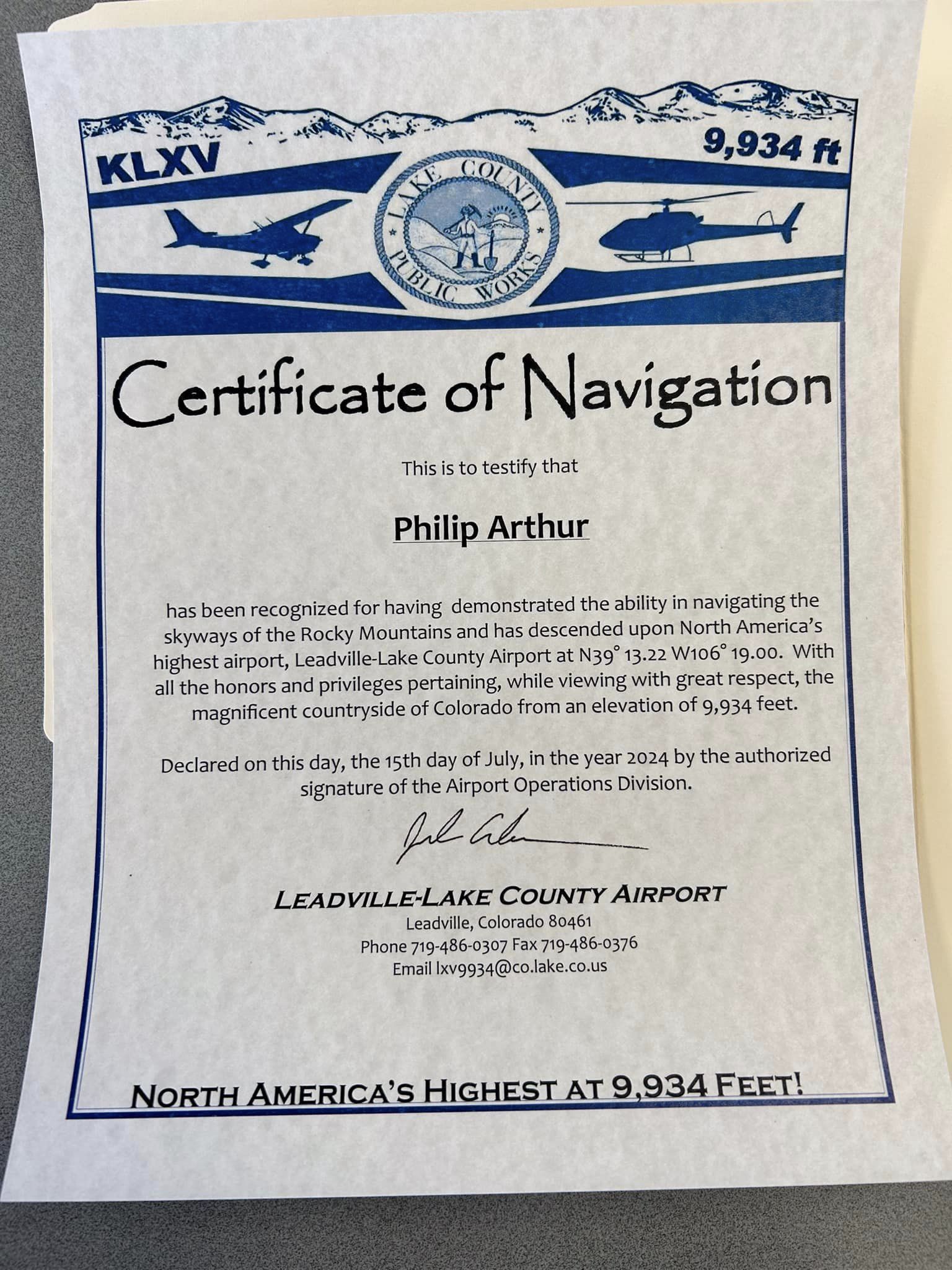
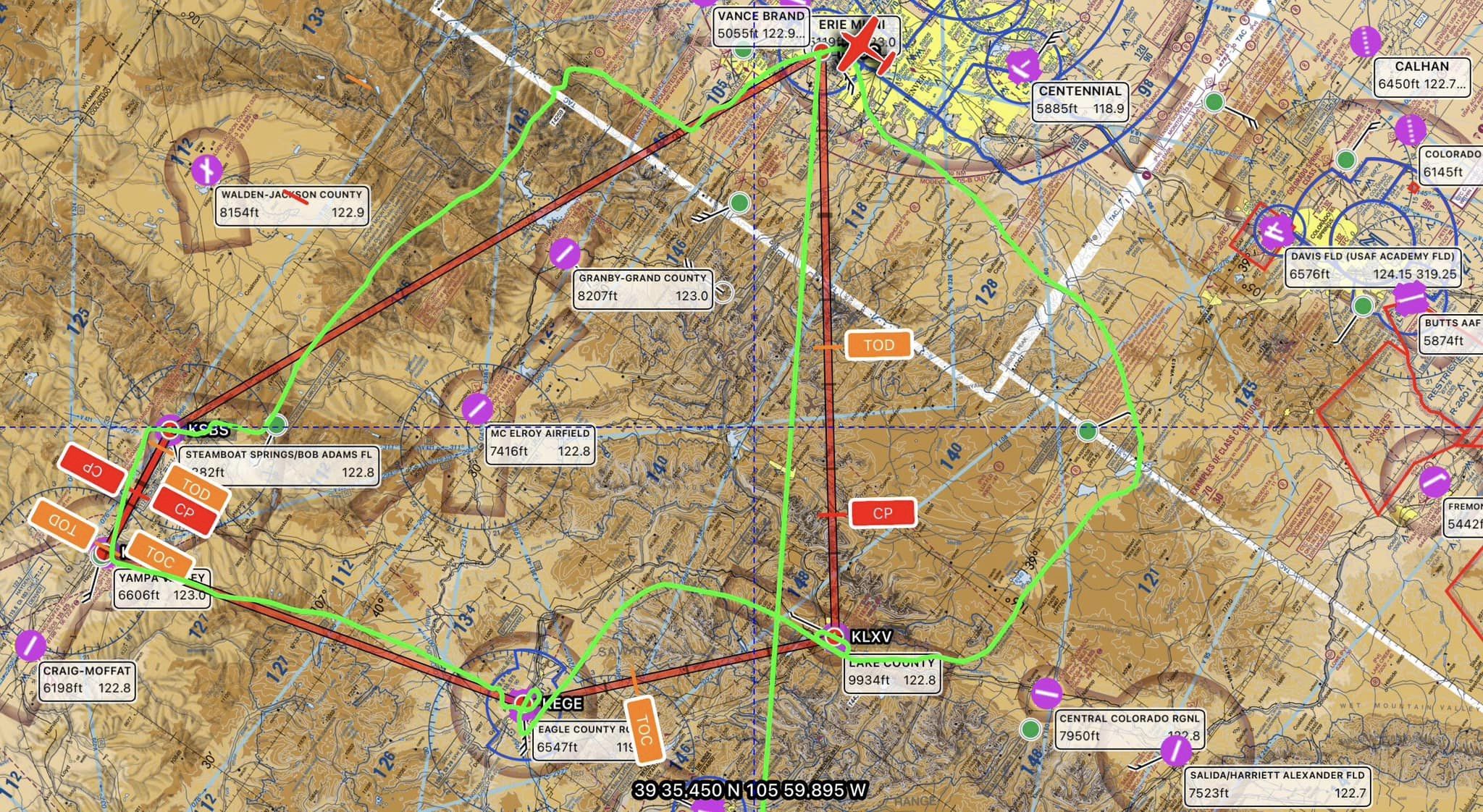
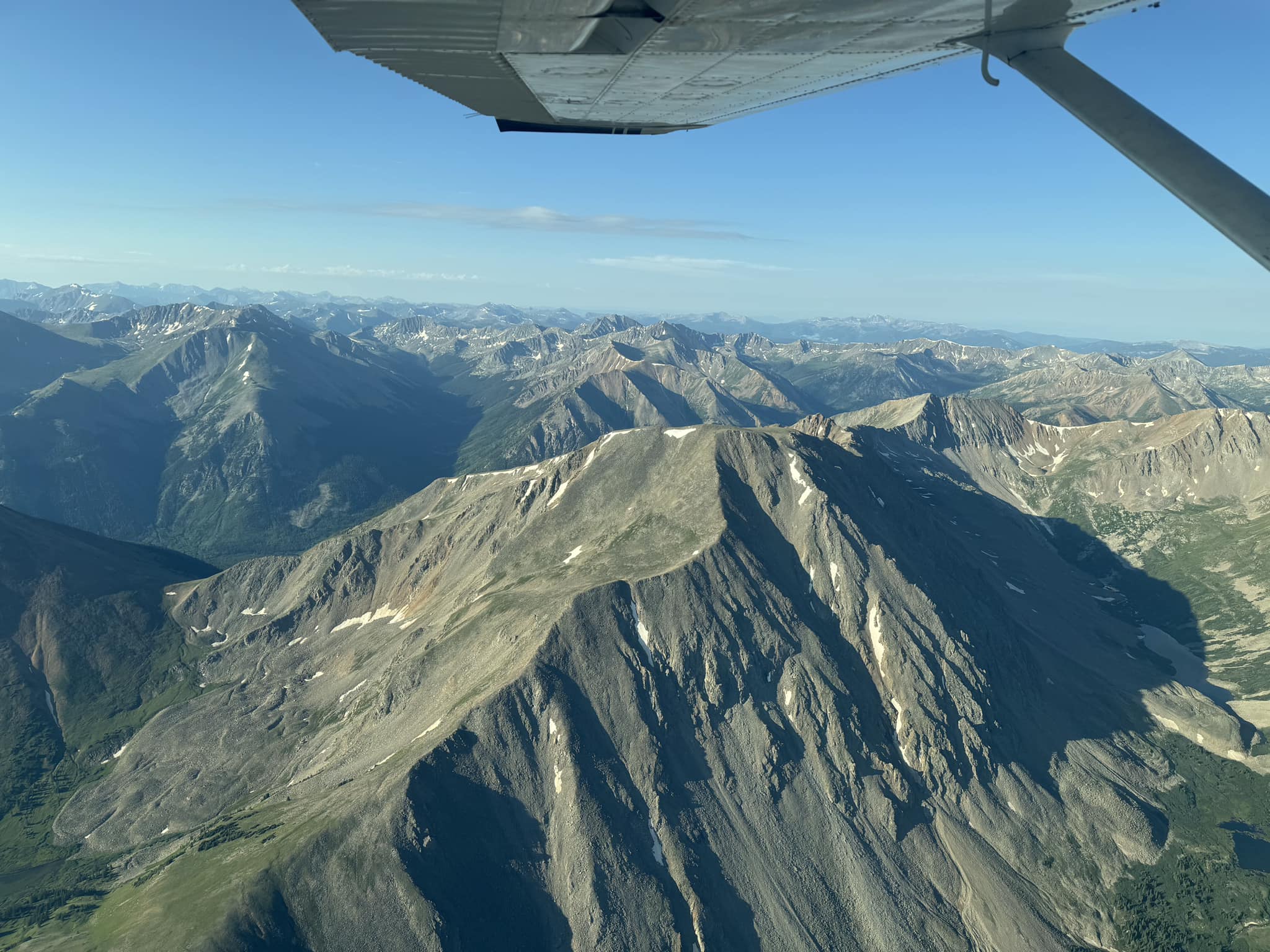

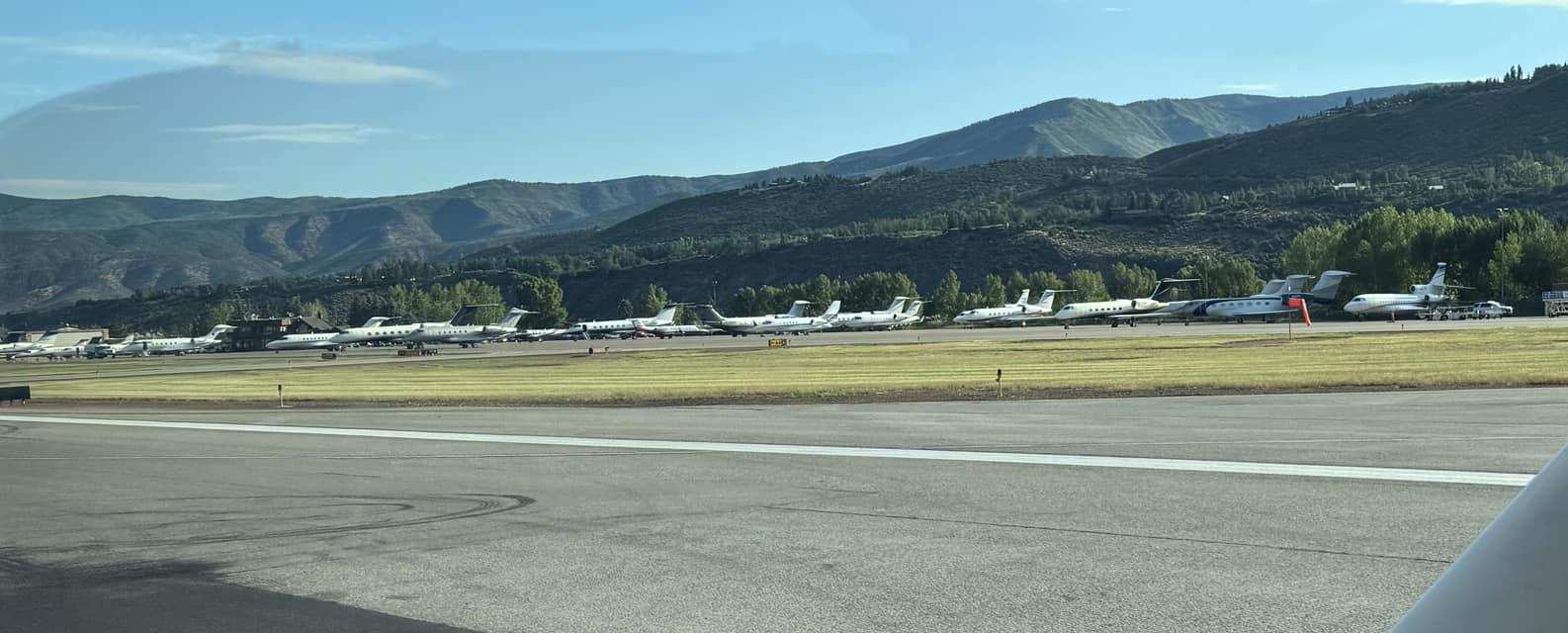
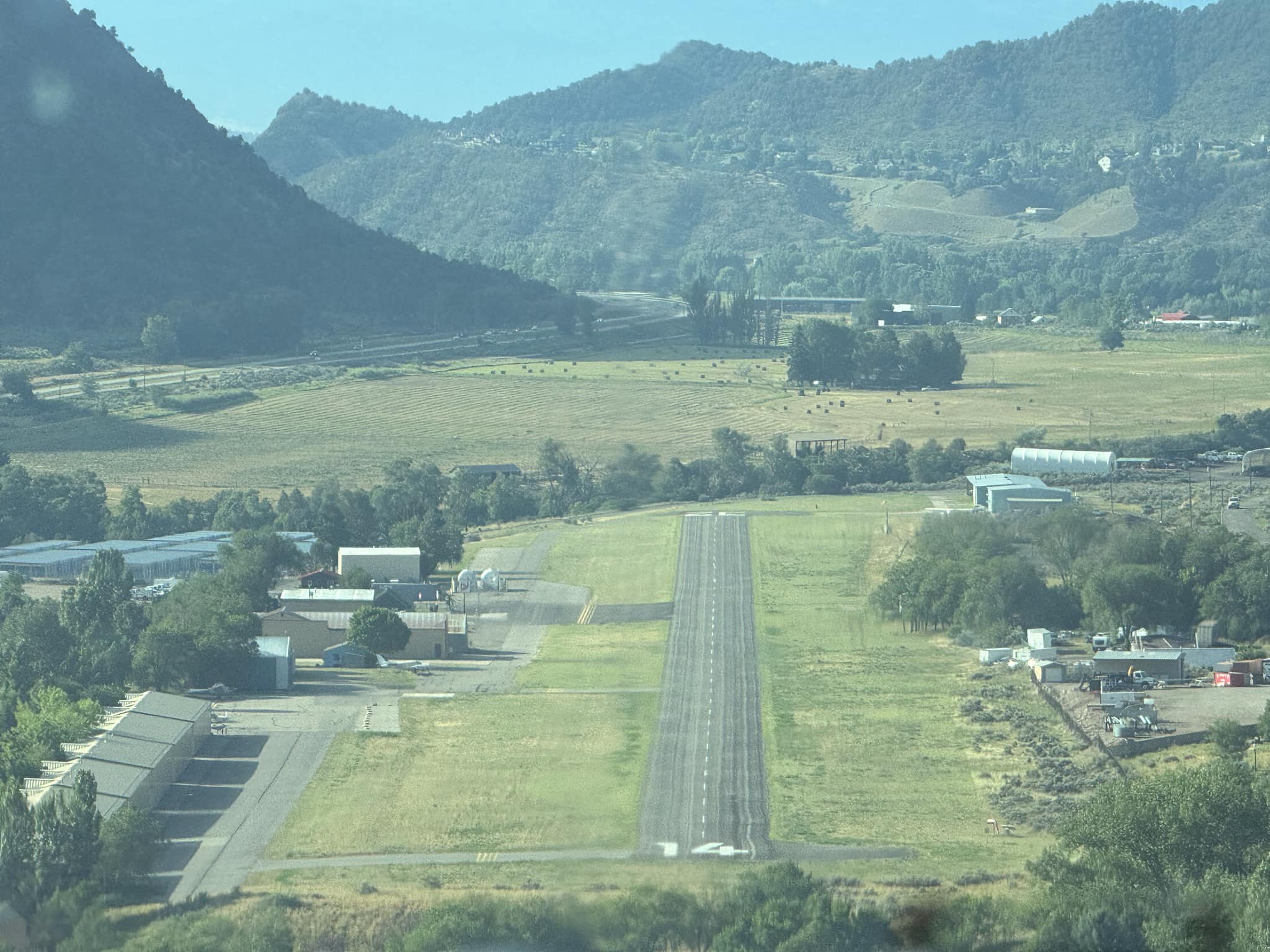

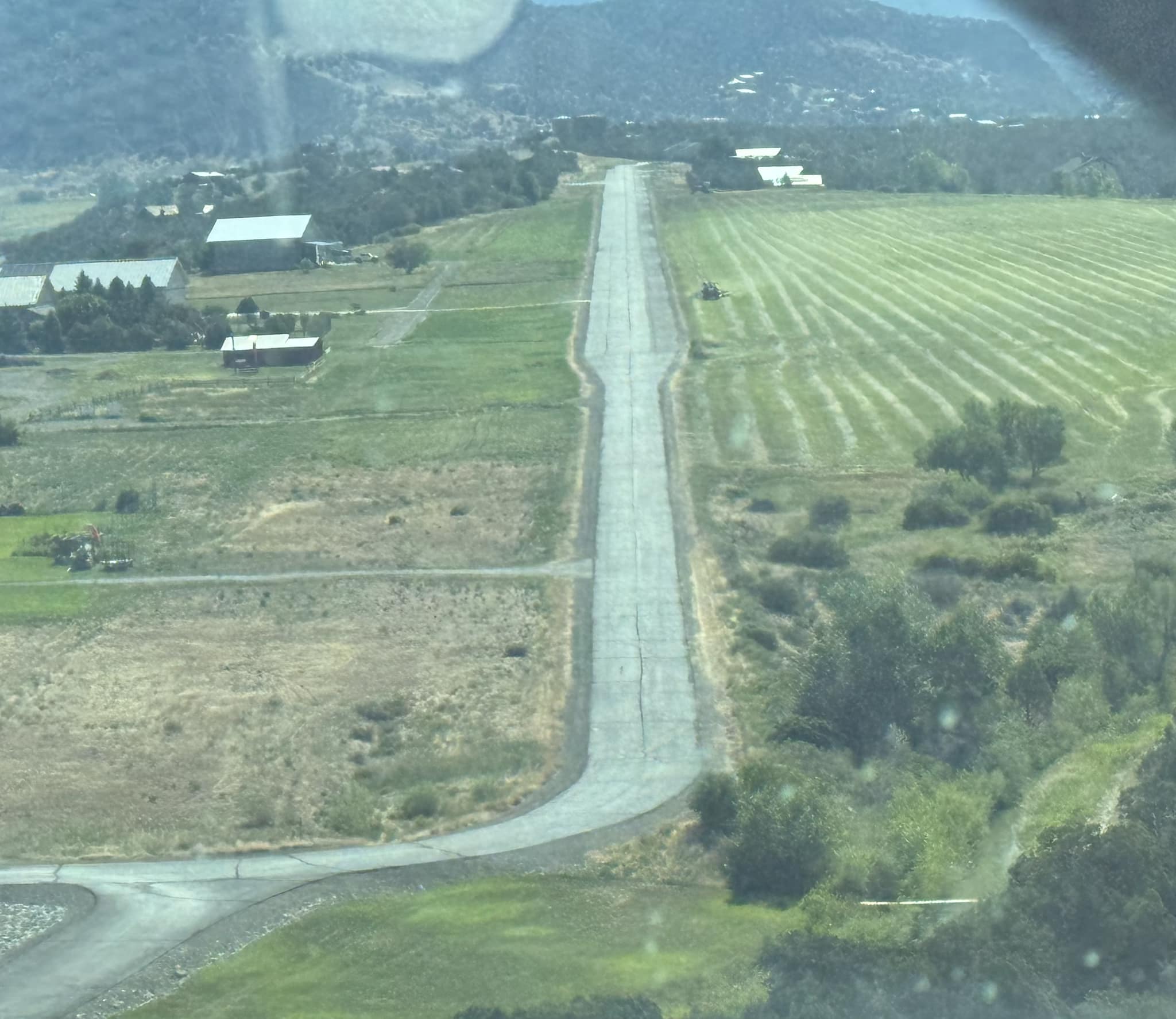
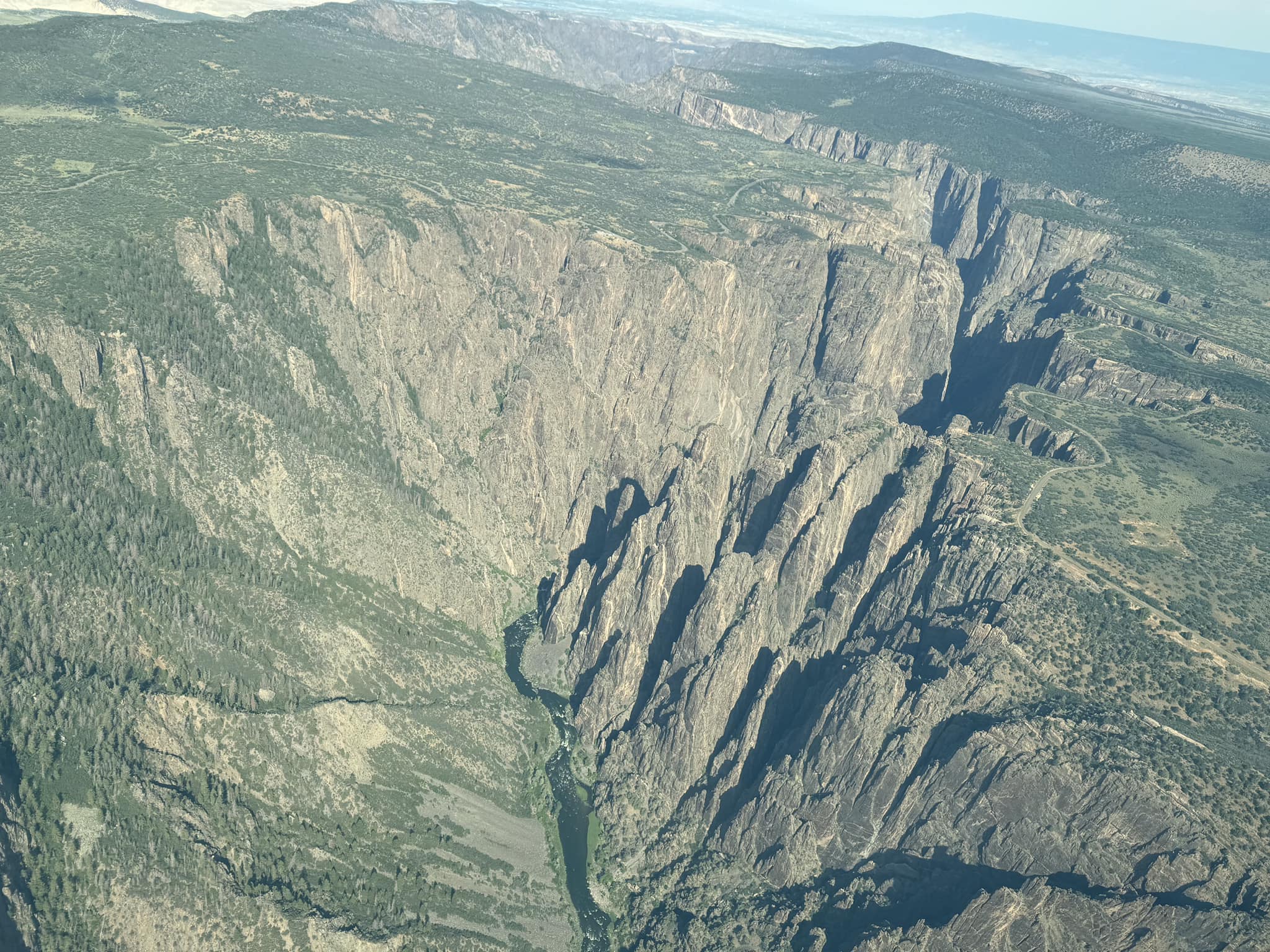
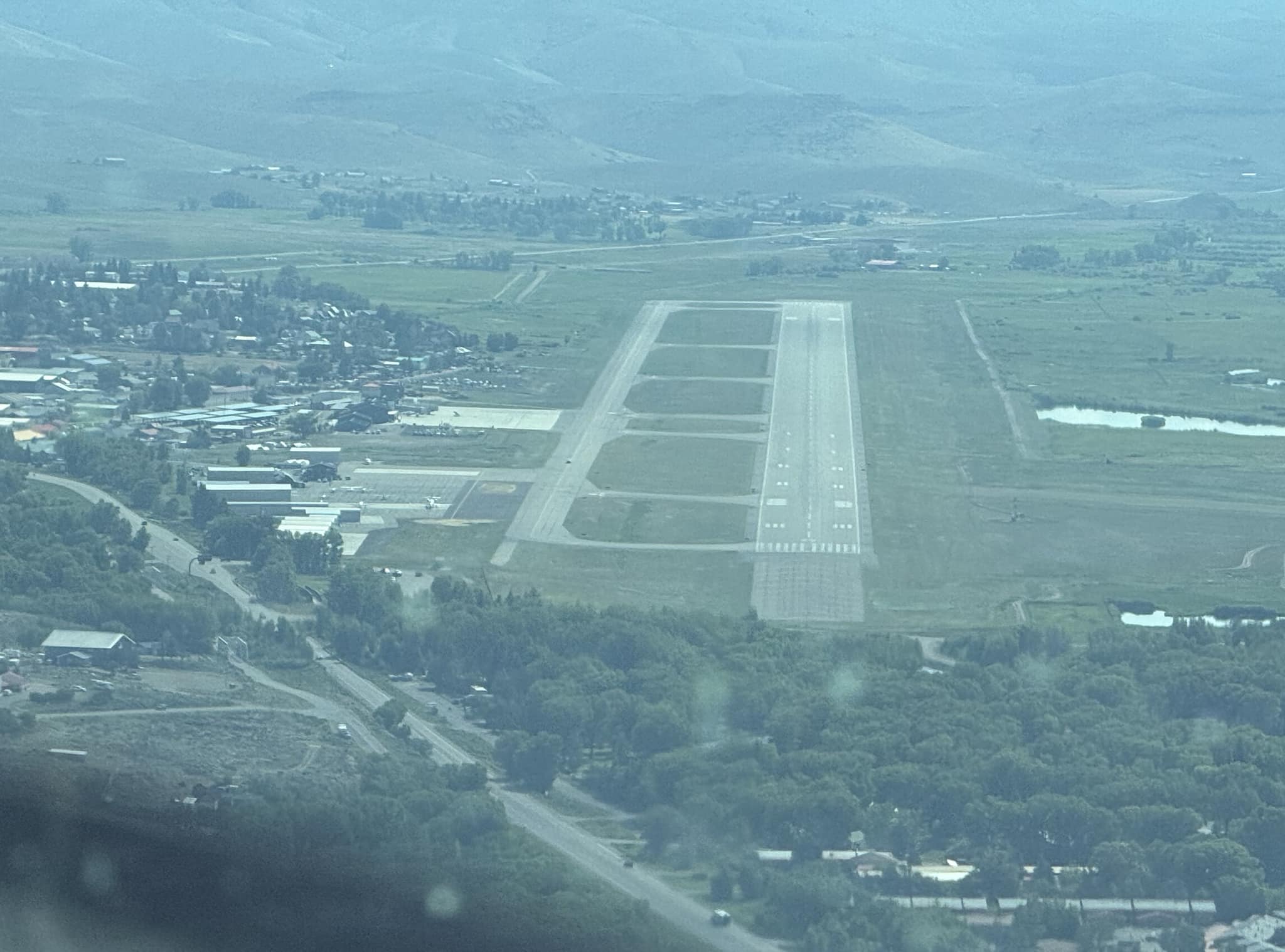

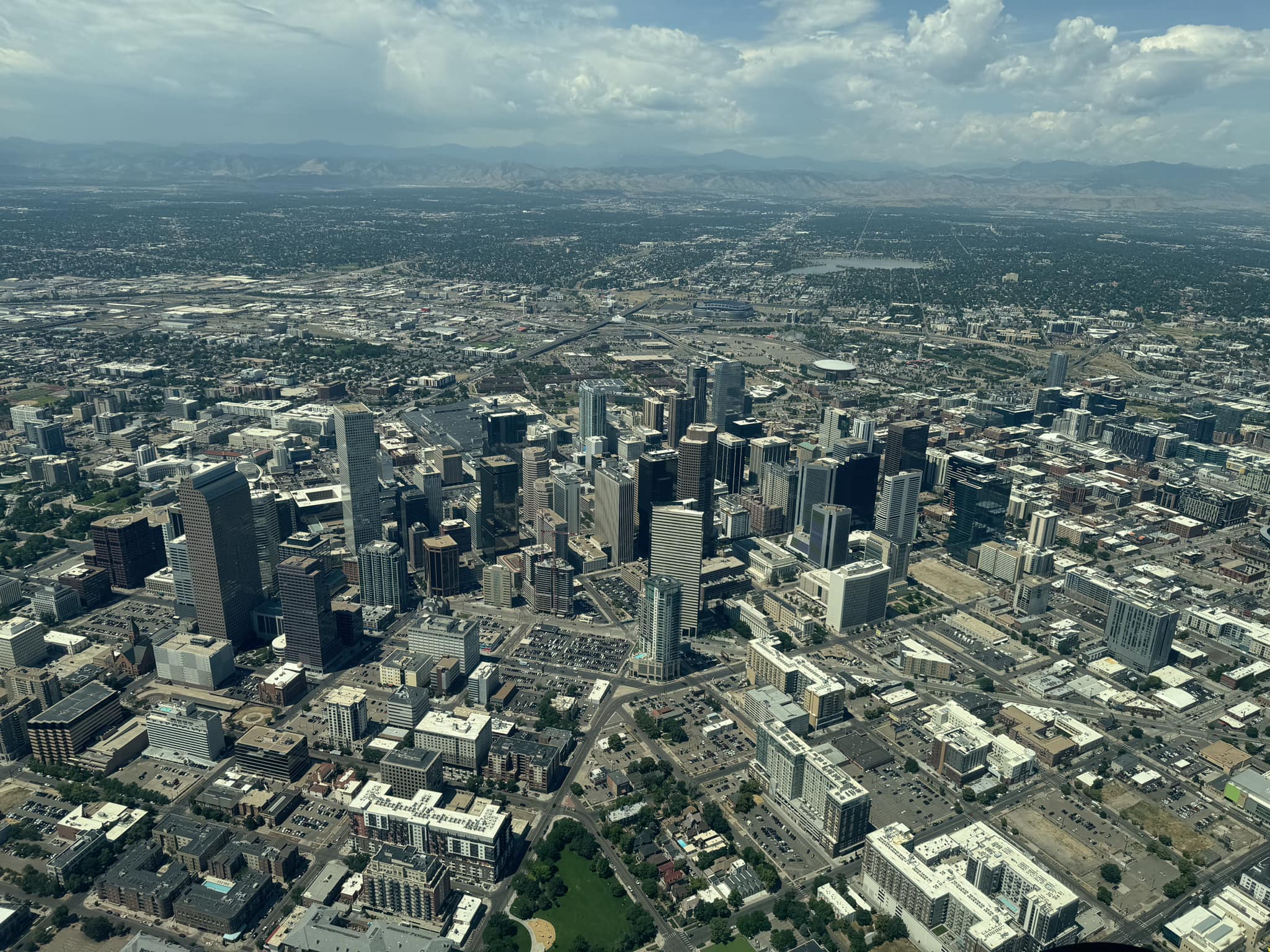
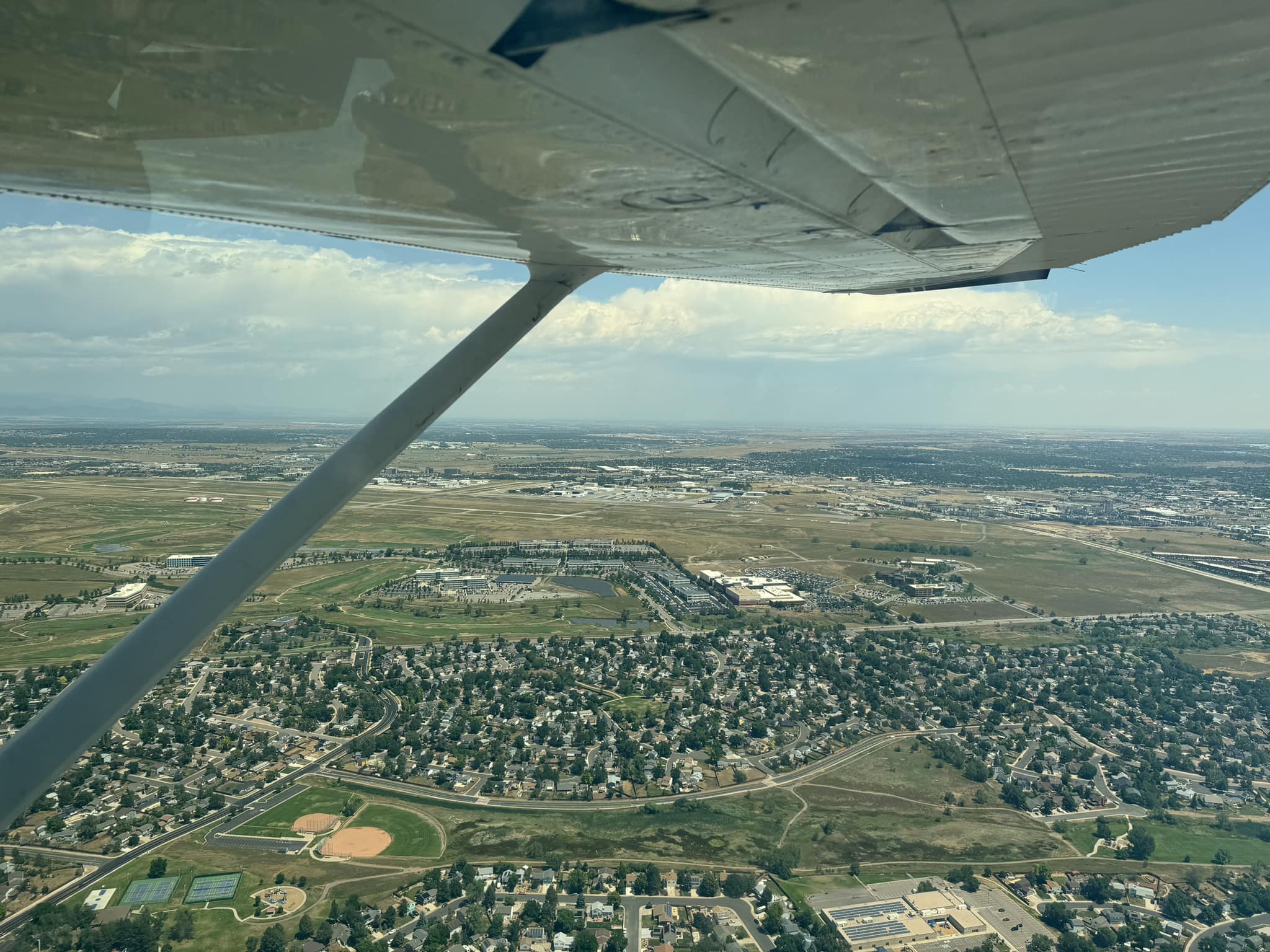

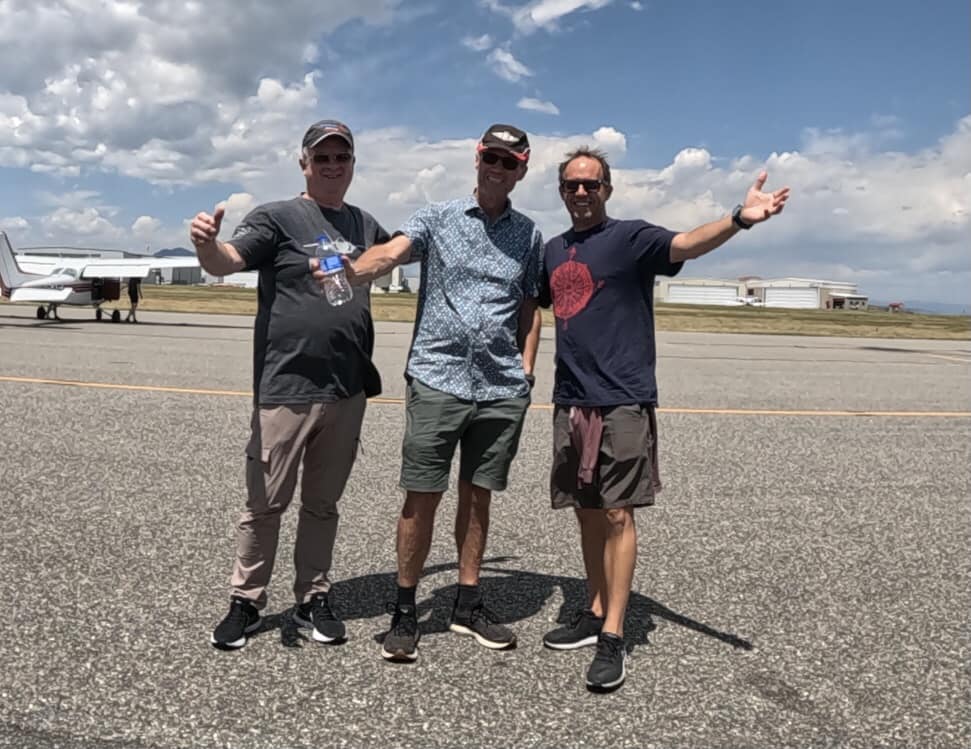



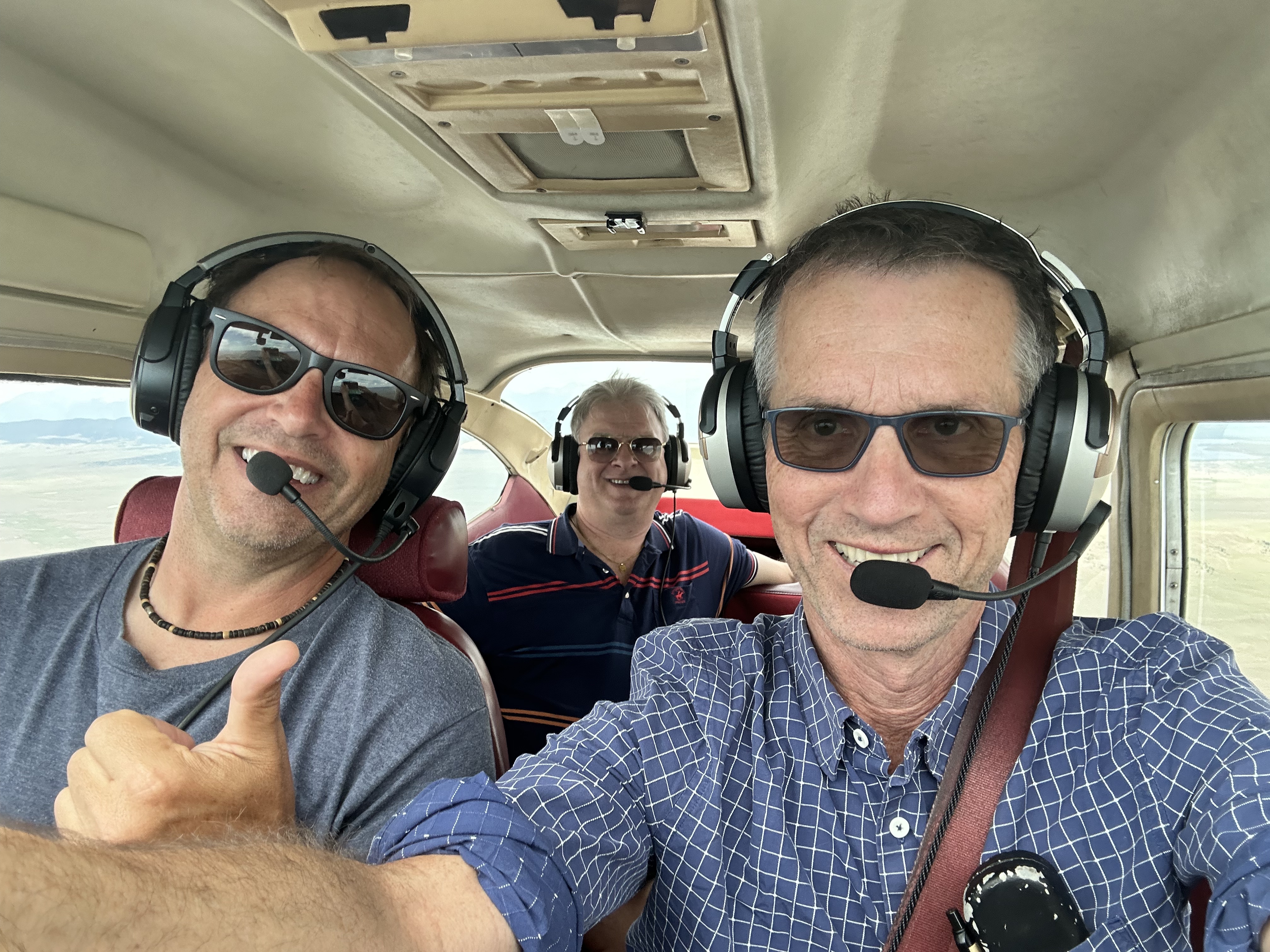
 PrivatierAir